REVIEW · PRIVATE
Kyoto: The Path Less Traveled (Private)
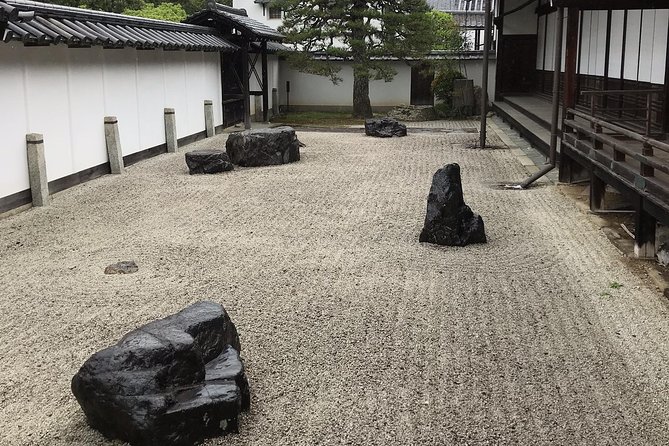
Kyoto’s best moments are often found behind the famous gates, down a quiet garden path, or inside a temple most first-time visitors never reach. This private eight-hour tour takes you through seven lesser-seen cultural sites, from the carefully framed gardens of Konchi-in to the remarkable hall of 1,001 golden Buddha statues at Sanjusangendo. Guide Andrew gives the day a personal, thoughtful focus, with special attention to Zen gardens and traditional design.
I like the private format, since you can decide which stop matters most if the schedule gets tight. I also like the range: you are not spending the whole day looking at temples. You get gardens, shrine architecture, Buddhist sculpture, a local lunch, and the unusual home and studio of potter Kawai Kanjiro. The main consideration is cost. At $690 per group of up to four, this is a serious splurge, and you will also pay cash for lunch, transportation, and admission.
In This Review
- Key Things to Know Before You Book
- Why This Kyoto Day Feels Different
- Starting at Keage and Entering Konchi-in
- Tenjuan’s Sudden Forest Garden
- Heian Shrine’s Garden Beyond the Main Gate
- Chishaku-in and Its Quiet Paintings
- Sanjusangendo’s 1,001 Golden Buddhas
- Toyokuni Shrine and Japan’s Largest Bell
- Kawai Kanjiro’s House and the Wabi-Sabi Finish
- Lunch, Transport, and the Real Cost
- Pace, Weather, and Practical Fit
- Who Will Get the Most From It
- Should You Book Kyoto: The Path Less Traveled?
- FAQ
- How long is the tour?
- What time does the tour start?
- Where does the tour begin?
- Where does the tour end?
- How far is the next bus stop from the ending point?
- Is this a private tour?
- How many people can join for the listed price?
- Is lunch included?
- Are transportation costs included?
- Are admission fees included?
- Can every listed site be visited?
- What happens if the weather is poor?
- What is the cancellation deadline?
Key Things to Know Before You Book
- Seven very different stops: Gardens, shrines, a temple hall filled with golden statues, and a folk art museum give the day more variety than a standard temple tour.
- Guide Andrew leads the experience: His approach centers on explaining the meaning and design of Kyoto’s gardens, rather than simply pointing out buildings.
- Private pacing matters: Your group alone takes part, and you choose what to cut if time runs short.
- Bring cash: Plan on 1,500 yen per person for lunch, 1,000 yen per person for transportation, and 3,500 yen per person for admission to five sites.
- The day begins at 9 a.m.: You meet near Keage Station and finish outside Kawai Kanjiro’s House in eastern Kyoto.
- Allow time for quiet looking: This is best for you if gardens, art, religious spaces, and close observation sound better than checking off famous landmarks.
Why This Kyoto Day Feels Different
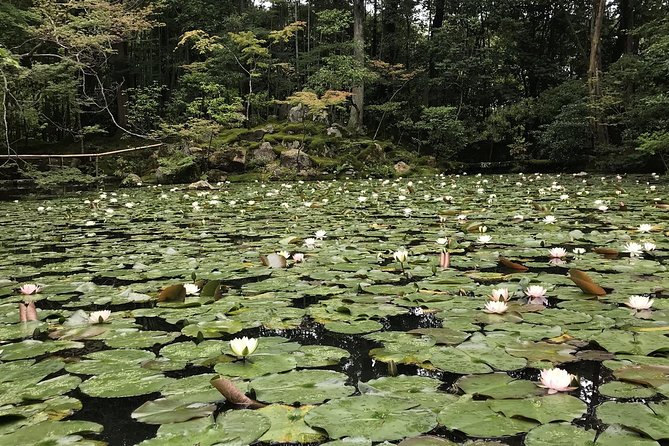
The appeal here is not simply avoiding crowds. It is seeing how varied Kyoto can be when you move beyond the city’s usual headline attractions. A garden may look sparse at first glance, yet its stones, moss, water, borrowed views, and empty spaces are arranged with care. A shrine can feel grand and political, while a potter’s home may reveal just as much about Japanese taste through humble objects and room design.
That change of pace is the heart of the experience. You spend roughly an hour at most major stops, so you have time to look closely rather than rush in, take a photograph, and leave. The route also brings together places with very different moods. Konchi-in and Tenjuan offer quiet temple gardens. Heian Shrine gives you a larger garden setting behind a well-known shrine. Chishaku-in is more subdued. Sanjusangendo is dramatic and crowded with sculpture. Kawai Kanjiro’s home finishes the day on a human scale.
The schedule adds up to about six hours and twenty minutes at the named stops, before lunch and travel between them. That is a full day, not a quick orientation walk. Your guide may need to remove one or more stops, and your group decides what gets left out. That flexibility is useful, but you should not assume every listed site is guaranteed on a particular day.
A few more Kyoto experiences worth comparing
- Fushimi Inari Hidden Hiking Tour (Private Option Available)
★ 5.0 · 1,750 reviews - Private Kyoto Tour with a Local, Highlights & Hidden Gems, Personalised
★ 5.0 · 1,543 reviews - Kyoto 6hr Private Tour with Government-Licensed Guide
★ 5.0 · 1,369 reviews
Starting at Keage and Entering Konchi-in
The meeting point is at Keage Station, at Higashikomonozacho in Kyoto’s Higashiyama Ward. The start time is 9 a.m., which gives you a clear morning beginning before the day has fully gathered pace.
Konchi-in is the first major stop, with about an hour set aside for it. The temple offers architecture, gardens, statuary, and paintings in a quiet setting. The important point for you is the mix. This is not only a garden visit. You get a look at several forms of Japanese religious art and design in one calm place.
I would pay attention to how the garden controls your view. These spaces are meant to be seen from particular positions, and the arrangement of stones and plants matters as much as the individual objects. Andrew’s garden-focused approach should be most useful here, especially if you want more than a list of names and dates.
Admission is not included. The supplied cost information lists a total of 3,500 yen per person in cash for admission to five sites, so bring enough Japanese currency rather than relying on a card or mobile payment.
Tenjuan’s Sudden Forest Garden
Tenjuan follows with another hour. You spend time in two gardens, one of which is described as giving you the feeling of entering a forest or a fairy-tale setting. That contrast is worth noticing. Kyoto gardens do not all aim for the same effect. Some feel formal and composed, while others seem to open into a more natural, enclosed world.
This stop is likely to appeal most if you enjoy quiet spaces and small changes in atmosphere. It may be less rewarding if you prefer grand halls, major artifacts, or constant commentary. The value comes from slowing down and letting the setting work on you.
The private arrangement helps here. A large group can make a quiet garden feel less quiet. With only your own group, you can ask questions, pause at a view, or move on when you have had enough.
Heian Shrine’s Garden Beyond the Main Gate
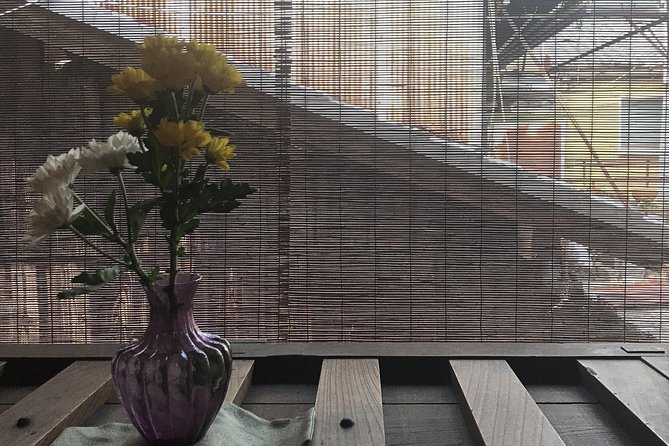
Heian Shrine is the best-known stop on this route, but the focus is not the main shrine complex. You go into the garden behind it, an area that many people skip. The tour allows about an hour for this section.
That choice says a lot about the day. You may recognize the shrine, yet still see a side that is easy to miss. The garden is described as one of Kyoto’s most picturesque, and its size and setting provide a useful change after the smaller temple gardens at Konchi-in and Tenjuan.
I like this stop for practical reasons. You get a familiar landmark without spending the day in the standard visitor flow. If you have already seen Heian Shrine’s front grounds, the rear garden gives you a fresh reason to return. If this is your first Kyoto visit, it also shows why a famous site can still reward a more selective visit.
As with the other major locations, admission is extra. The garden stop may also be one of the places your group chooses to keep if you want a broad, scenic part of the day.
A completely different side of Kyoto:
- PERFECT KYOTO 1-Day Bus Tour
★ 5.0 · 13,518 reviews - Kyoto: Fushimi Inari, Kinkakuji, Bamboo Grove 1 Day Bus Tour
★ 4.8 · 4,316 reviews - Kyoto: Tea Ceremony in a Traditional Tea House in Kiyomizu
★ 4.9 · 3,519 reviews - Kyoto Geisha Walking Tour: Gion District & Hidden Gems
★ 4.7 · 3,273 reviews
Chishaku-in and Its Quiet Paintings
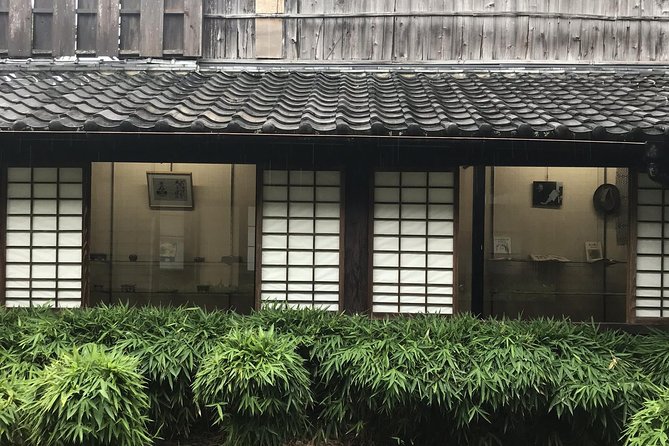
Chishaku-in receives another hour. This is described as a hardly visited garden that can transport your attention far from the city. The temple also displays sliding-door paintings by one of Japan’s most respected painters.
This pairing gives you both outdoor and indoor detail. The garden offers space, distance, and carefully shaped views. The painted screens bring the focus closer, to brushwork and room surfaces. You are not simply moving from one temple to the next. You are seeing how Japanese art works across architecture, gardens, and interiors.
For many people, this may be the least familiar name on the route, which is part of its appeal. The tradeoff is that a quiet site may not deliver the instant visual drama of 1,001 gold-covered figures later in the day. If you want a day built around reflection and design, keep it. If your group prefers the biggest sights, this could be a candidate to cut.
Sanjusangendo’s 1,001 Golden Buddhas
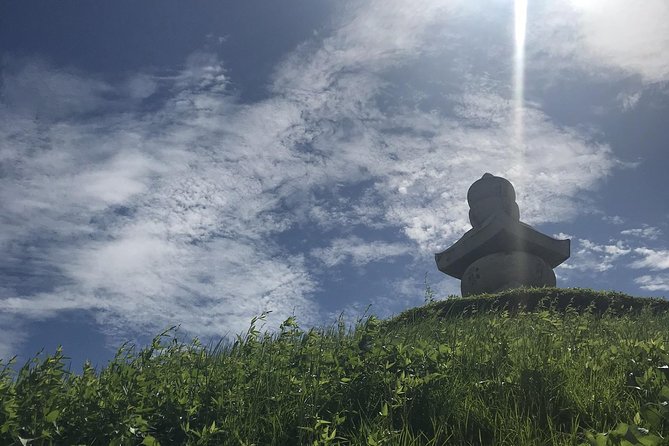
Sanjusangendo brings the day’s most startling visual moment. The temple is one of Kyoto’s oldest structures and houses 1,001 golden Buddha statues. The number alone is impressive, but the effect comes from seeing the figures arranged together in a single sacred setting.
This is the stop that gives the tour an anchor beyond gardens. After several hours of subtle design, Sanjusangendo offers scale and repetition. It is a place where you can understand the power of a large religious installation without needing a long list of separate objects.
Plan on about an hour here, and remember that admission is not included. The tour description identifies five admission fees totaling 3,500 yen per person, though it does not break down the charge by individual site. Keep cash ready.
If you are looking for the single most memorable interior on the route, this is likely it. If your interests are strictly gardens, you may find the shift in mood abrupt, but that variety keeps the day from becoming one long sequence of similar temple views.
Toyokuni Shrine and Japan’s Largest Bell
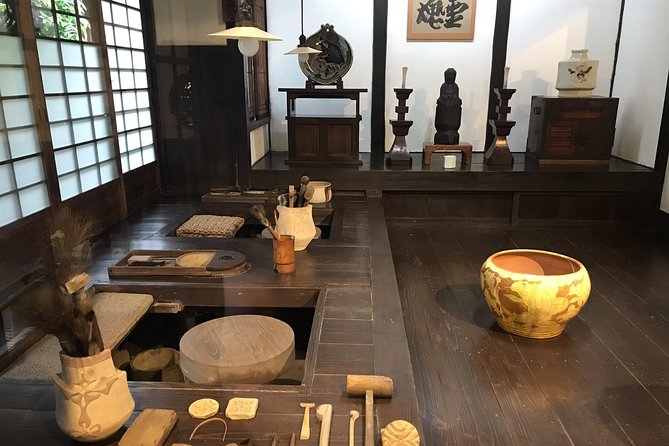
Toyokuni Shrine is a shorter stop, about 20 minutes. It is dedicated to one of the most important samurai figures in Japanese history, and the grounds include what is described as Japan’s largest bell.
The limited time makes this more of a focused visit than a full exploration. You will want to listen closely as Andrew explains why the shrine matters and what connects it to samurai power. The shrine also adds a different tone to the day. The earlier stops focus heavily on Zen gardens and Buddhist art, while Toyokuni introduces political and military history through a sacred site.
Twenty minutes may be enough for the bell and main points, but it leaves little room for lingering. If your group is fascinated by Japanese history, you may wish this stop had more time. Still, its short length helps make room for the final museum visit.
Kawai Kanjiro’s House and the Wabi-Sabi Finish
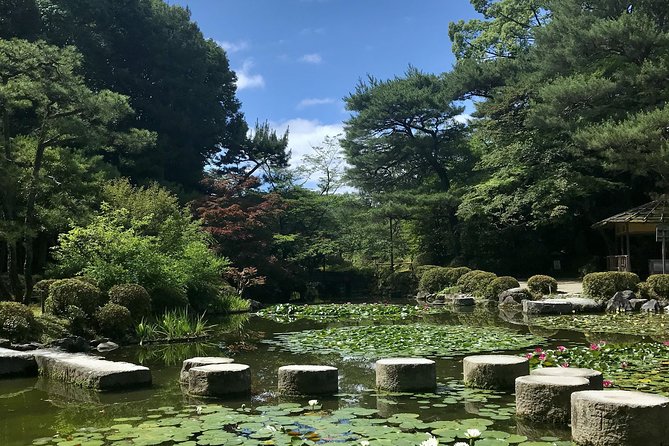
The final stop is the Kawai Kanjiro Memorial Museum, with about an hour planned. It occupies the converted home of a noted 20th-century master potter and offers a look at his home, work, and approach to everyday design.
This is one of the tour’s most distinctive choices. A famous temple can be impressive, but a former home lets you see how artistic ideas appear in rooms, tools, furniture, and ordinary objects. The setting is presented as an example of the wabi-sabi way of living and design, with an emphasis on simplicity, age, and the beauty of useful things.
The museum also gives the route a strong ending. You finish with a personal space rather than another huge religious complex. If you like folk art, ceramics, interiors, or Japanese craft, this may become one of your favorite stops. If you want a tour packed only with major monuments, it may feel small after Sanjusangendo.
The tour ends outside Kawai Kanjiro’s House. From there, it is a five-minute walk to Umamchi Bus Stop, so you have a straightforward next step after the guide says goodbye.
Lunch, Transport, and the Real Cost
The listed price is $690 per private group of up to four. Split four ways, the guide fee is $172.50 per person before local costs. For a couple, however, the same fee works out to $345 per person before lunch, transport, and admission. That makes group size a major part of the value calculation.
Each person must also bring:
- 1,500 yen in cash for lunch
- 1,000 yen in cash for transportation
- 3,500 yen per person in cash for admission to five sites
That is 6,000 yen in additional cash costs per person. The lunch is described as local and traditional, which fits the purpose of the day, but no menu or restaurant details are provided. If you have dietary restrictions, ask before booking because the available information does not explain the meal arrangements.
The guide fee buys more than transportation from one gate to the next. It buys a private day with a specialist interest in Kyoto’s gardens and less familiar cultural spaces. I see the strongest value for three or four people who want a full day of interpretation and do not want to build a complex route themselves.
For a solo visitor or couple on a tight budget, the price is harder to justify. You could visit some of these sites independently for less, but you would give up the guide’s explanations, private pacing, and ability to decide what to remove when the schedule changes.
Pace, Weather, and Practical Fit
This is an eight-hour experience with several hours on your feet. The provided information says most people can participate and that the route is near public transportation. Still, you should be ready for repeated walking through temple and shrine grounds, gardens, and museum rooms.
Good weather is required. If poor weather cancels the activity, you are offered another date or a full refund. That matters because gardens are a central part of the day, and rain could change how comfortable the route feels.
You receive confirmation at booking, and the experience uses a mobile ticket. It is a private activity, so only your group takes part. Free cancellation is available until 24 hours before the 9 a.m. start time. Changes or cancellations inside that window are not accepted for a refund.
The tour is booked around 80 days ahead on average. If your Kyoto dates are fixed, reserve early, especially if you want a particular morning.
Who Will Get the Most From It
I would choose this tour if you have already seen Kyoto’s headline sights, or if you prefer gardens, art, and careful explanation to a fast list of famous names. It also suits repeat visitors. One especially strong reason to book is that the route feels designed for someone who wants to understand why a place matters, not just where to take a photograph.
It can also work well for a small family group or friends who share an interest in Japanese culture. The private format lets you set the pace and decide what matters most. A group of four gets the best price per person.
I would think twice if this is your first and only day in Kyoto and you want the city’s most famous sites. This route skips the usual major stops in favor of quieter places, and the schedule may not include every location. I would also think twice if your group dislikes gardens, museums, or long stretches of calm observation.
Should You Book Kyoto: The Path Less Traveled?
Book it if you want a quiet, highly focused Kyoto day led by Andrew, with gardens, Buddhist art, shrine history, and traditional craft all in one route. The strongest features are the private pacing, the unusual selection of sites, and the shift from grand temples to Kawai Kanjiro’s intimate home.
Do not book it simply because you want to see as many famous attractions as possible. The $690 group price is most sensible for three or four people, and the extra 6,000 yen per person in cash should be part of your budget. For the right group, this is a thoughtful alternative to Kyoto’s crowded standard circuit, with enough variety to make the full eight hours feel worthwhile.
FAQ
How long is the tour?
The experience lasts approximately eight hours.
What time does the tour start?
The tour starts at 9 a.m.
Where does the tour begin?
It begins at Keage Station, at Higashikomonozacho in Kyoto’s Higashiyama Ward.
Where does the tour end?
It ends outside Kawai Kanjiro’s House in Kyoto’s Higashiyama Ward.
How far is the next bus stop from the ending point?
Umamchi Bus Stop is a five-minute walk from Kawai Kanjiro’s House.
Is this a private tour?
Yes. Only your group takes part in the activity.
How many people can join for the listed price?
The $690 price covers a group of up to four people.
Is lunch included?
No. Each person must bring an additional 1,500 yen in cash for lunch.
Are transportation costs included?
No. Each person must bring an additional 1,000 yen in cash for transportation.
Are admission fees included?
No. The listed total admission cost for five sites is 3,500 yen per person, payable in cash.
Can every listed site be visited?
Not always. Depending on the group’s pace, one or more sites may be removed, and the group decides what to eliminate.
What happens if the weather is poor?
Because the experience requires good weather, a cancellation caused by poor weather gives you the choice of another date or a full refund.
What is the cancellation deadline?
You can cancel at least 24 hours before the start time for a full refund. Cancellations or changes made less than 24 hours before the start time are not accepted.
Recently added around Kyoto
- Higashiyama | Kyoto: Sakura Season Private Rickshaw Tour★ 5.0 · 3 reviews
- Kyoto Kimono Rental CHAMATSU|Kimono/Yukata Rental FamilyPlan★ 5.0 · 3 reviews
- Kyoto: Half-Day Private Guided Tour to the Old Town of Gion★ 4.4 · 3 reviews
- Nara Private Customizable Half Day Tour★ 5.0 · 3 reviews
- Full Day Nara Deer, Temple, Shrine, Activities & Tea Ceremony★ 5.0 · 3 reviews
- Nara: Essential Private Tour with Deer Park and Temples★ 5.0 · 3 reviews
- Kansai Region Hiking Adventure in Nara Kobe Kyoto and More★ 5.0 · 3 reviews
- Hiking Tour for Sacred Sites in Kyoto with a Guide★ 5.0 · 3 reviews
Private, compared.
Fushimi Inari Hidden Hiking Tour (Private Option Available)
Read our review →
Private Kyoto Tour with a Local, Highlights & Hidden Gems, Personalised
Read our review →
Kyoto 6hr Private Tour with Government-Licensed Guide
Read our review →
10 Must-see Spots in Kyoto One Day Private Tour (up to 7 people)
Read our review →
Nara Half Day Trip Walking Tour (Private Option Available)
Read our review →
Kyoto 4hr Private Tour with Government-Licensed Guide
Read our review →