REVIEW · GUIDED
Kyoto: Private Tour with Local Licensed Guide
Kyoto is easier to understand when someone can explain what you are seeing, how to behave at a shrine, and why one temple suits your interests better than another. This private Kyoto walking tour lets you choose from major sights such as Fushimi Inari, Kinkakuji, Kiyomizu-dera, Gion, and Arashiyama, with a licensed local guide shaping the day around you. I especially like the chance to adjust the pace and the useful help with buses, trains, restaurants, and quieter alternatives.
I also like that the guide can meet you at your hotel or a requested train station, then help turn a long list of Kyoto sights into a workable plan. Guides including Kazuo, Yuka, Michi, Noriko, Akira, and Haru have been praised for clear English, cultural explanations, and careful timing. The catch is simple: this is not a private car tour. You pay entrance fees and transport costs separately, and ambitious routes can mean a lot of walking and transfers.
In This Review
- Key points for planning your Kyoto day
- What the private Kyoto format really gives you
- Four hours: choose a compact Kyoto introduction
- Six hours: the best balance for first-time visitors
- Eight hours: a full day with room for the city’s outer districts
- The places I would prioritize
- Guides, language, and the human side of the day
- Walking, transport, money, and weather
- Who gets the most value from this Kyoto tour
- Should you book this private Kyoto walking tour?
- FAQ
- How long is the Kyoto private tour?
- Is the tour private?
- Which sights can I choose?
- Are entrance fees included?
- Does the tour include a private car?
- Where does pickup take place?
- Is the tour offered in English?
- Can I cancel or pay later?
Key points for planning your Kyoto day
- Pick four, six, or eight hours: Four hours usually covers two or three places, six hours three or four, and eight hours four to six.
- Build the route around your interests: Choose from 32 listed sights, including famous temples, shrine districts, markets, gardens, and western Kyoto.
- Get practical cultural guidance: Your guide can explain shrine manners, Buddhist customs, local history, and modern Japanese life.
- Use public transport with local help: Buses, trains, and taxis may connect the sights, but those fares are extra and should be paid in Japanese yen.
- Meet at your accommodation or station: Pickup is on foot if your lodging is within a reasonable distance, with the guide waiting 10 minutes before the agreed time.
- Expect a private group of up to seven: The day is designed for your party alone, not a large coach group.
What the private Kyoto format really gives you
At $106 per person, this tour is not the cheapest way to see Kyoto. It can be a good value if you are short on time, traveling with family, or unsure how to connect far-flung sights. A guide who knows which train or bus to use can save the kind of time that disappears at crowded stations and confusing intersections.
You are paying for more than facts at temple gates. The useful part is the judgment. Should you spend your limited morning at Fushimi Inari or Kiyomizu-dera? Can you fit Nishiki Market before Gion? Is Arashiyama realistic alongside Kinkakuji? A good guide can answer those questions before your feet and patience give out.
You will have a nationally licensed Tour Guide-Interpreter. This Japanese government certification requires training in Japanese culture and history. English and Japanese are offered, and the individual guide assigned to you will shape the tone of the day. Past guide pairings have included Kazuo, Rie, Naoki, Haru, Akira, Yuka, Noriko, Michi, and others.
The strongest pattern is personal attention. Guides have adjusted routes for children, older family members, rainy weather, photography stops, coffee breaks, and crowd avoidance. One guide even helped a group catch the right train after the tour. That sort of help is hard to price until you need it.
A few more Kyoto experiences worth comparing
- Fushimi Inari Hidden Hiking Tour (Private Option Available)
★ 5.0 · 1,750 reviews - Private Kyoto Tour with a Local, Highlights & Hidden Gems, Personalised
★ 5.0 · 1,543 reviews - Kyoto 6hr Private Tour with Government-Licensed Guide
★ 5.0 · 1,369 reviews
Four hours: choose a compact Kyoto introduction
A four-hour tour normally covers two or three places. I would treat it as an introduction, not a grand sweep of the city. Choose sights that sit in the same general part of Kyoto, or accept that transport time will reduce your time on site.
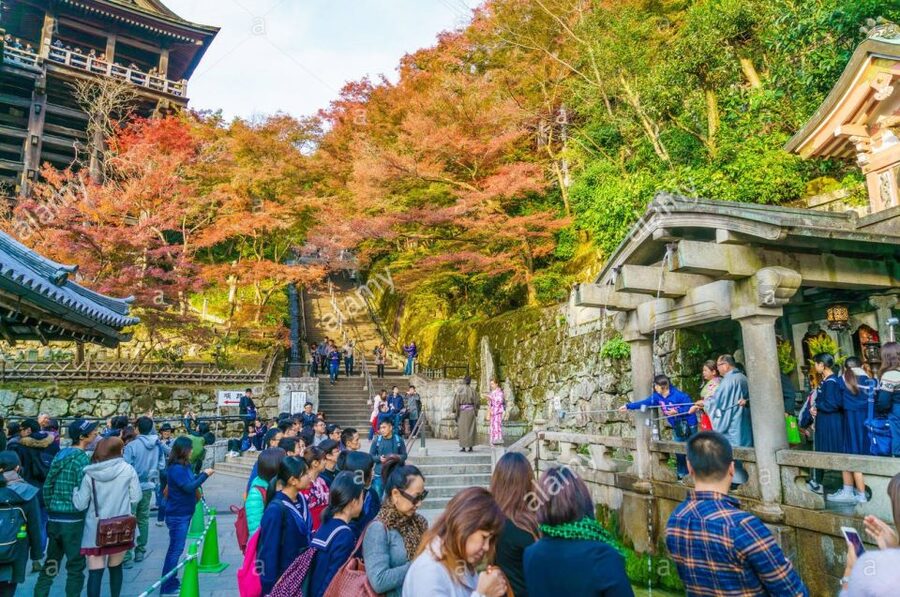
A strong eastern Kyoto plan could include Kiyomizu-dera, Higashiyama, and Gion. Kiyomizu-dera is one of Kyoto’s signature temples, known for its large wooden veranda and broad city views. The approach leads through streets lined with shops selling Kyoto-style souvenirs and snacks. Your guide can explain the temple’s setting and help you make sense of the surrounding streets rather than simply pointing out photo spots.
From there, walk toward Gion and Maruyama Park. Gion gives you old Kyoto architecture, restaurants, and narrow lanes, while Maruyama Park offers a more open pause. Pontocho, another listed choice, is useful for an evening stroll and dining advice. Food is not included, but a guide can suggest where to eat in Gion or Pontocho.
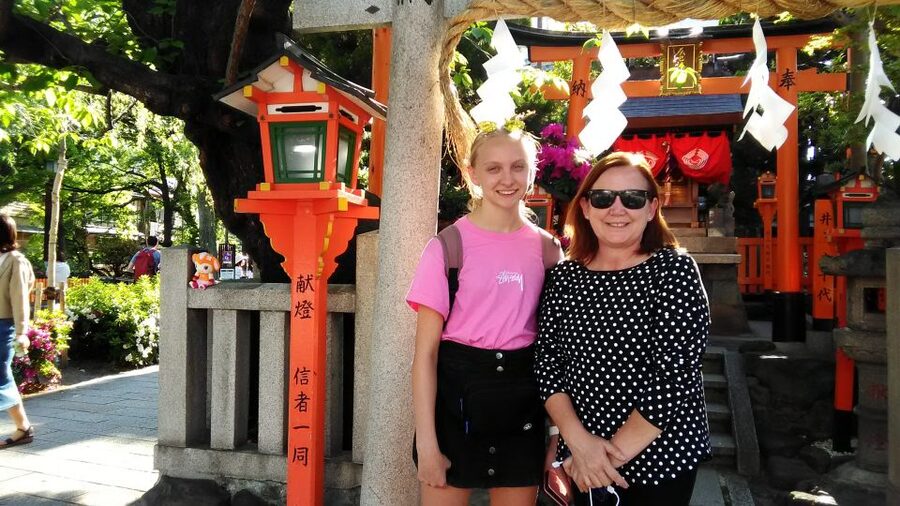
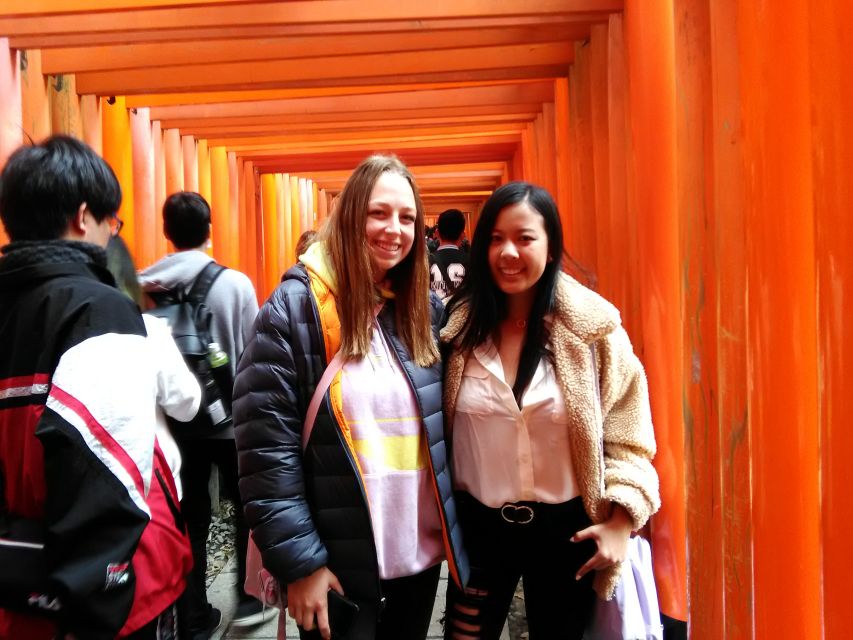
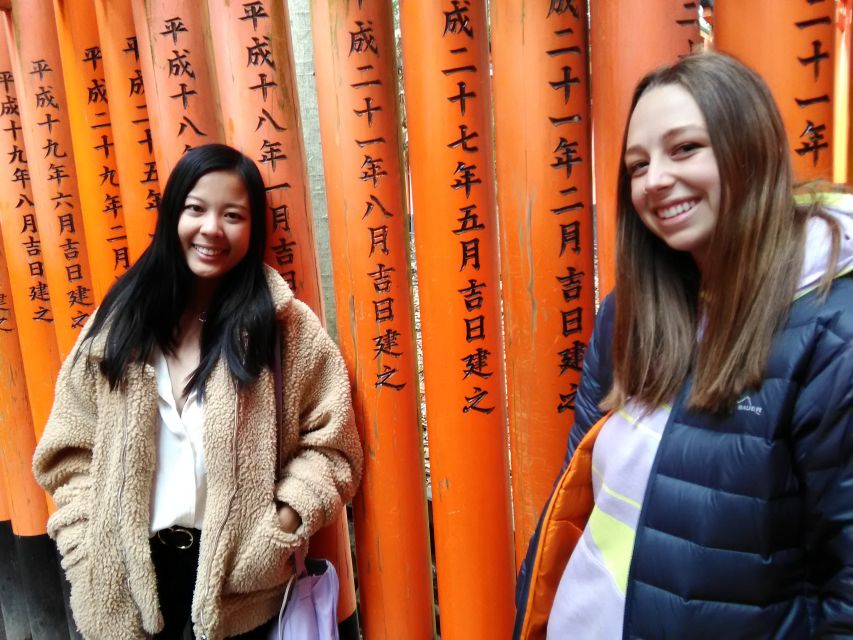
Another four-hour plan could focus on Fushimi Inari-taisha and Tofuku-ji, two southern Kyoto choices. Fushimi Inari is famous for its long corridor of red torii gates climbing the wooded slopes. The first section is the most photographed and can be crowded. Your guide can explain the shrine’s worship practices and the meaning of passing through repeated gates, then help you decide how far to walk.
A guide may also show you how to pray properly at a shrine and how to use an omikuji fortune, details that are easy to miss when you are moving alone. Tofuku-ji offers a different temple setting and can make a sensible companion stop if you want less repetition than a day of only golden and red buildings.
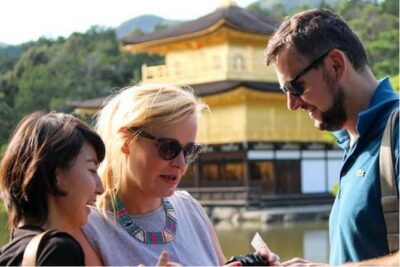
For a northwestern introduction, combine Kinkakuji, Ryoan-ji, and Ninna-ji if your pace allows. The Golden Pavilion is striking because its gold-covered reliquary hall reflects in the pond, with hills behind it. The view is carefully framed, but the route through the grounds is fairly directed, so this is a place where a guide’s cultural explanation adds more than navigation.
Ryoan-ji is known for its spare rock garden, while Ninna-ji offers another major temple setting. The limitation is distance from eastern Kyoto. Do not try to add Gion or Fushimi Inari to this short route unless you are willing to spend a large share of the four hours in transit.
Six hours: the best balance for first-time visitors
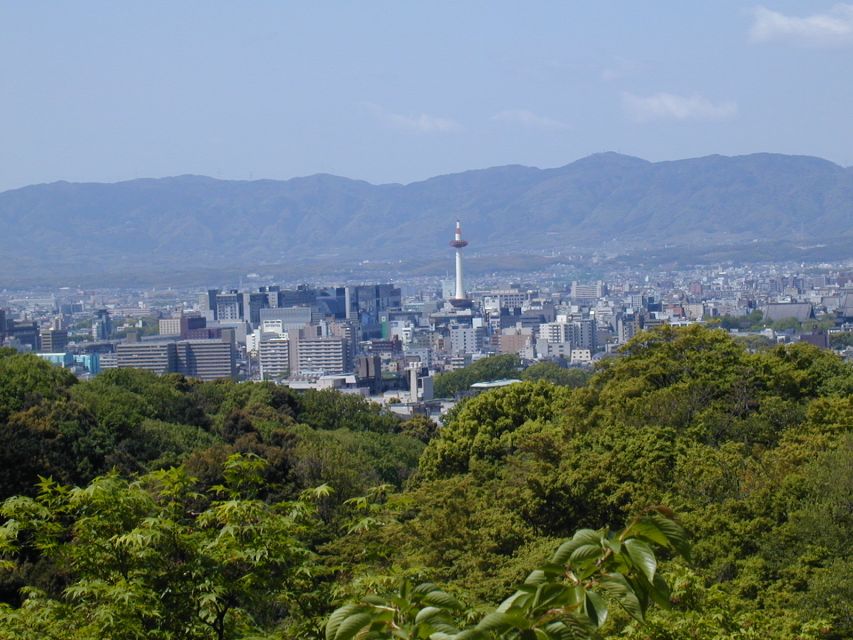
Six hours is likely the sweet spot for many visitors. It gives you enough time for three or four places without forcing every stop into a quick photograph. Several well-organized days have fitted four sites into six hours using walking, buses, and trains.
You could begin at Fushimi Inari, move to Nijo Castle, then finish around Nishiki Market and Gion. Nijo Castle provides a look at shogun-era power and a change from religious buildings. Nishiki Market is useful for food browsing, small purchases, and a look at everyday Kyoto flavors, though it can become crowded. Your guide can help you pause for a snack without losing the rest of the day.
Another good six-hour route is Kiyomizu-dera, Higashiyama, Gion, and Nishiki Market. This keeps the day focused on central and eastern Kyoto and gives you a blend of temple, old streets, shopping, and food. It is also a sensible plan if you want restaurant suggestions at the end rather than a remote final stop that requires another long ride.
If gardens and temple design interest you more than shopping, ask about Ginkakuji, Nanzenji Suirokaku, and the Higashiyama area. Ginkakuji, the Silver Pavilion, is not actually covered in silver, but its understated design and garden make a useful contrast with Kinkakuji. Nanzenji’s brick aqueduct adds a distinctive visual note and helps show the range of Kyoto’s religious and engineering heritage.
Tell your guide in advance if you want less crowded places. Noriko has adjusted routes to include quieter temples, and other guides have changed transport plans to avoid delays. That flexibility matters in Kyoto, where a short distance on a map can take much longer during busy periods.
Eight hours: a full day with room for the city’s outer districts
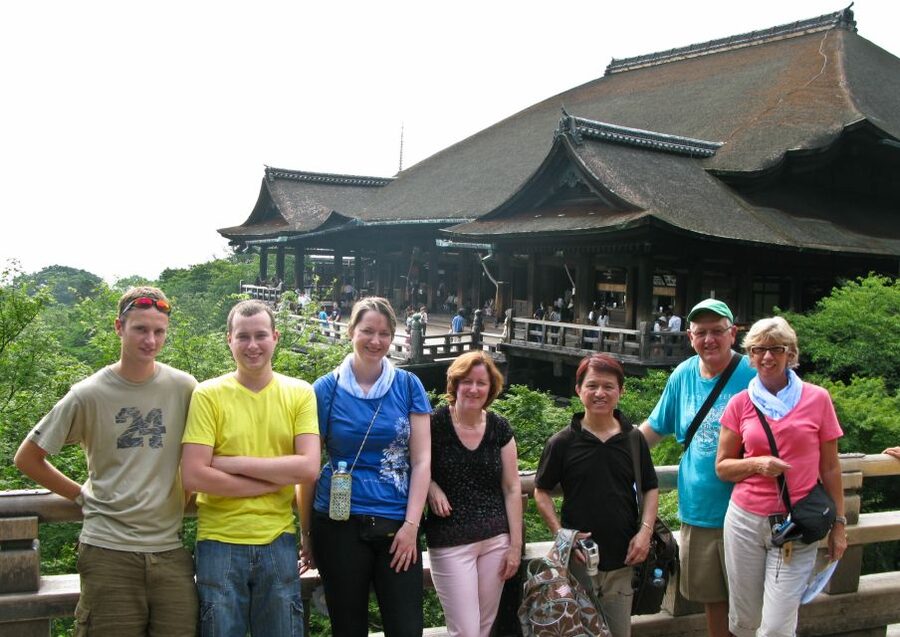
An eight-hour tour usually covers four to six places. This is the right length if you want a major district outside central Kyoto, but you still need to be realistic. Kyoto is spread out, and Arashiyama in the west does not pair easily with every eastern or northern sight.
A western Kyoto day might include Arashiyama, Togetsukyo Bridge, Bamboo Forest Street, and Tenryu-ji. Togetsukyo Bridge gives you an open river view, while Bamboo Forest Street provides the famous walk through tall bamboo. Tenryu-ji adds temple grounds and garden space. Okochi Sanso Garden, Jojakkoji, Nisonin, Gioji, Adashino Nenbutsu-ji, and Otagi Nenbutsu-ji are also on the choice list, allowing you to favor gardens, smaller temples, or a quieter pace.
The drawback is that Arashiyama can consume a full day when crowds and transport are heavy. If you want several western Kyoto stops, do not also promise yourself Fushimi Inari, Kiyomizu-dera, and Nishiki Market. A guide can help choose, but no one can bend the city’s geography.
For a northern and central day, consider Kinkakuji, Ryoan-ji, Ninna-ji, and the Kyoto Imperial Palace. This route gives you the Golden Pavilion, a famous rock garden, a major temple complex, and an imperial setting. Shugakuin Imperial Villa is another option, though the list of choices is broad and your guide will need to confirm what fits the available time.
Southern Kyoto can include Fushimi Inari, Tofuku-ji, Toji, and possibly Byodoin Temple in nearby Uji. Byodoin is especially useful if you want a temple with a strong visual identity and a connection to Japanese cultural heritage beyond central Kyoto. Ask about transport time before committing to it alongside several city-center stops.
A completely different side of Kyoto:
- PERFECT KYOTO 1-Day Bus Tour
★ 5.0 · 13,518 reviews - Kyoto: Fushimi Inari, Kinkakuji, Bamboo Grove 1 Day Bus Tour
★ 4.8 · 4,316 reviews - Kyoto: Tea Ceremony in a Traditional Tea House in Kiyomizu
★ 4.9 · 3,519 reviews - Kyoto Geisha Walking Tour: Gion District & Hidden Gems
★ 4.7 · 3,273 reviews
The places I would prioritize
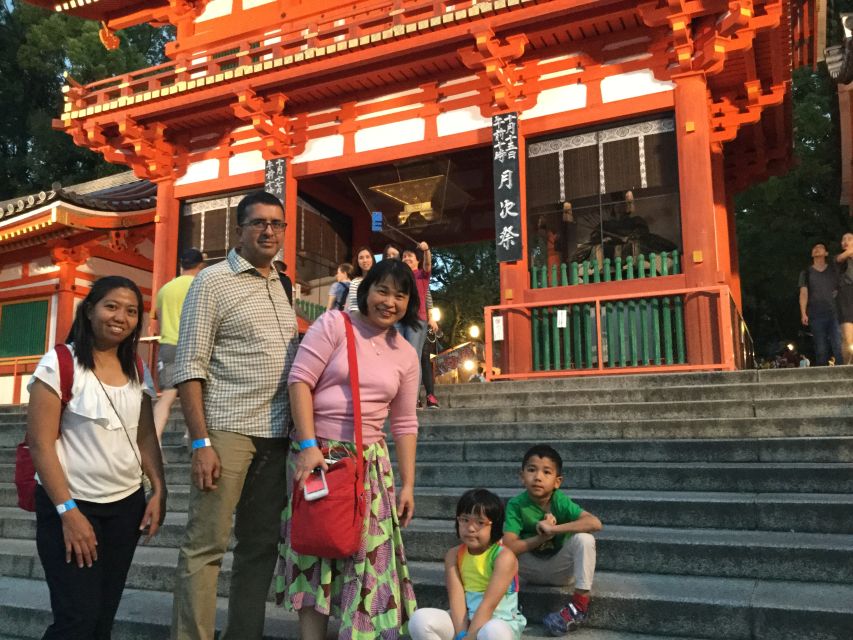
If this is your first Kyoto visit, I would start by naming your top two or three interests rather than sending the guide a long wish list. Here is how I would think about the main choices:
Fushimi Inari-taisha: Best for torii gates, shrine customs, and a memorable walk. Start early if possible. The famous lower corridor can be packed, and climbing farther takes time and stamina.
Kiyomizu-dera and Higashiyama: Best for classic Kyoto scenery, city views, traditional shops, and an easy link into Gion. The sloping streets and temple grounds require comfortable shoes.
Gion and Pontocho: Best for old streets, evening atmosphere, restaurants, and local dining advice. These are districts to walk through rather than check off quickly.
Kinkakuji: Best for a bold, instantly recognizable view. It is visually powerful but does not take as long to visit as a large temple district.
Nishiki Market: Best for browsing food and small Kyoto products. It works well as part of a central route, but crowds can slow the walk.
Arashiyama: Best for bamboo, river views, and a cluster of western Kyoto temples and gardens. Give it time instead of treating it as a quick side trip.
Nijo Castle: Best for a look at political Kyoto and a break from shrine and temple visits.
Ginkakuji and Nanzenji: Best for restrained design, gardens, and a calmer temple-focused route.
Guides, language, and the human side of the day
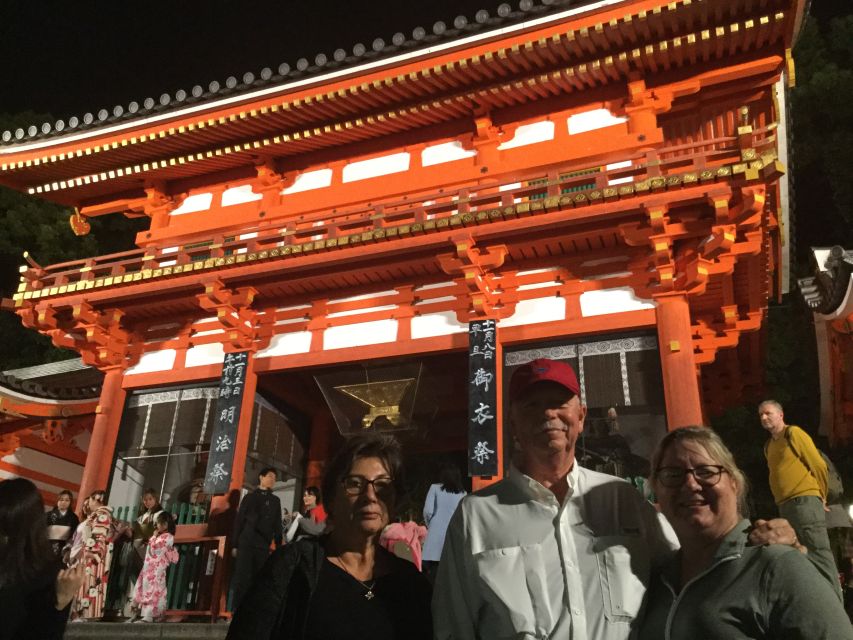
The guide makes or breaks a private tour, and here the available guide pool appears strong. Kazuo has been singled out for handling complex logistics, explaining local culture, and speaking excellent English. Yuka has guided families and groups of six with warmth, energy, and care. Michi has helped visitors understand shrine rituals, fortunes, dining, and Gion.
Other names that come up in the guide pool include Haru, Akira, Noriko, Naoki, Tomy, Mizu, Yuri, Joji, Ken, and Yuki. You cannot assume you will receive a particular guide unless the provider confirms it, but the range suggests that the experience can suit different interests and ages.
Communication before the tour matters. Send your preferred sights after booking and explain your walking ability, family needs, interest in food, and tolerance for crowds. Guides have used that information to create a practical order, send meeting-point photos, start early, add photo stops, and recommend lunch.
The English standard described in the supplied information is generally strong, but individual speaking styles will differ. A licensed guide can explain customs and history, yet you should still ask questions. The best days are conversations, not lectures.
Walking, transport, money, and weather
This is a walking day tour, not a private vehicle excursion. Public transport or local taxis may be used between sights, and the exact cost can be discussed after booking. Keep Japanese yen available for those fares. Admission fees, meals, drinks, and private transport are not included.
That arrangement has a practical upside. Kyoto’s buses and trains can be more useful than a car in crowded areas, and a local guide can help you choose the right connection. The downside is that you will be walking, standing, boarding vehicles, and changing plans around traffic and crowds.
The experience is listed as wheelchair accessible, but the exact route should be discussed with the provider and guide before the day. Tell them about mobility needs when you submit your preferred sights. The route can be personalized, but not every temple approach, garden path, or transit connection will feel equally easy.
The tour runs rain or shine. Bring footwear suited to a full day and plan for changing conditions. If rain arrives, a guide can adjust the order or emphasize indoor and covered areas where possible, but the basic walking nature remains.
Pickup is included on foot if your accommodation is within a reasonable distance. You can also request a train station meeting point. The guide waits in the hotel lobby or station 10 minutes before the scheduled time, so confirm the exact location and keep your phone available.
Who gets the most value from this Kyoto tour
I would recommend it most strongly to first-time visitors with one day in Kyoto, families with mixed ages, couples who want a tailored route, and anyone uneasy about Japanese transit. It also suits repeat visitors who have seen the major temples and want a local guide to lead them toward less visited choices.
You may not need it if you enjoy researching temple hours, mapping transport, and moving at your own pace. Independent sightseeing is fully possible in Kyoto. The private guide earns the fee when your time is limited, your wish list is ambitious, or you want cultural context rather than isolated monuments.
The maximum group size is seven, which is large enough for a family or group of friends but still far more personal than a coach tour. Since you control the choices, you can ask for coffee, photographs, food stops, or a slower pace without waiting for strangers.
Should you book this private Kyoto walking tour?
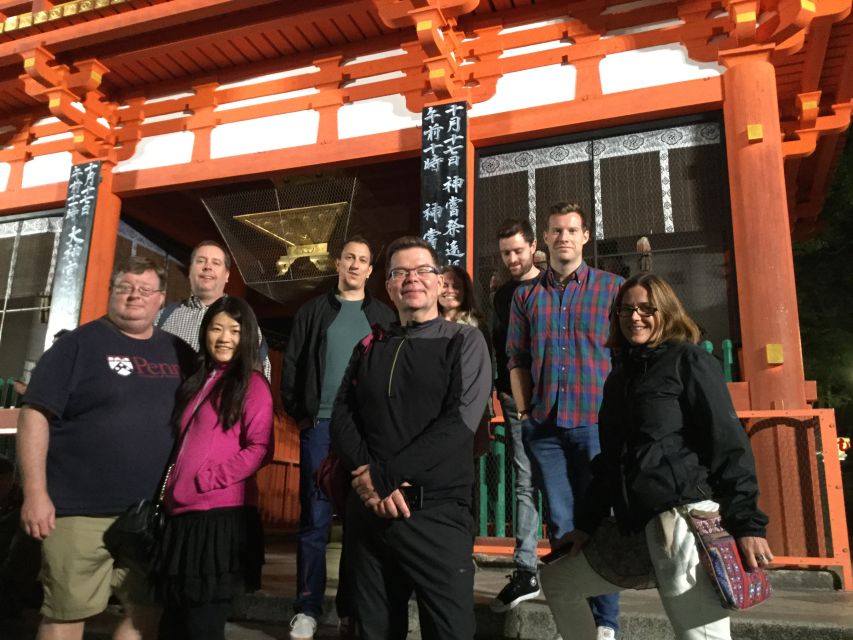
Book it if you want help turning Kyoto’s enormous menu of sights into a sensible day. Choose six hours for the best mix of depth and coverage, four hours for one compact district, and eight hours if you want to spend the day in a wider area such as Arashiyama.
Before booking, decide on your top three sights and tell the guide what you want to avoid. Budget separately for temple admissions, food, buses, trains, or taxis. If you accept those extra costs and the walking involved, $106 per person can be a fair price for a private, licensed guide who saves time and adds meaning to the city.
Free cancellation is available up to 24 hours before the start, and you can reserve now and pay later. The booking is not final until the guide contacts you, usually within seven days, so do not leave your route questions until the morning of the tour.
FAQ
How long is the Kyoto private tour?
You can choose a four-hour, six-hour, or eight-hour tour. A four-hour tour usually covers two to three places, six hours covers three to four, and eight hours covers four to six.
Is the tour private?
Yes. It is a private group experience with a maximum of seven passengers.
Which sights can I choose?
The options include Fushimi Inari-taisha, Nijo Castle, Gion, Nishiki Market, Kiyomizu-dera, Kyoto Imperial Palace, Pontocho, Higashiyama, Ginkakuji, Nanzenji Suirokaku, Tofuku-ji, Toji, Kinkakuji, Ninna-ji, Shugakuin Imperial Villa, Kibune River, Ryoan-ji, Arashiyama, Katsura Imperial Villa, Daikaku-ji, Tenryu-ji, Yoshimine-dera, Togetsukyo Bridge, Bamboo Forest Street, Okochi Sanso Garden, Jojakkoji, Nisonin, Gioji, Adashino Nenbutsu-ji, Otagi Nenbutsu-ji, Byodoin, and Maruyama Park.
Are entrance fees included?
No. Entrance fees are paid separately, as are food, drinks, and transportation during the tour.
Does the tour include a private car?
No. This is a walking tour. Public transportation or local taxis may be used between sites. A private vehicle can be arranged separately with advance notice, and private vehicles must be booked five days ahead.
Where does pickup take place?
Your guide can meet you at your accommodation on foot if it is within a reasonable distance. You can also request pickup at a train station. The guide waits in the lobby or station 10 minutes before the scheduled time.
Is the tour offered in English?
Yes. Live guiding is available in English and Japanese. All guides hold Japan’s nationally licensed Tour Guide-Interpreter certification.
Can I cancel or pay later?
You can cancel up to 24 hours before the start for a full refund. Reserve now and pay later is also available, so no payment is required at the time of booking.
Recently added around Kyoto
- Higashiyama | Kyoto: Sakura Season Private Rickshaw Tour★ 5.0 · 3 reviews
- Kyoto Kimono Rental CHAMATSU|Kimono/Yukata Rental FamilyPlan★ 5.0 · 3 reviews
- Kyoto: Half-Day Private Guided Tour to the Old Town of Gion★ 4.4 · 3 reviews
- Nara Private Customizable Half Day Tour★ 5.0 · 3 reviews
- Kansai Region Hiking Adventure in Nara Kobe Kyoto and More★ 5.0 · 3 reviews
- Full Day Nara Deer, Temple, Shrine, Activities & Tea Ceremony★ 5.0 · 3 reviews
- Nara: Essential Private Tour with Deer Park and Temples★ 5.0 · 3 reviews
- Photo Shoot with a Private Vacation Photographer in KYOTO, JAPAN★ 5.0 · 3 reviews
Guided, compared.
Kyoto Early Morning Tour with English-Speaking Guide
Read our review →
Kyoto 6hr Private Tour with Government-Licensed Guide
Read our review →Early Morning Tour with English-Speaking Guide
Read our review →
Nijo-jo Castle and Ninomaru Palace Guided Tour
Read our review →
Kyoto Gion Night Walk & Geisha District Guided Tour
Read our review →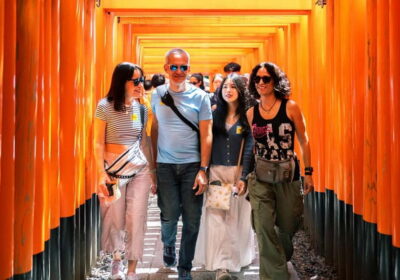
From Kyoto/Osaka: Kyoto Top Highlights 1-Day Guided Bus Tour
Read our review →