REVIEW · PRIVATE
Kyoto Private Tour with Customized Itinerary
Kyoto’s greatest strength is its variety, and this private custom tour lets you choose how to use five hours. You can focus on major temples, traditional streets, quiet corners, or a mix of old and new. Guides including Alejandra, Laura, Maya, and Milo have led guests through both famous sights and less familiar routes.
I like the one-group format, which keeps the pace in your hands, and I like the hotel pickup, a useful start when you are still finding your way around Kyoto. The main catch is time: Fushimi Inari, Kiyomizudera, Gion, and Arashiyama form an ambitious half-day, especially when transport between areas is included.
In This Review
- Key points at a glance
- A private Kyoto route built around your interests
- Fushimi Inari and its thousands of red gates
- Kiyomizudera and the old lanes of Higashiyama
- Yasaka Shrine, a short stop with a strong local setting
- Gion and the wooden streets of Hanami-koji
- Arashiyama and the bamboo grove
- What the guide adds to the experience
- Is $293.19 a fair price for up to six people?
- Who should book this private half-day?
- How to make the five hours work better
- Should you book the Kyoto private customized tour?
- FAQ
- How long is the Kyoto private customized tour?
- How many people can join the private tour?
- Is hotel pickup included?
- Are admission fees included?
- Is transportation included?
- What happens if the weather is poor?
Key points at a glance
- A private group of up to six: You do not share the guide with strangers, and the route can reflect your interests.
- Four hours and 50 minutes of listed sightseeing: The advertised tour lasts about five hours, but travel between distant areas takes part of that time.
- Strong guide flexibility: Alejandra, Laura, Maya, and Milo are named in the feedback, with praise for history, planning, photos, and adapting the route.
- Hotel pickup is included: This removes the need to find a meeting point at the start.
- Transport and entry cost extra: Expect listed additional costs of about $5 per person for bus or subway use and $8 per person for paid venues.
- Good for first-time Kyoto planning: You can ask for the classics, a quieter route, or a balance of both.
A private Kyoto route built around your interests
This experience works best as a planning service with a guide, not as a fixed sightseeing march. You tell the host what you want to see, and the day can lean toward UNESCO sites, temples, traditional neighborhoods, gardens, or Kyoto’s geisha district.
That flexibility matters because Kyoto’s headline sights are spread across the city. Fushimi Inari is in the southeast, Kiyomizudera and Gion occupy the eastern side, and Arashiyama is far to the west. Seeing every listed stop in five hours is possible only as a brisk overview, not a slow, lingering tour.
I would contact the operator with your priorities before the morning begins. If Fushimi Inari matters most, say so. If you care more about gardens and temple interiors, ask the guide to cut down the number of areas. The best route is not the one with the most names. It is the one that gives you enough time to enjoy the places you value.
The tour starts at 10:00 a.m. and includes pickup at your hotel or accommodation. That is convenient, but the exact opening route depends on where you stay and what you request. Since the experience uses buses and subways when needed, the guide can help turn Kyoto’s public transport into part of the practical plan.
A few more Kyoto experiences worth comparing
- Fushimi Inari Hidden Hiking Tour (Private Option Available)
★ 5.0 · 1,750 reviews - Private Kyoto Tour with a Local, Highlights & Hidden Gems, Personalised
★ 5.0 · 1,543 reviews - Kyoto 6hr Private Tour with Government-Licensed Guide
★ 5.0 · 1,369 reviews
Fushimi Inari and its thousands of red gates
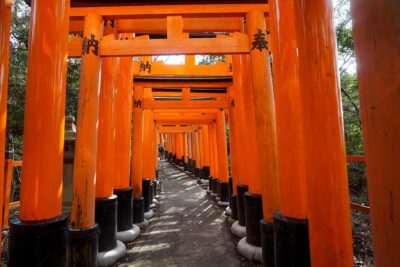
Fushimi Inari-taisha is the most immediately recognizable stop on the route. Its path climbs Mount Inari through rows of red torii gates, creating a dramatic corridor that changes as you walk upward.
You will also see fox statues, which serve as guardians linked with Inari, the deity associated with the shrine. The listed visit lasts about 1 hour and 10 minutes, with no admission charge.
The useful point here is that you do not need to reach the mountain summit for the visit to work. Even partway up, you can get views over Kyoto and experience the gates without committing to a much longer climb. Your guide can help you judge how far to go based on your energy and the rest of the morning.
The drawback is simple: this is an active walk, with an uphill route and uneven pacing. If you want an easy, seated morning, Fushimi Inari may take more effort than expected. If the shrine is your top priority, consider giving it more than the standard hour and 10 minutes, then trimming another stop.
Kiyomizudera and the old lanes of Higashiyama
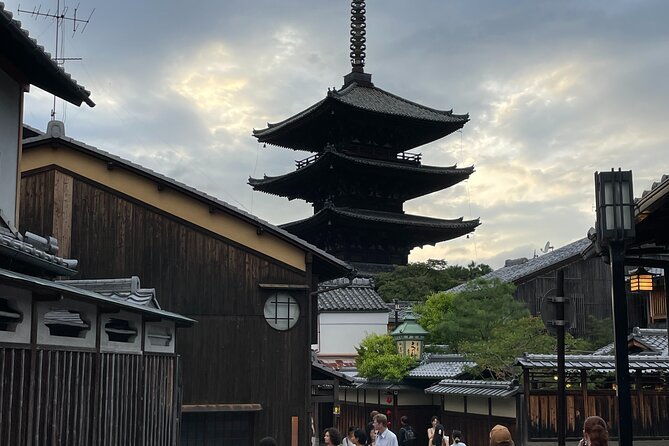
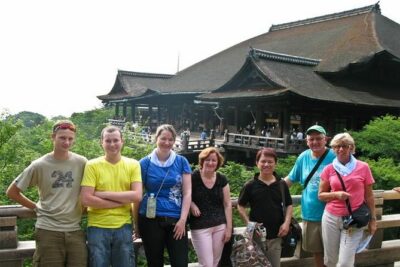
The next major sight is Kiyomizudera, one of Kyoto’s best-known temples. Admission is not included, with the supplied price information listing about $8 per person for paid venues.
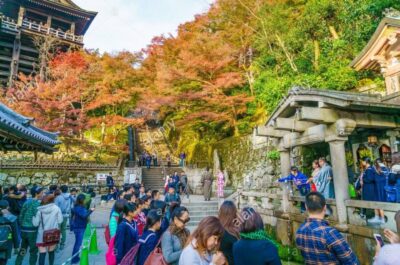
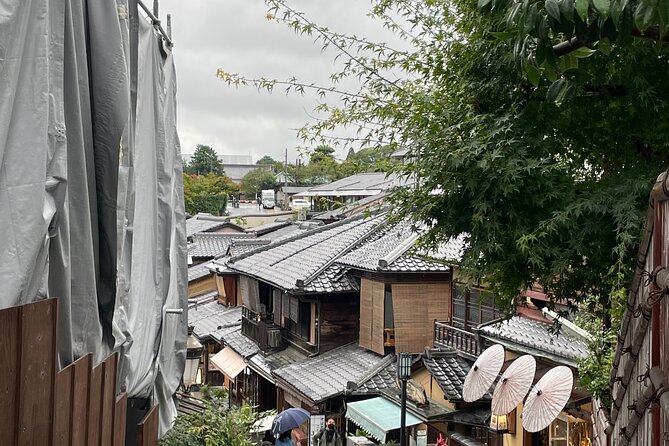
The temple is only part of the appeal. The surrounding Higashiyama area gives you narrow lanes, wooden buildings, traditional shops, and cafes. This is the section of the tour where Kyoto’s historic character is easiest to see in a compact area.
I like the pairing because it gives you a major religious site and a chance to walk through the neighborhood around it. You are not simply dropped at a temple gate, shown one view, and sent on. The lanes help connect the architecture to everyday commercial Kyoto.
Allow roughly one hour here. That is enough for a focused visit, but not for a long temple study, extended shopping, and a leisurely cafe stop all at once. If you want to browse shops or take many photos, tell the guide early. A private host can adjust the balance, but the clock still matters.
Yasaka Shrine, a short stop with a strong local setting
Yasaka Shrine receives about 30 minutes on the listed route and has no admission charge. The shrine is more than 1,350 years old and is closely linked with Kyoto’s Gion entertainment district.
It is especially associated with Gion Matsuri, Kyoto’s major summer festival in July. That seasonal connection gives the shrine extra meaning, even if your visit takes place at another time of year.
Thirty minutes is a sensible introduction. You can see the main setting and understand the shrine’s place at the edge of Gion without allowing one stop to consume the whole morning. Still, this is the first place I would shorten if your priorities are Fushimi Inari, Kiyomizudera, and Arashiyama.
The value here is context. Yasaka Shrine helps make sense of the move from temple lanes into Gion. It also gives the guide a natural point for explaining how religious sites and the entertainment district sit beside one another.
A completely different side of Kyoto:
- PERFECT KYOTO 1-Day Bus Tour
★ 5.0 · 13,518 reviews - Kyoto: Fushimi Inari, Kinkakuji, Bamboo Grove 1 Day Bus Tour
★ 4.8 · 4,316 reviews - Kyoto: Tea Ceremony in a Traditional Tea House in Kiyomizu
★ 4.9 · 3,519 reviews - Kyoto Geisha Walking Tour: Gion District & Hidden Gems
★ 4.7 · 3,273 reviews
Gion and the wooden streets of Hanami-koji
Gion is Kyoto’s famous geisha district, and the tour allows about an hour for this area. Hanami-koji Street and the Shimbashi area are the main highlights named for the walk.
You will find traditional wooden houses, upscale restaurants, cafes, and tea houses. The appeal is visual and atmospheric rather than based on one single monument. This is a good place to slow down, look at the street fronts, and let your guide explain what you are seeing.
The private format is useful in Gion because you can ask questions as the district changes from one lane to the next. Guides such as Laura and Milo have been praised for explaining Japanese culture and history in a way that brings the setting to life. Alejandra has also been singled out for taking people to less expected places, which may suit you if you want more than the standard photo route.
Keep your expectations measured. One hour gives you a good walk, not a full exploration of Gion. The area includes working restaurants and tea houses, so the experience is about observing the district respectfully rather than expecting a staged performance.
Arashiyama and the bamboo grove
Arashiyama sits in Sagano on Kyoto’s western side, well away from Fushimi Inari and the eastern districts. The listed visit lasts about 1 hour and 10 minutes, and entry fees are not included.
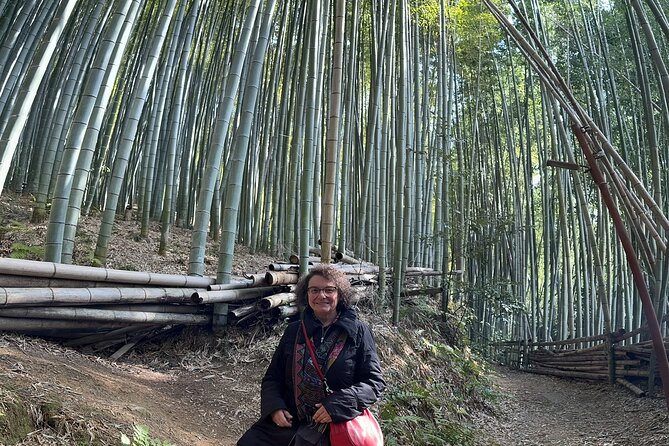
The bamboo grove is the headline attraction. Light filters through the tall bamboo, creating a striking path that feels very different from the red gates at Fushimi Inari or the wooden lanes of Gion.
Arashiyama is a strong choice if you want a change of scenery. It gives the morning a more open, rural-feeling edge, at least compared with central Kyoto. The route can also be rewarding for people who care about photographs and quiet visual details.
The practical warning is distance. Arashiyama can consume a sizeable part of a five-hour tour once you add the ride there and back. If you insist on visiting all five listed stops, your time at each place may feel tightly managed. I would ask the guide whether Arashiyama fits your main interests before locking in the route.
What the guide adds to the experience
The clearest strength of this tour is the human element. The named guides in the supplied feedback include Alejandra, Laura, Maya, and Milo, and the comments emphasize different useful qualities.
Alejandra is associated with careful planning, unusual stops, photos, and routes away from the standard circuit. Laura is praised for cultural and historical explanations, along with adjusting the day to suit the group. Maya is described as an expert guide who knows Japan well and takes pictures. Milo receives praise for outreach before the visit, patience, flexibility, and bringing Kyoto’s history to life for families.
Those details matter more than a generic promise of local insight. You should expect the quality of the day to depend partly on which host you receive and how clearly you explain your interests. The experience is private, so a guide can respond to your pace and questions in a way a large group usually cannot.
I would send a short list before the tour:
- The two places you most want to see
- Your preferred walking pace
- Any temple, garden, neighborhood, or food interests
- Whether you want photos
- Whether you prefer famous sights or an alternative route
The guide cannot eliminate Kyoto’s distances, but good communication can prevent a rushed morning.
Is $293.19 a fair price for up to six people?
The listed price is $293.19 per group, with up to six people included. For six people, that works out to about $48.87 per person before transport and admission. For two people, it is about $146.60 each, so the value improves sharply as your group gets larger.
You are paying for a private five-hour service and hotel pickup, not just entry to a series of attractions. That makes the price easier to justify for a family or group of friends who want one shared route without strangers. It is less compelling for a solo visitor or couple on a tight budget, especially if you are comfortable planning Kyoto’s trains, buses, and temples yourself.
Budget about $5 per person for bus or subway use when required, plus roughly $8 per person for paid venues. These amounts are listed as typical additional costs, not a guarantee that every route will use the same transport or include the same paid sites.
The price also buys time saved during the planning stage. If you have only one morning in Kyoto, avoiding a poorly ordered route can be worth something. Still, do not assume that every famous stop will receive equal attention. Your priorities determine the value.
Who should book this private half-day?
I would consider this tour a good fit for a first visit to Kyoto, especially if you want a guide to explain the setting rather than simply point out buildings. It also suits families, since the private format lets the group adjust its pace and take breaks without holding up strangers.
It is useful for a group of up to six that wants to share the cost. A family can ask for a mix of major sights and calmer lanes. A group interested in photographs might focus on Fushimi Inari, Gion, and Arashiyama. Someone interested in temples and history might spend more time at Kiyomizudera and Yasaka Shrine.
I would be more cautious if you want a slow, detailed temple visit. Five hours is short for five widely separated areas. You may also prefer independent sightseeing if you already know Kyoto well and do not need help with routing or context.
The advertised experience is a walking tour, but bus and subway costs may apply. Most people can participate, and service animals are allowed. The activity requires good weather, and poor weather can lead to a new date or a full refund.
How to make the five hours work better
Start by choosing a theme. A route built around eastern Kyoto could pair Kiyomizudera, Higashiyama, Yasaka Shrine, and Gion. A broader first look could include Fushimi Inari and one eastern district, while saving Arashiyama for another visit.
If you want Arashiyama, make it a priority rather than an automatic add-on. Its western location makes it the hardest listed stop to combine with all the southeastern and eastern sights in a relaxed way.
Use the guide’s flexibility. The feedback describes hosts who adjusted routes, answered family needs, offered historical context, and took photographs. Ask for the kind of day you want instead of accepting a long checklist.
Finally, remember that the tour begins at 10:00 a.m. A later start may feel comfortable, but it leaves less room for a route that includes distant areas. Since the morning is fixed at about five hours, early clarity about your goals matters more than trying to fit in every famous name.
Should you book the Kyoto private customized tour?
Book it if you want a private guide, hotel pickup, and a flexible route that can mix Kyoto’s famous sights with quieter streets. It is particularly good value for groups of four to six, and the guide names associated with the experience, including Alejandra, Laura, Maya, and Milo, suggest a strong focus on history, culture, patience, and personal service.
Skip it if you want to linger at every stop or if you are visiting Kyoto on a strict budget as a couple. In that case, choose two areas and explore them independently.
My practical choice would be to book it with a clear plan and fewer priorities. Ask the guide to build the morning around your top two or three interests. That approach gives you the best chance of enjoying Kyoto rather than spending the whole tour watching the clock.
FAQ
How long is the Kyoto private customized tour?
The experience lasts approximately five hours. The listed sightseeing times add up to about four hours and 50 minutes, and travel between areas can use part of the available time.
How many people can join the private tour?
The price covers one private group of up to six people. Only your group participates in the activity.
Is hotel pickup included?
Yes. Pickup at your hotel or accommodation is included.
Are admission fees included?
No. Entrance fees for paid venues are extra. The supplied cost information lists about $8 per person for paid venues, depending on the places selected.
Is transportation included?
No. Bus and subway use are extra when needed. The listed estimate is about $5 per person.
What happens if the weather is poor?
The experience requires good weather. If it is canceled because of poor weather, you can receive a different date or a full refund. You can also cancel for a full refund if you do so at least 24 hours before the start time.
Recently added around Kyoto
- Higashiyama | Kyoto: Sakura Season Private Rickshaw Tour★ 5.0 · 3 reviews
- Kyoto Kimono Rental CHAMATSU|Kimono/Yukata Rental FamilyPlan★ 5.0 · 3 reviews
- Kyoto: Half-Day Private Guided Tour to the Old Town of Gion★ 4.4 · 3 reviews
- Nara Private Customizable Half Day Tour★ 5.0 · 3 reviews
- Kansai Region Hiking Adventure in Nara Kobe Kyoto and More★ 5.0 · 3 reviews
- Full Day Nara Deer, Temple, Shrine, Activities & Tea Ceremony★ 5.0 · 3 reviews
- Nara: Essential Private Tour with Deer Park and Temples★ 5.0 · 3 reviews
- Hiking Tour for Sacred Sites in Kyoto with a Guide★ 5.0 · 3 reviews
Private, compared.
Fushimi Inari Hidden Hiking Tour (Private Option Available)
Read our review →
Private Kyoto Tour with a Local, Highlights & Hidden Gems, Personalised
Read our review →
Kyoto 6hr Private Tour with Government-Licensed Guide
Read our review →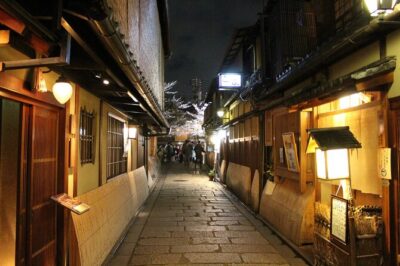
10 Must-see Spots in Kyoto One Day Private Tour (up to 7 people)
Read our review →
Nara Half Day Trip Walking Tour (Private Option Available)
Read our review →
Kyoto 4hr Private Tour with Government-Licensed Guide
Read our review →