REVIEW · PRIVATE
Kyoto Private 7-Hour Hidden Gems Tour with a Local – Unscripted
Kyoto is best explored at a human pace, and this private seven-hour outing lets you shape the day around what you actually care about. You can pair major sights with quiet lanes, local gardens, old teahouse districts, and practical advice from a host who adjusts the route as you go. The strongest feature is personal planning, not a fixed checklist.
I like the direct contact with your host before the tour and the chance to ask for history, food, architecture, or less-visited corners. I also like the private format, since you can pause, change direction, or spend more time somewhere that catches your eye. The main drawback is the price, $251.52 per person, especially since food, attraction tickets, and transportation are extra.
In This Review
- Key points to know
- A Kyoto day built around your interests
- Starting at Sanjo Ohashi Bridge
- Gion’s wooden lanes and teahouse traditions
- Yasaka Shrine and Kyoto’s Shinto customs
- Maruyama Park for a slower break
- Ishibe-koji and old Kyoto atmosphere
- What the private format changes
- Seven hours on foot, with costs to watch
- How to get the most from your host
- Who should book this Kyoto experience?
- Should you book it?
- FAQ
- How long is the Kyoto private tour?
- Is this a private tour?
- Where does the tour start?
- Where does the tour finish?
- Is hotel pickup available?
- Are transportation costs included?
- What is included in the price?
Key points to know
- A seven-hour private day: Only your group joins, so the pace and subject matter can fit your interests.
- Your host plans with you: A questionnaire and direct messages help shape the route before you arrive.
- Sanjo Ohashi is the meeting point: The tour begins at the Starbucks near Sanjo-ohashi Bridge and returns there.
- A strong mix of Kyoto scenes: Expect traditional streets, a Shinto shrine, a public garden, and an old stone alley.
- Masaya is a named guide to request if available: He received praise for fluent English, useful advice, and careful tailoring.
- Walking comes first: Public transport or a local taxi may be used, but those costs are not included.
A Kyoto day built around your interests
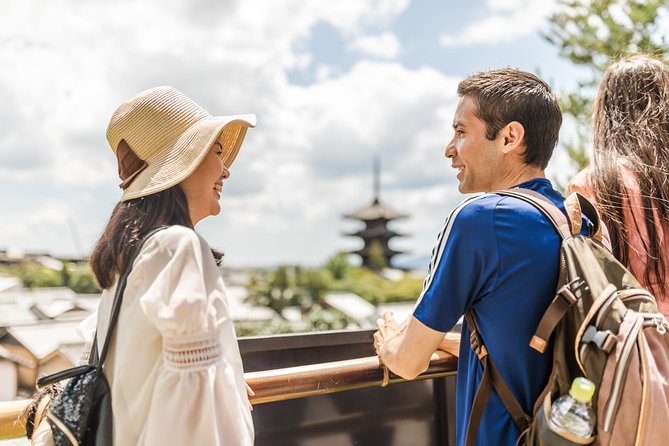
The value of this experience is simple: you are not handed the same route as every other group. After booking, you complete a short questionnaire about your interests, personality, must-see places, and preferred style. Your host then contacts you to discuss the day.
That matters in Kyoto. The city can fill a single day with temples, shrines, gardens, shopping streets, and old neighborhoods, but the best choice depends on your priorities. A first-time visitor who wants the classic atmosphere may need help balancing major sights with quieter streets. Someone returning to Kyoto may prefer food, local customs, architecture, or places away from the usual circuit.
I like that the planning is not limited to a form. Direct communication gives you a chance to explain what you mean by history, local life, or hidden corners. You can also discuss the length of the day and your preferred starting time.
The route can change while you are out. If a street interests you, you can linger. If a stop feels less useful than expected, you can move on. That flexibility is hard to get on a large group tour, where the guide must keep everyone moving.
A few more Kyoto experiences worth comparing
- Fushimi Inari Hidden Hiking Tour (Private Option Available)
★ 5.0 · 1,750 reviews - Private Kyoto Tour with a Local, Highlights & Hidden Gems, Personalised
★ 5.0 · 1,543 reviews - Kyoto 6hr Private Tour with Government-Licensed Guide
★ 5.0 · 1,369 reviews
Starting at Sanjo Ohashi Bridge
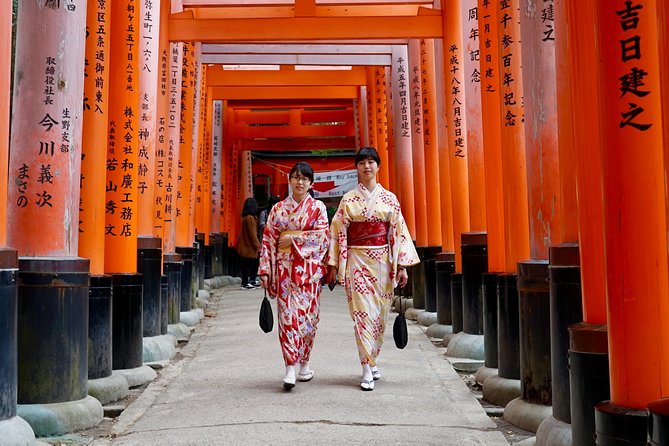
The meeting point is the Starbucks Coffee beside Sanjo-ohashi Bridge, near central Kyoto’s Sanjo area. This is a practical place to begin because the bridge is easy to recognize and sits close to public transportation.
Sanjo Ohashi is not just a place to meet. The historic crossing over the Kamo River offers a useful introduction to Kyoto’s position on old travel routes. Your host may explain its connection to Edo-period journeys and the old Tokaido Road, giving you a bit of context before the walking begins.
The bridge also sets the tone for the day. You are looking across the river toward Kyoto’s cultural east side, with the city’s modern movement close at hand and older neighborhoods within walking distance. I appreciate an opening stop that helps you understand where you are, rather than rushing straight to a photo opportunity.
One practical note: the tour ends back at this meeting point. If you want to continue elsewhere afterward, ask your host about the best route before the day finishes.
Gion’s wooden lanes and teahouse traditions
The sample route includes one of Kyoto’s most atmospheric old neighborhoods, a district associated with wooden machiya houses, stone lanes, and traditional teahouses. This points to Gion and its surrounding streets.
Gion can feel busy on its most famous lanes, but the smaller paths offer a calmer look at the district’s design. A host can help you notice the details: narrow building fronts, dark timber, quiet entrances, and the way traditional homes sit beside modern shops and restaurants.
This is also a place where local explanation adds real value. Your host may discuss geiko traditions and the role of teahouses, subjects that are easy to misunderstand if you only walk through with a camera. You can ask respectful questions about customs and daily life without treating the neighborhood like a stage set.
The tradeoff is that Gion is not consistently quiet. Some streets draw plenty of visitors, and your experience will depend on timing and the exact route chosen. The private format helps because your host can guide you toward less crowded paths, but it cannot make a popular district empty.
Yasaka Shrine and Kyoto’s Shinto customs
Another likely stop is the large Shinto shrine known for its lanterns, seasonal festivals, and welcoming public setting. The description fits Yasaka Shrine at the eastern end of Shijo Street.
This is a useful shrine for a first visit because it is easy to enter and gives you a chance to see religious customs in a working city setting. Your host may show you how purification works and point out smaller shrine buildings within the grounds. That kind of explanation can help you understand what you are seeing instead of simply passing through a gate and taking photographs.
The lanterns add a strong visual element, while the open grounds make the stop feel less formal than some temple visits. You may find this especially worthwhile if you want cultural context but do not want a day made up entirely of religious sites.
Keep in mind that this is a public shrine, not a private museum. Seasonal events and local activity can change the feel of the grounds. The tour does not include attraction tickets, but this type of shrine visit may not require an admission charge. Ask your host about any paid sites added to your route.
A completely different side of Kyoto:
- PERFECT KYOTO 1-Day Bus Tour
★ 5.0 · 13,518 reviews - Kyoto: Fushimi Inari, Kinkakuji, Bamboo Grove 1 Day Bus Tour
★ 4.8 · 4,316 reviews - Kyoto: Tea Ceremony in a Traditional Tea House in Kiyomizu
★ 4.9 · 3,519 reviews - Kyoto Geisha Walking Tour: Gion District & Hidden Gems
★ 4.7 · 3,273 reviews
Maruyama Park for a slower break
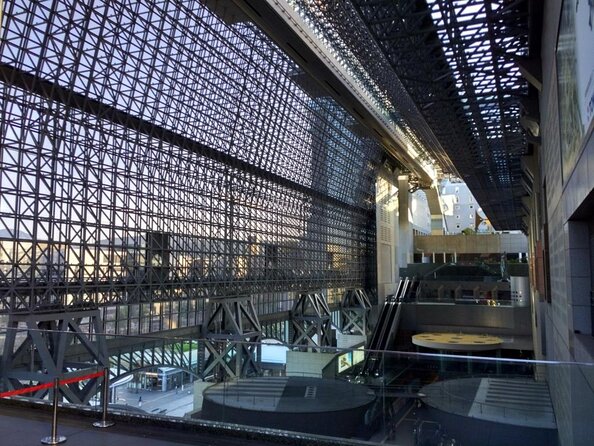
The sample day can also include a spacious public garden with tree-lined paths, ponds, benches, and strong appeal during cherry blossom season. This is likely Maruyama Park, beside Yasaka Shrine.
I like the idea of including a park in a seven-hour walking tour. Kyoto sightseeing can become a long chain of gates, lanes, and historical explanations. A shaded bench or a short pause beside the water gives you room to absorb the day.
The park is also a sensible place for a casual snack stop, though food and drinks are your responsibility. You can ask your host where to buy something suitable, but the tour price does not cover it.
Cherry blossom season may make the park especially attractive, but it can also make it busier. The listing describes the garden as popular with locals, particularly during that season, so do not expect perfect quiet at peak bloom. Its value is the open space and change of pace, not guaranteed solitude.
Ishibe-koji and old Kyoto atmosphere
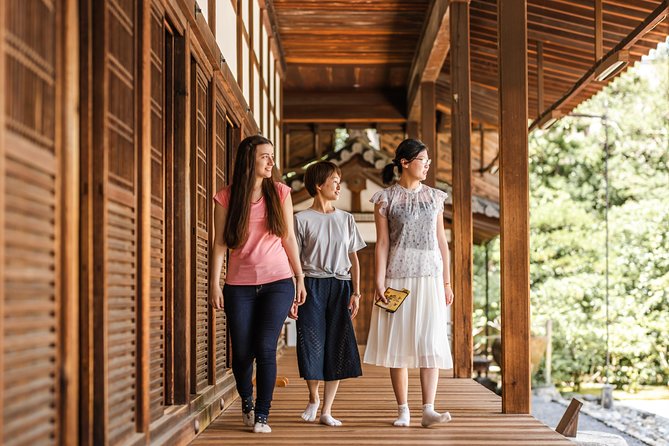
The final sample stop is a preserved cobblestone alley lined with traditional inns and secluded gardens. This description points to Ishibe-koji, a small lane in the Higashiyama area.
This sort of street shows why a private host can be useful. Without context, it may look like a short passage between better-known stops. With a local guide, you can learn how ryokan, private entrances, garden walls, and narrow paths fit into Kyoto’s older residential and hospitality districts.
The lane is quiet and restrained rather than packed with sights. You are there for the mood, the construction, and the sense of older Kyoto. Please remember that some buildings are private or operate as inns, so this is a place to walk respectfully and avoid treating every doorway as a photo backdrop.
The route may not include every sample stop. The whole point is customization, so your final day could swap some of these areas for food stops, cultural sites, or other parts of Kyoto that match your questionnaire.
What the private format changes
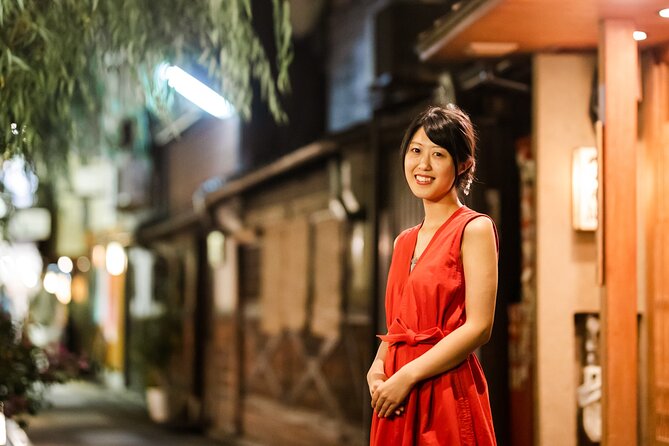
A private tour gives you more than a smaller group. It changes how you use time.
If you are interested in architecture, you can spend longer examining machiya design. If food is your priority, you can ask for neighborhood advice and places to consider after the tour. If you are traveling with family, you can request a gentler pace or more breaks. If you have already seen the major temples, you can place more weight on lanes, gardens, and local customs.
The host pairing is intended to match your personality and interests. Masaya is one guide specifically named in the available information. His strongest praise was for tailoring the day, giving useful advice, explaining places well, and speaking fluent English. That makes him worth requesting, though guide assignment and availability are not guaranteed.
The private setup also means you do not have to worry about strangers’ preferences. You can ask questions freely, stop for a snack, or change the order of the route. That personal attention is the main reason to consider the cost.
Seven hours on foot, with costs to watch
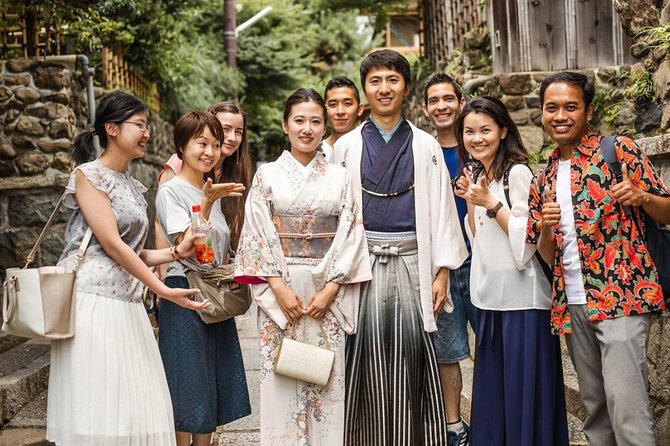
This is primarily a walking experience. You should be ready for a full day on Kyoto streets, with periods of standing and movement between neighborhoods.
Public transportation or local taxis may be used if the route requires transfers. Those costs are not included, and the exact arrangements can be discussed with your host after the reservation is finalized. The tour does not include meals, drinks, attraction admission, or gratuities.
At $251.52 per person, the value depends heavily on group size. For one or two people, the price is a serious splurge. For a family or small group, the private rate may feel more reasonable because the experience is shared only among your party, with no fixed group itinerary.
The price makes the most sense if you want help making decisions in Kyoto. You are paying for planning, local perspective, flexibility, and a full day shaped around you. It makes less sense if you already know your route, prefer independent wandering, or mainly want transportation between famous sites.
Because this is a walking day, wear comfortable shoes and keep your schedule realistic. If you have mobility concerns, mention them in the questionnaire and in your messages with the host. The published information says most people can participate and service animals are allowed, but it does not promise a step-free route.
How to get the most from your host
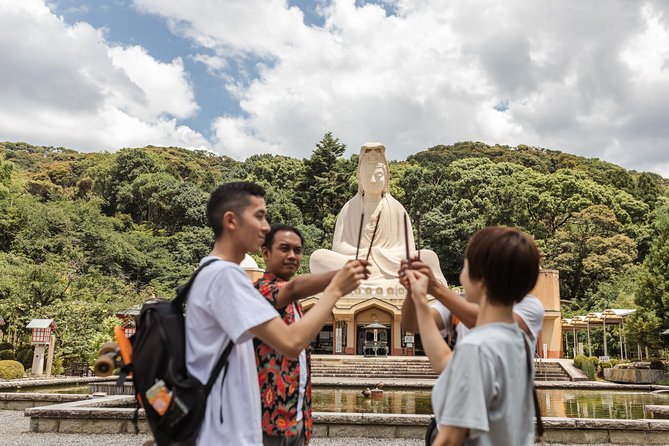
Give useful answers in the pre-tour questionnaire. Listing broad interests is helpful, but specific requests are better. You might explain that you want traditional streets rather than shopping, shrine customs rather than a long lecture, or a balance of major sights and quiet spaces.
Tell your host what you have already seen. This prevents a repeat of places you do not need and leaves more time for areas that fit your trip.
Ask about the walking level and any transfers before the day begins. Since transportation is not included, you should also understand if the plan involves buses, trains, or taxis and budget for those costs.
I would also keep the day open enough to allow changes. A rigid appointment immediately afterward could push you into rushing through a neighborhood. The tour’s best feature is its ability to respond to your interests, and that works better when you leave some breathing room.
The tour offers flexible start times, so choose one that fits your energy and plans. Exact timing should be arranged when booking and confirmed with your host.
Who should book this Kyoto experience?
This is a good fit for first-time visitors who feel overwhelmed by Kyoto’s choices. You get a local sounding board and a route that can connect the city’s famous cultural districts with quieter streets.
It also suits repeat visitors who want a fresh angle. You can ask for food advice, neighborhood walks, architecture, gardens, or cultural explanation instead of following the standard first-visit circuit.
Families and small groups may value the private pace. You can make adjustments without waiting for a busload of people, and the guide can focus on your questions.
Independent explorers should think carefully. If you enjoy building your own route and are comfortable using Kyoto’s transit system, the $251.52 price may be hard to justify. The experience is strongest for people who value conversation, planning, and local interpretation more than a low-cost sightseeing list.
Should you book it?
Book this tour if you want a flexible Kyoto introduction with a real person helping you connect the city’s neighborhoods, customs, and quiet corners. Masaya’s praised English and careful planning are encouraging, and the private setup lets you make the day your own.
Skip it if you want guaranteed access to specific attractions, included transportation, or a budget walking tour. The price is high, and extra costs remain your responsibility.
For the right visitor, the best result will not be the number of stops. It will be a day that feels suited to your interests, with enough time to notice Kyoto rather than simply check it off.
FAQ
How long is the Kyoto private tour?
The experience lasts approximately seven hours.
Is this a private tour?
Yes. Only your group participates in the activity.
Where does the tour start?
The meeting point is Starbucks Coffee at Kyoto Sanjo-ohashi Bridge, at 113 Nakajimacho, Nakagyo Ward, Kyoto.
Where does the tour finish?
The activity ends back at the meeting point.
Is hotel pickup available?
Hotel pickup can be arranged from any centrally located hotel.
Are transportation costs included?
No. The tour is mainly on foot. Public transportation or local taxis may be used, but those costs are extra and can be discussed with your host.
What is included in the price?
The price includes a private, personalized walking experience, insider tips from a local host, flexible start times and duration, a pre-tour questionnaire, and direct communication for planning. Food, drinks, attraction tickets, transportation, and optional gratuities are not included.
Recently added around Kyoto
- Higashiyama | Kyoto: Sakura Season Private Rickshaw Tour★ 5.0 · 3 reviews
- Kyoto Kimono Rental CHAMATSU|Kimono/Yukata Rental FamilyPlan★ 5.0 · 3 reviews
- Kyoto: Half-Day Private Guided Tour to the Old Town of Gion★ 4.4 · 3 reviews
- Nara Private Customizable Half Day Tour★ 5.0 · 3 reviews
- Kansai Region Hiking Adventure in Nara Kobe Kyoto and More★ 5.0 · 3 reviews
- Full Day Nara Deer, Temple, Shrine, Activities & Tea Ceremony★ 5.0 · 3 reviews
- Nara: Essential Private Tour with Deer Park and Temples★ 5.0 · 3 reviews
- Hiking Tour for Sacred Sites in Kyoto with a Guide★ 5.0 · 3 reviews
Private, compared.
Fushimi Inari Hidden Hiking Tour (Private Option Available)
Read our review →
Private Kyoto Tour with a Local, Highlights & Hidden Gems, Personalised
Read our review →
Kyoto 6hr Private Tour with Government-Licensed Guide
Read our review →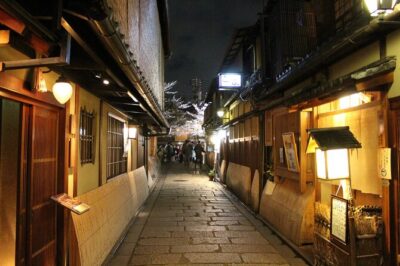
10 Must-see Spots in Kyoto One Day Private Tour (up to 7 people)
Read our review →
Nara Half Day Trip Walking Tour (Private Option Available)
Read our review →
Kyoto 4hr Private Tour with Government-Licensed Guide
Read our review →