
REVIEW · KYOTO KIMONO RENTALS
Kyoto Portrait Tour with Kimono
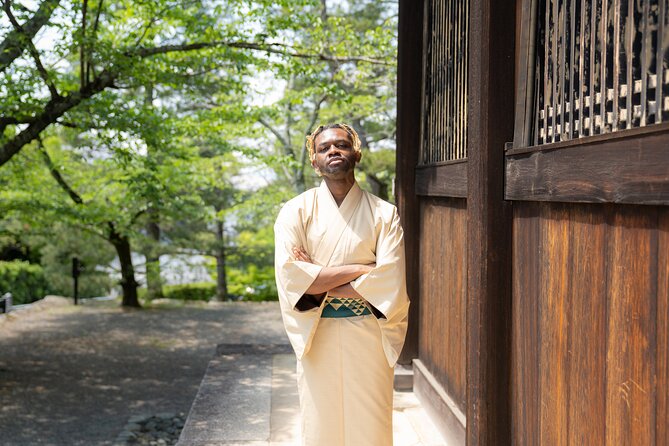
Kyoto’s best souvenir may be a set of well-made portraits in a kimono, and this 90-minute walking photoshoot gives you more than a posed picture at one shrine. You move from Yasaka Shrine through Maruyama Park, Chion-in, Ishibe Alley, Nene-no-Michi, and Yasaka Pagoda, with a local photographer guiding your poses and finding clean views.
I like the choice of morning or afternoon light, and I like that you can select your own kimono shop instead of being tied to one rental company. The six-person limit also matters: solo visitors get help with photos, while couples and families have a fair chance to enjoy several settings.
The main catch is simple but important: the kimono is not included. You must arrange and pay for that separately, and the 90 minutes can feel brisk if your group is large, you are late, or you want many different poses at every stop.
In This Review
- Key points to know before booking
- Why this Kyoto portrait walk works
- Choosing a kimono before the meeting time
- Yasaka Shrine begins the session
- Maruyama Park adds gardens and seasonal color
- Chion-in supplies the grandest backdrop
- Ishibe Alley brings the quiet Kyoto mood
- Nene-no-Michi slows the pace
- Yasakanoto ends with Kyoto’s familiar pagoda
- What the photographers do well
- Timing, group size, and value at $85.87
- Who will get the most from this experience
- Should you book the Kyoto kimono portrait tour?
- FAQ
- Is the kimono included in the tour price?
- How long does the Kyoto portrait tour last?
- How many people can join the tour?
- Where does the tour begin?
- Where does the tour finish?
- Are edited photos included?
- Can I cancel for a full refund?
Key points to know before booking
- Six people maximum: A small group leaves more time for individual portraits and couple or family shots.
- Six distinctive Kyoto settings: The route moves from Yasaka Shrine and Maruyama Park to temple gates, old lanes, and Yasaka Pagoda.
- Kimono rental is separate: You choose the store and style yourself, but the tour price does not cover the outfit.
- Local photographers shape the session: Guides including Yuta, Takuma, Mina, Soma, and Cocoro have helped visitors pose and find good angles.
- Edited photos are included: The finished images are professionally edited, with one participant receiving more than 60 photos.
- Flexible light, limited time: Morning and afternoon departures let you choose the mood, but each location receives only about 10 to 20 minutes.
Why this Kyoto portrait walk works
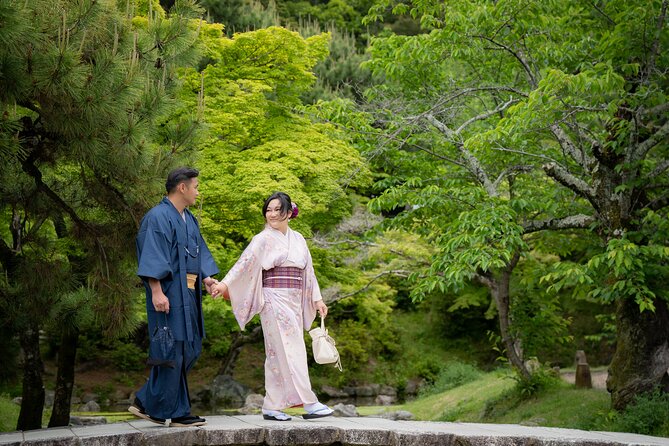
I see this experience as a useful mix of photo session and short neighborhood walk. You are not simply taken to one famous viewpoint, posed, and sent away. The photographer leads you through Kyoto’s eastern Gion area, pauses at several recognizable places, and gives you a visual record of the walk.
That matters most if you are visiting alone. A phone on a tripod can capture a vacation snapshot, but it cannot adjust your pose, wait for a gap in foot traffic, or choose a better angle at Yasaka Pagoda. Solo visitors have particularly good reason to consider this tour.
It also suits couples who want pictures together without asking strangers to take several attempts. Families can benefit too, though six people is a maximum rather than a promise of a private group. If your party fills the tour, you should expect to share the photographer’s attention.
The photographers are a major part of the experience. Yuta has been praised for patient posing help and for waiting until people moved away before taking a shot. Takuma has been described as friendly, funny, and quick when a group had a train to catch. Mina has been noted for good local spots and prompt communication after the session. Soma has helped visitors find quieter places and offered suggestions for what to do next in Kyoto. Cocoro has been praised for punctuality, efficient shooting, and an easy manner.
Names and photographers can vary, so do not book on the assumption that one particular person is guaranteed unless the reservation confirms it. Still, these details tell you what kind of service to expect: practical help with posing, local route knowledge, and an effort to make the session comfortable for people who have never had professional portraits taken.
More kimono and yukata rentals:
- Kimono Tea Ceremony at Kyoto Maikoya, NISHIKI
★ 5.0 · 911 reviews - Kyoto: Kimono Rental with Hairstyling and Accessories
★ 4.8 · 653 reviews - Kyoto: Kimono Tea Ceremony at Orizuruya Gion
★ 4.9 · 618 reviews
Choosing a kimono before the meeting time
The price is $85.87 per person, which is reasonable if you value a guided photo session and edited images. It is not the full cost of the outing, because kimono rental is excluded. You choose your preferred store separately, so the final budget depends on the rental shop and outfit you select.
This arrangement gives you control. You can look for a color, pattern, and fit that suit your group rather than accepting a standard costume chosen by the operator. It also means you must plan the timing carefully. Your meeting point is the western gate of Yasaka Shrine, so the kimono rental process needs to be completed before you arrive there.
I would confirm the store’s location, dressing time, return rules, and walking distance before booking the photo session. The tour details do not state which rental shops are nearby or how long dressing takes. That missing piece is not a flaw in the photography itself, but it is an important planning issue.
Wear footwear you can manage on a 90-minute walk. The route uses park paths, temple approaches, narrow lanes, and a flagstone street. A kimono changes your stride, and a good portrait session is less enjoyable if you are rushing or uncomfortable.
Yasaka Shrine begins the session
The meeting point is Yasaka Jinja Nishiromon Gate, also called the Western Tower Gate, at 625 Gionmachi Kitagawa in Kyoto’s Higashiyama Ward. This is a sensible start because the shrine provides an immediate traditional Kyoto setting and is easy to identify.
You spend about 20 minutes around Yasaka Shrine. Expect the photographer to work with the shrine’s architecture, open areas, and traditional atmosphere rather than keep you in one fixed pose. The guide may also explain details about shrines along the way, as Yuta did for one solo participant.
This first stop is useful for settling into the camera. If you have never posed professionally, the photographer can show you where to place your hands, how to turn your shoulders, and where to look. You do not need to arrive knowing how to model.
The limitation is foot traffic. Yasaka Shrine is popular, so a clear frame may take patience. The photographers have been praised for waiting for people to move and for finding angles that reduce the appearance of crowds. Even so, you should not expect every photo to show an empty shrine.
Maruyama Park adds gardens and seasonal color
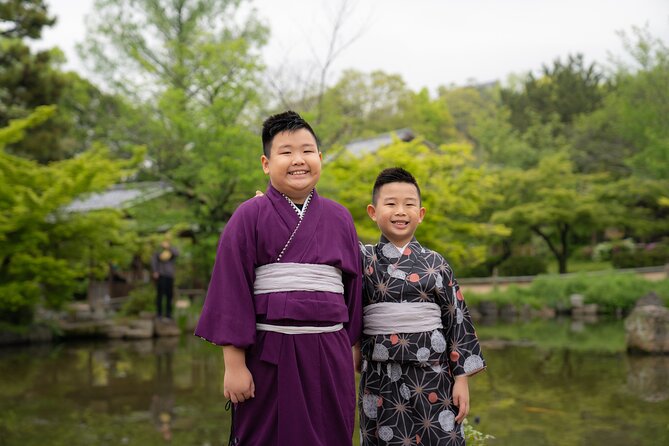
The next stop is Maruyama Park, Kyoto’s oldest park, with about 20 minutes set aside for photographs. The park offers a change from shrine structures, with Japanese garden elements and open greenery that can give your portraits a softer look.
Early April is especially attractive when cherry trees begin to bloom. Autumn can also bring seasonal color along the route. Those details make the timing of your visit relevant, but the tour is not limited to one season. You can still take photos here outside spring or fall.
I like this stop because it breaks up the architecture. A full session around gates and stone streets could become repetitive, while the park gives you different backgrounds and walking poses. It is also a place where a photographer can make the experience feel less formal.
You have only about 20 minutes, so this is not a long park visit. If you want extensive cherry blossom portraits, you may need to explain that at the start and accept fewer poses elsewhere. The tour’s strength is variety, not a slow, detailed shoot in one location.
A completely different side of Kyoto:
- PERFECT KYOTO 1-Day Bus Tour
★ 5.0 · 13,518 reviews - Kyoto: Fushimi Inari, Kinkakuji, Bamboo Grove 1 Day Bus Tour
★ 4.8 · 4,316 reviews - Kyoto: Tea Ceremony in a Traditional Tea House in Kiyomizu
★ 4.9 · 3,519 reviews - Kyoto Geisha Walking Tour: Gion District & Hidden Gems
★ 4.7 · 3,273 reviews
Chion-in supplies the grandest backdrop
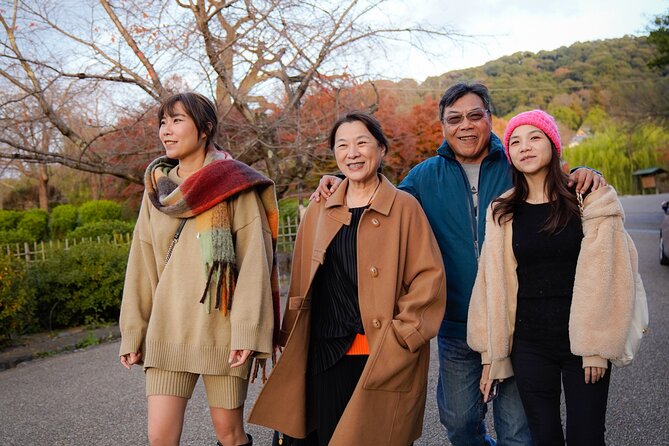
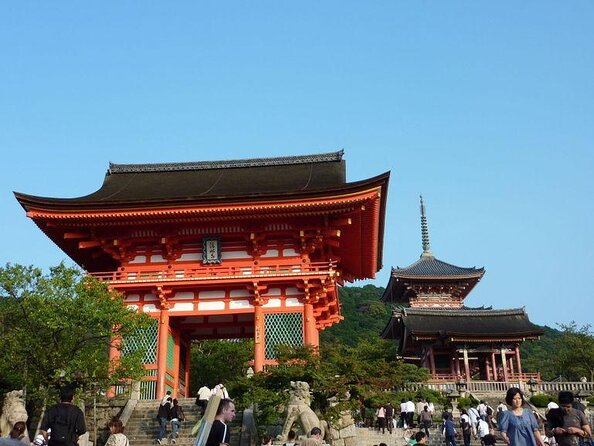
Chion-in Temple follows, with another 20-minute photo stop. Its Sanmon Gate is 24 meters tall and 50 meters wide, making it the largest wooden temple gate in Japan. That scale gives your portraits a powerful Kyoto setting, particularly if you want the kimono and architecture to share equal billing.
The gate also offers a chance to hear about the temple and its background. This is where the walking-tour part becomes useful. You are not only collecting portraits, you are moving through places with a clear sense of design and religious importance.
Large structures can make portraits tricky. A wide gate may dominate the frame, leaving you looking small. Your photographer’s choice of distance and angle matters here. If you want both a close portrait and a full architectural shot, say so early.
Because the schedule assigns about 20 minutes, Chion-in is one of the better places to request several types of images. You might ask for one portrait focused on your face and kimono details, then another showing the full gate behind you.
Ishibe Alley brings the quiet Kyoto mood
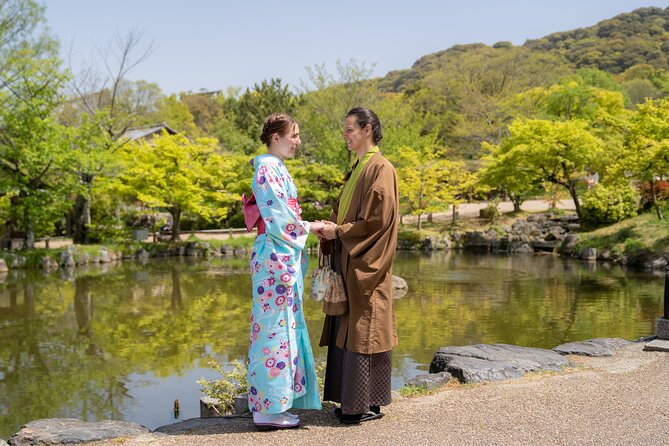
The route then turns toward Ishibe Alley, a traditional lane surrounded by older architecture. Only about 10 minutes are planned here, but the setting may be one of the most atmospheric parts of the walk.
Ishibe Alley gives you the kind of narrow, old-fashioned Kyoto backdrop that can be difficult to find on your own, especially if you are following a map between major sights. The lane helps the photographs feel connected to the neighborhood rather than staged only at famous monuments.
The short stop has a practical benefit: a few strong frames may be enough. The drawback is that space is limited, and the alley can be busy. Be respectful of residents and other people using the lane, and follow your photographer’s directions about where to stand.
Nene-no-Michi slows the pace
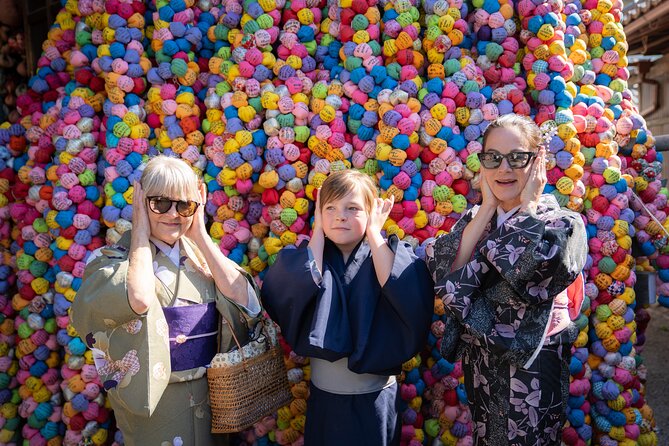
Nene-no-Michi is a flagstone walkway near Kodaiji, with about 10 minutes for photos. Its stone surface and traditional surroundings create a natural walking scene, rather than a portrait that looks like it was taken at a single landmark.
Autumn brings red leaves here, while other seasons offer a quieter street mood. The route is well known, so you should expect other people, but the photographer can help position you in a less cluttered section or capture movement instead of waiting for a perfectly empty walkway.
This is a good place to let the session breathe. Walk naturally, look ahead, and allow the photographer to take several frames rather than stopping stiffly every time. You can also request a picture that shows the full kimono, since a moving pose can reveal the outfit better than a tight portrait.
Yasakanoto ends with Kyoto’s familiar pagoda
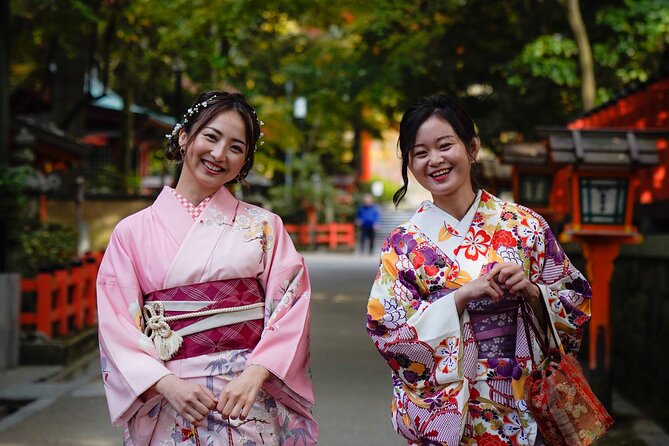
The final stop is Yasakanoto, also known as Yasaka Pagoda, where the photography tour ends. The pagoda is one of Kyoto’s most recognizable sights, and its five-story form gives you a clear final image from the Higashiyama area.
About 10 minutes is allocated here. That is enough for a few strong compositions, but not enough for a long session with many outfit changes or elaborate group arrangements. If the pagoda is your top priority, tell the photographer early so you can manage time across the route.
The official end point is in front of Yasaka Pagoda, at Hōkan-ji Temple. The guide also provides travel tips around this area before saying goodbye. That is useful because you finish near several well-known Higashiyama sights, though no additional admissions or guided temple visits are included in the tour.
What the photographers do well
The strongest feature is not simply the number of stops. It is the way the photographers help people who are unsure what to do in front of a camera.
Yuta has helped with poses and waited for clear views. Takuma has made the session relaxed and handled a tight schedule when a group needed to catch a train. Mina and Cocoro have been praised for professionalism and communication, while Soma has offered local suggestions along with the photography.
That combination is valuable. You get a person who can frame a shot, but also someone who can make small decisions on the street: move a few steps, wait for an opening, use a different angle, or switch from a posed portrait to a walking picture.
The photos are professionally edited after the tour. The exact number of images is not stated, so do not book based on a guaranteed photo count. One participant received more than 60 images, but your total may differ according to group size, timing, and the photographer’s process.
Timing, group size, and value at $85.87
At $85.87 per person, the tour offers good value for a solo visitor or couple who wants reliable portraits and some local guidance. The price covers the photographer, guide service, and edited photos, while the major extra cost is the kimono.
The six-person limit is worth paying attention to. With one or two people, you can usually ask for individual portraits, couple shots, and specific locations. With six people, the same 90 minutes must be shared across everyone, so each person will receive less one-to-one time.
The tour is booked an average of 52 days ahead, which suggests that planning early can help, particularly during cherry blossom season and other busy periods. Confirmation is provided at booking, and mobile ticketing keeps the entry process simple.
Morning and afternoon options let you choose between different light and daily schedules. The information does not promise a sunset session, exact lighting conditions, or a specific number of edited photos. Treat those as choices to discuss when booking, not guaranteed features.
Free cancellation is available up to 24 hours before the start time. Changes or cancellations inside that window are not accepted for a refund. The meeting point is near public transportation, and most people can participate. Service animals are allowed.
Who will get the most from this experience
I would recommend it most strongly to:
- Solo visitors who want more than self-timer photos
- Couples celebrating a trip or special occasion
- Families who want a shared Kyoto portrait
- First-time kimono wearers who would appreciate posing help
- People with limited time who want several Higashiyama sights in one walk
- Anyone who prefers quieter lanes and local photo angles over a single famous viewpoint
It is less suitable if you want a private, slow-paced fashion shoot with unlimited outfit changes. It may also frustrate you if you expect the kimono, rental arrangements, or temple admissions to be included.
If you have a train to catch, tell the photographer when you meet. One group completed the route quickly under that kind of pressure, but you should not rely on the schedule being compressed without discussing it first. Arrive on time, since lateness cuts directly into a short session.
Should you book the Kyoto kimono portrait tour?
Book it if your priority is a practical set of Kyoto portraits with a local person guiding the route, poses, and timing. The mix of Yasaka Shrine, Maruyama Park, Chion-in, Ishibe Alley, Nene-no-Michi, and Yasaka Pagoda gives you varied backgrounds in a compact 90-minute walk.
The best value comes when you arrange your kimono in advance, arrive ready at the western gate of Yasaka Shrine, and tell the photographer which images matter most. Solo visitors and couples will likely gain the most from the attention a small group allows.
Skip it if you want a long private shoot, do not want to pay separately for a kimono, or prefer to explore without a fixed route. For everyone else, this is a focused way to turn a walk through Kyoto’s Higashiyama area into a useful set of edited memories, with enough local context to make the pictures feel tied to the place.
FAQ
Is the kimono included in the tour price?
No. The kimono is not included. You choose and pay for a kimono from your preferred rental store separately.
How long does the Kyoto portrait tour last?
The experience lasts about 1 hour and 30 minutes.
How many people can join the tour?
The maximum group size is six people.
Where does the tour begin?
It begins at the Yasaka Jinja Nishiromon Gate, also called the Western Tower Gate, at 625 Gionmachi Kitagawa in Kyoto’s Higashiyama Ward.
Where does the tour finish?
The photography walk ends in front of Yasaka Pagoda, also known as Yasakanoto, at Hōkan-ji Temple.
Are edited photos included?
Yes. Professionally edited photos and the guide service are included. The exact number of finished photos is not specified.
Can I cancel for a full refund?
Yes, if you cancel at least 24 hours before the experience start time. Cancellations or changes made less than 24 hours before the start time are not accepted for a refund.
Recently added around Kyoto
- Higashiyama | Kyoto: Sakura Season Private Rickshaw Tour★ 5.0 · 3 reviews
- Kyoto Kimono Rental CHAMATSU|Kimono/Yukata Rental FamilyPlan★ 5.0 · 3 reviews
- Kyoto: Half-Day Private Guided Tour to the Old Town of Gion★ 4.4 · 3 reviews
- Nara Private Customizable Half Day Tour★ 5.0 · 3 reviews
- Kansai Region Hiking Adventure in Nara Kobe Kyoto and More★ 5.0 · 3 reviews
- Full Day Nara Deer, Temple, Shrine, Activities & Tea Ceremony★ 5.0 · 3 reviews
- Nara: Essential Private Tour with Deer Park and Temples★ 5.0 · 3 reviews
- Hiking Tour for Sacred Sites in Kyoto with a Guide★ 5.0 · 3 reviews
Kyoto Kimono Rentals, compared.
KYOTO Tea Ceremony with kimono near by Imamiya Jinjya Shrine
Read our review →
Kimono and Tea Ceremony Experience at Cultural Asset
Read our review →
Family-Friendly Kimono & Yukata Experience at WARGO
Read our review →Browse the lists this tour appears in