
REVIEW · KYOTO MATCHA EXPERIENCES
Kyoto: Nighttime Zen Meditation and Matcha Tea Experience
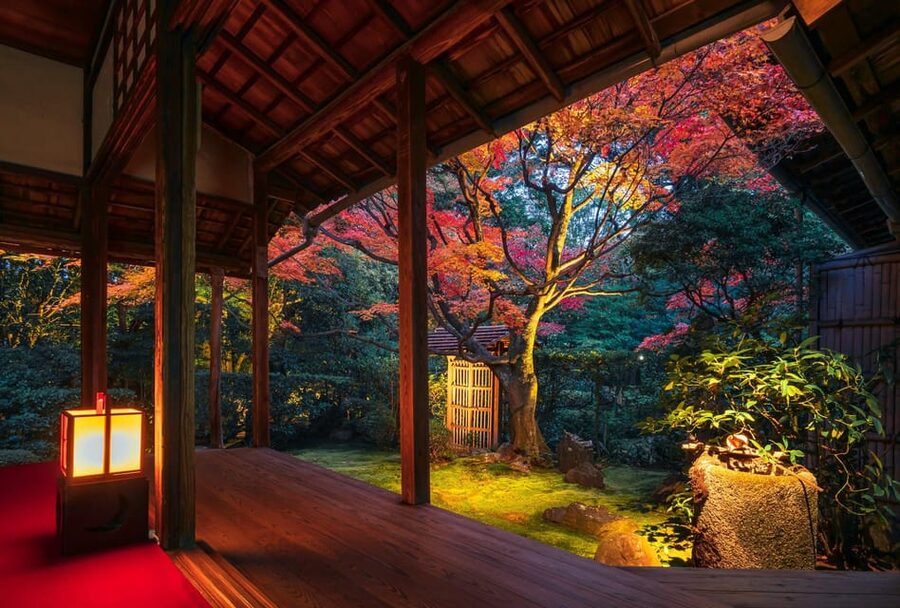
Kyoto’s Keishunin Temple takes on a different character after dark. Instead of rushing through a large temple complex, you spend 90 quiet minutes with illuminated gardens, a secluded tea room, painted sliding doors, zazen meditation, and matcha served by Deputy Chief Priest Yasumasa Arashima. It is a small-scale cultural experience with a strong sense of place.
I like the way the evening moves from looking to doing: you first learn about Keishunin, then sit in meditation, then share tea and a sweet. I also like the private-group format and the help available in English or Chinese. The main consideration is the price, $206 per person, which is a serious spend for 90 minutes and may feel high if you mainly want temple sightseeing.
In This Review
- Key points at a glance
- Keishunin after sunset
- Four illuminated gardens and a slower view of Kyoto
- Sehakuan tea room and Kano Sansetsu’s paintings
- Zazen with Deputy Chief Priest Yasumasa Arashima
- Matcha, a Japanese sweet, and conversation
- Is $206 a fair price for 90 minutes?
- Timing, age, and practical limits
- Who should book this Kyoto night experience?
- FAQ
- Where does the meditation and matcha experience take place?
- How long does the activity last?
- What languages are available?
- Is the experience private?
- What is included in the price?
- Is the experience suitable for children or wheelchair users?
Key points at a glance
- Four gardens after dark: Keishunin’s nationally designated historical and scenic gardens are lit for the evening visit.
- Zazen with a senior priest: Deputy Chief Priest Yasumasa Arashima leads the meditation portion.
- A look inside Sehakuan: The tour includes the temple’s secluded tea room and Kano Sansetsu’s fusuma paintings.
- Tea is part of the experience: You receive matcha and a traditional Japanese sweet after meditation.
- Private and multilingual: The experience is for a private group, with live guidance in English or Chinese.
- Plan for quiet, not speed: Comfortable clothing and warm layers matter, and flash photography is not allowed.
Keishunin after sunset
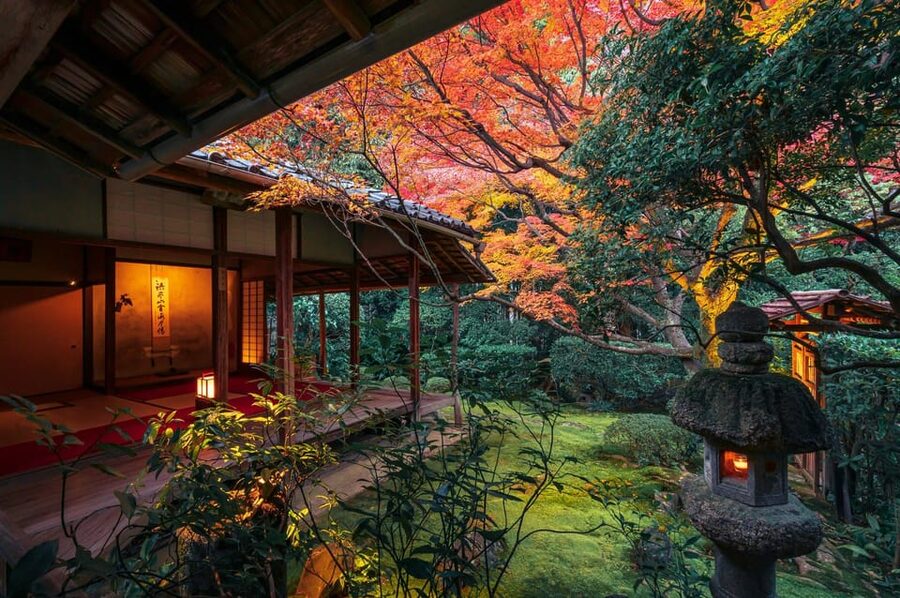
Keishunin is a sub-temple of Myoshinji Temple, one of Kyoto’s important Zen temple settings. This visit is designed around atmosphere rather than a long list of sights. You meet your guide at the temple, then explore four gardens under evening lighting before moving indoors and settling into meditation.
The lighting changes how you read a Japanese garden. During the day, you may focus on stones, plants, paths, and carefully arranged views. At night, the light narrows your attention. A corner of a garden or the shape of a tree can become the main event, while the darker spaces encourage a slower pace.
You should not expect a large-scale light show or a busy evening attraction. This is a quiet temple visit, and the appeal depends on your willingness to pause. I would choose it for a night when you want a break from Kyoto’s packed sightseeing schedule, not for a quick photo stop between other activities.
The four gardens are designated as nationally designated historical sites and scenic spots. That designation gives useful context, but the visit is still more personal than academic. Your guide explains the temple’s history and culture while you see the gardens in person, helping you connect the formal setting with the Zen ideas behind it.
More matcha tastings and workshops:
- World Heritage Kyoto & Nara Uji Authentic Matcha Experience
★ 5.0 · 1,573 reviews - Kyoto: Arashiyama Bamboo Forest, Monkeys, Matcha & Temple Tour
★ 5.0 · 759 reviews - Kyoto: Tea Museum Tickets and Matcha Grinding Experience
★ 4.9 · 739 reviews
Four illuminated gardens and a slower view of Kyoto
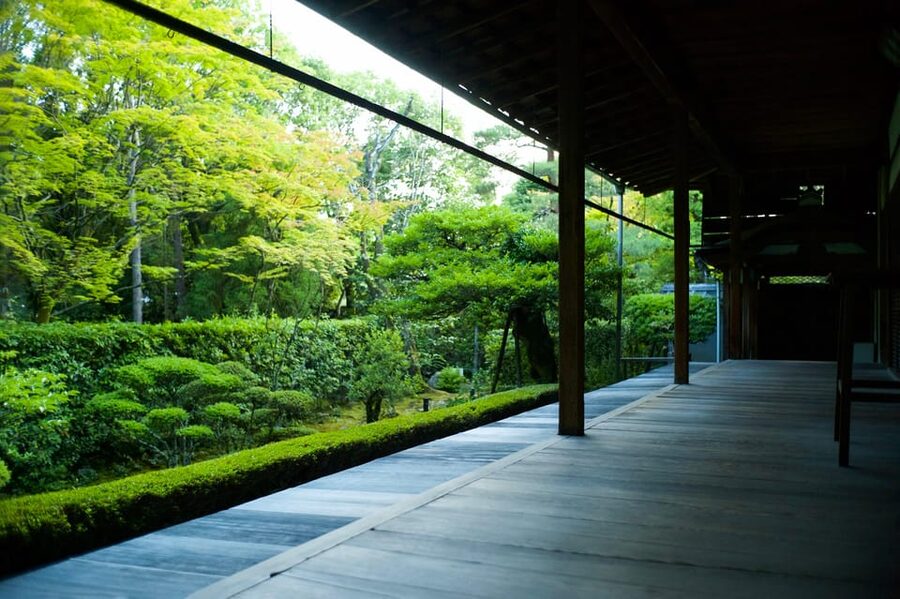
The garden portion comes first, which is a sensible choice. You are still alert, and the guide can point out the features that might be easy to miss in low light. The evening illumination should make the gardens feel calm and carefully framed rather than simply brighter.
I like this part because it gives you time to notice how Japanese garden design works. The point is not only decoration. The arrangement of stones, plants, water, and open space can guide the eye and create a sense of balance. The information provided does not specify the exact design of each garden, so you should expect interpretation from the guide rather than a fixed list of named features.
The private-group format can make a difference here. You are not being moved along with a large crowd, and you can listen, ask questions, and take in the setting at a gentler pace. The tradeoff is that a private experience usually costs more than a standard public temple visit, which is important when you compare the $206 price with the short duration.
Bring warm clothing even if the afternoon felt mild. A nighttime visit includes time outdoors, and meditation afterward will be more comfortable if you are not cold. Comfortable clothes are also a practical choice because the evening asks you to sit quietly rather than walk constantly.
Sehakuan tea room and Kano Sansetsu’s paintings
The tour then turns indoors for a look at the tea room called Sehakuan. It is described as a hidden tea room, but the important point for you is its intimate scale and role in the temple’s tea culture. This is not simply a room added to the route. It helps show how Zen temples use architecture, proportion, restraint, and ritual to shape attention.
You also see Kano Sansetsu’s fusuma paintings. Fusuma are sliding doors covered with painted panels, so the artwork forms part of the room itself rather than hanging separately on a wall. This is a useful detail to keep in mind: the painting, doorway, and room are meant to be read together.
The visit does not promise a long art lecture, and the exact amount of time spent with the paintings is not specified. Still, seeing the fusuma in their temple setting gives them a different meaning from viewing reproductions in a museum. Your guide can connect the paintings with Keishunin’s history and customs, while you see how art functions inside a working religious space.
Flash photography is not allowed. That rule protects the quiet of the room and the artwork, but it also means you should come prepared to look rather than collect photographs. Smoking is not allowed anywhere during the activity.
Zazen with Deputy Chief Priest Yasumasa Arashima
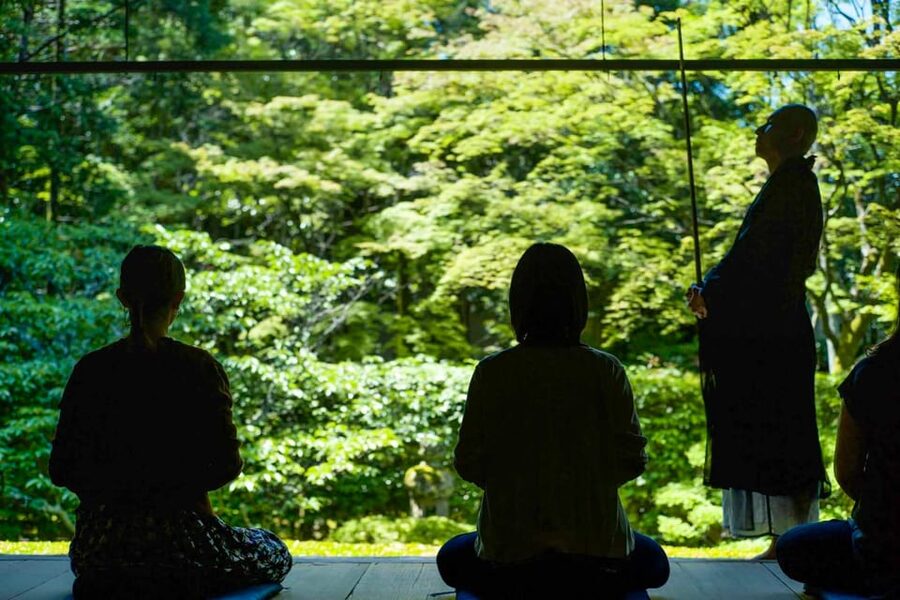
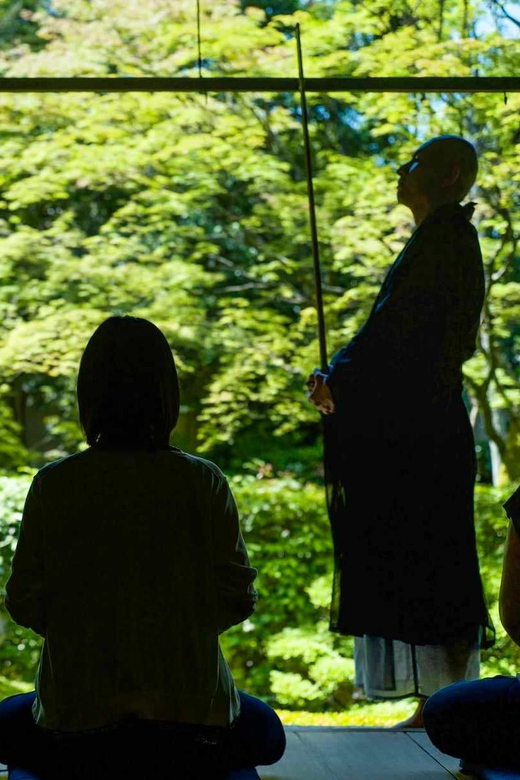
The meditation session is the heart of the evening. Zazen means seated Zen meditation, and the activity gives you a guided introduction rather than expecting you to arrive with experience. Deputy Chief Priest Yasumasa Arashima leads this portion, giving the practice a direct connection to the temple itself.
You may find this more approachable than trying to meditate alone after reading a few instructions. A guide can explain how to sit, how to handle the silence, and what to do when your attention wanders. The supplied details do not state the exact posture, duration, or physical setup, so you should be ready to follow the instructions given on the night.
One particularly unusual detail comes from the meditation guidance described by Ayushe. The session included an explanation of the custom used when a practitioner becomes too tired and needs a refreshing reminder to continue. If you are feeling adventurous, you may be invited to try it. The description does not guarantee that every group will receive exactly the same instruction, but it suggests that the meditation may include practical Zen customs rather than a generic relaxation exercise.
That distinction matters. This is not marketed as a spa treatment, and you should not expect to leave with a dramatic spiritual revelation. The value is in trying a traditional practice in the place where it belongs, with time set aside for silence and attention. Some people will find that refreshing. Others may find 90 minutes of quiet activity less engaging than a standard sightseeing tour.
A translation guide can help if you choose the English-language option. One experience included effective translation during the meditation, allowing the participant to follow the priest’s guidance. The activity is also offered in Chinese. Since the experience is private, language support can be especially useful for questions and for understanding the meditation instructions.
More Zen sittings in Kyoto:
- Kyoto Zen Meditation & Garden Tour at a Zen Temple with Lunch
★ 5.0 · 441 reviews - Kyoto: Zen Experience in a Hidden Temple
★ 5.0 · 437 reviews - Kyoto: Tea Ceremony Meditation – Make Matcha with Tea Master
★ 4.8 · 406 reviews - Kyoto: Zen Meditation at a Private Temple with a Monk
★ 5.0 · 202 reviews
Matcha, a Japanese sweet, and conversation
After meditation, you try matcha and a traditional Japanese sweet. This gives the evening a gentle closing rhythm. Rather than ending immediately after the formal practice, the tea provides a chance to sit with what you have just done.
Matcha has a strong, grassy flavor and can be an acquired taste. The sweet is an important part of the pairing because Japanese tea service often balances the tea’s bitterness with something delicate and sweet. This is a tasting, not a full meal, so you should eat beforehand if you need dinner.
The tea is served by Deputy Chief Priest Arashima, according to the activity details. One evening also included a short conversation about the meditation and the sensations it brought up. That exchange can be one of the most human parts of the visit. You have a chance to ask questions and share impressions instead of simply moving on to the next attraction.
I like this ending because it keeps the experience grounded. You are not asked to perform a formal ceremony yourself or pretend to understand every part of Zen in one sitting. You taste tea, eat a sweet, and talk about the practice. That is a modest but meaningful way to finish.
Is $206 a fair price for 90 minutes?
At $206 per person, this is expensive for a short activity. You are paying for more than admission: the private setting, evening access, live interpretation, garden illumination, tea-room visit, art viewing, meditation instruction, matcha, and sweet are all included.
The price makes more sense if you value access and personal attention. A private group can ask questions and move at a suitable pace, while the presence of the deputy chief priest gives the meditation a direct connection to Keishunin. The nighttime setting also offers something you cannot get from a standard daytime temple visit.
The price makes less sense if your main goal is to see gardens and paintings quickly. Kyoto has many temples and cultural sites, and you may prefer to spend $206 on several lower-cost activities if your schedule is full. I would treat this as a special evening appointment, not as ordinary sightseeing.
The perfect audience is a couple, family, or small private group that wants a calm cultural activity and is comfortable paying for a focused experience. It may also suit someone who has already seen Kyoto’s major temples and wants a more personal introduction to Zen practice.
Timing, age, and practical limits
The experience lasts 90 minutes, with start times available according to the date you choose. Transportation to and from the meeting point is not included, so you need to arrange your own way to Keishunin. The meeting point is at the temple, and the exact pickup or transport details should be checked when booking.
Warm clothing and comfortable clothes are the two most useful things to bring. You may spend time in the gardens before sitting for meditation, so dress for both outdoor conditions and quiet indoor sitting.
The experience is not suitable for wheelchair users. The age information requires some care: primary school students and older are stated as welcome, yet the suitability note says children under 12 are not suitable. I would follow the stricter rule and book only for children aged 12 and above unless the provider confirms otherwise. Anyone under junior high school age must be accompanied by a parent or guardian.
Reservations are required, and the activity excludes Obon and New Year holiday periods. You can cancel for a full refund up to 72 hours, or three days, before the start time. From three days before the activity to the day before, the charge is 20 percent; on the day, it is 50 percent; no-shows and late non-participation are charged at 100 percent.
Who should book this Kyoto night experience?
I would recommend it if you want quiet cultural contact rather than a packed sightseeing route. It suits you if you enjoy gardens, traditional arts, religious spaces, and guided reflection. The combination of illuminated gardens, tea-room architecture, paintings, meditation, and tea gives the evening a clear beginning, middle, and end.
It is also a good choice if you are nervous about trying zazen alone. You receive guidance, translation is available in English or Chinese, and the private format should make it easier to ask what to do. The evening is not limited to people who already practice meditation.
I would hesitate if you dislike sitting still, need a fully accessible route, or want strong value based only on minutes of activity. At $206, the experience asks you to pay for intimacy, access, and atmosphere. It is best booked as a memorable centerpiece for one evening in Kyoto, not as a bargain attraction.
FAQ
Where does the meditation and matcha experience take place?
It takes place at Keishunin, a sub-temple of Myoshinji Temple in Kyoto, on Honshu.
How long does the activity last?
The experience lasts 90 minutes.
What languages are available?
Live tour guidance is available in English and Chinese.
Is the experience private?
Yes. The activity is offered as a private group experience.
What is included in the price?
The price includes the special nighttime visit, tours of the four illuminated gardens and Sehakuan tea room, viewing of Kano Sansetsu’s fusuma paintings, zazen meditation, matcha tea, and a traditional Japanese sweet.
Is the experience suitable for children or wheelchair users?
Children under 12 are not considered suitable. The activity states that primary school students and above are welcome, and anyone under junior high school age must be accompanied by a parent or guardian. The experience is not suitable for wheelchair users.
Recently added around Kyoto
- Higashiyama | Kyoto: Sakura Season Private Rickshaw Tour★ 5.0 · 3 reviews
- Kyoto Kimono Rental CHAMATSU|Kimono/Yukata Rental FamilyPlan★ 5.0 · 3 reviews
- Kyoto: Half-Day Private Guided Tour to the Old Town of Gion★ 4.4 · 3 reviews
- Nara Private Customizable Half Day Tour★ 5.0 · 3 reviews
- Kansai Region Hiking Adventure in Nara Kobe Kyoto and More★ 5.0 · 3 reviews
- Full Day Nara Deer, Temple, Shrine, Activities & Tea Ceremony★ 5.0 · 3 reviews
- Nara: Essential Private Tour with Deer Park and Temples★ 5.0 · 3 reviews
- Hiking Tour for Sacred Sites in Kyoto with a Guide★ 5.0 · 3 reviews
Kyoto Matcha Experiences, compared.
World Heritage Kyoto & Nara Uji Authentic Matcha Experience
Read our review →
Arashiyama Bamboo Forest, Monkeys, Matcha & Temple Tour
Read our review →
Tea Museum Tickets and Matcha Grinding Experience
Read our review →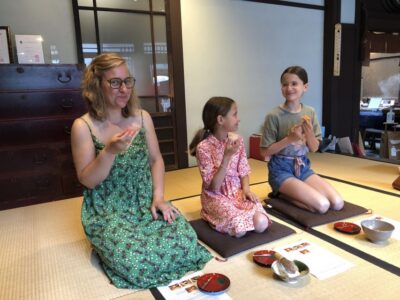
Tea Ceremony Meditation – Make Matcha with Tea Master
Read our review →Arashiyama Bamboo, Matcha, Monkeys & Temple Tour
Read our review →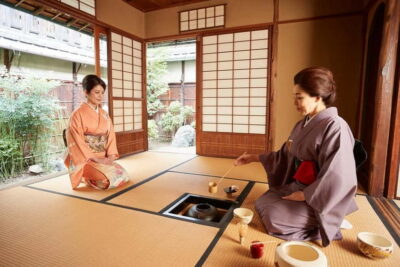
Arashiyama Bamboo, Temple, Matcha, Monkeys & secret spots
Read our review →
Browse the lists this tour appears in