REVIEW · TOURS
Kyoto Hop-On, Hop-Off Sightseeing Bus Tour
Kyoto’s SKY HOP BUS gives you a useful first look at a city that can feel scattered on foot. From the open-top deck, you can connect Kyoto Station, Gion, Kiyomizu-dera, the Golden Pavilion, Nijo-jo Castle, and other major sights without working out every train and bus change. The route is best used as a sightseeing backbone, not as a fast shuttle.
I like the wide selection of stops, especially for a first day in Kyoto, and I like the multilingual audio guide that adds context while you ride. The one-day pass is simple, and you can get on and off at every Sky Hop Bus stop as often as you wish during its validity.
The main drawback is timing. Buses may arrive about every 50 minutes, and all seats are unreserved. That can mean a long wait in the sun, a missed connection, or a crowded bus when you return to a stop. At $45.56 per person, you need to use the pass well to make it pay.
In This Review
- Key points to know before you book
- A practical way to use the Kyoto bus
- Starting at Kyoto Station
- Karasuma Gojo, Nishiki Market, and Kyoto City Hall
- Ginkaku-ji and the eastern temple route
- Gion, Yasaka, and Kiyomizu-dera
- Sanjusangendo and the Kyoto National Museum
- Nishi Hongan-ji and Nijo-jo Castle
- Kitano-tenmangu, Kinkaku-ji, and Daitoku-ji
- The Imperial Palace and the return to Nishiki Market
- What the $45.56 price really buys you
- Heat, rain, seating, and basic comfort
- Who should book this Kyoto bus?
- Should you book the SKY HOP BUS?
- FAQ
- How long does the Kyoto Hop-On, Hop-Off Bus Tour last?
- Is a one-day pass included?
- Can I get on and off more than once?
- Are seats reserved?
- How often do the buses arrive?
- Is an audio guide included?
- Is Wi-Fi available onboard?
- Can children under five ride for free?
Key points to know before you book
- Two route sections cover Kyoto’s major sights: One connects the eastern temples and Gion area, while another reaches Nijo-jo Castle, Kinkaku-ji, Daitoku-ji, and the Imperial Palace area.
- A 50-minute wait can shape your day: Leave extra time at every stop and do not plan a tight chain of visits.
- The open-top deck gives you a better city view: It is especially pleasant on a clear day, but heat and rain matter.
- Kyoto Station is the main starting point: The terminal is large, so allow time to locate the correct bus area.
- The pass is flexible: You can hop on and off as often as you like at Sky Hop Bus stops during the ticket period.
- Children under five ride free on a parent’s lap: Other personal expenses are not included.
A practical way to use the Kyoto bus
The smartest use of this bus is to treat it as a moving introduction to Kyoto. Sit up top for the views, listen to the audio commentary, and note which districts deserve more time. Then get off at one or two major sights rather than trying to conquer the entire route in a single loop.
The advertised ride duration is about 1 hour and 8 minutes, but that figure should not be mistaken for the time needed to see Kyoto. The bus only gives you the ride between stops. Temples, gardens, shrines, and markets each need their own visit, and the wait between buses can add up.
You can choose a one-day pass or a two-day pass. The two-day option makes more sense if you want a gentle pace, since Kyoto’s sights are spread across the city. A one-day ticket can work well for a quick overview, but only if you accept that you will need to choose carefully.
The buses have unreserved seating. If sitting on the upper deck matters to you, arrive early at the stop and be ready to wait for the next bus if the first one is full. A poncho is provided when it rains, but the experience is still weather-dependent, and the tour may be canceled in poor weather.
Other Kyoto mornings people book alongside this one:
- PERFECT KYOTO 1-Day Bus Tour
★ 5.0 · 13,518 reviews - Kyoto: Fushimi Inari, Kinkakuji, Bamboo Grove 1 Day Bus Tour
★ 4.8 · 4,316 reviews - Kyoto: Tea Ceremony in a Traditional Tea House in Kiyomizu
★ 4.9 · 3,519 reviews
Starting at Kyoto Station
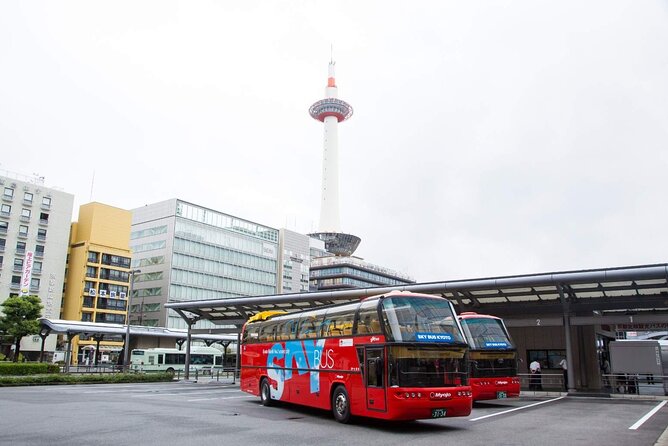
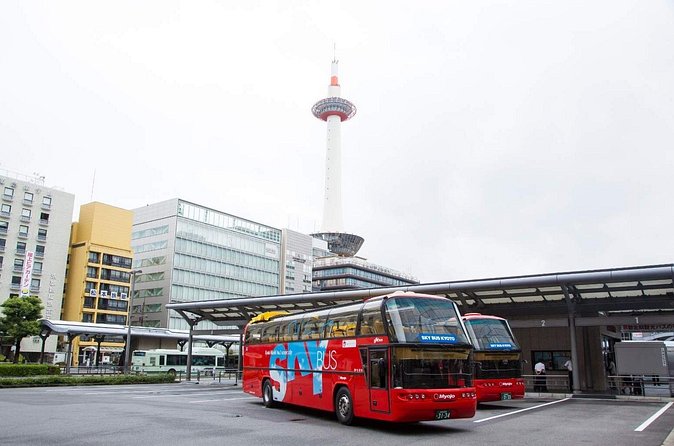
Kyoto Station is the most logical place to begin. It is well connected to public transportation and makes sense if you have just arrived in the city or are staying near the station.
The catch is that the station area is large. Give yourself time to find the Sky Hop Bus pickup point rather than arriving at the last second. A confusing start can cost you the first bus and leave you waiting for the next one.
Kyoto Station is not just a transport hub. It is a useful reference point for planning your day. You can use the bus to head toward the temples, return later for a meal or train, and avoid crossing the whole city on foot.
Karasuma Gojo, Nishiki Market, and Kyoto City Hall
The Karasuma Gojo stop places you in central Kyoto, close to a useful mix of commercial streets and local city life. It is less of a headline attraction than Kinkaku-ji or Kiyomizu-dera, but it can help you break up the route and see a more ordinary part of central Kyoto.
The Shijo Karasuma stop is near Nishiki Market, one of the city’s best-known food streets. This is a good place to get off if you want small snacks, Kyoto ingredients, and a compact taste of the city’s food culture. The market can become crowded, so keep your belongings close and allow time to move slowly.
Kyoto City Hall is another central stop. From here, you are well placed for the Oike area and nearby streets. It is useful as a central reset point, especially if you are switching between the eastern and western sections of the bus route.
Do not assume that every central stop is a major attraction by itself. Their real value is location. They let you shape the day around food, shopping, and short walks instead of spending all your time sitting on the bus.
Ginkaku-ji and the eastern temple route
The stop for Ginkaku-ji, the Silver Pavilion, takes you toward one of Kyoto’s most admired temple areas. The name can be misleading if you expect a silver-covered building. The appeal is the temple setting and the surrounding approach, not a glittering exterior.
This stop works well for a slower morning or afternoon visit. You can combine it with the eastern side of Kyoto, then continue toward Heian-jingu, Gion, and Kiyomizu-dera. You will need to watch the clock, though. A temple visit followed by a 50-minute bus wait can take much longer than expected.
The route also reaches Heian-jingu Shrine and Okazaki Park. The shrine is known for its large entrance gate and broad grounds, while the park gives you room to pause between temple visits. This is a useful contrast to the tighter streets around Gion and Nishiki Market.
The audio guide is included in several languages and comes with earphones. I would use it during the longer rides, when it can turn simple transport into a useful orientation session. The commentary cannot replace a local guide at each temple, but it helps you understand what you are passing.
A completely different side of Kyoto:
- Kyoto Geisha Walking Tour: Gion District & Hidden Gems
★ 4.7 · 3,273 reviews - Kyoto: Tea Ceremony Ju-An at Jotokuji Temple
★ 4.9 · 3,207 reviews - Kyoto: Gion Magical Night Walking Tour with Geisha Trivia
★ 4.9 · 2,393 reviews - Kyoto: 45-Minute Tea Ceremony Lesson Experience
★ 4.3 · 2,378 reviews
Gion, Yasaka, and Kiyomizu-dera
The Gion area is one of the most appealing parts of the route. The stop near KOTOWA KYOTO YASAKA puts you close to the historic entertainment district, traditional streets, and the Yasaka area. You may find the streets crowded, especially around the most photographed lanes, so keep expectations realistic.
Gion is best enjoyed on foot. Get off, walk respectfully, and avoid treating private doorways or working businesses as photo sets. The bus gets you near the district, but the atmosphere comes from taking your time at street level.
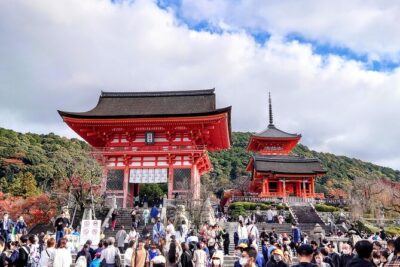
The Gojozaka stop serves Kiyomizu-dera. This is one of Kyoto’s essential temple visits, but the stop is not the same as arriving at the temple entrance. You should expect a walk uphill from the bus area, and comfortable shoes matter.
Kiyomizu-dera is a strong reason to choose the eastern route. It gives you a major cultural sight and a chance to walk through the Higashiyama area. The tradeoff is time: the temple, the approach, and the return to the bus stop can easily take longer than a quick hop-on hop-off stop allows.
Sanjusangendo and the Kyoto National Museum
The stop near Sanjusangendo, the Kyoto National Museum, and the Hyatt Regency Kyoto gives you several worthwhile choices in one area. Sanjusangendo is known for its long wooden hall and rows of Buddhist statues. The National Museum offers another way to engage with Japanese art and culture.
This stop is particularly useful if the weather is too hot or wet for a long outdoor visit. You can choose an indoor attraction, then use the bus to continue toward Kyoto Station or another district.
The route does not mean you can see all three nearby places in one short break. Pick one main destination, check the next bus time, and leave room for walking. The unreserved seating and long intervals make rushed plans risky.
Nishi Hongan-ji and Nijo-jo Castle
The second route section begins again at Kyoto Station and heads toward Nishi Hongan-ji. This temple is close to the station and can work well on arrival day or departure day, when you want a cultural stop without traveling far across town.
Nijo-jo Castle is a stronger anchor for the route. Its palace buildings, grounds, and connection to Japan’s political past make it one of Kyoto’s most rewarding major sights. Allow enough time to explore rather than treating it as a quick photo stop.
This is where the bus can save you effort. Nijo-jo is not part of the same compact sightseeing cluster as Kiyomizu-dera and Gion. A direct sightseeing bus link can be handy when you want to connect central Kyoto with the northern and eastern stops.
Kitano-tenmangu, Kinkaku-ji, and Daitoku-ji
Kitano-tenmangu Shrine, near Kamishichiken, gives you a different feel from the city’s most heavily visited temple zones. It is a major shrine with a strong local identity and a useful stop if you want to pair a shrine visit with the Golden Pavilion.
Kinkaku-ji, the Golden Pavilion, is the star of this section. The gold-covered temple beside the pond is one of Kyoto’s best-known sights, and its fame is well earned. It is also a place where you should expect a set visitor path rather than unlimited freedom to wander.
The stop marked for Kinkaku-ji is valuable, but check the exact walking connection when you board. Attraction stops are named for the sight they serve, not always placed at the entrance gate itself.
Daitoku-ji adds a quieter temple choice to the same route. Its precinct includes several sub-temples, and the amount you can see may depend on which areas are open. The bus gives you access, but you still need to choose how much time to spend there.
The Imperial Palace and the return to Nishiki Market
The Kyoto Imperial Palace stop, near Doshisha University, is another good place to break up a temple-heavy itinerary. The palace grounds offer a broad, open setting and a different view of Kyoto’s past.
This stop is more useful for people who want variety. If you spend the whole day moving between famous temples, the palace area gives you a change of pace. It is also close enough to the central route that you can continue toward Shijo Karasuma and Nishiki Market.
The route returns to the Nishiki Market area, which makes it easy to finish with food or a walk through central Kyoto. I would not save the final bus of the day unless you have a backup plan. A missed connection can leave you waiting longer than expected.
What the $45.56 price really buys you
At $45.56 per person, this is not the cheapest way to move around Kyoto. Local public transportation may cost less for simple point-to-point trips, especially if you already know the city and are comfortable planning your connections.
The bus earns its price through orientation and convenience. You get a sightseeing ride, multilingual commentary, earphones, Wi-Fi, and the ability to hop off at major districts. For a first visit, that can be worth paying for, particularly if you dislike navigating unfamiliar buses.
The value drops if you only ride once or twice. It also drops if you spend most of the day inside temples and miss the return buses. Use the pass for several longer connections and you have a better chance of getting your money’s worth.
The price also deserves comparison before booking. The same type of hop-on hop-off service may be offered through other operators or sales channels at a lower rate. The bus itself can be useful, but convenience is not the same as the best price.
Heat, rain, seating, and basic comfort
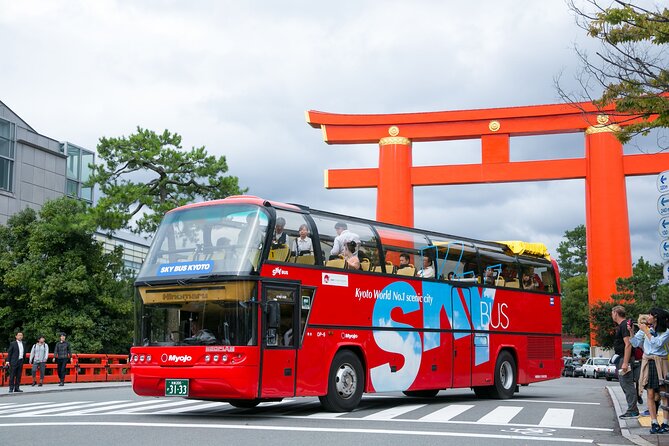
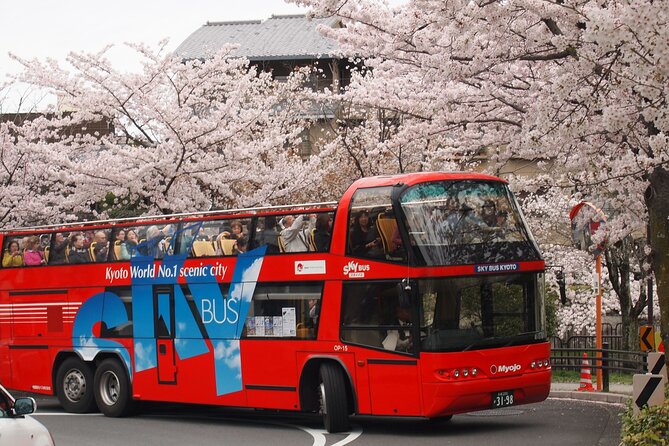
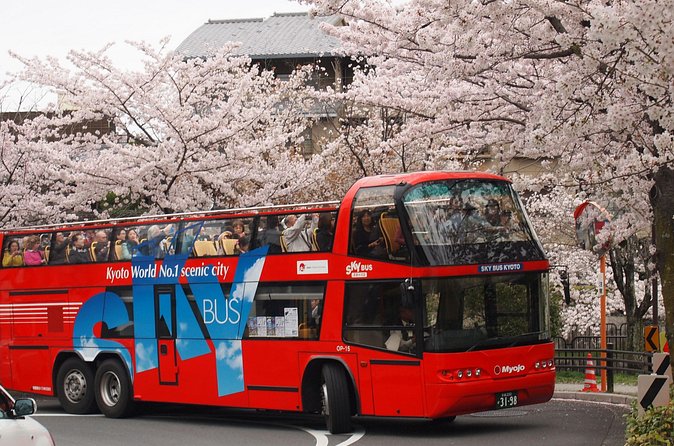
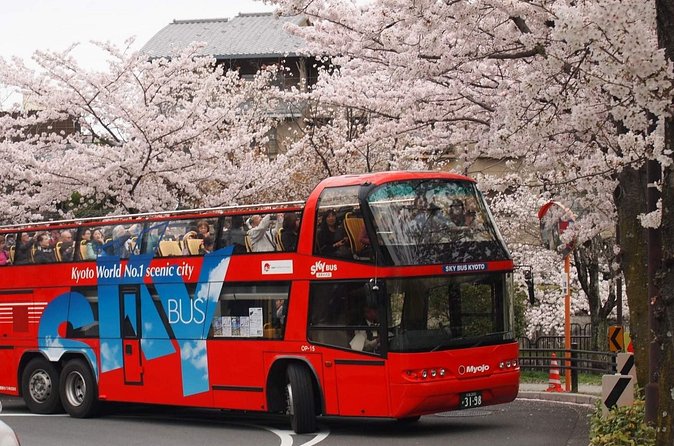
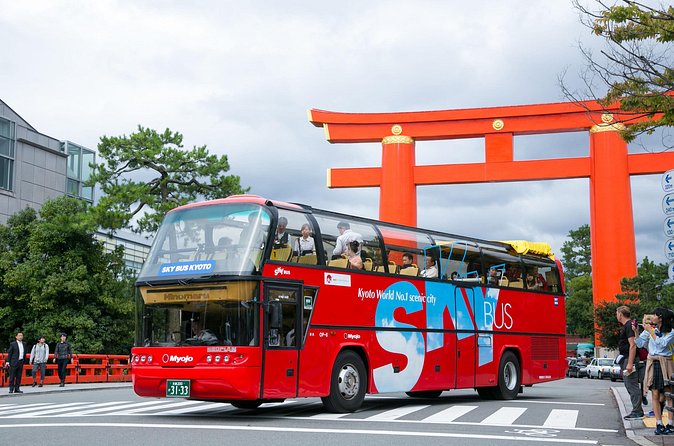
The open-top double-decker design is a major part of the appeal. You get higher views over streets and buildings, and the ride feels more like sightseeing than ordinary transport.
It can also be uncomfortable in strong summer heat. One rider specifically wished water were available onboard after a very hot ride. Bring your own water, and do not assume the bus will provide drinks.
A poncho is included in rainy conditions, but rain can still reduce the views and make the open deck less pleasant. Since the experience requires good weather, keep your schedule flexible if the forecast looks poor.
Onboard Wi-Fi is included, which is handy for checking maps and bus times. Still, I would save screenshots of your route and stops before setting out. A connected bus is helpful, but it does not remove the need for a simple plan.
Who should book this Kyoto bus?
I would consider this tour if you are visiting Kyoto for the first time, want a broad overview, or prefer not to manage several public transportation connections. It can also suit families and older visitors who want to reduce long walks between distant sightseeing areas.
It is less suitable if you need tight timing or want to see every major attraction in one day. The 50-minute service gap is the key issue. You should be happy to slow down, wait, or change plans.
The bus is also a reasonable choice for a return visit if you want to revisit several famous sights without building a new transit plan. It is not the best fit for someone seeking a small group, a personal guide, or detailed explanations inside each temple.
Should you book the SKY HOP BUS?
Book it if you value a simple overview of Kyoto and will use the pass for several rides. Start at Kyoto Station, choose one route section, and plan only a few major stops. That approach gives you the best chance of enjoying the views and audio guide without spending the day waiting.
Skip it if price is your main concern, you already understand Kyoto’s public transportation, or you want a tightly scheduled sightseeing day. At $45.56, the pass needs real use to justify its cost.
The best compromise is a two-day pass if the price difference is reasonable for your dates. One day can feel rushed, while two days gives the bus system room to work as intended. Keep your schedule loose, carry water, and allow extra time at Kyoto Station.
FAQ
How long does the Kyoto Hop-On, Hop-Off Bus Tour last?
The stated ride duration is approximately 1 hour and 8 minutes. Your total sightseeing time will be longer because it depends on how often you get off and how long you wait for the next bus.
Is a one-day pass included?
Yes. A one-day pass is included, and a two-day pass is available if selected.
Can I get on and off more than once?
Yes. You can get on and off as often as you like at Sky Hop Bus stops during the ticket validity period.
Are seats reserved?
No. All seats are unreserved.
How often do the buses arrive?
A review of the service notes that buses can arrive about every 50 minutes. Plan with that possible wait in mind.
Is an audio guide included?
Yes. A multilingual audio guide and earphones are included.
Is Wi-Fi available onboard?
Yes. Onboard Wi-Fi is included.
Can children under five ride for free?
Yes. Children under five can ride free when sitting on the lap of a parent or guardian.
Recently added around Kyoto
- Higashiyama | Kyoto: Sakura Season Private Rickshaw Tour★ 5.0 · 3 reviews
- Kyoto Kimono Rental CHAMATSU|Kimono/Yukata Rental FamilyPlan★ 5.0 · 3 reviews
- Kyoto: Half-Day Private Guided Tour to the Old Town of Gion★ 4.4 · 3 reviews
- Nara Private Customizable Half Day Tour★ 5.0 · 3 reviews
- Full Day Nara Deer, Temple, Shrine, Activities & Tea Ceremony★ 5.0 · 3 reviews
- Nara: Essential Private Tour with Deer Park and Temples★ 5.0 · 3 reviews
- Kansai Region Hiking Adventure in Nara Kobe Kyoto and More★ 5.0 · 3 reviews
- Hiking Tour for Sacred Sites in Kyoto with a Guide★ 5.0 · 3 reviews
Tours, compared.
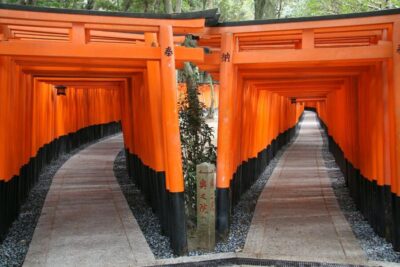
Fushimi Inari, Kinkakuji, Bamboo Grove 1 Day Bus Tour
Read our review →
Kyoto Geisha Walking Tour: Gion District & Hidden Gems
Read our review →
Gion Magical Night Walking Tour with Geisha Trivia
Read our review →
Gion Geisha District Walking Tour – Stories of Geisha
Read our review →

Kyoto Night Foodie Tour in Gion (9+ dishes + 6 Sake tastings)
Read our review →