REVIEW · GUIDED
Kyoto Highlights 7-Hour Private Guided Tour
Kyoto’s biggest challenge is not finding beautiful sights. It is fitting them together without losing half the day to trains, buses, and wrong turns. This seven-hour private tour gives you a guide who can connect the dots, explain what you are seeing, and keep the day moving.
I like the choice between two routes, and I like the one-on-one format. Guides including Mie, Choco, Choca, and Mei have been praised for clear English, cultural insight, and help with local transport. The main drawback is simple: you must choose one side of Kyoto. Trying to cover both routes in one day is possible only by booking both tours, and that makes for a much longer, busier plan.
In This Review
- Key points at a glance
- Why a private day helps in Kyoto
- The northwest route: bamboo, gardens, gold, and a castle
- The southeast route: sake, torii gates, and Kyoto’s old slopes
- What your guide adds to the day
- Time, transport, and the 16:00 finish
- Is $215 per person good value?
- Who should book this Kyoto tour?
- FAQ
- How long is the Kyoto Highlights tour?
- Where does the tour start?
- Which routes can I choose?
- What is included in the tour price?
- Are food and drinks included?
- Is hotel pickup included?
- What language is the tour offered in?
- Should you book it?
Key points at a glance
- Choose your Kyoto: The northwest route combines the Bamboo Grove, Ryoanji Temple, Kinkakuji, and Nijo Castle or Nishiki Market.
- Follow the sake and shrine route: The southeast itinerary includes a brewery, Fushimi Inari Taisha, Sanjusangendo, Kiyomizudera, and the Ninenzaka or Sannenzaka slopes.
- Travel with a private guide: You can ask questions freely and get help with Kyoto’s buses and other local transport.
- Begin at 9:00: The normal meeting point is Hotel Granvia Kyoto in the JR Kyoto Station building.
- Finish near Gion: The stated end time is 16:00, placing you close to Kyoto’s geisha district for an evening walk or dinner.
- Good value for pairs and small groups: At $215 per person, the cost buys a full day of guiding, transport, and temple admissions rather than just a quick sightseeing circuit.
Why a private day helps in Kyoto
Kyoto rewards planning but punishes poor planning. Major sights sit in different parts of the city, and a day that looks easy on a map can become a chain of bus stops, station changes, and long walks. A private guide gives you a practical advantage: you spend more time looking at temples and gardens, and less time working out where to go next.
The private format also changes the tone of the day. You can ask why a gate is painted a certain color, how a temple garden is meant to be viewed, or what a shrine ritual means without worrying about holding up a large group. Several guides, including Mie, Choco, Choca, and Mei, are specifically praised for friendly conversation, clear English, and useful cultural explanations.
This is not a tour for ticking off every Kyoto landmark. It is a structured introduction to major sights, with enough background to make the buildings and gardens feel like more than pretty backdrops.
A few more Kyoto experiences worth comparing
- Fushimi Inari Hidden Hiking Tour (Private Option Available)
★ 5.0 · 1,750 reviews - Private Kyoto Tour with a Local, Highlights & Hidden Gems, Personalised
★ 5.0 · 1,543 reviews - Kyoto 6hr Private Tour with Government-Licensed Guide
★ 5.0 · 1,369 reviews
The northwest route: bamboo, gardens, gold, and a castle
The northwest option begins with the Bamboo Grove, one of Kyoto’s most recognizable sights. The tall bamboo creates a striking setting, but the grove is not a full-day attraction on its own. Its value here comes from the way it begins a larger route through western Kyoto, pairing a famous natural setting with temples, gardens, and a castle.
Your guide can help put the grove in context and keep the stop from swallowing the entire morning. Bring comfortable shoes, since the route includes several temple grounds and walking areas. The information provided does not specify how long you stay at each location, so your exact pace will depend on the guide, transport conditions, and your group.
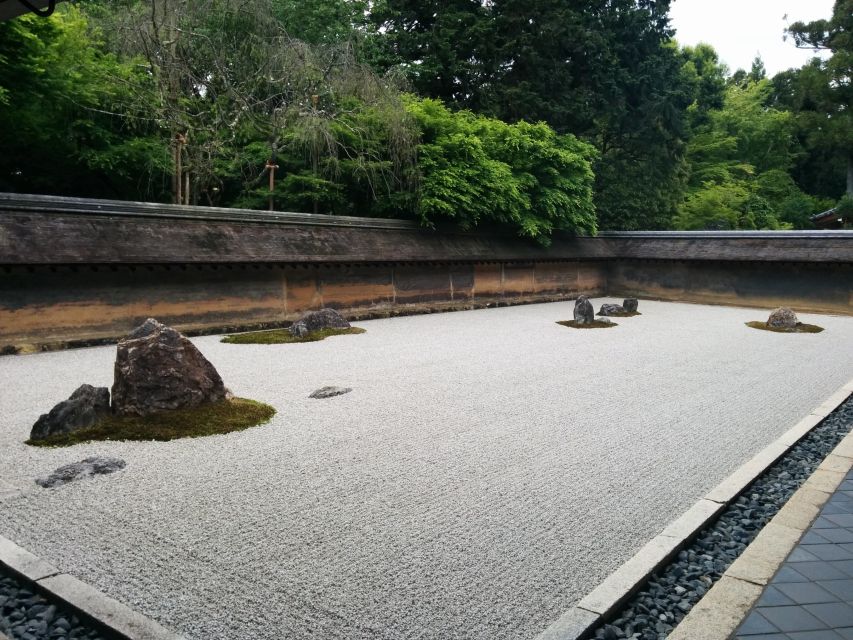
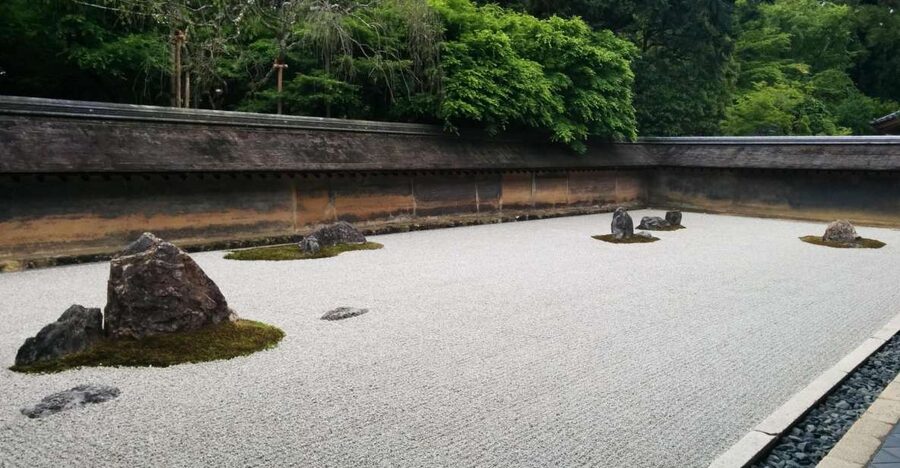
Ryoanji Temple follows, known for its Rock Garden. This is a quieter, more contemplative stop than the Bamboo Grove. The garden is famously spare, with carefully arranged rocks set in pale gravel. You do not need to know every detail of Zen practice to appreciate the scene, but a guide can help explain why the garden feels so different from Kyoto’s more decorative temple grounds.
The garden is also a good test of your touring style. If you enjoy pausing, looking closely, and discussing design and symbolism, Ryoanji can be one of the strongest stops of the day. If you prefer constant movement and dramatic buildings, it may feel subdued.
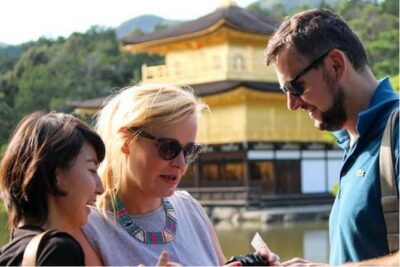
Kinkakuji, the Golden Pavilion, provides the route’s most obvious visual hit. The gold-covered structure sits beside a pond and is designed to be seen from the surrounding grounds rather than entered as an ordinary building. It is a short, focused visit, but one that earns its place on a first Kyoto itinerary.
Expect this stop to feel more formal and sight-centered than Ryoanji. You will want time for photographs, yet your guide’s explanation gives the pavilion greater meaning than a quick picture stop. The route does not promise a private or quiet visit, so do not expect solitude at one of Kyoto’s most famous monuments.
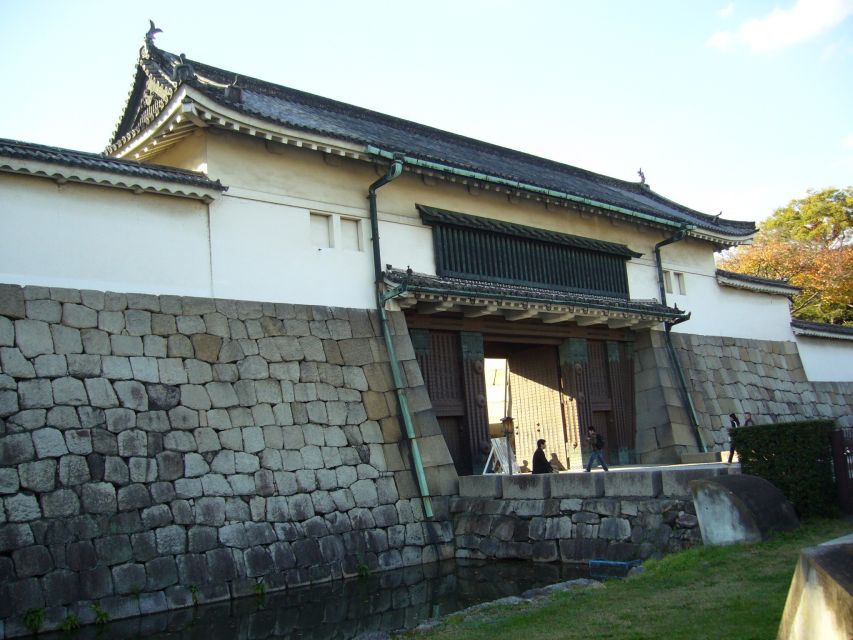
The final choice on the northwest route is Nijo Castle or Nishiki Market. Nijo Castle offers grand interiors, historic rooms, and the famous nightingale floors, which make a faint chirping sound underfoot. It is the better choice if you want political history, architecture, and a strong sense of Kyoto as a seat of power.
Nishiki Market gives you a different experience. It is a food market in the central city, with a more everyday feel than the polished temple sites. Food and drinks are not included, but this is the natural place to buy something on your own if time allows. The market can be crowded, and you should not assume every stall allows casual sampling or photography.
Because the route description presents Nijo Castle or Nishiki Market as alternatives, check which stop is included when you book. That choice matters. Nijo suits a history-focused day, while Nishiki suits you if you want food culture and a more commercial street setting.
The southeast route: sake, torii gates, and Kyoto’s old slopes
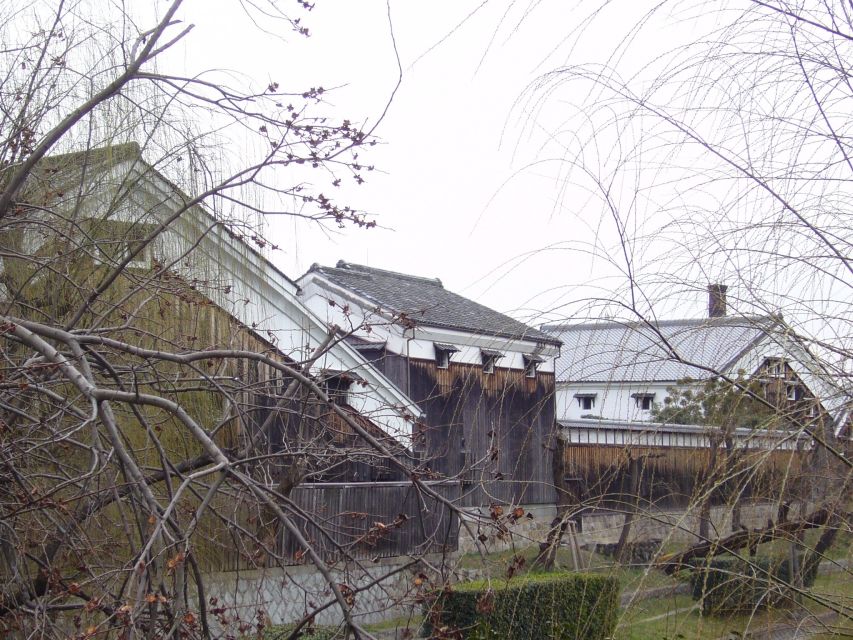
The southeast route begins with a sake brewery stop. This adds a useful local angle to a day otherwise centered on temples and shrines. Sake is closely tied to Japanese food culture and ceremony, and a brewery visit gives you a chance to understand the drink as a crafted product rather than simply something ordered with dinner.
The supplied details do not promise a tasting, so do not book this route expecting drinks to be included. Food and beverages are specifically excluded from the tour price. The brewery is valuable mainly because it breaks up the monument-heavy schedule and gives your guide a natural opening to discuss local customs and production.
Next comes Fushimi Inari Taisha, famous for its long runs of orange torii gates. Even a short visit gives you the essential sight, but the shrine grounds extend far beyond the first gates. Your available time will determine how far you walk. If you want to climb deep into the wooded hillside, ask your guide early how much time the schedule allows.
Fushimi Inari is one of the places where a private guide can make the visit more manageable. You can learn how to behave at the shrine, understand the meaning of the gates, and decide how far to continue without guessing. The stop is visually powerful, but it can also be physically demanding if you walk uphill for a long distance.
Sanjusangendo Temple offers a very different mood. The long temple hall is known for its rows of Buddhist statues, creating a memorable interior experience after the open-air torii gates. This is a good example of why the southeast route works as a full day: it shifts between religious settings rather than repeating the same type of sight.
Kiyomizudera Temple is the route’s major headline stop. Set above the eastern side of Kyoto, it is known for its broad wooden stage and city views. The temple grounds offer more than one photo point, and your guide can help you understand the site as a place of worship, not only a scenic overlook.
The final walking area is the Ninenzaka or Sannenzaka slope. These historic lanes lead through one of Kyoto’s most recognizable old-town districts, with traditional-looking buildings, shops, and a distinctly atmospheric approach to the temple area. The stone slopes can be tiring, especially after several hours of sightseeing, so wear shoes with good support.
The southeast route has more walking variety than the northwest route, but it can also feel demanding. Fushimi Inari, Kiyomizudera, and the two slopes all require time on your feet. If you have limited mobility, ask the operator for practical details before paying, since the supplied information does not describe accessibility arrangements.
What your guide adds to the day
The best reason to choose this tour is not simply the number of stops. It is the explanation between them. Kyoto’s monuments can blur together when you see several in one day. A good guide gives each site its own purpose and helps you notice details you might otherwise pass.
Mie is described as offering strong context about Japanese culture and the Edo period while keeping the pace relaxed. Choco and Choca are praised for friendly guiding and help with local transportation. Mei is described as making the day fun, informative, and memorable. These details point to the kind of service you should expect: personal conversation, practical help, and interpretation rather than a memorized speech delivered at speed.
You can also avoid some common first-day mistakes. A guide can show you how to use the bus pass, explain the order of shrine and temple visits, and help you navigate between sights. One guide even helped a group find a local ramen place for lunch, though lunch itself is not part of the package and should not be treated as guaranteed.
The language offered is English. Since this is a private tour, ask questions as you go. The format is especially useful if you are new to Japan, unsure about temple etiquette, or traveling with people who want cultural context instead of a silent sightseeing loop.
A completely different side of Kyoto:
- PERFECT KYOTO 1-Day Bus Tour
★ 5.0 · 13,518 reviews - Kyoto: Fushimi Inari, Kinkakuji, Bamboo Grove 1 Day Bus Tour
★ 4.8 · 4,316 reviews - Kyoto: Tea Ceremony in a Traditional Tea House in Kiyomizu
★ 4.9 · 3,519 reviews - Kyoto Geisha Walking Tour: Gion District & Hidden Gems
★ 4.7 · 3,273 reviews
Time, transport, and the 16:00 finish
The tour is scheduled from 9:00 to 16:00. The usual starting point is Hotel Granvia Kyoto, inside the JR Kyoto Station building, though the meeting point can vary by option. Hotel pickup and drop-off are not included, so plan to reach the assigned starting point on your own.
Transportation is included, along with a one-day bus pass that you can also use after the tour. That extra value is easy to overlook. Once the guided portion ends near Gion, you still have a pass for further bus travel, which can help you continue sightseeing without buying another ticket immediately.
The stated ending point is near Gion, Kyoto’s geisha district. That is a smart finish. You can continue with dinner, explore the area independently, or join a separate evening walk in Gion. The timing also means you should not expect a late-night experience from this tour itself.
The route may involve walking, buses, and other local transport. A private guide makes those changes less stressful, but seven hours is still a full day. Build in sensible expectations: you will see a lot, yet each stop will receive a focused visit rather than unlimited free time.
Is $215 per person good value?
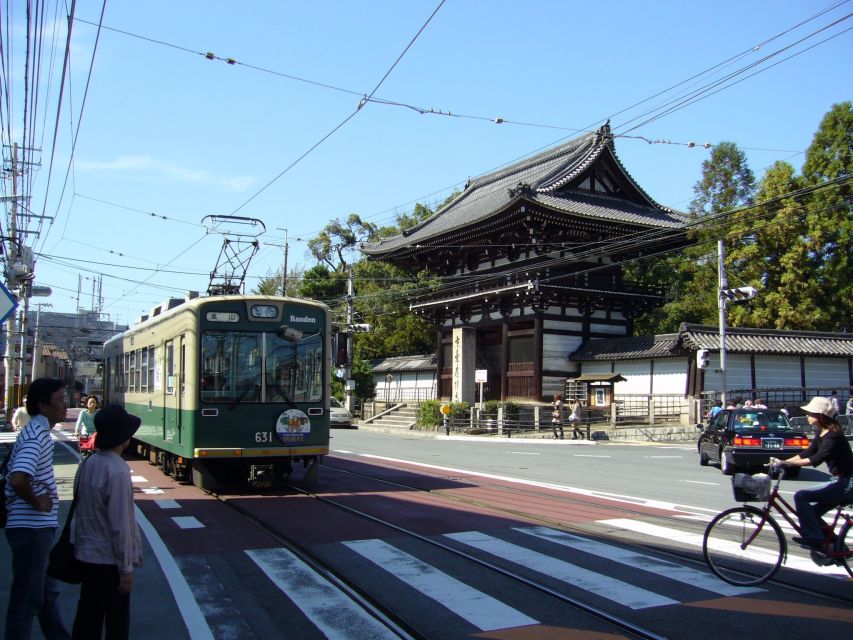
At $215 per person, this is not the cheapest way to see Kyoto. You are paying for a private licensed guide, transportation, temple entrance fees, and a full seven-hour schedule. Food and drinks are extra, and hotel pickup and drop-off are not included.
The value improves if you are traveling as a couple, family, or small group that would otherwise book separate transport and admissions. A private guide also saves you planning time, which has real value on a short Japan trip. If you already know Kyoto well and are comfortable using buses, you may prefer to visit fewer sites independently for less money.
The strongest value comes from the human help. You are not only paying to be taken to Kinkakuji or Fushimi Inari. You are paying for someone who can explain the setting, answer questions, adjust the conversation to your interests, and help you move through Kyoto with fewer errors.
Who should book this Kyoto tour?
I would choose this experience for a first visit, especially if you have one free day and want a broad introduction to Kyoto. It suits couples, families, and small groups who want a private pace and the freedom to ask plenty of questions.
The northwest route is best if you want gardens, the Bamboo Grove, Kinkakuji, and a castle or food market. Choose the southeast route if sake, shrine architecture, Buddhist temples, and old Kyoto lanes sound more appealing.
I would not choose it if you want a slow, single-neighborhood day or plenty of time inside each monument. The schedule covers major ground, so the experience is focused rather than leisurely at every stop. You also need to confirm the exact route choice, starting point, and cancellation terms before booking, since the supplied booking details give both a full-refund policy up to 24 hours and stricter charges for cancellations one or two days before departure.
FAQ
How long is the Kyoto Highlights tour?
The tour lasts seven hours, starting at 9:00 and ending at about 16:00.
Where does the tour start?
The normal starting point is Hotel Granvia Kyoto in the JR Kyoto Station building. The meeting point may vary depending on the route selected.
Which routes can I choose?
You can choose a northwest-bound route or a southeast-bound route when booking.
What is included in the tour price?
The price includes a private licensed guide, transportation, temple entrance fees, and a one-day bus pass that you can also use after the tour.
Are food and drinks included?
No. Food and drinks are not included in the tour price.
Is hotel pickup included?
No. Hotel pickup and drop-off are not included. You must reach the assigned meeting point.
What language is the tour offered in?
The tour is offered in English.
Should you book it?
Book this tour if you want Kyoto’s major sights explained by one dedicated guide rather than pieced together on your own. The private format, transport help, included admissions, and useful finish near Gion make it a strong choice for a first full day in the city.
Choose the route carefully. The northwest plan gives you bamboo, gardens, gold, and a castle or market. The southeast plan brings sake, torii gates, Buddhist art, Kiyomizudera, and old hillside lanes. If you want both sides, book both tours and accept that you are buying a fuller, more demanding Kyoto program.
Recently added around Kyoto
- Higashiyama | Kyoto: Sakura Season Private Rickshaw Tour★ 5.0 · 3 reviews
- Kyoto Kimono Rental CHAMATSU|Kimono/Yukata Rental FamilyPlan★ 5.0 · 3 reviews
- Kyoto: Half-Day Private Guided Tour to the Old Town of Gion★ 4.4 · 3 reviews
- Nara Private Customizable Half Day Tour★ 5.0 · 3 reviews
- Full Day Nara Deer, Temple, Shrine, Activities & Tea Ceremony★ 5.0 · 3 reviews
- Nara: Essential Private Tour with Deer Park and Temples★ 5.0 · 3 reviews
- Kansai Region Hiking Adventure in Nara Kobe Kyoto and More★ 5.0 · 3 reviews
- Hiking Tour for Sacred Sites in Kyoto with a Guide★ 5.0 · 3 reviews
Guided, compared.
Kyoto Early Morning Tour with English-Speaking Guide
Read our review →
Kyoto 6hr Private Tour with Government-Licensed Guide
Read our review →Early Morning Tour with English-Speaking Guide
Read our review →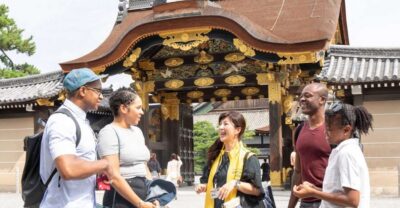
Nijo-jo Castle and Ninomaru Palace Guided Tour
Read our review →
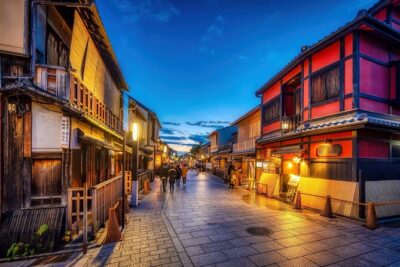
Kyoto Gion Night Walk & Geisha District Guided Tour
Read our review →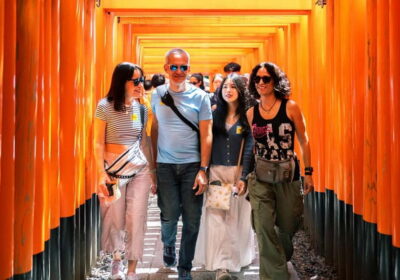
From Kyoto/Osaka: Kyoto Top Highlights 1-Day Guided Bus Tour
Read our review →