
REVIEW · GION GEISHA DISTRICT TOURS
Kyoto: Gion & Pontocho Food Tour with 13 Dishes
Kyoto’s best food streets are easier to enjoy with a local guide, especially after dark. This three-hour evening tour pairs up to 13 Japanese dishes with a walk through Yasaka Shrine, Gion, and Pontocho, giving you both dinner and a useful first look at two famous districts.
I like the small group of no more than 10 people, which keeps the meal social without turning it into a moving crowd. I also like the mix of dishes, from crispy tempura and fresh sashimi to tofu and Japanese fried chicken. The main thing to consider is timing: at 7 pm, you see Gion by night, not at the best time for spotting geisha.
In This Review
- Key points at a glance
- Why this Kyoto food tour works well at night
- Yasaka Shrine gives the evening a cultural start
- Gion shows Kyoto’s traditional side
- Pontocho brings food and nightlife together
- What you actually eat: 13 small tastes instead of one large dish
- Two drinks help explain the izakaya setting
- The guides are a major part of the experience
- Is $105.71 good value?
- Timing, walking, and meeting details
- Who should book this evening walk?
- Should you book the Gion and Pontocho food tour?
- FAQ
- How long does the Kyoto Gion and Pontocho food tour last?
- What time does the tour begin?
- Where does the tour meet?
- Where does the tour finish?
- How many dishes and drinks are included?
- What is the maximum group size?
Key points at a glance
- Up to 13 dishes at two stops: Eat at one restaurant and one izakaya rather than relying on a single fixed meal.
- Yasaka Shrine comes first: The walk begins with about 30 minutes at one of Kyoto’s best-known Shinto sites.
- Gion and Pontocho after dark: You get an evening look at wooden machiya houses, narrow lanes, teahouses, and nightlife.
- Two drinks are included: Choose alcoholic or non-alcoholic drinks, with extras available at your own cost.
- Small-group format: The maximum group size is 10, a good fit for questions and conversation.
- Guides add local context: Guides including Kohtaro, Yuna, Meiko, Moto, and Takuma have led groups, with particular praise for their food and Kyoto explanations.
Why this Kyoto food tour works well at night
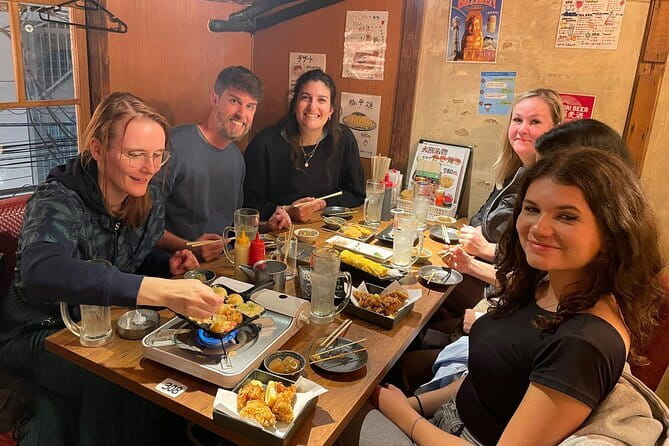
This is not just a meal with a short walk attached. It is a guided introduction to three parts of central Kyoto that can feel confusing on your own: Yasaka Shrine, Gion, and Pontocho.
You meet at 7 pm outside FamilyMart at 300 Gionmachi Kitagawa. From there, the guide takes care of the route, restaurant entrances, and basic translation. That matters in Kyoto, where small eateries may have limited English and menus can be difficult to interpret quickly.
The evening format also suits Kyoto’s atmosphere. Yasaka Shrine is lit after dark, and Gion’s wooden buildings take on a quieter, more striking look at night. Pontocho is especially appealing in the evening, when its narrow lane begins to fill with diners heading to traditional restaurants and izakayas.
The tradeoff is that this is a tasting tour, not a full three-hour food crawl with many separate venues. The included food is served at one restaurant and one izakaya, so you get variety in the meal but not a long list of different businesses.
More evenings in Gion:
- Kyoto Geisha Walking Tour: Gion District & Hidden Gems
★ 4.7 · 3,273 reviews - Kyoto: Gion Magical Night Walking Tour with Geisha Trivia
★ 4.9 · 2,393 reviews - Kyoto: Gion Geisha District Walking Tour – Stories of Geisha
★ 4.7 · 2,187 reviews
Yasaka Shrine gives the evening a cultural start
The first stop is Yasaka Shrine, where you spend about 30 minutes. Founded more than 1,350 years ago, it is one of Kyoto’s most prominent Shinto shrines and an important landmark in the Gion area.
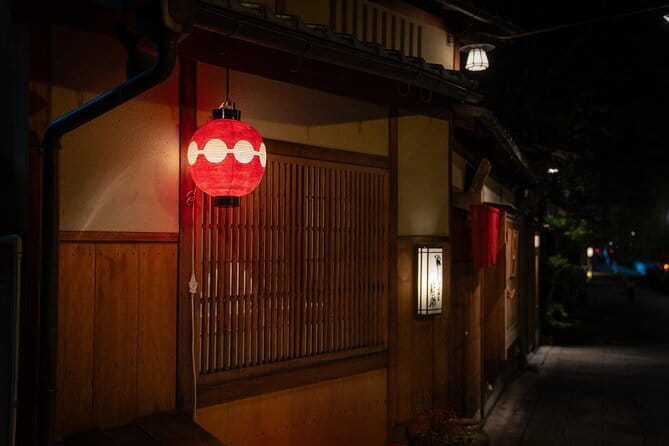
The shrine is known for its red main gate and lantern-lit paths. A guide can help explain what you are seeing, which is useful if this is your first visit to a Japanese shrine. You can look around before dinner without paying an admission fee.
I like this opening because it prevents the tour from becoming a simple restaurant-to-restaurant outing. You begin with a place tied to Kyoto’s religious life, then move into the streets where food, entertainment, and old architecture meet.
Keep your expectations realistic, though. The shrine visit lasts around 30 minutes, so it is an introduction rather than a full religious-site tour. If you want a slow, detailed look at every building and ritual, you will need to return on your own.
Gion shows Kyoto’s traditional side
The tour then moves through Gion for about an hour. This district is known for its wooden machiya houses, teahouses, and streets such as Hanami-koji. The area is one of Kyoto’s most recognizable, but it rewards a guide because its cultural rules are not always obvious at first glance.
You can expect a walking tour through atmospheric streets rather than a formal performance or private geisha encounter. The guide shares information about the area, the food, and Kyoto’s past and present. Several guides have been singled out for explaining local customs, religion, language, and history in clear English.
That local explanation is one of the tour’s strongest features. A walk through Gion can otherwise become a quick photo stop. With a guide, you get context for the buildings and the district’s role in Kyoto’s traditional entertainment culture.
One useful point: the tour takes place at night, and seeing geisha is not promised. One direct piece of advice from the experience is that evening is not the best time to count on a geisha sighting. Treat Gion as a beautiful historic neighborhood and cultural district, not as a guaranteed geisha-spotting outing.
Please also keep the walk respectful. Gion is a real neighborhood, not a stage set. Follow the guide’s lead around private entrances, teahouses, and people working in the area.
Pontocho brings food and nightlife together
After Gion, you spend about an hour in Pontocho. This historic district runs between the Kamogawa River and Kiyamachi Street and is famous for its narrow lane and traditional wooden buildings.
Pontocho is a natural setting for an evening food tour. Its restaurants and bars are packed into a very small area, and the lane has a distinct sense of place. You may find the passage tight, particularly when other diners are arriving, but that close-packed design is part of the experience.
The tour does not ask you to find a restaurant by reading signs or guessing which doorway is open to visitors. Your guide handles that part and translates as needed. For someone new to Kyoto, this removes much of the uncertainty around ordering and entering traditional places.
The route ends at Kyoto-Kawaramachi Station. That is practical if you plan to continue your evening in central Kyoto or return by train. The end point is not at your starting location, so you should note that this is a point-to-point walk rather than a loop.
More food tours in Kyoto:
- Kyoto Night Foodie Tour in Gion (9+ dishes + 6 Sake tastings)
★ 5.0 · 1,762 reviews - 3-Hour Kyoto Insider Sake Brewery Tour with Tastings & Pairings
★ 5.0 · 917 reviews - Arashiyama Bamboo, Temple, Monkeys, or Secret Sake Brewery
★ 4.8 · 886 reviews - Kyoto: Insider Sake Brewery Tour with Sake and Food Pairing
★ 5.0 · 704 reviews
What you actually eat: 13 small tastes instead of one large dish
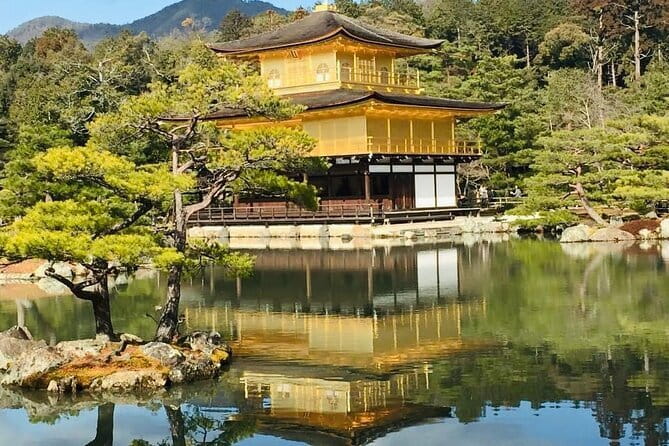
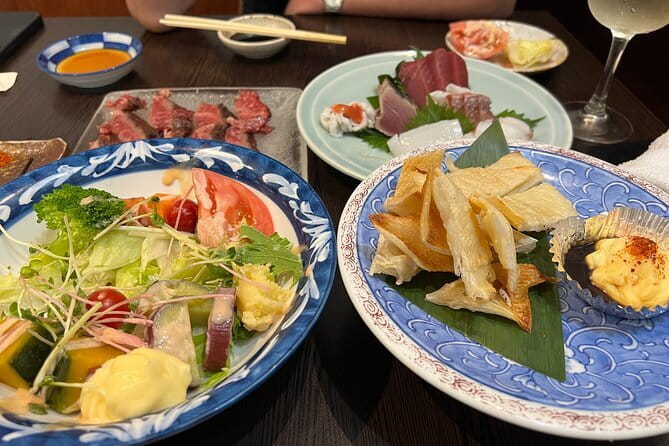
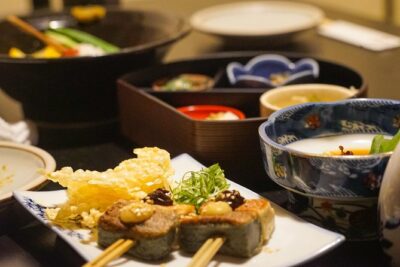
Food is the main reason to book this experience, and the meal covers a useful range of Japanese flavors and textures. The included menu can reach 13 dishes, with examples such as crispy tempura, sashimi, tofu, and Japanese fried chicken.
That range is valuable if you are still learning what you like. Tempura gives you a light, crisp texture. Sashimi offers a direct taste of fresh seafood. Tofu shows a gentler side of Japanese cooking, while fried chicken brings something familiar and hearty to the table.
The meal is served at one restaurant and one izakaya. An izakaya is a Japanese eating and drinking place where food is often shared with drinks. This format lets you try several dishes without having to order a full meal at each stop.
Do not read the dish count as 13 large courses. The food is best understood as a tasting-style dinner, with several items making up the meal. If you have a large appetite, you may want to budget for an extra snack later, though the included food should give you a solid introduction to local dining.
The exact food selection may vary. The stated examples provide a good idea of the range, but the tour does not promise every item on every date. If you have strict dietary needs, confirm them before booking, since the available information does not list specific allergy, vegetarian, or religious-diet arrangements.
Two drinks help explain the izakaya setting
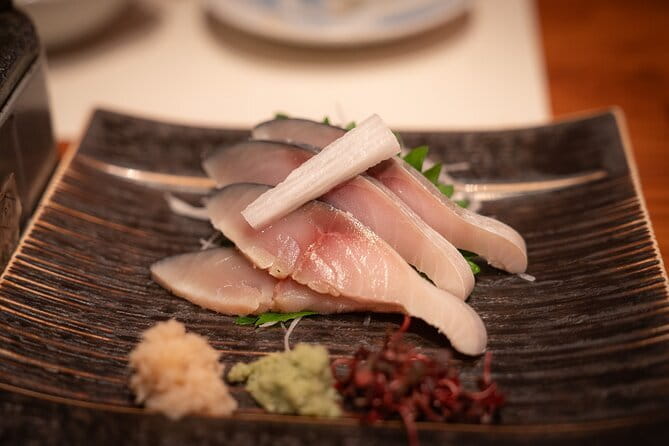
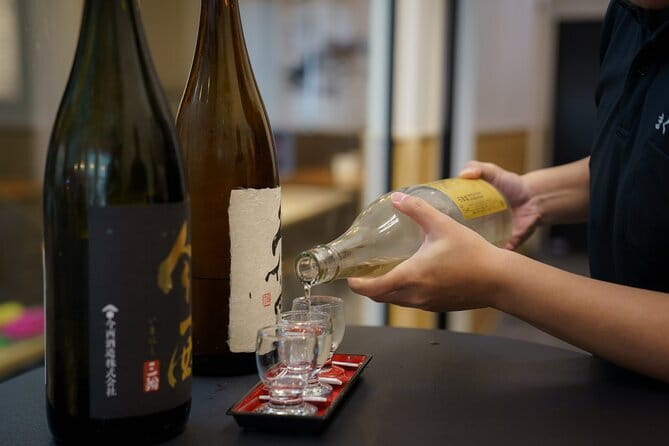
Two drinks are included, and you can choose alcoholic or non-alcoholic options. That is a useful middle ground: you get a taste of the social side of an izakaya without paying separately for every drink.
This also helps with the tour’s value. A food walk can become expensive when each tasting and beverage is added at the table. Here, your main meal and two drinks are covered in the $105.71 per-person price.
Extra drinks are not included. If you know you will want more than two, plan for an additional charge. The same applies to anyone who treats the tour as a long night of drinking rather than a guided dinner.
The food and drink arrangement is best for someone who wants to sample local dishes while learning how an evening meal works in Kyoto. It is less suited to someone seeking a cocktail crawl, a sake-focused tasting, or a long list of bars.
The guides are a major part of the experience
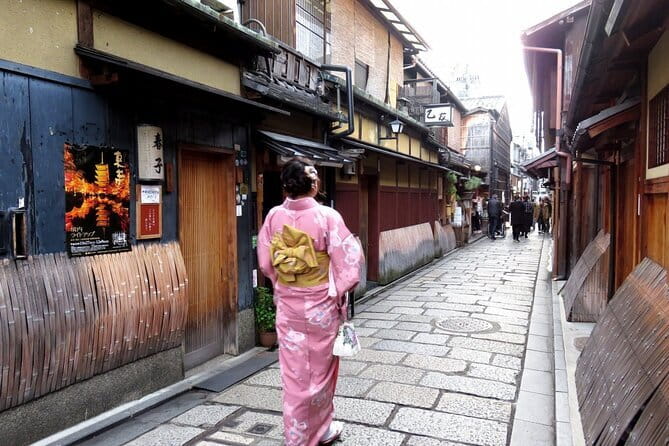
A food tour is only as good as the person leading it, and the guides make a real difference here. Kohtaro has been praised for being friendly, engaging, and helpful with practical Kyoto advice, including where to buy matcha and when to visit major sights at quieter times.
Yuna has been praised for leading a first-time Japan visitor through a wide range of traditional food. Meiko has helped make the history and culture of old and modern Kyoto part of the walk. Moto has been described as fun and willing to introduce foods a first-time visitor might not choose alone.
Takuma has also led groups through discussions about Japanese food, religion, language, and local customs. These details point to a tour that is not limited to menu translation. You can use your guide as a source of wider Kyoto advice, so bring questions.
The actual guide on your date may be different. The important point is the guide’s role: explaining what you are eating, helping you order, and placing Gion and Pontocho in a wider cultural setting.
Is $105.71 good value?
At $105.71 per person, this is not a cheap dinner. But the price includes up to 13 dishes, two drinks, a meal at two different types of venue, and three hours with a local guide.
A fair comparison is the cost of recreating the evening alone. You would still pay for food and drinks, and you might spend more than expected ordering unfamiliar items. You would also lose the translation help and the local explanation around Yasaka Shrine, Gion, and Pontocho.
The value is strongest for first-time visitors who want a confident introduction to Kyoto food. It is also useful if you are short on time and want a planned evening that combines sightseeing and dinner.
The value is weaker for experienced Japan visitors who already know izakaya dining, can read Japanese menus, and prefer choosing their own restaurants. You may also find the price high if you do not drink and expect 13 full-size portions.
With a maximum of 10 people, the cost also pays for a more personal format. A smaller group makes it easier to ask questions and hear the guide in narrow streets and busy dining rooms.
Timing, walking, and meeting details
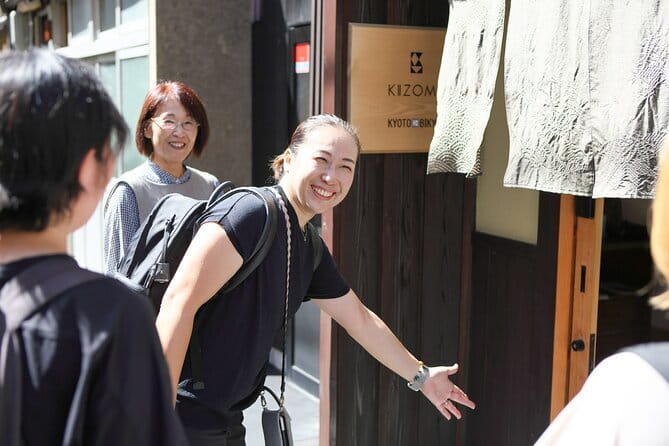
The tour begins at 7 pm and lasts about three hours. You should arrive at the FamilyMart meeting point at 300 Gionmachi Kitagawa in Gion, rather than expecting to meet at Yasaka Shrine itself.
You walk between the stops, so wear comfortable shoes. The route includes streets in Gion and Pontocho, and the evening can involve narrow lanes and standing or sitting at dining venues. Public transportation is nearby, and the tour finishes at Kyoto-Kawaramachi Station.
The small-group limit is 10 people. Most people can participate, but the supplied details do not provide a specific accessibility assessment. If you have mobility concerns, contact the provider before reserving so you can confirm that the walking route and venues suit you.
A mobile ticket is provided, and booking confirmation arrives at the time of booking. Free cancellation is available if you cancel at least 24 hours before the 7 pm start time. Cancellations or changes made inside that window are not refunded or accepted.
Who should book this evening walk?
I would point this tour toward first-time Kyoto visitors, curious eaters, couples, solo visitors, and small groups who want help navigating traditional restaurants. It is especially useful if you want someone to explain food and customs while you explore two famous districts.
It also suits people who want a social evening without joining a large coach group. The limit of 10 keeps the scale manageable, and the route ends near a central station.
You may want something else if your main goal is spotting geisha, visiting many independent food stalls, drinking beyond two beverages, or choosing every dish yourself. The tour gives you a planned tasting meal, not an open-ended food adventure.
Should you book the Gion and Pontocho food tour?
Book it if you want a guided first taste of Kyoto, with food, shrine culture, and evening streets in one compact plan. The combination of up to 13 dishes, two drinks, translation help, and a small group makes the $105.71 price reasonable for a first visit.
Skip it if you already have restaurant reservations you are excited about or prefer to explore Pontocho at your own pace. Also skip it if a guaranteed geisha sighting is your main reason for going.
For most first-time visitors, this is a practical way to get oriented. You eat well, learn what you are ordering, and leave with useful tips for the rest of your Kyoto stay.
FAQ
How long does the Kyoto Gion and Pontocho food tour last?
The tour lasts approximately three hours.
What time does the tour begin?
The start time is 7 pm.
Where does the tour meet?
You meet outside FamilyMart at 300 Gionmachi Kitagawa, in Kyoto’s Higashiyama Ward.
Where does the tour finish?
The tour ends at Kyoto-Kawaramachi Station.
How many dishes and drinks are included?
Food at one restaurant and one izakaya is included, with up to 13 dishes. Two alcoholic or non-alcoholic drinks are also included.
What is the maximum group size?
The tour has a maximum of 10 participants.
Recently added around Kyoto
- Higashiyama | Kyoto: Sakura Season Private Rickshaw Tour★ 5.0 · 3 reviews
- Kyoto Kimono Rental CHAMATSU|Kimono/Yukata Rental FamilyPlan★ 5.0 · 3 reviews
- Kyoto: Half-Day Private Guided Tour to the Old Town of Gion★ 4.4 · 3 reviews
- Nara Private Customizable Half Day Tour★ 5.0 · 3 reviews
- Kansai Region Hiking Adventure in Nara Kobe Kyoto and More★ 5.0 · 3 reviews
- Full Day Nara Deer, Temple, Shrine, Activities & Tea Ceremony★ 5.0 · 3 reviews
- Nara: Essential Private Tour with Deer Park and Temples★ 5.0 · 3 reviews
- Hiking Tour for Sacred Sites in Kyoto with a Guide★ 5.0 · 3 reviews
Gion Geisha District Tours, compared.
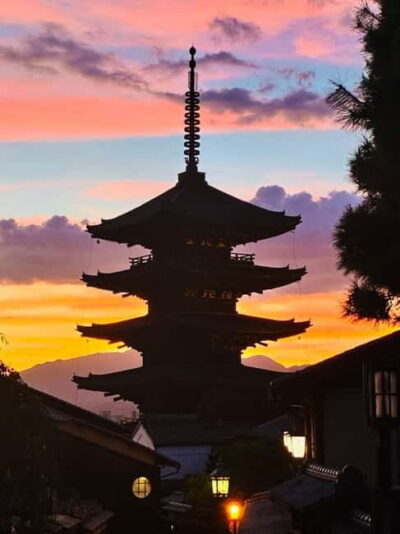
Kyoto Geisha Walking Tour: Gion District & Hidden Gems
Read our review →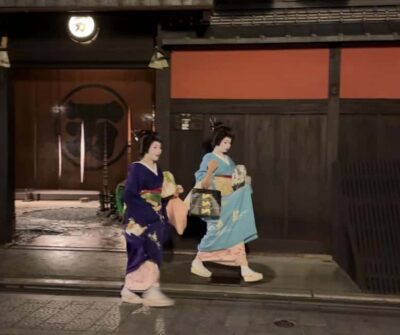
Gion Magical Night Walking Tour with Geisha Trivia
Read our review →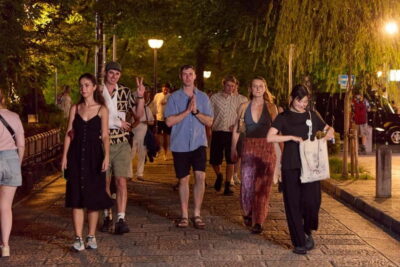
Gion Geisha District Walking Tour – Stories of Geisha
Read our review →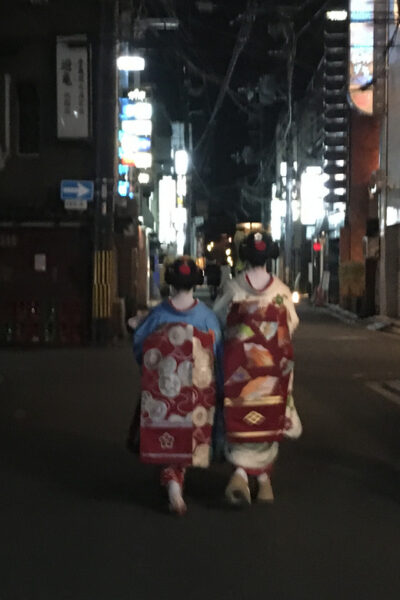
Best of Kyoto: Gion, Geisha, Pagodas & Cobblestones
Read our review →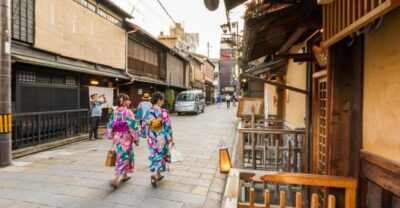
Kyoto Night Foodie Tour in Gion (9+ dishes + 6 Sake tastings)
Read our review →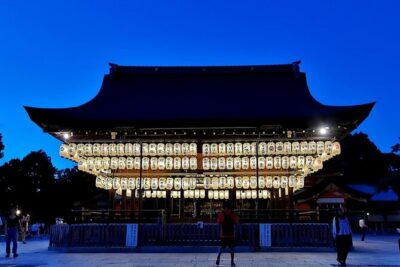
Kyoto Gion Geisha District Walking Tour – The Stories of Geisha
Read our review →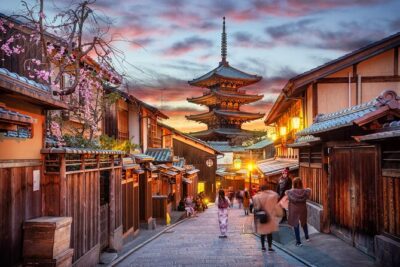
Kyoto Gion: 2-Hour Geisha Culture & History Walking Tour
Read our review →Browse the lists this tour appears in