
REVIEW · FUSHIMI INARI SHRINE TOURS
Kyoto: Fushimi Inari Night Walking Tour with Guide
Fushimi Inari changes character after sunset. The famous vermillion torii gates take on a softer glow, the shrine feels less crowded, and the quiet makes it easier to notice the sound of your own footsteps. This two-hour walk with a local guide covers the lower and middle sections rather than the whole mountain, which keeps the outing manageable.
I like two things here. First, the small group is capped at 10, so you can ask real questions instead of trailing behind a flag. Second, the guide brings the shrine to life through Shinto customs, religious symbols, and everyday Japanese culture. Guides such as Goku and Kate have earned especially warm praise for their conversation and clear explanations. The main drawback is that you will not climb to the summit, and nighttime paths may feel less suitable if you want a long, strenuous hike.
In This Review
- Key points to know before you book
- Meeting your guide at JR Inari Station
- Walking beneath the Senbon Torii
- Reading the shrine through Shinto customs
- Why an evening visit can be the better choice
- The value of a $38 guided walk
- What the two-hour itinerary feels like
- Language, group size, and guide style
- Practical limits to keep in mind
- Who should book this Fushimi Inari night tour
- Should you book it?
- FAQ
- Where does the Fushimi Inari night tour begin?
- How long does the experience last?
- Does the tour visit the entire Fushimi Inari mountain?
- What languages are available?
- How many people can join the tour?
- What should I bring?
- Can I cancel the booking?
Key points to know before you book
- The torii gates glow after dark: Evening light gives the Senbon Torii a quieter, more intimate mood than a daytime visit.
- You meet at JR Inari Station: The station has one ticket gate, making the starting point simple to find.
- The walk covers only part of the mountain: Expect the lower and middle sections, not the full climb to the summit.
- Groups stay small: With no more than 10 participants, you have a better chance to speak with your guide.
- Cultural context is central: The walk explains Shinto rituals, torii meanings, shrine etiquette, and Japanese customs.
- You can request another language: English is the default, with French, Spanish, Russian, or Portuguese possible depending on availability.
Meeting your guide at JR Inari Station
The tour begins at the ticket gate of JR Inari Station, the closest rail stop to Fushimi Inari Shrine. There is only one ticket gate, so you do not need to solve a small railway puzzle before the walk even begins.
You should arrive with comfortable shoes and a charged smartphone. Keep WhatsApp or SMS available, since your guide may contact you before the start. Food and drinks are not included, so eat beforehand or plan a meal after the walk.
The timing matters. In the season described for this tour, sunset is around 6:00 PM. As daylight fades, you get a gradual change from ordinary shrine visit to evening walk. Check the exact start time when booking, since departure times vary with availability and season.
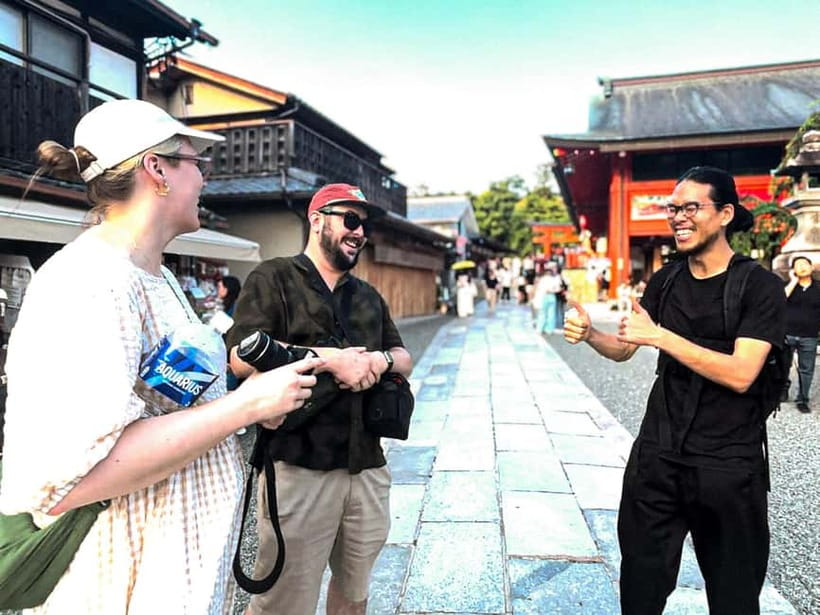
Your guide is a local Japanese professional trained in tourism and Japanese culture. The focus is not simply on pointing out famous structures. You can ask about Shinto, shrine behavior, religious traditions, and the differences between Japanese and Western customs.
That conversation is one of the strongest reasons to choose a guided visit. Fushimi Inari is easy to photograph on your own, but it is less easy to understand on your own. A guide can explain why you see certain objects, how people approach a shrine, and what the architecture is meant to communicate.
More ways to walk Fushimi Inari:
- Kyoto: Fushimi Inari, Kinkakuji, Bamboo Grove 1 Day Bus Tour
★ 4.8 · 4,316 reviews - Fushimi Inari Hidden Hiking Tour (Private Option Available)
★ 5.0 · 1,750 reviews - Kyoto/Osaka: Nara, Fushimi Inari Taisha, Arashiyama Bus Tour
★ 4.7 · 1,275 reviews
Walking beneath the Senbon Torii
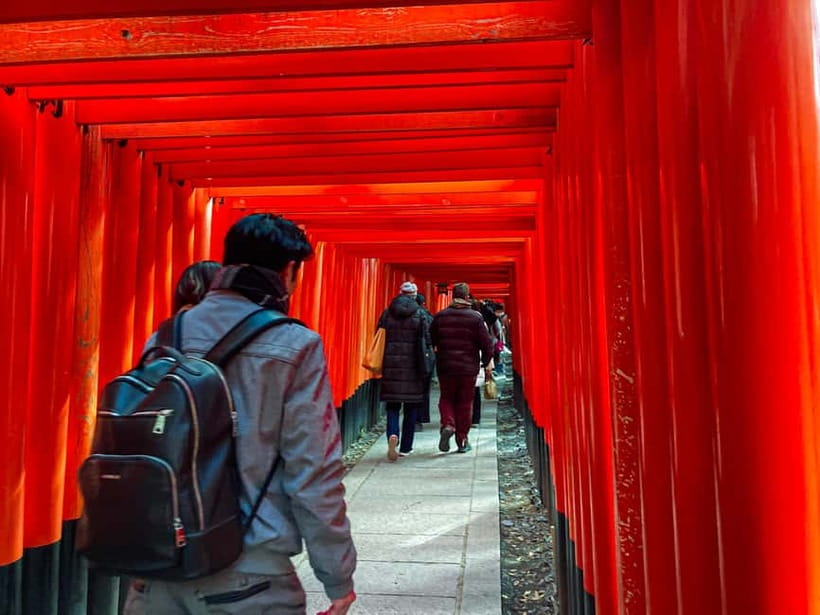
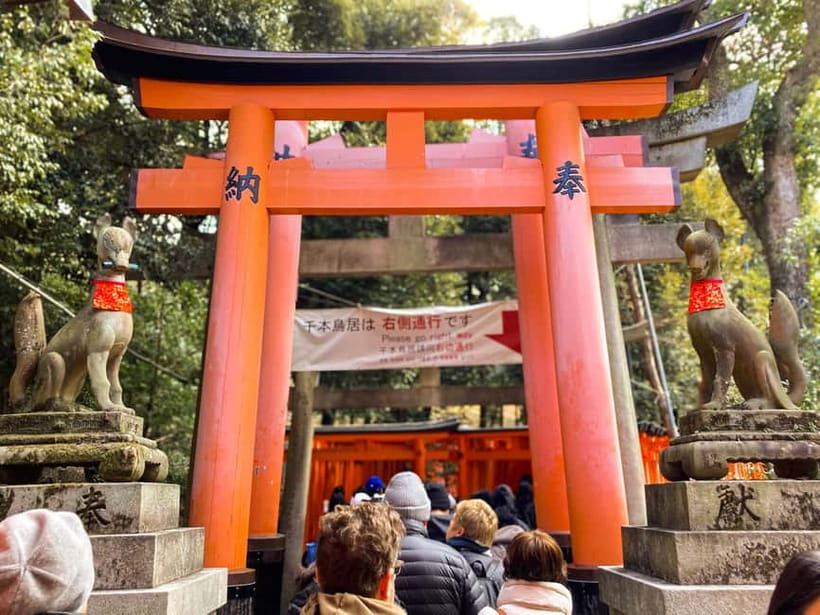
Fushimi Inari Taisha is famous for its long rows of orange-red torii gates, often called the Senbon Torii, or thousand torii gates. The walk takes you through part of this corridor and along nearby shrine paths.
At night, the gates are not simply orange. Lantern light and shadows break up the rows, giving the passage a more mysterious look. You will have time to stop for photographs at key points, but the guide also leads you along quieter routes away from the thickest crowds.
That balance is useful. A photo-only visit can become a slow shuffle through the most famous section, with everyone trying to capture the same frame. A guide helps you understand the setting while leaving room to pause and look.
The tour does not promise the entire mountain route. Instead, it concentrates on the lower and middle sections, a practical choice for a two-hour experience. You see the best-known gate corridors and shrine areas without turning the evening into a demanding hike.
I would treat this as a cultural walk with some uphill movement, not as a full mountain trek. If your main goal is to reach the summit, see the tour as an introduction and return another time for a longer climb. If you want a focused visit with context, the shorter route makes sense.
Reading the shrine through Shinto customs
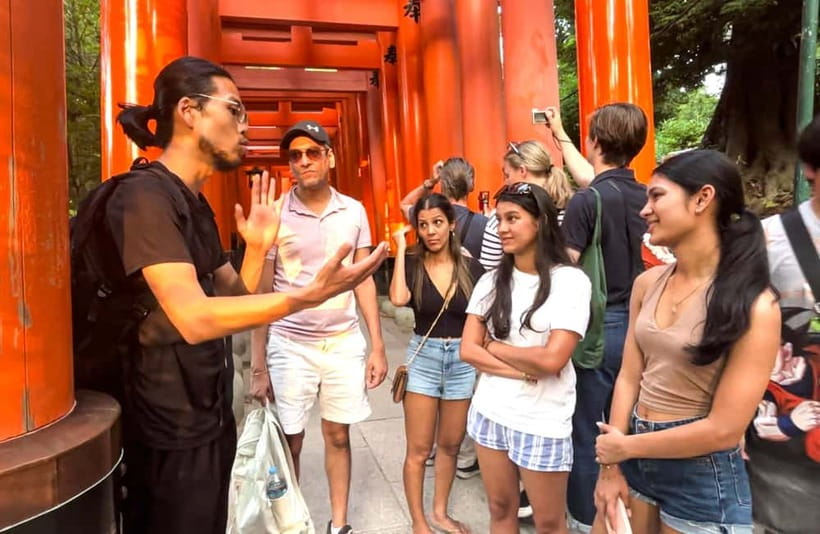
The most useful part of the walk is likely to be the explanation around the gates and shrine rituals. Fushimi Inari is not just a scenic corridor. It is a sacred Shinto site, and its architecture carries meaning.
Your guide discusses the role of torii gates, shrine customs, and Japanese spirituality. You can also ask questions about the way people behave at religious sites, what rituals mean, and how Japanese traditions fit into daily life.
The tour description promises an explanation of symbolic architecture rather than a list of dates and names. That is a good fit for visitors who want cultural understanding without sitting through a formal lecture.
Guides are encouraged to adjust the talk to your interests. You might spend more time on religion, historical context, local customs, or comparisons between Japan and your home country. That flexibility matters in a small group, especially if you are curious about details that a standard audio guide would skip.
Goku received especially strong praise for continuing the walk even when only one person had booked that time. That suggests a useful level of personal attention when numbers are low. A private-feeling experience is not guaranteed, but the group limit of 10 gives you better odds of a relaxed exchange.
Kate was also singled out for explaining the shrine in detail during a summer evening visit. Her example points to another practical benefit of the night schedule: in hot months, walking after sunset can be more comfortable than visiting during the afternoon.
Why an evening visit can be the better choice
Fushimi Inari is one of Kyoto’s best-known sights, so daytime can bring plenty of people. The evening setting does not make the shrine empty, but it can give you more breathing room and a calmer pace.
The lanterns add atmosphere without turning the experience into a staged show. You are still walking through an active religious site, not a theme park after dark. That makes the guide’s comments about conduct and respect especially useful.
Photography is another strong reason to choose this time. The repeated gates create natural lines, and evening shadows can give your pictures more depth. Your charged phone will be handy, though the tour does not include photography equipment or professional photo service.
There is a tradeoff. Night conditions mean less daylight for seeing every architectural detail. If you want bright, crisp views of the entire shrine complex, a daytime visit may suit you better. The tour provider notes that a daytime option is available during winter, when the early darkness can make an evening outing feel less appealing.
For many people, though, the lower light is the point. Fushimi Inari at night feels less like checking off a famous sight and more like taking a reflective walk through a sacred place.
More walking tours in Kyoto:
- Kyoto Geisha Walking Tour: Gion District & Hidden Gems
★ 4.7 · 3,273 reviews - Kyoto: Gion Magical Night Walking Tour with Geisha Trivia
★ 4.9 · 2,393 reviews - Kyoto: Gion Geisha District Walking Tour – Stories of Geisha
★ 4.7 · 2,187 reviews - Night Walk in Gion: Kyoto’s Geisha District
★ 4.5 · 2,003 reviews
The value of a $38 guided walk
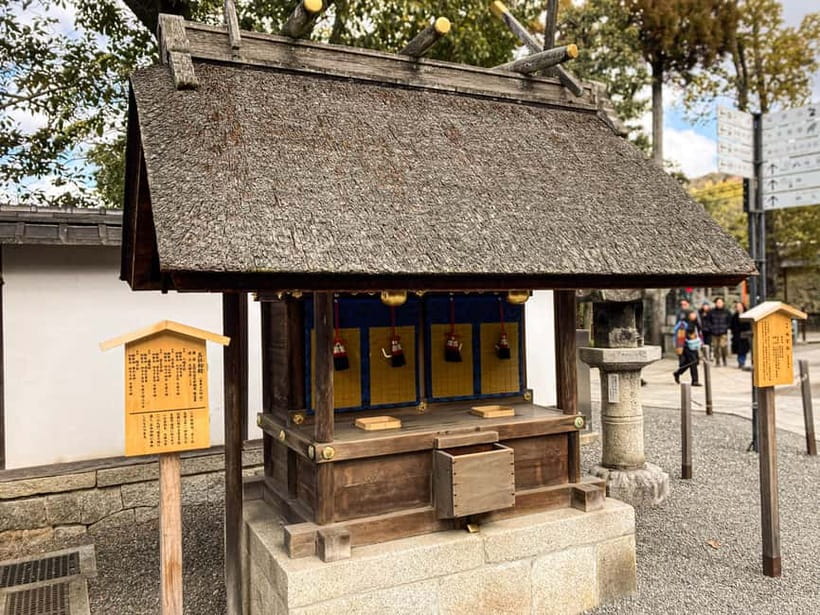
At $38 per person, this is not the cheapest way to visit Fushimi Inari. Entry to the shrine itself is not presented as a separate cost here, and you can visit the grounds without booking a tour. The fee pays for the guide, the structure of the walk, the cultural explanation, and the convenience of a planned evening route.
I think the value depends on your travel style. If you are happy to walk through torii gates, take photos, and read signs on your own, you may prefer a free visit. Fushimi Inari is accessible from the station, and the main paths are easy to recognize.
If you want to understand what you are seeing, the price is more reasonable. You receive about two hours of organized time, including roughly 1.5 hours at the shrine, with a trained local guide and a group limited to 10. The chance to ask questions is worth more to some people than another museum ticket.
The best value comes when you use the guide actively. Ask about shrine rituals. Ask why torii gates are donated. Ask about Kyoto customs or places to eat afterward. The experience includes local tips and optional help with nearby sights, food, and transport, so a curious approach can turn a basic walk into useful trip planning.
Solo visitors may find the format particularly appealing. Goku’s one-person tour shows that the experience may still run with a very small number, though you should not assume every date will become private. Couples and families who want a quieter visit can also benefit from the limited group size.
What the two-hour itinerary feels like
You begin at JR Inari Station and meet your guide at the single ticket gate. After introductions, the walk moves into Fushimi Inari Taisha for the guided portion.
The first part helps set the context. You learn about the shrine’s role, Shinto traditions, and the meaning of the torii gates before moving farther into the site. This foundation makes the later walk more rewarding because you know what details to watch for.
The route then continues through part of the Senbon Torii and toward the middle sections of the mountain. You will have time for photos and quiet reflection at selected places. The guide also points out scenic routes that avoid the most crowded paths.
The tour ends back at JR Inari Station. That return point is practical if you are heading elsewhere in Kyoto by train. It also keeps the evening plan tidy, with no confusing final drop-off point.
Do not expect a full mountain ascent, a meal, or a long stop at every shrine feature. The pace is designed for an introduction with conversation, not an all-day pilgrimage.
Language, group size, and guide style
English is the default language. French, Spanish, Russian, and Portuguese guides may be available, but you need to request your preferred language in advance and availability is not guaranteed.
The small-group limit of 10 is a real advantage. A guide can keep the walk moving while still making room for questions. In a larger group, cultural explanations often become one-way speeches. Here, the format is meant to feel more like a conversation.
The guide’s style may shape your experience as much as the route. Goku was praised for discussing subjects beyond the shrine, while Kate was praised for explaining details clearly. The stated approach is open and adaptable, so bring questions instead of waiting for every answer to arrive on schedule.
That makes this tour a good match for first-time visitors who want help reading Japanese customs. It also suits repeat visitors who saw Fushimi Inari before but missed the religious meaning behind the gates.
Practical limits to keep in mind
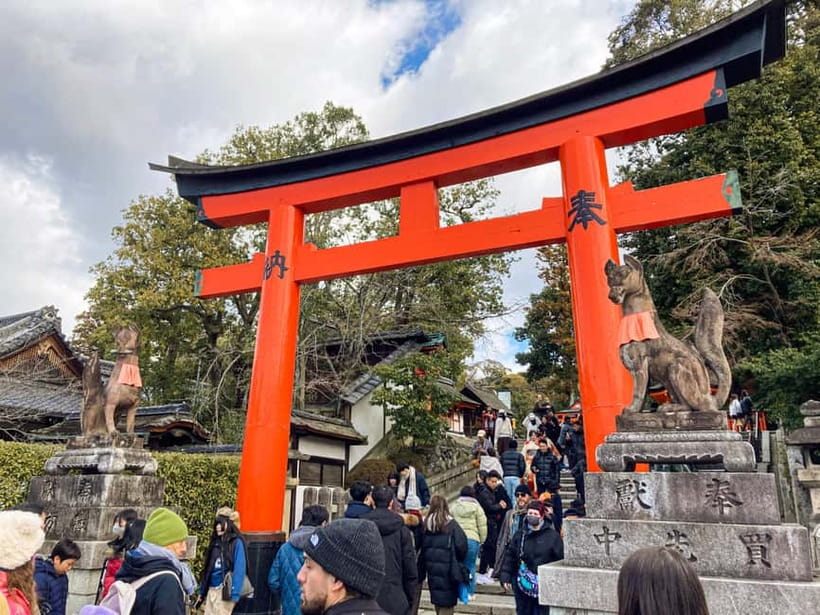
The tour lasts two hours, but only about 1.5 hours are listed for the guided visit inside Fushimi Inari. You will not cover the full mountain, and the route may include steps or uphill walking through the lower and middle sections.
Wear shoes you can walk in comfortably. A smartphone with a full charge helps with photos and communication. Bring your own water or other refreshments, since food and drinks are not included.
The evening setting can be cooler or darker depending on the season, though no specific weather equipment is provided. Check the forecast and dress for the time of day. In winter, consider the daytime option if an early sunset does not appeal to you.
The cancellation policy is flexible: you can cancel up to 24 hours before the experience for a full refund. You can also reserve now and pay later, which helps if your Kyoto schedule is still shifting.
The tour has a rating of 4.8 from five reviews, all with five-star scores. That is an encouraging signal, but it is still a small sample. I would place more weight on the specific strengths described: guide communication, cultural knowledge, flexible conversation, and the calmer evening timing.
Who should book this Fushimi Inari night tour
Book it if you want more than a quick photo beneath the torii gates. The tour is best for you if you enjoy asking questions, want an introduction to Shinto traditions, or prefer a small group to a large organized outing.
It is also a smart pick during hot weather. The summer timing can make the walk more comfortable, and the lantern-lit shrine provides a different mood from a midday visit.
Families and older visitors should think about the partial uphill route and nighttime conditions. The tour is not described as a full hike, but comfortable shoes are still important. Anyone seeking the summit should choose a longer independent visit instead.
Solo visitors can expect a social format, though a low-booking date may feel nearly private. Language flexibility is useful for international groups, but confirm availability before relying on anything other than English.
Should you book it?
I would book this for a first Kyoto visit if you want Fushimi Inari to make cultural sense, not just look good in photographs. The $38 price is fair for a small group, a trained local guide, and two hours of focused attention, especially if you make use of the questions and local advice.
Skip it if you prefer exploring alone, need a full mountain climb, or want bright daytime views of every shrine detail. For everyone else, the evening timing, quieter routes, and guides such as Goku and Kate make this a thoughtful way to see one of Kyoto’s most famous sites without rushing through it.
FAQ
Where does the Fushimi Inari night tour begin?
It begins at the ticket gate of JR Inari Station. The station has only one ticket gate, so the meeting point should be easy to locate.
How long does the experience last?
The full experience lasts two hours. The guided portion at Fushimi Inari is listed as approximately 1.5 hours, followed by a return to JR Inari Station.
Does the tour visit the entire Fushimi Inari mountain?
No. The route focuses on the lower and middle sections of Fushimi Inari rather than the entire mountain.
What languages are available?
English is the default. French, Spanish, Russian, and Portuguese guides may be available depending on availability, so request your preferred language in advance.
How many people can join the tour?
The experience is limited to 10 participants, making it a small-group walk with room for personal questions.
What should I bring?
Bring comfortable shoes and a charged smartphone. You should also have WhatsApp or SMS available so the guide can contact you before the tour.
Can I cancel the booking?
Yes. You can cancel up to 24 hours in advance for a full refund. The activity also offers a reserve-now, pay-later option.
More Kyoto Evenings
- Kyoto Night Foodie Tour in Gion (9+ dishes + 6 Sake tastings)
★ 5.0 · 1,762 reviews - Kyoto Gion Night Walk & Geisha District Guided Tour
★ 5.0 · 786 reviews - Kyoto Ghost Tour: Dark Tales, Urban Legends, Bamboo Forest Night
★ 5.0 · 625 reviews - Kyoto Bar Hopping Night Tour
★ 5.0 · 613 reviews
Recently added around Kyoto
- Higashiyama | Kyoto: Sakura Season Private Rickshaw Tour★ 5.0 · 3 reviews
- Kyoto Kimono Rental CHAMATSU|Kimono/Yukata Rental FamilyPlan★ 5.0 · 3 reviews
- Kyoto: Half-Day Private Guided Tour to the Old Town of Gion★ 4.4 · 3 reviews
- Nara Private Customizable Half Day Tour★ 5.0 · 3 reviews
- Kansai Region Hiking Adventure in Nara Kobe Kyoto and More★ 5.0 · 3 reviews
- Full Day Nara Deer, Temple, Shrine, Activities & Tea Ceremony★ 5.0 · 3 reviews
- Nara: Essential Private Tour with Deer Park and Temples★ 5.0 · 3 reviews
- Hiking Tour for Sacred Sites in Kyoto with a Guide★ 5.0 · 3 reviews
Fushimi Inari Shrine Tours, compared.
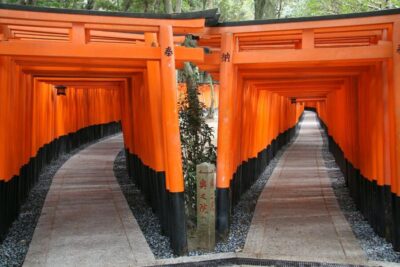
Fushimi Inari, Kinkakuji, Bamboo Grove 1 Day Bus Tour
Read our review →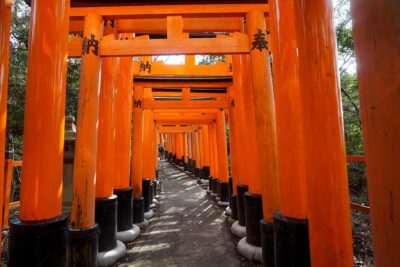
Fushimi Inari Hidden Hiking Tour (Private Option Available)
Read our review →
Kyoto/Osaka: Nara, Fushimi Inari Taisha, Arashiyama Bus Tour
Read our review →
Nijo, Kinkaku-ji, Arashiyama, Kiyomizu & Fushimi Inari
Read our review →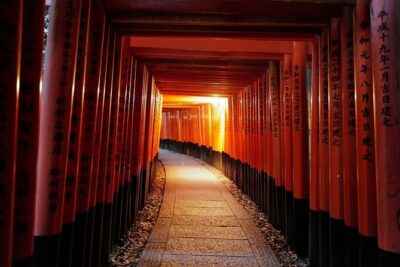

Kyoto Early Bird English Tour: Fushimi-Inari and Arashiyama
Read our review →
Fushimi, Arashiyama – Bamboo, Monkey, Torii & Secrets
Read our review →Browse the lists this tour appears in