
REVIEW · WALKING TOURS
Kyoto Early Riser Platinum One-Day Walking Tour
Kyoto’s biggest sights are best seen early, and this private tour makes that its main strategy. You begin at Kyoto Station, then work through Fushimi Inari’s red torii gates, Arashiyama’s bamboo street, the Golden Pavilion, two important northern Kyoto sites, and Nishiki Market before returning to the station.
I like the one-on-one format, which lets your guide adjust the pace and explain details that a large group tour would skip. I also like the mix of famous sights and local districts, especially Kamishichiken beside Kitano Tenmangu. The main drawback is the amount of time spent moving across Kyoto by public transport, with fares extra and connections that can be tiring.
In This Review
- Key points at a glance
- A smart early start from Kyoto Station
- Fushimi Inari’s red gates before the crowds
- Arashiyama’s Bamboo Forest Street
- The Golden Pavilion at Kinkakuji
- Kitano Tenmangu and the scholar’s shrine
- Kamishichiken, Kyoto’s quieter geisha district
- Nishiki Market and a taste of everyday Kyoto
- What the ¥130.79 price really covers
- The walking and transport reality
- What makes the private format useful
- Who should book this Kyoto day
- Booking advice and final verdict
- FAQ
- How long does the Kyoto Early Riser Platinum One-Day Walking Tour last?
- Where does the tour begin?
- Is this a private tour?
- What sights are included?
- Are admission fees included?
- Is public transportation included?
- How much walking is involved?
- Is the tour suitable for people with limited mobility?
- Can I cancel the tour for a refund?
Key points at a glance
- Early start: Begin before the worst heat and crowds reach Kyoto’s most popular sights.
- Private guiding: Your group receives direct attention, with the day adjusted to your interests and walking pace.
- Six distinct stops: See torii gates, bamboo, a golden temple, a scholar’s shrine, a geisha district, and a food market.
- Public transport required: Budget ¥1,700 per person for buses, trains, and subway travel.
- Extra temple admission: The listed admission cost is ¥500 per person, while the other stops are free.
- A full physical day: The tour lasts about eight hours and involves quite a bit of walking.
A smart early start from Kyoto Station
This tour is built for first-time Kyoto visitors who want to cover a lot in one day. You meet your guide at Kyoto Station Building, at 901 Higashishiokoji-cho, and finish back at the same meeting point.
The early start matters. Fushimi Inari and the bamboo forest are famous for good reason, but both can feel crowded later in the morning. Starting early gives you a better chance to enjoy the setting before the foot traffic builds. It also helps in warmer months, when walking through exposed temple grounds and uphill shrine paths can wear you down.
The private setup is the tour’s strongest feature. You are not tied to the pace of a busload of people, and you can ask questions as they come up. If your group is especially interested in temples, Japanese religious practice, food, photography, or local neighborhoods, tell the guide early. Guides associated with this experience include Gigi, Fuji-san, Seiya, and Meg, and their approach has included scenic photo stops, small local details, and help choosing a lunch place.
The schedule is ambitious. The listed visits take about four hours and 35 minutes, leaving the rest of the eight-hour day for travel, explanations, transitions, and a possible meal. That is enough time for a useful introduction to Kyoto, but not enough for a slow, detailed visit at every stop.
More walking tours in Kyoto:
- Kyoto Geisha Walking Tour: Gion District & Hidden Gems
★ 4.7 · 3,273 reviews - Kyoto: Gion Magical Night Walking Tour with Geisha Trivia
★ 4.9 · 2,393 reviews - Kyoto: Gion Geisha District Walking Tour – Stories of Geisha
★ 4.7 · 2,187 reviews
Fushimi Inari’s red gates before the crowds
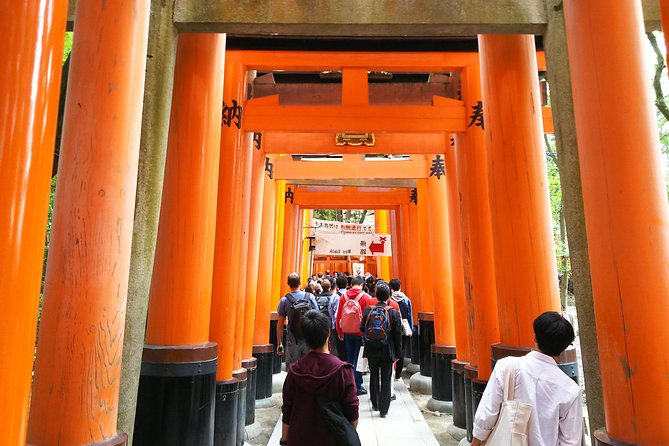
Your first major stop is Fushimi Inari-taisha Shrine, one of Kyoto’s most recognizable sights. The route through the shrine is lined with thousands of vermilion torii gates, donated by worshippers to show gratitude for good fortune received from the deity enshrined here.
The gates create a striking tunnel effect, with narrow openings, changing light, and repeated patterns that make the walk feel different from an ordinary shrine visit. Your guide can give context for the gates and help you notice details you might otherwise miss.
The scheduled visit is one hour, and admission is free. That is enough to experience the lower approach and walk through a good stretch of torii, but it is not enough to explore every part of the mountain. If you want to hike far uphill, tell your guide before the day begins so expectations are clear.
Fushimi Inari is a good first stop because it provides an immediate sense of Kyoto’s religious character. It is also one of the more physically demanding sections if you continue uphill, so doing it early is a practical choice.
Arashiyama’s Bamboo Forest Street
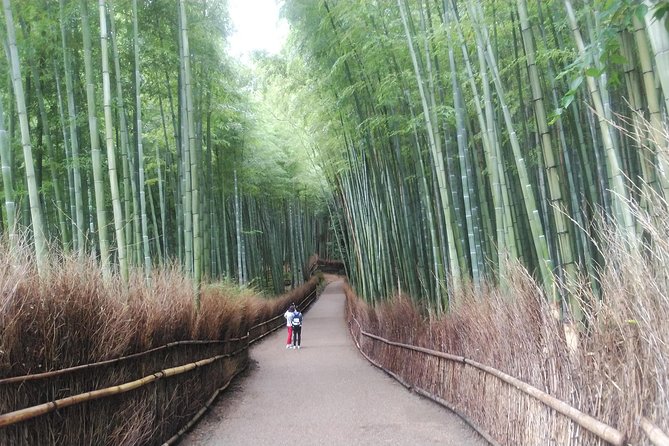
The second stop takes you to Bamboo Forest Street in Arashiyama, with about one hour and ten minutes set aside. The tall bamboo creates a cool green corridor, and the sound of leaves and trunks moving in the breeze is part of the appeal.
This is a short, scenic walk rather than a full exploration of Arashiyama. The bamboo path is the main draw, and the time allowed lets you take photographs and enjoy the setting without turning the stop into a long afternoon visit.
The tradeoff is transportation. Fushimi Inari and Arashiyama are not next door to each other, so reaching the bamboo forest takes time. One lower-rated experience specifically found the public transport between sites tedious and poorly connected. That criticism is fair, especially if you measure the day by sightseeing minutes rather than by the convenience of having a guide manage the route.
You may also feel that Arashiyama deserves more time. This tour gives you the famous bamboo path, but not a leisurely day in the district. If the bamboo forest is your top priority, a separate Arashiyama visit would let you slow down.
The Golden Pavilion at Kinkakuji
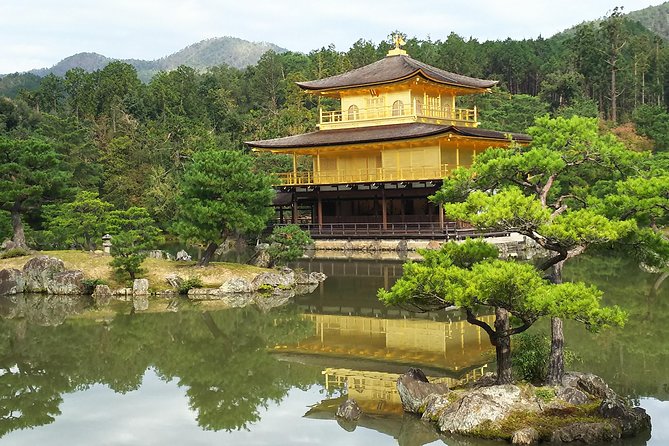
Kinkakuji, or the Golden Pavilion, is the day’s paid temple visit. The gilded building reflects in the pond and is one of Kyoto’s most photographed sights. Its association with Zen and samurai culture gives the stop more weight than a quick photo opportunity, though the view itself is the main reason people come.
The visit lasts about 50 minutes. That works well for seeing the pavilion, walking the grounds, and taking photographs. It is not a long temple study session, and the crowded paths can make a relaxed pace difficult.
Admission is not included. The stated entrance fee is ¥500 per person, so add that to the tour price. The other listed stops do not charge admission.
Kinkakuji is a classic Kyoto sight, but it can feel more polished and heavily visited than the city’s quieter shrines. I would still keep it on a first-day tour because it gives you one of Kyoto’s essential views. Just do not expect solitude or a long period of quiet reflection.
A completely different side of Kyoto:
- PERFECT KYOTO 1-Day Bus Tour
★ 5.0 · 13,518 reviews - Kyoto: Fushimi Inari, Kinkakuji, Bamboo Grove 1 Day Bus Tour
★ 4.8 · 4,316 reviews - Kyoto: Tea Ceremony in a Traditional Tea House in Kiyomizu
★ 4.9 · 3,519 reviews - Kyoto: Tea Ceremony Ju-An at Jotokuji Temple
★ 4.9 · 3,207 reviews
Kitano Tenmangu and the scholar’s shrine
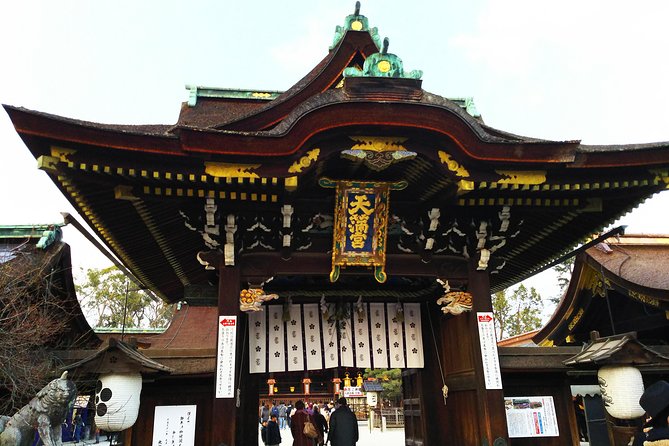
Kitano Tenmangu receives about 30 minutes. The shrine was built in 945 and honors Sugawara no Michizane, who is associated with academic success. Students come here to pray before important examinations, giving the site a living purpose that connects old religious traditions with modern Japanese life.
The stop is free and shorter than the major temple visits. That is enough to see the main shrine setting and ask your guide about its role, but it is not intended as an extended visit.
This is one of the tour’s more useful cultural stops because it moves beyond the standard Kyoto postcard. You see how a shrine still functions as part of everyday life, not just as an old building preserved for sightseeing.
Kamishichiken, Kyoto’s quieter geisha district
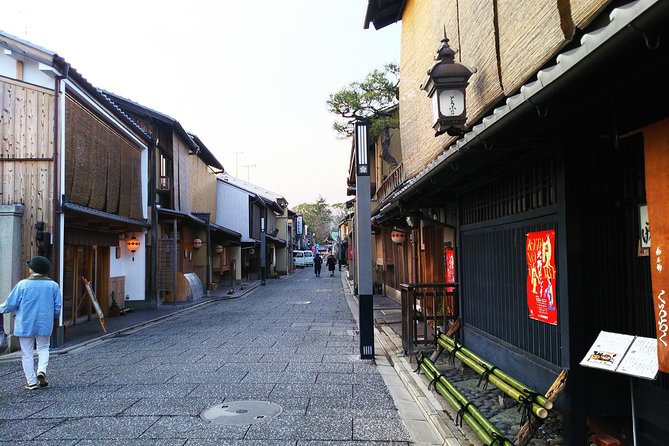
Right beside Kitano Tenmangu is Kamishichiken, one of Kyoto’s five hanamachi, or geisha districts. The area has fewer geisha houses and fewer geiko and maiko than some of Kyoto’s better-known districts, which gives it a quieter feel.
The tour allows about 25 minutes here. That is enough for a guided walk through the streets and an introduction to the district’s character. It is not a performance or an opportunity to enter private establishments, so keep your expectations focused on the neighborhood itself.
This short stop adds welcome variety. You move from a shrine where students pray for success into a traditional entertainment district with a different connection to Kyoto’s culture. The contrast makes the day feel less like a checklist of temples.
As always in geisha districts, you should be respectful. Keep voices low, avoid blocking narrow streets, and follow your guide’s advice about photography. The value here is seeing the setting and learning how the district fits into Kyoto, not treating it like a stage set.
Nishiki Market and a taste of everyday Kyoto
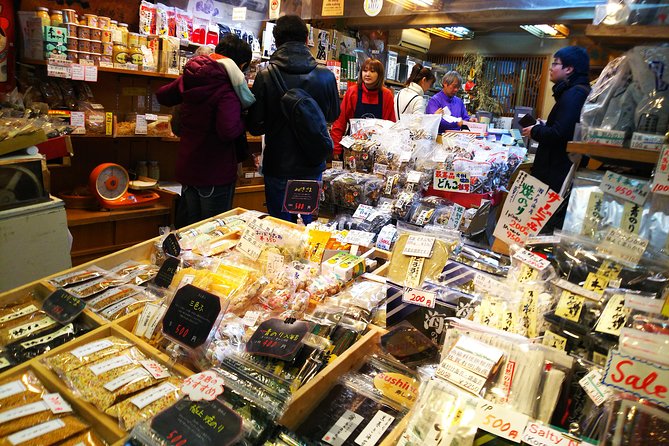
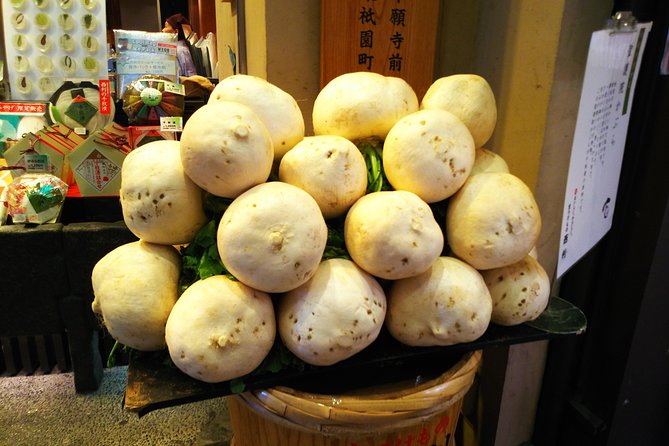
The final listed stop is Nishiki Market, a 390-meter shopping street with 126 shops. It has served Kyoto residents for about 400 years and is known for local vegetables, pickles, and other foods associated with the city.
The scheduled visit is 40 minutes. That is enough to sample a few items and browse, but it can feel short if you want to stop at many stalls or eat a full meal. Market aisles can also be tight, so stay aware of your group and keep bags close.
Nishiki is especially useful at the end of a cultural tour because it brings you back to ordinary life. Temples and shrines show Kyoto’s spiritual side, while the market shows what people buy, prepare, and eat. Ask your guide which foods are worth trying, since a short visit requires some selectivity.
Lunch is not included in the tour price. Guides have helped groups choose or arrange a lunch stop, but you should confirm the plan and carry money for food. A guided recommendation can be useful here, especially when you have limited time and do not want to spend half the break searching.
What the ¥130.79 price really covers
The advertised price is $130.79 per person. It covers the professional private guide, not your admission fees, public transportation, or lunch.
The extra transport cost is listed as ¥1,700 per person, and the Kinkakuji admission is ¥500 per person. That makes the required listed extras ¥2,200 per person before food. The exact dollar amount will depend on the exchange rate.
For a solo visitor or couple, that can be a reasonable price if you value personal guidance and want to see several parts of Kyoto in one day. A private guide can save you from figuring out Kyoto’s bus and rail system while also explaining what you are seeing.
The value is less clear if you prefer slow visits or already know the city’s transport system. You are paying for access to a guide’s time and planning, but the route still requires public transport and includes several long transfers. Group discounts may improve the per-person cost for a larger private party, so check the final booking price for your group size.
The walking and transport reality
This is called a walking tour, but it is also a public transport tour. You will walk through shrine and temple grounds, along the bamboo path, around Kamishichiken, and through Nishiki Market. You will also use buses, trains, or the subway to connect widely separated areas.
The day involves quite a bit of walking. Comfortable shoes are essential, and you should be ready for uneven surfaces and periods of standing. The tour is listed as suitable for people with limited mobility and limited eyesight, but it is not stroller accessible. Animals are allowed according to the additional information, yet the same information also says it is not suitable for pets, so confirm this point directly before booking if it matters to you.
The transport budget deserves attention. One experience found the connections tedious and advised having a Suica card rather than counting coins throughout the day. That is useful practical advice. Kyoto’s transport system can be crowded and not perfectly direct, and a prepaid card can make repeated fares easier.
Because the tour ends where it starts, you do not need to plan a separate return route. Still, keep the end of the day flexible. The stated duration is approximately eight hours, and traffic or crowded transit can affect the pace.
What makes the private format useful
A private tour works best when you use it actively. Tell your guide if you want more time for photographs, fewer uphill sections, extra food sampling, or more explanation at the shrines. The route is fixed around major stops, but the pace and conversation can be more personal than on a standard group outing.
The strongest guide qualities associated with this experience are flexibility and care. Gigi has helped groups see the main sights, choose lunch, and make the day fit their interests. Fuji-san has been described as good at finding scenic viewpoints and explaining the important details. Seiya has guided groups through buses and subway rides in a way that made the neighborhoods between sights part of the experience, while Meg has shown small practical kindnesses, such as bringing hand warmers on a cold morning.
Those details matter because Kyoto can be tiring. A guide who watches your pace, helps with photographs, and notices the weather can make a long day easier.
The private arrangement also suits families and mixed-interest groups better than a rigid group excursion. One person can ask about architecture, another about food, and another about religious customs without holding up strangers.
Who should book this Kyoto day
I would choose this tour for a first visit when you want a strong overview and have only one full day for major sights. It is also a good fit if navigating Kyoto by public transport feels stressful, or if you want a guide to connect temples, food, neighborhoods, and local customs.
It suits active visitors who can handle a long day and do not mind changing buses or trains. Starting early is another advantage for anyone who dislikes the worst crowds and summer heat.
I would not choose it for a slow Kyoto trip. If your priority is spending half a day in Arashiyama, hiking all of Fushimi Inari, or lingering at Nishiki Market, the schedule will feel compressed. Splitting the stops across two days would give each area more breathing room.
The tour also may not be the best value for repeat visitors who already know the main sights. In that case, the private guide is most useful only if you want deeper cultural explanation or a custom route.
Booking advice and final verdict
Book at least a few weeks ahead if possible. This experience is booked, on average, 52 days in advance, which suggests that early planning is sensible, especially for a particular date or guide preference.
You can cancel for a full refund up to 24 hours before the start time. Changes made inside that window are not accepted, and poor weather can lead to a different date or a full refund. Confirmation arrives when you book.
I would book the Kyoto Early Riser Platinum One-Day Walking Tour if you want famous sights, local context, and a private guide in one demanding day. The best reasons are the early start, personal attention, and smart combination of Fushimi Inari, Kinkakuji, Kitano Tenmangu, Kamishichiken, and Nishiki Market.
I would skip it if your ideal Kyoto day means fewer stops, longer visits, or avoiding public transport. Know the extra costs, bring a prepaid transit card if you have one, wear good shoes, and tell the guide what matters most to you. With those expectations, this is a practical way to get your bearings and see a broad slice of Kyoto in eight hours.
FAQ
How long does the Kyoto Early Riser Platinum One-Day Walking Tour last?
The tour lasts approximately eight hours and ends back at the meeting point at Kyoto Station.
Where does the tour begin?
It begins at Kyoto Station Building, 901 Higashishiokoji-cho, Shimogyo Ward, Kyoto, 600-8216, Japan.
Is this a private tour?
Yes. Only your group participates in the activity, with a professional guide.
What sights are included?
The route includes Fushimi Inari-taisha Shrine, Bamboo Forest Street in Arashiyama, Kinkakuji Temple, Kitano Tenmangu Shrine, Kamishichiken Kaburenjo Theatre and district, and Nishiki Market.
Are admission fees included?
No. The listed admission cost is ¥500 per person. The other stated stops have free admission.
Is public transportation included?
No. Public transportation costs are listed separately at ¥1,700 per person.
How much walking is involved?
Quite a bit of walking is involved. The tour includes shrine, temple, bamboo forest, neighborhood, and market walks, along with public transportation between sites.
Is the tour suitable for people with limited mobility?
The activity is listed as accessible for people with limited mobility and limited eyesight, but it is not stroller accessible.
Can I cancel the tour for a refund?
You can cancel at least 24 hours before the local start time for a full refund. Cancellations or changes made less than 24 hours before the start time are not accepted for a refund.
Recently added around Kyoto
- Higashiyama | Kyoto: Sakura Season Private Rickshaw Tour★ 5.0 · 3 reviews
- Kyoto Kimono Rental CHAMATSU|Kimono/Yukata Rental FamilyPlan★ 5.0 · 3 reviews
- Kyoto: Half-Day Private Guided Tour to the Old Town of Gion★ 4.4 · 3 reviews
- Nara Private Customizable Half Day Tour★ 5.0 · 3 reviews
- Kansai Region Hiking Adventure in Nara Kobe Kyoto and More★ 5.0 · 3 reviews
- Full Day Nara Deer, Temple, Shrine, Activities & Tea Ceremony★ 5.0 · 3 reviews
- Nara: Essential Private Tour with Deer Park and Temples★ 5.0 · 3 reviews
- Hiking Tour for Sacred Sites in Kyoto with a Guide★ 5.0 · 3 reviews
Walking Tours, compared.

Kyoto Geisha Walking Tour: Gion District & Hidden Gems
Read our review →
Gion Magical Night Walking Tour with Geisha Trivia
Read our review →
Gion Geisha District Walking Tour – Stories of Geisha
Read our review →

Kyoto Gion Geisha District Walking Tour – The Stories of Geisha
Read our review →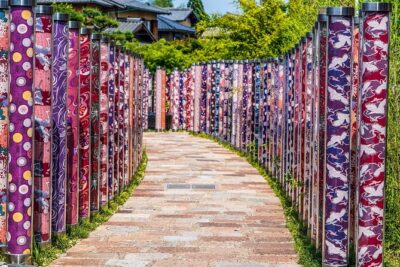
Kyoto Arashiyama Walking Tour: Bamboo, Monkeys, Gardens & Secrets
Read our review →
Kyoto Gion: 2-Hour Geisha Culture & History Walking Tour
Read our review →
Nara Half Day Trip Walking Tour (Private Option Available)
Read our review →Browse the lists this tour appears in