REVIEW · GUIDED
Kyoto Customized Guided, Private Tour
Kyoto’s biggest sights are spread across the city, and this 10-hour private van tour tackles them in one long, carefully packed day. You’ll pass beneath the red gates of Fushimi Inari, see Kinkakuji’s gold facade, walk the Sagano Bamboo Forest, and visit several major temples without wrestling with Kyoto’s buses.
I like the hotel pickup and drop-off, especially if you are traveling with family or carrying luggage. I also like the private format, since the day can be adjusted rather than run as a fixed group march. The main caution is the guide service. Nomi earned praise for his photography, but historical explanations and conversation during drives may be limited.
In This Review
- Key points at a glance
- Why this private Kyoto route works
- Kiyomizudera starts the morning with a view
- Sanjusangendo offers a quieter contrast
- Arashiyama brings together the bamboo and river views
- The Sagano Bamboo Forest is brief but memorable
- Tenryu-ji adds gardens and a World Heritage site
- Kinkakuji turns the afternoon gold
- Fushimi Inari is the day’s strongest walking experience
- What the guide service is really like
- Lunch, tickets, and the real cost
- Who should book this Kyoto day?
- Should you book this private Kyoto tour?
- FAQ
- How long does the Kyoto private tour last?
- Where can pickup take place?
- Where does the tour finish?
- Is transportation included?
- Are temple and shrine entrance tickets included?
- Is lunch included?
- Are dietary alternatives available at lunch?
- Is the tour private?
- Which languages are available?
Key points at a glance
- Seven major Kyoto sights in one day: Kiyomizudera, Sanjusangendo, Arashiyama, the Bamboo Forest, Tenryu-ji, Kinkakuji, and Fushimi Inari.
- A private air-conditioned van: This saves time between distant parts of Kyoto and makes hotel pickup simple.
- Fushimi Inari gets 90 minutes: You have time to walk below the famous torii gates rather than only stop for a quick photograph.
- Photography can be a real strength: Guide Nomi was praised for finding good angles and helping create memorable pictures.
- Lunch needs careful checking: Food is not included in the basic inclusions, and the listed buffet does not suit Muslim, vegan, lactose-free, gluten-free, or allergy-friendly diets.
- Guide quality may vary: The tour promises live commentary, but you should not assume a full spoken history lesson throughout the day.
Why this private Kyoto route works
Kyoto rewards slow wandering, yet its major sights sit far apart. Kiyomizudera is in the eastern hills, Arashiyama lies on the western edge, Kinkakuji is farther north, and Fushimi Inari is south of the center. Moving among them by public transport takes planning and can consume much of your day.
This tour solves that problem with a private luxury van. You are picked up at your hotel, driven between districts, and returned to Kyoto, Osaka, or Nara. The vehicle is air-conditioned, which matters after walking temple paths and crowded shrine approaches.
The tradeoff is pace. You are covering a great deal of Kyoto in 10 hours, so no single stop becomes a full morning of quiet exploration. I see this as a strong orientation day for a first visit, or a practical choice when you have only one day in the city. If you already know Kyoto well and want time for small streets, gardens, or neighborhood cafés, the schedule may feel too tight.
The price is listed at $102 per person. That is most attractive for two or more people sharing a private vehicle, since the cost includes transportation, hotel pickup, drop-off, and a guide. It is harder to call it a bargain for one person, particularly because entrance fees and food are extra.
A few more Kyoto experiences worth comparing
- Fushimi Inari Hidden Hiking Tour (Private Option Available)
★ 5.0 · 1,750 reviews - Private Kyoto Tour with a Local, Highlights & Hidden Gems, Personalised
★ 5.0 · 1,543 reviews - Kyoto 6hr Private Tour with Government-Licensed Guide
★ 5.0 · 1,369 reviews
Kiyomizudera starts the morning with a view
The day begins at 8 a.m. with Kiyomizudera, one of Kyoto’s essential stops. Founded in 778, the temple is famous for its large wooden terrace and broad views over the city. The setting gives you an immediate sense of Kyoto’s scale, with old temple architecture above the urban streets below.
You should allow for walking here. The stop lasts about 90 minutes and includes sightseeing, photographs, a guided visit, and some time for shopping. The approach has plenty to look at, so resist spending all your time on the main terrace.
Kiyomizudera is also a good early stop because the day’s schedule becomes more demanding later. You can take in the temple while your energy is fresh, then leave the eastern hills before crossing the city.
The listing describes sunrise-related scenery, but the scheduled departure is 8 a.m. You should think of this as an early morning visit, not a dedicated sunrise tour.
Sanjusangendo offers a quieter contrast
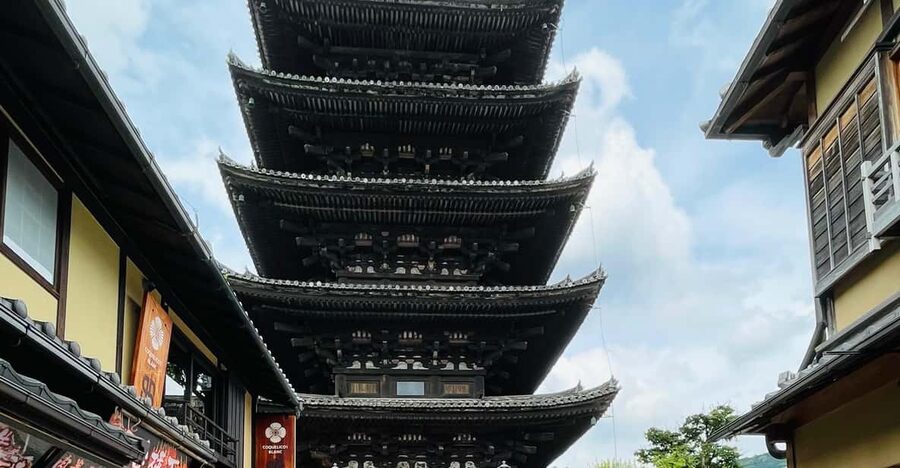
Sanjusangendo, also written Sanju-san-gen-do, gives the tour a very different mood. Its name refers to the building’s 33 interior sections, created by 35 columns. The temple is known for its long wooden hall and its collection of a thousand Kannon statues.
The one-hour stop is valuable because it offers a still, indoor experience after the open views and busy approach at Kiyomizudera. You will walk, see the temple, and have time for guided or self-guided viewing.
The order can vary. The written route places Sanjusangendo after the Arashiyama area, while the day description presents it before Arashiyama. Since the tour is customizable, ask your guide about the exact order on the day. Either way, this temple is one of the more culturally significant stops, so I would not treat it as a spare photo stop.
Arashiyama brings together the bamboo and river views
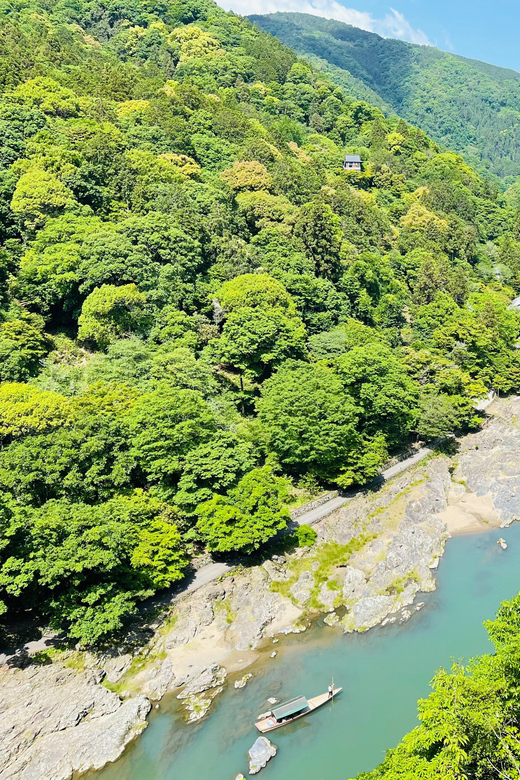
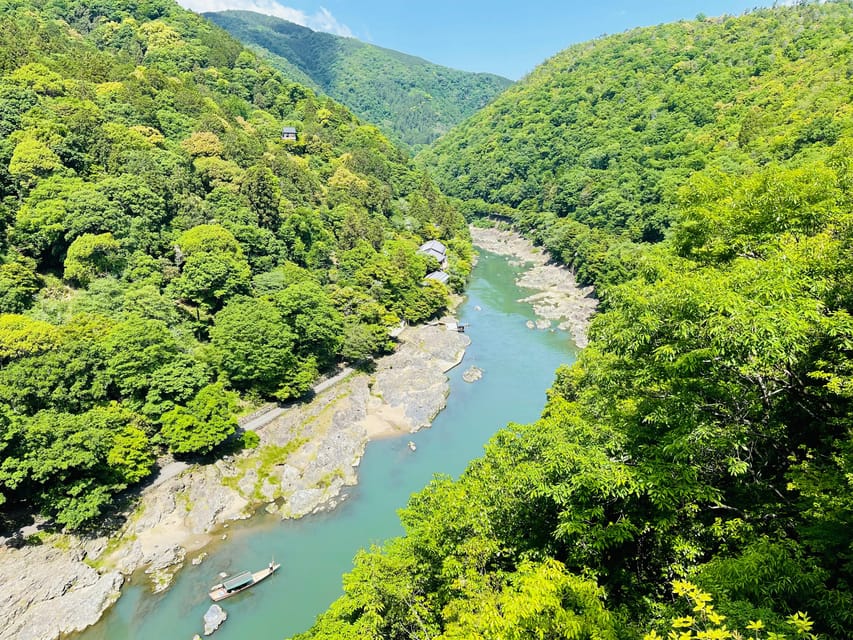
Arashiyama is not one single attraction. It is a district of temples, river scenery, walking routes, shops, and the famous bamboo grove. The tour gives about an hour to the broader Arashiyama area, followed by separate time for the Bamboo Forest and Togetsukyo Bridge.
Togetsukyo Bridge is the visual center of the district. You get about 30 minutes there for photographs, a walk, and views along the river. That is enough for a clear look and some pictures, but not enough for a long riverside stroll.
The route description also lists optional activities such as a panoramic train ride and Segway ride. Do not assume those are part of the $102 price. The included services specify van transportation, a guide, and pickup and drop-off, while tickets and food are excluded. Ask before planning around any extra activity.
One point deserves attention here. The tour description includes Tenryu-ji Temple and its gardens among the main sights, but the timed itinerary does not give Tenryu-ji its own numbered stop. Confirm how much time is allocated to the temple when you customize the day. For many people, the gardens are more rewarding than rushing from one photograph to the next.
A completely different side of Kyoto:
- PERFECT KYOTO 1-Day Bus Tour
★ 5.0 · 13,518 reviews - Kyoto: Fushimi Inari, Kinkakuji, Bamboo Grove 1 Day Bus Tour
★ 4.8 · 4,316 reviews - Kyoto: Tea Ceremony in a Traditional Tea House in Kiyomizu
★ 4.9 · 3,519 reviews - Kyoto Geisha Walking Tour: Gion District & Hidden Gems
★ 4.7 · 3,273 reviews
The Sagano Bamboo Forest is brief but memorable
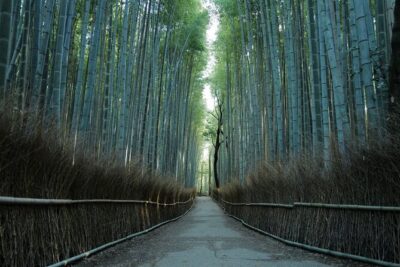
The Bamboo Forest gets about 30 minutes. That is enough to walk into the tall green corridor and take photographs, but it is a short visit if you want to explore Arashiyama at a relaxed pace.
The grove is photogenic because the bamboo rises on both sides of the path and changes the feel of the city almost at once. You do not need a long explanation to understand its appeal. The challenge is that the stop is built around one main walking route, and the schedule leaves little room to linger.
I would treat the Bamboo Forest as a highlight, not as a complete Arashiyama visit. Wear comfortable shoes and keep your camera ready. If bamboo is the main reason you want this tour, ask for the most generous possible timing there.
Tenryu-ji adds gardens and a World Heritage site
Tenryu-ji is included among the day’s featured World Heritage sites. Its Japanese gardens provide a useful change from the bamboo path and the open riverfront around Togetsukyo Bridge.
The garden setting is designed for measured viewing rather than a quick roadside glance. You can appreciate seasonal plantings, temple structures, and the relationship between the garden and surrounding hills. The available details do not specify a separate entrance fee or exact time allocation, so those costs and timings should be confirmed before departure.
This is one place where a strong guide can make a difference. A guide who points out the garden’s design choices gives you more than a series of photographs. The tour promises live commentary, but the quality of explanation may depend on the individual guide.
Kinkakuji turns the afternoon gold
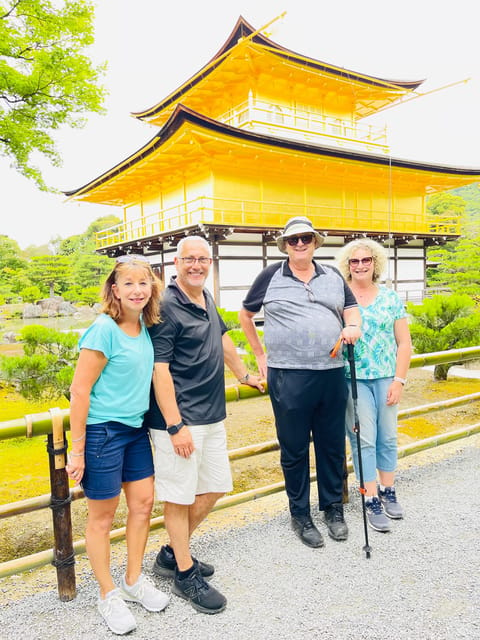
Kinkakuji, officially Rokuon-ji, is the Golden Temple and one of Kyoto’s most recognizable sights. Its gold-covered exterior reflects in the pond, creating the image most people associate with the temple.
The stop lasts about an hour. That gives you time for the main view, a walk through the grounds, and photographs. The route also lists shopping and self-guided sightseeing, so this is not presented as a long lecture inside the temple complex.
Kinkakuji is visually powerful but easy to oversimplify. The building and pond are the main draw, while the surrounding grounds help explain why the site remains memorable after the first photograph. Keep your expectations realistic: this is a concentrated visit, not an afternoon spent studying every part of the grounds.
The advertised benefit of skipping the ticket line may save time, but entry tickets are not included. You should budget for admission separately.
Fushimi Inari is the day’s strongest walking experience
The final major stop is Fushimi Inari Taisha, where thousands of red torii gates climb through the wooded shrine grounds. The gates form long corridors that are both visually striking and spiritually important. Walking beneath them is the most distinct experience on this route.
The schedule gives you about 90 minutes, including a break, photographs, sightseeing, shopping, and walking. That is more useful than a quick roadside stop, but it is not enough to walk the entire mountain route. Stay aware of the meeting time, since it is easy to keep following the gates.
You can choose how far to go. The first section gives you the classic torii photographs, while continuing uphill brings a quieter feel. The tour does not promise a full summit walk, so plan on exploring only part of the route unless your guide confirms otherwise.
Ending here works well. After a day of temples and gardens, Fushimi Inari gives you a physical walk and a strong final image before the van returns you to Kyoto Station or another agreed drop-off point.
What the guide service is really like
The tour includes a professional English-speaking guide, and live guide languages are listed as English, Hindi, Japanese, and Arabic. A mobile audio guide is also available in English, French, Italian, Spanish, German, Portuguese, and Ukrainian.
That audio option can help fill gaps, but it is not the same as having a guide explain why a site matters in the moment. You should ask the guide questions directly and be clear about which temples deserve more context.
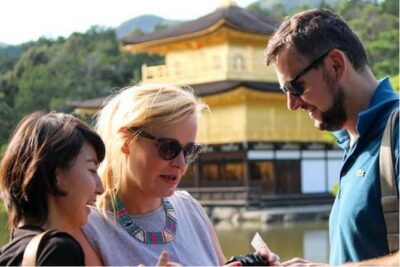
Guide Nomi received specific praise for photography. If you care about family portraits or want help finding strong viewpoints, that may be a useful advantage. At the same time, the guide was described as offering limited historical information, spending time on personal calls, and missing an important Arashiyama teaching site connected with Buddha.
That feedback gives you a practical way to prepare. At pickup, name the sites you care about most, ask for explanations during the drive, and confirm that Tenryu-ji and key Arashiyama points are included in the route. If your priority is cultural interpretation rather than transport and photographs, the guide’s communication style matters as much as the vehicle.
Lunch, tickets, and the real cost
The day description presents a Japanese buffet using seasonal ingredients with views of Togetsukyo Bridge. However, food is listed as not included, and the buffet does not offer Muslim-friendly, allergy-friendly, lactose-free, gluten-free, or vegan choices.
If you have dietary restrictions, book without lunch and arrange your own meal. Even if you have no restrictions, confirm whether lunch is part of your selected option before you pay. The wording around lunch is not fully clear.
You should also budget for entrance tickets. The tour price covers the guide and transport, but not admission to the temples and shrine. Optional activities such as a panoramic train ride or Segway ride may also require separate payment.
The $102 cost makes sense when you value convenience. A private van removes several cross-city transfers, and hotel pickup is useful for families, older travelers, and anyone who does not want to navigate Kyoto’s transport system. The price is less compelling if you are comfortable using trains and buses and would rather spend the difference on longer temple visits.
Who should book this Kyoto day?
I would consider this tour for a first-time Kyoto visit with limited time. It gives you a broad look at the city’s famous sights and lets you compare different kinds of places: a hilltop temple, a long wooden hall, a bamboo path, a formal garden, a gold pavilion, and a shrine lined with torii gates.
It also suits families and small private groups. The van, hotel pickup, and customizable schedule reduce the strain of moving between distant districts. Wheelchair access is listed, though you should discuss the specific walking needs of your group before booking because several stops include temple grounds, paths, and the uphill torii route.
I would hesitate if your main goal is detailed history at every stop. The advertised guide service may provide useful direction, but the experience can lean toward driving, photographs, and logistics. Guide Nomi’s photography was a clear strength, while the historical commentary was less consistent.
Pickup is available in Kyoto, Osaka, and Nara, with possible additional charges outside Kyoto. Drop-off is available in all three locations. Confirm the extra cost before booking if you are staying in Osaka or Nara.
Should you book this private Kyoto tour?
Book it if you want to see Kyoto’s headline sights in one day, prefer a private vehicle, and value efficient hotel pickup over long, unhurried visits. The route is ambitious but practical, and Fushimi Inari, Kinkakuji, Kiyomizudera, and Arashiyama give you a strong first look at the city.
Book with caution if you expect a guide to provide detailed historical storytelling throughout the day. Ask for a clear stop-by-stop plan, confirm the Tenryu-ji timing, check lunch and ticket costs, and tell the guide which sites matter most to you.
The best reason to choose this experience is not simply the list of temples. It is the chance to connect far-flung parts of Kyoto in a single private day. Just make sure the guide’s role matches what you want: an efficient driver and photographer with some commentary, or a full cultural interpreter.
FAQ
How long does the Kyoto private tour last?
The tour lasts 10 hours. The scheduled departure is at 8 a.m., but you should check availability for the exact starting time.
Where can pickup take place?
Pickup is available in Kyoto, Osaka, and Nara. Additional charges may apply for pickups outside Kyoto.
Where does the tour finish?
Drop-off is available in Kyoto, Nara, and Osaka. The day description says the tour concludes at Kyoto Station, so confirm your preferred drop-off location in advance.
Is transportation included?
Yes. Transportation is provided in an air-conditioned luxury van, along with hotel pickup and drop-off.
Are temple and shrine entrance tickets included?
No. Entry tickets are not included in the tour price.
Is lunch included?
Food is not included among the basic inclusions. A Japanese buffet is described as an available lunch arrangement, so confirm whether your selected option includes it.
Are dietary alternatives available at lunch?
The listed buffet does not provide Muslim-friendly, allergy-friendly, lactose-free, gluten-free, or vegan options. Booking without lunch is recommended if you need one of these choices.
Is the tour private?
Yes. This is a private group tour, and the itinerary can be customized.
Which languages are available?
Live guides are listed in English, Hindi, Japanese, and Arabic. A mobile audio guide is available in English, French, Italian, Spanish, German, Portuguese, and Ukrainian.
Recently added around Kyoto
- Higashiyama | Kyoto: Sakura Season Private Rickshaw Tour★ 5.0 · 3 reviews
- Kyoto Kimono Rental CHAMATSU|Kimono/Yukata Rental FamilyPlan★ 5.0 · 3 reviews
- Kyoto: Half-Day Private Guided Tour to the Old Town of Gion★ 4.4 · 3 reviews
- Nara Private Customizable Half Day Tour★ 5.0 · 3 reviews
- Full Day Nara Deer, Temple, Shrine, Activities & Tea Ceremony★ 5.0 · 3 reviews
- Nara: Essential Private Tour with Deer Park and Temples★ 5.0 · 3 reviews
- Kansai Region Hiking Adventure in Nara Kobe Kyoto and More★ 5.0 · 3 reviews
- Hiking Tour for Sacred Sites in Kyoto with a Guide★ 5.0 · 3 reviews
Guided, compared.
Kyoto Early Morning Tour with English-Speaking Guide
Read our review →
Kyoto 6hr Private Tour with Government-Licensed Guide
Read our review →Early Morning Tour with English-Speaking Guide
Read our review →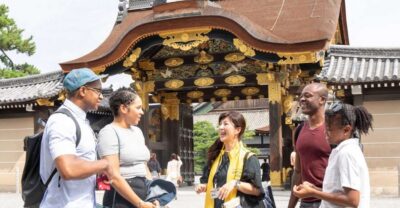
Nijo-jo Castle and Ninomaru Palace Guided Tour
Read our review →
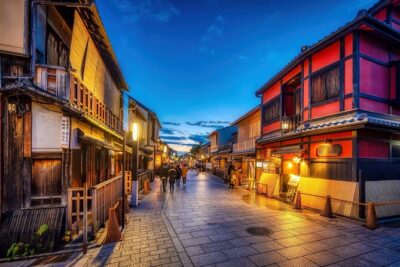
Kyoto Gion Night Walk & Geisha District Guided Tour
Read our review →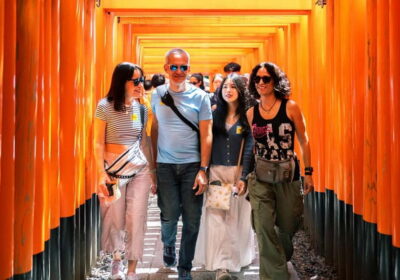
From Kyoto/Osaka: Kyoto Top Highlights 1-Day Guided Bus Tour
Read our review →