
REVIEW · CYCLING TOURS
Kyoto: Authentic Biking Half Day Experience
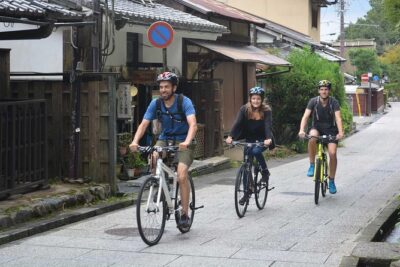
Kyoto makes sense from a bicycle seat. On this four-hour ride, you move from Gion’s geisha streets to Zen temples, a canal-side path, an old Shinto shrine, and the broad grounds of the Imperial Palace without spending the morning waiting for buses. The mostly flat route uses a comfortable Mamachari, the practical city bicycle often used by local families.
I like the smart mix of famous sights and quieter cycling. I also like the small group, capped at nine, and guides such as Miya and Kats, who are praised for clear explanations, patient pacing, and taking photos. The main catch is simple: four hours covers a lot, so this is better for seeing Kyoto’s range than for lingering at every temple. On hot days, the lack of a planned café stop may matter.
In This Review
- Key points at a glance
- Why Kyoto works so well by bicycle
- Meeting at Gojo Station and heading toward Gion
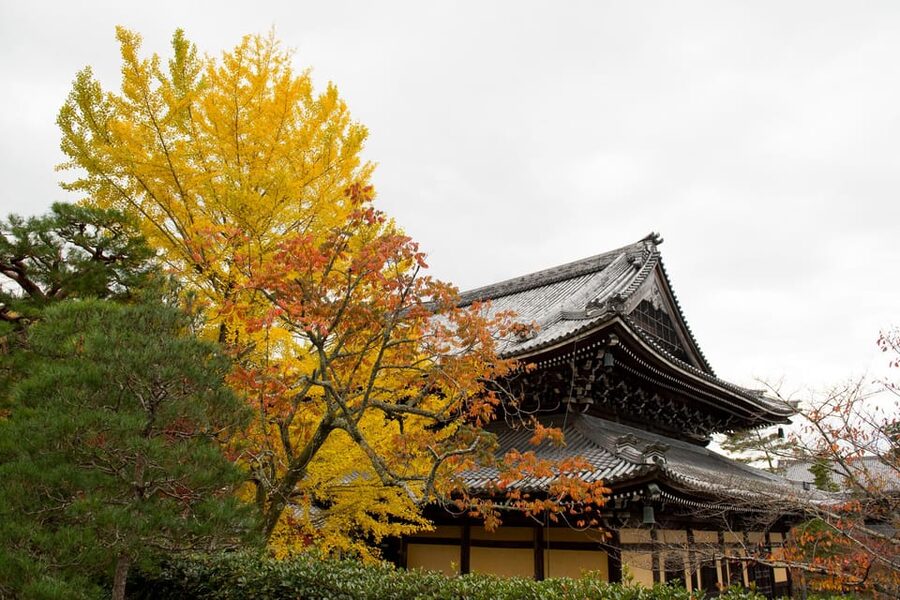
- Nanzenji Temple, where the ride turns quiet
- The Philosopher’s Path beside the canal
- Ginkakuji and the Silver Pavilion
- Shimogamo Shrine in wooded surroundings
- Finishing at the Kyoto Imperial Palace
- What the guides add to the ride
- Price, group size, and what you receive
- Weather, clothing, and practical limits
- Who should book this Kyoto bike tour?
- Should you book it?
- FAQ
- Where does the Kyoto bike tour start and finish?
- How long does the experience last?
- What kind of bicycle is provided?
- Is the tour conducted in English?
- What sights are included on the route?
- What happens if I need to cancel?
Key points at a glance
- A real city-bike experience: You ride a standard, non-electric Mamachari with three gears, a basket-style practical design, and a relaxed upright position.
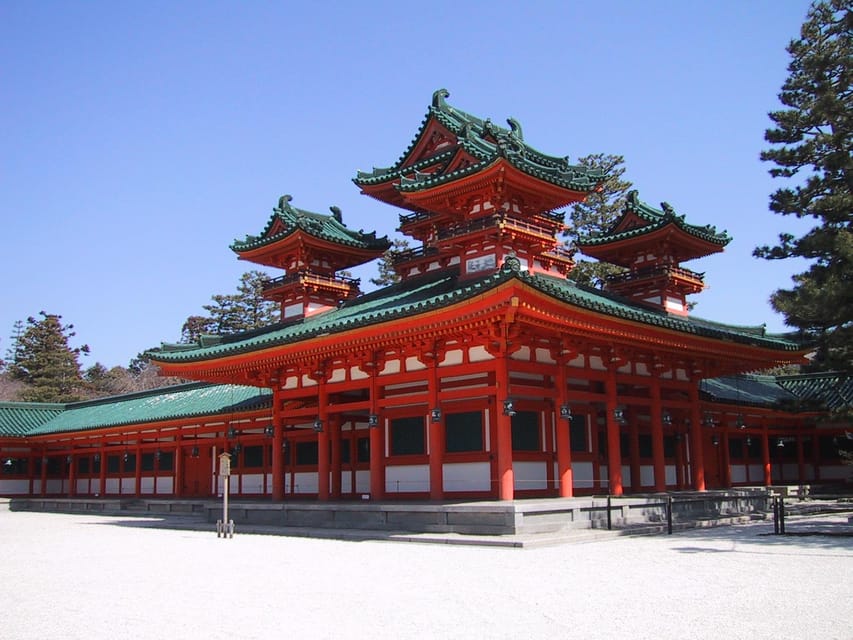
- Six strong Kyoto stops: Gion, Nanzenji Temple, the Philosopher’s Path, Ginkakuji, Shimogamo Shrine, and the Kyoto Imperial Palace all fit into one morning or afternoon.
- Mostly easy riding: The route is mainly flat, with a few gentle slopes, though you still need to be comfortable cycling in a city.
- Small English-speaking group: The tour allows no more than nine participants, giving your guide room to answer questions and help with photos.
- Useful first-day orientation: The route gives you a clear sense of how Kyoto’s temple districts, waterways, and central streets fit together.
- Good value for active sightseers: At $79 per person, the tour combines four hours of guiding, bicycle hire, helmet, insurance, and the Nanzenji entrance fee.
Why Kyoto works so well by bicycle
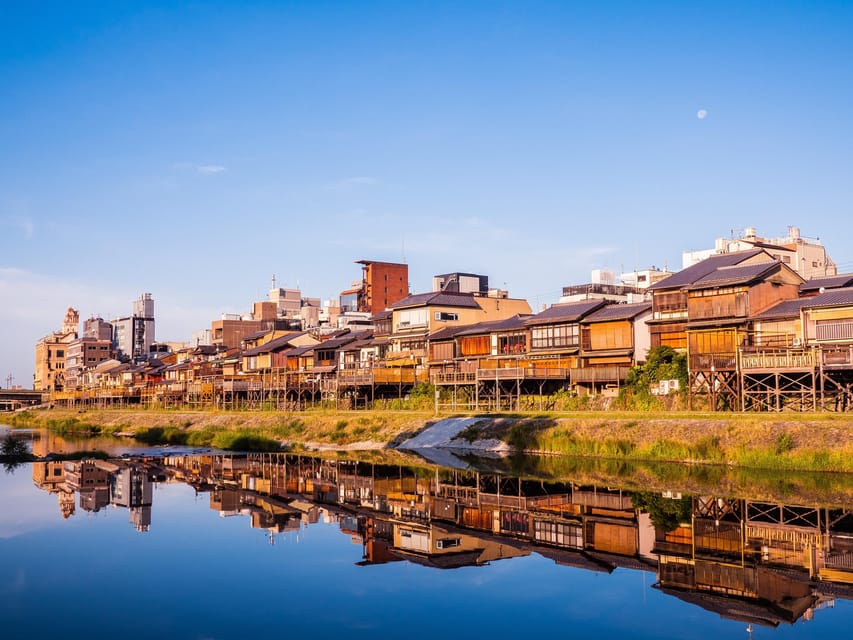
Kyoto is not a city you should experience only through a train window. Its major sights spread across different districts, and short rides between them let you notice the shift from busy streets to quiet lanes and wooded temple grounds. A bicycle also saves your legs compared with walking the same route.
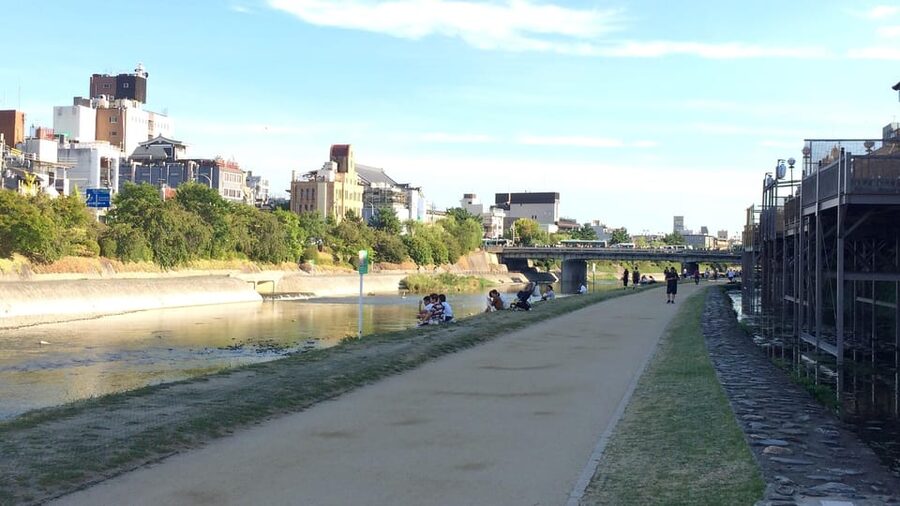
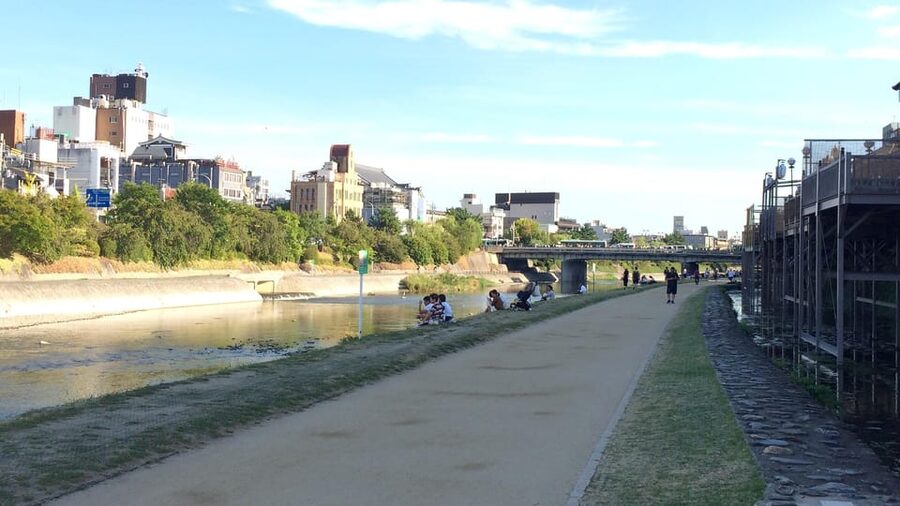
The Mamachari is not a sporty road bike. It is a sturdy, comfortable city bicycle with an upright riding position and three gear shifts. I see that as a plus for relaxed sightseeing. You can look around, listen to your guide, and stop for photos without feeling as if you are training for a race.
The route is described as mostly flat, with a few gentle slopes. That makes it approachable for a reasonably active cyclist, but do not confuse easy with effortless. You need to pedal for several hours, follow the guide, and manage a bicycle around city streets. The tour is not suitable for anyone who cannot ride a bike, and the provider also excludes people with mobility, heart, respiratory, or pregnancy-related concerns.
More bike days around Kyoto:
- Hidden Kyoto E-Biking tour
★ 5.0 · 1,843 reviews - Bike Tour Exploring North Kyoto plus Lunch
★ 5.0 · 1,087 reviews - Arashiyama Bamboo Forest & Hidden Gems Bike Tour (Early Bird)
★ 5.0 · 613 reviews
Meeting at Gojo Station and heading toward Gion
Your starting point is Subway Gojo Station, exit 2. Look for a TripGuru guide wearing a TripGuru shirt or holding a TripGuru sign. Hotel pickup is not included, so allow enough time to reach the station before the tour begins.
The first ride takes about 20 minutes toward Gion. This is a useful opening stretch because it gets you settled on the bicycle before the longer sections begin. Your guide can also set the tone for the day by explaining Kyoto’s layout and the customs connected with the places ahead.
Gion is Kyoto’s best-known geisha district, with traditional streets and buildings that give the area its special character. You should keep your camera ready, but also remember that Gion is a lived-in neighborhood, not a theme park. A respectful distance and quiet manner are part of enjoying it properly.
The stop is relatively brief, so I would not book this tour expecting a detailed exploration of every Gion lane. Instead, treat it as an introduction and a visual starting point for the day.
Nanzenji Temple, where the ride turns quiet
From Gion, the route continues for about 45 minutes toward Nanzenji Temple. This is one of the longer cycling sections, and it gives you time to settle into Kyoto’s pace. The trip is not simply a sequence of quick photo stops. You spend real time moving between districts, which helps the city feel connected rather than chopped into separate attractions.
Nanzenji is a major Zen temple complex at the foot of Kyoto’s eastern hills. The tour includes an entrance fee here, so you do not need to budget separately for that part. Your guide leads you through the temple visit and explains its religious and cultural importance.
The itinerary lists time around Nanzenji more than once, with a guided visit and additional cycling. That may reflect the route’s structure as you connect the temple with the Philosopher’s Path. In practical terms, expect Nanzenji to be one of the day’s central stops rather than a quick glance from the street.
I like this part for the contrast. Gion gives you traditional urban Kyoto, while Nanzenji brings temple architecture, open grounds, and a calmer setting. If you want hours of private meditation in one temple, the schedule will feel brisk. If you want a broad first look at Kyoto, the balance works well.
The Philosopher’s Path beside the canal
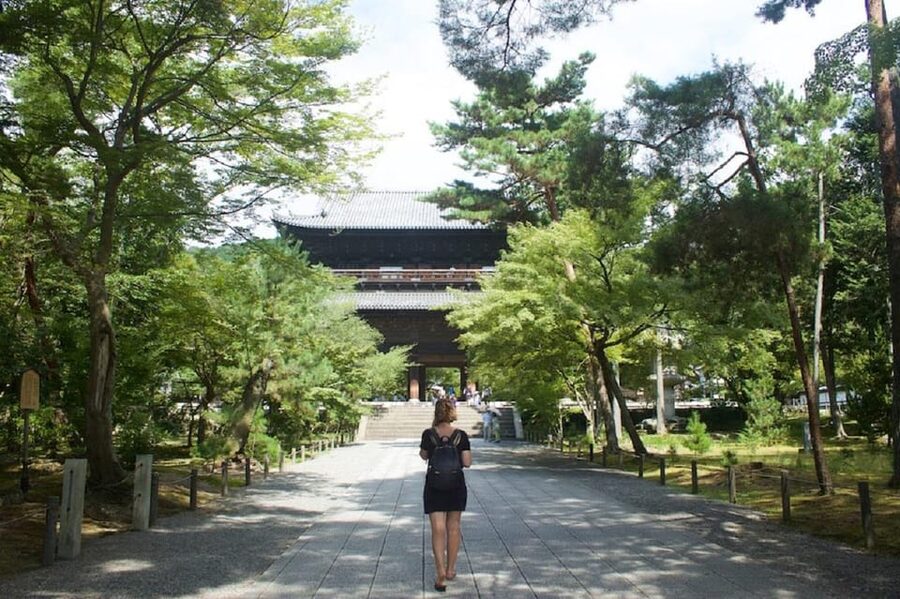
The Philosopher’s Path is one of Kyoto’s most pleasant routes. It follows a canal and is known for its trees, water, and gentle walking atmosphere. On a bicycle, you experience the path at a slower speed than from a car, but faster than on foot, which makes it possible to cover more ground while still noticing the setting.
The cycling section here takes about 30 minutes, with another 30-minute ride later in the route. The repeated time in this area suggests that the path is not just a link between attractions. It is part of the experience itself.
This is also where the tour’s seasonal appeal comes through. Spring brings cooler breezes and, depending on timing, seasonal color. Winter offers crisp air and a quieter feel. The description does not promise specific blossoms or weather, so plan for Kyoto’s conditions rather than booking only for a particular seasonal display.
The path can be a place where pace matters. You will want to stop for pictures, but you are traveling with a group and must follow the guide’s instructions. Comfortable shoes still matter because you may walk during temple and shrine visits, even though the bicycle carries you between them.
A completely different side of Kyoto:
- PERFECT KYOTO 1-Day Bus Tour
★ 5.0 · 13,518 reviews - Kyoto: Fushimi Inari, Kinkakuji, Bamboo Grove 1 Day Bus Tour
★ 4.8 · 4,316 reviews - Kyoto: Tea Ceremony in a Traditional Tea House in Kiyomizu
★ 4.9 · 3,519 reviews - Kyoto Geisha Walking Tour: Gion District & Hidden Gems
★ 4.7 · 3,273 reviews
Ginkakuji and the Silver Pavilion
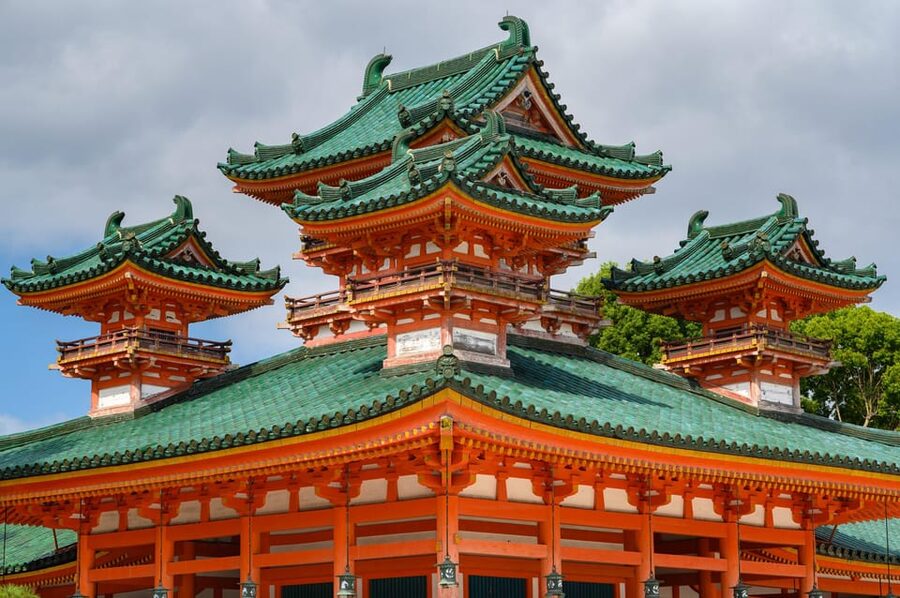
After the Philosopher’s Path, you cycle toward Ginkakuji, known as the Silver Pavilion. The route section takes about 20 minutes and brings you into one of Kyoto’s most familiar temple areas.
Ginkakuji is valued for its Zen design and peaceful gardens. Despite its name, the pavilion is not covered in silver. The name comes from a historical plan to coat it, which was never completed. The grounds and garden design are the main reason to include it in a Kyoto tour.
The supplied schedule names the Ginkakujicho area rather than listing a separate entrance fee for Ginkakuji. That means you should pay attention to what your guide says about the exact stop and any admission arrangements. The only included temple entrance fee specifically identified is Nanzenji.
This is a good example of the tour’s strength and limitation. You get to connect Ginkakuji with Nanzenji and the Philosopher’s Path in one route, which is efficient. You may not get the unhurried, detailed visit you would have on a dedicated Ginkakuji tour.
Shimogamo Shrine in wooded surroundings
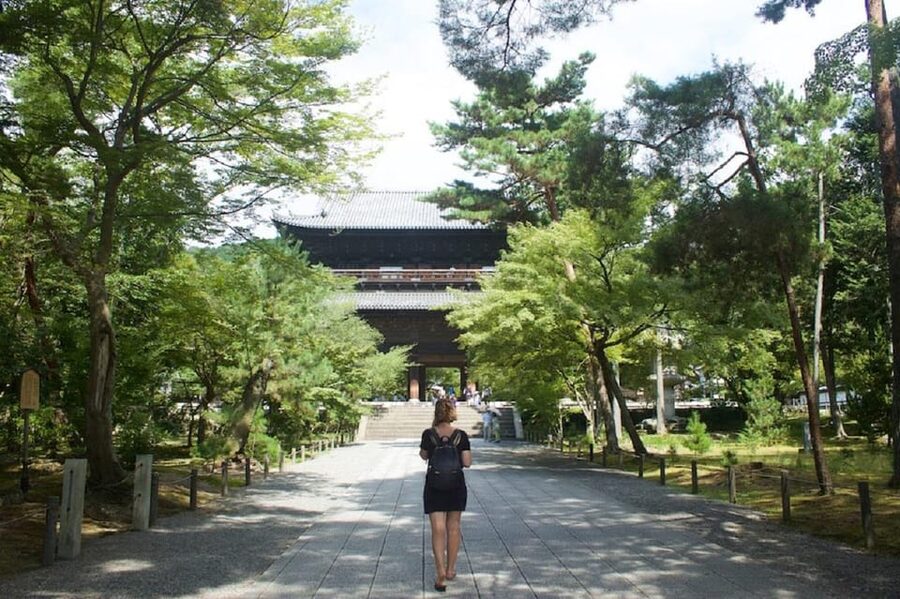
The ride then heads toward Shimogamo Shrine, with about 30 minutes allocated for the visit, guiding, and cycling. Shimogamo is one of Kyoto’s oldest Shinto shrines, and its wooded grounds provide another change of mood.
I value this stop because it broadens the day beyond Zen Buddhism. Kyoto’s identity is shaped by both Buddhist temples and Shinto shrines, and Shimogamo gives you a chance to see the difference in setting, ritual, and architectural feel. Your guide can explain the spiritual meaning of the site as you walk through it.
The wooded grounds also offer a welcome break from open city streets. You may find the shrine more restful than the famous temple areas, though the tour does not guarantee a long, quiet pause. The group still has to complete the route and return to Gojo Station.
The cultural range here is one of the strongest reasons to book. In four hours, you see a geisha district, a Zen temple, a canal route, a Zen garden, an ancient Shinto shrine, and the former imperial residence. That is a lot of Kyoto in one compact outing.
Finishing at the Kyoto Imperial Palace
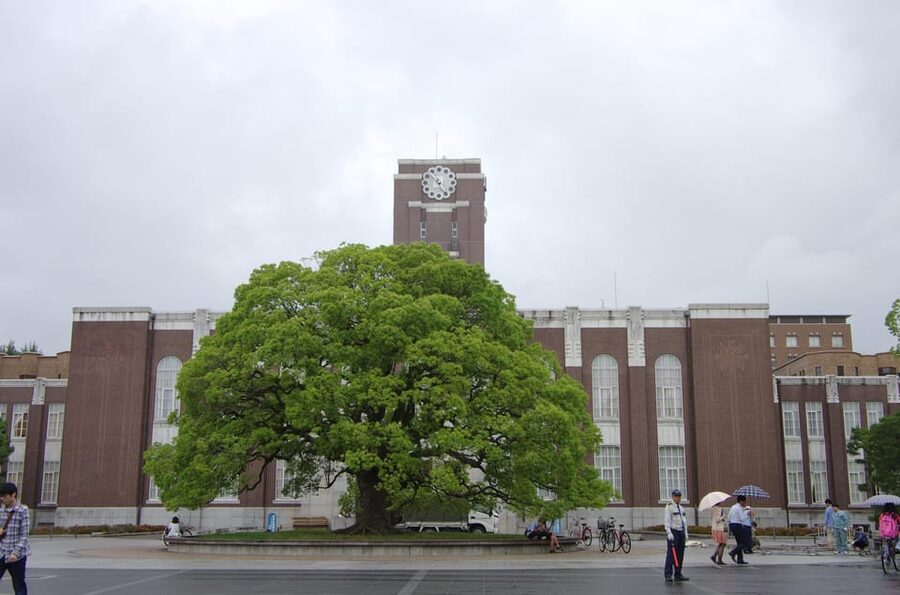
The final major stop is the Kyoto Imperial Palace, reached after roughly 30 minutes of cycling. The palace was the former residence of Japan’s imperial family, and its grounds are spacious compared with the tight lanes and temple approaches earlier in the day.
I like ending here. The open grounds allow you to slow down after several hours on the bicycle, take in the scale of the site, and think about how Kyoto’s religious and political history overlap. The visit is more about the palace grounds and the setting than about rushing through one small building.
The tour then returns to Gojo Station. Since the advertised duration is four hours, keep your plans afterward flexible. The exact start time varies, and availability determines the departure options. I would avoid booking a fixed-time dinner or train immediately after the ride.
What the guides add to the ride
A good guide matters on this tour because the bicycle route alone would not explain why each stop matters. The English-speaking TripGuru guide provides the stories linking Gion, Nanzenji, Ginkakuji, Shimogamo Shrine, and the Imperial Palace.
Miya received particular praise for helping first-time Kyoto visitors get their bearings. That is useful on a first day, when the city’s districts and sights can seem scattered. A guide who explains the route as you go can help you decide where to return later on your own.
Kats was also praised for giving participants time at temples and shrines instead of hurrying them onward. That point is worth noting because the itinerary is full. A patient guide can make the difference between a pleasant overview and a tiring checklist.
One family with children aged 11 and 13 found the ride a better way to cover ground than walking. That makes sense, but families should still judge their children’s cycling ability honestly. The bicycles are standard, non-electric B-type models with three gears. One account refers to electric bikes on a hot day, but the included equipment specifies standard non-electric bicycles, so do not book assuming an e-bike will be provided.
Price, group size, and what you receive
The price is $79 per person. For that, you receive an English-speaking guide, a bicycle, helmet, insurance, and the entrance fee at Nanzenji Temple. Meals, drinks, personal spending, and transportation to and from your hotel are not included.
I consider the price fair if you value orientation and efficient sightseeing. Hiring a bicycle alone would not give you the route planning, historical context, group support, or temple entrance included here. You are paying for access to a carefully arranged half-day, not simply for two wheels.
The small-group limit of nine is important. It is large enough to keep the price below a private tour, but small enough for questions and photo help. Miya was specifically praised for taking lovely photos, which can be a real benefit when you are traveling as a couple or family and do not want every picture to be a selfie.
The main value question is your preferred pace. If you want to spend half a day at one garden, this tour may feel too packed. If you want to see how several important areas connect, $79 is a sensible way to begin your Kyoto stay.
Free cancellation is available up to 24 hours before departure for a full refund, and you can reserve now and pay later. Those terms help if your Kyoto plans are still shifting.
Weather, clothing, and practical limits
Wear comfortable shoes, even though most of the distance is by bicycle. Temple and shrine visits involve time off the bike, and the day is long enough for uncomfortable footwear to become a problem.
Bring a camera and cash. Food and drinks are not included, so carry what you need for the four-hour outing. One particularly hot-day experience would have benefited from a café break, but no scheduled café stop is promised. On warm days, start hydrated and consider bringing water.
The tour is offered in English and operates as a small group. The provider lists the experience as unsuitable for pregnant people, people with mobility impairments, heart problems, respiratory issues, or anyone unable to ride a bicycle. These are not minor technicalities. The tour depends on sustained cycling and getting on and off a bike at several sites.
Who should book this Kyoto bike tour?
I would choose this for a first or second day in Kyoto, especially if you want an overview before returning to favorite temples on your own. It suits active adults, couples, and families with children who can comfortably ride a standard bicycle for several hours.
It is also a strong choice if you dislike losing time to public transport. The route lets you connect Gion and the eastern temple district with Shimogamo and the Imperial Palace in one outing.
I would skip it if you cannot ride confidently, need an electric bicycle, want a very slow temple visit, or dislike cycling in city surroundings. I would also think twice on an especially hot day unless you are comfortable riding without a planned café stop.
Should you book it?
Book this tour if you want a well-rounded Kyoto introduction with real cycling, major religious sites, and a guide who can explain what you are seeing. The best features are the varied route, the small group, the comfortable Mamachari, and the chance to cover far more ground than you could on foot.
Skip it if your priority is depth at one or two temples. For most reasonably fit visitors, though, this is an efficient and enjoyable way to get your bearings, learn the city’s shape, and find the places you may want to revisit at a slower pace.
FAQ
Where does the Kyoto bike tour start and finish?
The tour starts at Subway Gojo Station, exit 2, and returns to Gojo Station at the end.
How long does the experience last?
The tour lasts four hours. Starting times vary, so you should check availability for the date you want.
What kind of bicycle is provided?
The included bicycle is a standard, non-electric B-type Mamachari with three gear shifts. A helmet is also included.
Is the tour conducted in English?
Yes. The tour includes a live English-speaking guide.
What sights are included on the route?
The route includes Gion, Nanzenji Temple, the Philosopher’s Path, Ginkakuji, Shimogamo Shrine, and the Kyoto Imperial Palace.
What happens if I need to cancel?
You can cancel up to 24 hours in advance for a full refund. You can also reserve now and pay later.
Recently added around Kyoto
- Higashiyama | Kyoto: Sakura Season Private Rickshaw Tour★ 5.0 · 3 reviews
- Kyoto Kimono Rental CHAMATSU|Kimono/Yukata Rental FamilyPlan★ 5.0 · 3 reviews
- Nara Private Customizable Half Day Tour★ 5.0 · 3 reviews
- Kyoto: Half-Day Private Guided Tour to the Old Town of Gion★ 4.4 · 3 reviews
- Kansai Region Hiking Adventure in Nara Kobe Kyoto and More★ 5.0 · 3 reviews
- Full Day Nara Deer, Temple, Shrine, Activities & Tea Ceremony★ 5.0 · 3 reviews
- Nara: Essential Private Tour with Deer Park and Temples★ 5.0 · 3 reviews
- Hiking Tour for Sacred Sites in Kyoto with a Guide★ 5.0 · 3 reviews
Cycling Tours, compared.
Arashiyama Bamboo Forest & Hidden Gems Bike Tour (Early Bird)
Read our review →
5 Top Highlights of Kyoto Full Day Bike Tour (E-bike option)
Read our review →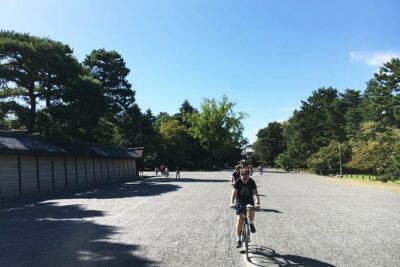
Full Day Biking Tour Exploring the Best of Kyoto
Read our review →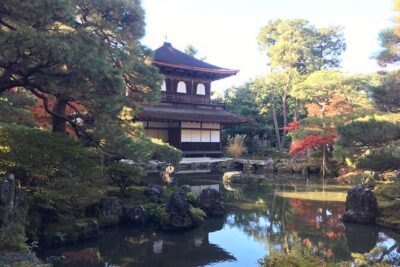
Afternoon Kyoto Bike Tour: Bamboo Forest, Monkeys & Hidden Spots
Read our review →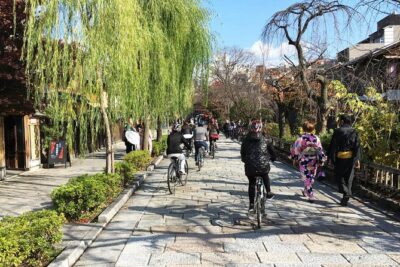
South Kyoto in a Nutshell: Gentle Backstreet Bike Tour!
Read our review →Browse the lists this tour appears in