
REVIEW · KINKAKU-JI GOLDEN PAVILION TOURS
Kyoto and Nara 2-Day Tour: Golden Pavilion, Todaiji, Deer Park
Kyoto’s gold-covered Kinkakuji, endless red torii gates at Fushimi Inari, and Nara’s giant Buddha give this tour a strong first impression. I like that your own private group gets a guide’s full attention, and that public transportation, entrance fees, and guide service are included.
I also like the smart two-day spread: Kyoto gets a full day, while Nara brings a different mood with deer, ancient shrines, and Todaiji’s huge wooden hall. The main drawback is the pace. With several major sights and fixed visit times, you will need good walking stamina and a willingness to keep moving.
In This Review
- Key points to know before booking
- Why this two-day Kyoto and Nara plan works
- Day one: gold leaf, bamboo, and samurai power
- Kinkakuji, Kyoto’s famous Golden Pavilion
- Arashiyama’s Bamboo Forest Street
- Nijo Castle and the sound of power
- Gion, where old Kyoto still feels close
- Day two: red torii, sacred deer, and a giant Buddha
- Fushimi Inari and its tunnel of torii gates
- Todaiji and Nara’s enormous Buddha Hall
- Nara’s deer park and Kasuga Grand Shrine
- Getting around and handling the pace
- Who will get the most from this tour
- Should you book the Kyoto and Nara two-day tour?
- FAQ
- Where does the tour begin?
- Where does the tour end?
- Is this a private tour?
- What is included in the price?
- Are meals and drinks included?
- What level of fitness is needed?
- Which attractions are visited?
- Can I cancel for a full refund?
Key points to know before booking
- Private guiding: Only your group takes part, with guides such as Naoko, Nick, Ryusuke, and Tomoko assigned to different departures.
- Eight major sights: The route covers Kinkakuji, Arashiyama, Nijo Castle, Gion, Fushimi Inari, Todaiji, Kasuga Grand Shrine, and Nara’s deer park area.
- Public transport included: Train, subway, or other public transportation fares are covered, which is useful in Kyoto’s busy city center.
- Cultural range: You move from Zen Buddhism and samurai power to geisha districts, Shinto shrines, sacred deer, and Japan’s largest Buddha hall.
- Set starting point: Both days begin at 9:30 a.m. at Kyoto Station Building, and the activity returns to that meeting point.
- Flexible cancellation: You can receive a full refund if you cancel at least 24 hours before the start time.
Why this two-day Kyoto and Nara plan works
Kyoto and Nara were both capitals of Japan, but they offer very different sightseeing. Kyoto gives you temples, castle architecture, bamboo, and the old lanes of Gion. Nara feels older and more open, with deer wandering near major religious sites and a huge wooden Buddha hall that makes scale the main attraction.
This tour is built for you if you want the major sights explained rather than simply photographed. A guide can connect Kinkakuji to Zen and samurai culture, explain why shrine gates carry donors’ names, and help you understand how Nijo Castle worked as a showpiece for shogunal power.
The private format matters. You are not trying to match the pace of a large group, and your guide can spend more time explaining a detail that catches your interest. Past guide assignments have included Naoko, Nick, Ryusuke, and Tomoko. Naoko was praised for careful planning, insight, humor, and attention to detail. Nick was described as patient and flexible, while Ryusuke focused on the historical background of each place. Tomoko was noted for her expert guidance and considerate manner.
The advertised cost is $321.93 per person. That is not a bargain for independent sightseers, especially since meals and accommodation are not covered. But the price includes two days of guiding, public transportation fares, and admission fees, while the private setup gives you personal attention. If you would otherwise pay for several entry tickets, navigate unfamiliar rail routes, and arrange a separate guide, the package can make sense.
More trips to the Golden Pavilion:
- Kyoto: Nijo, Kinkaku-ji, Arashiyama, Kiyomizu & Fushimi Inari
★ 5.0 · 699 reviews - Kyoto: Kinkakuji, Golden Pavilion Guided Tour
★ 4.7 · 71 reviews - Kyoto top must-see Golden pavilion and Bamboo forest half-day Private tour
★ 5.0 · 52 reviews
Day one: gold leaf, bamboo, and samurai power
Kinkakuji, Kyoto’s famous Golden Pavilion
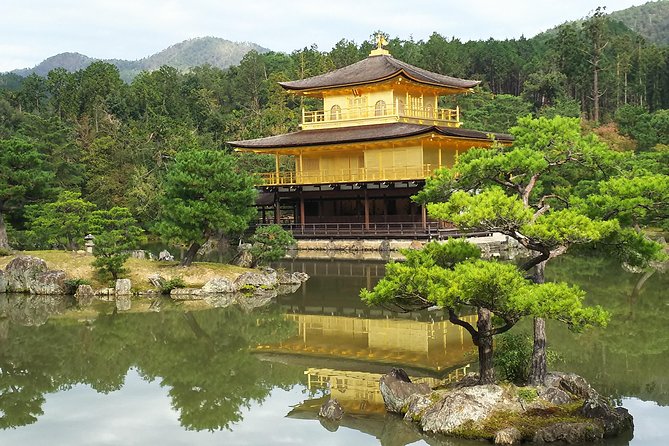
The first stop is Kinkakuji Temple, one of Kyoto’s most recognizable sights. The upper hall is covered in gold leaf, and it reflects in the pond with the surrounding gardens framing the view.
You have about 45 minutes here, with admission included. That is enough to see the main view and hear the story of the temple, but not enough for a slow, wandering visit. Keep your camera ready, then pay attention to the setting around the pavilion rather than treating it as a single photo stop.
Kinkakuji is tied to the world of the shogun and the culture of the samurai. A guide can help you see it as more than a pretty building. Its design expresses wealth, power, and religious ideals, all in one carefully arranged scene.
The timing is sensible for a first stop, but this is one place where crowds can affect the experience. The tour gives you a clear visit window, so do not expect a quiet private garden. You are paying for interpretation and efficient movement, not solitude.
Arashiyama’s Bamboo Forest Street
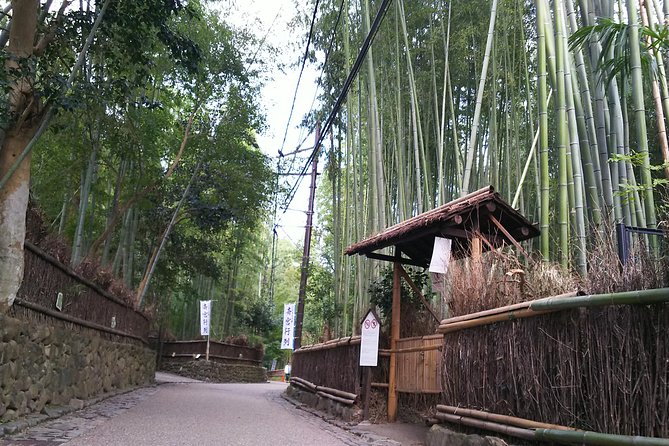
The bamboo forest gets the longest visit on day one, about 90 minutes. Admission is free, and you walk through the tall bamboo rather than viewing it from a lookout.
The appeal is sensory. Wind moves through the leaves, and bamboo trunks press upward on both sides of the path. The tour description encourages you to stop, close your eyes, and listen to the sound of the stalks and leaves touching. That small suggestion is useful. The forest is easy to rush through while taking pictures, but the sound is one of the best parts.
Arashiyama is more than a quick photo stop, and the longer allocation gives your guide room to explain the area and let you enjoy the walk. Still, 90 minutes can pass quickly, especially if the route includes time for transportation and meeting the guide again. Wear shoes that handle steady walking.
The bamboo path is one of the most visually striking parts of the tour, but it is not a remote woodland experience. You might find it busy, and the narrow route can make photography awkward. Go in expecting a famous city sight with a strong atmosphere, not a silent nature walk.
More day trips to Nara:
- World Heritage Kyoto & Nara Uji Authentic Matcha Experience
★ 5.0 · 1,573 reviews - Kyoto/Osaka: Nara, Fushimi Inari Taisha, Arashiyama Bus Tour
★ 4.7 · 1,275 reviews - Nara Half Day Trip Walking Tour (Private Option Available)
★ 5.0 · 937 reviews - Nara Early Morning Tour (Kyoto or Osaka Departure Available)
★ 5.0 · 676 reviews
Nijo Castle and the sound of power
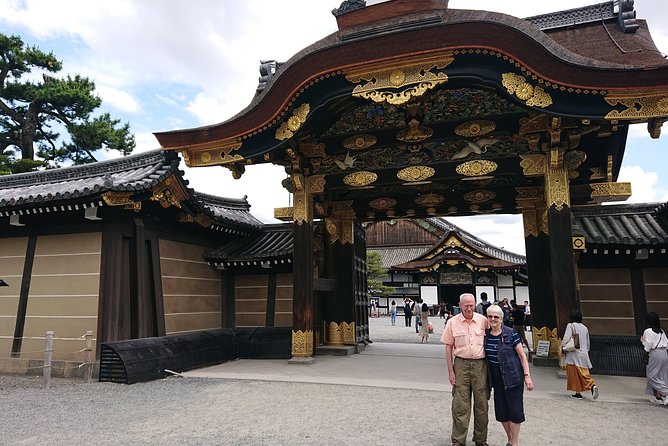
Nijo Castle receives about 50 minutes, with admission included. It was built as a Kyoto residence for the shogun after the shogunate moved its base to Edo, present-day Tokyo.
Inside, more than 1,000 paintings and decorative details help show how political authority was presented. The castle was not only a defensive structure. It was also a stage for formal visits, ceremonies, and the careful display of status.
One especially memorable feature is the famed nightingale floor, designed to make a chirping sound underfoot. The detail turns architecture into a security device and gives you a physical sense of how the castle operated.
Fifty minutes is enough for an introduction, but Nijo Castle can reward a longer visit. You will need to stay aware of the schedule. The benefit of having a guide is that you can focus on the details that matter instead of trying to decode the building alone.
Gion, where old Kyoto still feels close
The final day-one stop is Gion, Kyoto’s best-known geisha district. You have about 40 minutes to stroll among traditional wooden houses and narrow streets.
Gion is one of five traditional kagai, or geisha districts, in Kyoto. Your guide can explain the role of geisha culture and the difference between a historic entertainment district and a simple shopping street.
This is a short walking visit, so keep expectations in check. You are not getting an evening performance or a long meal in a traditional restaurant. Instead, you get an introduction to the district’s architecture, customs, and atmosphere.
Be respectful here. Old houses may be private businesses or residences, and geisha culture is not a stage set for photographs. Stay with your guide’s advice and treat the neighborhood as a living part of Kyoto.
Day two: red torii, sacred deer, and a giant Buddha
Fushimi Inari and its tunnel of torii gates
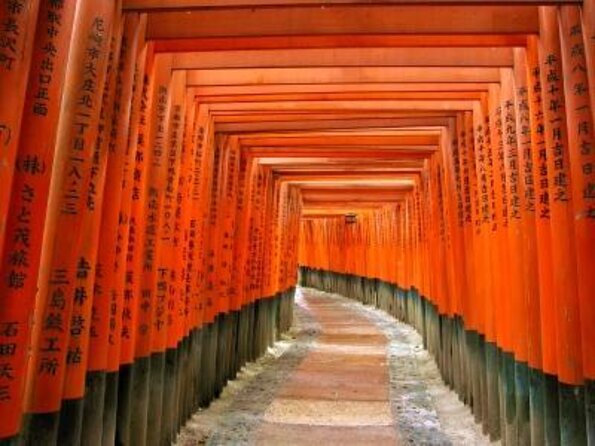
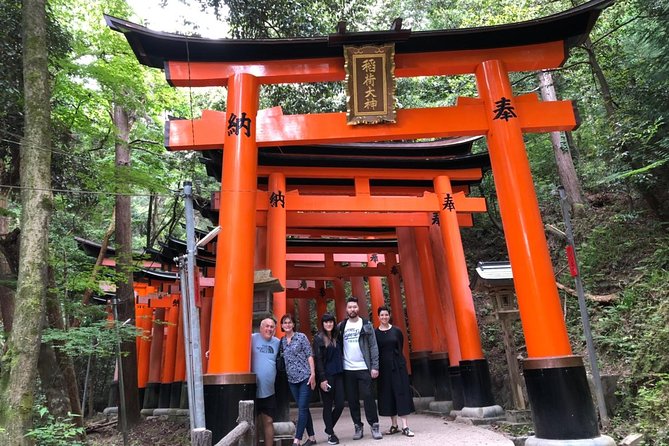
Day two begins at Fushimi Inari-taisha Shrine, where thousands of vermilion torii gates form one of Japan’s most famous walking routes. Each gate was donated by a worshipper or business in thanks for good fortune received from the shrine’s deity.
You have about 45 minutes here, and there is no admission charge. That time is enough to enter the gate tunnel and get a feel for the shrine, but not enough to walk the full mountain route. If you want to climb farther, ask your guide how that fits with the day’s schedule.
The color and repetition are powerful, but the meaning is just as important. Your guide can explain why the gates are there and how donations connect everyday hopes with Shinto practice. That context turns a striking image into a place with an ongoing religious purpose.
Fushimi Inari can be crowded near the entrance. The route becomes more spacious as you continue, but this tour’s fixed timing may limit how far you go. Choose comfortable shoes and avoid spending the entire visit taking the same photograph from different angles.
Todaiji and Nara’s enormous Buddha Hall
Todaiji Temple is the central heavyweight of the Nara day. The Buddha Hall is known as one of the world’s largest wooden buildings, and its size becomes clear the moment you approach and enter.
You have about 50 minutes, and admission is included. That is enough to stand before the giant Buddha, examine the hall, and learn how the temple fits into Nara’s religious past. The building’s scale can feel almost unreal, especially after the smaller details of Kyoto’s shrines and lanes.
The visit begins with the usual purification practice, cleansing your hands and mouth. Your guide can explain the meaning of this ritual and the proper way to approach a Buddhist temple.
Todaiji is a place where a short visit still has impact. You do not need a long lecture to understand the basic point: this was built to express faith and national power on a grand scale. Still, the 50-minute stop may feel brief if you want time for every side hall and a relaxed walk around the grounds.
Nara’s deer park and Kasuga Grand Shrine
The Nara portion also brings you to the city’s famous deer park area. The deer are one of Nara’s signature sights, and seeing them near ancient religious buildings gives the day a character that Kyoto does not share.
The tour does not list a separate duration for the deer park, so your time there is tied to the Nara visits and the day’s route. You should treat the deer as part of the wider Todaiji and Kasuga experience rather than expect a separate wildlife excursion.
Kasuga Grand Shrine receives about 40 minutes and has no admission fee listed for this visit. Founded around 1,300 years ago, it is connected to about 1,000 branch shrines across Japan. More than 3,000 lanterns are found within its grounds, creating a strong contrast with the shrine’s vermilion buildings and forest setting.
That contrast is one of the reasons Kasuga deserves a place beside Todaiji. Todaiji impresses through size. Kasuga works through repetition, color, lanterns, and quiet religious symbols. The short visit lets you see the core features, but it is not designed for a slow study of every lantern or path.
The deer park and Kasuga also make day two feel less urban. You move from a major temple to open grounds, animals, lanterns, and old religious routes. For many people, this change of mood will be one of the tour’s biggest strengths.
Getting around and handling the pace
The tour starts at 9:30 a.m. from Kyoto Station Building at 901 Higashishiokoji-cho in Shimogyo Ward. Both days end back at the meeting point, which makes the plan easier if you are staying near Kyoto Station or need a known place to finish.
Public transportation fares are included. That is useful because Kyoto and Nara sightseeing often depends on trains, buses, subways, and walking rather than one simple road route. You do not need to calculate each listed fare during the tour, though you should still expect transfers and time on your feet.
The schedule lists 45 minutes at Kinkakuji, 90 minutes in the bamboo forest, 50 minutes at Nijo Castle, and 40 minutes in Gion on day one. Day two includes 45 minutes at Fushimi Inari, 50 minutes at Todaiji, and 40 minutes at Kasuga Grand Shrine, with the deer park included in the Nara plan.
That is a full sightseeing schedule. You will need moderate physical fitness, and you should plan for walking between transport connections and sites. Food and drinks are not included, so keep meal planning in mind even though no restaurant stop is specified.
Who will get the most from this tour
I would recommend this tour to first-time visitors who want a clear introduction to Kyoto and Nara without handling every route and admission ticket alone. It also suits families or private groups who value a guide’s flexibility and want explanations matched to their interests.
The format may work especially well for you if you have only a few days in the region. In two days, you see major Buddhist temples, Shinto shrines, a castle, a geisha district, bamboo, and Nara’s deer.
Independent visitors who prefer long, unplanned stays at one temple may find the schedule too tight. The $321.93 price also asks you to value personal guiding. If you are comfortable with public transport and already know the sites, you may prefer to buy tickets separately and set your own pace.
The private format is a strong point for families, couples, and small groups. Guides have been praised for patience, organization, humor, flexibility, historical explanations, and considerate treatment. Those qualities matter when the day includes several transitions and a mix of religious and cultural sites.
Should you book the Kyoto and Nara two-day tour?
Book it if you want the major highlights explained by a private guide and prefer an organized route over figuring out Kyoto and Nara on your own. The strongest reasons are the private format, included public transport and admissions, and the range of places covered.
Before booking, be honest about your pace. This is not a relaxed temple retreat. It is a busy introduction to two former capitals, with plenty of walking and several timed stops.
If you can manage that pace, the tour gives you a useful framework for understanding the region. You will see the gold of Kinkakuji, the bamboo of Arashiyama, the authority of Nijo Castle, the traditions of Gion, the torii gates of Fushimi Inari, and the scale of Nara’s Todaiji. That is a lot of Japan in two well-organized days.
FAQ
Where does the tour begin?
The tour begins at 9:30 a.m. at Kyoto Station Building, 901 Higashishiokoji-cho, Shimogyo Ward, Kyoto, 600-8216, Japan.
Where does the tour end?
The activity ends back at the meeting point at Kyoto Station Building.
Is this a private tour?
Yes. Only your group participates in the activity.
What is included in the price?
The price includes the guide fare, public transportation fare, and admission fees listed for the tour.
Are meals and drinks included?
No. Food and drinks are not included.
What level of fitness is needed?
You should have a moderate level of physical fitness. The schedule includes several sightseeing stops, walking, and public transportation.
Which attractions are visited?
The route includes Kinkakuji Temple, Arashiyama Bamboo Forest Street, Nijo Castle, Gion, Fushimi Inari-taisha Shrine, Todaiji Temple, the Nara deer park area, and Kasuga Grand Shrine.
Can I cancel for a full refund?
Yes. You can cancel for a full refund at least 24 hours before the experience start time. Cancellations or changes made less than 24 hours before the start are not refunded. If poor weather causes the activity to be canceled, you will be offered another date or a full refund.
More 2-Day Experiences in Kyoto
- Kyoto’s Top City Highlights: 2-Day Private Tour Experience
★ 5.0 · 7 reviews
Recently added around Kyoto
- Higashiyama | Kyoto: Sakura Season Private Rickshaw Tour★ 5.0 · 3 reviews
- Kyoto Kimono Rental CHAMATSU|Kimono/Yukata Rental FamilyPlan★ 5.0 · 3 reviews
- Kyoto: Half-Day Private Guided Tour to the Old Town of Gion★ 4.4 · 3 reviews
- Nara Private Customizable Half Day Tour★ 5.0 · 3 reviews
- Kansai Region Hiking Adventure in Nara Kobe Kyoto and More★ 5.0 · 3 reviews
- Full Day Nara Deer, Temple, Shrine, Activities & Tea Ceremony★ 5.0 · 3 reviews
- Nara: Essential Private Tour with Deer Park and Temples★ 5.0 · 3 reviews
- Hiking Tour for Sacred Sites in Kyoto with a Guide★ 5.0 · 3 reviews
Kinkaku-ji Golden Pavilion Tours, compared.
Nijo, Kinkaku-ji, Arashiyama, Kiyomizu & Fushimi Inari
Read our review →
Kyoto top must-see Golden pavilion and Bamboo forest half-day Private tour
Read our review →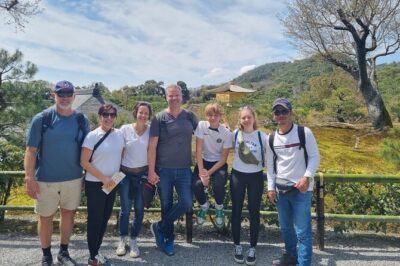
Kyoto Bamboo Forest & Golden Pavilion E-Bike Tour
Read our review →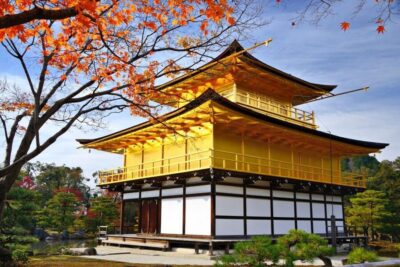
Golden Pavilion, Nijo Castle, & Nishiki Market Half day tour
Read our review →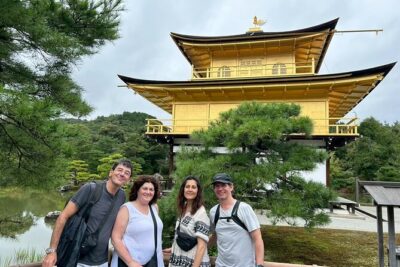
Crowd-Free Kyoto: Fushimi Inari, Nijo Castle & Kinkaku-ji
Read our review →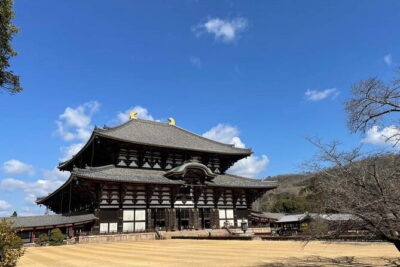
Kyoto & Nara Day Tour: Golden Pavilion, Fushimi Inari & Deer Park
Read our review →
Kinkaku-ji Temple & Serene Garden Guided Tour with Tickets
Read our review →Browse the lists this tour appears in