REVIEW · GUIDED
Kyoto 9hr Private Tour (Kobe Dep. ) with Licensed Guide
Kyoto is an easy city to love, but seeing it from Kobe in one day takes planning. This private, nine-hour tour gives you an English-speaking licensed guide, public-transport help, and the freedom to choose three or four places instead of being dragged through a fixed parade of stops.
I like two things right away: you can shape the day around your interests, and you get a local guide to handle Kyoto’s trains, subways, buses, and walking routes. Guides including Shogo, Kazuko, and Kazuo Sumi have led days that ranged from Nijo Castle and Gion to the Pokemon Center and the bullet train experience.
The main catch is cost and time. At $221.52 per person, before transport, admission, lunch, and other personal expenses, this is not a budget day out. The ride from Kobe takes about 90 minutes each way, so you need to accept a long day with limited time in Kyoto.
In This Review
- Key points to know before booking
- What this Kobe to Kyoto day really offers
- The journey from Kobe: useful, but not included
- Choosing the right three or four sights
- Kiyomizu-dera and the old streets of Higashiyama
- Fushimi Inari: free admission and a choice of walking distance
- Nijo Castle and the power of the shoguns
- Nishiki Market, Pontocho, and Kyoto at street level
- The northern temple route: Kinkakuji, Ryoanji, and Ninnaji
- Nanzenji, Eikando, Ginkakuji, and eastern gardens
- Arashiyama: beautiful, but too far for a casual add-on
- Uji, imperial villas, and the northern mountains
- What the $221.52 price buys you
- Who should book this private day?
- Should you book the Kyoto tour from Kobe?
- FAQ
- How long is the private Kyoto tour from Kobe?
- Where does the tour begin?
- Is transportation included in the tour price?
- Is the Shinkansen included?
- How many Kyoto attractions can I visit?
- Are temple and castle entrance fees included?
- Is lunch included?
- Is this a group tour?
- What is the cancellation policy?
Key points to know before booking
- Three or four sights are the real plan: The long list of Kyoto attractions is a menu, not a promise that you will visit all of them in nine hours.
- Public transportation is part of the experience: You pay your own rail and local transit fares, and a Shinkansen ride costs extra.
- Private guiding keeps the day flexible: Your group can focus on temples, gardens, historic districts, food, or a mix.
- The strongest choices are close together: Kiyomizu-dera, Gion, Nishiki Market, Pontocho, and nearby Higashiyama work well as a compact cluster.
- Admission fees add up: Many temples and castles charge separately, so budget beyond the tour price.
- This suits cruise passengers and first-time Kyoto visitors: The guide can make a one-day visit from Kobe feel organized rather than frantic.
What this Kobe to Kyoto day really offers
The tour begins with a meeting in Kobe, followed by public transportation to Kyoto. The stated travel time is about 90 minutes, and the return trip takes about the same.
That leaves roughly six hours for sightseeing within a nine-hour day, before allowing for transfers between attractions. I would treat this as a focused introduction to Kyoto, not a full city tour. The attraction list is unusually broad, but the practical plan is to select three or four stops.
That flexibility matters. Kyoto is spread out, and a day built around Kinkakuji in the north, Byodo-in in Uji, and Arashiyama in the west would spend too much time moving. A good guide should help you choose places that fit together geographically and match your pace.
The tour is private, so only your group participates. That makes it easier to pause for explanations, change priorities, or skip a place that no longer interests you. It also means the per-person price makes more sense for a family or small group than for a solo visitor.
A few more Kyoto experiences worth comparing
- Fushimi Inari Hidden Hiking Tour (Private Option Available)
★ 5.0 · 1,750 reviews - Private Kyoto Tour with a Local, Highlights & Hidden Gems, Personalised
★ 5.0 · 1,543 reviews - Kyoto 6hr Private Tour with Government-Licensed Guide
★ 5.0 · 1,369 reviews
The journey from Kobe: useful, but not included
Public transportation is both a practical necessity and one of the more interesting parts of the day. One particularly positive account described moving by tram, train, subway, and bus with short waits between connections. That kind of help is valuable when you have only one day and do not want to spend it studying station maps.
The tour price does not include transportation. Local trains are available, while a Shinkansen, or bullet train, costs more. One customer was unhappy about an added rail fare after choosing the Shinkansen, so I would settle the transport plan and expected cost with the operator before departure.
The Shinkansen can make the ride feel special, particularly if you are visiting Japan by cruise and want to add a classic rail experience. But it is not automatically the best value. Ask whether the guide recommends local trains or the Shinkansen for your meeting time and chosen sights, then budget accordingly.
You meet the guide on foot within a designated area of Kobe. Exact meeting instructions should be confirmed when you book. Since the day includes a long ride in both directions, an early start will give you more usable time in Kyoto.
Choosing the right three or four sights
The biggest decision comes before the tour begins. The menu includes famous temples, gardens, historic neighborhoods, markets, imperial sites, and northern mountain areas. You cannot sensibly see all of them in one day from Kobe.
For a first visit, I would choose one major temple, one historic district, and one food or garden stop. A practical combination might be Kiyomizu-dera, Gion, Nishiki Market, and Pontocho. These places offer a strong sense of Kyoto without forcing you to cross the whole city.
If gardens and Zen architecture are your priority, consider Kinkakuji, Ryoanji, and perhaps Ninnaji. They are all in the northwest, although entrance charges and travel time still need attention.
If you want a quieter day, Nanzenji, Eikando, and Ginkakuji create an appealing eastern Kyoto route. The Higashiyama area also gives you old streets and traditional buildings between major sights.
Families or first-time visitors may prefer Fushimi Inari, Kiyomizu-dera, and Gion. Fushimi Inari is free to enter, while Kiyomizu-dera has an admission fee. The red torii gates at Fushimi Inari are a major draw, but a full hike up the mountain would take more time than a short visit.
Kiyomizu-dera and the old streets of Higashiyama
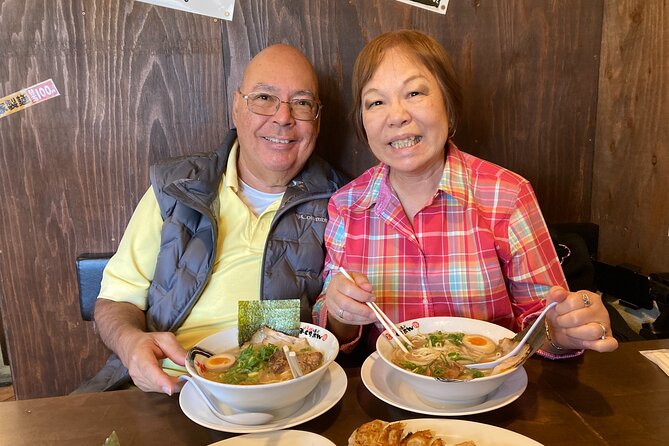
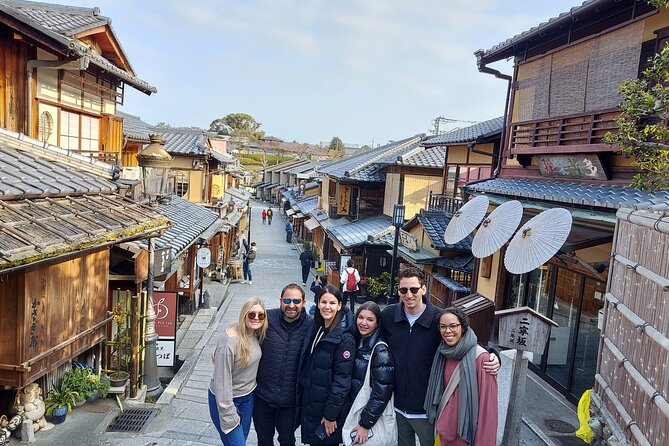
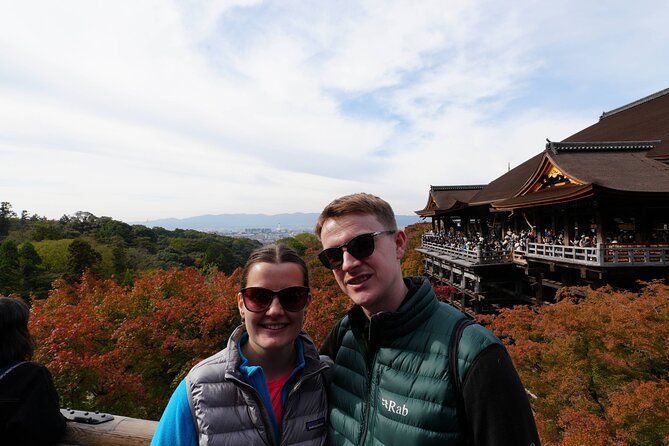
Kiyomizu-dera is one of Kyoto’s essential sights. Its temple grounds sit above the historic Higashiyama area, and a guided visit helps explain what you are seeing instead of reducing the stop to photographs from the famous wooden stage.
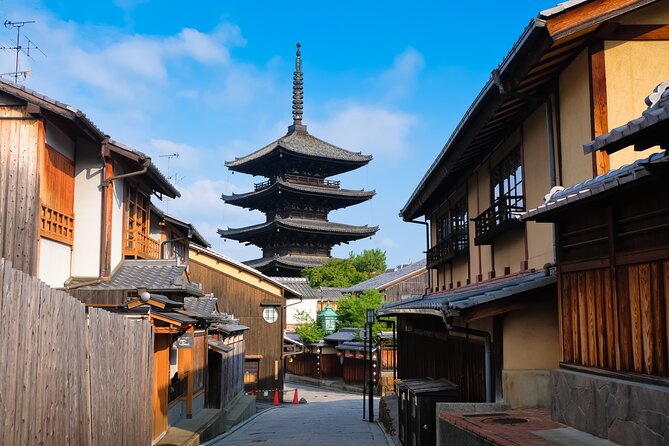
The surrounding streets are part of the appeal. Higashiyama is one of Kyoto’s best-preserved historic areas, with old-style buildings and narrow routes leading toward Gion. I would wear comfortable shoes and expect plenty of walking, slopes, and crowds around the most popular approaches.
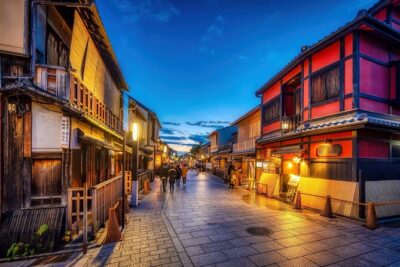
Gion is Kyoto’s celebrated geisha district, but it is also a working neighborhood. A guide can help you understand the difference between public streets, restaurants, tea houses, and places where visitors should be especially respectful. Do not treat the area as a stage set, and do not photograph people without permission.
This eastern route is one of the best uses of a private guide. You can connect a major temple with the streets around it, rather than spending the whole day traveling between isolated attractions.
A completely different side of Kyoto:
- PERFECT KYOTO 1-Day Bus Tour
★ 5.0 · 13,518 reviews - Kyoto: Fushimi Inari, Kinkakuji, Bamboo Grove 1 Day Bus Tour
★ 4.8 · 4,316 reviews - Kyoto: Tea Ceremony in a Traditional Tea House in Kiyomizu
★ 4.9 · 3,519 reviews - Kyoto Geisha Walking Tour: Gion District & Hidden Gems
★ 4.7 · 3,273 reviews
Fushimi Inari: free admission and a choice of walking distance
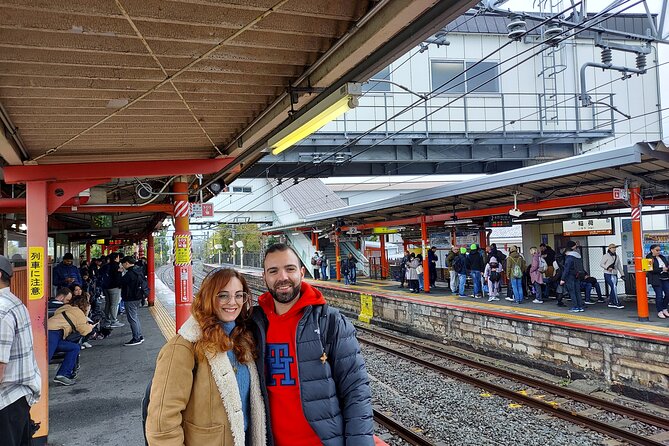
Fushimi Inari-taisha is included as one of the possible stops, with no admission fee. The shrine is famous for its long rows of vermilion torii gates, but the experience changes depending on how far you walk uphill.
You can make a short visit near the lower shrine grounds or spend much longer following the mountain path. With only six or so sightseeing hours after the Kobe to Kyoto ride, I would tell the guide how much walking you want before setting off.
The stop works well at the beginning or end of an eastern Kyoto day because it is separate from central Gion and Nishiki Market. It is less useful if your priorities are northern temples or Arashiyama.
Nijo Castle and the power of the shoguns
Nijo Castle offers a different view of Japan from the temples and shrines. Built in 1603 as Tokugawa Ieyasu’s Kyoto residence, it brings the political world of the Edo period into the day.
The castle is especially useful for visitors who want context about shoguns, court life, and the relationship between military rulers and the imperial capital. One guide-led day began here and included explanations of the shogun system and funeral customs, showing how a good guide can connect architecture with Japanese society.
Admission is not included. Nijo Castle also takes time to explore properly, so I would pair it with central Kyoto stops such as Gion, Nishiki Market, or Pontocho rather than with far-flung temples.
Nishiki Market, Pontocho, and Kyoto at street level
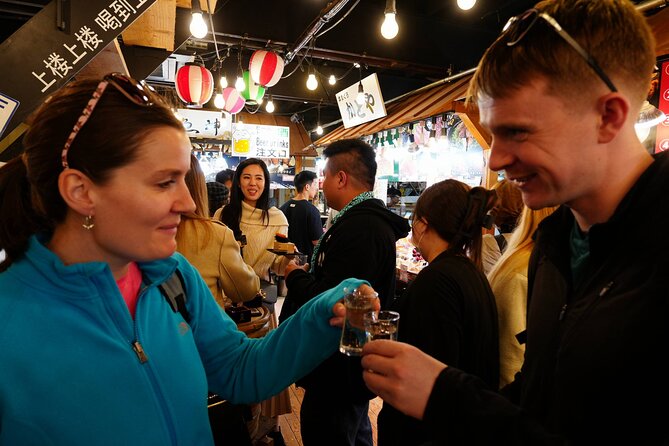
Nishiki Market is a narrow, five-block shopping street known as Kyoto’s Kitchen. More than 100 shops and restaurants sell food and local specialties, making this a useful break from temple viewing.
You should think of Nishiki as a place to browse and sample, not a formal sit-down meal included in the tour. Lunch is your responsibility, and the market can become crowded. Ask the guide what fits your group’s tastes and schedule.
Nearby Pontocho is a narrow dining alley running between Shijo-dori and Sanjo-dori, close to the Kamogawa River. It is atmospheric and especially interesting as part of an evening food outing, though your daytime tour may only allow a walk through the area.
These stops add balance. After several hours of religious buildings and gardens, food shops, restaurants, and ordinary city streets show you how Kyoto functions today.
The northern temple route: Kinkakuji, Ryoanji, and Ninnaji
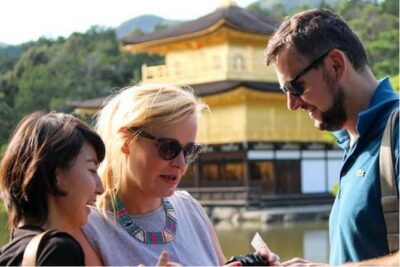
Kinkakuji, the Golden Pavilion, is one of Kyoto’s most recognizable sights. Its upper floors are covered in gold leaf, and the building is viewed across a pond within the temple grounds.
The attraction is visually powerful but rarely quiet. Since admission is extra and the visit is highly popular, I would choose it because you truly want to see the famous pavilion, not because it is automatically the best temple in Kyoto.
Ryoanji offers a slower contrast. Its rock garden is Japan’s best-known Zen garden, designed for quiet viewing rather than constant movement. The question is not simply what the rocks represent, but how long you want to sit with the arrangement and notice its effect.
Ninnaji is a World Heritage temple and the head temple of the Omuro School of Shingon Buddhism. It gives you another large temple complex and can work well with Kinkakuji and Ryoanji, though fitting all three into a Kobe day requires efficient routing.
Nanzenji, Eikando, Ginkakuji, and eastern gardens
Nanzenji has broad grounds at the foot of Kyoto’s eastern mountains and is one of the city’s major Zen temples. Its old brick aqueduct, known as Nanzenji Suirokaku, adds an unusual engineering detail to the temple setting.
Nearby Eikando is known for autumn color and seasonal evening illumination. Ginkakuji, the Silver Pavilion, began as Ashikaga Yoshimasa’s retirement villa in 1482 and was later developed as a Zen temple.
This group is a strong choice for garden lovers and visitors who prefer a connected eastern route. The drawback is that each site has its own entrance fee, and you may feel rushed if you try to include all three plus Gion or Kiyomizu-dera.
Sanjusangendo offers a different visual experience, with 1,001 statues of Kannon, the goddess of mercy. Kennin-ji, close to the Gion area, has pleasant grounds and two dry gardens. Either could replace a larger, more crowded temple if your group wants a calmer stop.
Arashiyama: beautiful, but too far for a casual add-on
Arashiyama is represented by a long group of possible stops: Tenryu-ji, Togetsukyo Bridge, the bamboo groves, Okochi Sanso Garden, Jojakkoji, Nisonin, Gio-ji, Adashino Nenbutsuji, and Otagi Nenbutsuji.
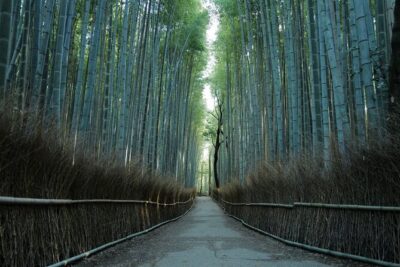
Tenryu-ji is the area’s major temple and a World Heritage site. Togetsukyo Bridge is Arashiyama’s best-known landmark, while the bamboo paths offer the familiar Kyoto walk through tall green stalks.
Okochi Sanso is a former villa with gardens and buildings at the back of the bamboo groves. Jojakkoji and Nisonin are hillside temples with maple trees and moss. Gio-ji is smaller and known for its moss garden and thatched buildings.
Farther north, Adashino Nenbutsuji is associated with stone figures placed for the souls of the dead. Otagi Nenbutsuji has 1,200 distinctive stone statues, each with a different expression.
I would choose Arashiyama only if it is your main goal for the day. Trying to add it to Fushimi Inari, Gion, and Kinkakuji would create a lot of transit and very little time at each place.
Uji, imperial villas, and the northern mountains
Byodoin Temple in Uji is known for its Phoenix Hall, a National Treasure and World Heritage site. The extra travel time matters because Uji lies outside central Kyoto, so it is best treated as the day’s central focus rather than a quick stop.
Katsura Imperial Villa is valued for Japanese architecture and garden design. Shugakuin Imperial Villa includes upper, middle, and lower villa areas and is managed by the Imperial Household Agency. These sites can be rewarding for visitors interested in gardens and court culture, but admission and access details are not included in the tour price.
The northern options, Kibune River, Kurama-dera, and the forested valleys around them, offer a very different side of Kyoto. Kurama is less than an hour from the city center, and its temple and hot spring are among the area’s rural attractions.
These northern and western choices are not sensible additions to a central Kyoto day. Tell the guide if you want nature and mountain temples, then build the whole day around that choice.
What the $221.52 price buys you
The $221.52 per-person price covers a private English-speaking licensed local guide and the custom planning of three or four selected sites. It does not cover transportation, entrance fees, lunch, or personal expenses, and there is no private vehicle.
The value depends heavily on group size and your comfort with Japanese public transportation. For a family, cruise group, or small party, dividing the guide cost can make the service reasonable. For one person, the price is harder to justify unless you place a high value on a private day and expert navigation.
The guide’s role is not just to point out buildings. The best use of the service is to connect places efficiently, explain customs and history in plain language, and adjust the day to your interests. The positive experiences associated with guides Shogo, Kazuko, and Kazuo Sumi included smooth navigation, local Kyoto knowledge, and a pace that worked for families.
Still, you should calculate the full cost before booking. Add return rail fares, local transport, entrance fees for your chosen sights, and lunch. A Shinkansen recommendation can raise the total further.
Who should book this private day?
I would recommend this tour to cruise passengers arriving in Kobe, families who want a private guide, and first-time visitors who feel uneasy about Kyoto’s transit system. It also suits anyone who wants to choose temples and neighborhoods based on personal interests.
It is less suitable for a strict budget, a traveler who wants a slow day at one temple, or anyone expecting to visit the entire attraction menu. You should also reconsider it if your priority is Arashiyama, Uji, or the northern mountains, since the long ride from Kobe leaves less time for distant sites.
The tour is private, and most people can participate. Service animals are allowed, and the meeting area is near public transportation. Free cancellation is available up to 24 hours before the start time, but changes or cancellations inside that window are not accepted.
Should you book the Kyoto tour from Kobe?
Book it if you want a custom private day and are willing to pay extra for guidance, public-transport help, and efficient choices. The strongest version of the tour is a focused eastern or central Kyoto route, such as Kiyomizu-dera, Gion, Nishiki Market, and one additional stop.
Before paying, ask which guide is assigned, which three or four sights fit your interests, whether the route uses local trains or the Shinkansen, and what the expected transport and admission costs will be. If those details are clear, this can turn a difficult Kobe to Kyoto day into a well-organized introduction to the old capital.
FAQ
How long is the private Kyoto tour from Kobe?
The experience lasts about nine hours, including approximately 90 minutes of public transportation from Kobe to Kyoto and another 90 minutes returning to Kobe.
Where does the tour begin?
You meet the licensed guide on foot within a designated area of Kobe. The exact meeting details are provided with the booking information.
Is transportation included in the tour price?
No. Transportation fees are not included. You pay for the public transportation between Kobe and Kyoto and for local transportation used during the day.
Is the Shinkansen included?
No. The Shinkansen is not included in the tour price. Local train options are available, and you should confirm the planned route and extra fare before the tour.
How many Kyoto attractions can I visit?
The tour includes a customizable walking experience focused on three or four sites from the available choices. The full selection of listed attractions is not intended to be visited in one day.
Are temple and castle entrance fees included?
Entrance fees are not generally included. Guide entry fees are covered only for sights specified under the tour’s included expectations, so confirm the admission cost for each place you select.
Is lunch included?
No. Lunch and other personal expenses are separate.
Is this a group tour?
No. This is a private activity, and only your group participates. Multiple tour groups cannot be combined.
What is the cancellation policy?
You can cancel at least 24 hours before the local start time for a full refund. Cancellations or changes made less than 24 hours before the start time are not accepted for a refund.
Recently added around Kyoto
- Higashiyama | Kyoto: Sakura Season Private Rickshaw Tour★ 5.0 · 3 reviews
- Kyoto Kimono Rental CHAMATSU|Kimono/Yukata Rental FamilyPlan★ 5.0 · 3 reviews
- Kyoto: Half-Day Private Guided Tour to the Old Town of Gion★ 4.4 · 3 reviews
- Nara Private Customizable Half Day Tour★ 5.0 · 3 reviews
- Kansai Region Hiking Adventure in Nara Kobe Kyoto and More★ 5.0 · 3 reviews
- Full Day Nara Deer, Temple, Shrine, Activities & Tea Ceremony★ 5.0 · 3 reviews
- Nara: Essential Private Tour with Deer Park and Temples★ 5.0 · 3 reviews
- Hiking Tour for Sacred Sites in Kyoto with a Guide★ 5.0 · 3 reviews
Guided, compared.
Kyoto Early Morning Tour with English-Speaking Guide
Read our review →
Kyoto 6hr Private Tour with Government-Licensed Guide
Read our review →Early Morning Tour with English-Speaking Guide
Read our review →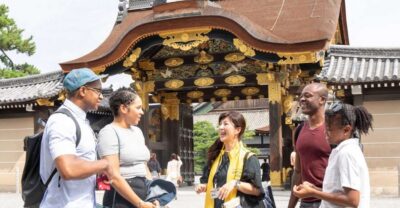
Nijo-jo Castle and Ninomaru Palace Guided Tour
Read our review →
Kyoto Gion Night Walk & Geisha District Guided Tour
Read our review →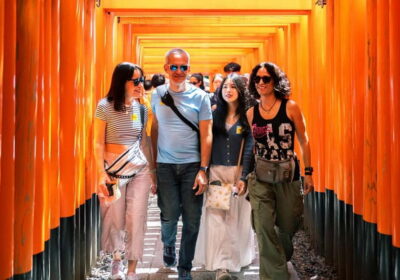
From Kyoto/Osaka: Kyoto Top Highlights 1-Day Guided Bus Tour
Read our review →