REVIEW · GUIDED
Kyoto 8hr Private Tour with Government-Licensed Guide
Kyoto gives you an unusual choice: chase a long list of famous temples, or slow down and understand a smaller group of places. This eight-hour private tour favors the second approach. You choose four to six sights from a broad menu, then your licensed English-speaking guide helps shape the route around your interests.
I like the personal planning and the chance to work with guides such as Kaeko, Ichiro, Shu, or Karkoo Tanigawa. I also like the practical help with Kyoto’s historic districts, where a guide can make sense of temple customs, shrine rituals, and old lanes that can otherwise blur together. The main catch is that transport, entrance fees, lunch, and personal costs are extra, so the $201.46 per-person price is only part of your daily budget.
In This Review
- Key points to know before booking
- Why a private Kyoto day can work so well
- Fushimi Inari and Kiyomizu-dera: two very different starts
- Gion, Higashiyama, and Pontocho after the temples
- Castles, palaces, and the story of power
- The eastern temple route: Ginkakuji, Nanzenji, and Eikando
- Northern Kyoto: golden buildings, rock gardens, and broad temple grounds
- Arashiyama: bamboo, bridges, and quieter side temples
- Southern Kyoto and the northern mountains
- What the $201.46 price really buys you
- How to prepare for eight hours on foot
- Who should book this private Kyoto tour?
- Should you book it?
- FAQ
- How long does the Kyoto private tour last?
- How many sights can I choose?
- Is the tour private?
- Is transportation included?
- Is pickup available?
- Are entrance fees included?
- Is lunch included?
- Is the guide English-speaking?
- Can I request my own Kyoto sights?
- What is the cancellation policy?
Key points to know before booking
- Four to six chosen sights: You select the places that matter most, rather than trying to see every famous site in one day.
- Licensed English-speaking guide: Your guide can build the day around architecture, history, food, gardens, or traditional Kyoto.
- Walking and public transport: Pickup and drop-off are on foot, and there is no private vehicle included.
- A very broad menu: Choices range from Fushimi Inari and Kiyomizu-dera to Arashiyama, Ginkakuji, Gion, and quieter northern temples.
- Tickets are separate: Several major sights charge admission, and transportation costs are not included.
- Strong personal service: The tour is private, and the full group stays together with the same guide.
Why a private Kyoto day can work so well
Kyoto is easy to admire and surprisingly easy to misjudge. A map makes Fushimi Inari, Kiyomizu-dera, Arashiyama, and Kinkakuji look like simple dots. On the ground, each involves walking, crowds, transit connections, and very different parts of the city.
This tour gives you a local point of contact before the day begins. After booking, a guide contacts you to discuss your interests and build a plan. You can request four to six places, or ask for suggestions based on your preferred mix of temples, shrines, food, old architecture, gardens, or neighborhood walks.
That flexibility matters most if you have already seen Kyoto’s headline sights. You can skip places that do not interest you and give more attention to a district such as Gion or Higashiyama. If this is your first visit, you can ask for a sensible first-day route instead of trying to design one from a long list.
The tour lasts about eight hours, which is enough for a full day but not enough to visit all 34 possible stops. The long menu is a choice board, not a promise to see everything. Be realistic when you select your sights, especially if you want time inside temples, a proper meal, shopping, or photographs.
A few more Kyoto experiences worth comparing
- Fushimi Inari Hidden Hiking Tour (Private Option Available)
★ 5.0 · 1,750 reviews - Private Kyoto Tour with a Local, Highlights & Hidden Gems, Personalised
★ 5.0 · 1,543 reviews - Kyoto 6hr Private Tour with Government-Licensed Guide
★ 5.0 · 1,369 reviews
Fushimi Inari and Kiyomizu-dera: two very different starts
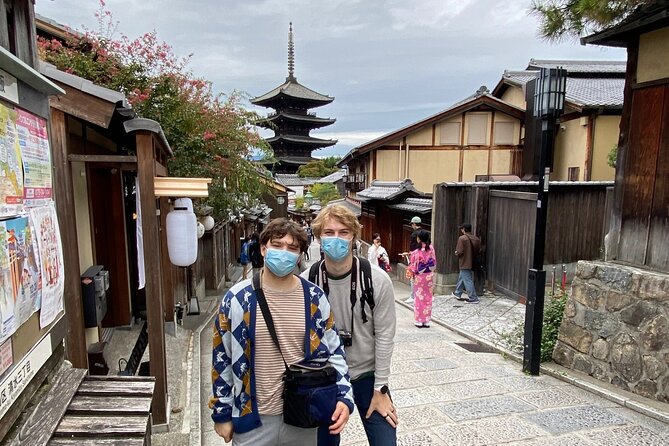
Fushimi Inari-taisha is one of Kyoto’s most recognizable sights, known for its long corridors of red torii gates climbing the wooded mountain. Even a short visit gives you the feel of the shrine, but a longer walk takes more energy and time. Ask your guide how far you should go for your chosen pace.
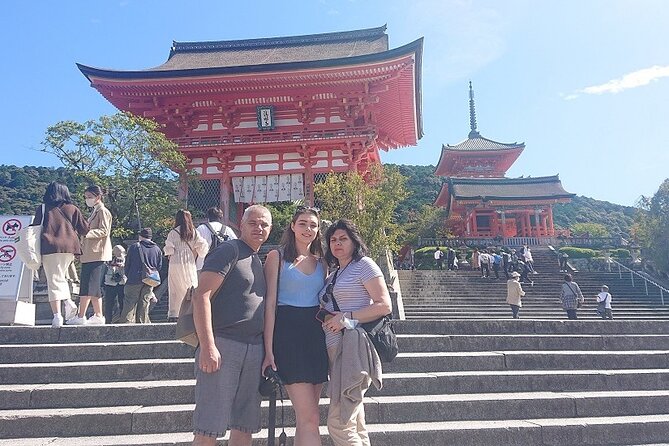
Kiyomizu-dera offers a different experience. Its famous wooden stage looks across the eastern hills, and the approach leads through the historic lanes of Higashiyama. A guide can explain the religious setting and help you connect the temple with nearby Sannenzaka, Ninenzaka, and Gion, though only selected sites can fit into the day.
The supplied schedule lists only short time blocks for many stops, while the overview describes a personalized tour of four to six places. Treat the listed minutes as planning figures rather than a suggested way to rush through Kyoto. If Kiyomizu-dera is a priority, allow enough time for the grounds, approach streets, and any lines.
Admission is not included at Kiyomizu-dera. The same applies to many of the major temples and castles, so keep cash or a payment method ready for entry fees.
Gion, Higashiyama, and Pontocho after the temples
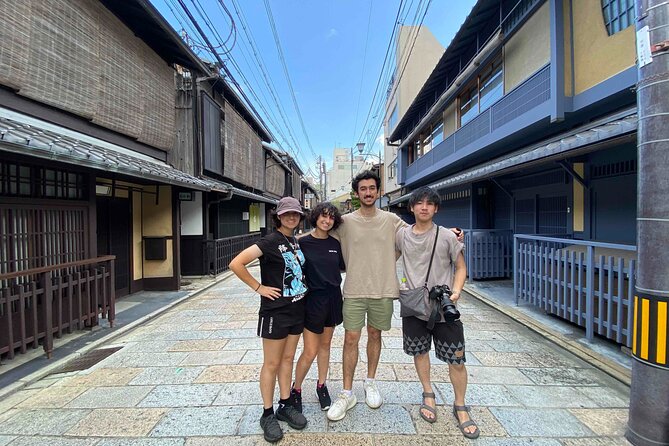
Gion is best handled on foot. Its narrow lanes, wooden facades, tea houses, and traditional atmosphere reward a slow pace, but the district can be confusing for a first visit. Your guide can help you understand the area without turning the walk into a simple photo stop.
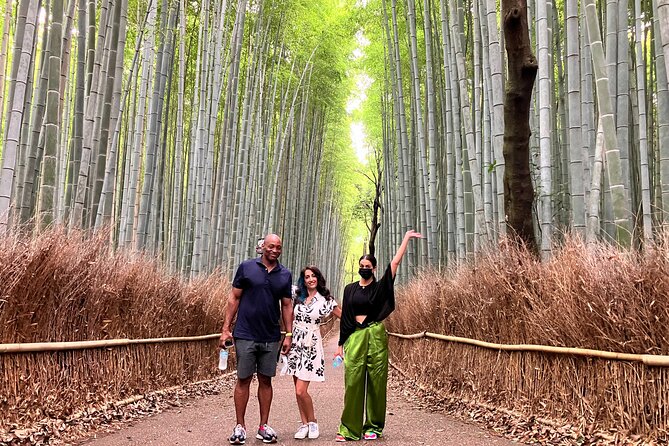
Higashiyama gives you more of old Kyoto, particularly around the streets leading toward Kiyomizu-dera. This is a good choice if you care about traditional buildings, small shops, and the feel of a preserved neighborhood. It is also a place where crowds and steep or uneven walking can affect your pace.
Pontocho is a narrow dining lane beside the Kamogawa River. It is especially atmospheric later in the day, when restaurants begin to open. The tour can include it as a neighborhood stop, but it is not a substitute for a full evening meal, which is not included.
Nishiki Market, known as Kyoto’s Kitchen, runs along a narrow five-block shopping street lined with more than 100 shops and restaurants. Choose it if food and local shopping are high on your list. It can be tight and busy, and the short scheduled stop may be enough for a look and a few tastes, not a leisurely meal.
Castles, palaces, and the story of power
Nijo Castle adds a change of subject after a day of Buddhist temples and Shinto shrines. Built in 1603 as the Kyoto residence of Tokugawa Ieyasu, it connects the city with the beginning of the Edo Period. The grounds and buildings help explain how shogunal authority worked beside the Imperial court.
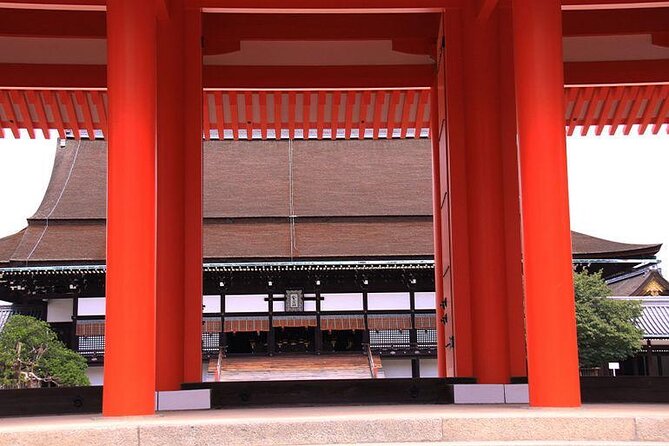
Kyoto Imperial Palace tells a different political story. It was the Imperial Family’s residence until 1868, when the emperor and capital moved to Tokyo. The spacious grounds offer a quieter break from the tight lanes of central Kyoto.
Shugakuin Imperial Villa and Katsura Imperial Villa are particularly appealing to readers interested in garden design and court culture. Both require more careful planning than an ordinary temple visit, and the tour data does not promise special access or included admission. Ask your guide about timing and entry arrangements before choosing either one.
These sites make the private format useful. You can build a day around Japanese government, court life, and architecture rather than simply collecting famous temple names.
A completely different side of Kyoto:
- PERFECT KYOTO 1-Day Bus Tour
★ 5.0 · 13,518 reviews - Kyoto: Fushimi Inari, Kinkakuji, Bamboo Grove 1 Day Bus Tour
★ 4.8 · 4,316 reviews - Kyoto: Tea Ceremony in a Traditional Tea House in Kiyomizu
★ 4.9 · 3,519 reviews - Kyoto Geisha Walking Tour: Gion District & Hidden Gems
★ 4.7 · 3,273 reviews
The eastern temple route: Ginkakuji, Nanzenji, and Eikando
Ginkakuji, the Silver Pavilion, began as a retirement villa for shogun Ashikaga Yoshimasa in 1482. Despite its familiar name, it is not covered in silver. Its appeal lies in the restrained temple buildings and carefully arranged gardens.
Nanzenji has broad grounds at the foot of the eastern mountains and is one of Kyoto’s major Zen temples. Its brick aqueduct, called Nanzenji Suirokaku, adds an unusual European-looking note to the temple setting. This is a good pick if you want room to walk and a mix of religious buildings, trees, and older infrastructure.
Nearby Eikando, formally Zenrinji, is especially known for autumn color and evening illumination. The possible 30-minute stop gives it more time than many of the ten-minute entries, but you still need to confirm how it fits with your other choices.
Sanjusangendo offers one of Kyoto’s most memorable interiors, with 1,001 statues of Kannon, the Buddhist figure associated with mercy. It is a stronger choice for anyone who wants a dramatic indoor visit rather than another garden or exterior view.
Kennin-ji sits close to Hanamikoji and Shijo streets, yet its grounds provide a calmer temple setting. The listing gives only one minute for this stop, so you should ask the guide to clarify the planned time. It makes sense as part of a Gion walk, not as a standalone visit.
Northern Kyoto: golden buildings, rock gardens, and broad temple grounds
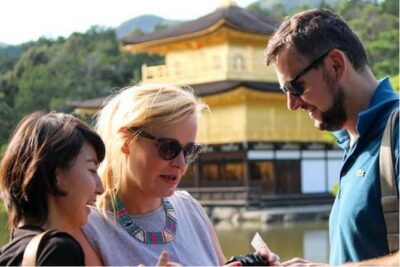
Kinkakuji, the Golden Pavilion, is one of Kyoto’s biggest visual payoffs. The top two floors are covered in gold leaf, and the pavilion reflects in the pond. It is famous for good reason, but it is also a place where a short stop can feel rushed because the main view draws a crowd.
Ryoanji contains Japan’s best-known rock garden. The composition is spare, and the experience depends on sitting quietly rather than ticking off details. If you like gardens, this may deserve more time than the schedule’s short planning block suggests.
Ninna-ji is a World Heritage temple and the head temple of the Omuro School of the Shingon Buddhist sect. Its broad grounds and historical importance make it a useful partner for Kinkakuji or Ryoanji, though putting all three together may leave little time elsewhere.
Daitoku-ji and Myoshin-ji are large temple complexes rather than single postcard sights. Daitoku-ji includes nearly two dozen subtemples, while Myoshin-ji has about 50 subtemples in addition to its main buildings. They suit repeat visitors and people who prefer a slower look at Zen institutions over a checklist of famous views.
Arashiyama: bamboo, bridges, and quieter side temples
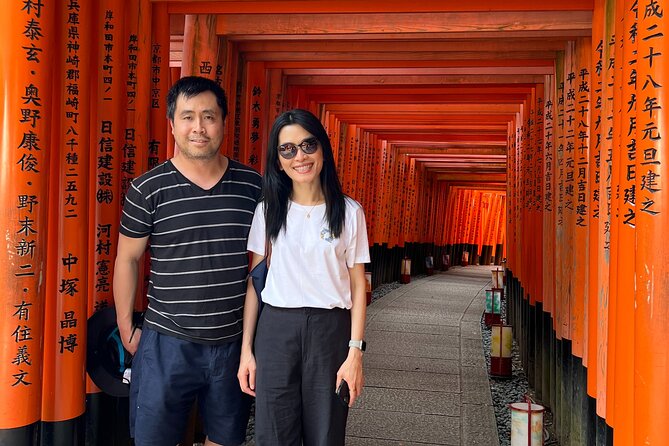
Arashiyama is a natural choice for a full day, but fitting it into a central Kyoto route can be demanding. The district lies on the western edge of the city and includes far more than its famous bamboo grove.
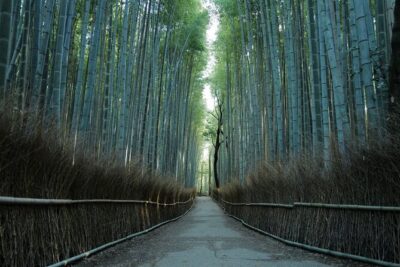
The Togetsukyo Bridge is Arashiyama’s signature landmark, with a history reaching back to the Heian Period. The bamboo paths offer an attractive walk, though the short listed time for the general stop cannot cover every part of the district.
Tenryu-ji is the area’s leading temple and a World Heritage site. Its garden and temple buildings make it a better choice than a quick bamboo-only visit if you want history and design together.
Okochi Sanso Garden occupies the former villa of actor Okochi Denjiro. It includes several gardens and buildings behind the bamboo grove and offers a more finished, garden-focused visit. Admission is extra.
Jojakkoji, Nisonin, Gio-ji, Adashino Nenbutsuji, and Otagi Nenbutsu-ji let you move beyond the busiest part of Arashiyama. Gio-ji is known for its moss garden and thatched structures. Adashino Nenbutsuji has stone figures placed for the souls of the dead, while Otagi Nenbutsu-ji is known for 1,200 individually carved rakan statues.
These places reward a longer walk. If you choose Arashiyama, ask your guide to build the day around a small cluster rather than adding a distant central Kyoto stop.
Southern Kyoto and the northern mountains
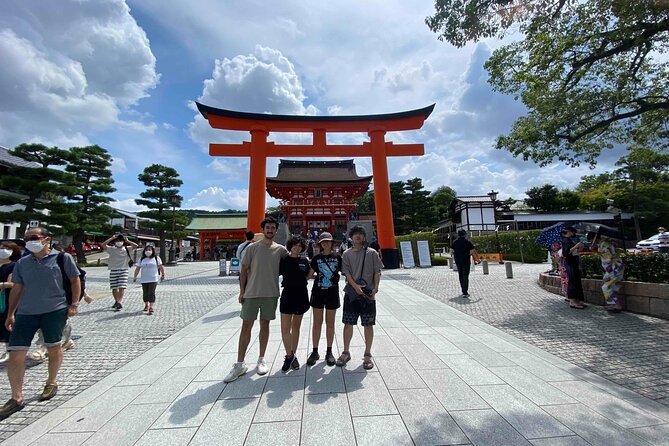
Tofuku-ji is a large Zen temple in southeastern Kyoto, especially famous for autumn color. It pairs naturally with Fushimi Inari because both are in the southern part of the city, though your guide will need to judge the walking and transit time.
To-ji, or East Temple, dates from the early Heian Period, soon after the capital moved to Kyoto. It provides another window into the city’s early religious and political development.
Kibune River, Kurama-dera, and the northern mountain area offer a cooler, more rural side of Kyoto. Kibune developed around Kifune Shrine, while Kurama is known for Kurama-dera and its hot spring. These stops are less suited to a rapid central-city tour because they take time to reach.
Yoshimine-dera sits in Kyoto’s western mountains and is built along the slopes, much like Kiyomizu-dera on the opposite side of town. Choose it for mountain views and a temple setting away from central Kyoto. The approach and hillside layout make comfortable shoes especially important.
What the $201.46 price really buys you
At $201.46 per person, this is not a budget walking tour. The value comes from private planning and guide time, not bundled admissions or transport. If you are traveling with several adults, group discounts may improve the cost, but no exact discount is supplied, so check the final price for your group.
You still pay for transportation, temple and castle admissions, lunch, and personal purchases. There is no private vehicle. Pickup and drop-off are on foot within a designated area of Kyoto, so you should not expect hotel-to-hotel driving.
The price makes the most sense when you want help choosing among Kyoto’s many districts, or when your group has different interests. A family group can combine one major temple with food and neighborhood walks. A history-minded group can focus on Nijo Castle, the Imperial Palace, and older temples. A repeat visitor can avoid the most familiar route.
The value is weaker if you want a fixed bus tour with all tickets included, or if you prefer to explore alone using trains and buses. This experience asks you to pay separately, but it also gives you control over the day.
How to prepare for eight hours on foot
Have local currency and transportation cards ready. One party specifically began more easily because they had both before meeting the guide. That is useful advice, since fares and small purchases are not covered.
Wear shoes you can walk in for a full day. Kyoto’s historic districts include narrow lanes, temple approaches, steps, and hillside paths. Carry water and leave some room in your schedule for a meal, since lunch is your responsibility.
Contact the guide promptly after booking and state your priorities clearly. Name the one or two sights you most want to see, then add secondary choices. Tell the guide if you care more about gardens, religious art, food, architecture, shopping, or traditional neighborhoods.
The tour is private, and only your group participates. Most people can take part, and service animals are allowed. You should still discuss any walking concerns before settling on hillside temples or long Arashiyama routes.
Who should book this private Kyoto tour?
I would consider it for a first Kyoto visit when you want context and do not want to spend your day solving transit puzzles. It is also a good fit for families, groups of friends, and anyone who wants a private guide rather than a large group.
The tour suits people who like choices. You can request a classic day with Fushimi Inari, Kiyomizu-dera, Gion, and Nishiki Market, or build a quieter route around gardens and smaller temple complexes.
I would be cautious if your dream is to see ten or more sights in one day. The experience is designed for four to six places, and Kyoto rewards time rather than speed. I would also compare the final cost carefully if you are traveling alone and plan to pay many separate admission fees.
Free cancellation is available up to 24 hours before the start time. Changes made inside that window are not accepted, so settle your preferred sights early.
Should you book it?
Book this tour if you want a private, adjustable day with a licensed English-speaking guide and the freedom to choose your Kyoto priorities. The strongest features are the personal route planning, the small private setting, and the ability to connect major sights with districts such as Gion, Higashiyama, or Arashiyama.
Skip it if you want an all-inclusive price, private transportation, or a fast tour of every famous temple. For the right group, the fee buys something useful: fewer wrong turns, better context, and a Kyoto day shaped around what you actually care about.
FAQ
How long does the Kyoto private tour last?
The tour lasts approximately eight hours.
How many sights can I choose?
The tour includes a customizable selection of four to six sites from the supplied choices.
Is the tour private?
Yes. Only your group participates, and separate tour groups cannot be combined.
Is transportation included?
No. Transportation fees are not included, and the tour does not provide a private vehicle.
Is pickup available?
Pickup and drop-off are offered on foot within a designated area of Kyoto.
Are entrance fees included?
No. Entrance fees are generally separate. The guide’s entry fees are covered only for sights specified under the tour’s included expectations.
Is lunch included?
No. Lunch and other personal expenses are not included.
Is the guide English-speaking?
Yes. The experience includes a licensed local English-speaking guide.
Can I request my own Kyoto sights?
Yes. After booking, you can choose four to six places, or ask the guide to suggest a route based on your interests.
What is the cancellation policy?
You can cancel at least 24 hours before the local start time for a full refund. Cancellations and changes made less than 24 hours before the start time are not accepted for a refund.
Recently added around Kyoto
- Higashiyama | Kyoto: Sakura Season Private Rickshaw Tour★ 5.0 · 3 reviews
- Kyoto Kimono Rental CHAMATSU|Kimono/Yukata Rental FamilyPlan★ 5.0 · 3 reviews
- Nara Private Customizable Half Day Tour★ 5.0 · 3 reviews
- Kyoto: Half-Day Private Guided Tour to the Old Town of Gion★ 4.4 · 3 reviews
- Kansai Region Hiking Adventure in Nara Kobe Kyoto and More★ 5.0 · 3 reviews
- Full Day Nara Deer, Temple, Shrine, Activities & Tea Ceremony★ 5.0 · 3 reviews
- Nara: Essential Private Tour with Deer Park and Temples★ 5.0 · 3 reviews
- Hiking Tour for Sacred Sites in Kyoto with a Guide★ 5.0 · 3 reviews
Guided, compared.
Kyoto Early Morning Tour with English-Speaking Guide
Read our review →
Kyoto 6hr Private Tour with Government-Licensed Guide
Read our review →Early Morning Tour with English-Speaking Guide
Read our review →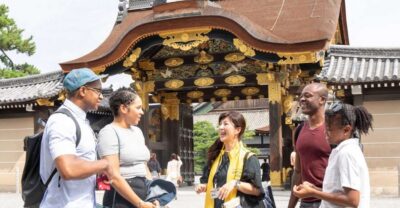
Nijo-jo Castle and Ninomaru Palace Guided Tour
Read our review →
Kyoto Gion Night Walk & Geisha District Guided Tour
Read our review →
From Kyoto/Osaka: Kyoto Top Highlights 1-Day Guided Bus Tour
Read our review →