
REVIEW · GION GEISHA DISTRICT TOURS
Guided Gion Tour: Explore Kyoto’s Historic Geisha District
Gion is best understood on foot, one quiet lane at a time. This private two-hour tour takes you through Kyoto’s famous geisha district, past wooden machiya houses, shrines, temple gates, and the streets where a maiko might hurry to an appointment. The guide can explain customs that are easy to miss when you walk alone.
I like the private format, which gives your group up to eight people room to ask questions and adjust the conversation to your interests. I also like the flexible timing: an early start means cooler, quieter streets, while an evening outing shows Gion under its streetlights. The main drawback is that a geisha or maiko sighting is only a possibility, not a promise, and the two-hour route can feel brisk in very hot weather.
In This Review
- Key points to know before you book
- Starting in Gion, where Kyoto’s old streets still set the tone
- The Izumo no Okuni Statue and the story behind kabuki
- Chion-in Temple Gate gives the walk some scale
- Yasaka Shrine connects Gion to everyday Kyoto
- Maruyama Park offers a needed pause
- Hanamikoji Street is the visual heart of the route
- What the private guide adds to a familiar route
- Choosing morning, afternoon, or evening
- Is $350 a fair price for up to eight people?
- Who will enjoy this Gion walk most?
- Practical details that affect the day
- Should you book this private Gion tour?
- FAQ
- How long is the Guided Gion Tour?
- How many people can join the private tour?
- Does the tour include a guaranteed meeting with a geisha or maiko?
- What places are visited?
- Can I choose the time of day?
- Is pickup available?
- Are admission tickets included?
- What happens if the weather is poor?
- What is the cancellation policy?
Key points to know before you book
- Private tour for up to eight people: Your group does not share the guide with strangers, and you can ask questions throughout the walk.
- Possible maiko or geisha sightings: The route includes places where you have a reasonable chance of seeing one, but the tour does not include a scheduled meeting.
- Six compact stops: Gion, the Izumo no Okuni Statue, Chion-in Temple Gate, Yasaka Shrine, Maruyama Park, and Hanamikoji Street make up the core route.
- Morning or evening works well: Early hours offer fewer crowds, while nighttime brings a different mood as the lights come on.
- A guide adds local context: Ahmed and Mat are named guides associated with positive experiences, especially for explanations of customs and details you might otherwise miss.
- Weather and pace matter: The experience requires good weather, and one family found the walking pace difficult on an extremely hot day.
Starting in Gion, where Kyoto’s old streets still set the tone
Gion is not a museum district. It is a working part of Kyoto with restaurants, tea houses, shrines, and narrow streets where daily life continues behind traditional facades. That is part of its appeal, but it also means you need to walk respectfully and avoid treating every person in kimono as a photo opportunity.
The tour begins in the Gion area, with time to look at its preserved architecture and learn how the district developed around entertainment and tea houses. Your guide can point out details in the old buildings and explain local customs in a way that gives the scenery some meaning.
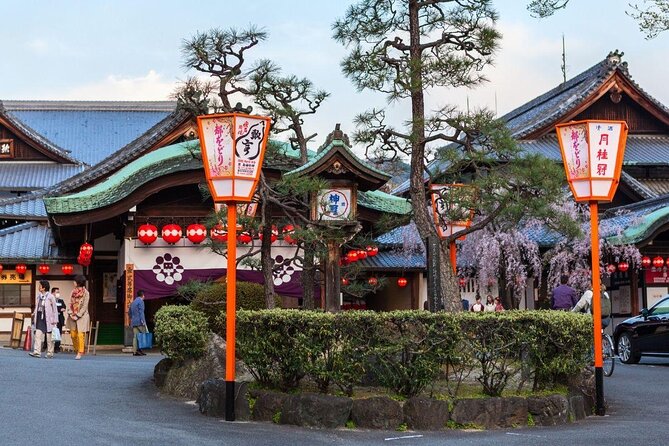
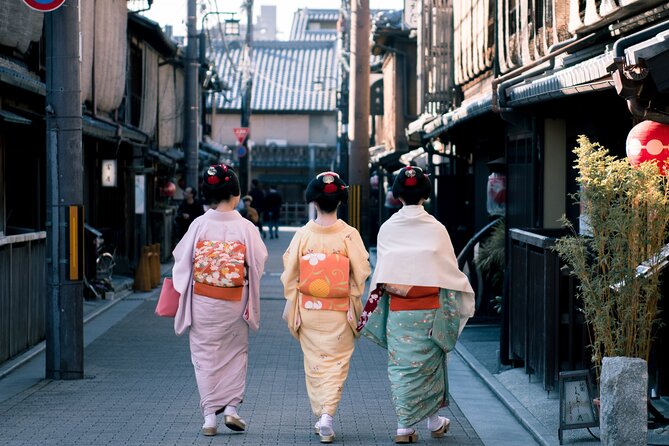
Hanami Street is one place where you might see a geisha or maiko moving between appointments. The wording matters: this is a sighting opportunity, not a performance or arranged encounter. You should not book this walk expecting private time with a geisha, and the tour provider makes clear that such a meeting is difficult to arrange.
That honest limitation is important. If you are hoping for a guaranteed cultural performance, this is not the right product. If you want to walk through Gion with a better sense of what you are seeing, the possibility of a passing sighting is a pleasant extra.
More evenings in Gion:
- Kyoto Geisha Walking Tour: Gion District & Hidden Gems
★ 4.7 · 3,273 reviews - Kyoto: Gion Magical Night Walking Tour with Geisha Trivia
★ 4.9 · 2,393 reviews - Kyoto: Gion Geisha District Walking Tour – Stories of Geisha
★ 4.7 · 2,187 reviews
The Izumo no Okuni Statue and the story behind kabuki
The stop at the Izumo no Okuni Statue lasts about 15 minutes. It honors Izumo no Okuni, the pioneering figure associated with the founding of kabuki theater.
This is a useful pause because Gion is often reduced to one subject: geisha culture. The statue adds another part of Kyoto’s performing-arts story. Your guide can connect the figure to the wider cultural life of the area and explain why this small landmark matters.
Do not expect a major monument or a long sightseeing stop. The statue is a brief point of interest within a walking route, so its value comes from the explanation around it. Without that context, you could easily pass by without knowing why it is there.
Chion-in Temple Gate gives the walk some scale
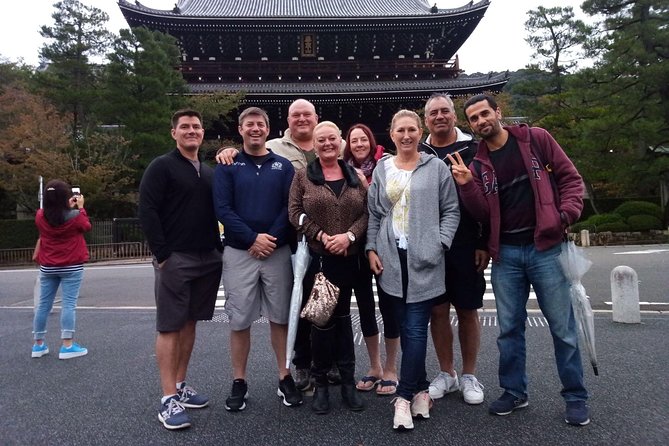
The Chion-in Temple Gate is another short stop, listed at about 15 minutes. Its large wooden structure and carved details provide a sharp contrast with the small lanes and compact buildings of Gion.
I like this part of the route because it changes the rhythm. After walking through streets associated with tea houses and traditional homes, you meet a grand religious entrance that feels broad and monumental. The gate also makes a good photo stop, although the visit is focused on the entrance rather than an extended temple tour.
The experience includes guiding and management, not a separate admission package. The listed stops do not require an admission ticket, so you are mainly paying for the private walking experience and the guide’s explanations.
Yasaka Shrine connects Gion to everyday Kyoto
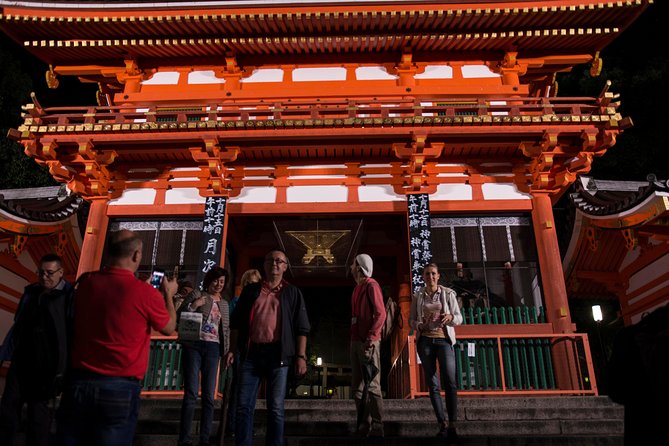
Yasaka Shrine is only about 10 minutes from the schedule, but it is one of the most recognizable places on the route. Its lantern-lit paths, Shinto setting, and connection to Kyoto festivals make it a natural stop while exploring Gion.
This is a good place to ask your guide questions about shrine etiquette and local customs. The tour is designed for questions, and the strongest part of the experience appears to be the way guides explain details that you might otherwise overlook.
The short timing means you should not expect a full shrine visit. Think of Yasaka Shrine as one piece of a larger walk, not the main attraction. If you want to explore every corner at length, you may need to return on your own.
More history walks in Kyoto:
- World Heritage Kyoto & Nara Uji Authentic Matcha Experience
★ 5.0 · 1,573 reviews - Kyoto Gion: 2-Hour Geisha Culture & History Walking Tour
★ 5.0 · 1,186 reviews - Kyoto Gion Historical Walking Tour
★ 5.0 · 188 reviews - Historical Kyoto E-Bike Tour
★ 5.0 · 181 reviews
Maruyama Park offers a needed pause
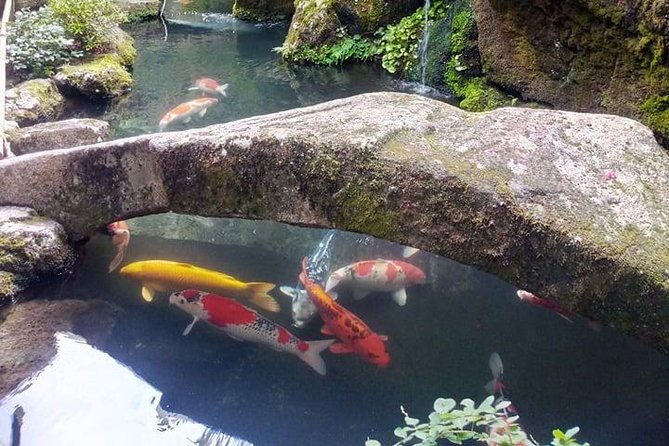
Maruyama Park takes about 10 minutes and provides a welcome change from the paved streets. It is a green public space with ponds, paths, and seasonal cherry blossoms.
This section can be especially useful if your group needs a breather. One family found the heat difficult and had to stop for a short rest, with some people missing parts of the commentary because of the pace. That experience is a practical warning: Kyoto summers can make even a short walk feel demanding.
The guide may adjust the pace, but you should still dress for the weather and be ready to speak up if you need a pause. The tour runs throughout the day, so choosing a cooler morning can make a real difference.
Hanamikoji Street is the visual heart of the route
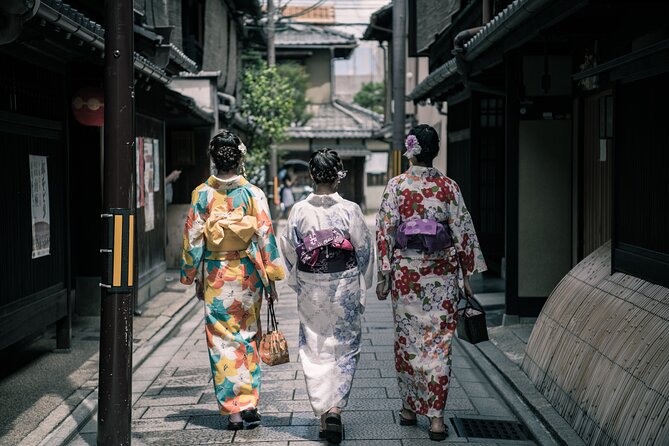
Hanamikoji Street is probably the part most people picture when they think of Gion. Traditional wooden machiya houses and tea houses line the street, creating the classic Kyoto scene that makes this area so popular.
Your guide can help you understand the difference between simply seeing an attractive street and understanding its role in Gion’s culture. The buildings are not just backdrops. They belong to a district where performers, businesses, and residents share a busy but carefully managed space.
This is also a place where courtesy matters. Do not block entrances, enter private areas, or chase people for photographs. A possible maiko sighting should be treated as a fleeting moment, not an invitation to interrupt someone’s work.
The scheduled stop is about 10 minutes, which is enough for an introduction and photographs but not a long, unhurried exploration. If Hanamikoji interests you most, ask your guide to spend more of the available time there, if the route allows.
What the private guide adds to a familiar route
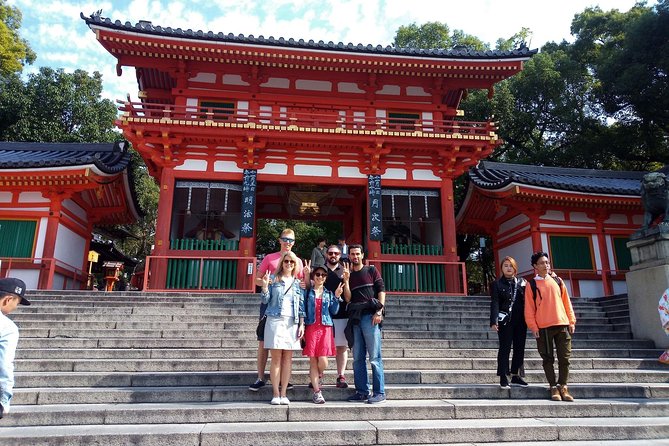
Gion is easy to reach and possible to explore without a guide. You can walk along its famous streets, visit Yasaka Shrine, and take photographs on your own. The reason to book this experience is not access to places that are otherwise closed. It is the interpretation.
Ahmed received praise for being punctual and for explaining local customs clearly. Mat was described as considerate, informative, and ready with answers. Another strong experience involved a guide who helped the group notice details they would have missed while walking independently.
That is the tour’s main strength. The sights are public, but the meaning is less obvious. A good guide can explain why a street looks the way it does, what kind of cultural setting you are passing, and how to behave around working performers.
There is also a useful counterpoint. One rating described a guide as absent, unhelpful, and unfriendly. The provider apologized directly. That single poor account does not erase the stronger pattern, but it does show that guide quality can shape the experience considerably.
Because the tour is private, you have a better chance of getting a guide who responds to your group’s interests. Ask questions early. If you care about architecture, kabuki, Shinto customs, photography, or geisha culture, say so at the start.
Choosing morning, afternoon, or evening
The tour is offered throughout the day, so timing is one of its most useful features. An early morning departure is the clearest choice if you want quieter streets and a more relaxed walk. It may also be the better option during hot weather.
An afternoon tour gives you flexible scheduling, but the heat and crowds can make the route less comfortable. The family who struggled on a very hot day is a reminder that a two-hour walk still requires energy, particularly for older people and children.
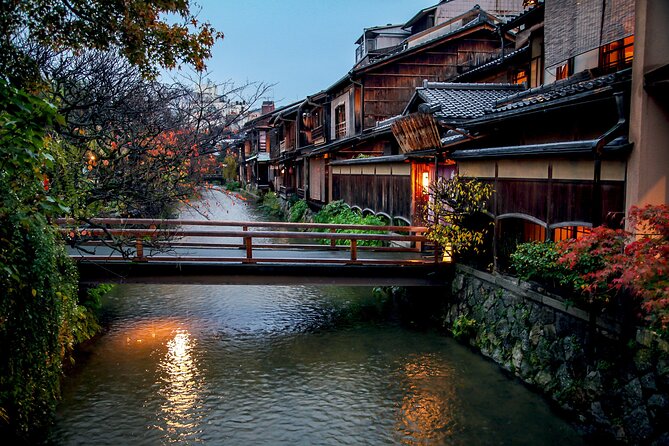
An evening tour changes the character of Gion. As streetlights come on, the wooden facades and narrow lanes take on a softer mood. This is appealing if you want atmosphere and photographs rather than the calmest possible walk.
The tour does not guarantee that you will see a geisha or maiko at any time of day. Choose your departure based on comfort and mood, not on a promise of a sighting.
Is $350 a fair price for up to eight people?
The price is $350 per group, with up to eight people included. For a full group, that works out to less than $44 per person before any separate transport costs. For two people, the per-person price is much higher, so the value depends heavily on your group size and interest in having a private guide.
The fee covers guiding and management. Admission tickets are not needed for the listed stops, so you are not paying for a bundle of paid attractions. You are paying for two hours of personal attention, route planning, and local explanation.
I see the best value for families or small groups who would otherwise need to coordinate their own walking route and research Gion in advance. It is also useful for people who want to ask many questions without feeling they are holding up a larger group.
For a solo visitor or couple on a strict budget, the price may feel high for a two-hour walk through public streets. In that case, you need to value the private format and the guide’s insight, not just the number of places visited.
The experience is booked about 40 days ahead on average, which suggests you should not leave it until the last minute if the timing matters to you. Pickup is offered, and one tour used Kyoto Station as the meeting point before taking a bus to Gion. Confirm the exact pickup arrangement when booking.
Who will enjoy this Gion walk most?
I would recommend this tour to first-time visitors who want a clear introduction to Gion without planning every turn themselves. It suits families, couples, and groups of friends who want the guide to focus on their questions.
It is also a good match for anyone curious about local customs and the performing arts. The Izumo no Okuni Statue gives you a link to kabuki, while the Gion and Hanamikoji stops explain the setting associated with geisha and maiko.
The tour may be less suitable if you want extensive temple interiors, long photography sessions, or guaranteed contact with a performer. It may also be a poor fit for anyone who dislikes walking in heat or prefers a slow pace at every stop.
Most people can participate, and the route is near public transportation. Still, the hot-weather experience shows that general participation does not mean the walk will feel effortless for everyone.
Practical details that affect the day
The tour lasts about two hours. Its six stops are fairly compact, with the longest time spent in the wider Gion area and shorter pauses at the statue, temple gate, shrine, park, and Hanamikoji Street.
Pickup is offered, and mobile tickets are available. Since transportation details can vary, check where the guide will meet you and whether any bus fare is separate from the tour price.
The tour requires good weather. If poor weather causes cancellation, you are offered another date or a full refund. For your own cancellation, you receive a full refund if you cancel at least 24 hours before the start time. Cancellations or changes made within 24 hours are not refunded or accepted.
The experience has a 4.6 rating and a 94 percent recommendation rate from 16 ratings. Those figures point to a generally strong experience, while the one poor account and the warning about heat are worth keeping in mind.
Should you book this private Gion tour?
Book it if you want context, personal questions, and a well-shaped introduction to Gion. The strongest reason to choose it is the guide, especially if you are matched with someone like Ahmed or Mat, who can explain customs and point out details you would likely miss.
Do not book it expecting a guaranteed geisha encounter. You may see a genuine maiko or geisha moving through the district, but that is luck, not part of the paid service.
For a group of four to eight, the $350 price is easier to justify. Choose an early morning time in hot weather, or select evening if you care most about atmosphere. If you can accept the brisk two-hour format and treat the possible sighting as a bonus, this is a useful, focused way to get your bearings in Kyoto’s most famous traditional district.
FAQ
How long is the Guided Gion Tour?
The tour lasts approximately two hours.
How many people can join the private tour?
The price covers one private group of up to eight people.
Does the tour include a guaranteed meeting with a geisha or maiko?
No. The tour takes you to places where you may see a geisha or maiko, but a sighting is not guaranteed and personal time with one is not included.
What places are visited?
The route includes Gion, the Izumo no Okuni Statue, Chion-in Temple Gate, Yasaka Shrine, Maruyama Park, and Hanamikoji Street.
Can I choose the time of day?
Yes. Tours are available throughout the day. Early morning is suggested for fewer crowds, while evening shows Gion after the streetlights come on.
Is pickup available?
Yes, pickup is offered. One described meeting arrangement involved meeting at Kyoto Station and taking a bus to Gion, so confirm the exact details for your booking.
Are admission tickets included?
The listed stops have free admission. The included service is the guiding and management fee.
What happens if the weather is poor?
The experience requires good weather. If it is canceled because of poor weather, you can choose a different date or receive a full refund.
What is the cancellation policy?
You can cancel at least 24 hours before the start time for a full refund. Cancellations or changes made less than 24 hours before the experience are not refunded or accepted.
Recently added around Kyoto
- Higashiyama | Kyoto: Sakura Season Private Rickshaw Tour★ 5.0 · 3 reviews
- Kyoto Kimono Rental CHAMATSU|Kimono/Yukata Rental FamilyPlan★ 5.0 · 3 reviews
- Kyoto: Half-Day Private Guided Tour to the Old Town of Gion★ 4.4 · 3 reviews
- Nara Private Customizable Half Day Tour★ 5.0 · 3 reviews
- Kansai Region Hiking Adventure in Nara Kobe Kyoto and More★ 5.0 · 3 reviews
- Full Day Nara Deer, Temple, Shrine, Activities & Tea Ceremony★ 5.0 · 3 reviews
- Nara: Essential Private Tour with Deer Park and Temples★ 5.0 · 3 reviews
- Hiking Tour for Sacred Sites in Kyoto with a Guide★ 5.0 · 3 reviews
Gion Geisha District Tours, compared.

Kyoto Geisha Walking Tour: Gion District & Hidden Gems
Read our review →
Gion Magical Night Walking Tour with Geisha Trivia
Read our review →
Gion Geisha District Walking Tour – Stories of Geisha
Read our review →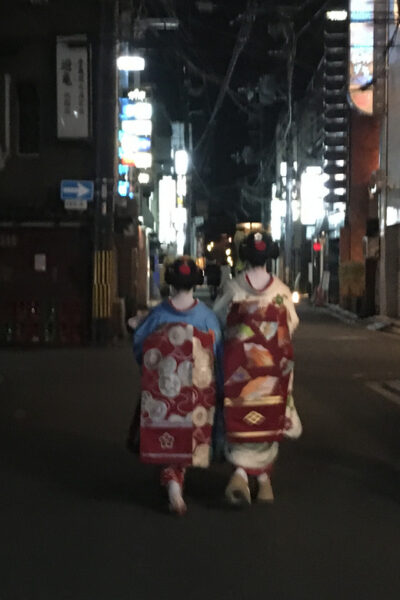
Best of Kyoto: Gion, Geisha, Pagodas & Cobblestones
Read our review →

Kyoto Night Foodie Tour in Gion (9+ dishes + 6 Sake tastings)
Read our review →
Kyoto Gion Geisha District Walking Tour – The Stories of Geisha
Read our review →
Kyoto Gion: 2-Hour Geisha Culture & History Walking Tour
Read our review →Browse the lists this tour appears in