
REVIEW · CYCLING TOURS
Discover Kyoto by Bike: Authentic Half Day Tour
Kyoto makes more sense from a bicycle seat. This four-hour ride links Gion, Nanzenji, Ginkakuji, Shimogamo Shrine, and the Imperial Palace on mostly flat streets, canalside paths, and a few mild slopes. You cover a lot of ground without being sealed inside a bus, and the standard Mamachari bike keeps the pace relaxed.
I like the way the route mixes famous sights with ordinary Kyoto streets. I also like the private format, since your group rides together rather than being folded into a large crowd. The main consideration is the bike itself: it is a standard non-electric model with three gears, so you should be comfortable pedaling for four hours.
In This Review
- Key points before you book
- Why a bike works so well in Kyoto
- Starting in Gion, Kyoto’s old quarter
- Nanzenji and the rhythm of a Zen temple
- The Philosopher’s Path by bicycle
- Ginkakuji, the Silver Pavilion
- A longer pause at Shimogamo Shrine
- Finishing at the Kyoto Imperial Palace
- What your guide adds to the ride
- Is $85 good value for four hours?
- Who will enjoy this tour most
- Practical details that matter
- Should you book Discover Kyoto by Bike?
- FAQ
- How long does the Kyoto bike tour last?
- Where does the tour begin and end?
- Is the tour private?
- What kind of bicycle is provided?
- Is a guide included?
- Is hotel pickup included?
Key points before you book
- A private ride with a personal guide: Only your group participates, and guides such as Alex, Nobumasa, and Miya have been praised for local knowledge, patience, photography help, and route guidance.
- Six major Kyoto stops in four hours: The schedule includes Gion, Nanzenji, the Philosopher’s Path, Ginkakuji, Shimogamo Shrine, and the Kyoto Imperial Palace.
- Mostly easy cycling: The route is described as mostly flat with a few gentle slopes, but the bike is not electric.
- A useful mix of riding and sightseeing: You pedal along authentic streets and waterways, then stop to explore temples, a shrine, and palace grounds.
- Good value for a small private group: At $85 per person, the price includes the bike, helmet, guide, insurance, and the entrance fee for Nanzenji.
- Simple station meeting point: Begin and end near Gojo Station in central Kyoto, with no hotel pickup or drop-off.
Why a bike works so well in Kyoto
Kyoto is one of Japan’s easiest major cities to appreciate at ground level. A bus can take you between headline sights, but it cannot give you the same feel for the short links between them. On a bike, you notice the change from Gion’s old streets to quiet temple lanes, then from a canal path to broad palace grounds.
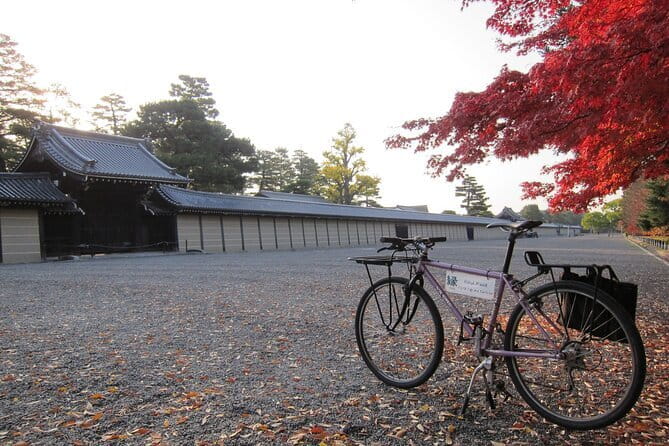
This tour uses standard Mamachari bicycles, the practical upright bikes commonly seen around Japanese cities. The model provided has three gear shifts and is not electric. That matters. You do not need racing-bike fitness, but you should be willing to pedal steadily and manage a few gentle rises.
The route is designed at a leisurely pace rather than as a workout. One especially useful feature is the guide’s role in handling Kyoto’s streets and pavements. Alex, one of the guides associated with the experience, was praised for helping with navigation and for sharing the perspective of someone who chose to settle in Japan. That kind of help is valuable in a city where a short wrong turn can cost you time.
The private format also changes the feel of the outing. You are not trying to keep up with a large group or waiting for people who want different photo stops. If you are a couple, family, or small party, you can ask questions as you ride and spend your time where it matters most to you.
More bike days around Kyoto:
- Hidden Kyoto E-Biking tour
★ 5.0 · 1,843 reviews - Bike Tour Exploring North Kyoto plus Lunch
★ 5.0 · 1,087 reviews - Arashiyama Bamboo Forest & Hidden Gems Bike Tour (Early Bird)
★ 5.0 · 613 reviews
Starting in Gion, Kyoto’s old quarter
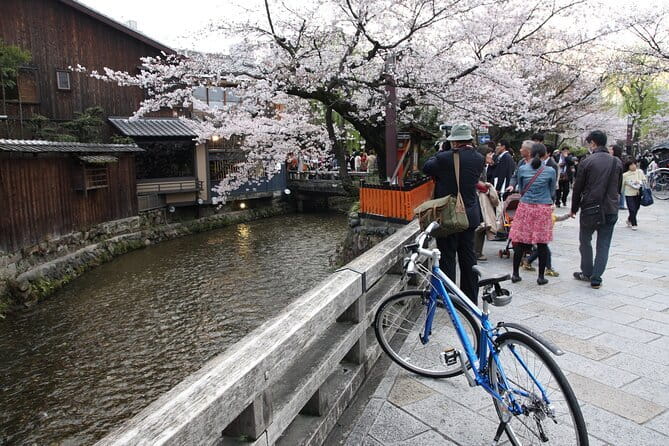
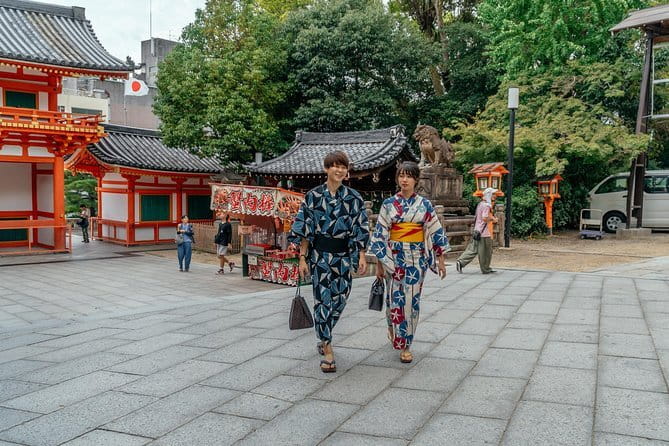
The first stop is Gion, one of Kyoto’s best-known historic districts. You have about 20 minutes here, enough to get your bearings and see the traditional streets before the route moves on.
Gion is often treated as a photo backdrop, but arriving by bicycle gives you a wider sense of the area. You can see how the old quarter connects to the rest of the city rather than experiencing it as an isolated attraction. The guide can also explain the setting and help you move through the streets with more care.
Do not expect a long, unhurried visit at this first stop. Twenty minutes passes quickly, especially if you want photographs. Think of Gion as the opening chapter of the ride, not the main event. Your bicycle lets you return to the area later if you choose, but this tour continues through a packed sequence of sights.
Nanzenji and the rhythm of a Zen temple
Next comes Nanzenji, with about 30 minutes to explore. The entrance fee for Nanzenji is included, which gives this stop a little more value than a quick roadside look.
Nanzenji is a strong early temple visit because it shifts the mood from city streets to Zen spaces. The grounds offer a calmer setting, and your guide can explain the religious and historical setting in plain terms. The tour is not just a ride between photo stops. It gives you places where you can pause and understand what you are seeing.
Thirty minutes is enough for a focused visit, but not for every corner of a large temple complex. I would use the time to stay close to the guide’s plan, ask questions, and enjoy the atmosphere rather than trying to inspect every building. If temple architecture is your main interest, you may wish the stop were longer.
The Philosopher’s Path by bicycle
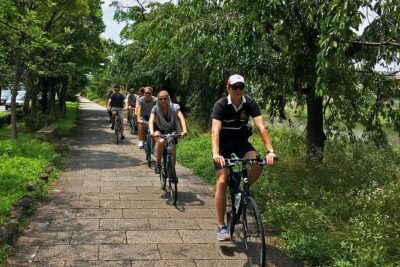
The route then follows the Philosopher’s Path for about 20 minutes. This canalside route is known for its natural beauty and gives you one of the tour’s most pleasant stretches of cycling.
Here the bike is the star. Walking the path can be rewarding, but cycling lets you connect it with the nearby temple stops without spending the whole morning or afternoon on foot. The route also provides a change of pace after Nanzenji. Instead of standing in a temple ground, you are moving through Kyoto while the canal and trees frame the ride.
The timing is short, so you will not linger along every section. Admission is not included because the path itself is treated as part of the route rather than a ticketed attraction. Keep your expectations sensible: this is a scenic ride through the area, not a long nature outing.
A completely different side of Kyoto:
- PERFECT KYOTO 1-Day Bus Tour
★ 5.0 · 13,518 reviews - Kyoto: Fushimi Inari, Kinkakuji, Bamboo Grove 1 Day Bus Tour
★ 4.8 · 4,316 reviews - Kyoto: Tea Ceremony in a Traditional Tea House in Kiyomizu
★ 4.9 · 3,519 reviews - Kyoto Geisha Walking Tour: Gion District & Hidden Gems
★ 4.7 · 3,273 reviews
Ginkakuji, the Silver Pavilion
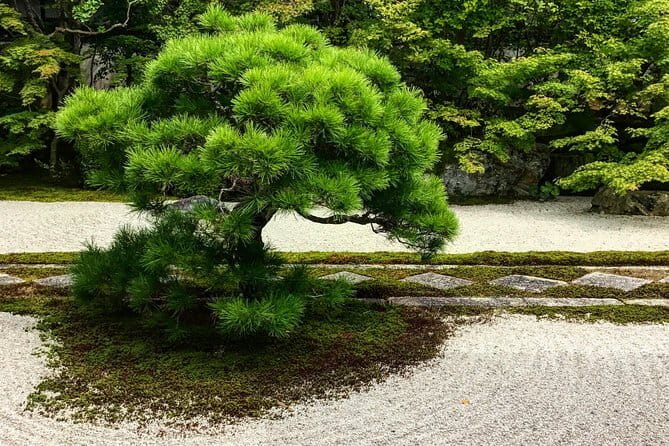
Ginkakuji, or the Silver Pavilion, receives about 20 minutes. The temple is known for its peaceful gardens, and the stop continues the tour’s theme of pairing movement with quiet places.
The name can mislead first-time visitors. The attraction is not simply about a shiny building. The gardens and carefully arranged surroundings are a large part of what makes the visit worthwhile. Your guide can give you context while you take in the temple grounds.
Again, the schedule favors breadth over depth. Twenty minutes allows a compact visit, but it may feel brief if you want to study the gardens or take many photographs. That tradeoff is built into the tour’s design. You see several of Kyoto’s major sights in one outing, rather than giving most of the day to a single temple.
A longer pause at Shimogamo Shrine
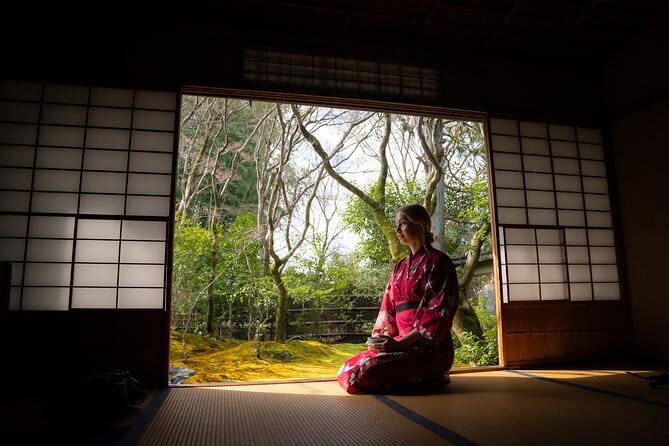
Shimogamo Shrine gets the longest scheduled visit, one hour. That extra time is welcome after the shorter temple stops and gives you room to explore one of Kyoto’s oldest Shinto shrines at a more comfortable pace.
The shrine sits in wooded grounds, offering another clear change in mood. Nanzenji and Ginkakuji show different sides of Buddhist temple culture, while Shimogamo introduces Shinto tradition. The route therefore does more than collect famous names. It places several parts of Kyoto’s spiritual life in the same half-day.
I would treat this as the tour’s best chance to slow down. Ask the guide about the shrine’s role and customs, then give yourself time to notice the setting. The one-hour allocation also makes this stop a useful break from continuous riding.
Finishing at the Kyoto Imperial Palace
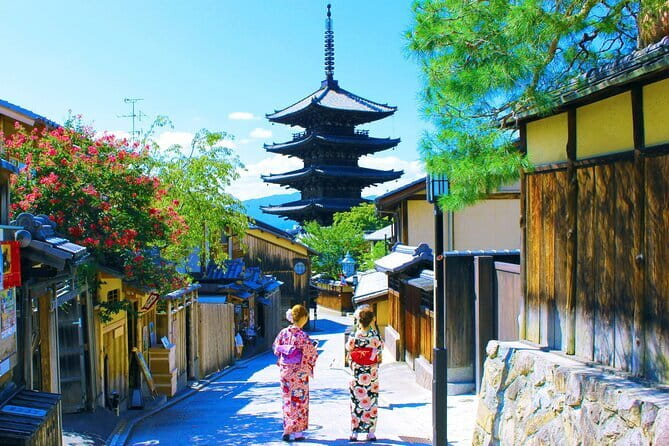
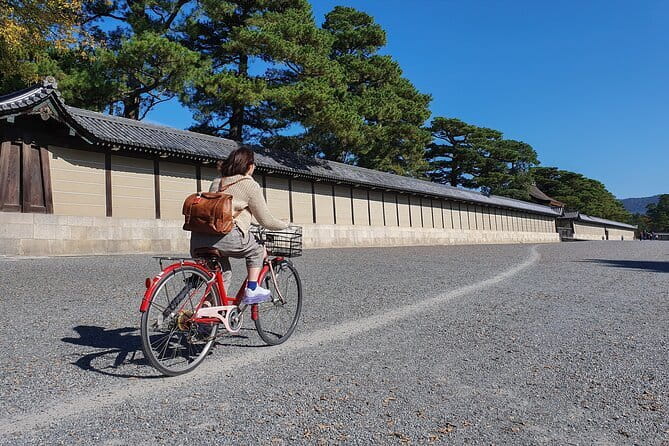
The final stop is the Kyoto Imperial Palace, where you have about 30 minutes. The former residence of Japan’s imperial family now gives you broad palace grounds and a sense of Kyoto’s political past.
The scale here contrasts with the narrower lanes and wooded religious sites earlier in the ride. After Gion, Nanzenji, the Philosopher’s Path, Ginkakuji, and Shimogamo Shrine, the palace offers space to relax and gather the day’s impressions.
Half an hour is enough for an introduction to the grounds, but it will not cover every possible detail. The tour is best viewed as a well-chosen overview. You finish with one of Kyoto’s major civic landmarks rather than ending at another temple.
What your guide adds to the ride
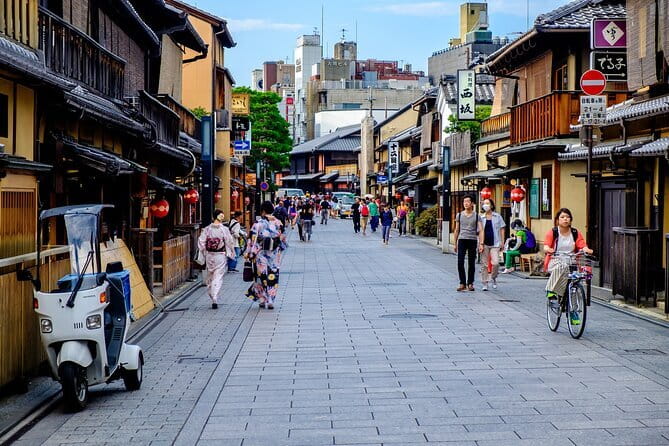
The guide is central to the experience. Without one, a bicycle can get you around Kyoto, but it cannot explain why a shrine matters, point out useful shortcuts, or help you make sense of the city’s layers.
The guides connected with this tour have been singled out for different strengths. Alex has been described as especially helpful with streets and pavements, as well as bringing an outsider’s view shaped by life in Japan. Nobumasa has been praised for showing many good spots and explaining the history behind them. Miya has been associated with a thoughtful, well-paced ride that balances cycling with temple visits.
Those details suggest what you can reasonably expect from the guiding style: explanation while sightseeing, help with route decisions, and patience with photographs. The guide may also take pictures for you, which is useful when you do not want every image to be a selfie.
The quality of a bike tour depends heavily on the person leading it, so the named guides are worth noting. Guide assignments can vary, and no particular guide is guaranteed in the supplied details. Still, the emphasis on friendly explanations and patient assistance is a good sign for anyone who wants more than a rental bike.
Is $85 good value for four hours?
At $85 per person, this is not the cheapest way to rent a bicycle in Kyoto. You are paying for more than the wheels, though. The fee includes an English-speaking guide, a standard three-gear bicycle, a helmet, insurance, and the entrance fee for Nanzenji.
The strongest value comes from the amount of city you cover in four hours. Gion, Nanzenji, the Philosopher’s Path, Ginkakuji, Shimogamo Shrine, and the Imperial Palace are spread across different parts of Kyoto. A self-guided visit could be cheaper, but you would need to plan the connections, manage the route, and decide how long to spend at each place.
The private format improves the value for couples and small groups. You receive a more personal outing, and group discounts may be available. Since the price is per person, large groups should check the final rate before booking.
Meals, drinks, personal expenses, and hotel transfers are not included. You need to reach the Gojo Station meeting point yourself, then return there at the end. That arrangement keeps the tour focused and simple, but it adds a little planning on your side.
Who will enjoy this tour most
I would choose this ride if you want a broad first look at Kyoto and prefer active sightseeing to a day of buses and walking. It suits couples, families, and small private groups who want a guide’s explanations without joining a large departure.
It is also a good choice if you have already seen one or two major Kyoto sights and want to connect more of the city in a single outing. The route offers temples, a shrine, palace grounds, old streets, and a canal path, so the experience does not feel one-note.
You should think twice if you dislike bicycles, have trouble riding for four hours, or specifically want a slow, detailed visit at every stop. The schedule is busy by design. Each stop is useful, but several are short.
The bike is a standard non-electric model. That makes the tour approachable for ordinary riders, but it is not the right pick if you want motor assistance. Most people can participate according to the supplied information, but you should still be honest about your comfort on a bicycle before booking.
Practical details that matter
The meeting point is at Gojo Station, Osaka-cho, Shimogyo Ward, Kyoto, postal code 600-8177. The activity ends back at the same meeting point, and hotel pickup and drop-off are not provided.
The tour lasts approximately four hours and includes a mobile ticket. Confirmation is sent at booking, and the meeting point is near public transportation. Since the route combines riding and walking around major sights, wear clothes suited to both rather than treating it as a formal temple visit.
The experience has free cancellation up to 24 hours before the local start time. Canceling or changing the booking within 24 hours does not qualify for a refund.
Should you book Discover Kyoto by Bike?
Book it if you want efficient sightseeing with a human guide and you are comfortable on a regular bicycle. The private format, manageable pace, and strong mix of Kyoto landmarks make this a practical way to see more than you could comfortably cover on foot in half a day.
The best reason to choose it is the connection between the stops. You are not just checking off Gion, Nanzenji, Ginkakuji, Shimogamo Shrine, and the Imperial Palace. You are riding through the spaces between them, with a guide helping you understand the city as a whole.
Skip it if you want electric-bike assistance, long visits at individual temples, or a completely passive sightseeing day. For everyone else, $85 is a fair price for four hours of guided cycling, included equipment, temple admission, and a private route through some of Kyoto’s most rewarding districts.
FAQ
How long does the Kyoto bike tour last?
The tour lasts approximately four hours.
Where does the tour begin and end?
It begins at Gojo Station in Osaka-cho, Shimogyo Ward, Kyoto, and ends back at the same meeting point.
Is the tour private?
Yes. Only your group participates in this private activity.
What kind of bicycle is provided?
The tour provides a standard non-electric B-type Mamachari bicycle with three gear shifts. A helmet is also included.
Is a guide included?
Yes. An English-speaking tour guide is included. Guides associated with the experience include Alex, Nobumasa, and Miya, though a specific guide is not guaranteed.
Is hotel pickup included?
No. Hotel pickup and drop-off are not included, so you need to make your own way to and from the Gojo Station meeting point.
Recently added around Kyoto
- Higashiyama | Kyoto: Sakura Season Private Rickshaw Tour★ 5.0 · 3 reviews
- Kyoto Kimono Rental CHAMATSU|Kimono/Yukata Rental FamilyPlan★ 5.0 · 3 reviews
- Kyoto: Half-Day Private Guided Tour to the Old Town of Gion★ 4.4 · 3 reviews
- Nara Private Customizable Half Day Tour★ 5.0 · 3 reviews
- Kansai Region Hiking Adventure in Nara Kobe Kyoto and More★ 5.0 · 3 reviews
- Full Day Nara Deer, Temple, Shrine, Activities & Tea Ceremony★ 5.0 · 3 reviews
- Nara: Essential Private Tour with Deer Park and Temples★ 5.0 · 3 reviews
- Hiking Tour for Sacred Sites in Kyoto with a Guide★ 5.0 · 3 reviews
Cycling Tours, compared.
Arashiyama Bamboo Forest & Hidden Gems Bike Tour (Early Bird)
Read our review →
5 Top Highlights of Kyoto Full Day Bike Tour (E-bike option)
Read our review →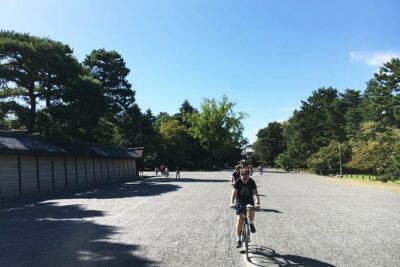
Full Day Biking Tour Exploring the Best of Kyoto
Read our review →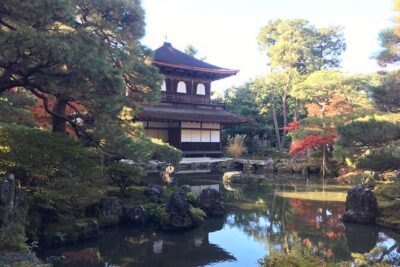

Afternoon Kyoto Bike Tour: Bamboo Forest, Monkeys & Hidden Spots
Read our review →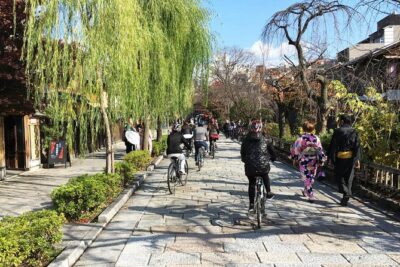
South Kyoto in a Nutshell: Gentle Backstreet Bike Tour!
Read our review →Browse the lists this tour appears in