
REVIEW · GION GEISHA DISTRICT TOURS
Kyoto: The Original Geisha Walking Tour (established 2002)
Kyoto’s Hanamachi districts are best understood on foot, and this tour gives you more than a pretty stroll. Guide and photographer Peter MacIntosh brings three decades of research and firsthand experience to the cobblestone lanes, explaining the culture behind the architecture, the stories behind the imagery, and the difference between fact and fiction.
I like the small group, limited to nine people, and the focus on honest questions rather than staged entertainment. I also like the practical photography advice, especially because geisha, maiko, local residents, and shopkeepers deserve privacy. The main consideration is that seeing a real maiko or geiko is never promised, so book this for the stories and setting first, with any sighting as a bonus.
In This Review
- Key Points
- Why This Walk Offers More Than a Pretty Kyoto Street
- Meeting Peter at Minamiza Kabuki Theatre
- Walking Through Kyoto’s Hanamachi Streets
- Stories Behind the Flower and Willow World
- The Chance to See Maiko and Geiko
- What the Small Group Changes
- Is $54 a Fair Price for 105 Minutes?
- What to Bring and What to Leave Behind
- Who Will Enjoy This Kyoto Tour Most?
- Practical Booking Advice for Your Kyoto Schedule
- Should You Book the Original Geisha Walking Tour?
- FAQ
- Where does the Kyoto Original Geisha Walking Tour meet?
- What time does the tour start and finish?
- How long is the walking tour?
- Is the tour conducted in English?
- Will I definitely see a maiko or geiko?
- Can I take photographs during the walk?
- What is included in the price?
Key Points
- Meet at Minamiza Kabuki Theatre: The tour starts at 4:00 p.m. on the corner of Shijo and Kawabata, a clear central landmark.
- Walk Kyoto’s Hanamachi: Expect cobblestone streets, traditional architecture, and an introduction to the flower and willow world.
- Led by Peter MacIntosh: The English-speaking guide combines geisha culture research with photography experience.
- Small group of nine: A limited group makes it easier to ask questions and hear the guide while walking.
- Photography has rules: Cameras are welcome, but tripods, video, and audio recording are not allowed.
- Possible maiko and geiko sighting: You may see them along the route, but there is no guarantee.
Why This Walk Offers More Than a Pretty Kyoto Street
Many Kyoto visitors pass through geisha districts, take a few photographs, and leave with more questions than answers. The buildings look graceful, but the meaning behind them is not always clear. This walk helps you read the place instead of simply looking at it.
Peter MacIntosh has spent about 30 years researching geisha culture and photographing it. That matters because the subject is often wrapped in romantic stories, movie scenes, and easy assumptions. You can ask direct questions and get a grounded explanation of the past and present of this part of Japanese culture.
I especially like the emphasis on clearing up myths. The tour is not presented as a hunt for famous women in elaborate dress. It is a guided look at a cultural world that has appeared in woodblock prints, books, and films for centuries.
The experience lasts 105 minutes, from 4:00 to about 5:45 p.m. That is enough time for a proper introduction without taking over your whole evening. You can still plan dinner afterward, although you should leave some flexibility if you want to linger in the district once the walk ends.
More evenings in Gion:
- Kyoto Geisha Walking Tour: Gion District & Hidden Gems
★ 4.7 · 3,273 reviews - Kyoto: Gion Magical Night Walking Tour with Geisha Trivia
★ 4.9 · 2,393 reviews - Kyoto: Gion Geisha District Walking Tour – Stories of Geisha
★ 4.7 · 2,187 reviews
Meeting Peter at Minamiza Kabuki Theatre
Your starting point is in front of the Minamiza Kabuki Theatre, at the corner of Shijo and Kawabata. This is a useful meeting place because it is a prominent city landmark rather than an obscure side street or hotel lobby.
Arrive ready to walk at 4:00 p.m. The tour does not include hotel pickup, so you need to make your own way to the theatre. Give yourself enough time to locate the front of the building, particularly if you are still getting used to Kyoto’s busy streets and large intersections.
The meeting point also sets the tone. Minamiza is tied to traditional performance, and the walk then moves into the streets associated with geisha culture. You are not beginning in a classroom or a museum. The setting itself becomes part of the lesson.
Because the tour is in English, you can ask questions as they arise. With a maximum of nine people, the guide should be easier to hear than on a large city walk, and you have a better chance to raise a point that interests you.
Walking Through Kyoto’s Hanamachi Streets
The route takes you through one of Kyoto’s famous Hanamachi, or geisha districts. Expect a scenic walk along charming cobblestone streets and past traditional buildings. The supplied details do not promise particular teahouses, shrines, or named stops, so you should think of this as a guided district walk rather than a checklist of monuments.
That is not a weakness. A geisha district is a place to observe in small details: the street pattern, the traditional architecture, the atmosphere at the end of the day, and the way public streets connect with private cultural spaces. Peter’s explanations give those details a frame.
The cobblestones can make the walk feel wonderfully old-fashioned, but they also make sensible footwear important. Wear comfortable shoes with good support. This is not the time for footwear chosen only for photographs.
The tour is listed as wheelchair accessible. Still, the route includes walking through cobblestone streets, and conditions can vary with weather. If you use a wheelchair, it is sensible to confirm the route details before booking and to prepare for an outdoor walk.
Stories Behind the Flower and Willow World
The phrase flower and willow world is often used in connection with geisha culture, and this tour uses the streets to explain that world in context. You will hear about the way geisha culture has been represented in woodblock prints, literature, and films, along with the misconceptions those portrayals can create.
This is one of the strongest reasons to choose the walk. You are not just collecting images of Kyoto. You are learning how popular culture has shaped outside views of geisha, and you can test those views with questions.
Peter’s background as a photographer adds another useful layer. He can discuss how to frame a scene and how to behave around people who are going about their work. The photography guidance is included, so even visitors with a basic camera or phone can come away with better habits.
Do not expect a long academic lecture. The format is a moving conversation through the district. You will learn while standing in actual streets, seeing the architecture and surroundings that give the subject its setting.
More walking tours in Kyoto:
- Night Walk in Gion: Kyoto’s Geisha District
★ 4.5 · 2,003 reviews - Kyoto Gion Geisha District Walking Tour – The Stories of Geisha
★ 5.0 · 1,441 reviews - Nishiki Market Brunch Walking Tour (7 Tastings + Brunch)
★ 5.0 · 1,355 reviews - Kyoto Arashiyama Walking Tour: Bamboo, Monkeys, Gardens & Secrets
★ 5.0 · 1,216 reviews
The Chance to See Maiko and Geiko
The possibility of seeing real maiko and geiko adds excitement, but it needs to be kept in perspective. There is no guarantee that either will appear along the route. You should never treat the walk as a scheduled sighting or a photo opportunity.
If you do see them, the instruction is clear: respect their privacy and that of local people. Photography is allowed during the tour, but that does not mean every person or moment is available for close-up pictures. Peter’s photography advice is particularly useful here, since good conduct matters more than getting one dramatic image.
Tripods are not allowed. Video and audio recording are also prohibited. Bring a camera if you want, but use it with restraint. A phone is likely to be more practical than a full camera setup in narrow streets, and leaving bulky equipment behind will make the walk easier.
The possibility of a sighting works best as a small extra. The core experience is the district, the architecture, and the explanation of geisha culture. That expectation will help you enjoy the tour even if the streets remain quiet.
What the Small Group Changes
A maximum of nine participants is a real advantage for a subject that depends on conversation. In a large group, questions can be rushed and explanations can become general. Here, you have a better setting for asking about cultural details, photography etiquette, and common misunderstandings.
The Dutch participant whose comments are reflected in the tour feedback praised the amount of information and described Peter as inspiring and very pleasant. The most useful takeaway is not simply that the guide is friendly. It is that Peter’s long engagement with the subject is a central part of the experience.
A small group also makes it easier to move politely through residential or working areas. You are less likely to form a noisy crowd, and the guide can remind everyone about appropriate behavior if the group encounters local people or performers.
There is one tradeoff. A nine-person group is small, but it is not private. If you want a fully personal itinerary or an extended photography session, this may not be the right format. For most visitors, the group size offers a good balance between social ease and access to the guide.
Is $54 a Fair Price for 105 Minutes?
At $54 per person, this is not the cheapest way to walk around Kyoto. You can explore Hanamachi streets without paying for entry. The price is paying for interpretation, a specialist guide, a small group, photography advice, and a set of souvenir postcards.
I think the value depends on your interest. If you only want attractive streets for your photo collection, you may find the price hard to justify. If you want context and the chance to ask questions of someone who has researched the subject for three decades, the cost is more reasonable.
The included postcards are a modest extra, not a reason to book on their own. The main value lies in Peter’s explanations and the way he connects the streets to the wider history of geisha culture and its portrayal in art.
The walk also saves you from spending your evening trying to interpret the district alone. Kyoto’s old streets can look simple at first glance. A guide helps you notice what you would otherwise pass without understanding.
What to Bring and What to Leave Behind
Bring comfortable walking shoes, a camera if you want one, and water. Prepare for changing weather, since the experience takes place outdoors and continues in rain or shine unless conditions make the activity impossible.
You do not need food or drinks for the tour. Meals and beverages are not included, and the short duration makes it easy to eat before or after. Since the finish is around 5:45 p.m., you can use the walk as a late afternoon activity before dinner.
Leave your tripod at the hotel. Video and audio recording are not allowed, and smoking is prohibited during the activity. These rules help keep the walk low-key and reduce disruption in the district.
The tour is not suitable for children under eight. Older children may still need an interest in history, culture, and walking, since the experience is built around explanation rather than games or hands-on activities.
Who Will Enjoy This Kyoto Tour Most?
I would recommend this walk to first-time Kyoto visitors who want a clearer introduction to geisha culture before attending other traditional performances or visiting cultural sites. It also suits photographers who want help making respectful choices in public spaces.
It is a good fit if you enjoy asking questions. Peter’s role is not just to lead you from one street to another. The tour invites you to challenge assumptions and learn how the subject has been shaped by art, fiction, and cinema.
You may also like it if you prefer a focused experience. One hour and 45 minutes gives you a meaningful introduction without demanding a full day. The small group keeps the format personal, while the English language makes the material easy to follow.
I would hesitate to recommend it to anyone who mainly wants a guaranteed encounter with a maiko or geiko. No walking tour can promise that here, and this one states the limit plainly. It is also less suitable if you dislike outdoor walking, uneven streets, or weather-related uncertainty.
Practical Booking Advice for Your Kyoto Schedule
The tour begins at 4:00 p.m., so avoid booking another activity that ends across the city shortly beforehand. The meeting point is central, but Kyoto traffic and station transfers can still eat up time.
Free cancellation is available up to 24 hours before the start for a full refund. You can also reserve now and pay later, which is useful if your Kyoto schedule is still changing. These policies give you some flexibility, but you should still check the current starting time and availability when booking.
The tour is offered in English with a live guide. It is listed as wheelchair accessible, and the group is capped at nine. Those details make it easier to judge the experience before you commit, especially if your party has mobility or language needs.
Should You Book the Original Geisha Walking Tour?
Book it if you want a thoughtful introduction to Kyoto’s Hanamachi districts, especially if you value cultural explanation over a guaranteed sighting. Peter MacIntosh’s three decades of research, photography background, and willingness to answer difficult questions give the walk a clear purpose.
The best parts are the small group, the traditional streets, and the chance to replace movie-fed assumptions with a more grounded understanding. The main limitation is simple: you may not see any maiko or geiko, and the walk does not promise specific buildings or performances.
For $54, I see this as a specialist walking tour rather than a basic sightseeing stroll. Bring good shoes, keep your camera discreet, and book it for the stories and setting. If someone appears along the way, consider that a lucky extra rather than the reason you came.
FAQ
Where does the Kyoto Original Geisha Walking Tour meet?
The meeting point is in front of the Minamiza Kabuki Theatre, on the corner of Shijo and Kawabata in Kyoto.
What time does the tour start and finish?
The tour starts at 4:00 p.m. and finishes at approximately 5:45 p.m.
How long is the walking tour?
The activity lasts 105 minutes.
Is the tour conducted in English?
Yes. The tour has a live English-speaking guide, Peter MacIntosh.
Will I definitely see a maiko or geiko?
No. Seeing maiko or geiko is possible, but there is no guarantee.
Can I take photographs during the walk?
Photography is allowed, but you must respect the privacy of geisha and local residents. Tripods, video recording, and audio recording are not allowed.
What is included in the price?
The price includes the walking tour, the guide, photography tips, and a set of souvenir postcards. Meals, drinks, and hotel pickup and drop-off are not included.
Recently added around Kyoto
- Higashiyama | Kyoto: Sakura Season Private Rickshaw Tour★ 5.0 · 3 reviews
- Kyoto Kimono Rental CHAMATSU|Kimono/Yukata Rental FamilyPlan★ 5.0 · 3 reviews
- Kyoto: Half-Day Private Guided Tour to the Old Town of Gion★ 4.4 · 3 reviews
- Nara Private Customizable Half Day Tour★ 5.0 · 3 reviews
- Kansai Region Hiking Adventure in Nara Kobe Kyoto and More★ 5.0 · 3 reviews
- Full Day Nara Deer, Temple, Shrine, Activities & Tea Ceremony★ 5.0 · 3 reviews
- Nara: Essential Private Tour with Deer Park and Temples★ 5.0 · 3 reviews
- Hiking Tour for Sacred Sites in Kyoto with a Guide★ 5.0 · 3 reviews
Gion Geisha District Tours, compared.
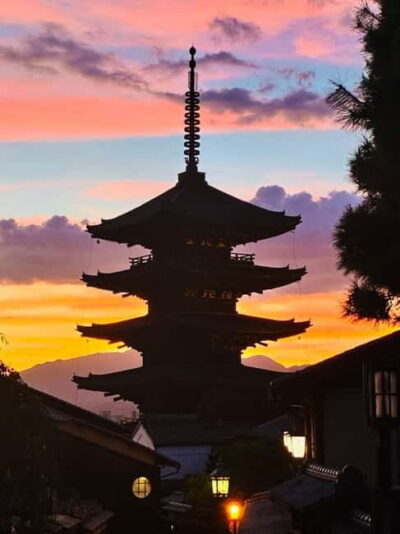
Kyoto Geisha Walking Tour: Gion District & Hidden Gems
Read our review →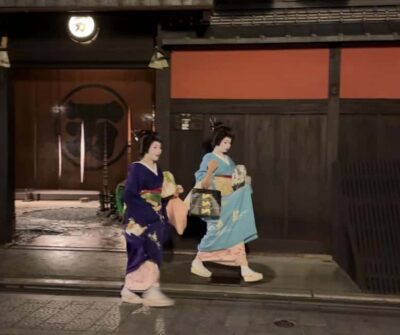
Gion Magical Night Walking Tour with Geisha Trivia
Read our review →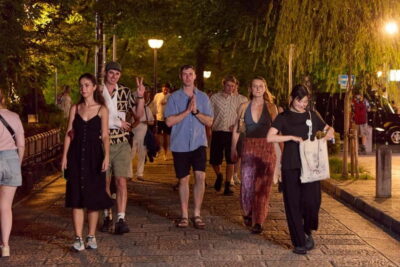
Gion Geisha District Walking Tour – Stories of Geisha
Read our review →
Best of Kyoto: Gion, Geisha, Pagodas & Cobblestones
Read our review →

Kyoto Night Foodie Tour in Gion (9+ dishes + 6 Sake tastings)
Read our review →
Kyoto Gion Geisha District Walking Tour – The Stories of Geisha
Read our review →
Kyoto Gion: 2-Hour Geisha Culture & History Walking Tour
Read our review →Browse the lists this tour appears in