
REVIEW · GION GEISHA DISTRICT TOURS
Kyoto: Secrets of Gion – Geisha Culture Walking Tour
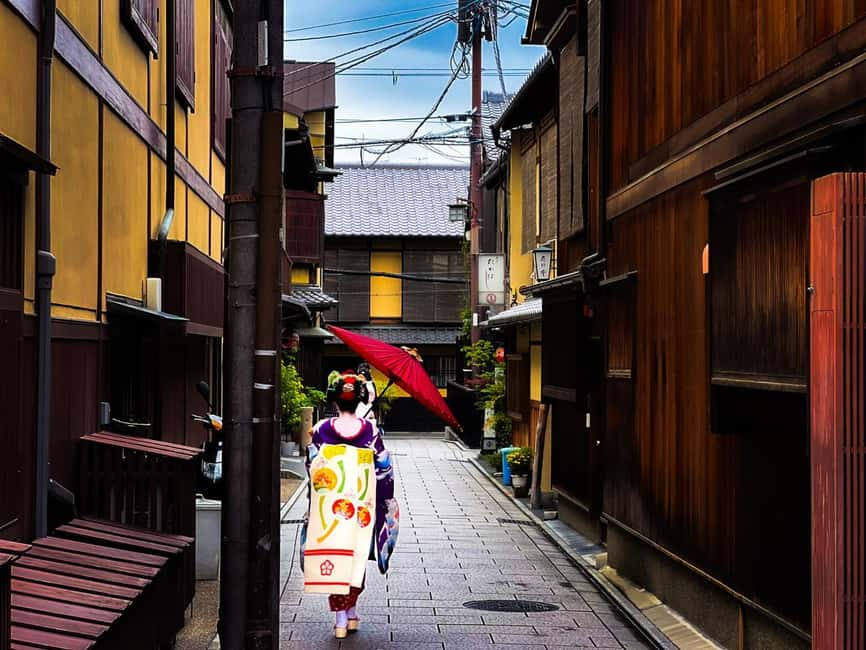
Gion is not a stage set, though parts of it may look that way. This two-hour walk explains the customs behind its wooden teahouses, shrine rituals, maiko training, and narrow lanes. You might see a maiko heading to an appointment, but the real reward is understanding the world around her.
I like the route’s mix of famous sights and quieter corners, especially Yasaka Shrine and Maruyama Park, which give the tour a calm start. I also like the practical cultural context around geiko and maiko, rather than a simple hunt for costume photos.
The main consideration is that a geiko or maiko sighting is never promised. Rain can also make the stone lanes slippery and photography harder, though an evening departure may bring fewer people and clearer views of the old buildings.
In This Review
- Key points to know before you book
- Why Gion makes a better walking lesson than a quick photo stop
- Yasaka Shrine: Gion’s spiritual front door
- Maruyama Park and the pace of old Kyoto
- Nene no Michi and the preserved Higashiyama lanes
- Ninenzaka: beautiful stone streets with a busy side
- Yasui Kompira-Gu and the Power Stone ritual
- Hanamikoji Street and the world of geiko and maiko
- What the guides add to the walk
- Evening timing, photography, and the chance of seeing a maiko
- Is $25 a fair price for two hours?
- Who should book this Gion walk?
- My recommendation
- FAQ
- How long does the Gion walking tour last?
- How much does the tour cost?
- What language is the tour conducted in?
- Where does the tour begin?
- How do I identify the guide?
- Which places are included on the route?
- Will I definitely see a geisha or maiko?
- Is the tour suitable for wheelchair users?
- Can I cancel the booking?
Key points to know before you book
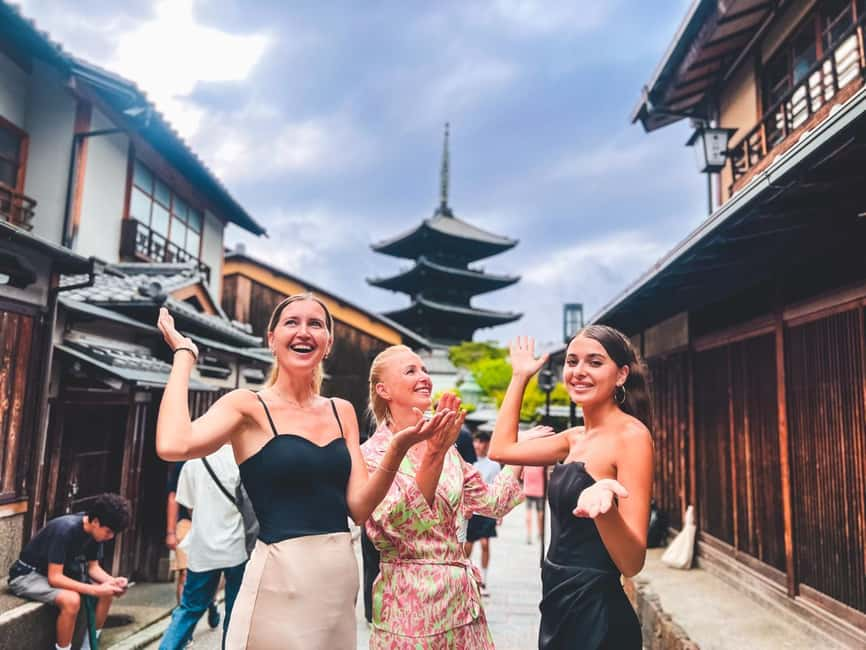
- A two-hour route through classic Higashiyama: Visit Yasaka Shrine, Maruyama Park, Nene no Michi, Ninenzaka, Yasui Kompira-Gu, and Hanamikoji Street.
- Geiko and maiko culture explained with care: Learn about their work, training, customs, and daily life in Kyoto’s traditional entertainment district.
- Evening walks can be especially pleasant: Later departures may offer quieter lanes and good conditions for photographing traditional architecture.
- The guide can make the difference: Tim, Bell, Majo, Shin, and Pedro have led highly praised walks, with strong attention to history, culture, and local customs.
- Good value at $25: You get two hours of guided sightseeing and cultural explanation for less than the cost of many Kyoto attractions.
- Expect a walking tour, not a show: There is no performance included, and seeing a maiko depends on timing and luck.
Why Gion makes a better walking lesson than a quick photo stop
Gion is often reduced to one image: a woman in elaborate clothing disappearing around a wooden corner. That picture is part of the district, but it tells you very little.
This tour gives you a way to read the streets. Your guide connects the temples, lanes, shrines, and teahouses with the people who have used them for centuries. You learn why the district developed, how Kyoto’s festival life relates to Yasaka Shrine, and why geiko and maiko remain such a private part of the city.
I especially value this approach because Gion rewards context. A preserved wooden facade is pretty on its own. It becomes more meaningful when you understand that the street is tied to traditional arts and evening appointments, not simply souvenir shopping.
The experience is conducted in English and lasts two hours. That is long enough for a useful introduction without taking up an entire day. It is also short enough to fit before dinner, after sightseeing, or into an evening when you want some company while walking through an unfamiliar part of Kyoto.
The meeting point is Starbucks Coffee at Kyoto Gion Hotel. Look for a guide holding a Traveling Kyoto ID. The listed route returns to this starting point, while the tour description also places the final portion near the Gion-Shijo area, so confirm the exact end point and departure time when booking.
More evenings in Gion:
- Kyoto Geisha Walking Tour: Gion District & Hidden Gems
★ 4.7 · 3,273 reviews - Kyoto: Gion Magical Night Walking Tour with Geisha Trivia
★ 4.9 · 2,393 reviews - Kyoto: Gion Geisha District Walking Tour – Stories of Geisha
★ 4.7 · 2,187 reviews
Yasaka Shrine: Gion’s spiritual front door
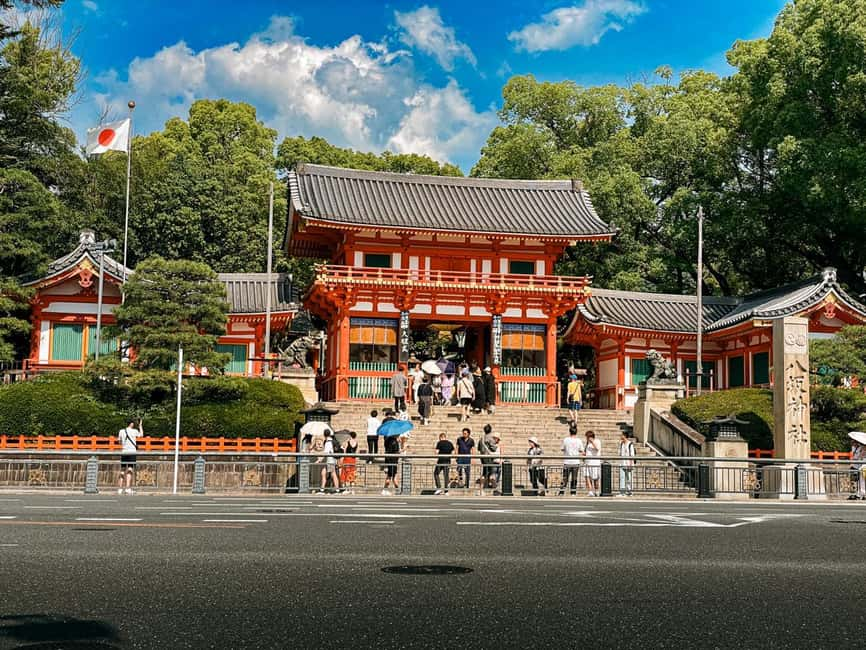
The walk begins at Yasaka Shrine, one of Kyoto’s major spiritual sites. This is a smart starting point. It puts Gion’s entertainment culture beside the religious traditions that have shaped the district.
Your guide explains the shrine’s long connection with Kyoto festivals and the local geiko world. That link matters because Gion is not separate from Kyoto’s wider life. Ritual, seasonal celebrations, neighborhood customs, and traditional arts all overlap here.
You have about 20 minutes listed for the shrine stop, including guided sightseeing, walking, and time for photos or shopping. That does not allow for every corner of the grounds, but it gives you a useful first look and a clear frame for what follows.
I would pay attention to the explanation of Japanese beliefs about protection, luck, and evil. One tour guide, Majo, used local ritual stories to explain how people seek good fortune and ward off trouble. Those details turn a familiar shrine visit into something more personal and understandable.
Because Yasaka Shrine is an active religious site, your guide’s explanations are more useful than treating it as a backdrop. You will get more from the stop if you listen first and photograph second.
Maruyama Park and the pace of old Kyoto
From Yasaka Shrine, the route continues into Maruyama Park, Kyoto’s oldest public park. The change is welcome. After the shrine’s formal setting, the park gives you room to slow down beneath mature trees.
The park is best known for its weeping cherry trees, which make it particularly appealing during blossom season. At other times, it offers shade and a quieter setting near the busy Higashiyama sights. The tour includes guided sightseeing here, but the exact amount of time can vary with the group and pace.
I like this portion because it lets you see that Kyoto’s beauty is not limited to grand buildings. The park’s seasonal character helps explain why timing matters so much in Japan. Spring brings famous blossoms, but the walk can still be attractive when the trees are green and the paths are calm.
Do not expect a long nature walk. Maruyama Park is one part of a compact urban route. Its value is the pause and the setting, not a full park excursion.
Nene no Michi and the preserved Higashiyama lanes
Nene no Michi is one of the tour’s most picturesque stretches. The lane is named for Nene, the wife of samurai ruler Toyotomi Hideyoshi, and it passes traditional buildings, small shops, and teahouses.
This is where the route begins to feel most like old Kyoto. The preserved architecture gives you the visual experience many people hope to find in Gion, but your guide adds the background that a solo walk often lacks.
You will have chances to stop for photos and admire the views along the way. The lane is attractive in part because it connects the sights naturally. Instead of moving from one isolated attraction to another, you walk through a district where the architecture itself is the main subject.
I would keep your camera ready, but avoid blocking the narrow path. Gion and Higashiyama are working neighborhoods as well as historic areas. The most respectful way to enjoy them is to keep moving, speak quietly, and photograph public streets without intruding on private homes or people.
More walking tours in Kyoto:
- Night Walk in Gion: Kyoto’s Geisha District
★ 4.5 · 2,003 reviews - Kyoto Gion Geisha District Walking Tour – The Stories of Geisha
★ 5.0 · 1,441 reviews - Nishiki Market Brunch Walking Tour (7 Tastings + Brunch)
★ 5.0 · 1,355 reviews - Kyoto Arashiyama Walking Tour: Bamboo, Monkeys, Gardens & Secrets
★ 5.0 · 1,216 reviews
Ninenzaka: beautiful stone streets with a busy side
The route then descends Ninenzaka, a stone-paved slope lined with old wooden buildings and artisan shops. It is one of Kyoto’s essential walks, and it earns that reputation through its atmosphere rather than a single monument.
The slope is highly photogenic. The traditional buildings, changing elevation, and narrow paving create the feeling of stepping into an earlier Kyoto. Your guide helps place the street within the wider Higashiyama district and points out details that may otherwise pass unnoticed.
There is a practical drawback here: Ninenzaka can become crowded. The tour may be calmer during a later departure, but you should not expect an empty lane at all times. The stone surface can also be awkward in poor weather, so wear shoes with a secure grip.
The route is not suitable for wheelchair users. Even for other visitors, this is a walking experience with slopes, uneven paving, and extended time on your feet. If you prefer a slower pace, tell the guide at the start so expectations are clear.
Yasui Kompira-Gu and the Power Stone ritual
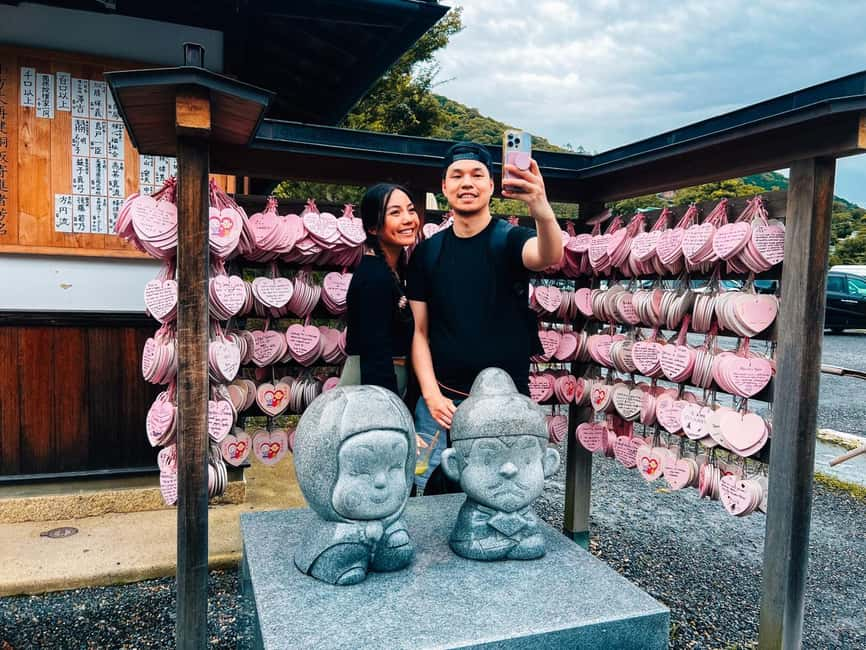
Yasui Kompira-Gu offers one of the tour’s most unusual stops. The shrine is known for its Power Stone archway, through which people crawl while praying to strengthen a relationship or break away from the past.
That ritual gives you a memorable look at how Japanese religious practice can be direct, physical, and symbolic. It is not just a place to take a quick photograph. The meaning of passing through the opening helps explain why people visit and what they hope to change.
A wet evening can make this stop even more striking. One guide explained the shrine’s beliefs while two women took part in the ritual in the rain. You may or may not see someone performing it, but the guide can explain the custom and its role in local ideas about luck and protection.
This is also a good example of why a walking guide adds value. You could pass the shrine without understanding the stone archway. With an explanation, it becomes one of the most distinctive moments of the route.
Hanamikoji Street and the world of geiko and maiko
Hanamikoji Street brings you into the heart of Gion. Its preserved wooden teahouses are connected with the traditional entertainment world, where geiko still perform for private engagements.
Your guide explains the difference between geiko and maiko, along with their training, work, clothing, and daily routines. You also hear about the customs of a world that is deliberately private and not designed for casual public access.
That distinction is important. This is not a meet-and-greet, a dance performance, or a guaranteed sighting. You are learning how the district works while walking through a place where geiko and maiko may be heading to appointments.
The tour also moves through backstreets and less familiar alleys. The description says you may see places connected with where maiko live and train, and hear local stories passed down through generations. Because some locations are private, listen closely and follow the guide’s instructions about photography and where to pause.
If you happen to see a maiko in full attire near the end of the walk, treat it as a chance observation rather than the purpose of the tour. Give her space, do not block the street, and avoid turning the moment into a public photo session.
What the guides add to the walk
The strongest feedback centers on the guides’ explanations and personal attention. Tim has been praised for bringing Kyoto’s past and geisha culture to life. Shin has been singled out for clear, informed explanations of Gion.
Bell has also led a highly praised walk, helping a solo visitor with photographs while explaining Kyoto and Japan with evident enthusiasm. That matters if you are alone and want a safe, social way to spend an evening without wandering unfamiliar lanes by yourself.
Majo handled a tour in poor weather and still explained local beliefs, shrine customs, and the area’s background. Tim and Pedro have also led tours with a strong focus on culture, society, and tradition.
Guide assignments can change, so you should not book on the assumption that one particular person will lead your group. Still, these names indicate the kind of approach you can expect: history mixed with practical storytelling, not a rushed march between photo stops.
Evening timing, photography, and the chance of seeing a maiko
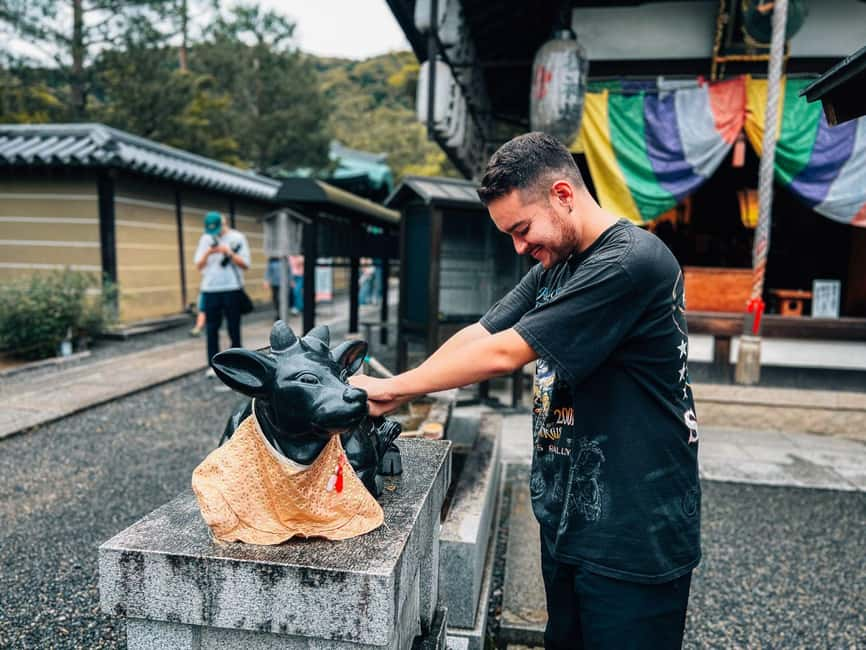
The later timing can be one of the tour’s best features. A nighttime walk may mean fewer people in the frame, especially around traditional streets and small shrines. It can also give the wooden buildings a more atmospheric look.
For solo photographers, the guide may help take photos. One guide did this for a solo visitor, which is a useful courtesy that can be hard to arrange when you are exploring alone.
Still, the lighting will depend on the weather and the departure time. A rainy evening may reduce photo quality, but it can also bring out the shine of the stone lanes and make shrine rituals feel especially vivid.
The possibility of seeing a maiko is real but uncertain. One visitor completed the walk without seeing either a geisha or maiko, even though the guide explained that a sighting might happen. I would book this for the stories, streets, and cultural background. Consider any sighting a bonus.
Is $25 a fair price for two hours?
At $25 per person, this is a strong-value introduction to Gion. You are paying for an English-speaking guide, a two-hour route through several important sites, and explanations that would be difficult to assemble on your own during one evening.
The value is greatest if you are visiting Kyoto for the first time, have limited time in Higashiyama, or want to understand geiko and maiko culture without paying for a private dinner or formal entertainment. It is also useful if you want a structured evening walk instead of navigating the narrow streets alone.
The price does not include a performance, meal, private appointment, or guaranteed encounter with a geiko or maiko. If you are looking for one of those, this is the wrong product.
The tour allows free cancellation up to 24 hours before departure, and you can reserve now and pay later. Availability determines the starting times, so check the schedule before building dinner or evening plans around it.
Who should book this Gion walk?
I would choose this tour if you want:
- A compact introduction to Gion and Higashiyama
- Clear English explanations of geiko and maiko culture
- A mix of shrines, parks, old lanes, shops, and teahouses
- Evening photography with a guide who may help with pictures
- A social and reassuring way to explore at night
- Good value without committing to a full-day tour
I would think twice if you dislike walking on slopes or uneven stone, need wheelchair access, or want a guaranteed geisha encounter. You should also avoid treating the district like a photo studio. The best experience comes from watching respectfully and learning how the neighborhood functions.
My recommendation
Book this tour if you want the story behind Gion, not just a quick photograph of it. The route covers the essential sights, but its real strength is the explanation of rituals, architecture, local beliefs, and the demanding world of geiko and maiko.
At $25, it is an easy value for a first Kyoto visit. Go in with realistic expectations: you may see a maiko, or you may not. Either way, you will leave with a better sense of why Yasaka Shrine, Ninenzaka, Hanamikoji Street, and the surrounding lanes matter.
FAQ
How long does the Gion walking tour last?
The tour lasts two hours.
How much does the tour cost?
The price is $25 per person.
What language is the tour conducted in?
The live guided tour is conducted in English.
Where does the tour begin?
The listed starting point is Starbucks Coffee at Kyoto Gion Hotel.
How do I identify the guide?
The guide will be holding a Traveling Kyoto ID.
Which places are included on the route?
The route includes Yasaka Shrine, Maruyama Park, Nene no Michi, Ninenzaka, Yasui Kompira-Gu Shrine, and Hanamikoji Street.
Will I definitely see a geisha or maiko?
No. A sighting may happen if the timing is right, but it is not guaranteed.
Is the tour suitable for wheelchair users?
No. The activity is not suitable for wheelchair users.
Can I cancel the booking?
Yes. You can cancel up to 24 hours in advance for a full refund. You can also reserve now and pay later.
Recently added around Kyoto
- Higashiyama | Kyoto: Sakura Season Private Rickshaw Tour★ 5.0 · 3 reviews
- Kyoto Kimono Rental CHAMATSU|Kimono/Yukata Rental FamilyPlan★ 5.0 · 3 reviews
- Kyoto: Half-Day Private Guided Tour to the Old Town of Gion★ 4.4 · 3 reviews
- Nara Private Customizable Half Day Tour★ 5.0 · 3 reviews
- Kansai Region Hiking Adventure in Nara Kobe Kyoto and More★ 5.0 · 3 reviews
- Full Day Nara Deer, Temple, Shrine, Activities & Tea Ceremony★ 5.0 · 3 reviews
- Nara: Essential Private Tour with Deer Park and Temples★ 5.0 · 3 reviews
- Hiking Tour for Sacred Sites in Kyoto with a Guide★ 5.0 · 3 reviews
Gion Geisha District Tours, compared.

Kyoto Geisha Walking Tour: Gion District & Hidden Gems
Read our review →
Gion Magical Night Walking Tour with Geisha Trivia
Read our review →
Gion Geisha District Walking Tour – Stories of Geisha
Read our review →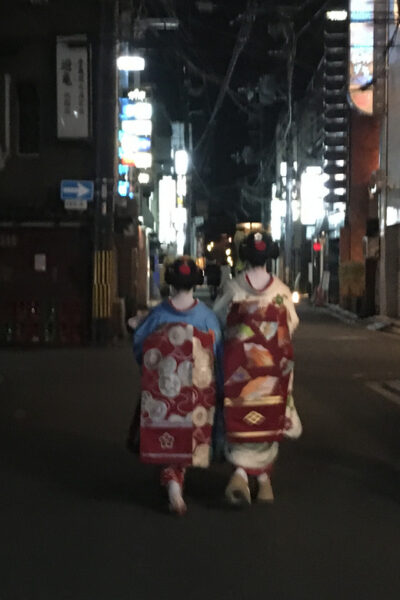
Best of Kyoto: Gion, Geisha, Pagodas & Cobblestones
Read our review →

Kyoto Night Foodie Tour in Gion (9+ dishes + 6 Sake tastings)
Read our review →
Kyoto Gion Geisha District Walking Tour – The Stories of Geisha
Read our review →
Kyoto Gion: 2-Hour Geisha Culture & History Walking Tour
Read our review →Browse the lists this tour appears in