REVIEW · VIP
Kyoto: Private Highlights Tour with Guide and Luxury Vehicle
Kyoto’s biggest challenge is not finding beautiful places. It is fitting them together. This private tour tackles that problem with a driver, air-conditioned vehicle, and a full 10-hour day covering temples, shrines, markets, and old streets. Guides including Sam, Yash, Hashan, and Malik are praised for adjusting the route, helping with photographs, and keeping the day moving.
I like the door-to-door pickup, especially if you are staying in Osaka or Nara. I also like the freedom to change the plan when your children tire, the weather turns, or one temple captures your attention. The trade-off is simple: this is a packed day, and even with a vehicle, you will walk a lot at Arashiyama, Kiyomizu-dera, Gion, and Fushimi Inari.
In This Review
- Quick takeaways
- Why this private day works well in Kyoto
- Arashiyama starts with bamboo, bridges, and hillside views
- Kinkaku-ji brings the famous golden reflection
- Fushimi Inari makes you choose how far to walk
- Kiyomizu-dera leads into Kyoto’s old streets
- Gion offers atmosphere, not a guaranteed geisha sighting
- The north and central stops add useful variety
- Nishiki Market is your flexible lunch stop
- What the vehicle and guide add
- The walking and timing deserve an honest warning
- Who gets the best value from the $383 price
- Should you book this Kyoto highlights tour?
- FAQ
- How long is the Kyoto private highlights tour?
- Where can pickup and drop-off take place?
- How many people can join the private tour?
- What languages are available?
- Is transportation included?
- Are meals included?
- Are temple admission tickets included?
- Can the itinerary be changed?
- Is the tour wheelchair accessible?
- What should you bring?
Quick takeaways
- A private Kyoto sweep: Cover major sights from western Arashiyama to southern Fushimi Inari without changing trains between every stop.
- Pickup beyond Kyoto: Your hotel, Airbnb, or accommodation in Kyoto, Osaka, or Nara can be included.
- Flexible pacing: Your guide can adjust the order and spend more time on the places that matter most to you.
- Strong family option: The private vehicle gives tired children a place to rest between long sightseeing stops.
- Walking still matters: The car gets you near the sights, but not all the way to every temple or historic lane.
- Bring cash and comfortable shoes: Food, drinks, and entry tickets cost extra, and some temples do not accept cards.
Why this private day works well in Kyoto
Kyoto is spread out. Arashiyama sits in the west, Kinkaku-ji is farther north, Gion and Kiyomizu-dera fill the eastern side, and Fushimi Inari is well south of the center. Public transportation can handle these areas, but a single day becomes a puzzle of trains, buses, walks, and waiting.
This tour solves much of that puzzle. You are collected at your accommodation and driven between districts in an air-conditioned vehicle with onboard Wi-Fi. The group is private, with a maximum of six people, so you are not tied to a stranger’s pace or a fixed coach schedule.
The price is $383 per group, not per person. With six people, that works out to about $64 per person before admission fees and meals. For two people, it is a much bigger spend, but you are paying for private transport, a driver-guide, hotel pickup, and the ability to shape the day. The value is strongest if you are coming from Osaka or Nara, traveling with children, or have only one day for Kyoto.
The day can run from about 8 a.m. to 5 p.m., though a later start may be possible. Do not read the 10-hour duration as permission to linger everywhere. Kyoto’s roads and crowds can eat time quickly, especially during cherry blossom season, New Year, and other busy periods.
A few more Kyoto experiences worth comparing
- Fushimi Inari Hidden Hiking Tour (Private Option Available)
★ 5.0 · 1,750 reviews - Private Kyoto Tour with a Local, Highlights & Hidden Gems, Personalised
★ 5.0 · 1,543 reviews - Kyoto 6hr Private Tour with Government-Licensed Guide
★ 5.0 · 1,369 reviews
Arashiyama starts with bamboo, bridges, and hillside views
Arashiyama is usually the opening act, and it is a good one. The area brings together several different Kyoto experiences: the famous Sagano Bamboo Forest, the garden at Tenryu-ji, the Togetsu-kyo Bridge, and Monkey Park Iwatayama.
The bamboo grove is the most photographed stop. Tall green stalks rise on both sides of the path, creating a cool, shaded corridor. You are scheduled for roughly 40 minutes here as a photo stop, which is enough for a walk and pictures but not a slow exploration of every nearby lane.
Expect crowds. The grove is not a quiet wilderness, and a private car cannot remove the people from the path. Your guide can help with timing and point you toward good photo locations, but you should still treat this as a popular public sight rather than a private forest.
Tenryu-ji adds the cultural weight that the bamboo path lacks. Its temple buildings and garden offer a calmer look at Zen design, with carefully arranged water, trees, and borrowed mountain views. The listed schedule allows about an hour in Arashiyama, so ask your guide how that hour will be divided among the temple, bridge, grove, and Monkey Park.
Monkey Park Iwatayama sits on a hillside and requires walking uphill. The stop can reward you with views over Kyoto, but it is not ideal if your group has limited mobility or wants a low-effort morning. The private vehicle helps with transport, not with the climb.
The Kimono Forest, near the Arashiyama train area, is a quick and colorful contrast. Its pillars are wrapped in patterned kimono fabric, creating an easy photo stop. It is less about ancient architecture and more about modern design inspired by traditional textiles.
Kinkaku-ji brings the famous golden reflection
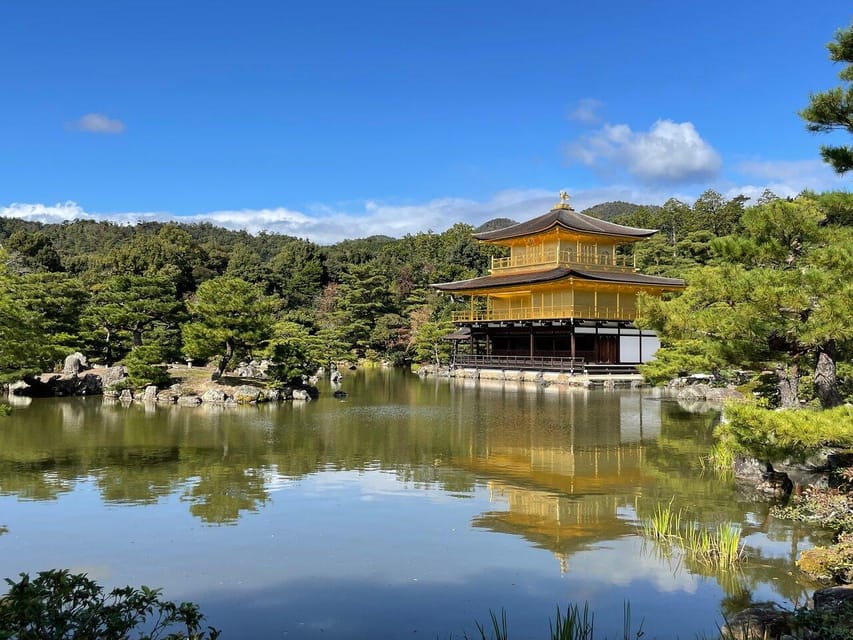
Kinkaku-ji, the Golden Pavilion, is one of Kyoto’s essential sights. The upper levels are covered in gold leaf, and the building reflects across a pond backed by clipped trees and gardens.
The route through the grounds is clearly defined, and you view the pavilion from the garden rather than entering it. That matters because the visual impact comes quickly. You can take excellent photographs, but this is not a place where you spend hours inside a building.
The scheduled visit is about one hour. That gives you time to walk the grounds, pause at the pond, and see the other garden features without turning the stop into a sprint. Admission is not included, so keep cash with you in case card payment is not available.
Kinkaku-ji can be crowded, and the narrow viewing areas may slow your group. A flexible driver-guide may alter the order of the day to avoid the worst traffic, but no itinerary can guarantee an empty pavilion. The reward is seeing one of Japan’s most recognizable buildings without spending your limited Kyoto day figuring out bus connections.
Fushimi Inari makes you choose how far to walk
Fushimi Inari Taisha is famous for its thousands of vermilion torii gates. They form tunnels up Mount Inari, beginning near the main shrine buildings and continuing along wooded mountain paths.
You do not need to walk the entire route to understand the place. The first section gives you the signature red-gate experience, while the higher paths become quieter and more demanding. The planned visit is about an hour, so most groups will need to choose between a short gate walk and a longer climb.
Your guide can explain the role of the shrine and help you manage the timing. The private ride is especially useful here because Fushimi Inari is far from Arashiyama and the northern temples. You save the effort of navigating across the city, but your legs still do the work once you arrive.
This is one of the stops where comfortable shoes matter most. Slippery weather also changes the experience, so bring an umbrella when rain is forecast. The shrine grounds are open-air, and the tour continues even when the day is wet.
A completely different side of Kyoto:
- PERFECT KYOTO 1-Day Bus Tour
★ 5.0 · 13,518 reviews - Kyoto: Fushimi Inari, Kinkakuji, Bamboo Grove 1 Day Bus Tour
★ 4.8 · 4,316 reviews - Kyoto: Tea Ceremony in a Traditional Tea House in Kiyomizu
★ 4.9 · 3,519 reviews - Kyoto Geisha Walking Tour: Gion District & Hidden Gems
★ 4.7 · 3,273 reviews
Kiyomizu-dera leads into Kyoto’s old streets
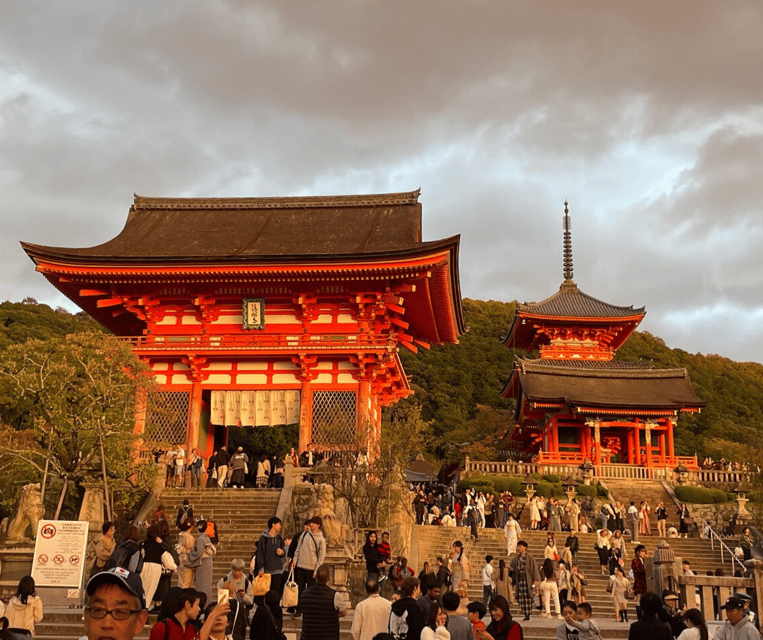
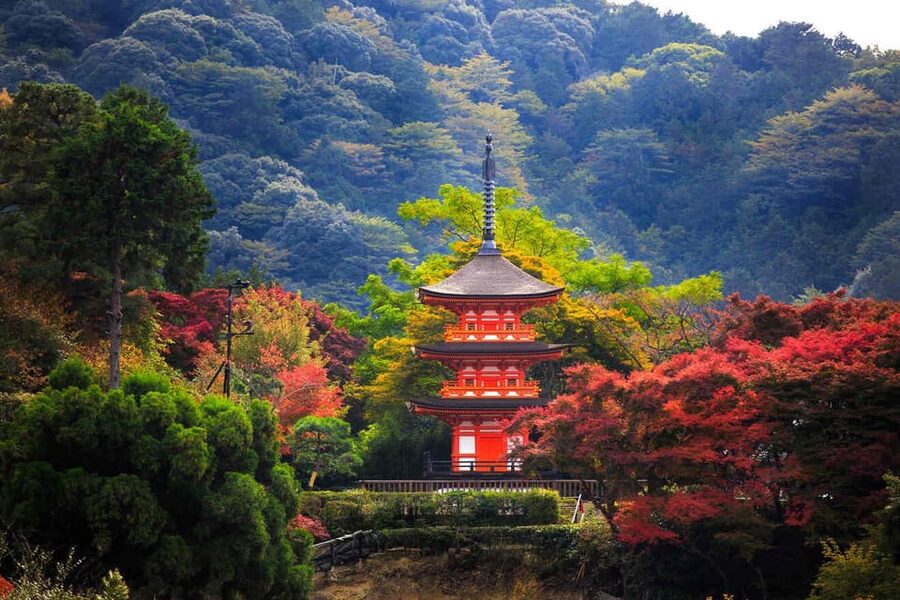
Kiyomizu-dera is set on the eastern hills and is known for its large wooden stage, which looks across Kyoto. The temple’s position gives you both architecture and a city view, while the approach provides a lively walk through traditional streets.
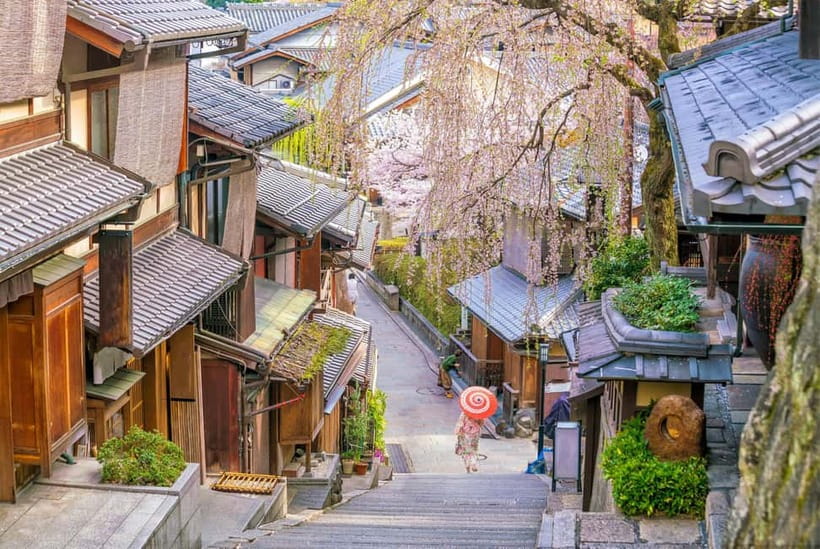
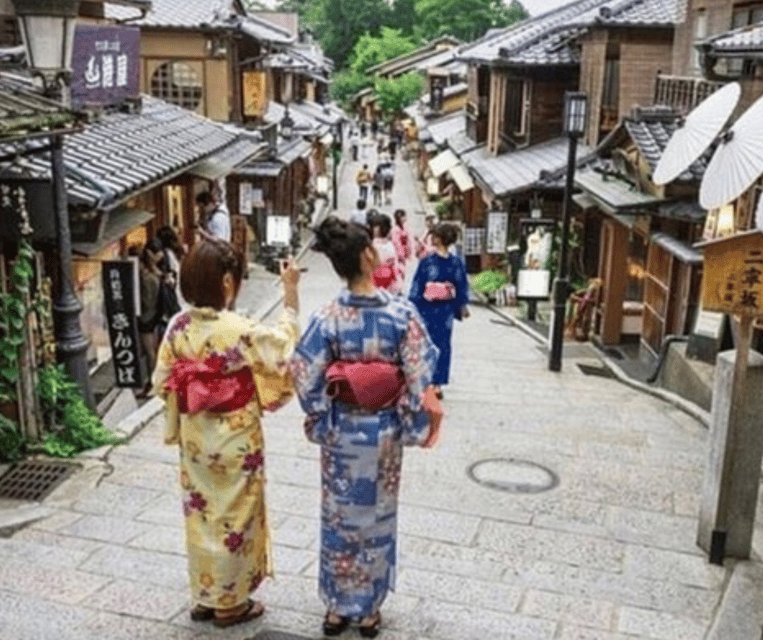
Ninenzaka and Sannenzaka are part of the appeal. These sloping lanes are lined with shops, tea houses, sweets, souvenirs, and old-style buildings. They are attractive but not effortless. The paving can be uneven, and the route involves hills and steps.
The temple visit is planned for about an hour, but the surrounding streets can easily stretch that time. If you want tea, shopping, or photographs, tell your guide early. If your priority is seeing more temples, you may need to keep this section focused.
The vehicle cannot wait beside every entrance. You will be dropped near the practical access point and then walk through the historic area. This is why the tour can still feel tiring even though you rarely carry the burden of city transport.
Gion offers atmosphere, not a guaranteed geisha sighting
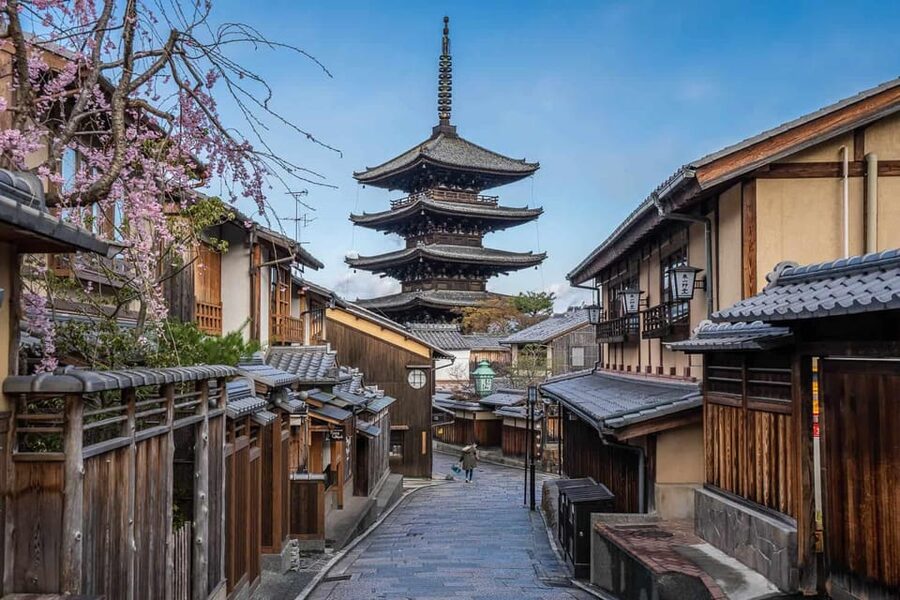
Gion is Kyoto’s best-known district for traditional teahouses, narrow lanes, and geisha culture. The pleasure here is in the atmosphere: dark wooden facades, carefully maintained streets, and a sense of the old entertainment quarter.
Treat Gion respectfully. It is a working neighborhood, not a stage set, and the presence of visitors can make the lanes crowded. A guide can give you context about the district and direct you toward the areas that fit your time and interests.
Do not book this tour expecting a guaranteed geisha encounter. The supplied information promises a visit to Gion and an introduction to its culture, not a performance or meeting. That is a good reason to focus on the district itself rather than chasing a particular sight.
Gion often pairs naturally with Kiyomizu-dera and the Higashiyama streets. Grouping them helps reduce backtracking, though the final order depends on traffic, opening hours, and your chosen priorities.
The north and central stops add useful variety
The detailed route also includes Ginkaku-ji, the Silver Pavilion, and Sanjusangen-do. These are important because the tour is not only a collection of the most photographed locations.
Ginkaku-ji is a Zen temple with a refined garden and a quieter visual character than Kinkaku-ji. Despite its common nickname, the pavilion is not covered in silver. The appeal lies in the restrained design, moss, sand forms, and garden paths.
Sanjusangen-do is known for its long wooden hall and rows of Buddhist statues. It offers a very different interior experience from the open gardens and outdoor shrine paths elsewhere in the day. The scheduled visit is about an hour, though the time available may change if your group chooses extra time in Arashiyama or at Kiyomizu-dera.
There is a practical point here: the promotional description highlights the main Kyoto classics, while the detailed route lists Ginkaku-ji and Sanjusangen-do as well. Since the day is customizable, confirm your must-see list at pickup. You may not be able to give every stop equal time.
Nishiki Market is your flexible lunch stop
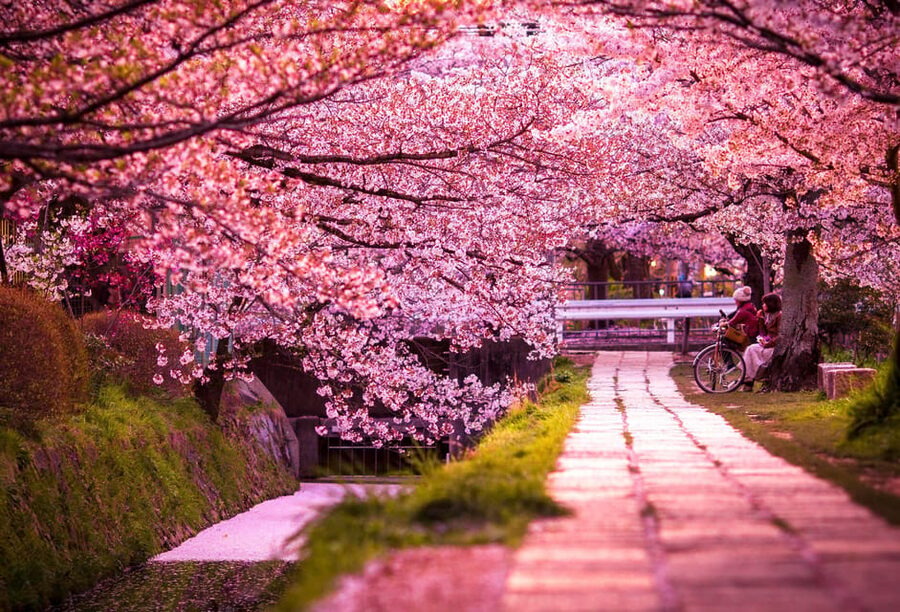
Nishiki Market is a narrow food market in central Kyoto, packed with stalls selling local specialties and everyday Japanese ingredients. It is a useful place to pause because everyone can choose a different snack or meal.
Food and drinks are not included. That is actually helpful for a private group, since you are not locked into one set menu. You can eat at Nishiki Market or ask to stop at a restaurant that suits your group. Guides have helped arrange restaurants, including vegan options, and some have called ahead when language made reservations difficult.
Allow enough time to eat. A rushed lunch can make the final half of the day unpleasant, especially after the walking at Kiyomizu-dera and Fushimi Inari. Coffee and rest breaks are not minor luxuries on this itinerary. They are how you keep the day enjoyable.
Nishiki Market can be crowded, and the aisle is not the place for a large group to spread out. Stay close together, follow local food rules, and expect to pay directly for what you eat.
What the vehicle and guide add
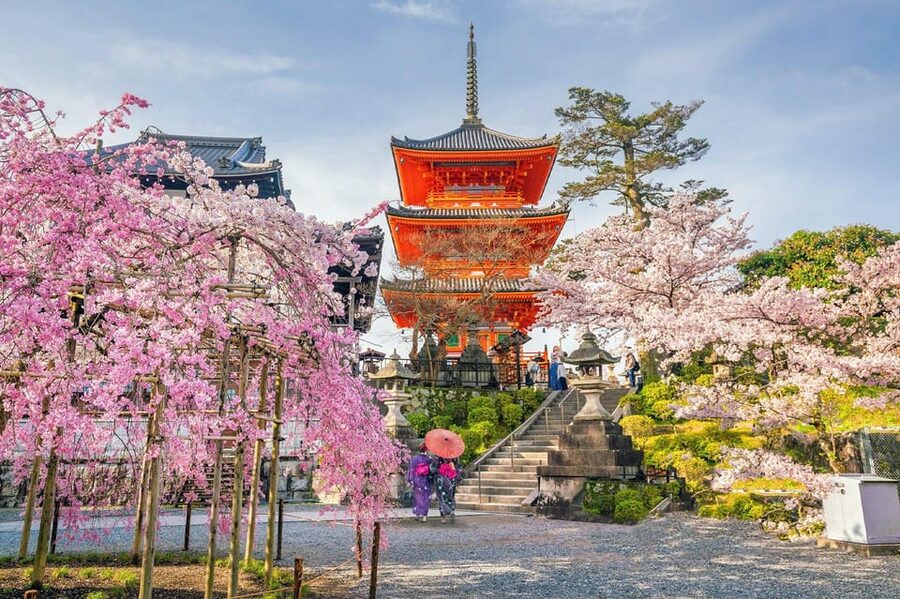
The vehicle is the tour’s main practical advantage. It is air-conditioned, described as a luxury vehicle, and includes Wi-Fi. Several guides have also been praised for clean, comfortable vans and smooth, safe driving.
You get more than a taxi because the driver-guide stays involved at the stops. Guides such as Sam, Yash, Bagas, Sunny, Malik, Hashan, and Ali have been singled out for clear communication, route changes, photographs, restaurant help, and patience with children. The assigned guide may vary, so do not assume you will receive a particular person unless the provider confirms it.
The guide’s role can also vary in style. Some guides walk with you and offer detailed background. Others provide directions and brief explanations while focusing on efficient driving and timing. The activity is presented with English, Japanese, Hindi, and Urdu language support, but it is wise to confirm your preferred language when booking.
This is not a fully hosted luxury experience with meals, bottled water, or temple admissions included. Bring your own water and snacks, and budget separately for entry fees. One rider specifically noted that the service was comfortable but had no bottled water or extra amenities, so pack accordingly.
The walking and timing deserve an honest warning
The private car removes transfers, not distance. Bamboo Forest, Kiyomizu-dera, Ninenzaka, Sannenzaka, Gion, and Fushimi Inari all require walking. Monkey Park adds a hill, and Kiyomizu-dera’s surrounding streets are not flat.
If someone in your group has limited mobility, discuss the exact plan before departure. The tour is wheelchair accessible as an activity, but the individual temple grounds, hillside paths, steps, and historic lanes may still present challenges. Ask what can be shortened or replaced.
The schedule lists about one hour at each major stop. That is enough for a useful look, not a slow scholarly visit. You can customize the day, but customization works best when you rank your priorities. For example, you might choose Arashiyama, Kinkaku-ji, Kiyomizu-dera, Gion, and Fushimi Inari as your core five, then add Nishiki Market if time allows.
A guide can rearrange stops around traffic and crowds. That helped groups during snow, rain, cherry blossom season, and New Year. Still, Kyoto is a busy city, and you should expect a full day rather than a relaxed stroll.
Who gets the best value from the $383 price
I see the strongest value for a group of four to six. Split among six people, the cost is modest for a private vehicle and a 10-hour route. Families also gain flexibility: the guide can slow down for children, change the order, or provide a quiet ride between sights.
The price is also attractive if you are based in Osaka or Nara. Pickup and drop-off are offered in all three cities, which can save you the trouble of arranging separate rail travel. A day trip from Osaka can be long, but the door-to-door format makes it much easier to manage.
Couples should compare the cost with trains and taxis before booking. The private format brings comfort and control, but two people pay the full group price. If your goal is only one district, such as Arashiyama or Higashiyama, public transportation may be more economical.
The 4.6 rating from 316 bookings points to a consistently strong experience, especially for transport, flexibility, guide attitude, and the amount covered in one day. The main caution is not service quality. It is the ambitious schedule and the physical effort required.
Free cancellation up to 24 hours before the start and reserve-now, pay-later terms make this easier to fit into a changing Japan itinerary. Entry fees, food, drinks, and personal purchases remain your responsibility.
Should you book this Kyoto highlights tour?
Book it if you have one day, want to see Kyoto’s major sights, and value a private vehicle more than a slow, single-neighborhood visit. It is particularly useful for families, groups of friends, Osaka-based day trippers, and anyone who does not want to manage Kyoto’s spread-out transport system.
Before you go, send the provider a short priority list. Put your top three sights first, ask how much walking each requires, and confirm whether Ginkaku-ji and Sanjusangen-do fit alongside your other choices. Wear sturdy shoes, carry cash, bring water, and protect time for lunch.
Skip it if you want long temple visits, quiet reflection, or a gentle pace. For that kind of Kyoto, two or three days with neighborhood-based outings will serve you better. For a single, high-output day with a helpful driver-guide and a comfortable vehicle, this is a sensible way to see a great deal of the city.
FAQ
How long is the Kyoto private highlights tour?
The tour lasts 10 hours. Starting times depend on availability, and some groups have used a later start when that suited their plans.
Where can pickup and drop-off take place?
Pickup and drop-off are available from accommodations, hotels, or Airbnbs in Kyoto, Osaka, and Nara.
How many people can join the private tour?
The price covers a private group of up to six people.
What languages are available?
Live guide support is listed in English, Japanese, Hindi, and Urdu.
Is transportation included?
Yes. Private transportation in an air-conditioned vehicle is included, along with hotel pickup and drop-off and Wi-Fi on board.
Are meals included?
No. Food and drinks are not included. You can choose a restaurant or eat at Nishiki Market.
Are temple admission tickets included?
No. Entry tickets are extra. Bring some cash because certain temple ticket counters may not accept cards.
Can the itinerary be changed?
Yes. The tour can be customized according to your interests and preferences. Tell your guide which sights matter most so the day can be planned around them.
Is the tour wheelchair accessible?
The activity is listed as wheelchair accessible. However, some temple grounds, hillside routes, stairs, and historic streets may still be difficult, so confirm the specific stops needed by your group.
What should you bring?
Wear comfortable shoes. If rain is expected, bring an umbrella, and carry cash for admission fees and purchases.
Recently added around Kyoto
- Higashiyama | Kyoto: Sakura Season Private Rickshaw Tour★ 5.0 · 3 reviews
- Kyoto Kimono Rental CHAMATSU|Kimono/Yukata Rental FamilyPlan★ 5.0 · 3 reviews
- Kyoto: Half-Day Private Guided Tour to the Old Town of Gion★ 4.4 · 3 reviews
- Nara Private Customizable Half Day Tour★ 5.0 · 3 reviews
- Kansai Region Hiking Adventure in Nara Kobe Kyoto and More★ 5.0 · 3 reviews
- Full Day Nara Deer, Temple, Shrine, Activities & Tea Ceremony★ 5.0 · 3 reviews
- Nara: Essential Private Tour with Deer Park and Temples★ 5.0 · 3 reviews
- Hiking Tour for Sacred Sites in Kyoto with a Guide★ 5.0 · 3 reviews
VIP, compared.
Kyoto & Nara: Private Day Tour by luxury Vehicle & English Guide
Read our review →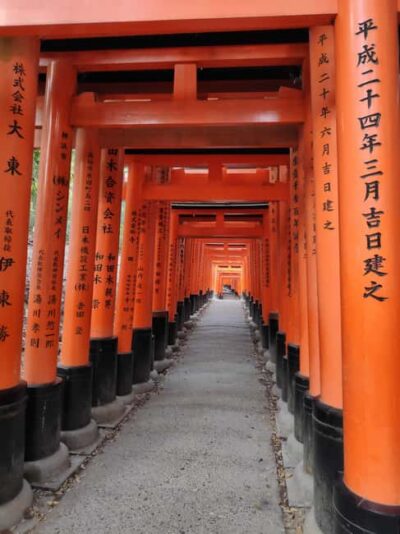
Craig’s Kyoto Private Luxury Alphard Tour / The Early Riser
Read our review →