
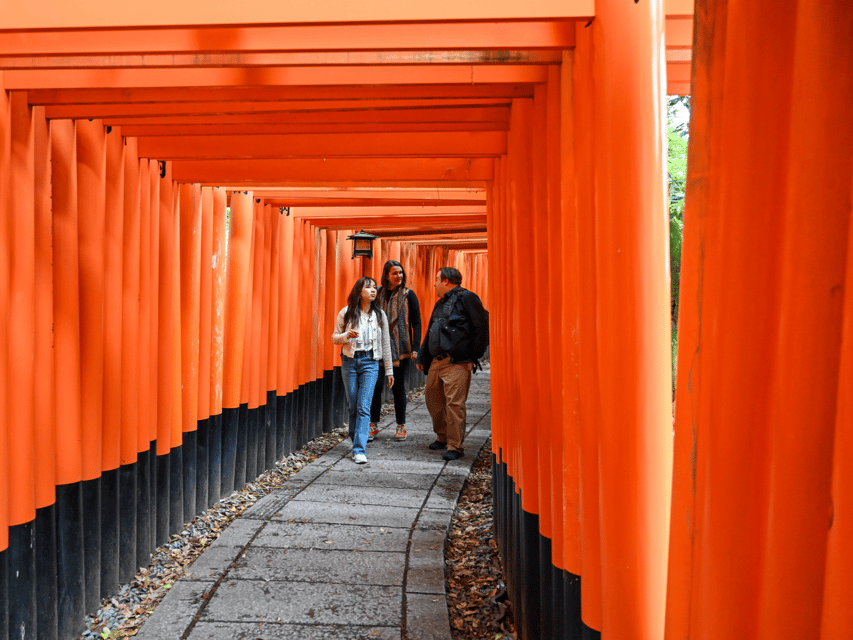
REVIEW · WALKING TOURS
Kyoto: Private Customized Walking Tour with a Local Insider
Kyoto’s best moments often come between the famous sights: a quiet garden, a small food counter, a temple tea room, or a backstreet you would never find alone. This private walking tour puts a local host beside you and lets you shape the day around your interests, from shrines and gardens to food and geisha culture. I like the pre-tour questionnaire, which helps match you with a suitable host, and I like the freedom to change course when a good idea appears. The main tradeoff is that your $64 starting price does not cover food, entry fees, taxis, or public transport.
I also like how useful this can be at the start of a Kyoto visit. Guides such as Mia, Nisa, Milo, Hiro, and Takaya have helped people understand train travel, local manners, restaurant choices, and what to see next. Just remember that this is a walking experience, not a private car tour, so a long route can mean tired feet and extra transport costs.
In This Review
- Key points at a glance
- Why a custom route works so well in Kyoto
- Choosing between shrines, gardens, Gion, and food
- Shrines and temples
- Japanese gardens and quieter corners
- Gion and geisha culture
- Nishiki Market and Kyoto food
- Shopping and practical errands
- What the time options really mean
- What is included, and where the budget can grow
- The host can shape your first day in Japan
- Walking pace, transport, and comfort
- What the strongest guide experiences have in common
- Should you book this Kyoto walking tour?
- FAQ
- How long does the private Kyoto walking tour last?
- What languages are available?
- Is the tour private?
- Can the itinerary be customized?
- Can I request specific Kyoto sights or themes?
- Is hotel pickup available?
- Are food, attraction tickets, and transport included?
- Can I cancel the booking?
Key points at a glance
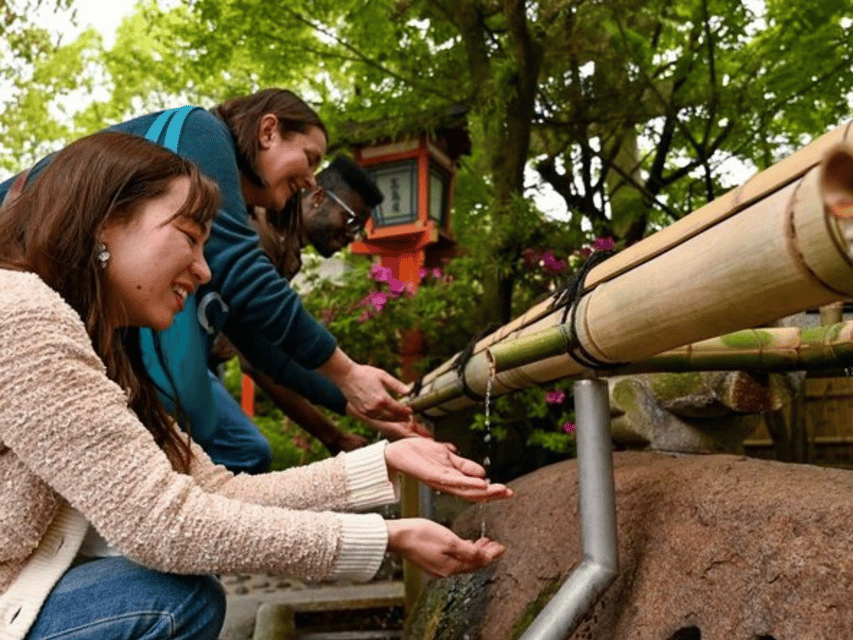
- Your interests set the route: Ask for shrines, Japanese gardens, food, Gion, shopping, history, or quieter areas.
- A real local connection: The guide may feel more like a friend showing you around than a lecturer following a script.
- Useful first-day help: Hosts can explain trains, local customs, restaurants, and practical city basics.
- Room for small discoveries: An impromptu snack, a temple tea room, or a quiet lane can become part of the outing.
- Flexible time choices: Book anywhere from two to six hours, with start times arranged according to availability.
- Plan for walking costs: Food, admission tickets, taxis, and public transport are extra.
Why a custom route works so well in Kyoto
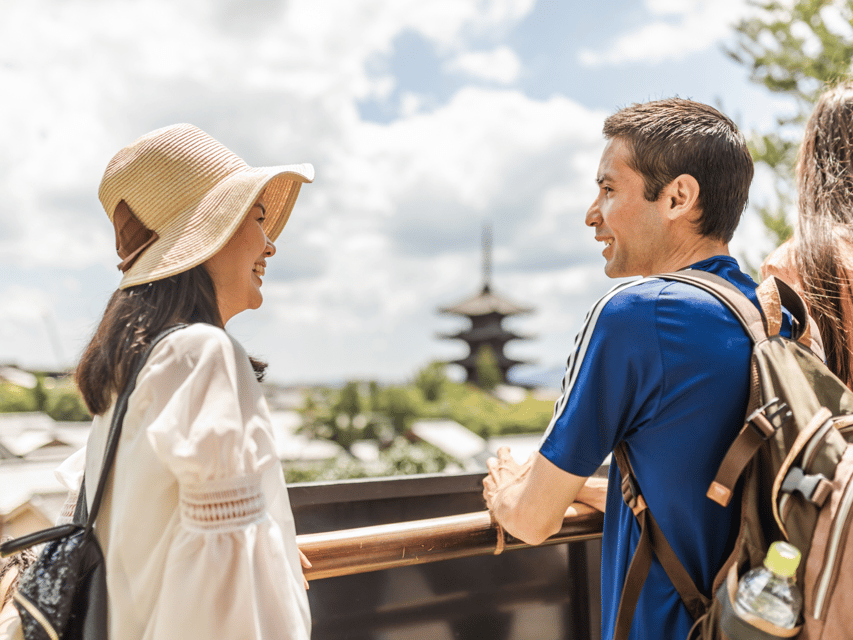
Kyoto can be hard to read on your own. One famous temple may be close on the map but awkward to reach from the next. A food market can be most enjoyable before the crowds build. A Gion walk means more when someone explains the difference between a historic street, a working neighborhood, and a place that exists mainly for sightseeing.
That is where this format earns its keep. You complete a short questionnaire about your personality and interests, then communicate directly with your host before meeting. Your host suggests a plan, but the schedule is not locked in stone. If you become fascinated by gardens, want a longer lunch, or realize that your family needs a slower pace, the route can change.
I would use this tour to answer a simple question: what do I want Kyoto to feel like? If the answer is old temples and gardens, your host can focus there. If it is food and daily life, Nishiki Market, local restaurants, shopping streets, and neighborhood walks may make more sense. If you have children or mobility concerns, say so early. Takaya was specifically praised for handling mobility issues with care, while another guide helped cheer up a tired child and keep the family enjoying the day.
The personal match matters. Past guides have included Mia, Nisa, Milo, Hiro, Eiko, Sasha, Ai, and Shingo, among many others. The names change, and so will the personality and style of your host. You may get a cheerful storyteller, a practical city helper, or someone who focuses on history and religion. The questionnaire is meant to improve that match, so answer it carefully rather than rushing through it.
More walking tours in Kyoto:
- Kyoto Geisha Walking Tour: Gion District & Hidden Gems
★ 4.7 · 3,273 reviews - Kyoto: Gion Magical Night Walking Tour with Geisha Trivia
★ 4.9 · 2,393 reviews - Kyoto: Gion Geisha District Walking Tour – Stories of Geisha
★ 4.7 · 2,187 reviews
Choosing between shrines, gardens, Gion, and food
You cannot cover all of Kyoto properly in two hours. The smart move is to pick a clear theme, then let your host connect it with nearby sights.
Shrines and temples
If this is your first visit, ask for a manageable mix of major religious sites and the streets between them. Guides have taken people to several temples and shrines in one half-day, explaining Buddhism, local religious practice, Japanese history, and the customs behind what you are seeing.
The benefit is context. A temple can otherwise become a quick photograph followed by the question, what was special about that place? A good host explains how to behave, what to notice in a garden, and how a shrine differs from a Buddhist temple. You will also have someone to answer the small questions that guidebooks often skip.
A drawback is time. Kyoto’s major sites are spread out, and even a private tour cannot bend geography. If you want several distant temples, your host may suggest public transport or a taxi. Those costs are not included.
Japanese gardens and quieter corners
For a calmer outing, ask about gardens and less crowded temples. Sasha took one group to a Japanese garden and Nanzenji, with time for matcha in a traditional tea room. The garden explanation became part of the experience rather than a quick stop on a checklist.
This is one of the strongest reasons to choose a private host. You can stop when a view catches your eye, ask why stones or water are placed in a certain way, and spend less time in places that do not interest you. Guides have also helped people find quieter shrines and gardens away from the busiest routes.
Do not expect every hidden corner to be guaranteed. The final route depends on your host, opening hours, season, and the time you book. Treat quieter places as a goal to discuss, not a promised secret itinerary.
A few more Kyoto experiences worth comparing
- Fushimi Inari Hidden Hiking Tour (Private Option Available)
★ 5.0 · 1,750 reviews - Private Kyoto Tour with a Local, Highlights & Hidden Gems, Personalised
★ 5.0 · 1,543 reviews - Kyoto 6hr Private Tour with Government-Licensed Guide
★ 5.0 · 1,369 reviews - 10 Must-see Spots in Kyoto One Day Private Tour (up to 7 people)
★ 5.0 · 1,108 reviews
Gion and geisha culture
Gion suits you if you want to understand Kyoto’s traditional entertainment districts rather than simply walk through them. A host can explain local customs, the role of geisha culture, and how to behave respectfully in working neighborhoods.
Nisa was praised for explaining geisha culture as well as broader aspects of Japanese life. That kind of introduction helps you look past costumes and photo opportunities. You get a clearer sense of the people, businesses, and traditions connected with the district.
Gion is also an area where good manners matter. Keep your camera under control, do not block narrow streets, and follow your host’s advice. The tour gives you guidance, but it does not turn a residential and working area into a stage set.
Nishiki Market and Kyoto food
Food is a natural choice for this tour because taste is personal. You can ask for traditional dishes, market snacks, a good lunch, or help understanding what you are ordering. One morning with Mia included Nishiki Market and local food, while other guides recommended lunches that suited specific dietary needs.
The market can be busy, so it helps to have someone explain what is worth trying and how to eat respectfully. You may stop for a snack, sit down for lunch, or use the food walk to learn about everyday Kyoto.
Bring extra money. Food and drinks are not included, and the $64 price is not a meal package. If you have allergies or dietary restrictions, tell your host before the tour. A guide has successfully helped arrange lunch around dietary needs, but advance notice gives you a better chance of a smooth meal.
Shopping and practical errands
This experience can also be surprisingly useful for practical tasks. Hiro helped one family buy items they needed and understand the trains, while other hosts gave restaurant and sightseeing advice for the rest of the trip.
That makes the tour a good choice after arrival, when you are still learning how Kyoto works. You can combine a shrine visit with a shopping errand, ask how to use public transport, and finish with a list of places to visit on your own.
What the time options really mean
The two-hour version is best for a focused introduction. Choose one neighborhood or theme, such as Gion, food, or a few nearby temples. It can help you get your bearings without using up half a day.
Three hours gives you more breathing room. You might combine a cultural stop with a market visit, or add a garden and a snack without racing. Elena described three hours with Milo as enough time for many sights and useful advice about getting around.
Four hours is the sweet spot for most first-time visitors. Brenda used four hours to give a couple the right mix of sights, history, and an unexpected snack. A half-day also gives your guide time to adjust the pace, answer questions, and suggest what to do afterward.
Six hours suits you if you want a full day built around several interests. You will need to be comfortable walking for much of the day, with possible train or taxi transfers. A longer booking may offer better value for a family or private group, but only if you have a clear plan and enough energy.
Start times are flexible within available options, and central Kyoto hotel pickup can be arranged. Otherwise, the meeting point is the Starbucks Coffee by Kyoto Sanjo-ohashi Bridge. Confirm the exact plan and meeting details with your host before setting out.
What is included, and where the budget can grow
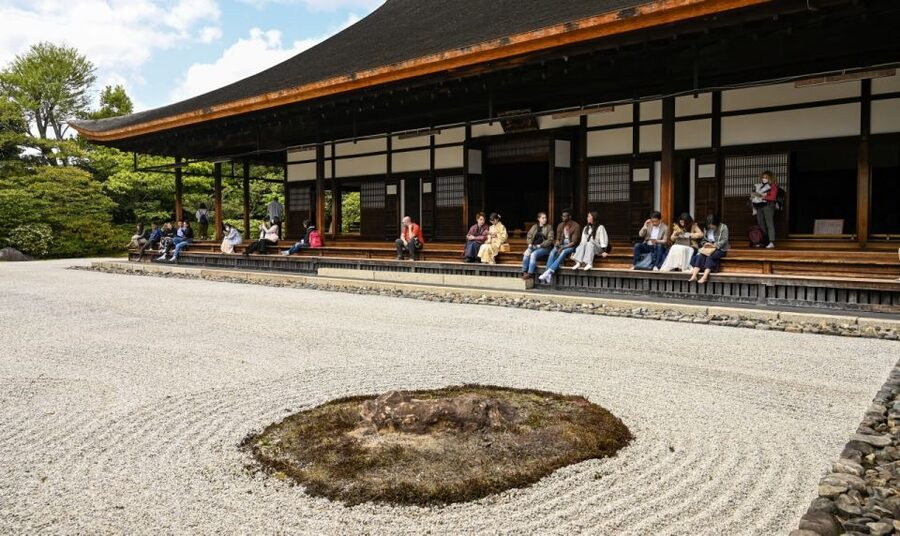
At $64 per person, this is a fair price for a private experience, especially if two or more people share the attention of one host. You are paying for planning, local guidance, conversation, and the ability to shape the day. A private tour can also save time if you would otherwise spend hours deciding which train, street, or restaurant to choose.
The value is strongest when you use the guide for more than basic sightseeing. Ask questions. Request help with local customs. Get restaurant suggestions for later. Have your host explain how to reach another temple or market after the tour ends. Several guides have given practical recommendations that extended well beyond the booked hours.
The price is less attractive if you want a standard sightseeing package with admissions and meals bundled in. You pay separately for food, drinks, attraction tickets, taxis, and public transport. Since Kyoto’s sights can be spread out, ask your host about likely transport needs before the day begins.
Because the tour is private, the cost per person may feel high for a solo visitor. For a couple, family, or small private group, the personal attention makes more sense. The group format is private, and the activity is wheelchair accessible, but tell the provider about your needs ahead of time so the walking route can be handled sensibly.
The host can shape your first day in Japan
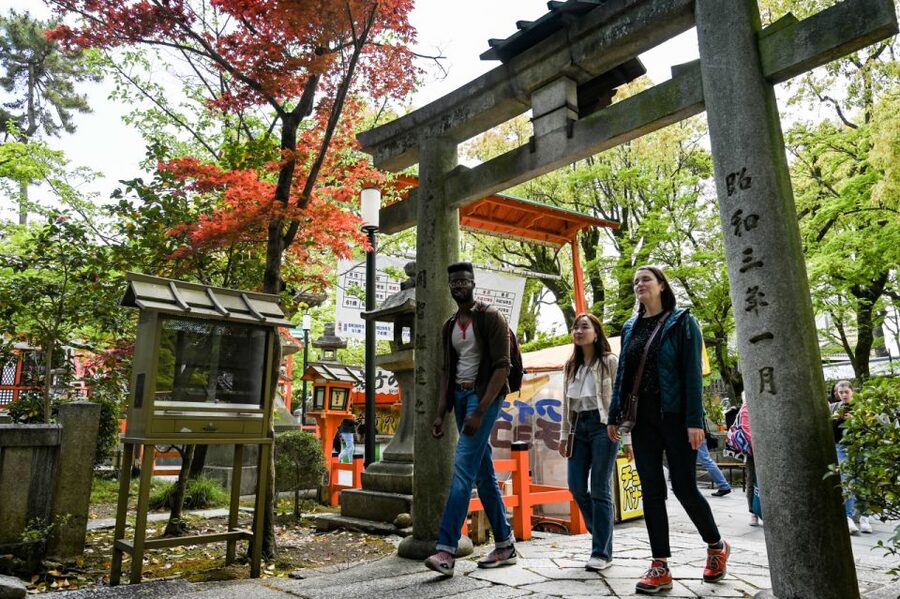
I would book this early in a Kyoto stay if you want help with the basics. Brittany found that a tour with Emi made her feel more prepared with cultural matters and getting around. That is a valuable result: you leave not only with memories, but with a better understanding of trains, restaurant etiquette, and how to plan the next few days.
A first-day booking also lets you ask the questions that come up when everything is new. How do I enter a shrine? What should I do at a temple? Which restaurants need planning? How do I get back to my hotel? A local host can turn confusion into a workable plan.
You do not need to be a first-time visitor, though. Returning to Kyoto, you might ask for gardens, food counters, local neighborhoods, or a closer look at geisha culture. One host showed a group a tiny counter in someone’s home, an experience that would be difficult to locate through a general sightseeing list.
Still, expectations matter. This is not a guaranteed food crawl, formal historical lecture, or fixed list of Kyoto’s biggest attractions. It is a conversation-led day shaped around your answers and the host you receive.
Walking pace, transport, and comfort
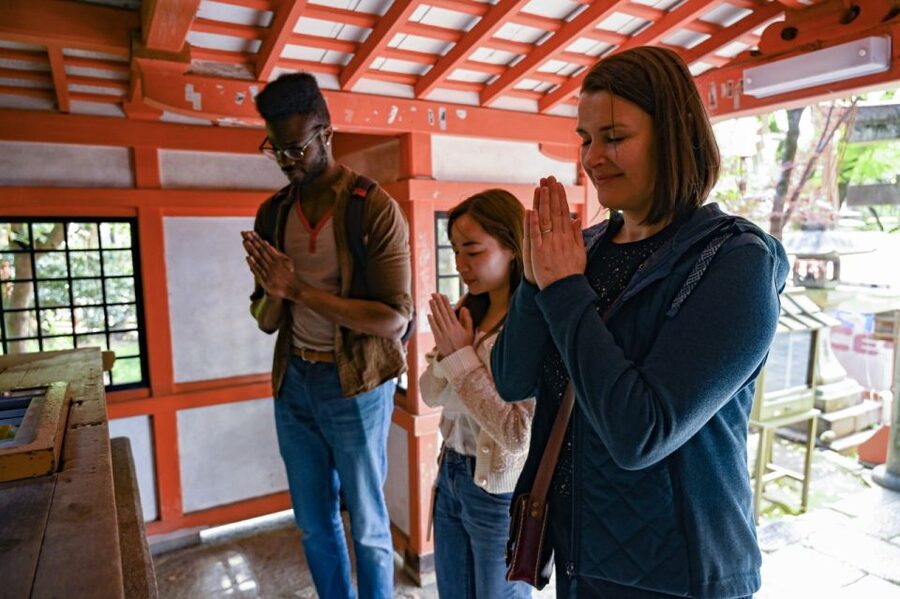
Wear comfortable shoes. Even a short tour can involve temple approaches, market streets, narrow lanes, and extended time on your feet. Tell your host if you need regular breaks or want to avoid steep sections.
The tour itself is on foot, and no private vehicle is included. Your host may use trains, buses, or local taxis to connect areas. You pay those costs separately, and the exact amount can be discussed after the reservation is complete.
This is also why a narrow plan works best. A four-hour route through two nearby areas may feel relaxed and personal. A wish list that includes distant temples, Gion, a market, and a monkey park can become rushed or expensive. Let your host help you choose.
English and Japanese are available. The quality of your day will depend partly on the match and partly on your communication before the tour, so be clear about pace, food needs, interests, and must-see places.
What the strongest guide experiences have in common
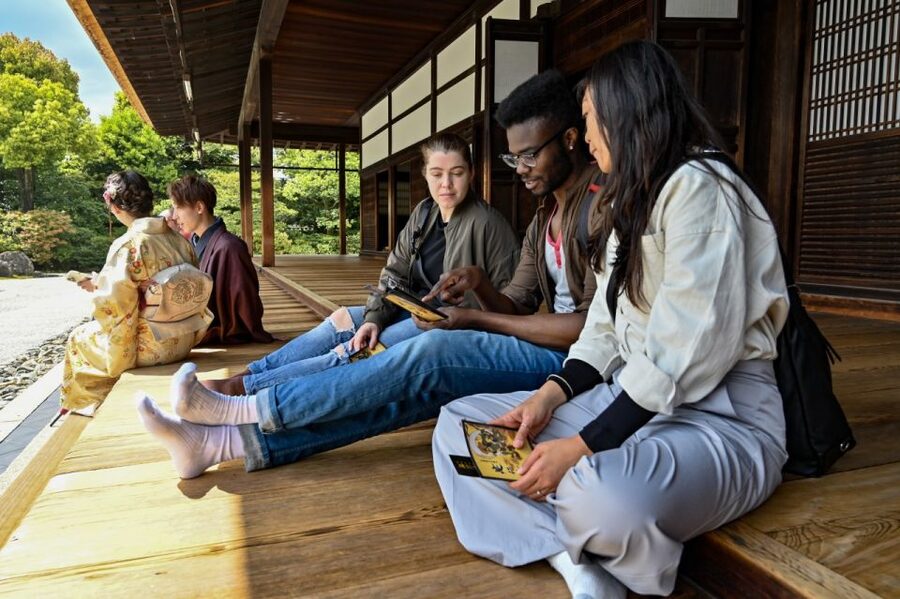
The most praised part of this experience is not a particular monument. It is the host’s ability to listen and adjust.
Milo has been praised for history, kindness, and attention to individual interests. Nisa has combined detailed city knowledge with an easy personal manner. Hiro has helped families with shrines, shopping, trains, and restaurants. Eiko contacted a guest ahead of time to agree on a plan, while Daus checked interests before building an efficient route.
That pattern tells me what to look for. You want a host who asks questions before the meeting, explains the plan clearly, and treats your schedule as a guide rather than a prison. You also want someone comfortable saying that a certain route is too ambitious.
The strongest days seem to balance famous places with useful local details: a temple explanation, a market snack, a quiet garden, a train tip, and a restaurant recommendation. That mix gives you both Kyoto’s big story and a sense of how to continue exploring on your own.
Should you book this Kyoto walking tour?
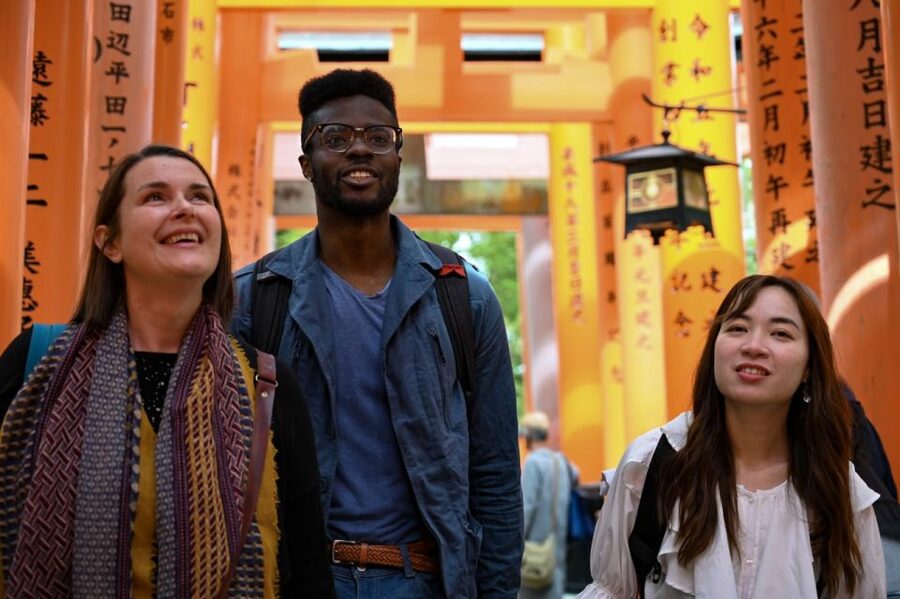
Book it if you want a personal introduction to Kyoto, especially if you are visiting for the first time, traveling with family, have specific food or cultural interests, or dislike rigid group schedules. It is also a smart choice for a return visit when you want quieter temples, gardens, local food, or a closer look at Gion.
I would skip it if you want a fixed sightseeing route with all entry fees and transport included. I would also avoid packing too many distant sights into a short booking. The best use of this experience is a focused half-day with room for a snack, a question, or a pleasant change of plan.
At $64 per person, the tour offers good value when you use the host as a local guide and trip adviser, not just as someone who points at temples. Complete the questionnaire carefully, state your limits, and tell your host what would make Kyoto feel worthwhile to you.
FAQ
How long does the private Kyoto walking tour last?
You can choose a duration of two to six hours when booking, subject to available starting times.
What languages are available?
The tour is offered with a live guide in English or Japanese.
Is the tour private?
Yes. It is arranged for a private group rather than a shared group experience.
Can the itinerary be customized?
Yes. You complete a pre-tour questionnaire about your personality and interests. Your host then communicates with you to suggest an itinerary that fits your priorities and pace.
Can I request specific Kyoto sights or themes?
Yes. You can discuss interests such as shrines, temples, gardens, Gion, geisha culture, food, shopping, and less crowded areas with your host before the tour.
Is hotel pickup available?
Pickup can be arranged from any central Kyoto hotel. You can also meet your host at Starbucks Coffee by Kyoto Sanjo-ohashi Bridge.
Are food, attraction tickets, and transport included?
No. Food, drinks, admission tickets, taxis, and public transport are extra. The activity is primarily a walking tour, but public transport or local taxis may be used between sites.
Can I cancel the booking?
You can cancel up to 24 hours in advance for a full refund. The reserve now and pay later option lets you book without paying immediately.
Recently added around Kyoto
- Higashiyama | Kyoto: Sakura Season Private Rickshaw Tour★ 5.0 · 3 reviews
- Kyoto Kimono Rental CHAMATSU|Kimono/Yukata Rental FamilyPlan★ 5.0 · 3 reviews
- Kyoto: Half-Day Private Guided Tour to the Old Town of Gion★ 4.4 · 3 reviews
- Nara Private Customizable Half Day Tour★ 5.0 · 3 reviews
- Kansai Region Hiking Adventure in Nara Kobe Kyoto and More★ 5.0 · 3 reviews
- Full Day Nara Deer, Temple, Shrine, Activities & Tea Ceremony★ 5.0 · 3 reviews
- Nara: Essential Private Tour with Deer Park and Temples★ 5.0 · 3 reviews
- Hiking Tour for Sacred Sites in Kyoto with a Guide★ 5.0 · 3 reviews
Walking Tours, compared.

Kyoto Geisha Walking Tour: Gion District & Hidden Gems
Read our review →
Gion Magical Night Walking Tour with Geisha Trivia
Read our review →
Gion Geisha District Walking Tour – Stories of Geisha
Read our review →

Kyoto Gion Geisha District Walking Tour – The Stories of Geisha
Read our review →
Kyoto Arashiyama Walking Tour: Bamboo, Monkeys, Gardens & Secrets
Read our review →
Kyoto Gion: 2-Hour Geisha Culture & History Walking Tour
Read our review →
Nara Half Day Trip Walking Tour (Private Option Available)
Read our review →Browse the lists this tour appears in