
REVIEW · WALKING TOURS
Kyoto : Private Custom Walking Tour With A Local Guide
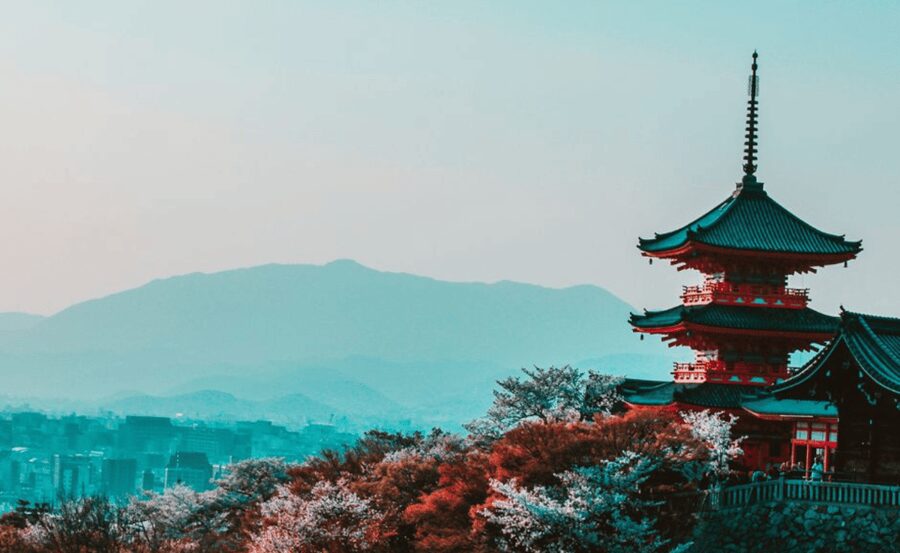
Kyoto is easier to understand when someone helps you connect the dots. On this private custom walking tour, you can move from famous temples and shrines to quieter streets, cafés, riverside paths, or a neighborhood that matches your interests. Your guide can explain not only what you are seeing, but why it matters.
I especially like the flexible length, which ranges from two to eight hours, and the chance to set the pace around your group. Guides have adapted routes for children, hot weather, architecture fans, and visitors focused on food or history. The tradeoff is simple: attraction tickets, food, drinks, and city transport are extra, so the final cost can rise beyond the $62 starting price.
In This Review
- Key points to know before booking
- Why a private Kyoto walk can save you time
- Choosing between two hours and eight
- Fushimi Inari and the southern approach
- Kiyomizu-dera, Sannenzaka, and Ninenzaka
- Gion and Maruyama Park after the temples
- Ginkaku-ji and the Philosopher’s Path
- Museums, architecture, and interests beyond temples
- Food, cafés, and useful Kyoto advice
- What the guides do best
- Families, heat, and walking comfort
- Language, transport, and what is included
- Is $62 per person good value?
- Should you book this Kyoto walking tour?
- FAQ
- Where does the Kyoto private walking tour begin?
- How long does the tour last?
- Is the tour private?
- Can I customize the itinerary?
- Can I include a museum?
- Which languages are available?
- Is hotel pickup included?
- Is transportation included?
- Are attraction tickets included?
- Can I cancel for a refund?
Key points to know before booking

- You choose the focus: Build a route around temples, shrines, Gion, food, architecture, museums, or quieter areas.
- The guide changes the experience: Guides including Jerome, Kevin, Wajid, Kenta, Terry, and Flavio have offered different styles, from efficient sightseeing to relaxed neighborhood walks.
- Two hours can be useful, but short: A brief tour can orient you to Kyoto, though one guest wished they had booked longer.
- Public transport is part of the walking plan: The tour is on foot, with public transportation included, but car travel is not.
- Families can set the pace: Guides have adjusted routes for children and hot summer conditions.
- Advice continues after the tour: Expect suggestions for restaurants, cafés, routes, and places to spend the rest of your stay.
Why a private Kyoto walk can save you time
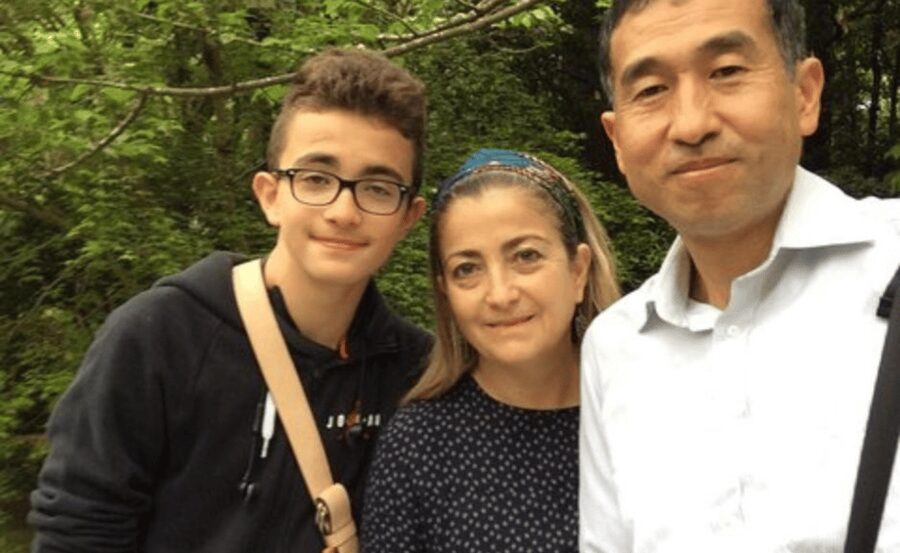
Kyoto is not difficult because its sights are obscure. It is difficult because there are so many of them, spread across several districts, and each one asks for a different kind of attention. A guide can help you decide what deserves an hour, what deserves ten minutes, and what is better saved for another day.
That matters most on a first visit. You may know that Fushimi Inari, Kiyomizu-dera, Ginkaku-ji, and Gion belong on a Kyoto wish list, but not how to combine them without spending the day crossing the city. A private guide can shape the route around your priorities and use walking plus public transportation to keep the day moving.
The tour begins with a meeting in Kyoto. If your accommodation is in the city, hotel pickup is available. The exact route is not fixed, so you should share your interests in advance. That early conversation is important. If you want a museum included, need a slower pace, or prefer temples over shopping streets, tell the team before the day begins.
More walking tours in Kyoto:
- Kyoto Geisha Walking Tour: Gion District & Hidden Gems
★ 4.7 · 3,273 reviews - Kyoto: Gion Magical Night Walking Tour with Geisha Trivia
★ 4.9 · 2,393 reviews - Kyoto: Gion Geisha District Walking Tour – Stories of Geisha
★ 4.7 · 2,187 reviews
Choosing between two hours and eight
The two-hour option is best used as an introduction. You might focus on one compact area, such as Gion, or ask for a quick look at a few central sights with practical advice for the rest of your stay. It will not cover Kyoto in any meaningful sense, but it can help you get your bearings and avoid wasting your first afternoon.
A four-hour walk gives you room to explore one district properly or connect two nearby areas. This is a sensible choice for couples, solo visitors, and families who want context without committing to a full day. You can see key landmarks, pause for questions, and still have time to explore independently afterward.
The longer six to eight-hour format is where this experience makes the most sense as a full-day introduction. You can combine major sights with less-visited streets, a food stop, a café break, or a museum visit. One full-day route included temples, shrines, a quiet river, a sake visit and tasting, pizza, and ramen. That variety shows what a private day can do when you are not locked into a standard route.
Still, a longer tour means more walking. Kyoto can be hot, and summer conditions affected at least one route. Wear comfortable shoes, carry water, and ask your guide to build in a café or rest stop if needed. The guide can adjust the schedule, but the city itself does not get flatter or cooler because you booked privately.
Fushimi Inari and the southern approach
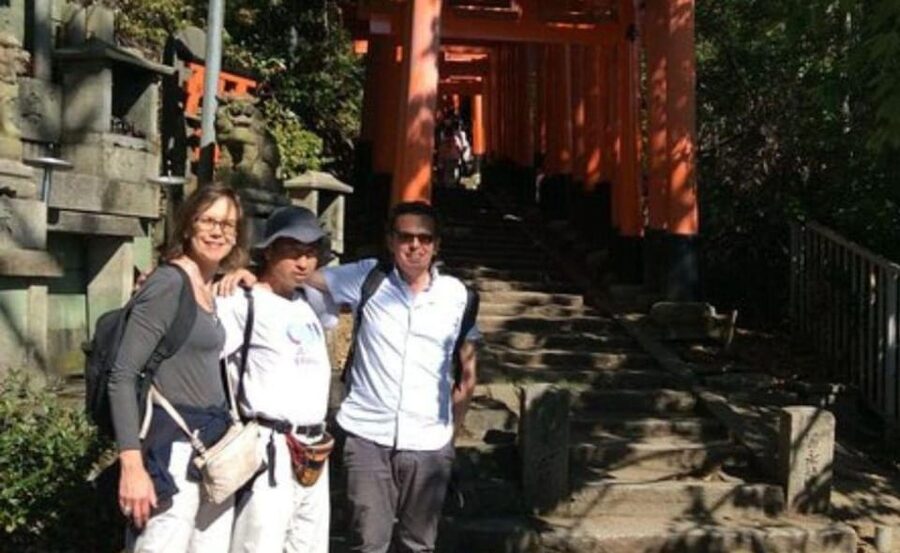
Fushimi Inari Shrine is one of Kyoto’s most recognizable sights, with its long rows of orange torii gates climbing the wooded mountain. It is a powerful place even if you do not walk the entire route. The gates, shrine buildings, and uphill path give you a clear sense of how Japanese religious sites can blend architecture with nature.
A guide adds useful context here. You can ask about the difference between a Shinto shrine and a Buddhist temple, a subject that came up during one route with Kevin before the group visited Ginkaku-ji. That basic distinction helps you read the rest of Kyoto with more confidence.
The main practical issue is time. Fushimi Inari can take as little or as much of your day as you allow, and an ambitious climb will affect everything that follows. Tell your guide how active you want to be. If your group includes children, older family members, or anyone dealing with heat, a shorter section may be the better choice.
Kiyomizu-dera, Sannenzaka, and Ninenzaka
Kiyomizu-dera gives you one of Kyoto’s classic temple settings, with broad views and a dramatic approach through the old lanes of Higashiyama. The walk through Sannenzaka and Ninenzaka adds the street-level side of the district, with traditional buildings, shops, food stops, and photo points.
This is an area where a guide can prevent the visit from becoming a simple march from one famous view to the next. Wajid, for example, used the route to explain cultural details, point out places for photographs, and identify small features that are easy to miss while following the crowd.
You should expect some slopes and uneven walking in this district. The streets can also take longer than they look on a map because you will want to stop. A private tour gives you the freedom to pause, but it does not remove the need to manage your energy. If you want to visit the interior of Kiyomizu-dera or another attraction, remember that admission is not included.
A few more Kyoto experiences worth comparing
- Fushimi Inari Hidden Hiking Tour (Private Option Available)
★ 5.0 · 1,750 reviews - Private Kyoto Tour with a Local, Highlights & Hidden Gems, Personalised
★ 5.0 · 1,543 reviews - Kyoto 6hr Private Tour with Government-Licensed Guide
★ 5.0 · 1,369 reviews - 10 Must-see Spots in Kyoto One Day Private Tour (up to 7 people)
★ 5.0 · 1,108 reviews
Gion and Maruyama Park after the temples

Gion offers a different view of Kyoto, with historic streets and links to traditional entertainment culture. A guide can help you understand the area without reducing it to a photo backdrop. One route continued to Maruyama Park and included an explanation of geisha culture, along with small modern details such as a Pokémon manhole cover.
That combination is part of the appeal. Kyoto is not only a collection of old buildings. It is a living city where traditional neighborhoods, ordinary cafés, public parks, and playful street details sit side by side.
Gion is also a place where respectful behavior matters. Your guide can help you understand what is appropriate when walking through residential or traditional entertainment areas. I would treat this part of the tour as a chance to observe, not as a hunt for staged encounters.
Ginkaku-ji and the Philosopher’s Path
Ginkaku-ji, often called the Silver Pavilion, works well with a slower walking route. The temple grounds and garden provide a calmer counterpoint to the more heavily visited streets around Kiyomizu-dera and Fushimi Inari.
A walk along the Philosopher’s Path can give your day a more relaxed rhythm. One route paired it with a climb up Daimonji, beginning with coffee and ending with another café stop. That itinerary shows how easily the experience can shift from formal sightseeing to a more personal day shaped around walking, views, conversation, and breaks.
You should be clear about your priorities here. If you want detailed temple explanations, say so. If you prefer architecture, photography, or local daily life, your guide can give more attention to those subjects. Kevin was praised for knowing when to share information and when to let the setting speak for itself, which is a valuable skill on a long day.
Museums, architecture, and interests beyond temples
Kyoto is famous for temples, but it would be a mistake to assume that every custom tour follows the same religious route. Museums can be added if you request them ahead of time, and the walk can be shaped around architecture, culture, food, or particular neighborhoods.
That flexibility is useful for repeat visitors. If you have already seen the major sights, ask for a route that puts more weight on local areas and everyday Kyoto. If this is your first trip, you might want a traditional introduction before spending the rest of your stay on your own.
The guide’s job here is less about delivering a fixed speech and more about matching the city to your curiosity. Claire and Stan particularly valued a relaxed guide who could discuss Japan, architecture, and the places along the route without making the walk feel rushed. That kind of conversation is hard to get from a map or audio guide.
There is one limit. The tour does not include admission to museums or other attractions. The team can help book tickets for desired visits, but you pay for those tickets separately. Confirm the plan in advance so a ticketed stop does not create a timing problem.
Food, cafés, and useful Kyoto advice
Food is not included, but it can become part of your day. A guide may recommend a restaurant or café based on your interests, and you can choose to stop at your own expense. In one especially varied day, a café, pizza, sake tasting, and ramen all formed part of the route.
The practical value is often greater after the tour. Guides have recommended udon, ramen, cafés, and places to eat for the remaining days. One guide even ended the walk near an udon restaurant he recommended. You should think of this as an introduction to Kyoto’s food scene, not a food tour with a set tasting menu.
Budget accordingly. The advertised $62 per person is attractive for a private experience, especially if you are sharing the cost with a partner or family. But add meals, drinks, admission fees, and public transportation costs that fall outside the included arrangement. A food-heavy day or a museum route will cost more.
What the guides do best

The strongest part of this experience is the human element. Guide quality can vary from person to person, but the available guide feedback points to several qualities worth seeking: clear cultural explanations, flexible pacing, route knowledge, and practical advice.
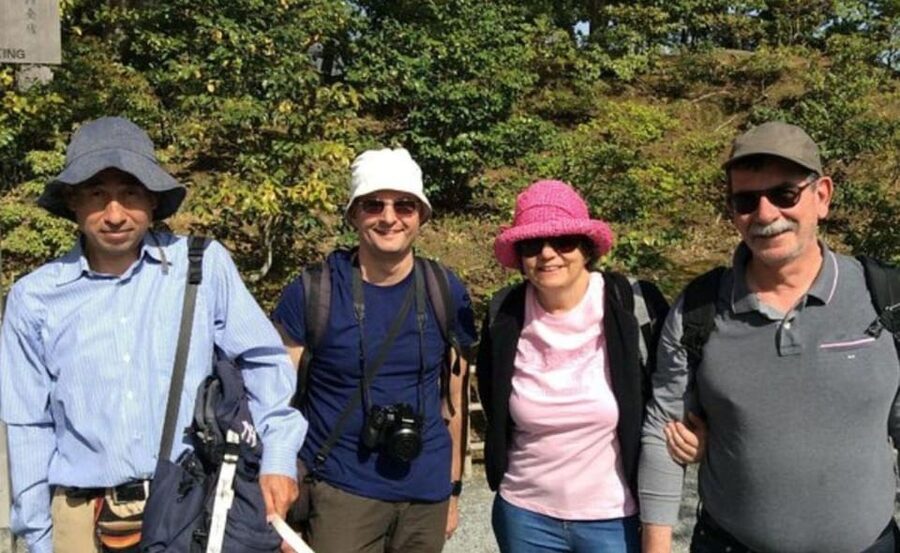
Maria was praised for explaining temple history along with Japanese culture and economics after living in Japan for more than 25 years. Terry helped a mother and son understand the history of shrines and temples while covering enough ground to plan the following days. Jerome was described as punctual, easygoing, professional, and good at taking photographs.
Other guides brought different strengths. Kev adapted a route to the heat and found quieter places before recommending food. Flavio combined major sights with local stops, including a quiet river, sake, and noodles. Kenta was valued for making a full day of Kyoto feel easy to manage, while Wajid gave a detailed route through Fushimi Inari, Sanjusangendo, Kiyomizu-dera, Sannenzaka, Ninenzaka, and Maruyama Park.
You cannot request a particular guide based on the information provided, so use the pre-tour planning conversation wisely. Share your ages, walking ability, interests, preferred language, and must-see places. The more specific you are, the more useful the customization should be.
Families, heat, and walking comfort
Families are a good match for this format because the day can bend around children. A guide adapted a Gion route for kids, and another kept twin boys interested and comfortable in hot weather. That is more practical than joining a large group that must maintain one pace.
Couples and solo visitors benefit from the same freedom. You can stop for photographs, ask questions without holding up a busload of people, or change direction when a neighborhood catches your interest.
Wheelchair access is listed as available, but the tour remains a walking experience through a city with slopes, historic paths, and uneven surfaces. Ask about your intended route before booking. Accessibility may be workable for one itinerary and more difficult for another, especially if you want Daimonji or long temple approaches.
Language, transport, and what is included
Guiding is available in English, Spanish, French, and Italian. The group is private, which means the route belongs to your party rather than a mixed crowd.
Hotel pickup is available when your accommodation is in Kyoto city. The tour uses walking and public transport, with car transportation excluded unless you select a different option. Local transport around the city is also listed as not included, so clarify exactly which fares you will pay during planning.
The private walking tour and its customization are included. Food, drinks, attraction tickets, and other costs are not. The team can help arrange tickets for visits you want, which is useful if your plan includes a museum or another paid site.
You can cancel up to 24 hours in advance for a full refund, and the reserve-now, pay-later option keeps you from paying at the time of booking. Starting times depend on availability, and the total duration can be from two to eight hours.
Is $62 per person good value?
At $62 per person, this is strongest value for a small private group that wants orientation, cultural context, and a route built around personal interests. A two-hour booking can be a useful introduction, but the guide’s planning and local advice may justify choosing four hours or more.
The price is less of a bargain if you expect a fully ticketed sightseeing package. It is not. You pay extra for food, drinks, attractions, and transport costs, and the tour is primarily a guided walk.
I would compare the price with the cost of losing half a day to wrong turns, poor route choices, or a restaurant selected at random. Kyoto rewards planning, and a good guide can help you use your remaining days better. The value is not just in the sights covered. It is in learning how the city fits together.
Should you book this Kyoto walking tour?
Book it if you want a private introduction to Kyoto and already have a rough idea of what interests you. It is particularly useful for first-time visitors, families, couples, solo travelers, and anyone who wants temple explanations rather than a quick photo stop.
Choose at least four hours if your schedule allows. Two hours works for a neighborhood orientation, but it can feel short once you account for meeting up, walking between sites, and questions. If you want Fushimi Inari, Kiyomizu-dera, Gion, and a museum in one day, ask about timing before committing.
I would skip it if you want a fixed, all-inclusive sightseeing package with entrance fees and meals already covered. For everyone else, this private format offers a sensible way to begin Kyoto: see the major places, learn how to read them, eat better afterward, and leave with a clearer plan for the rest of your stay.
FAQ
Where does the Kyoto private walking tour begin?
The pickup location is Kyoto. If your accommodation is within Kyoto city, you can meet the guide there for hotel pickup.
How long does the tour last?
The tour can last from two to eight hours. Available starting times depend on the date you select.
Is the tour private?
Yes. It is offered for a private group, so the route and pace can be shaped around your party.
Can I customize the itinerary?
Yes. The tour is customizable. You should tell the team your interests and desired visits ahead of time.
Can I include a museum?
Yes. Your guide can adapt the tour to include a museum if you request it in advance. Museum admission is not included.
Which languages are available?
Guides are available in English, Spanish, French, and Italian.
Is hotel pickup included?
Hotel pickup is available when your accommodation is located in Kyoto city.
Is transportation included?
The experience includes walking and public transportation as part of the tour arrangement, except when you choose another option. Car transportation is not included, and local transportation costs around the city are listed separately from the walking tour.
Are attraction tickets included?
No. Tickets to museums, temples, and other attractions are not included. The team can help you book tickets for visits you want.
Can I cancel for a refund?
Yes. You can cancel up to 24 hours before the tour for a full refund. You can also reserve now and pay later.
Recently added around Kyoto
- Higashiyama | Kyoto: Sakura Season Private Rickshaw Tour★ 5.0 · 3 reviews
- Kyoto Kimono Rental CHAMATSU|Kimono/Yukata Rental FamilyPlan★ 5.0 · 3 reviews
- Kyoto: Half-Day Private Guided Tour to the Old Town of Gion★ 4.4 · 3 reviews
- Nara Private Customizable Half Day Tour★ 5.0 · 3 reviews
- Kansai Region Hiking Adventure in Nara Kobe Kyoto and More★ 5.0 · 3 reviews
- Full Day Nara Deer, Temple, Shrine, Activities & Tea Ceremony★ 5.0 · 3 reviews
- Nara: Essential Private Tour with Deer Park and Temples★ 5.0 · 3 reviews
- Hiking Tour for Sacred Sites in Kyoto with a Guide★ 5.0 · 3 reviews
Walking Tours, compared.

Kyoto Geisha Walking Tour: Gion District & Hidden Gems
Read our review →
Gion Magical Night Walking Tour with Geisha Trivia
Read our review →
Gion Geisha District Walking Tour – Stories of Geisha
Read our review →

Kyoto Gion Geisha District Walking Tour – The Stories of Geisha
Read our review →
Kyoto Arashiyama Walking Tour: Bamboo, Monkeys, Gardens & Secrets
Read our review →
Kyoto Gion: 2-Hour Geisha Culture & History Walking Tour
Read our review →
Nara Half Day Trip Walking Tour (Private Option Available)
Read our review →Browse the lists this tour appears in