
REVIEW · GION GEISHA DISTRICT TOURS
Kyoto: Meet the Geisha Maiko with Gion Walking Tour
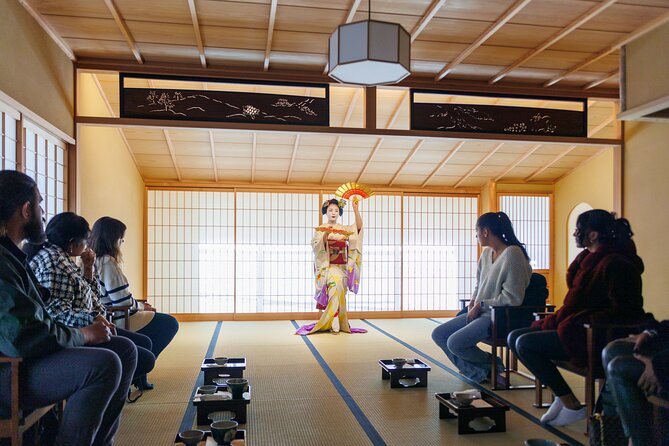
The best part of this Kyoto experience comes after the walk: you enter a private ochaya, or traditional tea house, where a maiko performs one or two dances and answers questions about her life. A former geiko and the tea house owner add another useful perspective, making this more than a quick photo opportunity.
I like the Gion walk, which gives you a clearer sense of where maiko and geiko work and live. I also like the generous question-and-answer period, since the conversation often teaches you more than the short performance itself. The main caution is timing: the tour can run longer than expected, and the performance takes place upstairs with no wheelchair access.
In This Review
- Key points to know before booking
- Why the private maiko meeting matters
- Walking Gion from the Shirakawa Canal
- Kenninji Temple and the limits of the sightseeing walk
- Entering the ochaya in Miyagawasuji
- The maiko performance is brief but memorable
- The conversation is the real payoff
- What the $106 price includes
- Group size, timing, and practical planning
- Who will enjoy this Kyoto experience most
- Should you book the maiko and Gion tour?
- FAQ
- How much does the Kyoto maiko experience cost?
- How long does the activity last?
- What happens during the private maiko meeting?
- Is the tour conducted in English?
- Where does the tour start?
- What should I bring?
- Can I take photographs and videos?
- Is the venue accessible by wheelchair?
- Can children join the activity?
- What happens if it rains?
Key points to know before booking
- Private ochaya access: You visit a traditional venue that is normally difficult for foreign visitors to enter without a connection or membership.
- Performance plus conversation: Expect one or two dances, followed by questions and personal stories, rather than a long stage show.
- Gion context first: The 70 to 80 minute walk covers the Shirakawa Canal, Tatsumi-jinja, Hanamikoji Street, Gion Corner, and Kenninji Temple.
- English interpretation matters: Guides such as Mika, Naomi, Tom, Takuma, and Yuko explain local customs and translate at the tea house.
- Photos are restricted: Photography and video are allowed during the performance and official photo session only. Online photos require direct permission from the maiko, and videos cannot be uploaded.
- Plan for stairs and socks: The private room is on the second floor, and you must wear clean, dry socks inside.
Why the private maiko meeting matters
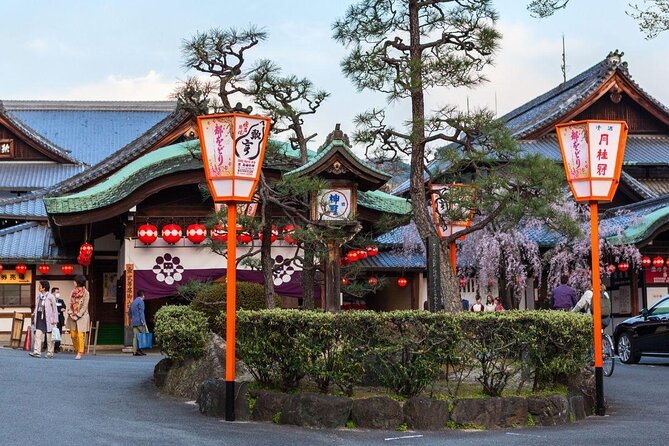
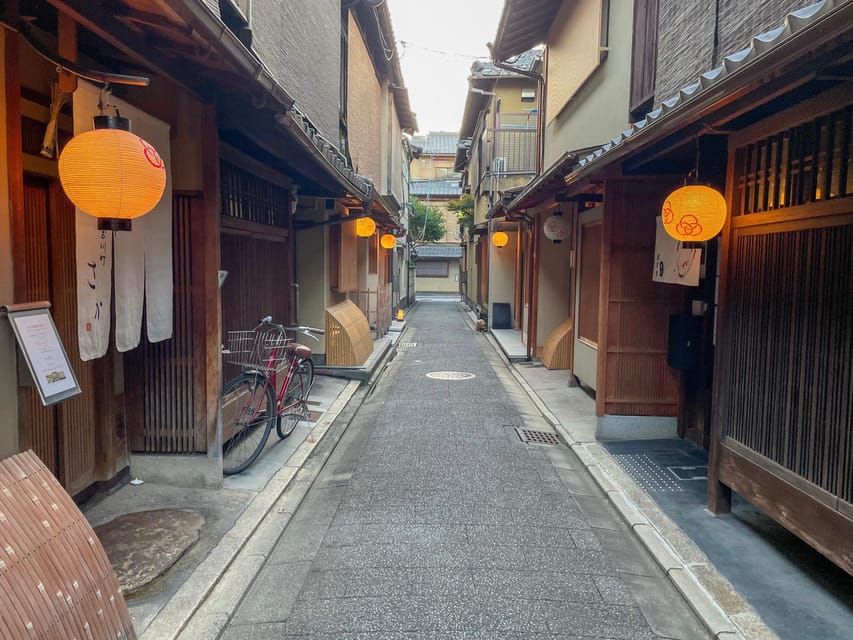
Kyoto’s geisha districts can look like a stage set, especially around Gion’s lantern-lit lanes and wooden facades. It is easy to walk through, take a few pictures, and leave with a vague idea of what maiko and geiko actually do.
This experience gives you a more grounded look. You first walk through the district with a local guide, then enter a private ochaya in Miyagawasuji. The setting is important. You are not watching a performance from a large theater audience. You are sitting in a smaller room and hearing explanations from people connected to this tradition.
The maiko performs one or two traditional dances. The performance itself may last only a few minutes, so set your expectations correctly. The main value comes from the full visit: the dance, the discussion, the Q&A, and the chance to understand the discipline behind the makeup, hairstyle, kimono, music, and movement.
A former geiko or tea house owner also speaks with the group. That second voice helps place the maiko’s experience in a broader context. You hear about the demanding path toward becoming a geiko, as well as the customs and daily realities that are difficult to understand from a street encounter.
More evenings in Gion:
- Kyoto Geisha Walking Tour: Gion District & Hidden Gems
★ 4.7 · 3,273 reviews - Kyoto: Gion Magical Night Walking Tour with Geisha Trivia
★ 4.9 · 2,393 reviews - Kyoto: Gion Geisha District Walking Tour – Stories of Geisha
★ 4.7 · 2,187 reviews
Walking Gion from the Shirakawa Canal
The walking section lasts about 70 to 80 minutes, though the full activity takes roughly three to five hours. The exact meeting point depends on the booking option. You may start at the Izumo-no-Okuni statue, or at the wargo Kyoto Kimono Rental Gion-Shijo Store if you choose the kimono option.
If you rent a kimono, you change first and then walk to the Izumo-no-Okuni statue on your own. It takes about three minutes. Your guide waits there, so allow enough time to get dressed and find the statue without rushing.
The first major stop is the Shirakawa Canal, a pleasant stretch of water lined with traditional buildings and narrow lanes. Your guide uses this area to explain the layout of Gion and the role of the geisha districts. It is also one of the better places for photographs, especially if you are wearing a kimono.
Next comes Tatsumi-jinja Shrine. The stop is brief, about five minutes, but it adds a small religious landmark to the walk. From there, the route continues toward Hanamikoji Street, one of Gion’s best-known streets.
Hanamikoji is attractive, but it is also a working neighborhood rather than an open-air museum. You will see traditional architecture and tea houses, yet many buildings are private or operate under strict rules. Your guide can help you understand the difference between simply spotting a maiko and properly respecting the people who live and work here.
The tour also passes Gion Corner. The stop is part of the route and helps connect the geisha arts with Kyoto’s wider performing culture. Do not expect a full visit or show at every location. This section is a guided orientation, not a series of long interior tours.
Kenninji Temple and the limits of the sightseeing walk
Kenninji Temple is listed as a photo stop and guided sightseeing visit of about 15 minutes. The temple adds a calm change of pace after the narrow Gion streets, but the visit is not a full temple tour.
That distinction matters. If Kenninji is high on your Kyoto list, visit it separately when you have time to look around at a slower pace. On this activity, the temple serves mainly as one stop within a cultural walk.
The walk is useful because it sets up the private meeting. You learn where the districts are, how the streets connect, and why the ochaya remains a private space. Still, some information may overlap with another Gion walking tour, especially if you have already explored the area with a guide.
The pace can also be affected by weather. The walk runs rain or shine, and summer heat can make the route uncomfortable. Carry an umbrella in wet weather, and do not arrive at the venue with wet clothes or socks.
Entering the ochaya in Miyagawasuji
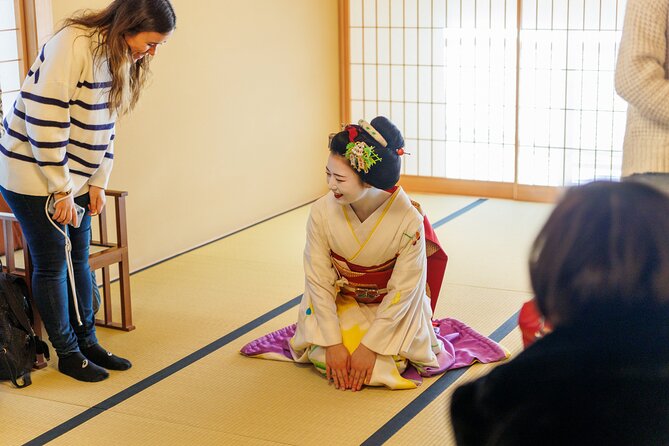
The walking tour finishes in Miyagawasuji, where you spend about 90 minutes at the private venue. This is the heart of the experience.
The ochaya is not a standard public attraction where you wander in and out. Access is arranged for the group, which is why this visit feels different from watching maiko pass through Gion’s streets. You enter with a guide who explains what is happening and helps the conversation move between English and Japanese.
The room is on the second floor, reached by stairs. The venue is not suitable for wheelchair users or people with mobility impairments. Children under 10 are not permitted, so this is best suited to older children and adults who can sit quietly and take part in a cultural conversation.
You must wear socks. This is not a minor suggestion. Shoes come off at traditional venues, and wet socks are not allowed on rainy days. Bring a clean pair in your day bag, even if you think you are already wearing suitable socks.
The atmosphere is formal but not stiff. The setting allows you to ask direct questions about training, performance, clothing, work, and the difference between a maiko and a geiko. Your guide’s translation skills make a real difference here.
More walking tours in Kyoto:
- Night Walk in Gion: Kyoto’s Geisha District
★ 4.5 · 2,003 reviews - Kyoto Gion Geisha District Walking Tour – The Stories of Geisha
★ 5.0 · 1,441 reviews - Nishiki Market Brunch Walking Tour (7 Tastings + Brunch)
★ 5.0 · 1,355 reviews - Kyoto Arashiyama Walking Tour: Bamboo, Monkeys, Gardens & Secrets
★ 5.0 · 1,216 reviews
The maiko performance is brief but memorable
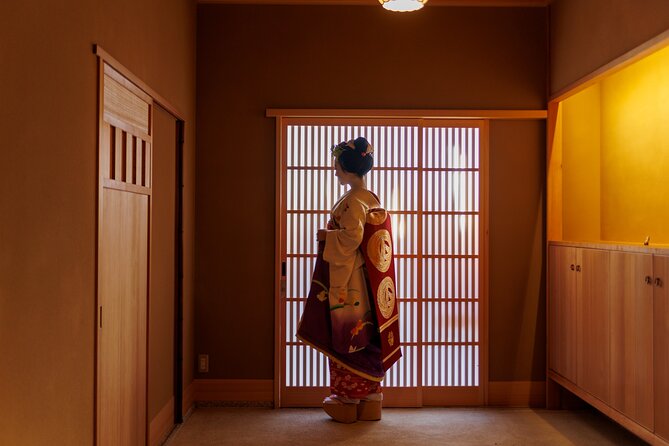
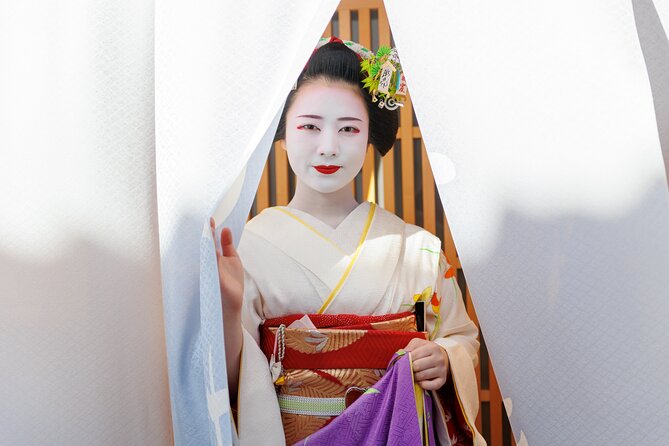
A maiko’s entrance is part of the impact. The kimono, elaborate hairstyle, white makeup, and controlled movements create a striking contrast with the ordinary streets outside.
The dance is graceful and carefully measured. You may see one or two dances, depending on the session. Some sessions include traditional music and may involve a former geiko or the tea house owner in the presentation.
Do not book this expecting a 60 minute concert. The dance may take less than five minutes, with the rest of the time devoted to explanation and questions. I consider that a strength if you want cultural understanding, but a possible weakness if you mainly want a long performance.
Photography and video rules are clear. You may take pictures during the performance and the organized photo session, but not freely throughout the entire visit. If you want to post a photo of the maiko online, ask her directly for permission first. You cannot upload video online.
These limits are worth respecting. They protect the performers and keep the meeting from turning into a camera-heavy photo call. Put the phone away during the conversation and listen.
The conversation is the real payoff
The Q&A is where this activity moves beyond costume and spectacle. You can ask about the maiko’s training, her route toward becoming a geiko, the meaning of her clothing, and life within Kyoto’s traditional arts.
The former geiko or venue owner provides a useful counterpoint. She can discuss the culture from the perspective of someone who has already lived through that career. The guide translates questions and answers, so the quality of the experience depends partly on the guide assigned to your group.
Several guides are praised for clear English and strong local knowledge. Mika is described as patient and helpful, while Naomi is noted for storytelling and translation. Tom is especially useful for multilingual groups, and Takuma is known for an energetic, friendly style. Yuko has also been singled out for careful explanations in English.
Guide assignments change, so you cannot count on one particular person unless the booking details say so. Still, the repeated pattern is encouraging: the guide is not just leading you from one landmark to another. The guide explains etiquette, fills in cultural context, and helps you ask questions in a respectful way.
The Q&A also gives you room to ask about modern life, not just old customs. That is important. Maiko and geiko are living artists, not museum displays, and the best questions treat them as people working within a demanding tradition.
What the $106 price includes
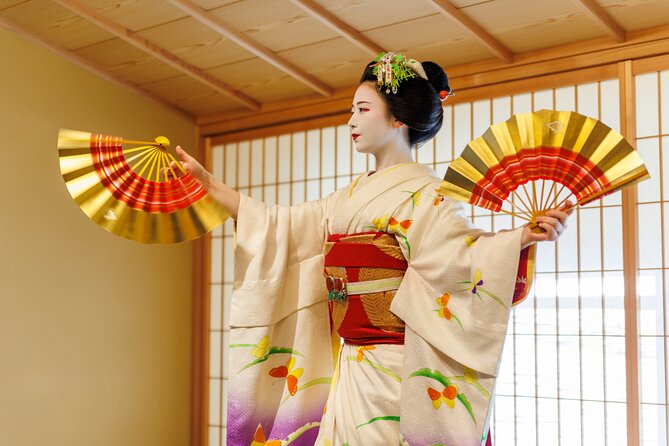
At $106 per person, this is not a cheap walking tour. You are paying for a three to five hour activity, an English-speaking local guide, the Gion walk, access to a private venue, the performance, the discussion, Q&A, and a photo session.
The value depends on what you want from Kyoto. If you only want to see Gion’s streets, you can walk them without paying for a tour. If you want to enter an ochaya and speak with a maiko and former geiko, the price becomes easier to justify because that access is difficult to arrange independently.
The kimono rental option can add another layer to the experience. Wearing traditional clothing through Gion makes the photo session more special, and one guide may help you find flattering photo spots. But kimono rental is an option, not something every booking necessarily includes, so check the selected package carefully.
For me, the strongest value is not the number of sights. It is the access and the time spent talking. The short performance alone might not justify the price for everyone. The full cultural exchange can, especially if geisha traditions are a main reason you are visiting Kyoto.
Group size, timing, and practical planning
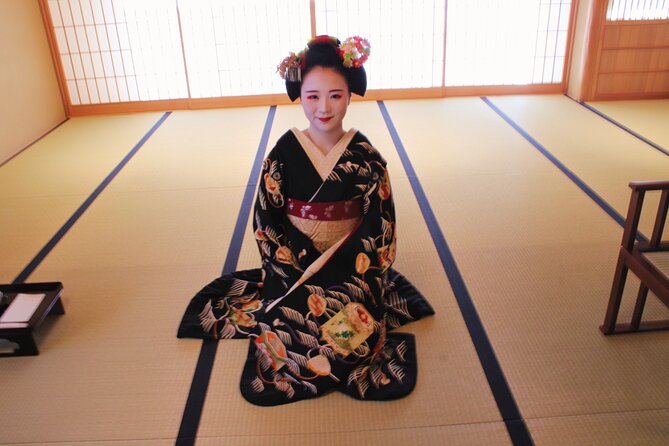
A small group is available, and smaller numbers make the tea house conversation easier. You will have a better chance to ask a question, hear the translation, and take an organized photograph without a crowd pressing around the performer.
The total duration is listed as three to five hours. That broad range is worth taking seriously. The activity may run longer than planned, depending on the day and the length of the meeting.
Do not schedule a tight connection afterward. One visitor was anxious about catching a train because the tour ended later than expected. If you are heading to Tokyo by bullet train or have a fixed reservation, leave a generous buffer.
The activity is offered in English and can begin at different times, depending on availability. Since the meeting point varies by option, read the confirmation details closely. If you choose the kimono package, remember the separate three-minute walk from the rental shop to the statue.
The route includes outdoor walking and the venue includes stairs. It is not suitable for wheelchair users, people with mobility impairments, or children under 10. Comfortable footwear is useful for the walk, but you will remove your shoes at the ochaya, so wear socks without holes.
Who will enjoy this Kyoto experience most
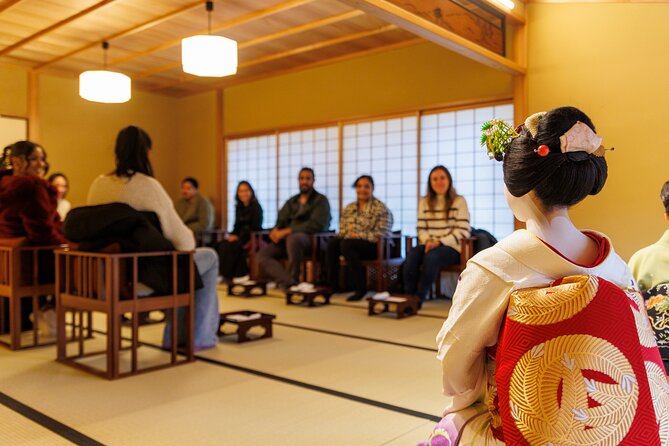
I would choose this for you if you have a sincere interest in Japanese customs, traditional performance, clothing, or the changing role of geisha culture. It suits people who want to ask questions and listen, not just take pictures.
It is also a good choice if you have already seen Kyoto’s major temples and want an experience that depends less on sightseeing and more on personal contact. The Gion walk provides orientation, but the private meeting is the reason to book.
You may want to skip it if you dislike structured group activities, need a fully accessible route, or expect an extended stage show. The performance is short, the timing can stretch, and some walking information may repeat things you have already heard elsewhere.
Respect matters here. Follow photography rules, keep your clothing and socks dry, and remember that the maiko is a working artist. The experience is at its best when curiosity comes before the camera.
Should you book the maiko and Gion tour?
Book it if you want rare access, thoughtful interpretation, and a chance to speak with people connected to Kyoto’s geisha world. The walk alone is pleasant but not essential. The private ochaya visit, short dance, personal stories, and Q&A make the $106 worthwhile for culture-minded visitors.
Skip it if your priority is a long dance performance or a flexible sightseeing schedule. For everyone else, this offers a respectful glimpse into a part of Kyoto that most independent visitors only see from the street.
FAQ
How much does the Kyoto maiko experience cost?
The price is $106 per person.
How long does the activity last?
The stated duration is three to five hours. The Gion walking section takes about 70 to 80 minutes, and the maiko meeting lasts about 90 minutes. The activity may run longer than expected on some days.
What happens during the private maiko meeting?
You watch one or two dances by a maiko and a former geiko, take part in a Q&A, speak with the maiko and venue owner, and have a photo session with the maiko.
Is the tour conducted in English?
Yes. The activity includes a live English-speaking guide. The guide also translates questions and answers during the meeting when needed.
Where does the tour start?
There are two possible starting options: the Izumo-no-Okuni statue or the wargo Kyoto Kimono Rental Gion-Shijo Store. The meeting point depends on the option you book.
What should I bring?
Bring socks. You must wear socks at the performance venue, and wet socks are not permitted on rainy days.
Can I take photographs and videos?
Photography and video are allowed only during the performance and the official photo session. You need direct permission from the maiko before posting her photos online. Videos cannot be uploaded to the internet.
Is the venue accessible by wheelchair?
No. The performance takes place on the second floor of a private house, and you can reach it only by stairs. The activity is not suitable for wheelchair users or people with mobility impairments.
Can children join the activity?
Children under 10 are not permitted.
What happens if it rains?
The tour operates rain or shine. Use an umbrella during the walk, and arrive at the venue with dry clothing and socks.
Recently added around Kyoto
- Higashiyama | Kyoto: Sakura Season Private Rickshaw Tour★ 5.0 · 3 reviews
- Kyoto Kimono Rental CHAMATSU|Kimono/Yukata Rental FamilyPlan★ 5.0 · 3 reviews
- Kyoto: Half-Day Private Guided Tour to the Old Town of Gion★ 4.4 · 3 reviews
- Nara Private Customizable Half Day Tour★ 5.0 · 3 reviews
- Kansai Region Hiking Adventure in Nara Kobe Kyoto and More★ 5.0 · 3 reviews
- Full Day Nara Deer, Temple, Shrine, Activities & Tea Ceremony★ 5.0 · 3 reviews
- Nara: Essential Private Tour with Deer Park and Temples★ 5.0 · 3 reviews
- Hiking Tour for Sacred Sites in Kyoto with a Guide★ 5.0 · 3 reviews
Gion Geisha District Tours, compared.

Kyoto Geisha Walking Tour: Gion District & Hidden Gems
Read our review →
Gion Magical Night Walking Tour with Geisha Trivia
Read our review →
Gion Geisha District Walking Tour – Stories of Geisha
Read our review →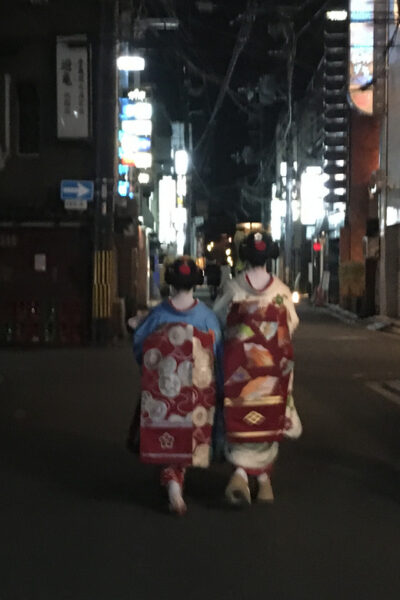
Best of Kyoto: Gion, Geisha, Pagodas & Cobblestones
Read our review →

Kyoto Night Foodie Tour in Gion (9+ dishes + 6 Sake tastings)
Read our review →
Kyoto Gion Geisha District Walking Tour – The Stories of Geisha
Read our review →
Kyoto Gion: 2-Hour Geisha Culture & History Walking Tour
Read our review →Browse the lists this tour appears in