
REVIEW · KYOTO MATCHA EXPERIENCES
Kyoto: Matcha & Traditional Japanese Music Immersive Experience
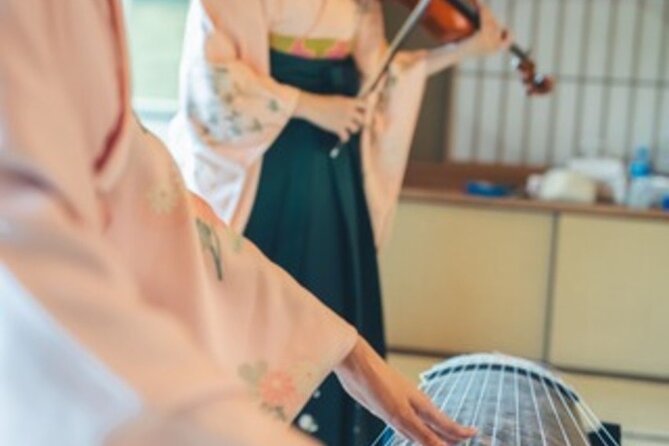
The most unusual part of this Kyoto experience is the pairing of koto and violin. You hear the bright, sliding notes of a Japanese zither beside the warmer, familiar voice of a Western string instrument, with music ranging from old Japanese melodies to anime and game themes.
I like the hands-on koto session, since you do not just sit and watch. I also like the chance to speak with the musicians after the concert, especially because the performers have trained from childhood and care deeply about these instruments. The main drawback is the price: at $850 per person, this is a major splurge for an experience lasting about an hour to 80 minutes.
In This Review
- Key details before you book
- Koto and violin in one small Kyoto program
- Suzaku Garden and its tea-room setting
- What happens during the live performance
- Your chance to play the koto
- Meeting the artists after the music
- Matcha, snacks, and the food plan
- Is $850 a fair price?
- Who will enjoy this most?
- Booking, timing, and cancellation advice
- Should you book the Kyoto koto and violin experience?
- FAQ
- Where does the Kyoto koto and violin experience take place?
- How long does the experience last?
- What music will be performed?
- Can I play the koto myself?
- Is matcha included?
- Are meals included?
- Is transportation included?
- Can I meet the musicians?
- What is the cancellation policy?
Key details before you book
- Koto and violin share the stage: The program joins a traditional Japanese instrument with a Western violin in fresh arrangements.
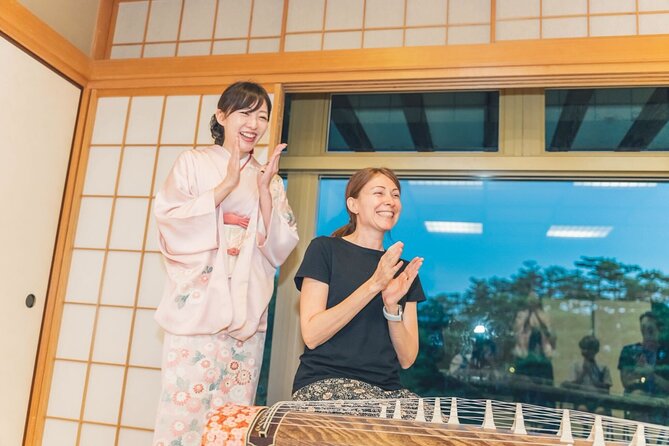
- You can play the koto: Musicians guide you through a short hands-on session after or around the performance.
- The music is not limited to old Japanese pieces: Anime melodies, game music, traditional songs, and original arrangements are included.
- Matcha is included: You receive green tea during the visit, while meals are available separately downstairs.
- The setting is part of the appeal: Suzaku Garden includes tea rooms and Japanese-style interiors suited to a quiet music program.
- The artists are available afterward: Use this time to ask about the instruments, their training, and how they build the arrangements.
Koto and violin in one small Kyoto program
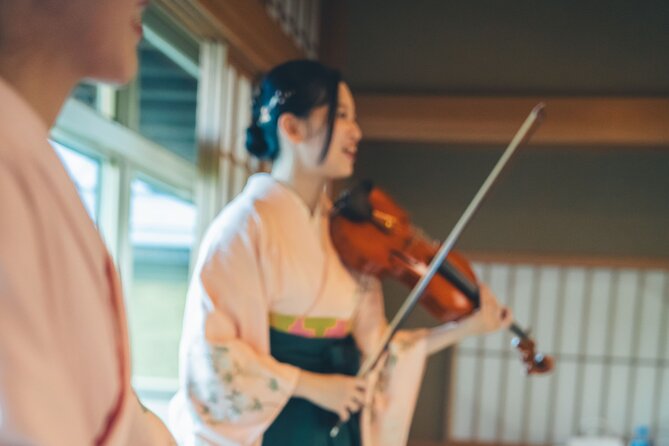
A koto has a sound that can feel both delicate and sharp. Its strings produce quick, ringing notes, while the violin can stretch a melody into something more lyrical. Hearing them together gives you a simple way to notice the contrast between Japanese and Western musical traditions without sitting through a formal lecture.
The program is designed for more than one type of listener. You may hear traditional Japanese melodies, but you can also expect anime music, game themes, and original arrangements. That mix matters. If you already enjoy Japanese popular culture, a familiar melody can give you an easy entry into an instrument you may not know.
I would not treat this as a long concert hall performance. The visit lasts about 1 hour to 1 hour 20 minutes, so the focus is compact and personal. You get a performance, a chance to handle the koto, matcha, and time with the performers, rather than a full evening of music.
The artists are young musicians who have trained since childhood. That detail gives the event some weight. You are not watching someone casually demonstrate a decorative object. You are seeing performers who have spent years learning instruments that require control, patience, and a good ear.
More matcha tastings and workshops:
- World Heritage Kyoto & Nara Uji Authentic Matcha Experience
★ 5.0 · 1,573 reviews - Kyoto: Arashiyama Bamboo Forest, Monkeys, Matcha & Temple Tour
★ 5.0 · 759 reviews - Kyoto: Tea Museum Tickets and Matcha Grinding Experience
★ 4.9 · 739 reviews
Suzaku Garden and its tea-room setting
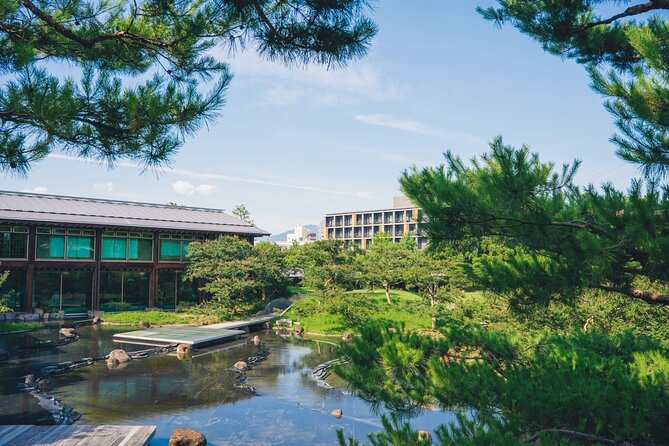
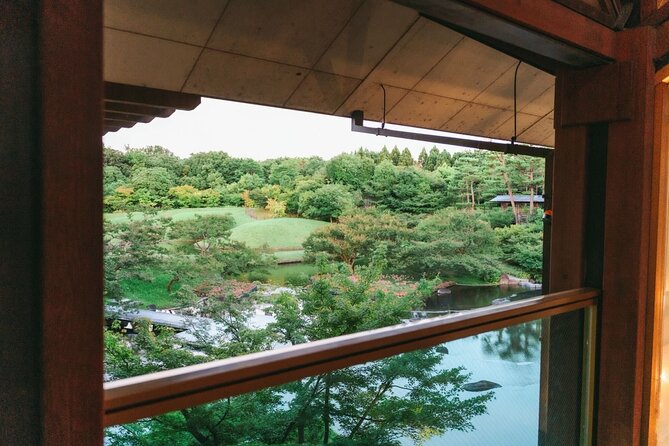
The experience takes place at Suzaku Garden, an indoor venue with tea rooms and Japanese-style spaces. The setting supports the program without asking you to spend the day walking from place to place. For a busy Kyoto schedule, that can be a relief.
A quiet room also helps you pay attention to the sound of the koto. In a large concert hall, you might focus on the scale of the performance. Here, the appeal is closer contact with the instruments and artists. The tea-room atmosphere gives the visit a clear Japanese cultural frame, though the experience is still centered on music rather than a formal tea ceremony.
One important point: the supplied information does not promise a full tea ceremony. Matcha is included, and a personal account describes sharing a memorable tea moment with the family at the venue, but you should not book this expecting a long, traditional tea lesson. Think of the tea as a small part of the visit that complements the music.
The venue has a café and restaurant on the first floor. Meals are not included, so you can plan to eat separately if you need lunch or dinner. I would keep your food plans flexible, since the actual music experience itself is fairly short.
What happens during the live performance
The concert combines Japanese koto with Western violin. The exact running order is not provided, so I would arrive ready for a mixed program rather than expecting one fixed style from beginning to end.
Traditional melodies give you a sense of the koto’s original musical setting. Anime and game music show how the instrument can work with modern material. Original arrangements add another layer, letting the performers use the two instruments in their own way rather than simply reproduce familiar songs.
This broad program is one of the strongest reasons to consider the experience. You do not need a deep background in Japanese music. A traditional passage may catch your ear through its unusual rhythm or tone, while a recognizable anime or game melody helps you connect with the performance quickly.
I also like the balance between the instruments. The violin will sound familiar to many people, while the koto provides the less expected voice. That contrast can make the performance easier to appreciate than a program built only around an unfamiliar traditional instrument.
Still, keep your expectations sensible. The description does not give a full concert program, named performers, seating details, or a promise of a particular anime or game title. If you have one favorite song in mind, do not assume it will be played.
Your chance to play the koto
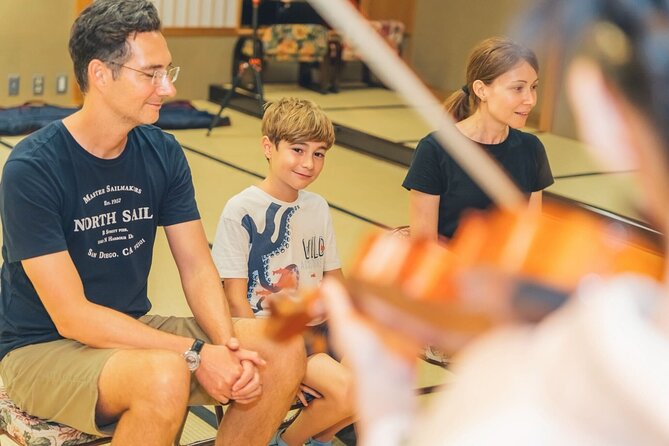
The hands-on koto session is more than a photo opportunity. A musician guides you as you try the instrument, giving you a direct sense of how the strings respond and how much control is needed to produce a clean sound.
Most people will play only briefly. That is enough. Even a short attempt can change how you hear the concert afterward. Once you have felt the spacing of the strings and the effort behind a simple note, the performers’ skill becomes easier to understand.
I would especially recommend this part for families, first-time visitors to Japan, and anyone who likes activities rather than passive sightseeing. It gives children and adults a shared task, though the information only says that most travelers can participate and does not provide a specific minimum age or detailed accessibility guidance.
The koto experience also keeps the event from becoming too formal. You can enjoy the music without needing concert etiquette beyond basic courtesy. Then, when your turn comes, you can ask questions and learn from the musicians directly.
A completely different side of Kyoto:
- PERFECT KYOTO 1-Day Bus Tour
★ 5.0 · 13,518 reviews - Kyoto: Fushimi Inari, Kinkakuji, Bamboo Grove 1 Day Bus Tour
★ 4.8 · 4,316 reviews - Kyoto: Tea Ceremony in a Traditional Tea House in Kiyomizu
★ 4.9 · 3,519 reviews - Kyoto Geisha Walking Tour: Gion District & Hidden Gems
★ 4.7 · 3,273 reviews
Meeting the artists after the music
The conversation after the performance is one of the best reasons to choose this over simply attending a concert. You can ask about the koto, the violin, the musicians’ training, and the process of arranging anime, game, and traditional music for the pair.
The artists’ dedication is a central part of the program. They are described as passionate young performers who want to pass on the appeal of traditional instruments. That makes the discussion useful, not just a quick hello before everyone leaves.
I would use this time to ask practical questions. What makes the koto difficult to learn? How does a musician adapt a game melody to its strings? Which instrument carries the main melody? How do the artists balance the traditional sound with the violin?
The available information does not name the performers or state how long the discussion lasts. Still, the planned interaction gives the visit a more personal quality. You are not simply consuming a staged show. You have a chance to understand why these musicians keep working with traditional instruments.
Matcha, snacks, and the food plan
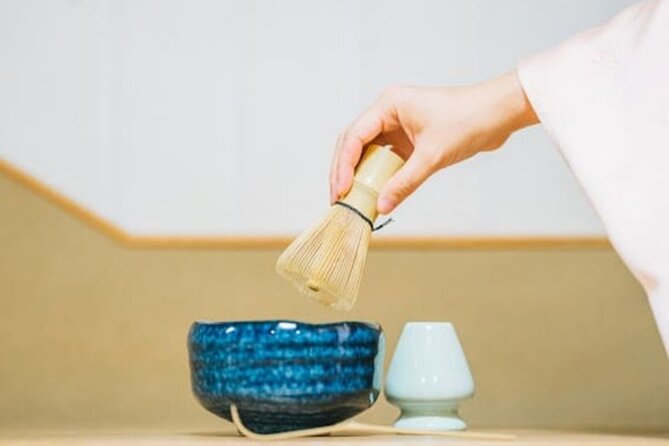
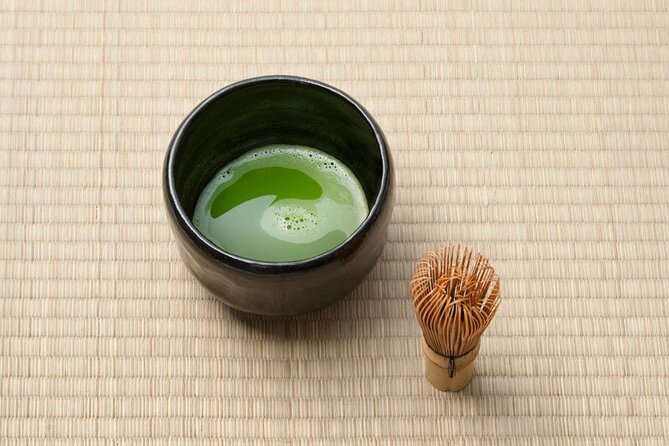
Matcha, or green tea, is included. It fits naturally with the tea-room setting and gives you a quiet pause around the music. The information describes it as a snack inclusion, so I would not count on it as a meal or substantial refreshment.
A café and restaurant are located on the first floor, but meals are separate. If you are hungry, plan to buy food there or eat before or after the visit. Since the activity lasts roughly an hour to 80 minutes, it should be easy to fit around another meal in Kyoto.
A personal account also describes a memorable tea moment with the family at the venue. That suggests the tea element can feel warm and shared, but the precise format may vary. Do not assume that every booking includes a full ceremony, a private family gathering, or a set menu.
Is $850 a fair price?
At $850 per person, this experience is priced far above most short cultural activities. The visit lasts no more than about 80 minutes, and the inclusions are a performance, the koto session, matcha, and artist interaction. The price therefore needs careful thought.
I can see the value if you are seeking a private-feeling cultural occasion and the cost is not a concern. The musicians’ long training, the live pairing of koto and violin, the hands-on access, and the conversation afterward make it more personal than a standard stage show.
I would not call it good value for a budget-minded visitor. You are paying a premium for a focused encounter, not for a full-day tour, a meal, transportation, or a large cultural program. Private transportation is not included, and you need to make your own way to the venue by public transportation or another option.
For comparison purposes, ask yourself what you want from Kyoto. If you want temples, gardens, and several hours of sightseeing, this will not replace those plans. If you want one carefully arranged music experience and have a strong interest in Japanese instruments, it may fit the bill.
The fact that it is often booked 27 days ahead suggests you should not leave it until the last minute if your schedule is fixed. Confirmation is normally provided at booking. Reservations made within two days of the visit may take up to 48 hours to confirm and remain subject to availability.
Who will enjoy this most?
I would recommend this experience to people who like live music, Japanese culture, anime, games, or hands-on activities. It works well for a couple or friends who want a quieter break from Kyoto’s crowded sightseeing areas.
Families may also find it appealing because the koto session gives everyone something to do. Most people can participate, but the available information does not specify age rules, detailed mobility access, or the exact room layout. Contact the provider if those points matter for your group.
This is less suitable if you want a long concert, a full tea ceremony, a meal, or a broad historical tour. It is also a poor match if you are judging value strictly by minutes of activity. The $850 cost requires genuine interest in the music and the personal contact.
The mobile ticket is convenient, and the venue is near public transportation. Since private transportation is not included, allow enough time to reach Suzaku Garden and find the correct entrance. No transportation is bundled into the booking.
Booking, timing, and cancellation advice
The activity is indoors, which makes it a useful Kyoto option in poor weather. The scheduled length is short enough to pair with other plans, but I would avoid booking another timed attraction immediately afterward. The performance, koto session, and artist interaction may not finish at exactly the one-hour mark.
Free cancellation is available up to 24 hours before the local start time. If you cancel less than 24 hours before the start, you do not receive a refund, and changes made inside that window are not accepted.
I would check the start time, venue directions, and confirmation before leaving for Suzaku Garden. This matters most for bookings made within two days, when confirmation can take up to 48 hours and depends on availability.
Should you book the Kyoto koto and violin experience?
Book it if you want a short, personal music encounter and are genuinely interested in the koto. The blend of traditional melodies, anime and game music, hands-on playing, matcha, and artist conversation gives the visit more substance than a basic concert ticket.
Skip it if $850 feels hard to justify for 60 to 80 minutes, or if you want a full tea ceremony, a meal, transportation, or a broader tour of Kyoto. For the right audience, the musicians’ dedication and the chance to touch the instrument are the point. For everyone else, the price is simply too steep.
FAQ
Where does the Kyoto koto and violin experience take place?
It takes place at Suzaku Garden in Kyoto. The venue includes tea rooms and Japanese-style spaces.
How long does the experience last?
The activity lasts approximately 1 hour to 1 hour 20 minutes.
What music will be performed?
The program includes traditional Japanese melodies, anime music, game music, and original arrangements featuring koto and violin.
Can I play the koto myself?
Yes. You receive guided hands-on access to the koto and can try playing the instrument with help from the musicians.
Is matcha included?
Yes. Matcha, or green tea, is included in the experience.
Are meals included?
No. Meals are not included. A café and restaurant are available on the first floor of the venue.
Is transportation included?
No. Private transportation is not included. The venue is near public transportation.
Can I meet the musicians?
Yes. You can interact with the artists after the performance and ask about the instruments and their creative process.
What is the cancellation policy?
You can cancel up to 24 hours before the local start time for a full refund. Cancellations or changes made less than 24 hours before the start are not accepted for a refund.
Recently added around Kyoto
- Higashiyama | Kyoto: Sakura Season Private Rickshaw Tour★ 5.0 · 3 reviews
- Kyoto Kimono Rental CHAMATSU|Kimono/Yukata Rental FamilyPlan★ 5.0 · 3 reviews
- Nara Private Customizable Half Day Tour★ 5.0 · 3 reviews
- Kyoto: Half-Day Private Guided Tour to the Old Town of Gion★ 4.4 · 3 reviews
- Kansai Region Hiking Adventure in Nara Kobe Kyoto and More★ 5.0 · 3 reviews
- Full Day Nara Deer, Temple, Shrine, Activities & Tea Ceremony★ 5.0 · 3 reviews
- Nara: Essential Private Tour with Deer Park and Temples★ 5.0 · 3 reviews
- Hiking Tour for Sacred Sites in Kyoto with a Guide★ 5.0 · 3 reviews
Kyoto Matcha Experiences, compared.
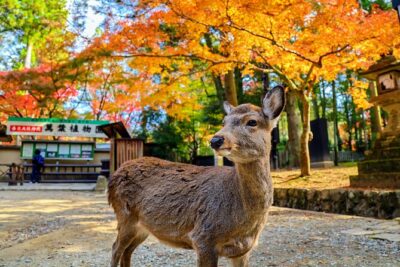
World Heritage Kyoto & Nara Uji Authentic Matcha Experience
Read our review →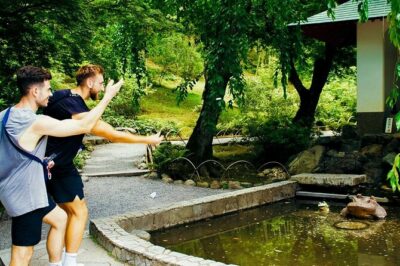
Arashiyama Bamboo Forest, Monkeys, Matcha & Temple Tour
Read our review →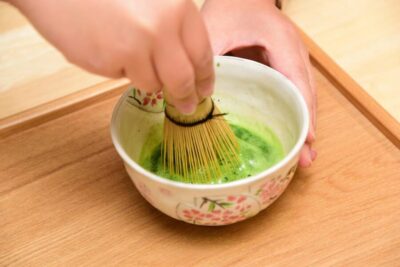
Tea Museum Tickets and Matcha Grinding Experience
Read our review →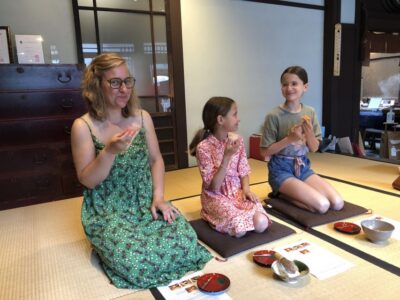
Tea Ceremony Meditation – Make Matcha with Tea Master
Read our review →Arashiyama Bamboo, Matcha, Monkeys & Temple Tour
Read our review →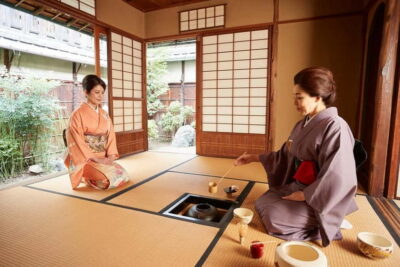
Arashiyama Bamboo, Temple, Matcha, Monkeys & secret spots
Read our review →
Browse the lists this tour appears in