
REVIEW · KYOTO MATCHA EXPERIENCES
Kyoto: Kimono Rental and Matcha Experience
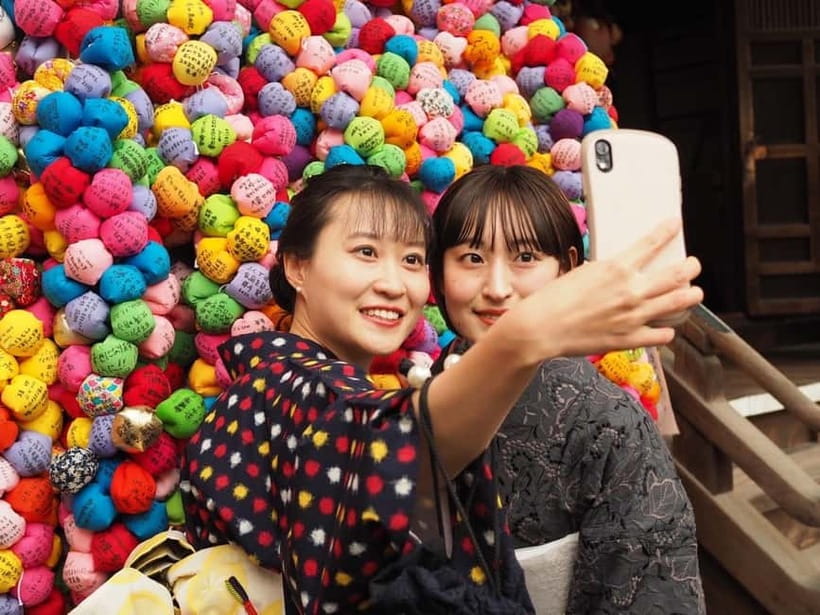
Kyoto’s kimono and matcha combination gives you two very different tastes of Japan in one easy outing. You dress near Kyoto Station, ride to a renovated townhouse by Kodaiji Temple, learn to whisk your own matcha, then walk the old lanes around Kiyomizu-dera in traditional clothing.
I like the simple logistics, especially the one-way taxi from the station to the café. I also like the calm, hands-on tea lesson, where you watch the preparation before making your own frothy bowl. The main consideration is time: you must return the kimono by 5:30 pm unless you pay for a next-day return.
In This Review
- Key Points
- Starting Near Kyoto Station
- Choosing and Wearing the Kimono
- The Taxi Ride to Ichinenzaka 362 Café
- Making Matcha in a Tatami Room
- Walking the Kiyomizu Streets in Kimono
- What the $50 Price Covers
- Timing Your Day Around the Return
- Who Will Get the Most From This Experience
- Small Details That Make the Day Easier
- Should You Book the Kimono and Matcha Experience?
- FAQ
- Where does the experience start?
- What clothing is included?
- Is the taxi included?
- How long is the tea ceremony?
- Where does the matcha experience take place?
- Is English assistance available?
- Can I walk around Kyoto in the kimono afterward?
- When must I return the kimono?
- Can I return the kimono the next day?
- Who should not book this activity?
Key Points
- One minute from Kyoto Station: Meet at MK Kimono Rental Mimosa’s Hachijo-guchi store, a handy starting point for an arrival day.
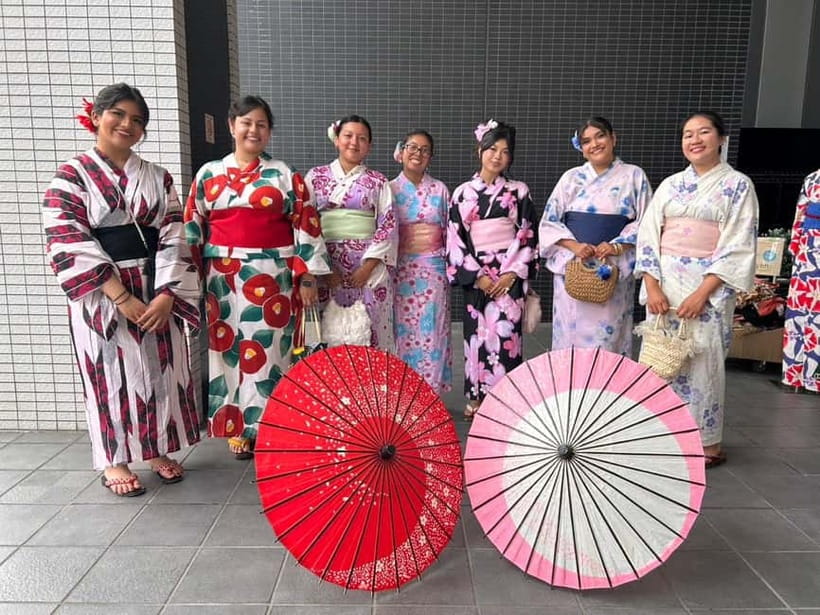
- A full kimono set is included: You receive the clothing, obi belt, socks, shoes, bag, and innerwear. Men also receive a haori jacket in winter.
- Matcha takes place in a tatami room: At Ichinenzaka 362 Café, you watch a short tea ceremony and whisk your own tea.
- The taxi saves your feet: A private one-way ride takes you from Kyoto Station to the Kiyomizu area.
- Photos come after the tea: You have time to stroll by traditional wooden houses and shops near Kiyomizu-dera.
- English-speaking help is available: This is useful if you have never worn a kimono or prepared matcha.
Starting Near Kyoto Station
You begin at MK Kimono Rental Mimosa Hachijo-guchi Store, just one minute from Kyoto Station. That location is a real advantage. Kyoto Station is a major transport hub, so you can fit this activity into a day when you arrive by train, before heading to a hotel, or between other plans.
Pay close attention to the store name and exit. The meeting point is on the Hachijo exit side of Kyoto Station, in the Kyoto Station area. Going to the wrong side of this large station can cost you valuable time.
The shop provides English-speaking assistance throughout the experience. That matters here because getting dressed is not as simple as pulling on a coat. The layers, obi belt, footwear, and innerwear all form part of the look, and first-time visitors will appreciate having someone guide them through it.
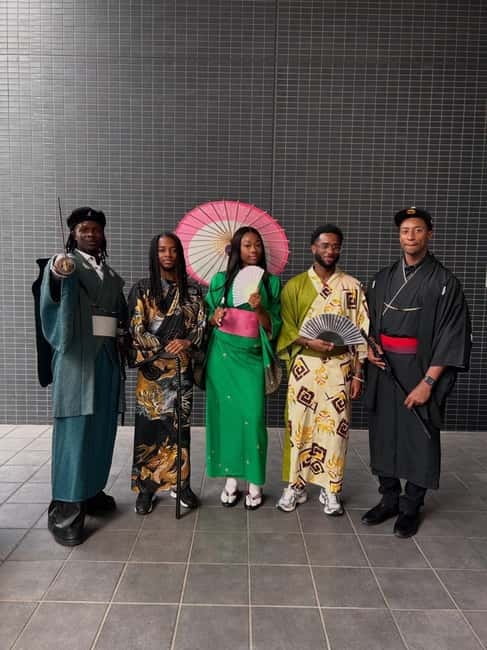
You receive a normal kimono set, or a yukata in summer. Men receive a haori jacket in winter. The included set also covers socks, shoes, a bag, and innerwear, so you do not need to assemble the outfit yourself.
Free luggage storage is available at the rental shop. This is especially useful if you are carrying a suitcase after arriving at Kyoto Station. The supplied information does not specify luggage size limits, so ask the staff before relying on storage for large bags.
More matcha tastings and workshops:
- World Heritage Kyoto & Nara Uji Authentic Matcha Experience
★ 5.0 · 1,573 reviews - Kyoto: Arashiyama Bamboo Forest, Monkeys, Matcha & Temple Tour
★ 5.0 · 759 reviews - Kyoto: Tea Museum Tickets and Matcha Grinding Experience
★ 4.9 · 739 reviews
Choosing and Wearing the Kimono
The clothing is not just a costume for a quick photograph. You wear it while walking through Kyoto’s old streets, so comfort and timing matter.
A kimono has a fitted feel and a more formal appearance. A summer yukata is the lighter seasonal option. You should allow enough time to get dressed without rushing, since the café visit and the stroll both depend on your start time.
The normal rental plan includes the basic outfit but does not include anything beyond the kimono set. The experience information does not state that hair styling is part of the package. One recent booking included a beautiful hairstyle for the woman in the group, but you should confirm directly if a particular hairstyle or beauty service matters to your plans.
Once dressed, you can keep the outfit for the rest of the day within the return rules. That gives you freedom to take photos and explore the Kiyomizu area rather than rushing straight back after tea.
The biggest practical issue is footwear. You receive shoes, but walking in traditional footwear may feel different from walking in your own sneakers. Keep your schedule reasonable. The plan is best when you leave room for a relaxed stroll rather than stacking several distant Kyoto sights afterward.
The Taxi Ride to Ichinenzaka 362 Café
After changing, you take a private taxi from Kyoto Station to the Kiyomizu area. The ride is listed at about 20 minutes, and this one-way transfer is included in the $50 price.
I like this part of the arrangement because it removes a common Kyoto nuisance: figuring out local transportation while dressed in unfamiliar clothing. You do not need to walk all the way from the station, and you arrive close to the café and the old streets where the photo portion takes place.
The taxi is only included in one direction. Transportation after the experience is not included, and the information specifically notes that returning to Kyoto Station to change is not covered. You can change and return the kimono at the same location where you enjoyed matcha, or return to the Kyoto Station shop and change there.
That choice affects your day. Returning to the station is convenient if you have a train or luggage waiting there, but you will need to arrange and pay for that later transportation. Changing at the Kiyomizu-area location may save you a return trip, depending on your plans.
Making Matcha in a Tatami Room
Ichinenzaka 362 Café sits near Kodaiji Temple in a renovated townhouse. The setting is one of the strongest parts of this activity. Instead of learning about tea in a modern classroom, you sit in a tatami room within an older-style Kyoto building.
The tea portion lasts about 30 minutes. First, you watch a short tea ceremony. Then you whisk your own matcha and drink the bowl you prepared.
That order works well for beginners. You first see the movements, then try them yourself with English-speaking guidance. The experience is not presented as a long formal tea lesson, so it should suit you if you want a taste of the tradition without giving up most of your day.
Matcha preparation also gives the outing a quiet pause. The kimono rental and sightseeing portion can feel lively and photo-focused, while the tatami-room lesson asks you to slow down and pay attention to the tea, the whisk, and the preparation.
The supplied details do not name the instructor, and the activity is described as a private group. That means the session is arranged for your booking rather than being a large shared class. If you are booking as a couple or small party, the private format should make the experience feel more personal.
You should not expect alcohol or any unrelated drinks to be part of the activity. Alcohol and drugs are not allowed, and pets are not permitted.
More kimono and yukata rentals:
- Kimono Tea Ceremony at Kyoto Maikoya, NISHIKI
★ 5.0 · 911 reviews - Kyoto: Kimono Rental with Hairstyling and Accessories
★ 4.8 · 653 reviews - Kyoto: Kimono Tea Ceremony at Orizuruya Gion
★ 4.9 · 618 reviews - KYOTO Tea Ceremony with kimono near by Imamiya Jinjya Shrine
★ 5.0 · 343 reviews
Walking the Kiyomizu Streets in Kimono
After tea, you can explore the streets near Kiyomizu-dera while still wearing your kimono. The route includes the Kiyomizu area, traditional shops, wooden houses, and the old lanes around the temple district.
This is where the rental becomes more than a dressing-room photo. You have a setting that matches the clothing, with traditional architecture and shopfronts providing a natural backdrop. You can take your own photos as you walk and stop when you find a view you like.
The plan does not state that entry to Kiyomizu-dera itself is included. The focus is on the surrounding streets and photo opportunities, so do not assume that a temple admission ticket is part of the $50 price.
You should also keep in mind that the Kiyomizu area includes slopes and old streets. The activity information does not provide accessibility details, so anyone with mobility concerns should ask the provider before booking. Pregnant women and people over 95 are listed as unsuitable for this experience.
The time available for exploration depends on when you start. Kimono check-in runs from 9:00 am to 6:00 pm, with the last check-in at 3:00 pm. You must return the outfit by 5:30 pm for a same-day return. A late start leaves less time for the Kiyomizu walk, so I would choose a morning or early afternoon appointment if photos are important.
What the $50 Price Covers
At $50 per person, this is a fair-value package if you want the clothing, tea activity, and transfer in one booking.
The price includes:
- The normal kimono set
- A summer yukata option
- Obi belt, socks, shoes, bag, and innerwear
- A matcha experience
- A one-way private taxi from Kyoto Station to the Kiyomizu area
- Free luggage storage at the rental shop
That combination saves you from paying separately for a rental, a tea activity, and a taxi to the first sightseeing area. The value is strongest for first-time visitors who want a ready-made cultural outing without having to coordinate several businesses.
The price does not cover anything beyond the kimono set, transportation after the experience, or a return taxi to Kyoto Station. You should also confirm any optional services, such as hairstyling, before assuming they are included.
If you need the kimono the next morning, the rental shop charges an additional 1,100 yen for return between 9:00 am and 10:00 am, or 2,200 yen for return between 10:00 am and 6:00 pm. Those fees can make sense if you want evening photos or an early next-morning walk, but they change the total cost.
Timing Your Day Around the Return
The activity is described as lasting one day, but that means you can use the kimono during the rental period rather than spending a full 24 hours in the outfit.
A sensible plan is to check in in the morning, get dressed, take the taxi to the Kiyomizu area, attend the tea experience, and then spend the remaining time walking and taking photos. You will have more breathing room than with a late afternoon booking.
The café is open from 10:00 am to 6:00 pm, with the last order at 5:30 pm. The rental shop opens at 9:00 am, so an early start is possible, though the tea café does not open at the same time.
You should make sure your other Kyoto plans are nearby or flexible. The one-way taxi gets you to the Kiyomizu area, but the return trip is yours to arrange. If you have a tightly timed train reservation, allow plenty of extra time for changing, collecting luggage, and getting back to the station.
Who Will Get the Most From This Experience
I would choose this for couples, friends, families, and first-time Kyoto visitors who want a gentle introduction to two familiar Japanese traditions.
It suits you especially well if:
- You want professional help putting on a kimono
- You prefer a private group rather than a large class
- You want your own matcha-making activity, not just a drink served to you
- You plan to photograph the Kiyomizu area
- You are arriving or departing through Kyoto Station
- You need short English-language explanations
It is less suitable if your main goal is an advanced tea ceremony lesson. The tea portion lasts about 30 minutes and is designed as an accessible introduction.
It may also be a poor fit if you dislike walking in traditional footwear, need a fully specified accessible route, or have to leave Kyoto immediately after the café visit. The activity is not suitable for pregnant women or people over 95, according to the stated restrictions.
Small Details That Make the Day Easier
Wear something that works comfortably under the provided innerwear. The package includes the needed clothing layers, but a relaxed base outfit will make changing easier.
Bring a phone or camera with enough battery. The Kiyomizu streets are a central reason to book this experience, and you will want time for photos after the tea lesson.
Do not assume that the first listed meeting point is a calligraphy classroom. The practical meeting location is MK Kimono Rental Mimosa Hachijo-guchi Store near Kyoto Station, and you should confirm the exact address before setting out.
The staff have been described as welcoming and kind, and English support is available. That makes this a reassuring option if you are nervous about the clothing or the tea preparation.
Cancellation is free up to 24 hours in advance, and you can reserve now and pay later. Those terms help if your Kyoto schedule is still shifting, though you should check the final booking conditions at the time of purchase.
Should You Book the Kimono and Matcha Experience?
Book it if you want a well-organized half-day-style outing that combines dressing, tea, transport, and photos without requiring you to plan each piece separately.
The strongest reasons are the easy station meeting point, the included taxi, the tatami-room matcha lesson, and the chance to keep the kimono on while walking around Kiyomizu. The experience also earned a 4.8 rating from 24 bookings, with particular praise for the friendly shop staff, the tea preparation, the clothing, and the photo setting.
Skip it if you want a long formal tea ceremony, a fully guided temple tour, or an activity with no additional transportation costs after the first taxi ride. For most first-time Kyoto visitors, though, the $50 price offers a pleasant mix of structure and free time, with enough room to make the day feel like your own.
FAQ
Where does the experience start?
It starts at MK Kimono Rental Mimosa Hachijo-guchi Store, about one minute from Kyoto Station on the Hachijo exit side.
What clothing is included?
The normal plan includes a kimono set, obi belt, socks, shoes, bag, and innerwear. A yukata is provided in summer, and men receive a haori jacket in winter.
Is the taxi included?
A one-way private taxi from Kyoto Station to the Kiyomizu area is included. Transportation after the experience is not included.
How long is the tea ceremony?
The matcha experience lasts about 30 minutes. You watch a short tea ceremony, then whisk and drink your own matcha.
Where does the matcha experience take place?
It takes place at Ichinenzaka 362 Café near Kodaiji Temple, in a tatami room inside a renovated townhouse.
Is English assistance available?
Yes. English-speaking staff are available throughout the experience.
Can I walk around Kyoto in the kimono afterward?
Yes. You can explore the Kiyomizu area and take photos after the matcha experience, provided you return the kimono within the rental rules.
When must I return the kimono?
For same-day return, the kimono must be returned by 5:30 pm. The rental shop’s last check-in time is 3:00 pm.
Can I return the kimono the next day?
Yes, next-day return is available for an added fee. Return between 9:00 am and 10:00 am costs 1,100 yen, while return between 10:00 am and 6:00 pm costs 2,200 yen.
Who should not book this activity?
The activity is not suitable for pets, pregnant women, or people over 95 years old. Alcohol and drugs are also not allowed.
Recently added around Kyoto
- Higashiyama | Kyoto: Sakura Season Private Rickshaw Tour★ 5.0 · 3 reviews
- Kyoto Kimono Rental CHAMATSU|Kimono/Yukata Rental FamilyPlan★ 5.0 · 3 reviews
- Kyoto: Half-Day Private Guided Tour to the Old Town of Gion★ 4.4 · 3 reviews
- Nara Private Customizable Half Day Tour★ 5.0 · 3 reviews
- Kansai Region Hiking Adventure in Nara Kobe Kyoto and More★ 5.0 · 3 reviews
- Full Day Nara Deer, Temple, Shrine, Activities & Tea Ceremony★ 5.0 · 3 reviews
- Nara: Essential Private Tour with Deer Park and Temples★ 5.0 · 3 reviews
- Hiking Tour for Sacred Sites in Kyoto with a Guide★ 5.0 · 3 reviews
Kyoto Matcha Experiences, compared.
World Heritage Kyoto & Nara Uji Authentic Matcha Experience
Read our review →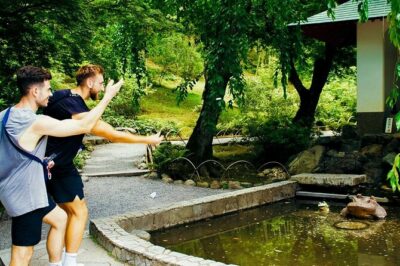
Arashiyama Bamboo Forest, Monkeys, Matcha & Temple Tour
Read our review →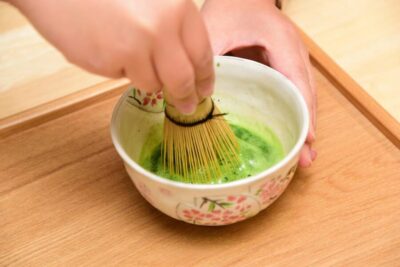
Tea Museum Tickets and Matcha Grinding Experience
Read our review →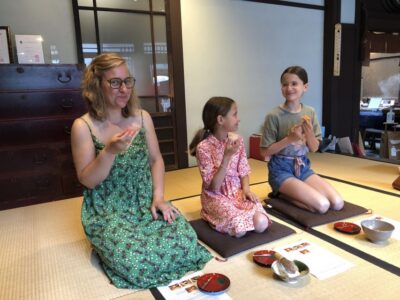
Tea Ceremony Meditation – Make Matcha with Tea Master
Read our review →Arashiyama Bamboo, Matcha, Monkeys & Temple Tour
Read our review →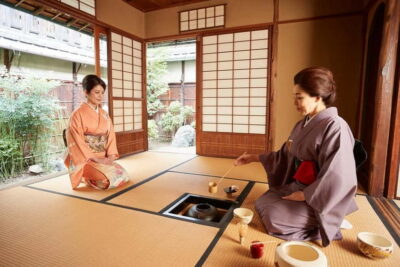
Arashiyama Bamboo, Temple, Matcha, Monkeys & secret spots
Read our review →
Browse the lists this tour appears in