
REVIEW · GION GEISHA DISTRICT TOURS
Kyoto: Gion Sunset Walking Tour with Local Guide
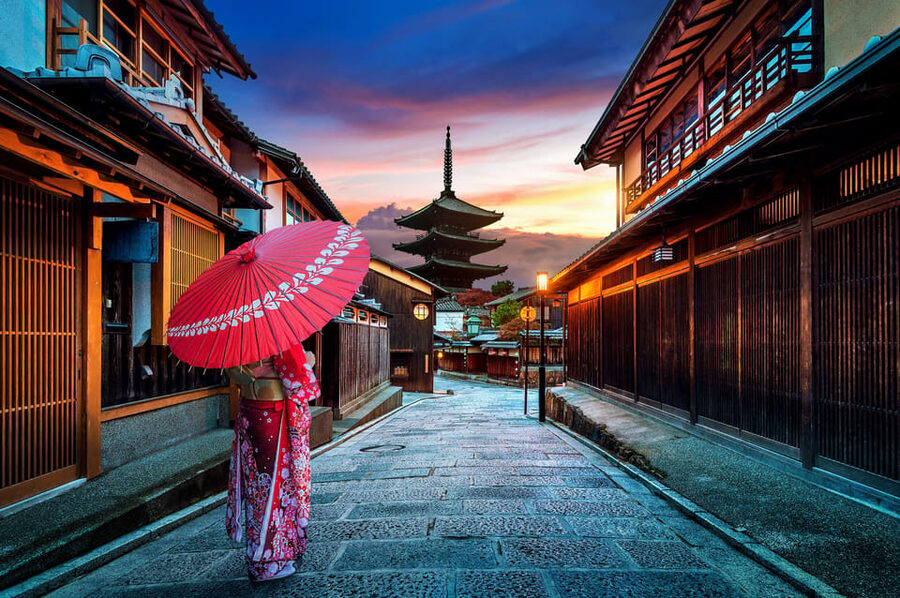
Gion changes character as daylight fades. Lanterns glow, narrow lanes grow quieter, and the old entertainment quarter becomes far more atmospheric than it is in the middle of the day. I like this tour for two clear reasons: the sunset timing gives you both daylight views and evening scenery, and the small group size keeps the walk personal. The chance to spot a geiko or maiko is a bonus, not a promise.
I also like the practical shape of the experience. Three hours is long enough to cover major sights without consuming your whole evening, and the included snack adds a pleasant local pause. The main drawback is the amount of walking, often outdoors and on uneven streets, so this is not a good choice if you have mobility, heart, respiratory, or pregnancy-related concerns.
In This Review
- Key points at a glance
- Why Gion is best seen as the sun goes down
- Starting at Kyoto Kawaramachi Garden
- Passing Minami-za, Kyoto’s theater district
- Hanamikoji Street and the old Gion atmosphere
- Side streets, temples, and shrines
- Maruyama Park at night
- Yasaka Shrine and Japanese religious customs
- The snack pause and what you actually receive
- Pontocho and the final walk to Sanjo Bridge
- Geiko and maiko sightings, with the right expectations
- Guide quality and the small-group advantage
- Is $22 good value in Kyoto?
- Who should book this evening walk?
- Final verdict: book it for context, not just photos
- FAQ
- How long is the Kyoto Gion Sunset Walking Tour?
- Where does the tour begin?
- Where does the tour end?
- What sights are included?
- Is a snack included?
- Are meals and other drinks included?
- Can I see a geiko or maiko?
- What languages are available?
- How large is the group?
- Can I cancel the booking?
- What should I bring?
- Who should avoid this tour?
Key points at a glance
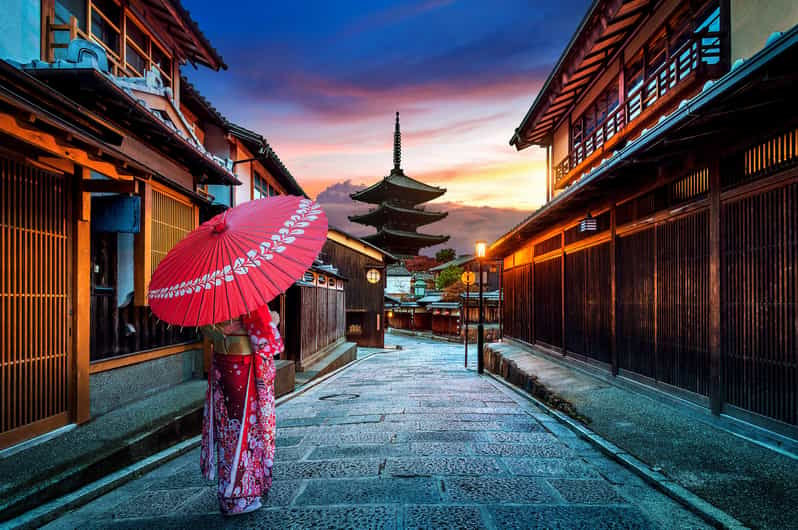
- Gion after dark: See Hanamikoji Street, temple grounds, shrines, lantern-lit lanes, and Pontocho as evening arrives.
- Small groups: The group can be limited to nine people, making it easier to ask questions and keep a comfortable pace.
- Several strong guides: Past tours have been led by Jasmine, Raphael, Alex, Vincent, Katz, Naoki, Zied, and others, with particular praise for local knowledge and friendly presentation.
- Geiko and maiko etiquette: You may see performers heading to appointments, but sightings are never guaranteed. The tour explains how to behave respectfully.
- Snack stop included: You receive a local snack, with some tours allowing a choice worth up to 1,000 yen.
- Convenient value: At $22 per person, the tour combines a guided walk, cultural background, and a snack for the price of a modest Kyoto meal.
Why Gion is best seen as the sun goes down
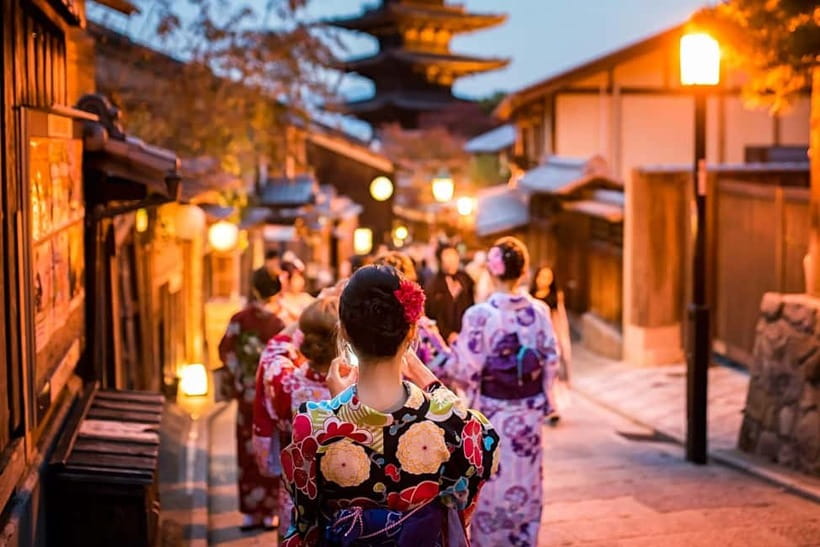
Gion is not a theme park version of old Kyoto. It is a working district with restaurants, teahouses, theaters, shrines, shops, and residents going about daily life. That makes the tone of an evening walk important. You are not simply checking off a famous street. You are seeing how the neighborhood shifts from sightseeing hours into its nighttime routine.
The tour begins around sunset, when you can still make out the details of wooden facades and traditional streets. As the light drops, lanterns take over. The contrast helps you understand the area better than a quick daytime stroll. Hanamikoji Street looks elegant in daylight, but the illuminated lanes and quiet side streets give you a stronger sense of its old entertainment-quarter character.
Your guide also provides context about geiko and maiko culture, Japanese religious customs, architecture, and local history. The best part of a guided walk here is often the explanation of things you might otherwise pass without noticing, such as the purpose of a shrine feature, the meaning of a custom, or the difference between a geiko and a maiko.
More evenings in Gion:
- Kyoto Geisha Walking Tour: Gion District & Hidden Gems
★ 4.7 · 3,273 reviews - Kyoto: Gion Magical Night Walking Tour with Geisha Trivia
★ 4.9 · 2,393 reviews - Kyoto: Gion Geisha District Walking Tour – Stories of Geisha
★ 4.7 · 2,187 reviews
Starting at Kyoto Kawaramachi Garden
The meeting point is at the corner of Kyoto Kawaramachi Garden, in front of the large black world map. Your guide should be wearing a TripGuru shirt or holding a TripGuru sign.
Arrive at least 10 minutes early. This matters in Kyoto, where a short distance can take longer than a map suggests, especially when streets are crowded. The guide waits for a maximum of 10 minutes before moving on, so do not cut this meeting point close.
The starting area is useful because it places you near central Kyoto and within reach of the evening route. You do not receive hotel pickup, so plan your own way there. Wear shoes you can comfortably walk in for three hours, and bring cash for drinks or extra food.
Passing Minami-za, Kyoto’s theater district
The route passes Kyoto Minami-za for about 10 minutes. Even without entering the theater, this stop helps connect Gion with traditional performance culture.
The area around Minami-za gives your guide a natural opening to discuss Kyoto’s theater traditions and the role of performance in the neighborhood. This is especially useful if you are curious about how kabuki, geiko entertainment, restaurants, and teahouses fit together.
This is a pass-by rather than a full theater visit, so keep your expectations in check. You are getting outside context, not a performance or theater tour. Still, it is a worthwhile introduction before the walk moves into the more intimate streets of Gion.
Hanamikoji Street and the old Gion atmosphere
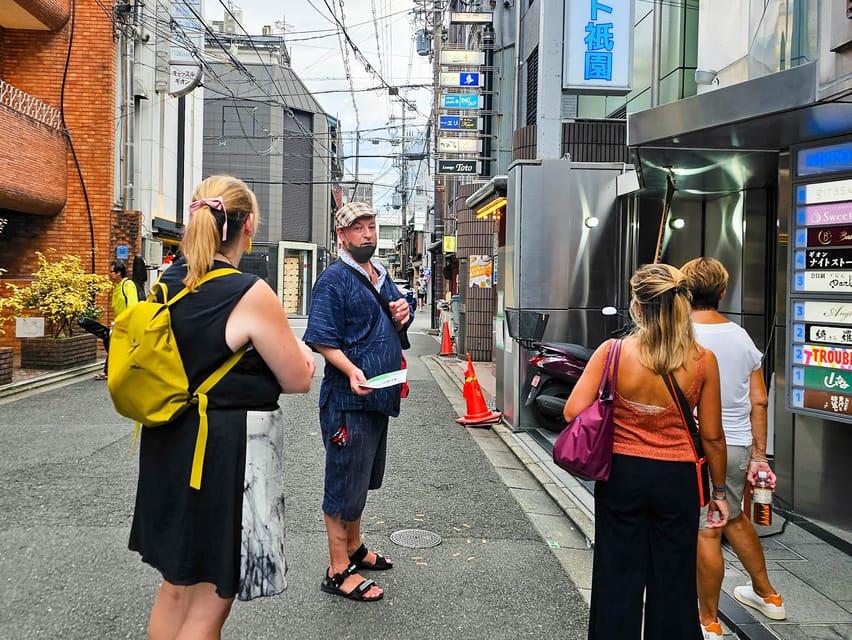
Hanamikoji Street receives about 30 minutes of guided sightseeing. It is one of the best-preserved historic streets in the area, with traditional-looking buildings and a strong connection to Gion’s entertainment world.
This is one of the tour’s main visual rewards. In daylight, you can study the architecture. At night, the lanterns and subdued lighting create a more memorable mood. Your guide can point out details and explain local customs, rather than leaving you to photograph a row of attractive buildings without understanding what you are seeing.
You should also remember that Gion is not just a photo backdrop. Some lanes lead to working establishments, and the people you see may be commuting to work or serving customers. Listen carefully when your guide explains where photography is permitted and how to avoid blocking entrances.
Guides such as Jasmine, Raphael, Alex, Vincent, and Katz have been particularly well liked for their clear explanations and approachable manner. Local guides, including those raised in Kyoto, can add useful perspective on how the district feels beyond its postcard image.
More walking tours in Kyoto:
- Night Walk in Gion: Kyoto’s Geisha District
★ 4.5 · 2,003 reviews - Kyoto Gion Geisha District Walking Tour – The Stories of Geisha
★ 5.0 · 1,441 reviews - Nishiki Market Brunch Walking Tour (7 Tastings + Brunch)
★ 5.0 · 1,355 reviews - Kyoto Arashiyama Walking Tour: Bamboo, Monkeys, Gardens & Secrets
★ 5.0 · 1,216 reviews
Side streets, temples, and shrines
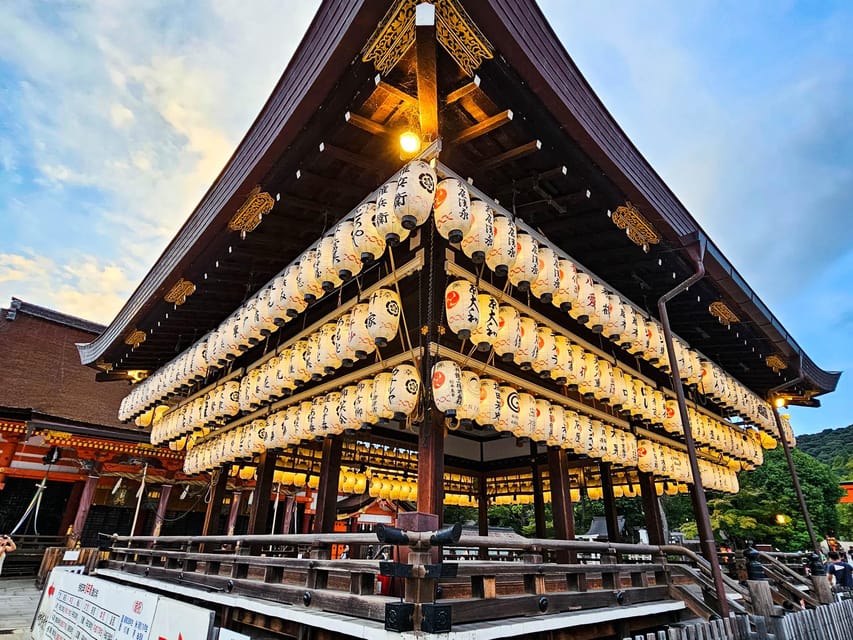
The itinerary includes another 30-minute guided section through traditional backstreets, with scenic views along the way. This is where a guide can make the biggest difference.
Walking alone, you might find the obvious main road but miss a quieter lane, a small religious site, or an architectural detail. The tour is designed to show you less obvious corners while explaining the customs connected with them. Past guides have also adjusted the pace for older members of the group and allowed time for questions, which is a real advantage in a group walk of this length.
Do not expect every stop to be a major monument. Some of the value comes from seeing how small shrines, lanes, walls, gardens, and traditional buildings fit together. The experience is about reading the neighborhood, not collecting a long list of grand attractions.
Maruyama Park at night
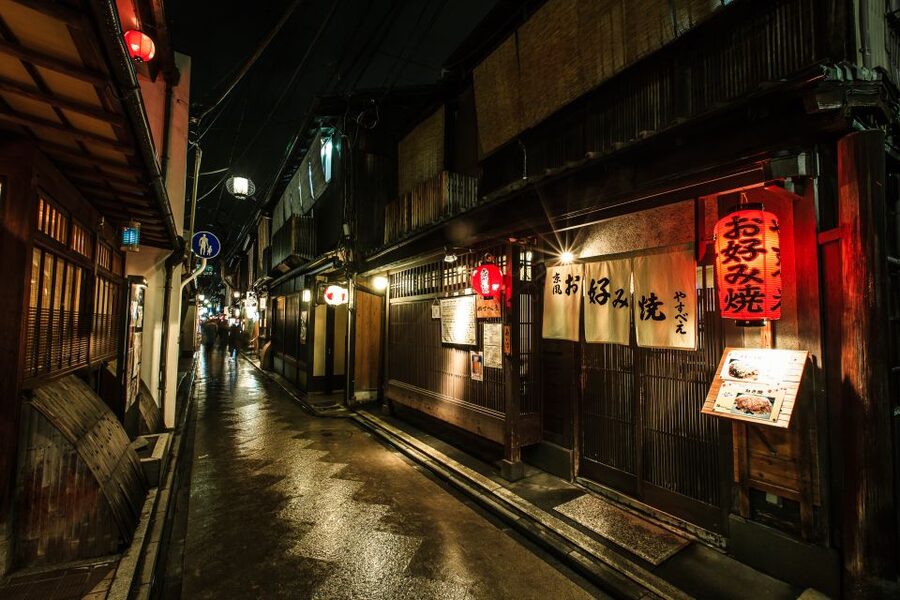
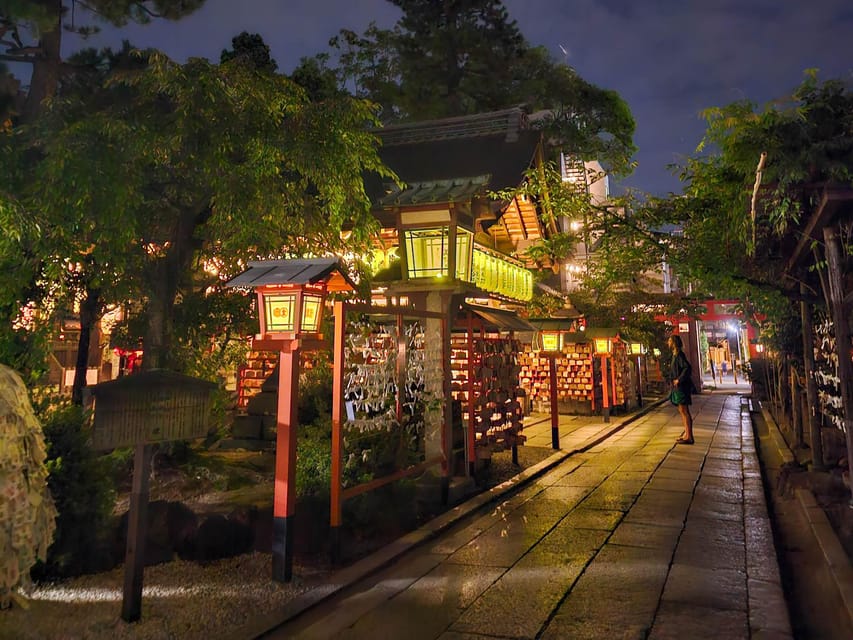
The walk reaches Maruyama Park for about 15 minutes. The park offers a pause from the tighter streets and gives you scenic views along the route.
At this point, you may appreciate the change in pace. Gion can feel crowded and visually dense, while the park provides more open space. The guide can continue explaining local traditions and the connection between religious sites and everyday Kyoto life.
The exact mood will depend on the season and weather. In warm months, the evening air may make this a comfortable break. In winter, the short stop can feel brisk, so bring an extra layer. One advantage of a sunset tour is that you see the park in changing light rather than only under midday sun.
Yasaka Shrine and Japanese religious customs
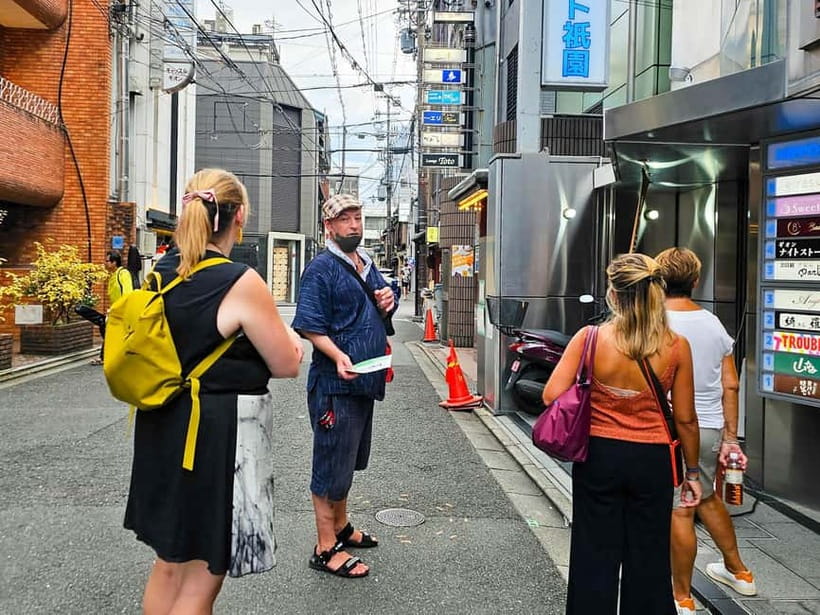
Yasaka Shrine, also called Gion Shrine, receives around 20 minutes of guided sightseeing. It is one of the central religious landmarks on this route and a strong place to learn about Japanese shrine customs.
A guide can explain how to approach the shrine, what different features mean, and how Shinto traditions appear in daily life. Several guides have also included explanations of Japanese religion, not just Gion’s geiko culture. That broader context keeps the tour from becoming a narrow look at one famous district.
Seeing Yasaka Shrine in the evening is one of the more appealing parts of the outing. Lanterns and illuminated structures create a different mood from the daytime visit, and the quieter atmosphere can make it easier to focus on the setting. The tour does not include a formal ceremony, so this remains an exterior guided visit rather than a religious event.
The snack pause and what you actually receive
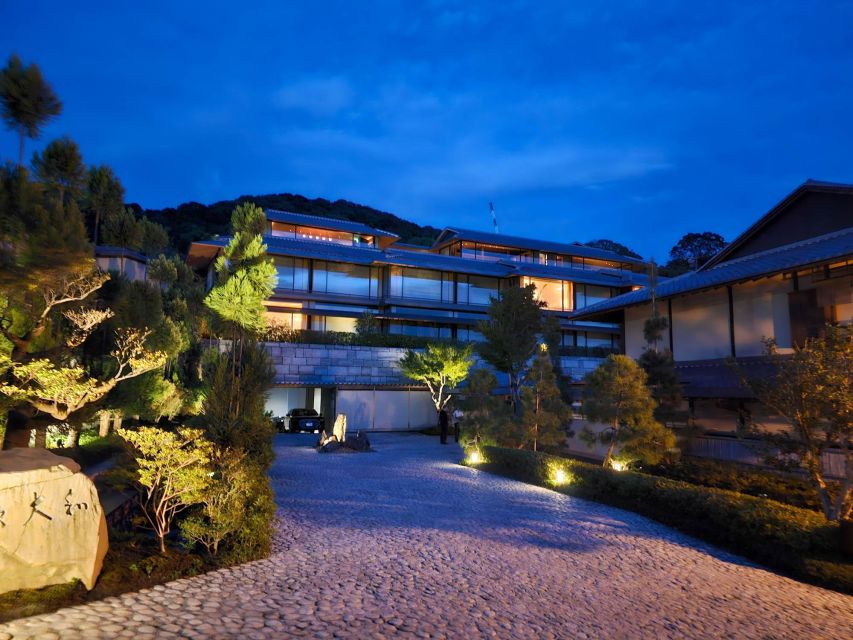
The tour includes about 20 minutes for a local snack. In some cases, the guide takes the group to a cafe or local supermarket, where you can choose a snack and drink. Other stops have included matcha and matcha desserts, and the stated allowance can be up to 1,000 yen per person.
This is a small but useful feature. After nearly two hours of walking, a drink or sweet gives you time to warm up, cool down, and ask the guide questions in a less hurried setting. In rainy weather, one guide adapted the route and arranged a cafe stop with pleasant views, showing how the experience can respond to conditions and group preferences.
Do not read this as dinner. Meals and additional drinks are not included, and the snack may cost less than the maximum allowance. If you are hungry, plan to eat before or after the tour. The snack is best understood as a thoughtful break, not a full food experience.
Pontocho and the final walk to Sanjo Bridge
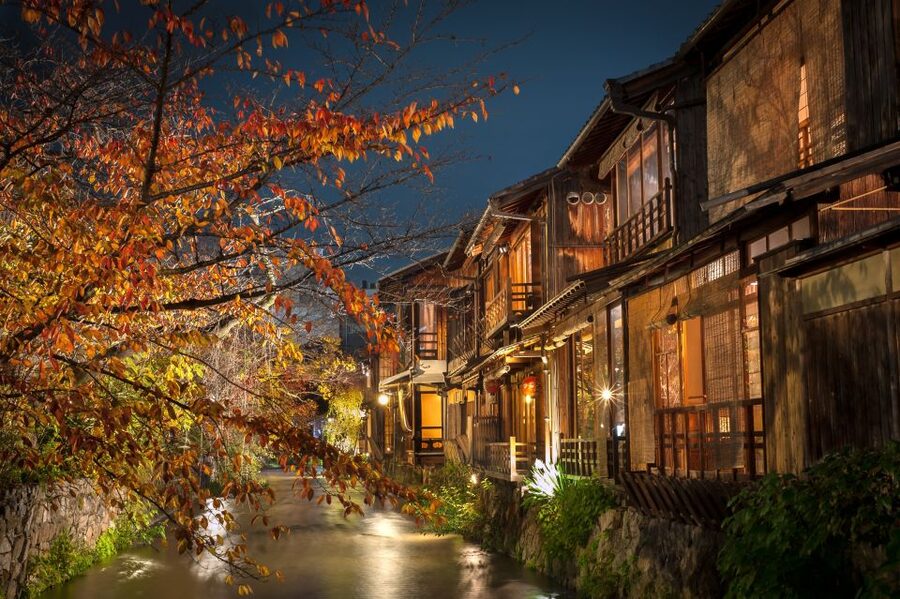
The final sightseeing stop is Pontocho, with about 20 minutes of guided exploration. This narrow dining and nightlife area complements Gion nicely.
Pontocho has a different feel from Hanamikoji Street, but both districts show Kyoto’s evening side through restaurants, lanes, lights, and traditional design. Your guide can help explain what makes the area distinct and point out details you might miss on a solo walk.
The tour ends at Sanjo Bridge. This is a practical finish because you are not returned to your hotel, and you can continue your evening from a central location. You may want to arrange dinner in advance, since the walk ends near areas filled with restaurants but does not include a meal.
Geiko and maiko sightings, with the right expectations
A possible geiko or maiko sighting is one of the tour’s most appealing details. You might see one heading to an appointment, particularly around the traditional entertainment streets, but no guide can guarantee it.
The respectful approach matters more than the photograph. Keep your distance, do not interrupt their route, and never block a doorway or alley. A longer camera lens is recommended. If someone comes close, step out of the way, offer a smile or quick bow, and say thank you.
This is not a staged encounter. That is part of the appeal, but it also means you should judge the tour on the walk and cultural explanations rather than on a sighting. Some groups have seen several geiko or maiko, while others may see none. The guide can explain the world around them without treating working performers as attractions.
Guide quality and the small-group advantage
The guide is the most important variable in this experience. The tour is offered in English, Spanish, and French, and guides named Jasmine, Raphael, Alex, Vincent, Naoki, Katz, Zied, Nobumasa Miyake, Atsushi, Karl, and others have led groups.
The strongest pattern is clear communication combined with local perspective. Guides have answered detailed questions about Kyoto, religion, architecture, and geiko culture. Some have been born and raised in the area, while others have brought an engaging, flexible style to the route.
The group limit of nine is valuable. You can hear the guide more easily, ask follow-up questions, and avoid the slow shuffle of a large sightseeing crowd. A small group also makes it simpler to adjust the walking pace. One guide slowed down for an older couple, while another shaped the evening around the group’s requests during heavy rain.
The advertised duration is three hours, though the exact pace can vary. If the group asks many questions or spends extra time at a stop, the tour may run longer. That can be a benefit, but do not schedule a tight dinner reservation immediately afterward.
Is $22 good value in Kyoto?
At $22 per person, this is a strong-value introduction to Gion. You are paying for three hours of guiding, a small-group format, a snack, and a route that links several major areas. A private guide would cost far more, while a free self-guided walk would not provide the same explanations or local orientation.
The value is best if you are new to Kyoto, have only one evening available, or have already walked through Gion but want to understand what you saw. It is also useful early in a Kyoto visit because the guide can offer practical tips for the rest of your stay.
The price does not cover hotel transportation, meals, extra drinks, or personal purchases. You also need to pay attention to the meeting time and arrive independently. Even with those limits, the cost remains modest for the amount of time and coverage.
Who should book this evening walk?
I would recommend it to first-time Kyoto visitors, couples, solo travelers, and families with older children who can manage three hours on foot. It suits anyone who wants cultural background without committing to a full-day tour.
It is also a smart choice for a last-minute plan. Same-day bookings are accepted when space is available, and the reserve-now, pay-later option keeps your schedule flexible. Free cancellation is available up to 24 hours before the start time.
I would skip it if you dislike walking, need step-free access, or want a food-focused evening. Pregnant people and those with mobility, heart, or respiratory problems are specifically advised not to take part. The tour is also not the right choice if your main goal is a guaranteed geiko or maiko encounter.
Final verdict: book it for context, not just photos
Book this tour if you want Gion to make more sense. The sunset timing, compact route, helpful guides, shrine visits, local snack, and small group create a practical three-hour introduction to Kyoto’s old entertainment districts.
Do not book it solely in hope of seeing a geiko or maiko. That may happen, but the dependable rewards are the lantern-lit streets, Yasaka Shrine, Pontocho, Hanamikoji Street, and the guide’s explanation of local culture. For $22, that is a worthwhile evening, especially when Jasmine, Raphael, Alex, Vincent, Katz, Naoki, or another strong guide brings the neighborhood to life.
FAQ
How long is the Kyoto Gion Sunset Walking Tour?
The tour lasts three hours.
Where does the tour begin?
It begins at the corner of Kyoto Kawaramachi Garden, in front of the large black world map.
Where does the tour end?
The walk ends at Sanjo Bridge.
What sights are included?
The route passes Kyoto Minami-za and includes guided visits to Hanamikoji Street, traditional backstreets, Maruyama Park, Yasaka Shrine, and Pontocho.
Is a snack included?
Yes. A local snack is included. Some tour arrangements allow you to choose a snack or drink worth up to 1,000 yen per person.
Are meals and other drinks included?
No. Meals, additional drinks, and personal expenses are not included.
Can I see a geiko or maiko?
You might see a geiko or maiko traveling to an appointment, but sightings are not guaranteed.
What languages are available?
The tour is available with a live guide speaking English, Spanish, or French.
How large is the group?
A small-group option is available, with no more than nine people.
Can I cancel the booking?
Yes. You can cancel up to 24 hours in advance for a full refund. A reserve-now, pay-later option is also available.
What should I bring?
Bring comfortable shoes, a camera, and cash.
Who should avoid this tour?
The tour is not suitable for pregnant women or people with mobility impairments, heart problems, or respiratory issues.
More Kyoto Evenings
- Kyoto Night Foodie Tour in Gion (9+ dishes + 6 Sake tastings)
★ 5.0 · 1,762 reviews - Kyoto Gion Night Walk & Geisha District Guided Tour
★ 5.0 · 786 reviews - Kyoto Ghost Tour: Dark Tales, Urban Legends, Bamboo Forest Night
★ 5.0 · 625 reviews - Kyoto Bar Hopping Night Tour
★ 5.0 · 613 reviews
Recently added around Kyoto
- Higashiyama | Kyoto: Sakura Season Private Rickshaw Tour★ 5.0 · 3 reviews
- Kyoto Kimono Rental CHAMATSU|Kimono/Yukata Rental FamilyPlan★ 5.0 · 3 reviews
- Kyoto: Half-Day Private Guided Tour to the Old Town of Gion★ 4.4 · 3 reviews
- Nara Private Customizable Half Day Tour★ 5.0 · 3 reviews
- Full Day Nara Deer, Temple, Shrine, Activities & Tea Ceremony★ 5.0 · 3 reviews
- Nara: Essential Private Tour with Deer Park and Temples★ 5.0 · 3 reviews
- Kansai Region Hiking Adventure in Nara Kobe Kyoto and More★ 5.0 · 3 reviews
- Hiking Tour for Sacred Sites in Kyoto with a Guide★ 5.0 · 3 reviews
Gion Geisha District Tours, compared.

Kyoto Geisha Walking Tour: Gion District & Hidden Gems
Read our review →
Gion Magical Night Walking Tour with Geisha Trivia
Read our review →
Gion Geisha District Walking Tour – Stories of Geisha
Read our review →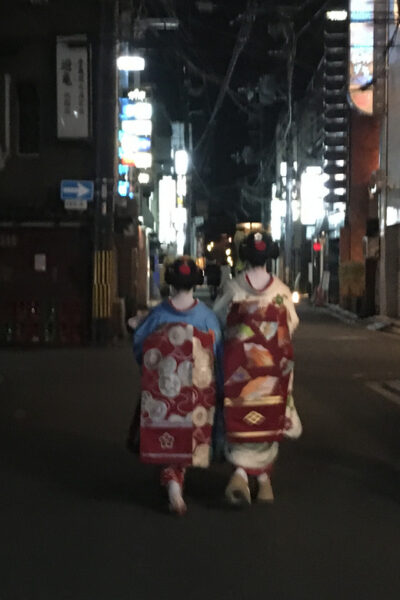
Best of Kyoto: Gion, Geisha, Pagodas & Cobblestones
Read our review →
Kyoto Night Foodie Tour in Gion (9+ dishes + 6 Sake tastings)
Read our review →
Kyoto Gion Geisha District Walking Tour – The Stories of Geisha
Read our review →
Kyoto Gion: 2-Hour Geisha Culture & History Walking Tour
Read our review →Browse the lists this tour appears in