
REVIEW · GION GEISHA DISTRICT TOURS
Kyoto: Gion Night Walking Tour with Geisha Insight
Gion is at its most atmospheric after dark, when lantern-lit alleys, willow-lined canals, and wooden teahouses replace the daytime crowds. This two-hour walk links Kyoto’s traditional entertainment district with the modern streets around Kawaramachidori, giving you a useful first look at two very different sides of the city.
I like the small group size, capped at 15, because a guide can point out details you would likely miss on your own. I also like the practical food advice, especially if you want help choosing a place to eat after the tour. The main drawback is clear: seeing a geisha or maiko is not guaranteed, and the streets can be too dark for good photographs.
In This Review
- Key points to know before booking
- Why Gion works best after sunset
- Hanamikoji Street and the wooden teahouses
- Shirakawa Canal at night
- A pause at Tatsumi Daimyojin Shrine
- Learning how to behave around geisha and maiko
- From old Gion to modern Kawaramachidori
- What the two-hour format gives you
- Is $25 a fair price?
- Who should book this evening walk?
- Booking, cancellation, and group details
- Should you book the Gion night walking tour?
- FAQ
- How long does the Gion night walking tour last?
- How much does the tour cost?
- Where does the tour begin?
- Where does the tour finish?
- Is a mobile ticket available?
- What places are visited?
- Can I see a geisha or maiko?
- What is included in the price?
- What is the cancellation policy?
Key points to know before booking
- Hanamikoji Street is the historic heart of Gion, lined with traditional wooden teahouses.
- The Shirakawa Canal walk is especially scenic at night, with stone alleys, red bridges, and willow trees.
- Tatsumi Daimyojin Shrine adds a quieter cultural stop away from the busiest streets.
- Geisha sightings are possible but never promised, and respectful behavior matters.
- Kawaramachidori adds a modern contrast, with bars, restaurants, and busy city streets.
- The $25 price is fair for a guided orientation, particularly if this is your first evening in Kyoto.
Why Gion works best after sunset
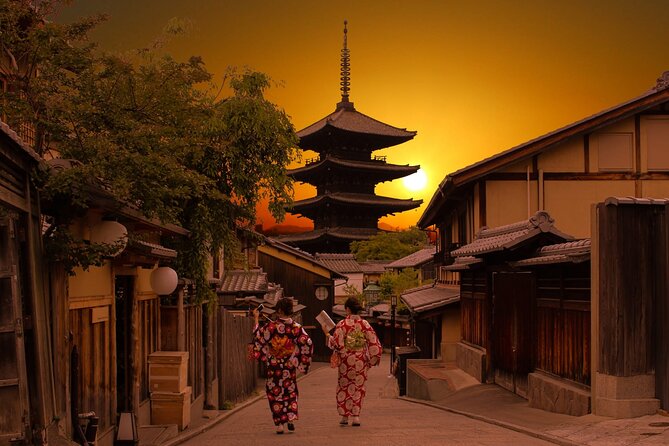
Gion is one of those Kyoto districts that can feel very different depending on the hour. During the day, Hanamikoji Street attracts a steady stream of sightseers. At night, the same area takes on a quieter, more formal mood as the wooden teahouses prepare for evening appointments.
That change is the main reason to choose this tour instead of a daytime walk. You are not simply checking off old buildings. You are seeing Gion during the part of the day when its streets still serve their original purpose.
The route begins at Tanaka Coffee Gion, at 993 Shinchi Sueyoshicho in Kyoto’s Higashiyama Ward. From there, a guide leads you through streets that can be confusing if you are trying to follow a map while also watching for small shrines, signs, and traditional homes.
I find a guide particularly useful here because Gion is not one single attraction with a clear entrance. It is a working district made up of lanes, canals, restaurants, shrines, and private establishments. A good walking tour helps you understand how those pieces fit together.
More evenings in Gion:
- Kyoto Geisha Walking Tour: Gion District & Hidden Gems
★ 4.7 · 3,273 reviews - Kyoto: Gion Magical Night Walking Tour with Geisha Trivia
★ 4.9 · 2,393 reviews - Kyoto: Gion Geisha District Walking Tour – Stories of Geisha
★ 4.7 · 2,187 reviews
Hanamikoji Street and the wooden teahouses
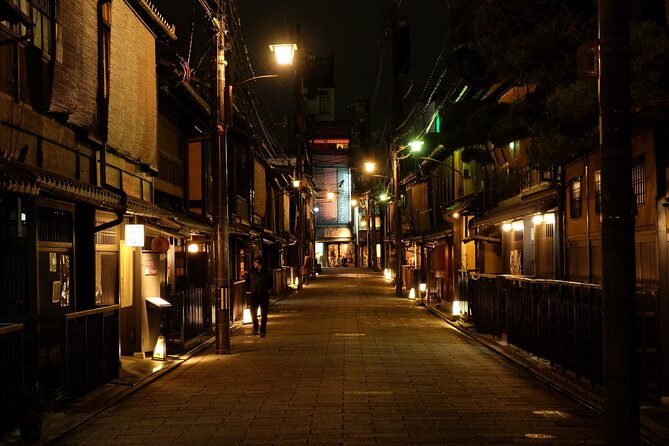
The first hour focuses on Gion itself, beginning with Hanamikoji Street. This is the district’s best-known thoroughfare, lined with traditional wooden ochaya, or teahouses where geisha and maiko entertain guests.
The appeal is not only architectural. The buildings help explain why Gion feels different from an ordinary restaurant street. Dark wood, restrained signs, narrow entrances, and carefully maintained facades create a setting built around privacy and ceremony.
Your guide can explain the difference between geisha and maiko and offer practical advice on how to recognize them. That is more useful than simply hoping to spot someone in traditional clothing. Kyoto has many people wearing rented kimono, especially around popular sightseeing areas, so appearance alone does not tell you who is a working geisha or maiko.
The tour’s approach to sightings is important. You might see a geisha or maiko moving toward an evening appointment, but there is no promise that one will appear. One especially negative account of this experience came from someone who expected a guaranteed encounter and felt disappointed after learning that sightings were unlikely.
You should book this as a tour about Gion’s culture and streets, not as a geisha-spotting hunt. If you happen to see one, treat it as a brief moment, not a photo opportunity arranged for you.
Shirakawa Canal at night
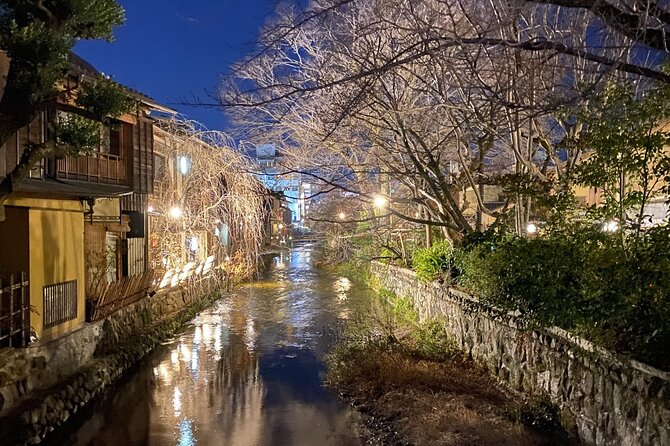
The route continues through the Shirakawa Canal area, one of the prettiest parts of Gion. Stone-paved lanes run beside the water, with willow trees, red bridges, and traditional buildings creating a strong sense of place.
This section is likely to be the visual high point of the walk. The canal gives Gion a softer edge than Hanamikoji Street, and evening light from nearby buildings can make the area feel calm and intimate.
There is a practical tradeoff. Nighttime atmosphere comes with limited light. If you want crisp photographs of the canal, buildings, or passing figures, you may find the conditions frustrating. One complaint about the tour focused on how dark the walk became and how difficult it was to take photos.
I would bring a phone or camera for quick snapshots, but I would not choose this outing mainly for photography. The better reward is seeing the district without trying to rush through it in search of the next picture.
A pause at Tatsumi Daimyojin Shrine
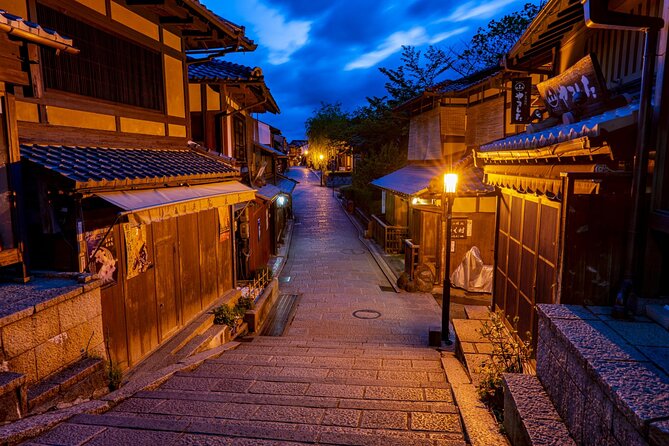
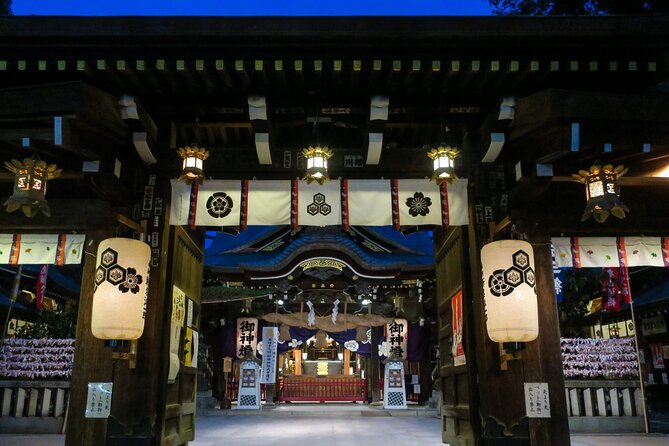
Tatsumi Daimyojin Shrine is a small shrine tucked into the backstreets. It is not a grand temple complex, and that is part of its value. The stop shows you the smaller religious sites woven into everyday Kyoto.
A guide can add context that would be hard to get from a quick glance. Without explanation, you might walk past the shrine and assume it is simply a pretty roadside structure. With a local account of its importance, the stop becomes part of the larger story of Gion.
The shrine also gives the walk a useful change of pace. Hanamikoji Street is the famous face of the district. Tatsumi Daimyojin feels more personal and less staged for sightseeing.
Do not expect a long temple visit or a formal ceremony. This is a brief walking stop, included as part of the route. Its strength is the setting and the explanation, not a large collection of buildings or artworks.
More walking tours in Kyoto:
- Night Walk in Gion: Kyoto’s Geisha District
★ 4.5 · 2,003 reviews - Kyoto Gion Geisha District Walking Tour – The Stories of Geisha
★ 5.0 · 1,441 reviews - Nishiki Market Brunch Walking Tour (7 Tastings + Brunch)
★ 5.0 · 1,355 reviews - Kyoto Arashiyama Walking Tour: Bamboo, Monkeys, Gardens & Secrets
★ 5.0 · 1,216 reviews
Learning how to behave around geisha and maiko
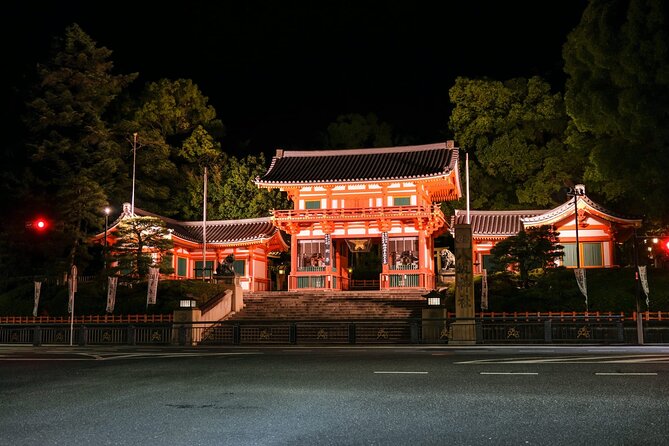
The geisha portion of the tour can be valuable even if you do not see anyone. You learn what to look for, where sightings might occur, and why the district requires care from people walking through it.
The most important advice is simple: do not block the way, touch anyone, or treat a person heading to work as a public attraction. A direct account of this tour noted that participants were told not to photograph or speak to geisha. That may disappoint anyone hoping for a close encounter, but it reflects the need for basic courtesy.
This is one of the places where expectations matter more than luck. You are visiting a real neighborhood and an active workplace, not a stage set. The guide’s role is to help you understand that distinction.
A guide named Ryu has been specifically praised for explaining geisha tradition and practice in a clear way. Guide assignments can vary, so you should not assume he will lead every departure. Still, the route is well suited to a guide who can explain the customs rather than merely point at buildings.
From old Gion to modern Kawaramachidori
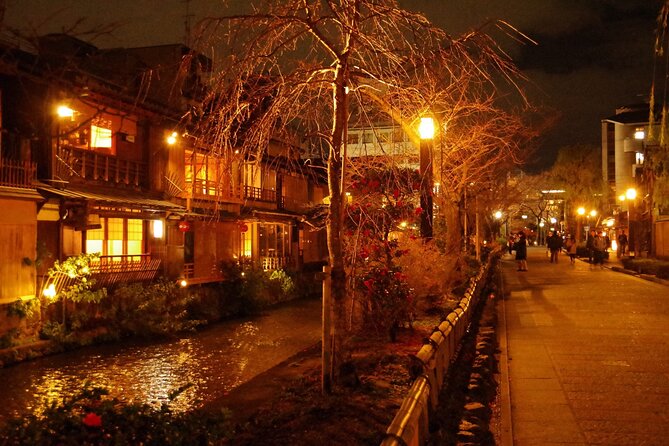
The second hour shifts toward Kawaramachidori and the Shijo-Kawaramachi intersection. This change keeps the tour from becoming a single-note stroll through old Kyoto.
Around the intersection, Kyoto feels more modern and energetic. Shops, restaurants, bars, and city traffic replace the quiet wooden facades of Gion. The contrast helps you see that Kyoto is not preserved in one fixed period. Historic districts and ordinary city life sit close together.
The tour also moves into backstreets and alleys around the area. These lanes include cozy bars, eateries, and old machiya houses. You may find this part less photogenic than Shirakawa Canal, but it is useful for planning the rest of your evening.
This is where the food recommendations matter most. The guide can suggest places to eat in Kyoto, giving you ideas beyond the restaurants you might find by walking into the first busy street. The information is not a meal or a reservation, but it can save you time when you are hungry and unsure where to go.
I would pay attention to the names and locations of any recommended eateries and save them on your phone. The tour ends back at its starting point, so you can decide afterward whether to follow the advice or continue exploring nearby.
What the two-hour format gives you
Two hours is a good length for this route. It gives you enough time to cover Gion and Kawaramachidori without turning the evening into a tiring march.
The walk is active, but most people can participate. The tour is not described as requiring a special fitness level, and admission tickets are included because the main activity is walking through public streets and visiting the shrine area.
The small group limit of 15 is worth noting. That is not a private tour, but it is still far easier to hear a guide in a narrow lane than in a large group. You also have a better chance to ask questions about geisha culture, restaurant customs, and the buildings along the way.
The experience uses a mobile ticket, which keeps the booking process simple. The meeting point is Tanaka Coffee Gion, and the walk returns there at the end. You should allow time to find the starting point, since the route begins in the Gion area rather than at a major attraction with a large entrance sign.
Is $25 a fair price?
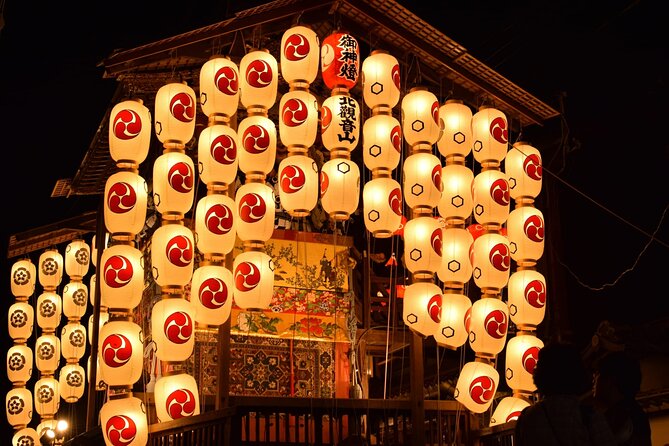
At $25 per person, this is a reasonably priced introduction to Gion. You are paying for about two hours of guiding, route-finding, cultural explanation, and food recommendations.
The value is strongest if you are visiting Kyoto for the first time or arriving in Gion without a clear plan. A guide can show you Hanamikoji Street, Shirakawa Canal, Tatsumi Daimyojin Shrine, and the Kawaramachi backstreets in one evening. You could walk these areas independently, but you might miss the connections between them or spend time looking at a map.
The value is weaker if you already know Gion well or mainly want a guaranteed geisha sighting. No walking tour can promise that, and this one does not include a performance, meal, private teahouse visit, or reserved cultural demonstration.
Gratuity is not included, so plan for that separately if you feel the guide earned it. The price itself remains modest compared with many evening cultural activities in Kyoto.
Who should book this evening walk?
I would recommend it for first-time Kyoto visitors, couples, solo visitors, and small groups who want a calm introduction to Gion after dark. It suits you especially well if you prefer explanations and local orientation over a formal show.
It is also a good choice for anyone who wants restaurant suggestions before making dinner plans. The second half around Kawaramachidori gives you a practical sense of where to continue your evening.
Families and older participants may appreciate the two-hour length, though the experience does involve walking through stone-paved lanes and city streets. The available information says most people can participate, but no detailed accessibility information is provided.
I would be more cautious if your main goal is photography. The night setting is atmospheric, but some parts can be too dark for clear pictures. I would also be cautious if you expect close contact with geisha or maiko. The correct experience is to observe from a respectful distance, if you see one at all.
Booking, cancellation, and group details
Confirmation is provided when you book, and the activity accepts a maximum of 15 people. A minimum number of participants is required, so the provider may cancel if that number is not reached. In that case, you are offered another date or experience, or a full refund.
You can cancel for a full refund up to 24 hours before the start time. Cancellations or changes made within 24 hours are not refunded or accepted. The cut-off follows Kyoto local time, so check the clock carefully if you are changing plans from another time zone.
The tour is offered by With Japan and has a 4.8 rating from 39 reviews, with 97 percent recommending it. Those figures point to a generally dependable experience, but the mixed feedback about darkness and geisha expectations deserves attention.
Should you book the Gion night walking tour?
Book it if you want a well-priced evening orientation to Gion, with a guide to explain geisha customs, point out traditional streets, and suggest places to eat. The combination of Hanamikoji Street, Shirakawa Canal, Tatsumi Daimyojin Shrine, and Kawaramachidori gives you a useful range of Kyoto experiences in two hours.
Skip it if you want a guaranteed geisha encounter, a staged cultural performance, or a photo-focused outing. Go with realistic expectations, wear comfortable shoes, and think of any geisha sighting as an unexpected bonus. For $25, the best value is the route, the context, and the chance to see Gion at the hour when its old streets feel most like themselves.
FAQ
How long does the Gion night walking tour last?
The tour lasts approximately two hours, with about one hour in Gion and one hour around Kawaramachidori.
How much does the tour cost?
The listed price is $25 per person.
Where does the tour begin?
The meeting point is Tanaka Coffee Gion, at 993 Shinchi Sueyoshicho, Higashiyama Ward, Kyoto, postal code 605-0085.
Where does the tour finish?
The activity ends back at the meeting point.
Is a mobile ticket available?
Yes. The experience provides a mobile ticket.
What places are visited?
The route includes Hanamikoji Street, the Shirakawa Canal area, Tatsumi Daimyojin Shrine, and the area around the Shijo-Kawaramachi intersection and Kawaramachidori.
Can I see a geisha or maiko?
You may see one heading to an evening appointment, but a sighting is not guaranteed.
What is included in the price?
The price includes the walking tour and insider recommendations for local eateries.
What is the cancellation policy?
You can cancel at least 24 hours before the start time for a full refund. Cancellations or changes made less than 24 hours before the start time are not accepted or refunded.
More Kyoto Evenings
- Kyoto Night Foodie Tour in Gion (9+ dishes + 6 Sake tastings)
★ 5.0 · 1,762 reviews - Kyoto Gion Night Walk & Geisha District Guided Tour
★ 5.0 · 786 reviews - Kyoto Ghost Tour: Dark Tales, Urban Legends, Bamboo Forest Night
★ 5.0 · 625 reviews - Kyoto Bar Hopping Night Tour
★ 5.0 · 613 reviews
Recently added around Kyoto
- Higashiyama | Kyoto: Sakura Season Private Rickshaw Tour★ 5.0 · 3 reviews
- Kyoto Kimono Rental CHAMATSU|Kimono/Yukata Rental FamilyPlan★ 5.0 · 3 reviews
- Kyoto: Half-Day Private Guided Tour to the Old Town of Gion★ 4.4 · 3 reviews
- Nara Private Customizable Half Day Tour★ 5.0 · 3 reviews
- Kansai Region Hiking Adventure in Nara Kobe Kyoto and More★ 5.0 · 3 reviews
- Full Day Nara Deer, Temple, Shrine, Activities & Tea Ceremony★ 5.0 · 3 reviews
- Nara: Essential Private Tour with Deer Park and Temples★ 5.0 · 3 reviews
- Hiking Tour for Sacred Sites in Kyoto with a Guide★ 5.0 · 3 reviews
Gion Geisha District Tours, compared.

Kyoto Geisha Walking Tour: Gion District & Hidden Gems
Read our review →
Gion Magical Night Walking Tour with Geisha Trivia
Read our review →
Gion Geisha District Walking Tour – Stories of Geisha
Read our review →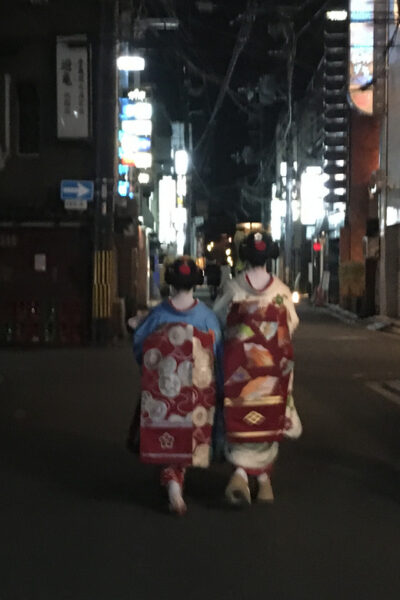
Best of Kyoto: Gion, Geisha, Pagodas & Cobblestones
Read our review →

Kyoto Night Foodie Tour in Gion (9+ dishes + 6 Sake tastings)
Read our review →
Kyoto Gion Geisha District Walking Tour – The Stories of Geisha
Read our review →
Kyoto Gion: 2-Hour Geisha Culture & History Walking Tour
Read our review →Browse the lists this tour appears in