
REVIEW · GION GEISHA DISTRICT TOURS
Kyoto Geisha District Walking Tour in Gion
Gion is best understood on foot, where a narrow lane, small shrine, or quiet canal can tell you more than a quick photo stop ever will. This two-hour walk links Yasaka Shrine, Tatsumi Bridge, Shirakawa Canal, and Hanamikoji Street, with a guide explaining how the geiko and maiko world fits into Kyoto’s daily life.
I like the small group limit of 10, which makes it easier to ask questions and keep up in Gion’s tight streets. I also like the mix of major sights and quieter back lanes, especially around Shirakawa Canal, where the district feels calmer than its best-known streets.
The main caution is that the quality depends heavily on your guide. Guides such as Takuma, Yuko, Yoko, Yuji, Hide, Tom, and Eric have led highly praised tours, but a few guests found explanations too basic, English difficult to follow, or the walk poorly organized. The experience is also outdoors in all weather.
In This Review
- Key points about this Gion walking tour
- Why Gion makes more sense with a guide
- Starting at Yasaka Shrine
- Reading Gion’s wooden streets
- Tatsumi Daimyojin and Tatsumi Bridge
- The quiet appeal of Shirakawa Canal
- A second look at Gion
- Hanamikoji Street and Gion Corner
- What the two-hour format really gives you
- The guide makes or breaks the experience
- Is $29.85 a fair price?
- Who should book this Gion walk?
- Should you book the Kyoto Geisha District Walking Tour?
- FAQ
- How long does the Kyoto Geisha District Walking Tour last?
- Where does the tour begin and end?
- What sights are included on the walking route?
- Is admission included?
- Will I definitely see a geiko or maiko?
- How many people can join the tour?
- Is the tour suitable for children?
- What should I wear?
- Can I cancel for a refund?
Key points about this Gion walking tour
- See Gion in a compact two-hour route: The walk covers several of the district’s most photogenic corners without asking you to plan the route yourself.
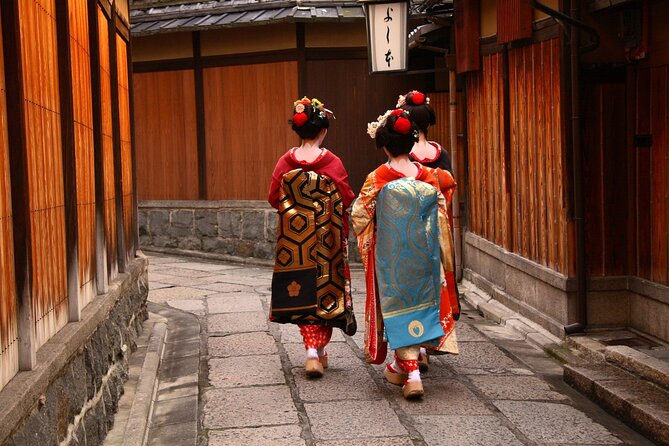
- Learn the difference between geiko and maiko: Guides explain customs, training, clothing, work, and the social world behind Kyoto’s traditional entertainers.
- Begin and end at Gion Kōbu Kaburenjō: The same meeting point simplifies the outing, and the guide helps you find your way back.
- Visit both famous streets and quieter lanes: Hanamikoji offers old wooden townhouses, while the canal area provides a more peaceful side of Gion.
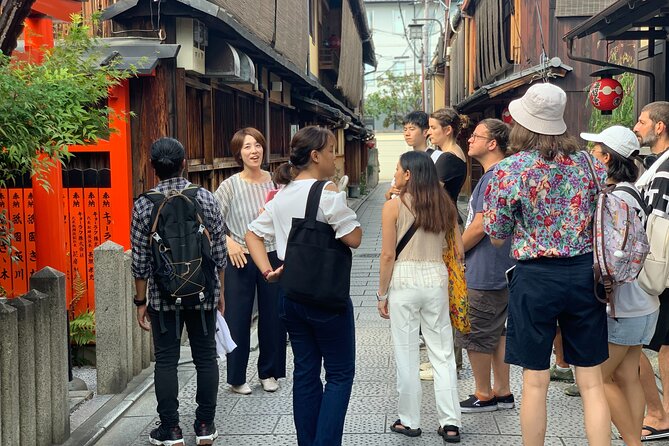
- Small groups make questions easier: The tour is capped at 10 people, a useful size for a walking route through narrow streets.
- A geiko or maiko sighting is possible but never guaranteed: Several people have had lucky encounters, but this is not a scheduled performance or arranged meeting.
Why Gion makes more sense with a guide
Gion can look simple on a map: a shrine at one end, a canal, a few traditional streets, and plenty of restaurants. The meaning of the district is less obvious. Behind the handsome wooden facades are tea houses, performance venues, private restaurants, and working spaces connected to Kyoto’s geiko culture.
That is where a guide earns the modest $29.85 price. You are not paying for admission, since the stops are free. You are paying for orientation and explanation. A good guide points out what you would otherwise walk past and gives you a basic framework for understanding the district.
The best version of this tour is not a geisha hunt. It is a short introduction to Gion’s streets, shrines, waterways, and traditional entertainment culture. If you happen to see a maiko or geiko heading to an evening engagement, that is a fortunate extra.
Several guides have received especially warm praise for being friendly, patient, and clear. Takuma is often singled out for his humor and strong command of geisha customs. Yuko and Yoko are described as approachable and informative, while Yuji, Hide, Tom, and Eric have also led well-regarded walks. Since guide assignments can vary, book this for the route and format rather than expecting one particular person.
More evenings in Gion:
- Kyoto Geisha Walking Tour: Gion District & Hidden Gems
★ 4.7 · 3,273 reviews - Kyoto: Gion Magical Night Walking Tour with Geisha Trivia
★ 4.9 · 2,393 reviews - Kyoto: Gion Geisha District Walking Tour – Stories of Geisha
★ 4.7 · 2,187 reviews
Starting at Yasaka Shrine
The walk begins at Gion Kōbu Kaburenjō, at 570-2 Gionmachi Minamigawa. From there, the route includes Yasaka Shrine, one of Kyoto’s best-known Shinto shrines.
The shrine is a strong opening because it gives you cultural context before you enter the tea-house lanes. You can look at the architecture, rows of lanterns, and open shrine grounds while your guide explains basic Shinto ideas and the role shrines play in Japanese life.
The scheduled stop here is about 40 minutes, making it the longest single visit. That gives you time to look around instead of rushing in for a quick picture. The shrine is free to enter, and its central location makes it easy to combine with other sightseeing in Gion before or after the walk.
You should listen closely here. The later discussion of Gion’s customs often makes more sense once you understand the difference between a Shinto shrine and the entertainment district surrounding it. This is also a good place to ask your first questions, before the group moves into narrower streets.
Reading Gion’s wooden streets
The first Gion stop lasts about 20 minutes and focuses on the district itself. Gion is known for wooden machiya houses, paper lanterns, narrow lanes, tea houses, and restaurants. The visual appeal is immediate, but the guide’s explanation helps you see that these are not just preserved movie-set buildings.
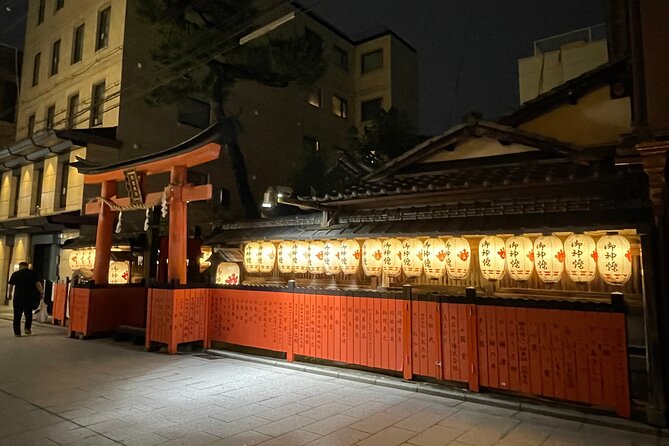
The district changes as daylight fades. Lanterns begin to glow, and the streets take on a quieter, more private mood. If your walk takes place in the evening, the atmosphere can feel especially memorable, but you should keep your expectations sensible. You are walking through an active neighborhood, not entering private tea houses or attending a geiko performance.
This distinction matters. Geiko and maiko are working professionals, not photo props. You may see one moving quickly between appointments, but you should never block the lane, follow her, or take intrusive pictures. A guide can explain local etiquette and help you understand what you are seeing without turning the encounter into a spectacle.
Tatsumi Daimyojin and Tatsumi Bridge
The route then reaches Tatsumi Daimyojin, a small Shinto shrine connected with protection, good fortune, and safety. The stop is brief, about five minutes, but it adds another layer to the walk.
Do not expect a large temple complex here. The appeal is its scale and setting. Small shrines tucked into city streets show how religious spaces can sit alongside shops, restaurants, and traditional homes. The guide may also connect the shrine to the wider history of the area and its old travel routes.
A short walk leads to Tatsumi Bridge, scheduled for about 10 minutes. This is one of Gion’s most attractive photo spots, with traditional houses and a compact bridge creating a classic Kyoto scene. It is the sort of place that can be easy to miss when exploring independently, especially if you are following the busiest road.
The bridge area can be crowded and tight. You may need to wait for a clear view rather than taking your picture at once. That is a minor inconvenience, but the guide helps keep the group moving and prevents the stop from becoming a long photo session.
More walking tours in Kyoto:
- Night Walk in Gion: Kyoto’s Geisha District
★ 4.5 · 2,003 reviews - Kyoto Gion Geisha District Walking Tour – The Stories of Geisha
★ 5.0 · 1,441 reviews - Nishiki Market Brunch Walking Tour (7 Tastings + Brunch)
★ 5.0 · 1,355 reviews - Kyoto Arashiyama Walking Tour: Bamboo, Monkeys, Gardens & Secrets
★ 5.0 · 1,216 reviews
The quiet appeal of Shirakawa Canal
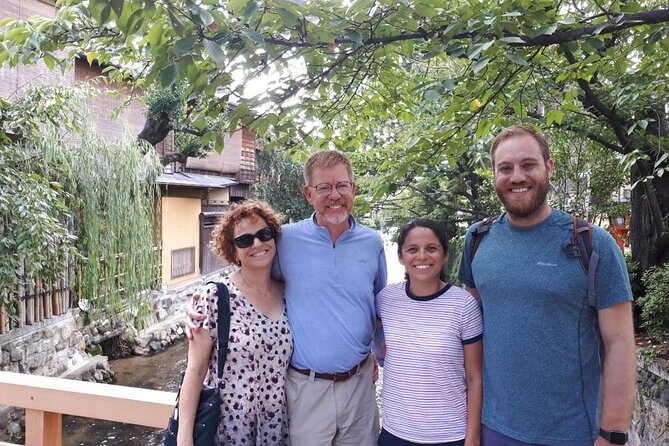
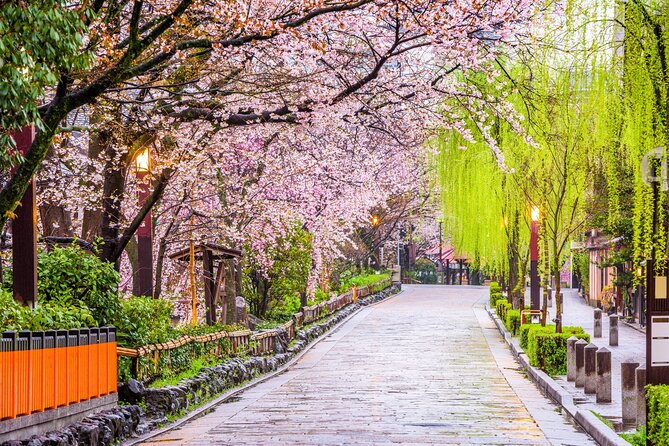
Gion Shirakawa, also called Shirakawa Canal, is the most peaceful part of the route. The waterway runs beside traditional wooden machiya houses and weeping cherry trees. In spring, the trees add seasonal color, but the canal remains attractive outside blossom season because of its calm water and carefully kept streetscape.
I especially like this section because it gives you a break from the more commercial parts of Gion. The canal is not a ticketed attraction. Its value comes from the setting and from having someone explain how the old buildings, waterways, and entertainment district fit together.
This is also a good place for photographs, but be considerate. The lane is narrow, and some buildings are private or connected with working businesses. Follow local signs and your guide’s instructions. Gion has faced problems with intrusive photography and people entering places where they should not, so a respectful approach is part of having a worthwhile visit.
A second look at Gion
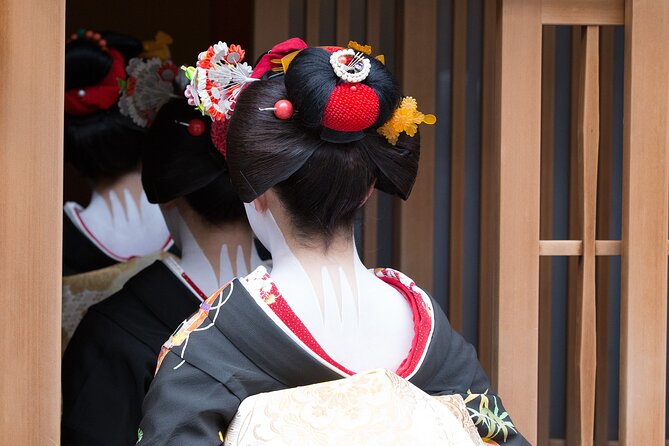
The route includes another section of Gion for about 20 minutes. This helps the walk cover more than one famous street and gives your guide room to show you quieter corners.
That variety is important. Hanamikoji Street is the polished, familiar face of Gion, while the side lanes show a more residential and working district. You may pass traditional facades, small shrines, restaurants, and entrances that reveal very little from the street.
The walk does not promise access inside geisha houses. In fact, the outside view is part of the point. A guide can explain how geiko and maiko live and work, but much of that world remains private. For many people, learning where these businesses operate and how the district functions is more useful than a staged attraction.
Hanamikoji Street and Gion Corner
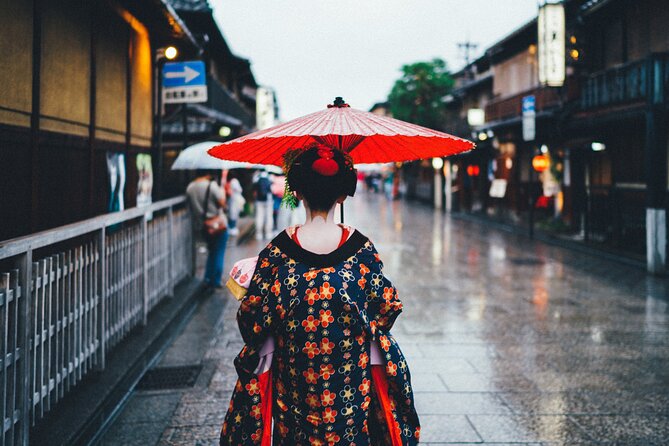
Hanamikoji Street is the final named street stop, with about 10 minutes devoted to its traditional machiya buildings, tea houses, shops, and restaurants. It is one of the easiest parts of Gion to recognize, and it provides a strong final set of photographs.
The street can be busy, especially at popular times. Keep your group together and leave room for people entering restaurants or walking to work. Your guide may point out details in the facades or explain how the street relates to Kyoto’s traditional arts.
The route also identifies Gion Corner, a cultural venue that presents several traditional art forms. The tour does not include a performance ticket, so treat this as a point of cultural context rather than an included show. If you want to attend a presentation there, check separately for schedules and admission.
What the two-hour format really gives you
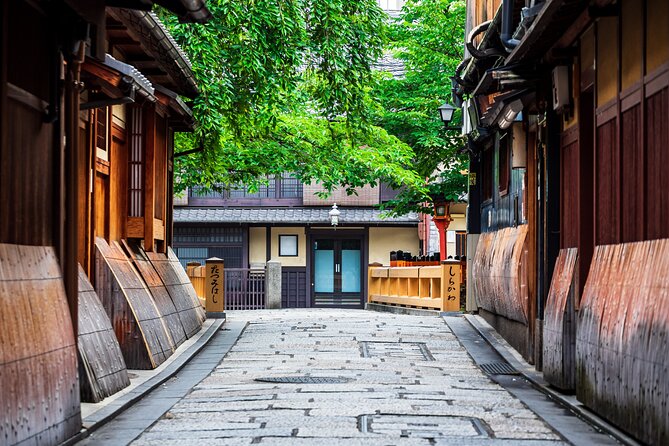
Two hours is enough for an introduction, not a complete study of Gion. You will cover several important locations, hear stories about Shinto and geiko culture, and get a sense of how the district is arranged.
The pace appears manageable for most people who can walk normally, but this is still an outdoor walking tour. Wear comfortable shoes, particularly if you plan to continue exploring afterward. The route may include stairs, and the experience is not suitable for people who have difficulty going up and down stairs.
The compact format works well at the beginning of a Kyoto visit. You get your bearings quickly, learn which streets you want to revisit, and leave with a better idea of how to behave around working geiko and maiko. It also suits families. Children must be accompanied by an adult, and families with children around 10 and 13 have found the walk enjoyable.
The tour runs rain or shine. Bring suitable clothing for the forecast, since the supplied information does not include indoor shelter or transportation between stops. There is no hotel pickup or drop-off, and you are responsible for getting to Gion Kōbu Kaburenjō.
The guide makes or breaks the experience
This tour has a clear strength and a clear weakness. The strength is the chance to ask questions in a small group while walking through a district that can be confusing on your own. The weakness is the uneven quality that can come with different guides.
At its best, the guide provides useful detail about geiko and maiko life, explains shrine customs, and makes the streets feel connected rather than random. Takuma has been praised for being funny, warm, and passionate about the subject. Other guides, including Yoko, Yuko, Tom, and Eric, have been described as pleasant and strong on history and culture.
There have also been poor experiences. One guide was described as disorganized, distracted, and difficult to understand. Another person found the explanations too basic and felt the guide focused too much on group selfies and promotional photos. If you are seeking an academic lecture or detailed social history, this may not always meet that standard.
You can help by asking direct questions. Ask about the difference between geiko and maiko, how long training takes, what the lanterns indicate, or which buildings are public and which are private. A good guide should welcome that conversation. If you are asked to participate in photos, consent for promotional use is optional according to the tour information.
Is $29.85 a fair price?
At $29.85 per person, the tour is reasonably priced for a two-hour guided walk in central Kyoto. There are no admission costs to absorb, so the value rests almost entirely in the guide’s time, route planning, and interpretation.
I would call it good value if you are new to Kyoto, want a quick cultural introduction, or prefer not to navigate Gion alone. It is less compelling if you already know the district well or mainly want uninterrupted time for photography.
The group cap of 10 improves the value. A huge group can make a narrow-street walk frustrating, while a small group gives you a better chance to hear the guide and ask questions. The mobile ticket also keeps the booking simple.
Free cancellation is available if you cancel at least 24 hours before the start time. Cancellations made within 24 hours are not refunded, so check your Kyoto schedule carefully before booking.
Who should book this Gion walk?
I would recommend it to first-time visitors, families with older children, solo visitors who want company, and anyone curious about the difference between a geisha stereotype and the real geiko and maiko tradition.
It is also useful for people with limited time. In two hours, you can see several central Gion sights and return to the original meeting point, with the guide helping you find your way back.
I would hesitate if you want guaranteed geisha sightings, a formal performance, entry into private tea houses, or a highly detailed lecture delivered in flawless English. None of those is promised. This is a walking orientation with cultural commentary, not a ticketed show.
Should you book the Kyoto Geisha District Walking Tour?
Book it if you want a well-priced first look at Gion and value explanation over simply collecting pictures. The Yasaka Shrine opening, quiet Shirakawa Canal, Tatsumi Bridge, and Hanamikoji Street make a pleasing route, and the small group keeps it personal.
Go with realistic expectations. A geiko or maiko sighting is luck, not the product. The guide’s performance may vary, so bring questions and stay open to a relaxed introduction rather than a polished stage production.
For most first visits to Kyoto, this is a sensible way to spend two hours, especially in the evening when the lanterns begin to glow. Respect the neighborhood, wear good shoes, and let the stories matter as much as the photographs.
FAQ
How long does the Kyoto Geisha District Walking Tour last?
The tour lasts approximately two hours.
Where does the tour begin and end?
It begins and ends at Gion Kōbu Kaburenjō, located at 570-2 Gionmachi Minamigawa, Higashiyama Ward, Kyoto, 605-0074, Japan.
What sights are included on the walking route?
The route includes Yasaka Shrine, Gion, Tatsumi Daimyojin Shrine, Tatsumi Bridge, Gion Shirakawa or Shirakawa Canal, and Hanamikoji Street. Gion Corner is also included as a cultural point of interest, but admission to a performance is not listed.
Is admission included?
The listed stops have no admission charge. Any services or expenses not specifically listed, including food, drinks, transportation, and personal purchases, are not included.
Will I definitely see a geiko or maiko?
No. You may have a chance to see one during the walk, but sightings are not guaranteed.
How many people can join the tour?
The tour has a maximum of 10 people.
Is the tour suitable for children?
Children can join, but they must be accompanied by an adult.
What should I wear?
Wear comfortable walking shoes. The tour takes place outdoors in rain or shine, and it is not suitable for people who have difficulty going up and down stairs.
Can I cancel for a refund?
You can receive a full refund if you cancel at least 24 hours before the experience start time. Cancellations or changes made within 24 hours are not refunded or accepted.
Recently added around Kyoto
- Higashiyama | Kyoto: Sakura Season Private Rickshaw Tour★ 5.0 · 3 reviews
- Kyoto Kimono Rental CHAMATSU|Kimono/Yukata Rental FamilyPlan★ 5.0 · 3 reviews
- Kyoto: Half-Day Private Guided Tour to the Old Town of Gion★ 4.4 · 3 reviews
- Nara Private Customizable Half Day Tour★ 5.0 · 3 reviews
- Full Day Nara Deer, Temple, Shrine, Activities & Tea Ceremony★ 5.0 · 3 reviews
- Nara: Essential Private Tour with Deer Park and Temples★ 5.0 · 3 reviews
- Kansai Region Hiking Adventure in Nara Kobe Kyoto and More★ 5.0 · 3 reviews
- Hiking Tour for Sacred Sites in Kyoto with a Guide★ 5.0 · 3 reviews
Gion Geisha District Tours, compared.
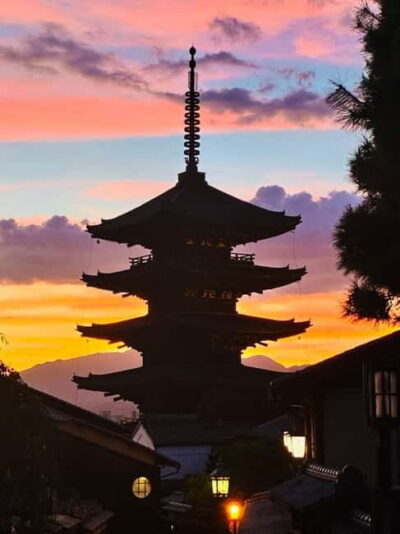
Kyoto Geisha Walking Tour: Gion District & Hidden Gems
Read our review →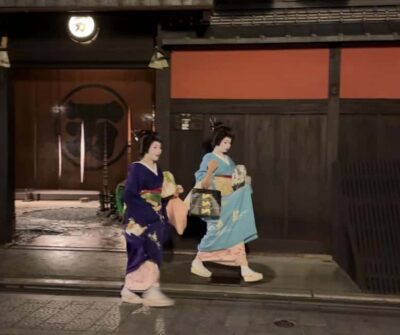
Gion Magical Night Walking Tour with Geisha Trivia
Read our review →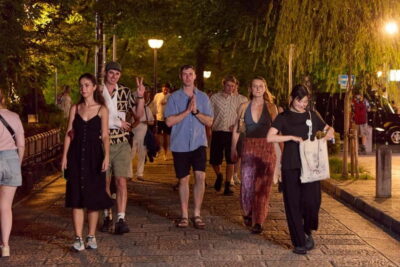
Gion Geisha District Walking Tour – Stories of Geisha
Read our review →
Best of Kyoto: Gion, Geisha, Pagodas & Cobblestones
Read our review →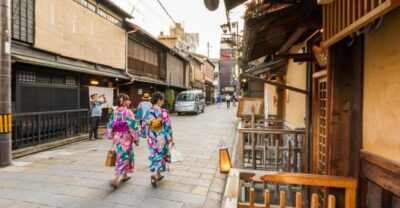

Kyoto Night Foodie Tour in Gion (9+ dishes + 6 Sake tastings)
Read our review →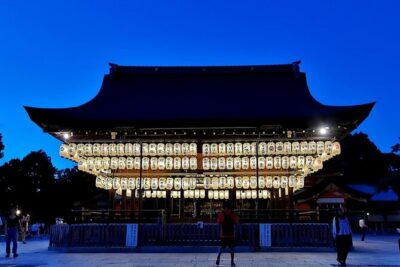
Kyoto Gion Geisha District Walking Tour – The Stories of Geisha
Read our review →
Kyoto Gion: 2-Hour Geisha Culture & History Walking Tour
Read our review →Browse the lists this tour appears in