
REVIEW · FUSHIMI INARI SHRINE TOURS
Kyoto: Fushimi Inari Taisha Night Tour with Guide
Fushimi Inari Taisha changes character after dark. The famous vermilion gates become a long tunnel of shadow and light, while the forest paths grow quiet around you. This two-hour private walk gives you a calmer way to see Kyoto’s most photographed shrine, with a guide to explain what you are looking at.
I like the chance to walk through the torii without the daytime crush, and I like having a local guide to add meaning to the fox guardians, mountain shrine, and sacred setting. Guides Judah and Juraj are named in guest feedback, with Judah praised for his useful explanations and Juraj for patience with a tired group. The main drawback is simple: this is a night hike on uneven paths, so it is not suitable for people with mobility impairments.
In This Review
- Key points to know before booking
- Why Fushimi Inari works so well after sunset
- Meeting at Daily Yamazaki beside the shrine
- Following the first torii gates into the forest
- The forest paths and the climb toward the mountain
- What the guides add to the experience
- Is $49 per person good value?
- Practical issues: weather, clothing, and walking
- Who will enjoy this night tour most?
- Should you book the Fushimi Inari night walk?
- FAQ
- How long does the Fushimi Inari night tour last?
- Where does the tour begin?
- How will I find the guide?
- Where does the tour finish?
- Is transportation included?
- Are food and drinks included?
- What languages are available?
- Is this a private tour?
- What should I bring?
- Can I use flash photography?
- Is the tour suitable for people with mobility impairments?
Key points to know before booking
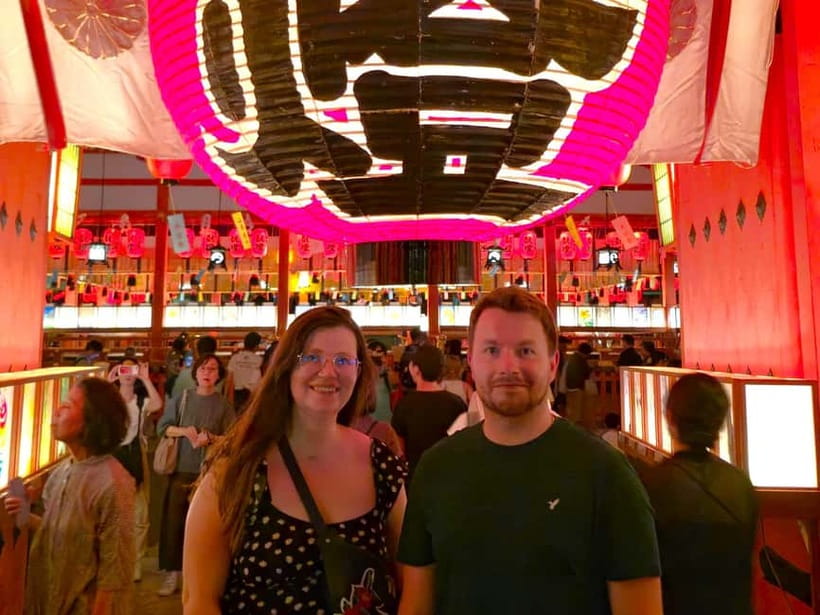
- The torii gates look different at night: Moonlight, lamps, and long shadows give the shrine a quieter, more mysterious mood.
- You get a private group: The guide can respond to your questions and adjust the pace within the two-hour walk.
- The meeting point is easy to identify: Look for the Daily Yamazaki Fushimi Inari Taisha-mae Store and a yellow DeepExperience sign.
- The forest paths are uneven: Comfortable shoes, warm clothing when needed, and a flashlight are sensible choices.
- The guide speaks English or Japanese: Judah and Juraj are among the guides identified in the feedback.
- The price is $49 per person: That is fair if you value private guiding and a quieter visit, but less attractive if you only want to walk the gates independently.
Why Fushimi Inari works so well after sunset
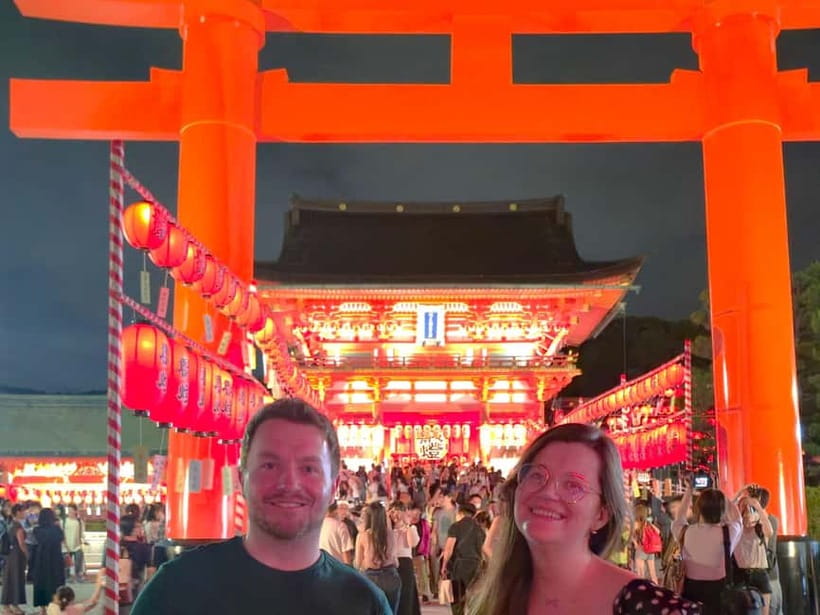
Fushimi Inari Taisha is one of Kyoto’s essential sights, but daytime visits can feel crowded, especially near the lower shrine and the first rows of torii gates. At night, the mood shifts. The same orange-red gates become darker and more dramatic, and the forest takes up more of your attention.
You will walk beneath thousands of torii gates, or at least through a substantial section of the shrine’s mountain paths during the two-hour outing. Each gate marks a donation and carries the name of its donor. You do not need to know all the details in advance, since the guide can explain the meaning of the shrine and its symbols as you walk.
Stone fox figures are part of the visual language here. Inari is linked with rice, prosperity, and business, while foxes are regarded as messengers. At night, their stone faces can look more solemn than they do in a sunny photograph. That makes the guide’s explanations useful, since the darkness adds atmosphere but can also make details harder to notice.
I would not book this as a simple photo stop. The value comes from the combination of place, timing, and interpretation. You are not only checking off a famous Kyoto attraction. You are spending two hours in a sacred setting when the crowds have thinned and the forest has gone still.
More ways to walk Fushimi Inari:
- Kyoto: Fushimi Inari, Kinkakuji, Bamboo Grove 1 Day Bus Tour
★ 4.8 · 4,316 reviews - Fushimi Inari Hidden Hiking Tour (Private Option Available)
★ 5.0 · 1,750 reviews - Kyoto/Osaka: Nara, Fushimi Inari Taisha, Arashiyama Bus Tour
★ 4.7 · 1,275 reviews
Meeting at Daily Yamazaki beside the shrine
The tour begins in front of Daily Yamazaki Fushimi Inari Taisha-mae Store. Your guide will be holding a yellow sign panel marked DeepExperience, so you have a clear person to find at the meeting point.
This is a practical start for an evening activity. You do not need to wander through the shrine grounds looking for a guide. Still, give yourself enough time to reach the store and confirm your bearings before the start. The tour does not include transportation to or from Fushimi Inari, so you arrange your own way there and back.
The finish is at Inari Station. That is helpful if you plan to continue your evening elsewhere in Kyoto, though your own onward transportation remains separate. Meals and drinks are not included, so eat beforehand or plan refreshments outside the tour.
One useful point: the route begins at the shrine but quickly becomes a walking experience. Wear shoes that can handle slopes and uneven ground. A flashlight is also on the suggested packing list, which tells you what kind of outing this is. Even if parts of the route are lit, you should not expect a smooth, brightly illuminated city walk.
Following the first torii gates into the forest
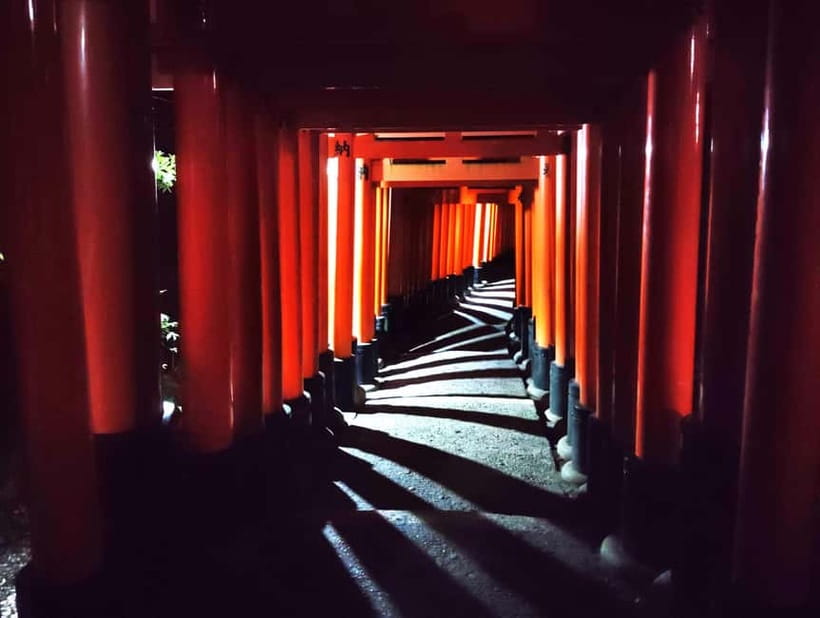
The early part of Fushimi Inari is the section most people recognize from photographs. Vermilion gates stand close together, forming a striking corridor. During the day, this area can be full of people stopping for pictures. At night, you have a better chance to notice the rhythm of the gates, the dark wood supports, and the changing light.
Your guide leads the walk rather than leaving you to guess where to go. That matters here because the shrine paths extend up Mount Inari, and the setting can feel less straightforward in darkness. The guide can also point out features that you might pass without understanding, such as the fox guardians and the religious role of the shrine.
The tour is listed as a private group experience. That is one of its strongest features. A private group usually makes it easier to ask questions, pause briefly for photographs, or explain that you need a slower pace. One piece of feedback specifically describes a guide being patient with a group that was exhausted and unable to walk far. That is encouraging, but you should still be honest about your walking ability before booking.
The quiet is part of the appeal, but it also means you should behave with care. This remains an active religious site, not a theme park after dark. Keep voices low, follow your guide, and avoid using flash photography. Flash photography is not allowed because it disturbs the peaceful setting.
The forest paths and the climb toward the mountain
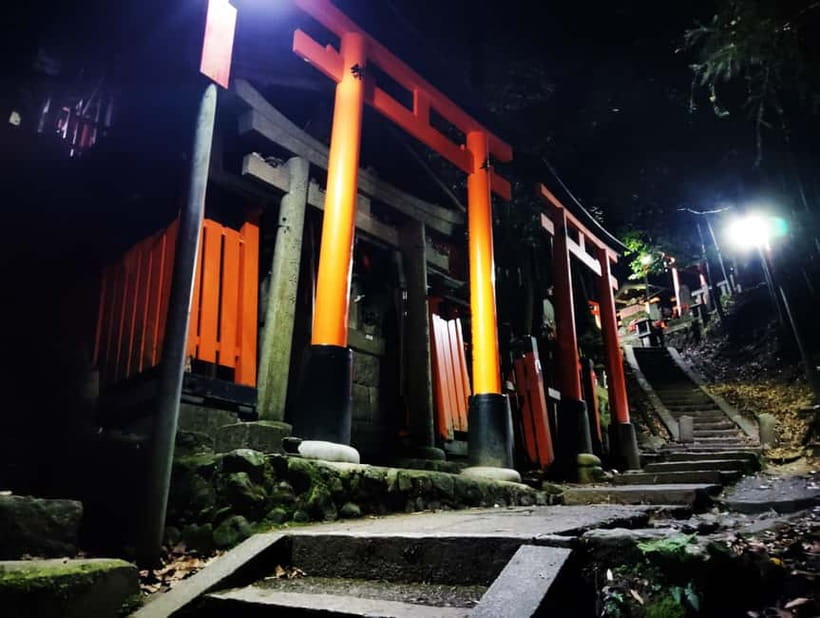
The most memorable part of the tour is likely to be the move from the lower shrine into the forest. The gates continue, but they no longer feel like a single tourist backdrop. You begin to notice the trees, the slope, the air, and the gaps between pools of light.
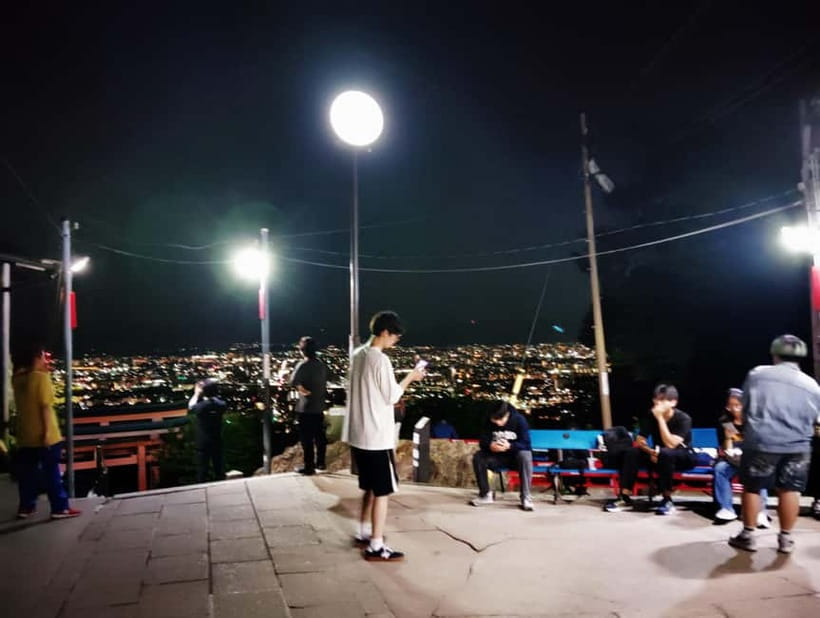
The supplied tour details describe distant Kyoto lights from the mountaintop. That view gives the walk a useful payoff. After moving through enclosed forest paths, you can look back toward the city and see its lights spread below. The contrast is strong: a quiet mountain shrine above, Kyoto glowing in the distance.
Do not treat the mountaintop reference as a promise of a long summit hike at a fast pace. The activity lasts two hours, and the exact route can depend on the group and the guide. It is best to expect a guided section of the mountain, with time for explanations and sightseeing, rather than a demanding full climb.
This distinction matters when judging the price. If you want a serious hiking workout, two hours may feel short. If you want a manageable night visit with context and a view, the length is more appealing. The private format also means the experience is less rigid than a large group walk.
More Kyoto walks after dark:
- Night Walk in Gion: Kyoto’s Geisha District
★ 4.5 · 2,003 reviews - Kyoto Gion Night Walk & Geisha District Guided Tour
★ 5.0 · 786 reviews - Kyoto Bar Hopping Night Tour
★ 5.0 · 613 reviews - Kyoto Foodie Night Tour
★ 5.0 · 376 reviews
What the guides add to the experience
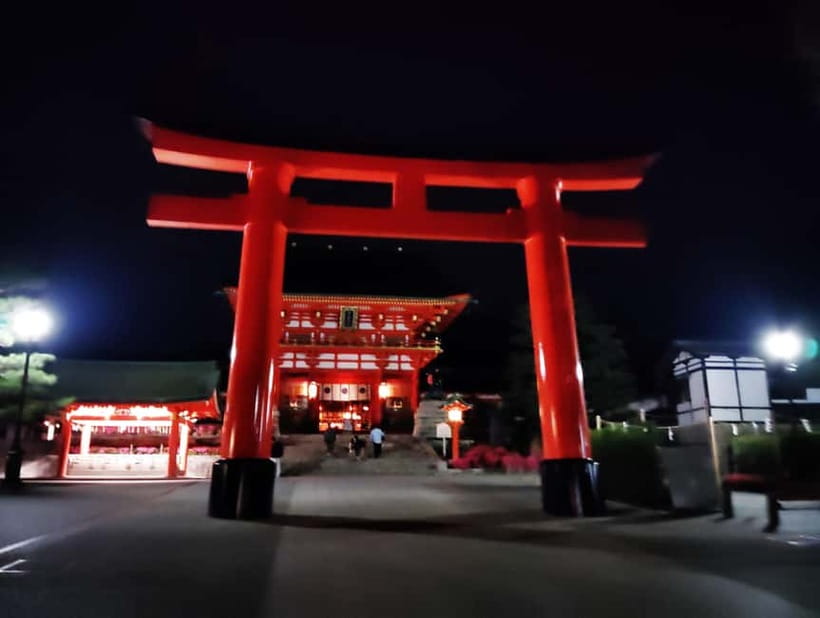
A night visit without a guide can still be beautiful, but it may leave you with more questions than answers. Why are there so many torii? What do the foxes represent? Which parts of the shrine are most important? A live guide gives the setting a clearer shape.
The tour is offered in English and Japanese. That makes it practical for English-speaking visitors who want more than a self-guided walk. The guide can also help you notice the cultural details that darkness makes easy to miss.
The feedback gives useful clues about the guiding style. Judah is described as informative, enthusiastic, energetic, and open to conversation on many topics. Juraj is praised for being accommodating and patient when a group was very tired. Those comments suggest a personal, flexible approach rather than a fast script delivered to a crowd.
Names and guide assignments can change, so do not assume you will receive a particular person. Still, it is worth knowing that the experience can be shaped by the guide. If you have a specific interest in shrine customs, Japanese religion, photography, or local life, ask questions as you go.
Is $49 per person good value?
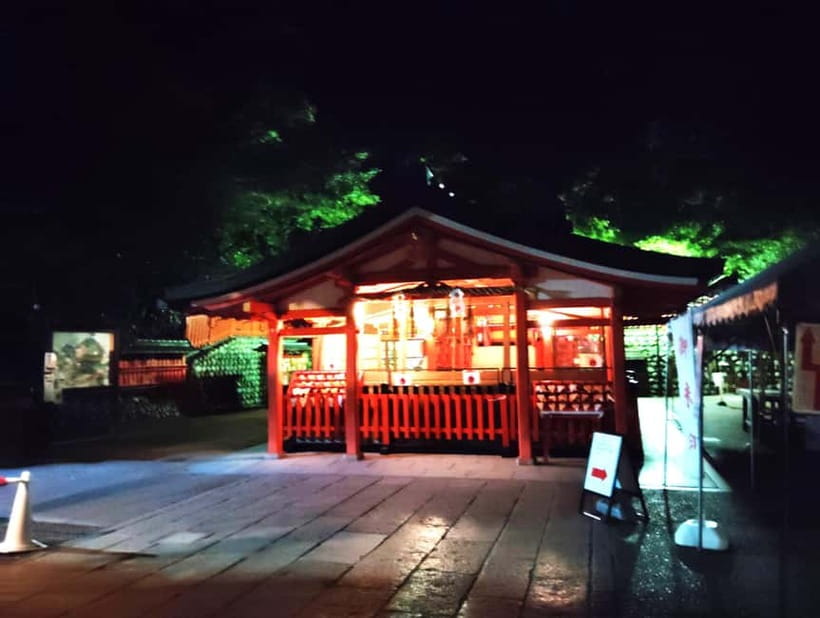
At $49 per person, this is not the cheapest way to see Fushimi Inari. You can visit the shrine independently and walk the public paths without paying for a tour. The price makes sense only if the guide, private setting, and night timing matter to you.
I see three parts to the value:
- You get two hours of live guiding in English or Japanese.
- You avoid the busiest daytime atmosphere.
- You join a private group rather than a large shared tour.
That is a reasonable package for a first visit, especially if you are short on time or want help understanding the shrine. It is less convincing for experienced Kyoto visitors who are happy to explore alone and do not need cultural explanation.
The price also does not cover transportation, food, or drinks. Add those costs when planning your evening. The activity ends at Inari Station, which keeps the tour focused, but it does not provide a full evening itinerary.
A flexible booking policy improves the value. You can reserve now and pay later, and cancellation is free up to 24 hours before the start for a full refund. That helps if your Kyoto schedule is still moving around.
Practical issues: weather, clothing, and walking
Night temperatures can feel cooler in the forest than they do on Kyoto’s streets. Bring weather-appropriate clothing, and dress warmly when needed. Rain or damp conditions could make the uneven paths less comfortable, so check the forecast before you leave.
Comfortable shoes are essential. This is not suitable for people with mobility impairments, and the activity is not a good choice if you need flat, fully paved paths. A flashlight belongs in your bag, even if you expect the route to have some lighting.
Bring a camera if you want photographs, but remember that flash is not allowed. Night photography through the gates may require patience, and the very darkness that creates the atmosphere can make sharp images harder. You may get better memories by watching the scene instead of trying to photograph every gate.
The tour lasts two hours, which is long enough to feel like a real visit but short enough to fit around dinner or another Kyoto plan. You should still arrive ready to walk from the first minute. There is no mention of a meal break, and food and drinks are not included.
Who will enjoy this night tour most?
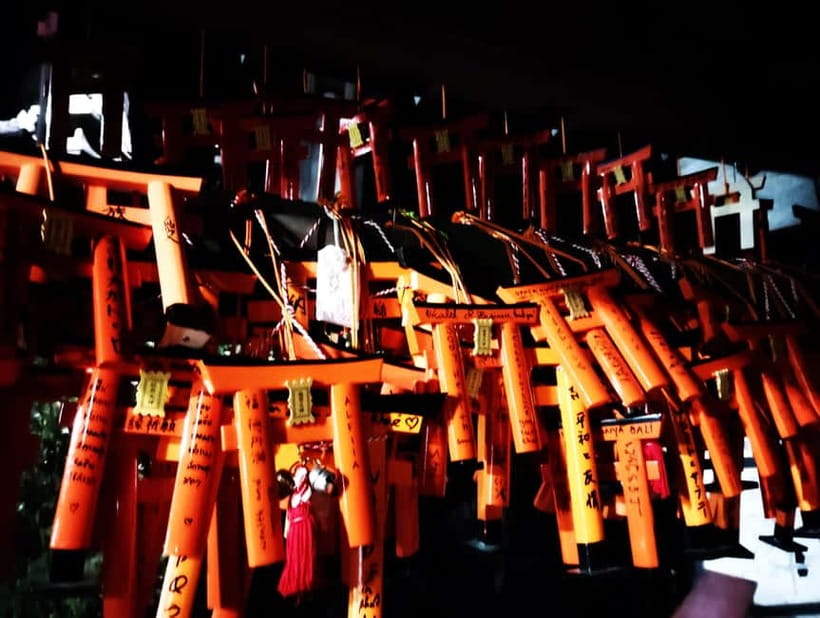
I would recommend this experience to a first-time Kyoto visitor who wants to see Fushimi Inari in a quieter setting and learn what the shrine represents. It also suits couples, families with older children who walk well, and small private groups that prefer a flexible pace.
It is a good choice if you have already seen the shrine by day and want a different mood. The gates are familiar from countless photographs, but the forest, shadows, and distant city lights give you a new way to read the place.
I would be more cautious if your main goal is photography. Flash is forbidden, the light is limited, and the exact conditions depend on the night. You may enjoy the atmosphere more than the technical results.
I would also skip it if you dislike walking on slopes or uneven ground. The private format may help with pace, but it does not remove the physical demands of the shrine paths.
Should you book the Fushimi Inari night walk?
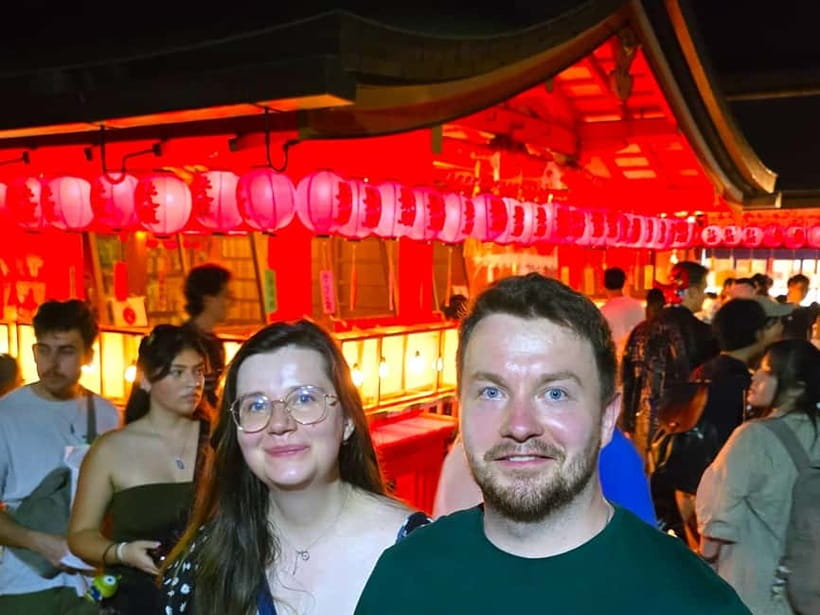
Book it if you want quiet torii gates, a private guide, and cultural context in one compact Kyoto outing. The $49 price is reasonable for that combination, especially when a guide can adjust the pace and answer questions in English or Japanese.
Skip it if you are comfortable exploring independently, need accessible paths, or want a long mountain hike. For the right person, this is a thoughtful way to see Fushimi Inari after the daytime crowds have gone. Bring good shoes, a flashlight, and warm clothing when needed, then let the dark forest do much of the work.
FAQ
How long does the Fushimi Inari night tour last?
The guided tour lasts two hours.
Where does the tour begin?
It begins in front of Daily Yamazaki Fushimi Inari Taisha-mae Store.
How will I find the guide?
The guide will be holding a yellow sign panel marked DeepExperience.
Where does the tour finish?
The tour finishes at Inari Station.
Is transportation included?
No. Transportation to and from Fushimi Inari is not included.
Are food and drinks included?
No. Meals and drinks are not included.
What languages are available?
The live guide service is available in English and Japanese.
Is this a private tour?
Yes. The activity is arranged for a private group.
What should I bring?
Bring comfortable shoes, a camera, weather-appropriate clothing, and a flashlight.
Can I use flash photography?
No. Flash photography is not allowed in order to preserve the tranquility of the shrine.
Is the tour suitable for people with mobility impairments?
No. The activity is not suitable for people with mobility impairments because the paths can be uneven.
More Kyoto Evenings
- Kyoto: Gion Magical Night Walking Tour with Geisha Trivia
★ 4.9 · 2,393 reviews - Kyoto Night Foodie Tour in Gion (9+ dishes + 6 Sake tastings)
★ 5.0 · 1,762 reviews - Kyoto Ghost Tour: Dark Tales, Urban Legends, Bamboo Forest Night
★ 5.0 · 625 reviews - Kyoto Night All-Inclusive Eats and Streets, Gion and Beyond
★ 4.7 · 601 reviews
Recently added around Kyoto
- Higashiyama | Kyoto: Sakura Season Private Rickshaw Tour★ 5.0 · 3 reviews
- Kyoto Kimono Rental CHAMATSU|Kimono/Yukata Rental FamilyPlan★ 5.0 · 3 reviews
- Kyoto: Half-Day Private Guided Tour to the Old Town of Gion★ 4.4 · 3 reviews
- Nara Private Customizable Half Day Tour★ 5.0 · 3 reviews
- Kansai Region Hiking Adventure in Nara Kobe Kyoto and More★ 5.0 · 3 reviews
- Full Day Nara Deer, Temple, Shrine, Activities & Tea Ceremony★ 5.0 · 3 reviews
- Nara: Essential Private Tour with Deer Park and Temples★ 5.0 · 3 reviews
- Hiking Tour for Sacred Sites in Kyoto with a Guide★ 5.0 · 3 reviews
Fushimi Inari Shrine Tours, compared.
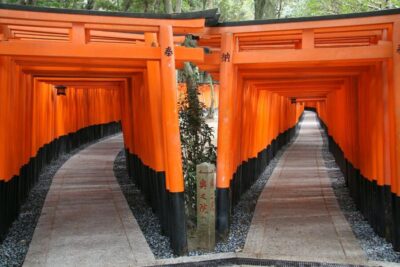
Fushimi Inari, Kinkakuji, Bamboo Grove 1 Day Bus Tour
Read our review →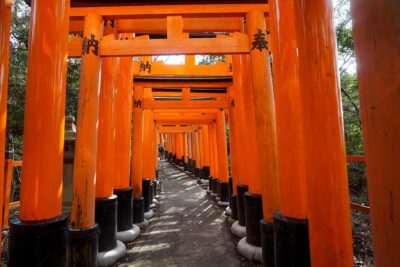
Fushimi Inari Hidden Hiking Tour (Private Option Available)
Read our review →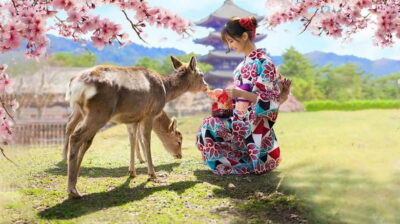
Kyoto/Osaka: Nara, Fushimi Inari Taisha, Arashiyama Bus Tour
Read our review →
Nijo, Kinkaku-ji, Arashiyama, Kiyomizu & Fushimi Inari
Read our review →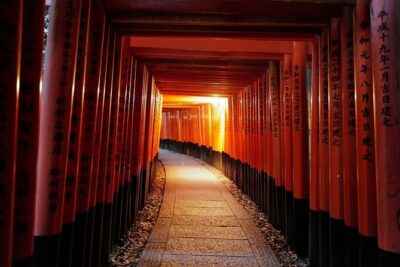
Kyoto Early Bird English Tour: Fushimi-Inari and Arashiyama
Read our review →
Fushimi, Arashiyama – Bamboo, Monkey, Torii & Secrets
Read our review →Browse the lists this tour appears in