
REVIEW · WALKING TOURS
Kyoto Custom Private Walking Tour with A Guide (Private Tour)
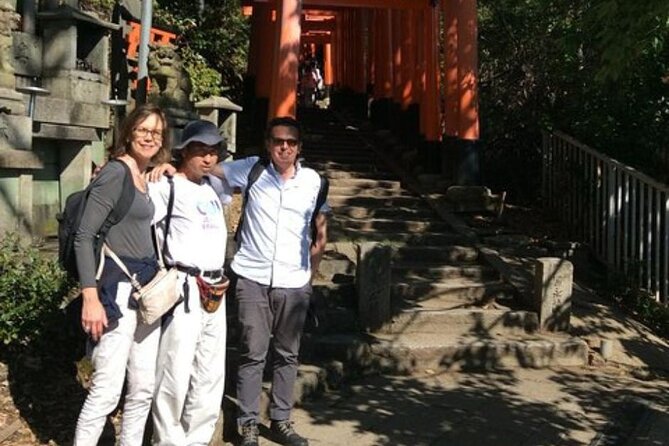
Kyoto is easier to understand when someone helps you read the streets. This private walking tour lets you shape the day around temples, shrines, markets, museums, food, or quieter corners, rather than follow a fixed route. I like the one-group-only format and the chance to meet at your city accommodation. I also like how guides such as Kokoro, Ian, Qianyu, and Emma have helped families, solo visitors, and couples adjust plans as they go.
The main caution is that the guide’s quality can vary. Some guides offer sharp cultural and historical insight, while a few past bookings involved weak explanations, late arrivals, or poor communication. Ask clear questions before the day begins, especially if you want serious history rather than simple sightseeing.
In This Review
- Key points at a glance
- A private Kyoto walk instead of a fixed sightseeing list
- What the itinerary can look like in Gion and beyond
- The guide makes or breaks the experience
- Why the private format helps families and couples
- What you pay for at $53.15 per person
- Timing, pace, and practical planning
- Museums, monuments, and what is not included
- Strengths and weak spots you should weigh
- Who should book this Kyoto walking tour?
- FAQ
- How long does the Kyoto private walking tour last?
- Is the tour private?
- Can the guide meet me at my hotel?
- Are attraction tickets included?
- Is transportation included?
- Can I cancel for a full refund?
- Should you book it?
Key points at a glance
- A truly private route: Your group gets its own guide, with no strangers added to the walk.
- Plans built around you: You can request temples, shrines, Gion, Nishiki Market, museums, food, or less visited areas.
- Good for mixed-age groups: Guides have adjusted routes for children and for a family member with limited mobility.
- Strong personal touches: Kokoro, Ian, Qianyu, Emma, Andy, and Keiko receive especially warm praise for flexibility, care, and local insight.
- Walking means extra planning: Public transport and taxis are not included, and attraction tickets cost more.
- Best value when you need direction: At $53.15 per person, the price is attractive for a small group that wants a tailored first look at Kyoto.
A private Kyoto walk instead of a fixed sightseeing list
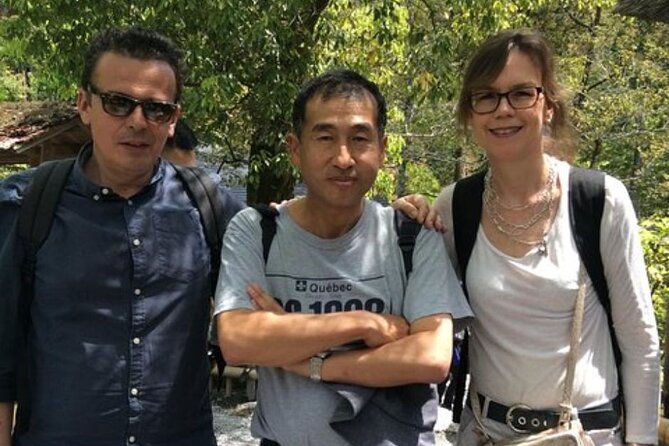
The appeal here is simple: you are not buying a standard parade of famous landmarks. You are paying for a person who can help you decide what fits your time, interests, energy, and curiosity.
Before the tour, the guide contacts you to learn what you enjoy. That conversation matters. Kyoto has enough temples, gardens, museums, shopping streets, and historic neighborhoods to fill several days. Without a plan, you can spend half your morning crossing town. With a good guide, you can create a sensible route and learn why a place matters.
You might ask for an introduction to Kyoto, a walk through Gion and nearby streets, a market visit, quieter shrines, Buddhist sites, local food, or suggestions for the rest of your stay. You can also ask about a museum, but make that request ahead of time. The tour mainly covers the exterior of monuments and museums, and admission fees are not included.
I see this as a getting your bearings tour rather than a ticketed attraction package. It can show you how Kyoto fits together, then leave you better prepared to explore on your own.
More walking tours in Kyoto:
- Kyoto Geisha Walking Tour: Gion District & Hidden Gems
★ 4.7 · 3,273 reviews - Kyoto: Gion Magical Night Walking Tour with Geisha Trivia
★ 4.9 · 2,393 reviews - Kyoto: Gion Geisha District Walking Tour – Stories of Geisha
★ 4.7 · 2,187 reviews
What the itinerary can look like in Gion and beyond
There is no single published route, which is both the strength and the weakness of the experience. Your guide creates the walk around your requests, so the exact sights depend on your conversation before the tour.
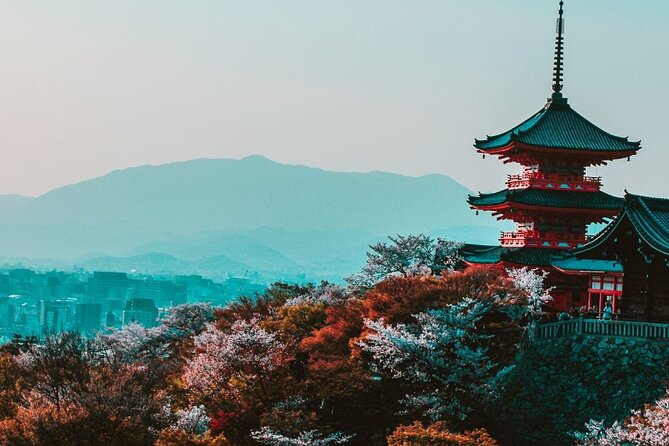
A popular shape would be a route through Gion, Maruyama Park, nearby temple and shrine streets, and Nishiki Market. That combination gives you several sides of Kyoto in one outing. Gion offers traditional-looking lanes and a sense of the city’s older identity. Maruyama Park provides a change of pace, while temples and shrines let your guide explain differences in worship, architecture, and custom.
Nishiki Market can be a lively finish, especially if you want food suggestions or a chance to ask about ingredients and local habits. One guide also helped plan vegetarian restaurants, shopping places, and bars for later in the trip. That kind of practical advice can be worth as much as the walk itself.
You can also request less crowded areas. Ian is praised for taking a group to quieter temples and shrines, while Paul is singled out for knowing back routes away from large crowds. I would make that preference clear before the tour. A guide cannot read your mind, and the word private does not automatically mean offbeat.
If you have a limited schedule, tell the guide exactly how much time you have. A six-hour booking can cover a good portion of the city, but Kyoto’s distances and walking pace still matter. A two-hour version is better for a focused neighborhood introduction. The stated duration is approximately two to eight hours, giving you room to book a short orientation or a fuller day.
The guide makes or breaks the experience
The best part of this tour is not a particular monument. It is the right match between you and your guide.
Kokoro receives repeated praise for being thoughtful, warm, flexible, and well informed about Kyoto and Japan. He has been described as someone who answers questions with useful detail, checks that everyone is comfortable, and enjoys adding surprises away from the main sights. If you care about history, Buddhism, or cultural context, requesting a guide with that strength is sensible.
Ian is another strong name to keep in mind. He has created routes around family needs, taken groups to peaceful temple areas, and adjusted plans without fuss. Qianyu has also been praised for building a route around specific interests and for helping a family member with limited mobility.
Other guides have made a good impression for different reasons. Emma has helped with Japanese culture, history, language, food, shopping, and later planning. Andy is described as patient and enthusiastic, while Keiko is noted for clear communication and planning. Francisco has offered a particularly thoughtful perspective on Buddhism.
Still, I would not treat these names as a guarantee. Guide assignments can change, and the experience has had weak examples too. A few people received little useful information, heard incorrect facts, or found a guide too hard to understand in English. One guide walked too fast and did not handle a lunch break well during a six-hour outing. Another booking suffered from late changes and confusion over the pickup point.
That range is the central issue. This is a people-based service. A good guide can turn ordinary lanes into a lesson in daily life. A poor match can leave you paying for directions you could have found with a map.
Why the private format helps families and couples
A private tour is especially useful when your group does not move at one fixed pace. One family used the service to balance the wishes of six children. Another family needed adjustments because someone had limited mobility.
You can ask for shorter walking stretches, more breaks, fewer stops, or a route with a clear purpose. You can also tell the guide if you want plenty of explanation, a relaxed companion, or help managing a tight schedule. The more precise you are, the more useful the customization becomes.
Couples and solo visitors get a different benefit. You can spend time on a subject that interests you without waiting for a group. If you want to ask about Buddhism, language, food, local etiquette, or transport, you can keep asking until the answer is clear.
The private setup also makes the tour less awkward for beginners. Kyoto can feel hard to read at first, especially when you are unsure how shrines differ from temples or how to behave at a religious site. A guide can explain the basics while you are standing in front of the building, when the details have a real setting.
A few more Kyoto experiences worth comparing
- Fushimi Inari Hidden Hiking Tour (Private Option Available)
★ 5.0 · 1,750 reviews - Private Kyoto Tour with a Local, Highlights & Hidden Gems, Personalised
★ 5.0 · 1,543 reviews - Kyoto 6hr Private Tour with Government-Licensed Guide
★ 5.0 · 1,369 reviews - 10 Must-see Spots in Kyoto One Day Private Tour (up to 7 people)
★ 5.0 · 1,108 reviews
What you pay for at $53.15 per person
The listed price of $53.15 per person is appealing, particularly for a small private group. If four people book together, the per-person cost is easier to justify than hiring a guide alone. Group discounts may also be available.
The value depends on how you use the time. If your guide gives you a well-planned route, explains local customs, finds quieter streets, and helps shape the rest of your Kyoto stay, the fee can save both time and wrong turns. It is also useful on a first day, when you want a clear sense of where to return later.
The price does not cover everything. Attraction tickets, food, drinks, tips, and public or local transport are extra. The experience is a walking tour, so you should not expect a private car between distant areas. If you ask to visit a museum or another paid site, the guide’s team can help with ticket bookings, but you pay the admission separately.
For that reason, compare this with what you actually need. If you already have a detailed plan, enjoy researching temple history, and are comfortable using Kyoto’s transit system, a self-guided day may be cheaper. If you want a flexible route and personal help, the price is fair.
Timing, pace, and practical planning
The experience lasts from about two to eight hours. That range is useful, but it also means you need to set expectations before meeting.
For a short booking, choose one area and one main theme. Gion with nearby shrines, or Nishiki Market with surrounding streets, is more realistic than trying to cross the city. For a longer walk, decide if you want a broad introduction or a slower look at fewer sites.
A six-hour tour can become tiring, especially in warm weather or on crowded streets. Ask for breaks and say if you want time to look around instead of moving from stop to stop. One past group found the walking pace too fast, so do not assume the guide will naturally match yours.
Pickup is offered at your accommodation if it is located in the city. Confirm the exact meeting point in writing. That is important because one poor experience involved confusion between a hotel and Kyoto Station. The tour operates near public transport, but getting to distant areas is your responsibility unless the guide helps you use local trains or buses.
You should also plan for weather. The experience requires good weather. If bad weather cancels it, you are offered another date or a full refund.
Museums, monuments, and what is not included
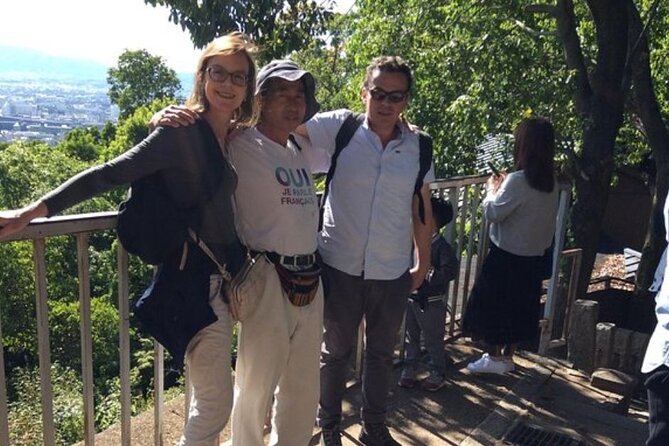
The tour can include the outside of Kyoto’s monuments and museums. This is a key detail. You are not automatically buying entry to the interiors or a guided museum visit.
If a museum matters to you, tell the guide before the tour. The team can help book tickets for desired visits, but admission remains optional and extra. The same applies to other attractions.
This arrangement works well if you want context before deciding where to spend your admission budget. A guide might explain what you are looking at, then help you choose which places deserve a longer visit later. It works less well if you expect a fully ticketed, inside-every-building tour.
Food is also separate. A guide can suggest places and may help you understand local dishes, but meals and drinks are not part of the price. If you want a market-centered walk, say so early and allow time for stops.
Strengths and weak spots you should weigh
I see four clear strengths. The first is flexibility. You can choose a route around your interests rather than accept a preset list. The second is personal attention, since only your group participates. The third is practical help, including restaurant suggestions, later sightseeing ideas, and assistance with local transport. The fourth is the chance to request quieter routes and less obvious stops.
The strongest guide experiences combine all four. Kokoro, Ian, Qianyu, Emma, Andy, Keiko, and Francisco are associated with care, good communication, cultural explanation, or useful planning. Those qualities make the tour feel like more than a walk between monuments.
The weak spots are just as clear. Guide ability is uneven. Some people received thin or inaccurate explanations, and a few had problems with lateness or last-minute communication. Since the provider assigns the guide, you may not get your first choice.
The tour also depends on your preparation. Customization is not magic. If you arrive without saying what you want, you may get a general walk. Write down your priorities, physical limits, preferred pace, and interest in museums or food.
Who should book this Kyoto walking tour?
I would recommend it most strongly to first-time visitors who want a friendly introduction before exploring alone. It also suits families with children, couples who want a private route, solo visitors who prefer company, and anyone who finds Kyoto’s religious and historic sites difficult to interpret.
It is a particularly good fit if you want help with the rest of your stay. A useful guide can point you toward vegetarian food, shopping, bars, quieter temples, and sensible routes for later days.
I would be more cautious if your main goal is expert-level history at every stop. The service has produced some excellent cultural explanations, but it has also had guides who lacked enough background or gave incorrect information. If deep academic detail is your priority, confirm the guide’s subject strengths before booking.
I would also skip it if you want a transport-included sightseeing tour or guaranteed interior access to major attractions. This is a walking service, and the extra costs can add up.
FAQ
How long does the Kyoto private walking tour last?
The tour lasts approximately two to eight hours. You can choose a shorter introduction or a longer outing, depending on availability and your plans.
Is the tour private?
Yes. Only your group participates in the activity, and the guide customizes the route around your interests and personality.
Can the guide meet me at my hotel?
Pickup is offered at your accommodation if it is located in the city. Confirm the exact meeting place before the tour, especially if you prefer to meet at a station or another location.
Are attraction tickets included?
No. Tickets to attractions are optional and not included. The team can help you book tickets for desired visits if you tell them ahead of time.
Is transportation included?
No. This is a walking tour, and local or public transportation is not included. Car transportation is not part of the experience.
Can I cancel for a full refund?
Yes, if you cancel at least 24 hours before the experience start time. Cancellations or changes made within 24 hours are not refunded, and poor-weather cancellations offer a different date or a full refund.
Should you book it?
Book this tour if you want a private introduction to Kyoto, prefer a flexible route, and value local advice as much as famous sights. At $53.15 per person, it can be good value for a small group, especially when a guide such as Kokoro, Ian, Qianyu, or Emma matches your interests and pace.
Before paying, send a clear request: name the neighborhoods you want, say how much history you expect, note mobility or child-related needs, and confirm the meeting point. If you do that, this tour gives you a useful human start in Kyoto. If you want guaranteed expert commentary, fixed transport, and included admissions, choose a more structured option instead.
Recently added around Kyoto
- Higashiyama | Kyoto: Sakura Season Private Rickshaw Tour★ 5.0 · 3 reviews
- Kyoto Kimono Rental CHAMATSU|Kimono/Yukata Rental FamilyPlan★ 5.0 · 3 reviews
- Kyoto: Half-Day Private Guided Tour to the Old Town of Gion★ 4.4 · 3 reviews
- Nara Private Customizable Half Day Tour★ 5.0 · 3 reviews
- Kansai Region Hiking Adventure in Nara Kobe Kyoto and More★ 5.0 · 3 reviews
- Full Day Nara Deer, Temple, Shrine, Activities & Tea Ceremony★ 5.0 · 3 reviews
- Nara: Essential Private Tour with Deer Park and Temples★ 5.0 · 3 reviews
- Hiking Tour for Sacred Sites in Kyoto with a Guide★ 5.0 · 3 reviews
Walking Tours, compared.
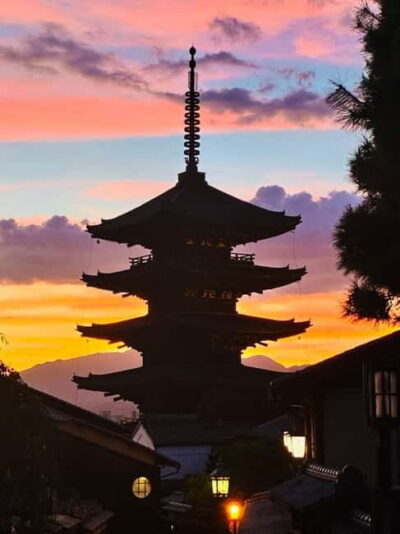
Kyoto Geisha Walking Tour: Gion District & Hidden Gems
Read our review →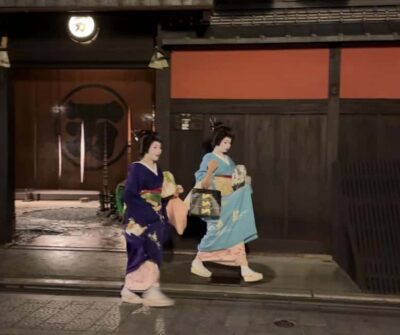
Gion Magical Night Walking Tour with Geisha Trivia
Read our review →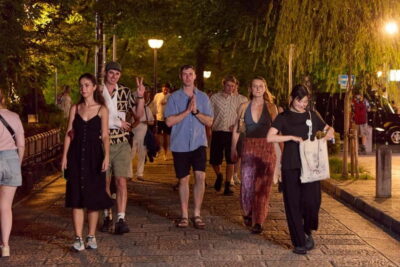
Gion Geisha District Walking Tour – Stories of Geisha
Read our review →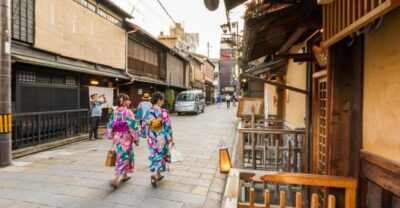
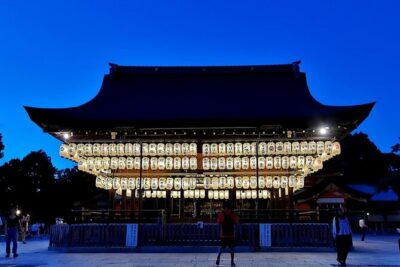
Kyoto Gion Geisha District Walking Tour – The Stories of Geisha
Read our review →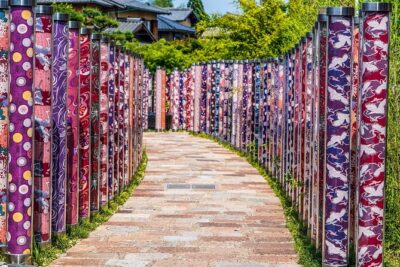
Kyoto Arashiyama Walking Tour: Bamboo, Monkeys, Gardens & Secrets
Read our review →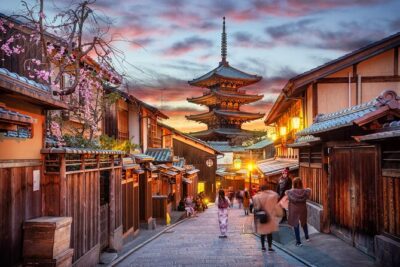
Kyoto Gion: 2-Hour Geisha Culture & History Walking Tour
Read our review →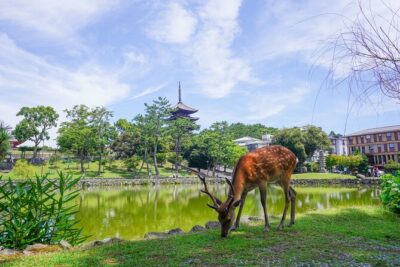
Nara Half Day Trip Walking Tour (Private Option Available)
Read our review →Browse the lists this tour appears in