
REVIEW · AMANOHASHIDATE TOURS
Kyoto Amanohashidate,Ine Bay Trip with Optional boat/Ropeway
Ine Bay is the star here: a quiet fishing village where wooden boat houses open directly onto calm water. I like the rare chance to see traditional Funaya homes in daily surroundings, then pair that coastal visit with Amanohashidate’s long sandbar and Chionji Temple. The optional boat ride, with seabirds circling overhead, adds a playful touch.
I also like the simple transport plan. You avoid arranging several trains and buses across northern Kyoto, and the coach gives you a warm, comfortable ride between far-flung sights. The tradeoff is the distance: you spend about five hours on the road, and Ine can receive only a short stop when traffic or the schedule tightens.
In This Review
- Key points to know before booking
- Why this northern Kyoto day trip is worth your time
- The long ride north from Kyoto or Osaka
- Ine Bay and the boat houses
- The optional Ine Bay sightseeing boat
- Amanohashidate and the famous sandbar
- The ropeway and upside-down view
- Chionji Temple and fan-shaped fortunes
- What the schedule feels like in practice
- Food, cash, and what to carry
- Who will enjoy this tour most
- Should you book it?
- FAQ
- Where does the tour depart from?
- How long does the experience last?
- What languages does the guide speak?
- Are the boat ride and ropeway included?
- Is food included?
- What should I bring?
- Can I cancel the booking?
Key points to know before booking
- Edo-period boat houses: See Ine’s distinctive Funaya, with boats on the ground floor and living space above.
- Optional bay cruise: Pass the boat houses from the water and possibly feed seagulls and falcons.
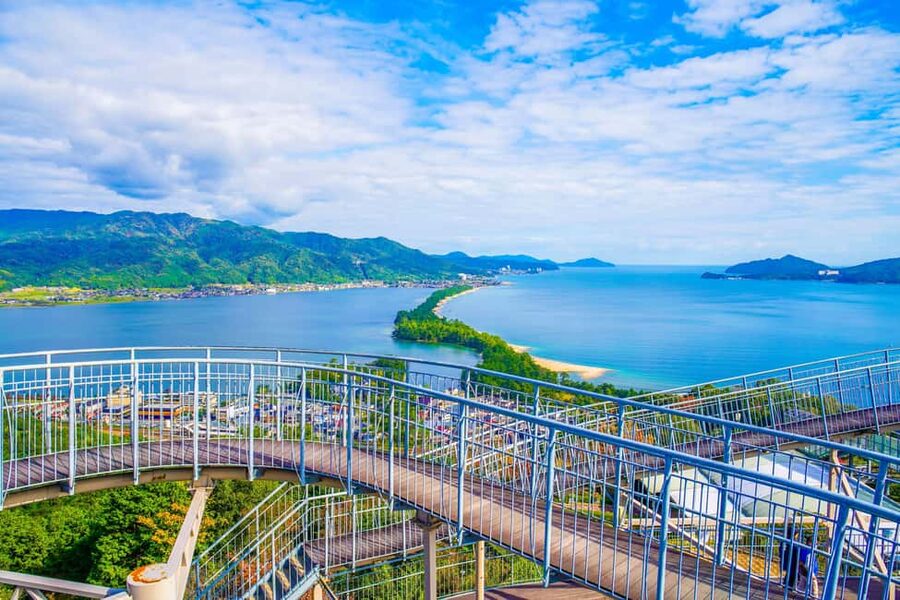
- Amanohashidate Viewland: Ride the optional cable car or ropeway for a high view of the famous sandbar.
- Chionji Temple: Visit the temple of wisdom and try its unusual fan-shaped omikuji fortune.
- Two useful departure choices: Meet at Nipponbashi Station Exit 2 in Osaka or Kyoto Station Hachijoguchi.
- Long but good-value day: The $63 price covers transport, guide, driver, tolls, parking, and fuel, but not meals or optional activities.
Why this northern Kyoto day trip is worth your time
Kyoto has temples by the dozen, but Ine and Amanohashidate give you a very different view of Japan. Here, the attractions are sea, fishing culture, open air, and wide views rather than city streets and crowded shrines.
I like this outing because it links two places that are awkward to combine without a car. Ine lies far north on the Tango Peninsula, while Amanohashidate is another drive away. A shared coach makes the route possible in one day, even if the journey is not quick.
The tour lasts about 10 hours. That sounds generous, but the route includes roughly 2.5 hours by coach each way, plus about 30 minutes between Ine and Amanohashidate. You should think of this as a full-day regional excursion, not a quick side trip from Kyoto.
At $63 per person, the value is strongest if you want convenience. The cost includes an air-conditioned vehicle, professional driver, guide, expressway tolls, fuel, and parking. You still pay for food, drinks, personal purchases, and the optional boat or ropeway activities, so budget a little extra cash.
More of the Amanohashidate coast:
- Kyoto: Miyama Village, Amanohashidate & Ine Bay Day Trip
★ 4.6 · 98 reviews - Amanohashidate & Ine Boathouse Full-Day Tour from Kyoto or Osaka
★ 4.5 · 48 reviews - Kyoto: Amanohashidate Ine Funaya Tour
★ 4.4 · 19 reviews
The long ride north from Kyoto or Osaka
You can begin at Kyoto Station Hachijoguchi or at Nipponbashi Station Exit 2 in Osaka. Your exact meeting point depends on the option you book, and you receive the guide, driver, and meeting details by email the evening before. Check your spam folder as well as your main inbox.
The coach ride takes around 2.5 hours. That is the price of reaching Japan’s Sea of Japan coast in a single day. Bring water, food, and something to occupy you during the ride. The tour does not include meals, and the small convenience store near the sightseeing area may not provide much choice.
The vehicle is air-conditioned, but the type of vehicle depends on group size and cannot be selected in advance. One useful point from the day-to-day operation is that early communication matters. A late bus or a crowded meeting point can cause stress, so arrive early and keep your phone available for updates.
This is a shared international group, with explanations in English, Japanese, and Traditional Chinese. The guide may give information in several languages, so the commentary can feel brief in any one language. Some guides, including Jay, Matthew, and Maxey on different departures, have been especially active with explanations and group support, but you cannot request a particular guide in advance.
Ine Bay and the boat houses
Ine is small, quiet, and memorable. The village curves around jewel-toned water, with mountains behind it and a line of wooden Funaya houses along the shore.
These houses are unusual because the lower level functions as a boat garage. A fishing boat can be brought inside from the water, while the upper floor serves as living space. The arrangement ties the buildings directly to the bay and gives Ine its distinct look.
At Ineura Park, you can get close to this old fishing-village architecture. This is a good place to slow down and notice details: the relationship between the homes and the water, the narrow streets, and the way the village feels connected to the sea rather than built apart from it.
You have about an hour for the Funaya area, including a photo stop, walking, and free time. That is enough to see the main character of the village and take photographs, but it is not enough for a slow café visit, a long meal, and an extended walk. If you want time to sit down, use your stop carefully.
I would not treat Ine as a shopping destination. Its appeal is the setting and the traditional boat-house design. Walk quietly, respect private homes, and remember that this is a living fishing community, not an open-air museum.
The optional Ine Bay sightseeing boat
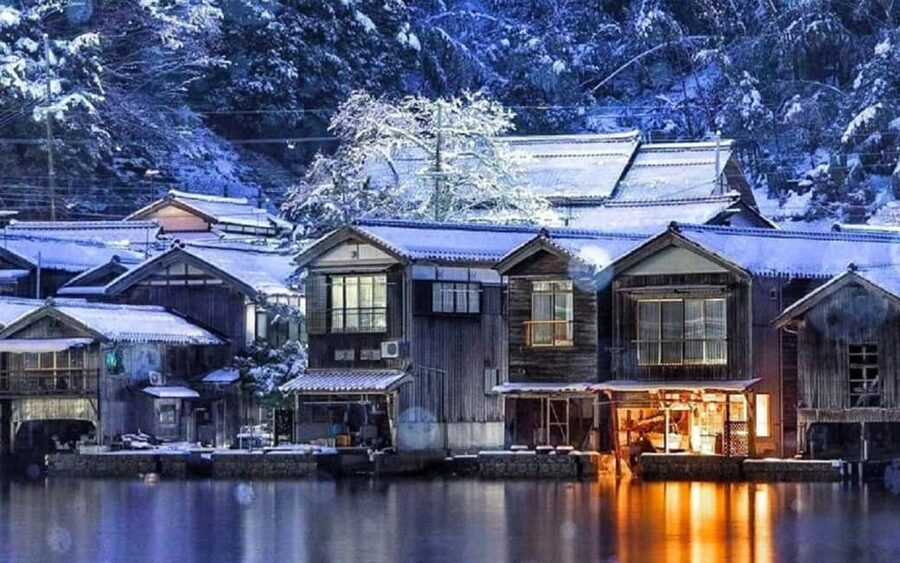
The bay cruise gives you the best second view of the Funaya. From shore, you see the buildings in a row. From the water, you understand how their boat entrances work and how closely the village depends on the bay.
The boat ride is optional, so confirm the cost and arrangement with your guide. The cruise is short compared with the full outing, but it changes the visit from a photo stop into an active experience.
Seabirds often follow the boat, and you may be able to feed them. Falcons can also circle above the group, creating a lively contrast with Ine’s otherwise quiet mood. Keep food and hands away from the birds unless the boat staff or guide indicates it is appropriate.
You should also take care near the water and around the Funaya area. The tour specifically warns about eagles and seabirds. Hold onto hats and small items, and do not let the bird activity distract you from your footing.
If you prefer calm sightseeing, you can skip the cruise and use the time for the village. If you want the most memorable part of the Ine stop, I would seriously consider adding it.
A completely different side of Kyoto:
- PERFECT KYOTO 1-Day Bus Tour
★ 5.0 · 13,518 reviews - Kyoto: Fushimi Inari, Kinkakuji, Bamboo Grove 1 Day Bus Tour
★ 4.8 · 4,316 reviews - Kyoto: Tea Ceremony in a Traditional Tea House in Kiyomizu
★ 4.9 · 3,519 reviews - Kyoto Geisha Walking Tour: Gion District & Hidden Gems
★ 4.7 · 3,273 reviews
Amanohashidate and the famous sandbar
After Ine, the coach takes about 30 minutes to Amanohashidate. You receive around 2.5 hours here, which gives you more freedom than the shorter Ine stop.
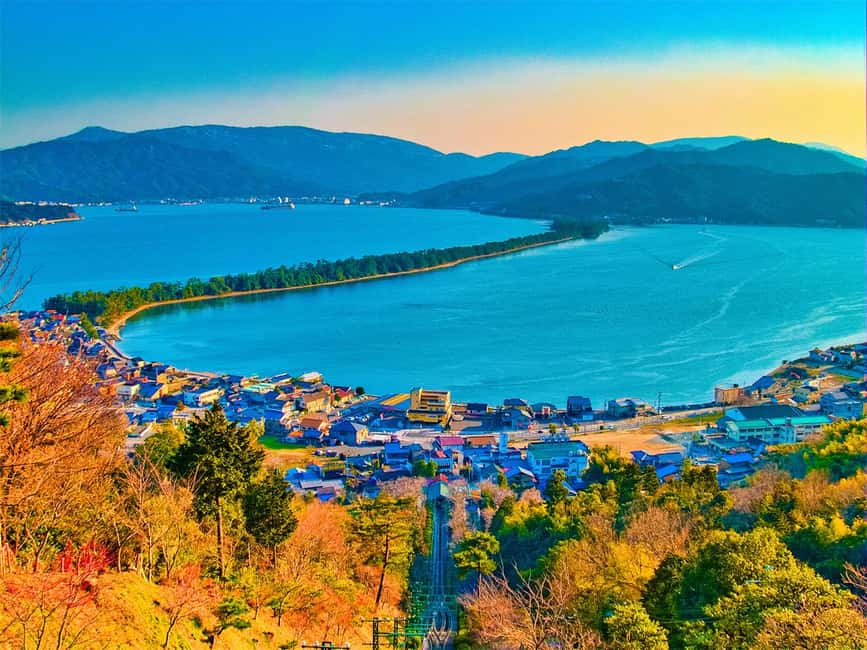
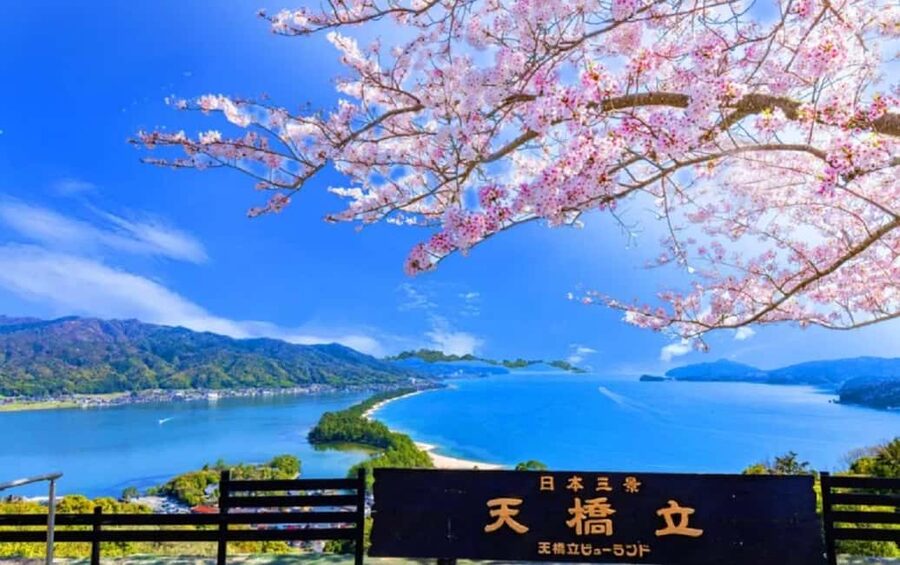
Amanohashidate is a long sandy path lined with pine trees, stretching across the bay. From above, it resembles a dragon flying through the sky. That image explains the name, which means Bridge to Heaven.
The shore path is gentle and naturally peaceful. You can walk with waves close by, feel the sea breeze, and enjoy a break from city sightseeing. The sandbar is not a single dramatic monument. Its pleasure comes from space, water, trees, and the chance to move at your own pace.
The schedule includes a photo stop, a visit, guided sightseeing, and free time. In practice, you should listen carefully when the guide gives the meeting time and location. The area offers several ways to spend your time, and a relaxed walk can make the stop pass quickly.
Comfortable shoes matter. You will walk in Ine, around the temple, and along the sandy route at Amanohashidate. You may not need hiking boots, but sandals with poor support could make the day tiring.
The ropeway and upside-down view
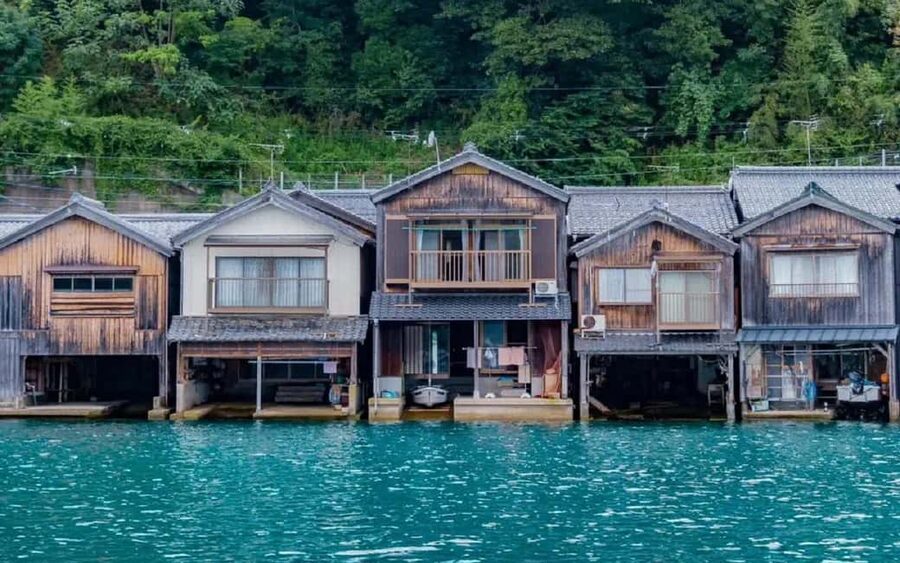
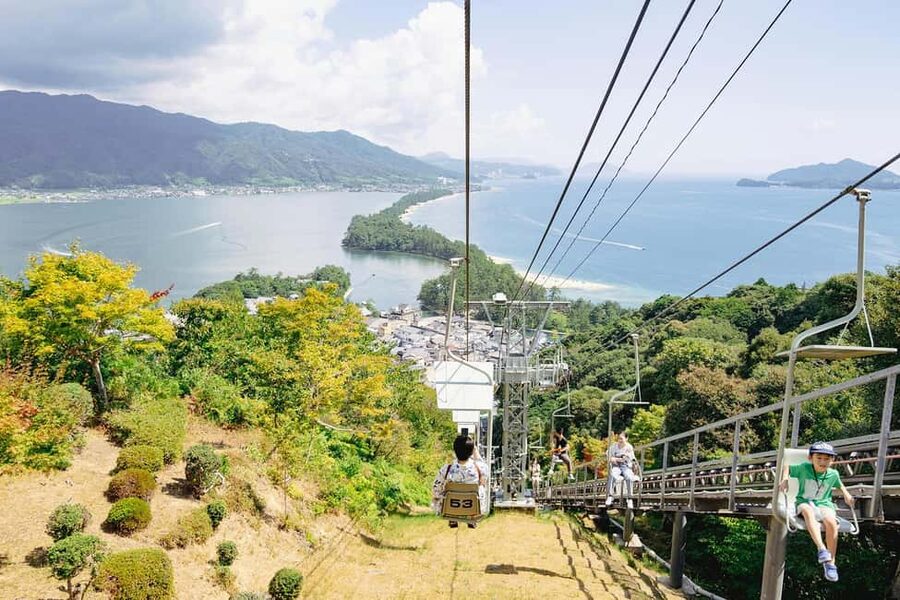
The optional cable car or ropeway takes you up to Amanohashidate Viewland. From the observatory, the sandbar and bay spread out below you, giving you the view that makes this area famous.
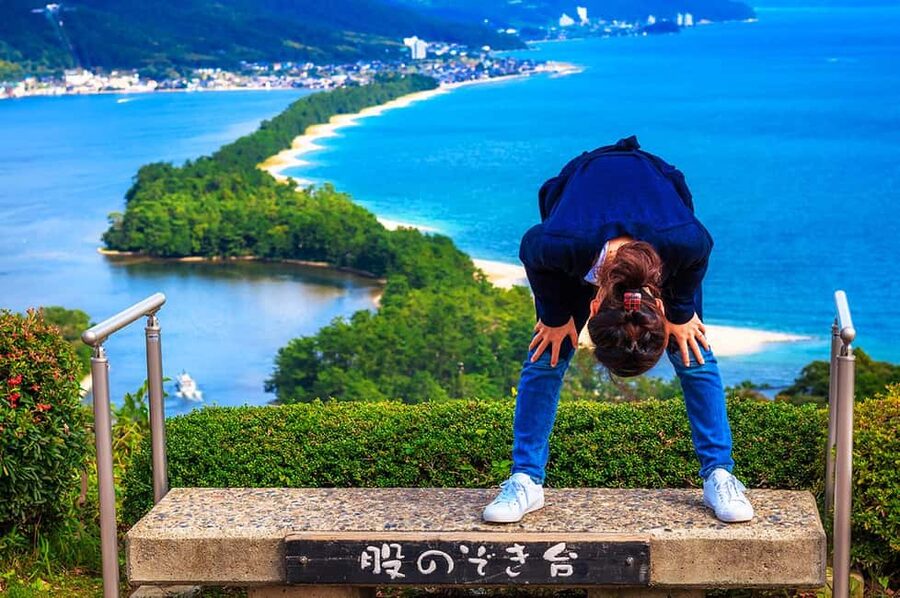
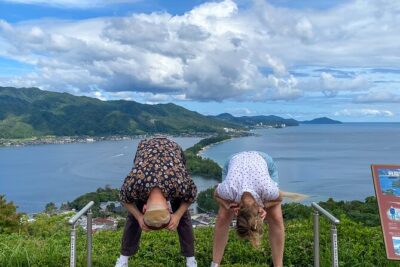
One of the local photo traditions is to bend over and look at Amanohashidate upside down between your legs. The sandbar can appear to rise into the sky, which makes the name and dragon image easier to understand. It is a silly pose, but it is also one of the more distinctive photo opportunities on the trip.
The ride is not part of the basic tour price, so treat it as an add-on. It is a good choice if you want a broad view and enjoy scenic transport. If you would rather keep costs down, the sandbar itself still provides a worthwhile walk.
Weather affects the payoff. On a clear day, the bay and sandbar should provide the strongest views. In rain or low cloud, the ride may be less rewarding, although the ground-level visit can still be pleasant. The coach and guide keep the day moving even when weather is not ideal, but no tour can guarantee a clear panorama.
Chionji Temple and fan-shaped fortunes
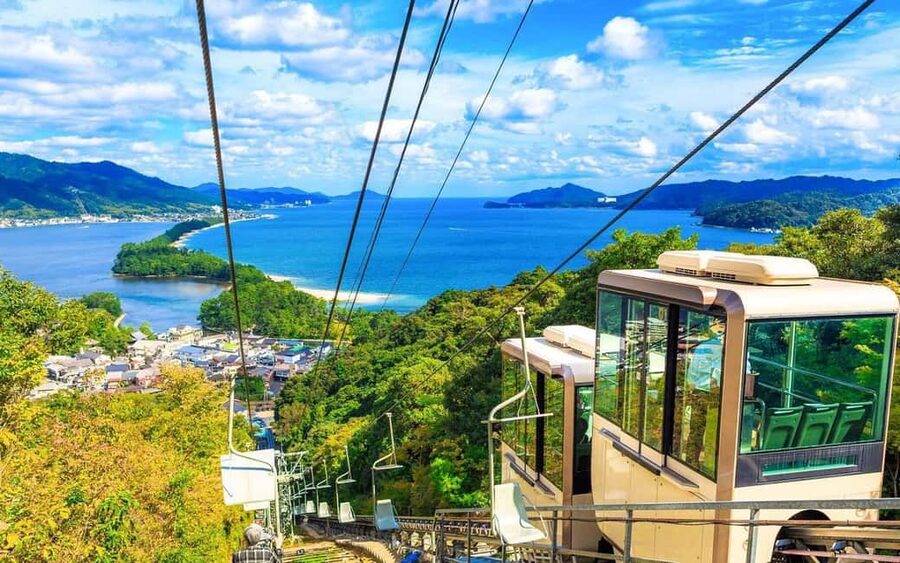
Chionji Temple sits close to the Amanohashidate area, making it easy to include during your free time. The temple is dedicated to Monju Bosatsu, the Bodhisattva of Wisdom.
People visit to pray for academic success, career progress, and a clear mind. You do not need to be a student to appreciate the stop. It adds a spiritual layer to a day otherwise focused on water and scenery.
The most charming detail is the fan-shaped omikuji fortune. Instead of pulling a conventional strip of paper, you draw a fortune shaped like a folding fan. It makes a small souvenir and gives you a simple cultural activity during the temple visit.
I would allow enough time for both Chionji and the sandbar rather than rushing through the temple for a photograph. The tour’s 2.5-hour Amanohashidate stop gives you room to choose, but the guide’s instructions on return time come first.
What the schedule feels like in practice
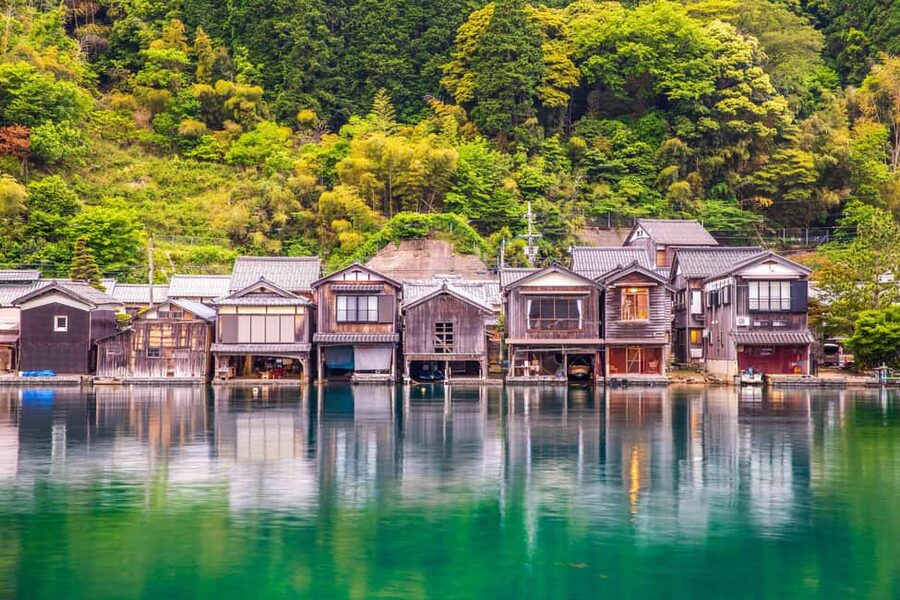
The day has a clear rhythm: long coach ride, compact village stop, optional boat ride, short transfer, extended Amanohashidate visit, then the long ride back.
That structure suits you if you want to see distant places without changing hotels or working out regional bus connections. It is less suitable if you dislike sitting on a coach or want several hours in each village.
Traffic can change the balance. Weekends, public holidays, and peak travel periods may bring delays. The guide can alter the order of the stops, shorten visits, or reduce the number of stops to keep the group moving. Do not schedule a dinner reservation, train, airport transfer, or evening show immediately after the return time.
The tour returns to Kyoto Station Hachijoguchi or Nipponbashi Station Exit 2. Late arrivals and no-shows are not eligible for a refund, so be especially careful at the morning meeting point and after free time.
Food, cash, and what to carry
Food and drinks are not included. Bring water and something to eat, especially since the coach rides are long and the food choices at the stops may be limited.
Carry cash. Some places may not accept credit cards, and you may need it for food, small purchases, temple items, or optional activities. The small convenience store near the sightseeing area should not be your only plan for lunch.
Wear comfortable shoes and dress for changing coastal weather. Ine Bay and Amanohashidate are exposed to the sea, so wind and rain can affect how pleasant the walk feels. A light rain layer and a secure hat are sensible choices, though the tour information only requires food, water, and cash.
Who will enjoy this tour most
I would choose this trip if you have already seen Kyoto’s central temples and want a quieter side of the region. It is also a practical pick if you are staying in Kyoto or Osaka and do not want to manage a complicated public transport route.
The tour suits:
- You want Ine Bay and Amanohashidate in one day.
- You enjoy village streets, coastal views, temples, and open-air walks.
- You are happy with free time rather than constant guided narration.
- You want the option to add the boat and ropeway after seeing the conditions.
- You value included transport more than a slow, independent schedule.
I would think twice if you need a leisurely meal, dislike long bus rides, or want deep time in Ine. The one-hour village stop can feel short, especially if you hope to sit for coffee. The tour is also not a private experience, and explanations are delivered across multiple languages.
Should you book it?
I think this is good value for a first visit to northern Kyoto’s coastal sights. The best parts are the Funaya boat houses, the optional view from the bay, the Amanohashidate sandbar, and the freedom to choose the ropeway or a longer walk.
Book it if you want a well-organized route with transport handled for you and can accept a long day. Add the boat if you want the most engaging Ine experience, and consider the ropeway if the weather is clear. Skip it if you need an unhurried village visit or cannot spare five hours of road time.
FAQ
Where does the tour depart from?
You can choose a departure from Nipponbashi Station Exit 2 in Osaka or Kyoto Station Hachijoguchi. The exact meeting point depends on the option booked.
How long does the experience last?
The trip lasts about 10 hours. The coach journey takes around 2.5 hours each way, with an additional 30-minute transfer between Ine and Amanohashidate.
What languages does the guide speak?
Live guide service is available in English, Japanese, and Traditional Chinese. This is a shared group tour with explanations provided in multiple languages.
Are the boat ride and ropeway included?
The sightseeing boat and Amanohashidate cable car or ropeway are optional activities. Check the selected option and prepare to pay extra if needed.
Is food included?
No. Food and drinks are not included, so bring food and water. A small convenience store is available in the area, but choices may be limited.
What should I bring?
Bring comfortable walking shoes, food, water, and cash. Cash is useful because some locations may not accept credit cards.
Can I cancel the booking?
You can cancel up to 24 hours in advance for a full refund. Late arrivals and no-shows are not eligible for refunds.
Recently added around Kyoto
- Higashiyama | Kyoto: Sakura Season Private Rickshaw Tour★ 5.0 · 3 reviews
- Kyoto Kimono Rental CHAMATSU|Kimono/Yukata Rental FamilyPlan★ 5.0 · 3 reviews
- Kyoto: Half-Day Private Guided Tour to the Old Town of Gion★ 4.4 · 3 reviews
- Nara Private Customizable Half Day Tour★ 5.0 · 3 reviews
- Kansai Region Hiking Adventure in Nara Kobe Kyoto and More★ 5.0 · 3 reviews
- Full Day Nara Deer, Temple, Shrine, Activities & Tea Ceremony★ 5.0 · 3 reviews
- Nara: Essential Private Tour with Deer Park and Temples★ 5.0 · 3 reviews
- Hiking Tour for Sacred Sites in Kyoto with a Guide★ 5.0 · 3 reviews
Amanohashidate Tours, compared.
Miyama Village, Amanohashidate & Ine Bay Day Trip
Read our review →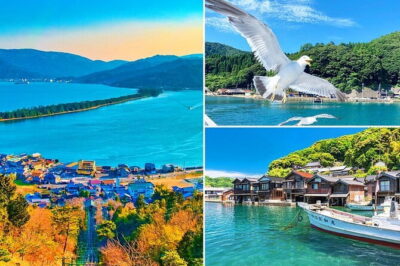
Amanohashidate & Ine Boathouse Full-Day Tour from Kyoto or Osaka
Read our review →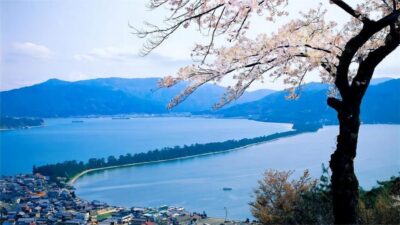
All-Inclusive Kyoto Day Tour: Amanohashidate, Miyama or Ohara
Read our review →Browse the lists this tour appears in