
REVIEW · AMANOHASHIDATE TOURS
Kyoto: Amanohashidate Ine Funaya Tour
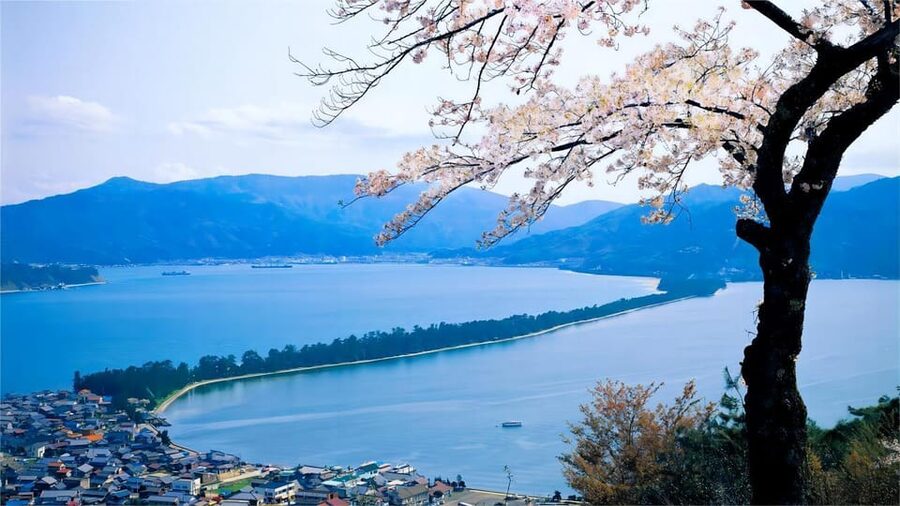
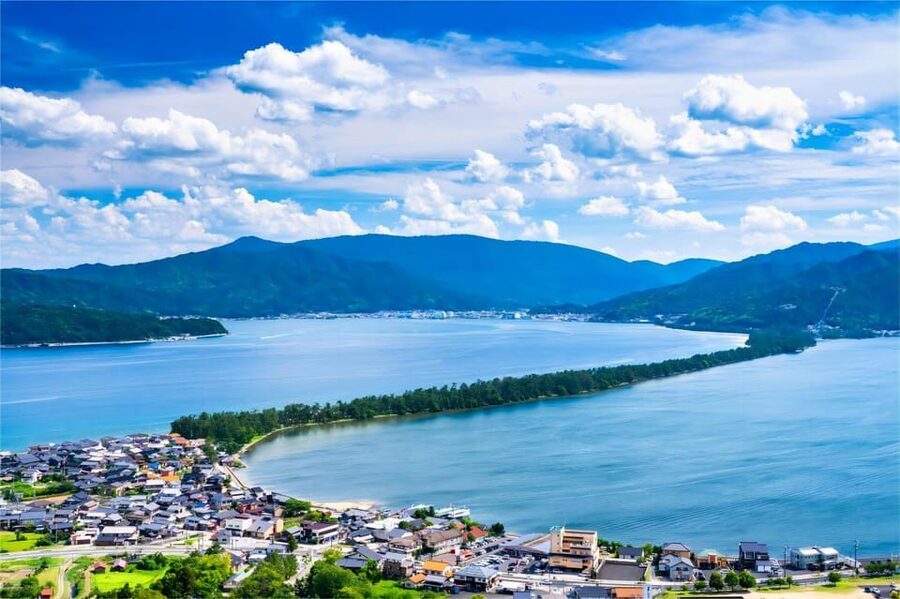
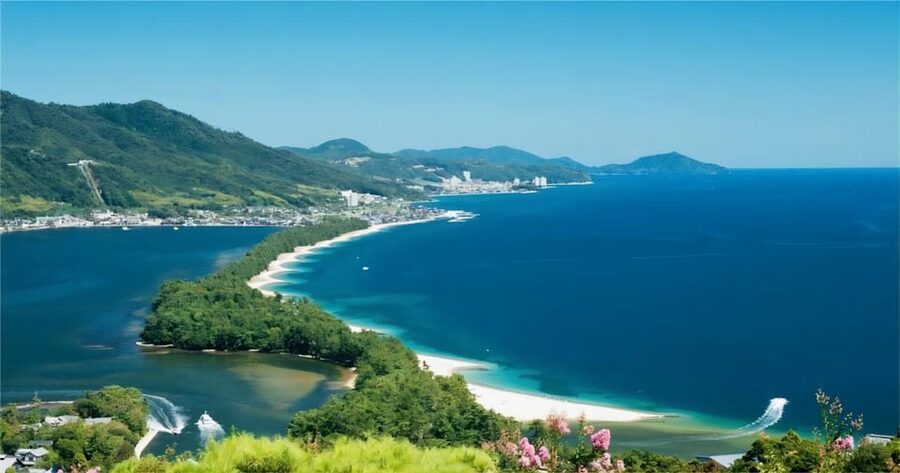
Amanohashidate is the star here: a long, pine-covered sandbar slicing across Miyazu Bay, with white beaches on one side and the Sea of Japan nearby. You get a rare taste of northern Kyoto Prefecture without arranging several train and bus connections yourself.
I like the efficient pairing of Amanohashidate’s open coastal views with Ine’s compact fishing village and its boat houses. I also like the simple price, $76 for transport and a guide, though food, entry fees, and the optional boat ride cost extra. The main drawback is the long bus journey, about 2.5 hours each way, and guide commentary can vary in detail and clarity.
In This Review
- Key points to know before booking
- Why this northern Kyoto day trip is worth considering
- Starting from Osaka or Kyoto
- Amanohashidate, the Bridge to Heaven
- Chion-ji Temple and the symbols of study
- Ine’s boat houses and fishing-town character
- Feeding seagulls from the bay
- What the $76 price really covers
- Guides, language, and the pace of the day
- Who should book this day trip?
- Final decision: book it for access, not depth
- FAQ
- How long is the Amanohashidate and Ine tour?
- Where can I join and finish the tour?
- What languages are available?
- Are meals and entrance tickets included?
- Is the boat ride in Ine included?
- How much luggage can I bring?
Key points to know before booking
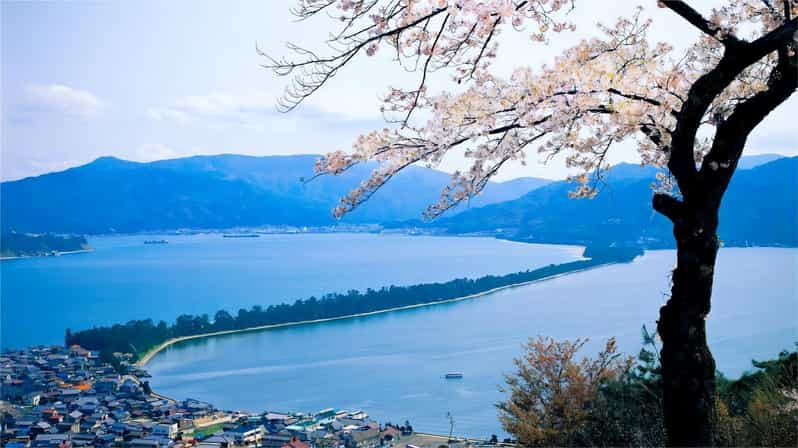
- Amanohashidate is the visual highlight: Walk near the pine-covered sandbar, photograph the beaches, and look across Miyazu Bay toward the Sea of Japan.
- Ine feels very different from Kyoto: Its waterfront boat houses were built around the fishing life of the bay, not temple sightseeing.
- The optional boat ride adds fun: You can feed seagulls, and sometimes eagles swoop in for food, but the cruise is not included in the tour price.
- The schedule is bus-based: Expect roughly five hours on the road during a 10-hour day, with traffic possibly adding more time during holidays.
- Guide quality may vary: Jay received especially strong praise for being helpful and efficient, while some departures offered limited historical explanation.
- Bring enough cash: Food, drinks, entrance fees, and the boat ride are not included, and one person reported difficulty paying by card.
Why this northern Kyoto day trip is worth considering
Kyoto is famous for temples, gardens, and old wooden streets. Amanohashidate and Ine offer something else: sea air, working waterfronts, pine trees, and a slower rural setting. I like this tour because it reaches places that are awkward to combine by public transport in one day.
The tradeoff is clear. You spend much of the day on a coach, but the bus removes the need to plan separate trains, local buses, and connections. At $76, the value is strongest if you want to see both destinations and prefer a guided day instead of managing the route yourself.
The advertised duration is 10 hours. The listed drive from Osaka or Kyoto to the area takes about 2.5 hours, then you have roughly two hours at Amanohashidate, 30 minutes at Chion-ji Temple, and about an hour in the wider Kyoto Prefecture portion of the day. The schedule can shift with traffic, weather, holidays, and crowd levels, so I would not plan a tight dinner reservation immediately after returning.
More of the Amanohashidate coast:
- Kyoto: Miyama Village, Amanohashidate & Ine Bay Day Trip
★ 4.6 · 98 reviews - Kyoto Amanohashidate,Ine Bay Trip with Optional boat/Ropeway
★ 4.5 · 87 reviews - Amanohashidate & Ine Boathouse Full-Day Tour from Kyoto or Osaka
★ 4.5 · 48 reviews
Starting from Osaka or Kyoto
You can choose from two pickup options: Nippombashi Station or the Kyoto-Hachijoguchi Bus Loading Area. The exact meeting point depends on the option you book, so check the message sent the day before rather than relying only on a general map pin.
That pre-trip email is important. It is supposed to include the pickup details, your guide’s contact information, and the bus license plate. I would save it offline and arrive early enough to identify the coach without a rushed search around the station.
The transport is by bus or coach, with air conditioning mentioned in the tour details. That matters on a long day, particularly in warm weather. One piece of luggage is allowed free per person. An additional item larger than 20 inches costs $16, so this is better suited to a day bag than to moving several large suitcases.
The road time is the part you need to accept before booking. You will be seated for long stretches, and holiday traffic can make the day longer. Still, that same bus is the tour’s main practical benefit. Without it, fitting Amanohashidate and Ine into a single day takes more planning and leaves you responsible for every connection.
Amanohashidate, the Bridge to Heaven
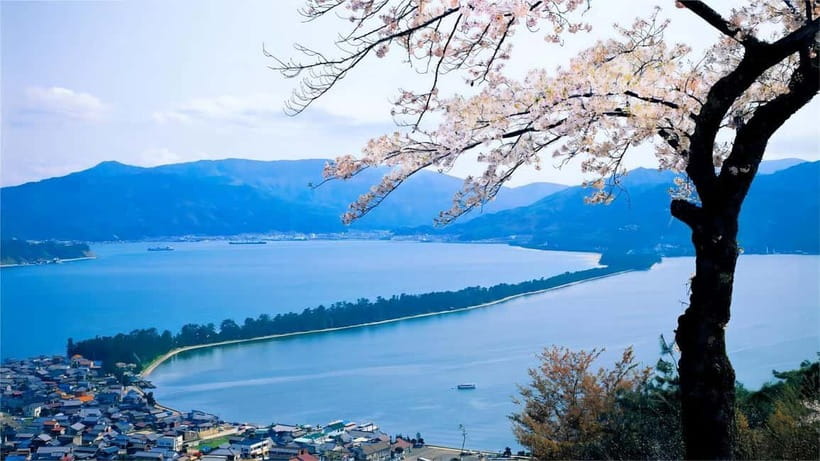
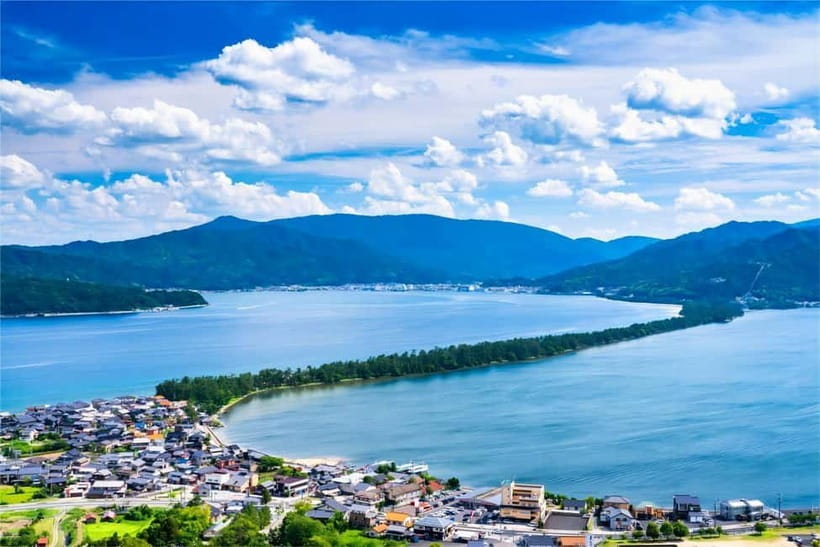
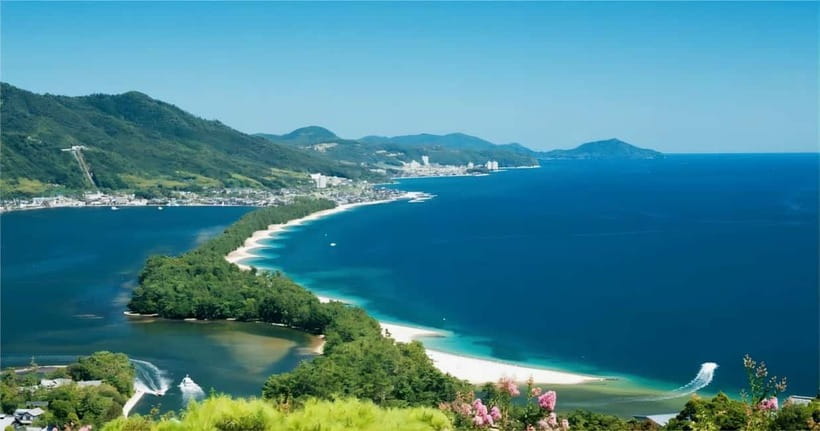
Amanohashidate translates as Bridge to Heaven, an apt name for the pale sandbar crossing Miyazu Bay. It is one of Japan’s Three Views, a traditional group of celebrated scenic places, and the appeal is easy to understand once you see the narrow strip of land covered with pine trees.
The visit includes a photo stop, guided sightseeing, walking, and free time. You can look across the Aso Sea and toward the Sea of Japan, then focus on the contrast between white sand, green pine trees, and blue water. The scene is more about space and shape than about a single monument, so give yourself time to absorb the view instead of rushing through a few photographs.
The tour provides about two hours here. That is enough for a useful look at the area, although your exact experience depends on the guide’s route and the day’s schedule. You should expect walking on a seaside route, so comfortable shoes are sensible. The information provided does not promise a specific viewpoint, cable car ride, or other paid attraction, so do not assume those are included.
This stop suits anyone who needs a break from urban sightseeing. I enjoy the change of pace: after crowded central Kyoto, Amanohashidate gives you beaches, open water, and trees shaped by the coastal setting. It also gives you the day’s best chance for scenic photographs.
Weather matters here. On a clear day, the water and distant shore should provide the strongest views. In rain or low cloud, the visit is still possible, but the wide panorama may lose some impact. One departure completed the day in rainy weather and still had a good outing, helped by clear explanations of the schedule and a lively guide named Fred.
Chion-ji Temple and the symbols of study
Chion-ji Temple sits at the southern end of Amanohashidate. It is dedicated to Manjushri, the Buddhist figure associated with wisdom, and students visit to seek help with success in their studies.
The stop lasts about 30 minutes, so think of it as a focused visit rather than a long temple tour. You can pass through the old gate, see the fan-shaped signed poem associated with progress and improvement, and hear how the temple connects to academic hopes.
I like this brief stop because it adds a cultural layer to the coastal scenery. Amanohashidate gives you the setting, while Chion-ji explains how local belief and everyday hopes shape the place. The visit may feel too short if you want detailed religious or architectural discussion.
That point connects with the main weakness of the tour. Some guides have offered useful explanations, while other departures have felt more like escorted sightseeing than a full historical tour. A French-speaking participant found the English difficult to understand, and another person wanted more history. If detailed temple interpretation is your main goal, keep your expectations measured.
At the same time, guide service can be excellent. Jay received especially warm praise for being efficient, answering questions, helping throughout the day, and even sending a video of the boat departure through WhatsApp. Guide assignments can change, so I would not book solely for one particular name, but Jay and Fred are useful examples of the level of personal help you may receive.
A completely different side of Kyoto:
- PERFECT KYOTO 1-Day Bus Tour
★ 5.0 · 13,518 reviews - Kyoto: Fushimi Inari, Kinkakuji, Bamboo Grove 1 Day Bus Tour
★ 4.8 · 4,316 reviews - Kyoto: Tea Ceremony in a Traditional Tea House in Kiyomizu
★ 4.9 · 3,519 reviews - Kyoto Geisha Walking Tour: Gion District & Hidden Gems
★ 4.7 · 3,273 reviews
Ine’s boat houses and fishing-town character
Ine is the most distinctive stop after Amanohashidate. The town is known for its boat houses, waterfront buildings designed around fishing boats and the narrow edge of the bay. Instead of seeing only a decorated historic quarter, you get a glimpse of a settlement shaped by work on the water.
You can walk along the waterfront, look at the boat houses, and spend time in local shops and restaurants. The setting is compact and photogenic, but it is not a large attraction complex. I would approach it as a place to observe and wander, not as a checklist of major monuments.
The schedule gives about an hour in the area, though the exact balance between walking, shopping, and the boat activity can vary. One person felt an hour at a separate lakeside stop was too long and would have preferred more time in Ine. That is useful advice: if your priority is the boat houses, use your free time carefully and avoid lingering too long at minor stops.
The tour description says you can pay for a boat ride if you want. The main tour price does not include that ticket, and entry fees are listed separately from the included transport and guide. Ask your guide about the timing and price on the day, then decide if the cruise fits your budget and schedule.
Feeding seagulls from the bay
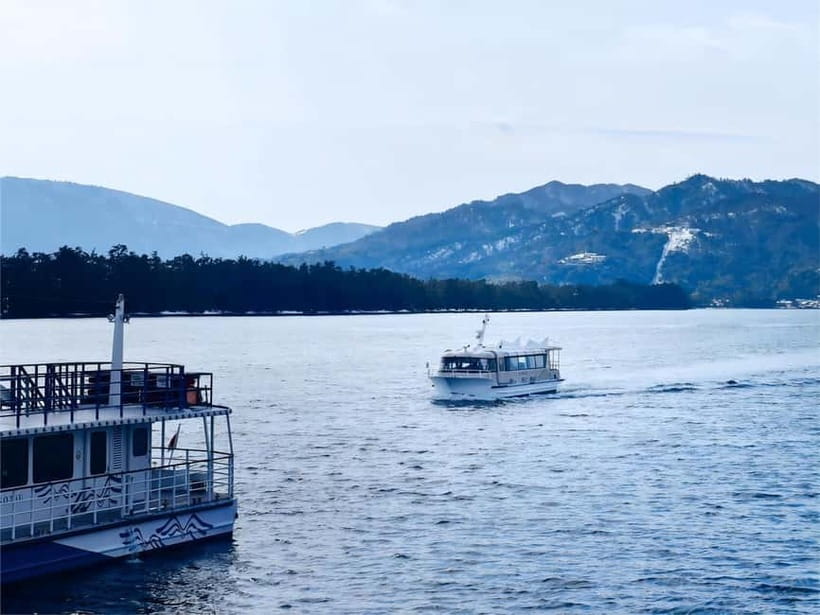
The boat cruise is the most playful part of the day. From the water, you can see the bay and the waterfront buildings from a different angle, while feeding seagulls as the boat moves around the coast. Some passengers also reported the fun of seeing eagles join the birds for food.
This is not a quiet sightseeing cruise in the traditional sense. The birds and food create the entertainment, and the experience depends on weather, boat timing, and the optional ticket. I would treat it as a memorable extra rather than a guaranteed centerpiece.
If you choose the ride, keep some flexibility in your schedule. The group needs to board and return to the coach on time, and the tour has a long drive back to Osaka or Kyoto. The cruise is especially appealing to families and anyone who prefers an active, lighthearted stop after the more scenic and cultural visits.
You should also carry cash. Food and drinks are not included, and at least one person found that card payment was not available for an extra expense. The tour does not provide a fixed list of optional prices, so bring more yen than the bare minimum if you want lunch, snacks, souvenirs, or the boat ride.
What the $76 price really covers
The $76 fare covers return transportation to the sites and a tour guide. The supplied information also describes return hotel transfer, but the actual start and finish points are listed as Nippombashi Station or the Kyoto-Hachijoguchi Bus Loading Area. Confirm the pickup arrangement for your chosen option before paying.
The value is mainly logistical. You are paying to connect two out-of-the-way destinations in one day, with someone coordinating the route and coach. If you were already planning to rent a car, or if you are comfortable handling several public transport connections, the tour may feel less essential.
The price does not cover food, drinks, or entry tickets. The optional boat ride is also paid separately. Since the exact extra costs are not stated, I would not arrive with only a small amount of cash. This is the single most practical budgeting point, especially after one person had to skip food after running short of usable payment options.
The tour allows free cancellation up to four days in advance. After that, the stated conditions do not promise a refund for traffic, weather, holidays, crowd levels, delays, or cancellations caused by factors outside the operator’s control. I would avoid booking it on the final possible day of a short Japan trip.
Guides, language, and the pace of the day
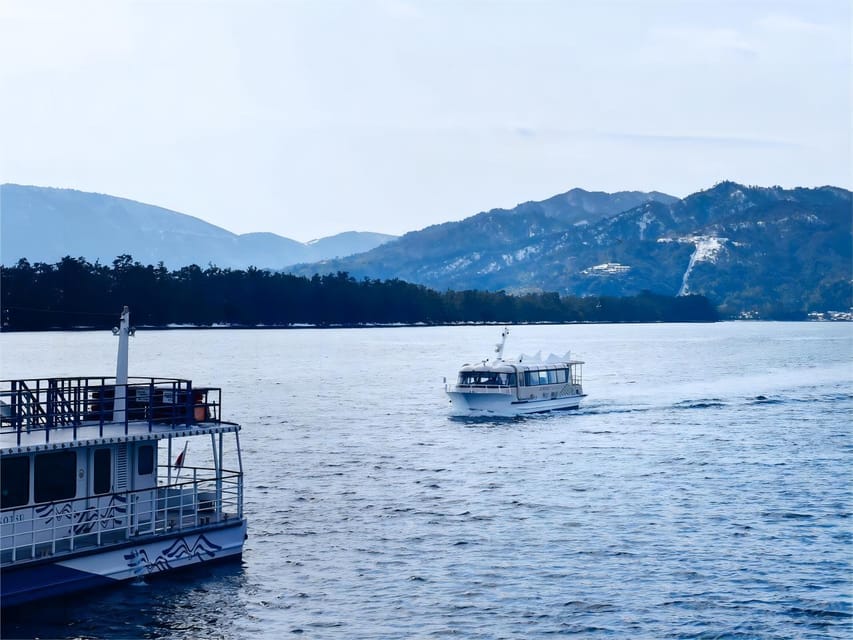
Live guiding is offered in English and Japanese. The guide’s role can range from basic coordination to active help with questions, timing, and optional activities. Jay was praised for staying in touch and assisting with practical details, while Fred was described as upbeat and clear about the route.
The experience is not guaranteed to deliver a long lecture at every stop. Some people found the explanations interesting, but others wanted more historical detail or had trouble following the English. I would book it for access and coordination first, then regard the commentary as an added benefit.
The schedule is fairly full. You have the long coach ride, two hours at Amanohashidate, a short temple stop, time in the broader Kyoto Prefecture area, and Ine before returning. That makes the day efficient, but not leisurely. You will see a lot, yet you will not have unlimited time to sit by the water, shop slowly, or explore every side street.
This pace works well for a first visit to the region. It is less suited to someone who already knows Amanohashidate and Ine and wants a slow, detailed look at either one.
Who should book this day trip?
I would recommend it to you if you are staying in Osaka or Kyoto, have one free day, and want coastal scenery without building a complicated route. It also suits families and couples who like a mix of photographs, a temple, a fishing town, and a short optional boat activity.
It is a good match if efficient transport matters more than a relaxed schedule. The coach handles the hard part, and the guide helps keep the day moving.
I would hesitate if you dislike long bus rides, need precise arrival times, or want expert-level historical interpretation. I would also think twice if you expect every activity to be included in the headline price. The extra costs are manageable, but you need to plan for them.
Final decision: book it for access, not depth
Book this tour if you want to see Amanohashidate and Ine in one day and value a straightforward coach connection from Osaka or Kyoto. The pine-lined sandbar, Chion-ji’s study traditions, and Ine’s boat houses give you a welcome break from the usual city circuit.
Skip it if you want to linger, travel independently, or receive detailed history at every stop. Bring cash, expect a long day, check the pickup email, and treat the boat ride as an optional extra. With those conditions understood, $76 is a fair price for reaching two difficult-to-combine northern Kyoto destinations in a single outing.
FAQ
How long is the Amanohashidate and Ine tour?
The tour lasts 10 hours. The drive from Osaka or Kyoto to the sightseeing area takes about 2.5 hours, and traffic can extend the schedule, especially during holidays.
Where can I join and finish the tour?
The listed pickup and drop-off options are Nippombashi Station and the Kyoto-Hachijoguchi Bus Loading Area. The exact meeting point depends on the option booked.
What languages are available?
Live guiding is available in English and Japanese.
Are meals and entrance tickets included?
No. Food, drinks, and entry tickets are not included in the tour price.
Is the boat ride in Ine included?
No. The boat ride is an optional activity that you can pay for separately. It includes a chance to feed seagulls around the bay.
How much luggage can I bring?
Each person may bring one piece of luggage free of charge. An additional piece larger than 20 inches costs $16.
Recently added around Kyoto
- Higashiyama | Kyoto: Sakura Season Private Rickshaw Tour★ 5.0 · 3 reviews
- Kyoto Kimono Rental CHAMATSU|Kimono/Yukata Rental FamilyPlan★ 5.0 · 3 reviews
- Nara Private Customizable Half Day Tour★ 5.0 · 3 reviews
- Kyoto: Half-Day Private Guided Tour to the Old Town of Gion★ 4.4 · 3 reviews
- Kansai Region Hiking Adventure in Nara Kobe Kyoto and More★ 5.0 · 3 reviews
- Full Day Nara Deer, Temple, Shrine, Activities & Tea Ceremony★ 5.0 · 3 reviews
- Nara: Essential Private Tour with Deer Park and Temples★ 5.0 · 3 reviews
- Hiking Tour for Sacred Sites in Kyoto with a Guide★ 5.0 · 3 reviews
Amanohashidate Tours, compared.
Miyama Village, Amanohashidate & Ine Bay Day Trip
Read our review →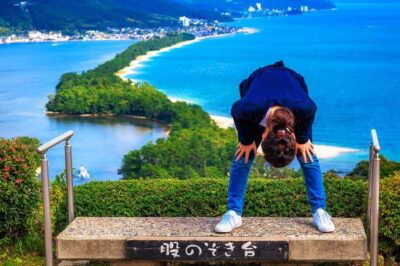
Kyoto Amanohashidate,Ine Bay Trip with Optional boat/Ropeway
Read our review →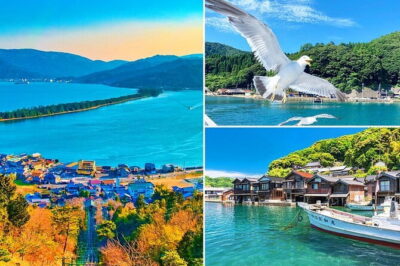
Amanohashidate & Ine Boathouse Full-Day Tour from Kyoto or Osaka
Read our review →
All-Inclusive Kyoto Day Tour: Amanohashidate, Miyama or Ohara
Read our review →Browse the lists this tour appears in