
REVIEW · AMANOHASHIDATE TOURS
All-Inclusive Kyoto Day Tour: Amanohashidate, Miyama or Ohara
Kyoto’s best day trips often begin where the city crowds thin out. This private tour takes you into the prefecture’s mountains and northern coast, where you can see thatched farmhouses, old temples, fishing villages, and wide natural views in one organized day.
I like the private car and the broad choice of routes. I also like that the price covers parking, fuel, highway fees, admissions, and the boat and chairlift connected with the Amanohashidate route. The main caution is simple: eight hours is a lot of ground to cover, and the listed stops describe several possible routes rather than one clearly defined day. Confirm your exact route before booking.
In This Review
- Key points at a glance
- Why a private Kyoto countryside day trip makes sense
- First, confirm which route you are booking
- Jingoji Temple and the Takao mountain setting
- Kozanji Temple and a UNESCO-listed stop
- Kayabuki-no-sato Kitamura and old farmhouses
- Hiyoshi Dam adds a practical note
- Amanohashidate, the famous sandbar
- Ine no Funaya and the northern fishing coast
- The Ohara and Lake Biwa option
- What the $520.25 price covers
- Timing, comfort, and what to bring
- Who should book this experience
- Should you book the Kyoto countryside tour?
- FAQ
- How long does the tour last?
- What time does the tour start?
- Is hotel pickup available?
- Is this a private tour?
- Which routes can I choose from?
- Is lunch included?
- Are the Amanohashidate chairlift and boat fees included?
- Can I cancel for a full refund?
Key points at a glance
- Private transport from a 9:00 am start: Your group travels by private car, avoiding the transfers and rail changes needed for Kyoto’s more distant sights.
- Three different countryside routes: Choose among Miyama and Takao, Amanohashidate and Ine, or Ohara and Lake Biwa.
- Amanohashidate includes more than a viewpoint: The northern route combines Chion-ji Temple, Motoise Konojinja Shrine, a chairlift viewpoint, and a boat ride.
- Miyama offers traditional rural Japan: Kayabuki-no-sato Kitamura is the visual highlight, with thatched-roof farmhouses and a quiet village setting.
- The guide adds context: An English-speaking guide explains temple, shrine, regional, and engineering details rather than simply dropping you at each stop.
- Lunch is on you: Bottled water is included, but lunch, tips, and personal spending are separate.
Why a private Kyoto countryside day trip makes sense
Kyoto is easy to love and easy to overdo. The famous temple districts can fill your day with queues, buses, and crowded lanes. This experience points you in another direction, using a private car to reach places that are harder to combine by public transport.
That matters most for Amanohashidate and Ine. Both are in northern Kyoto Prefecture, well beyond the usual central Kyoto circuit. The car gives you more control and makes it possible to connect a famous sandbar with a fishing village in the same outing.
You also get a guide for the full experience. That can be useful at temples such as Jingoji and Kozanji, where the meaning of the buildings and religious traditions is not always obvious from the architecture alone. One of the strongest parts of the experience is the balance between explanation and scenery: you get cultural context, but you are not spending the whole day indoors.
The private format suits couples, families, and friends who want to move at their own pace. It is also useful if several people are sharing the cost. At $520.25 per person, this is not a cheap excursion for one person, but the value changes when you consider the private vehicle, English-speaking guide, fuel, parking, toll roads, admissions, bottled water, and selected activities.
More of the Amanohashidate coast:
- Kyoto: Miyama Village, Amanohashidate & Ine Bay Day Trip
★ 4.6 · 98 reviews - Kyoto Amanohashidate,Ine Bay Trip with Optional boat/Ropeway
★ 4.5 · 87 reviews - Amanohashidate & Ine Boathouse Full-Day Tour from Kyoto or Osaka
★ 4.5 · 48 reviews
First, confirm which route you are booking
The tour description presents three route choices:
- Miyama and Takao
- Amanohashidate and Ine
- Ohara and Lake Biwa
The detailed stop list includes places from both the Miyama and Takao route and the Amanohashidate and Ine route. It does not read like a single practical eight-hour itinerary covering every listed stop. For that reason, I would confirm your selection with KyotoNusa Tours before paying, especially if you have your heart set on the northern coast or the thatched village.
This is not a minor detail. Amanohashidate and Ine make a full day on their own, while Jingoji, Kozanji, Miyama, and Hiyoshi Dam form a different outing through the mountains. The Ohara and Lake Biwa option is also presented as its own route. Ask which stops are included on your chosen day, how much time is planned at each, and whether the boat and chairlift apply to your booking.
Jingoji Temple and the Takao mountain setting
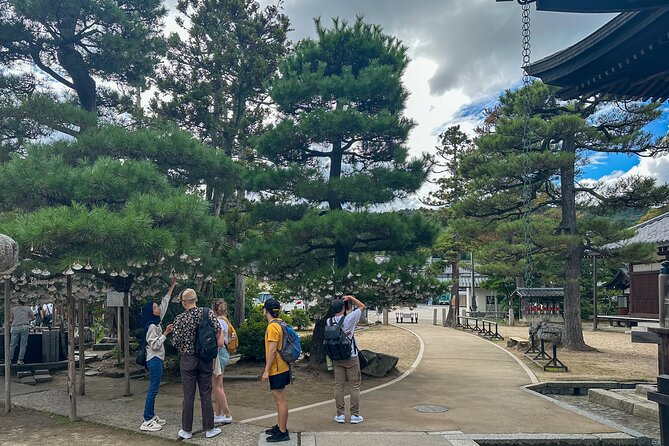
On the Miyama and Takao route, Jingoji Temple receives about 90 minutes. The setting is one of the chief reasons to come. Ancient cedar trees, historic pagodas, gardens, and temple halls create a calmer experience than Kyoto’s central temple districts.
Your guide leads you through the grounds and explains the temple’s past. That is valuable here because the appeal is not just one famous building. You are looking at a complete religious setting, with trees, paths, halls, and mountain air shaping the visit.
Allow for walking. The tour data does not give a precise route or grade, so you should be ready for movement around temple grounds rather than a quick roadside stop. Comfortable shoes will make the visit easier, even though the tour is suitable for most people.
Kozanji Temple and a UNESCO-listed stop
Kozanji Temple follows with about an hour. It is a UNESCO World Heritage site in Takao, surrounded by mountain scenery and greenery. The guide explains the halls and gardens, giving you a better sense of why this temple matters beyond its photogenic setting.
An hour is enough for a focused visit, but it is not generous if you want to linger over every detail. I would treat this as a concentrated cultural stop, not an unhurried temple morning. Combined with Jingoji, it gives the route a strong religious and historic core before you continue toward rural Miyama.
A completely different side of Kyoto:
- PERFECT KYOTO 1-Day Bus Tour
★ 5.0 · 13,518 reviews - Kyoto: Fushimi Inari, Kinkakuji, Bamboo Grove 1 Day Bus Tour
★ 4.8 · 4,316 reviews - Kyoto: Tea Ceremony in a Traditional Tea House in Kiyomizu
★ 4.9 · 3,519 reviews - Kyoto Geisha Walking Tour: Gion District & Hidden Gems
★ 4.7 · 3,273 reviews
Kayabuki-no-sato Kitamura and old farmhouses
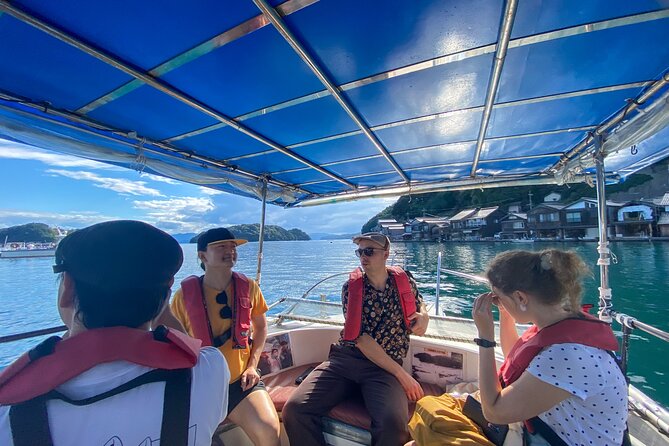
Miyama Kayabuki-no-sato Kitamura is the route’s clearest look at traditional rural life. You spend about an hour walking through a village known for its thatched-roof farmhouses.
The charm here comes from the village as a whole. Rather than viewing a single preserved building, you see a countryside community shaped by older construction methods and a slower visual rhythm. Your guide shares local and cultural details while you walk.
The stop is free, which helps the value of the Miyama route. Still, one hour is a fairly short visit. You will see the main village atmosphere, but you may not have time for a long, aimless wander. If rural architecture matters most to you, ask if the schedule can allow a little flexibility.
Hiyoshi Dam adds a practical note
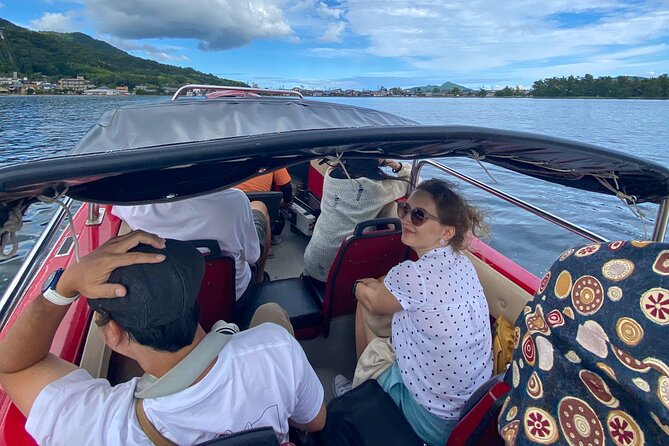
The 30-minute stop at Hiyoshi Dam is a change of pace. Here the subject is modern infrastructure rather than temple ritual or village tradition. Your guide explains the dam’s role in flood control and water management for the region.
Some people will find this stop fascinating, especially if you like engineering or public works. Others may see it as less essential than the temples and village. Its short duration keeps it from taking over the day, and the surrounding scenery gives you a break from indoor sightseeing.
This is a good example of the route’s variety. You are not simply moving from one nearly identical temple to another. The day links religious sites, village life, and practical infrastructure.
Amanohashidate, the famous sandbar
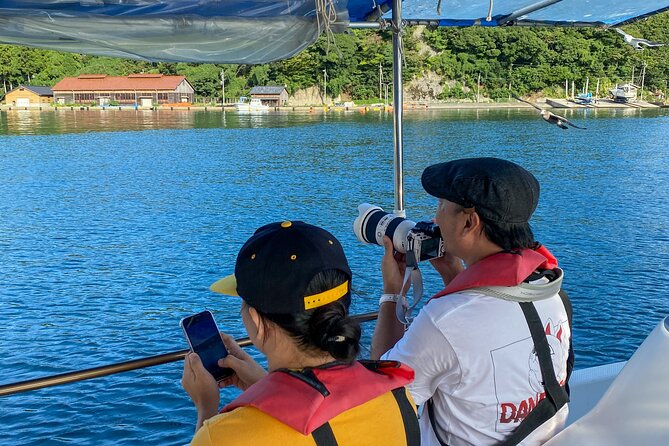
The Amanohashidate route shifts from mountain countryside to the coast. At Chion-ji Temple, you spend about 20 minutes at a peaceful Buddhist site associated with the area. That is a brief stop, best understood as an introduction to Amanohashidate rather than a full temple visit.
Motoise Konojinja Shrine receives about 15 minutes. This historic Shinto shrine is known for traditional architecture and its connection to the ancient Ise Shrine tradition. Again, the timing is tight. You will get a taste of the site and its importance, but not a long period for quiet reflection.
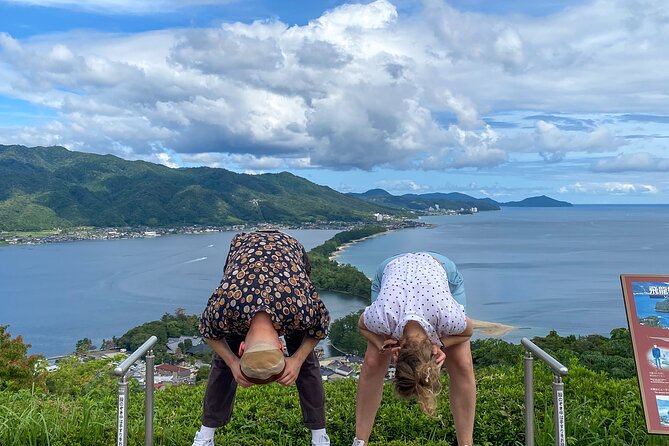
The main event is Amanohashidate Kasamatsu Park, with about 90 minutes. From the observation deck, you can look across the bay toward the famous sandbar. The included chairlift provides the ride to the viewpoint, and the tour also lists a boat fee in Amanohashidate.
That combination is useful because it lets you see the area from different angles. The elevated view shows the sandbar’s shape and position across the water. The boat offers a closer, lower perspective. Check the exact boat arrangement with the operator, since the supplied details confirm the fee but do not explain the precise departure time or route.
The 90-minute allocation sounds more relaxed than the temple and shrine stops, but it still has to include the lift, viewpoint, photographs, and boat activity. If Amanohashidate is your main reason for booking, keep your schedule expectations realistic. You are getting a well-organized introduction, not an entire day at the resort area.
Ine no Funaya and the northern fishing coast
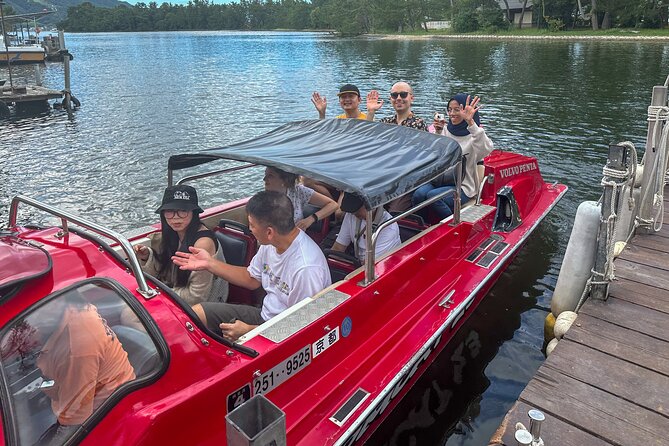
Ine no Funaya is the final major stop on the northern route, with about 90 minutes. The village is famous for its funaya, distinctive boathouses built directly along the water’s edge.
The appeal is highly visual, but it is also practical. The buildings reflect a close relationship between homes, boats, and the sea. Walking the narrow streets gives you a better feel for the village than seeing it only from a road or a photo stop.
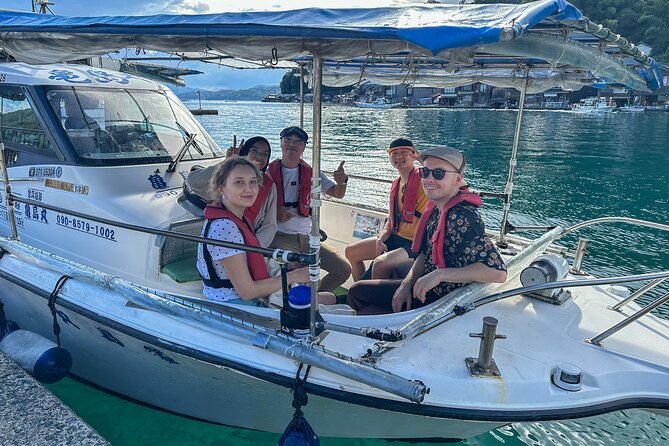
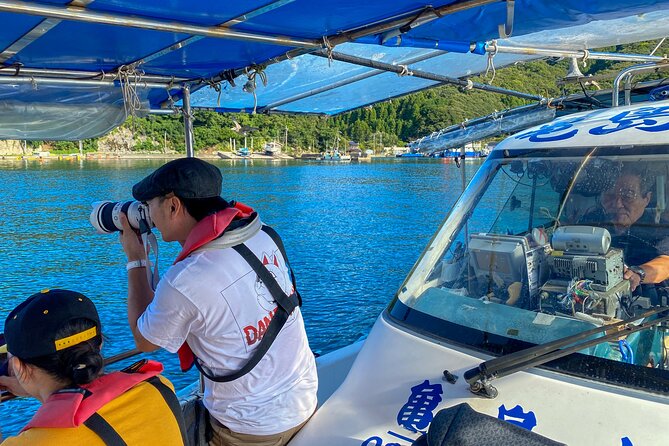
A small boat ride is included in the tour’s Amanohashidate and Ine package. This is one of the experience’s strongest features because it changes your view of the village. From the water, the line of boathouses makes more sense, and the outing feels less like a standard coach tour.
Ninety minutes should allow time for a walk and the boat activity, though the exact balance depends on the day’s schedule. The village is free to enter, but personal purchases are not covered. Lunch is also not included, so ask how the day handles the meal period. Do not assume the tour price covers food simply because it is described as all-inclusive.
The Ohara and Lake Biwa option
The third route visits Ohara and Lake Biwa. The description promises rural villages and time by the lake, but it does not provide a detailed stop-by-stop schedule, admission list, or exact timing for this option.
That makes it appealing for someone who wants a quieter countryside day without committing to the long northern coast route. It also means you should request the day’s precise plan before booking. Ask which villages, temple or cultural sites, and lakeside locations are included, along with any admission fees.
The advantage of having three route choices is flexibility. The disadvantage is that the experience can feel less defined until you confirm what your private day actually contains.
What the $520.25 price covers
The listed price is $520.25 per person. For a solo booking, that is a serious expense. For a private group, it can make more sense, particularly because group discounts are offered and only your party participates.
The inclusions are substantial:
- Private car
- English-speaking guide
- Fuel
- Parking
- Highway fees
- Bottled water
- Included admissions where specified
- Boat fee in Ine and Amanohashidate
- Chairlift fee at Amanohashidate Viewland
These costs can add up quickly on a distant day trip. You are paying not only for sightseeing but also for convenience. The driver handles the long connections, parking, and toll roads, while the guide provides explanations along the way.
There are clear limits. Lunch, tips, and personal expenses are excluded. The word all-inclusive should therefore be read as tour transport and listed activities included, not every expense from breakfast to dinner.
The price is easiest to justify if you are a small group that values privacy and wants to combine hard-to-reach places. If you are a solo budget visitor, public transport or a shared excursion may be more economical, though less flexible.
Timing, comfort, and what to bring
The stated start time is 9:00 am, and the experience lasts about eight hours. Pickup is offered, but the provided information does not specify every pickup address or the exact return point. Confirm those details when you book.
Most people can participate, and the tour is near public transportation. Still, the day includes temple grounds, village walking, observation areas, and movement in and out of a vehicle. Comfortable shoes, weather-appropriate clothing, and a little spending money for food are sensible choices.
Because the routes cover rural areas, the private car is more than a luxury. It reduces the friction of reaching places where connections may be less convenient. It also gives your group a quieter ride between stops, which matters after a morning of walking.
The tour has free cancellation up to 24 hours before the start time. Changes or cancellations inside that period are not accepted for a refund, with cut-off times based on local time.
Who should book this experience
I would recommend this tour to you if you want to see a different side of Kyoto Prefecture and prefer a private day over a fixed group schedule. It is especially suitable for families, friends, and first-time visitors who want transport, a guide, and several costs handled in advance.
The Amanohashidate and Ine route is the best fit if you want dramatic views, a boat ride, and a coastal village. Choose Miyama and Takao if temples, mountain scenery, and traditional farmhouses matter more. Consider Ohara and Lake Biwa if you prefer a rural day closer to the Kyoto area, but confirm the exact stops first.
I would hesitate if you want a slow, single-site visit or if the $520.25 price is beyond your budget. I would also avoid booking until the route is confirmed, since the supplied stop list combines destinations that appear to belong to different choices.
Should you book the Kyoto countryside tour?
Book it if you value private transport, a personal guide, and a carefully connected day outside central Kyoto. The best parts are the contrast between sites: mountain temples, thatched homes, a coastal sandbar, and Ine’s waterside boathouses.
Before you commit, confirm the route, meal arrangements, pickup details, and exact boat schedule. If those match your priorities, this is a practical way to reach Kyoto Prefecture’s more distant sights without building the entire day around train and bus connections.
FAQ
How long does the tour last?
The experience lasts approximately eight hours.
What time does the tour start?
The stated start time is 9:00 am.
Is hotel pickup available?
Pickup is offered, but the provided information does not specify every pickup location. Confirm your address with KyotoNusa Tours before booking.
Is this a private tour?
Yes. Only your group participates in the private tour or activity.
Which routes can I choose from?
You can choose among Miyama and Takao, Amanohashidate and Ine, or Ohara and Lake Biwa.
Is lunch included?
No. Lunch is not included in the tour price.
Are the Amanohashidate chairlift and boat fees included?
Yes. The listed inclusions cover the chairlift fee at Amanohashidate Viewland and boat fees in Ine Funaya and Amanohashidate.
Can I cancel for a full refund?
Yes, if you cancel at least 24 hours before the experience start time. Cancellations or changes made less than 24 hours in advance are not accepted for a refund.
Recently added around Kyoto
- Higashiyama | Kyoto: Sakura Season Private Rickshaw Tour★ 5.0 · 3 reviews
- Kyoto Kimono Rental CHAMATSU|Kimono/Yukata Rental FamilyPlan★ 5.0 · 3 reviews
- Kyoto: Half-Day Private Guided Tour to the Old Town of Gion★ 4.4 · 3 reviews
- Nara Private Customizable Half Day Tour★ 5.0 · 3 reviews
- Kansai Region Hiking Adventure in Nara Kobe Kyoto and More★ 5.0 · 3 reviews
- Full Day Nara Deer, Temple, Shrine, Activities & Tea Ceremony★ 5.0 · 3 reviews
- Nara: Essential Private Tour with Deer Park and Temples★ 5.0 · 3 reviews
- Hiking Tour for Sacred Sites in Kyoto with a Guide★ 5.0 · 3 reviews
Amanohashidate Tours, compared.
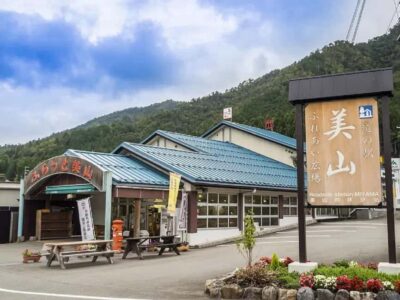
Miyama Village, Amanohashidate & Ine Bay Day Trip
Read our review →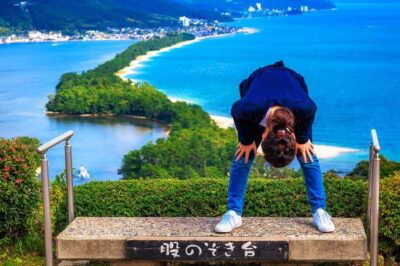
Kyoto Amanohashidate,Ine Bay Trip with Optional boat/Ropeway
Read our review →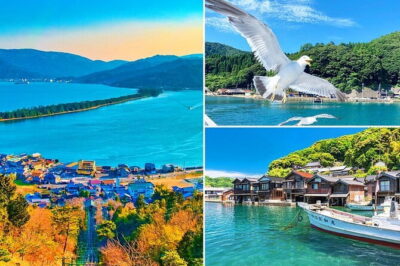
Amanohashidate & Ine Boathouse Full-Day Tour from Kyoto or Osaka
Read our review →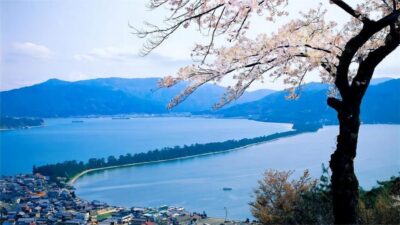
Browse the lists this tour appears in