
REVIEW · WALKING TOURS
Kyoto: 100% Private Custom Walking Tour (4/8 Hrs)
Kyoto is a city where a good plan can save your feet, your patience, and a fair bit of time. This private custom walking tour lets you choose the sights, pace, food stops, and pickup point before you arrive, instead of squeezing into someone else’s fixed route. Guides such as Kina and Akino have received especially warm praise for their care and flexibility.
I like two things right away: you can shape the day around your interests, and you can ask for help with practical details such as local food and getting around. I also like the chance to pair a major sight with a quieter nearby area, rather than racing from one famous entrance to the next.
The catch is that the experience depends heavily on the individual guide. One recent booking received a very poor account of the guide’s historical knowledge and ability to navigate public transport, so you should confirm your priorities and expectations before the day begins. Transportation, meals, and admission fees also cost extra.
In This Review
- Key points to know before booking
- What this private Kyoto tour is really selling
- Four hours or eight hours in Kyoto
- Arashiyama and its bamboo forest
- Kinkakuji, the Golden Pavilion
- Kiyomizu-dera and Kyoto’s hillside streets
- Nijo Castle and Honmaru-goten Palace
- Fushimi Inari’s thousands of torii gates
- Nishiki Market and local food
- Geisha districts, shrines, and local customs
- Transport, pickup, and the real cost
- Guide quality matters more than the perfect route
- Who should book this Kyoto experience?
- Should you book it?
- FAQ
- How long is the private Kyoto tour?
- Is the tour private?
- Can I customize the itinerary?
- Which Kyoto sights can the tour include?
- Is hotel pickup available?
- How will I find the guide?
- Are transportation costs included?
- Are meals and drinks included?
- Are entrance fees included?
- What should I bring?
- Is the tour suitable for wheelchair users?
- Can I cancel the booking?
Key points to know before booking
- Choose the pace: Book four hours for a focused visit, or eight hours for a fuller day with several areas.
- Build your own route: You can request major sights, local neighborhoods, food, photography stops, or cultural details.
- Use the pickup option wisely: A custom starting point can make the day easier, especially if you are staying outside central Kyoto.
- Expect walking: Comfortable shoes and a reasonable fitness level are important. The tour is not suitable for wheelchair users or people with mobility impairments.
- Budget beyond the $187 price: Public or private transportation, food, drinks, and admission fees are not included.
- Ask about your guide: Kina and Akino have earned strong praise, but guide quality is important enough to discuss when your itinerary is arranged.
What this private Kyoto tour is really selling
At $187 per person, this is not simply a walking tour with a preset script. You are paying for private planning, an English-speaking local guide, and the ability to change the shape of the day to suit your group.
That flexibility matters in Kyoto. You might want a slow morning at Fushimi Inari, a photography-focused visit to Kinkakuji, or a food-centered walk around Nishiki Market. You might also want to see several headline sights in one day and accept a quicker pace. The guide contacts you after booking to discuss your starting time, pickup location, preferred style, places you want to visit, dietary needs, and conditions that could affect the tour.
I would use that conversation well. Tell the guide if you care most about history, photos, temples, food, or simply avoiding a rushed day. Ask which requested stops fit comfortably into four hours and which need the eight-hour option. The sample route includes far more places than most people could enjoy properly in four hours, so a custom plan is essential.
The private format is best for couples, families with older children, or friends who do not want to compromise on every stop. It can also work well for a first day in Kyoto, when you want help finding your bearings. If you already know the city and prefer to wander alone, the price may be harder to justify.
More walking tours in Kyoto:
- Kyoto Geisha Walking Tour: Gion District & Hidden Gems
★ 4.7 · 3,273 reviews - Kyoto: Gion Magical Night Walking Tour with Geisha Trivia
★ 4.9 · 2,393 reviews - Kyoto: Gion Geisha District Walking Tour – Stories of Geisha
★ 4.7 · 2,187 reviews
Four hours or eight hours in Kyoto
The four-hour version works best as a targeted visit. You could focus on one broad area, such as Arashiyama, or connect two nearby priorities with suitable transport. You could also select one or two major temples and leave time for explanation rather than treating each place as a quick photo stop.
The eight-hour option gives you more room, but it is still a full walking day. Kyoto’s sights are spread across the city, and transport between them takes time. If you request Arashiyama, Kinkakuji, Kiyomizu-dera, Nijo Castle, Fushimi Inari, and Nishiki Market in one day, you will likely spend much of the tour moving between districts and walking through crowded or large temple grounds.
I would rather choose three or four main goals and let the guide add smaller stops along the way. That gives you time to notice local customs, ask questions, eat without rushing, and enjoy the streets between the headline sights.
Starting time is adjustable. An early start may suit you if you want quieter conditions at popular places, while a later start may fit a relaxed schedule. The tour description does not promise a specific crowd level or guarantee avoidance of busy periods, but the guide can discuss timing with you during the planning stage.
Arashiyama and its bamboo forest
Arashiyama can fill a half-day by itself. The area offers temples, mountain views, historic streets, and the famous bamboo forest, but the bamboo path is only one part of the district.
The tour may include a guided hour in Arashiyama and another hour at the Arashiyama Bamboo Forest. Those are listed as separate stops, which gives you a sense of how much attention the area can receive on a longer booking. Ask your guide to explain how the two portions will differ so you are not simply repeating the same walk.
The bamboo forest is a natural choice if photography matters to you. It is also the sort of place where expectations should be sensible. The path is well known, and the experience depends on timing and the number of people present. A local guide can help you understand the surrounding area and point you toward nearby sights that many short visits skip.
Arashiyama also requires walking, and the district can be tiring when combined with several temples. Wear shoes that you can use comfortably for hours. If you prefer a slow day, make Arashiyama the main focus instead of adding every other major stop.
Kinkakuji, the Golden Pavilion
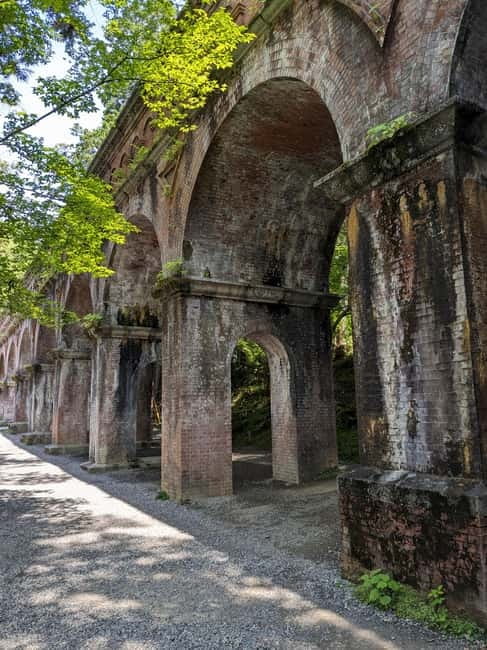
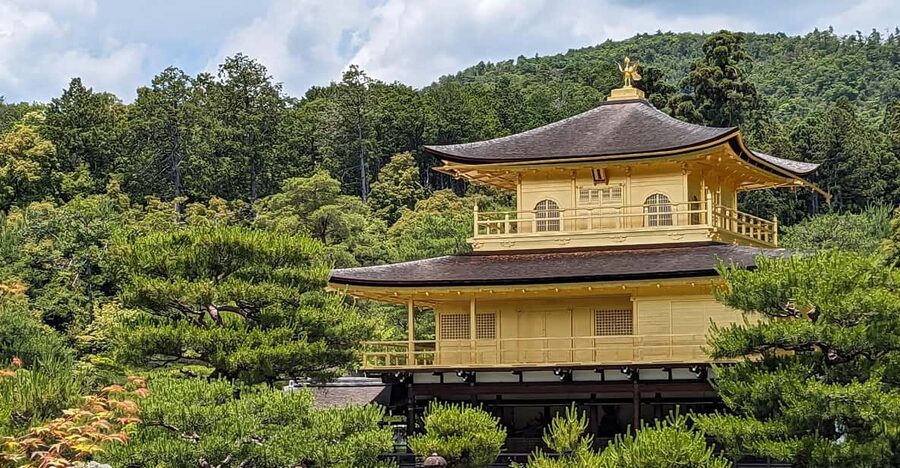
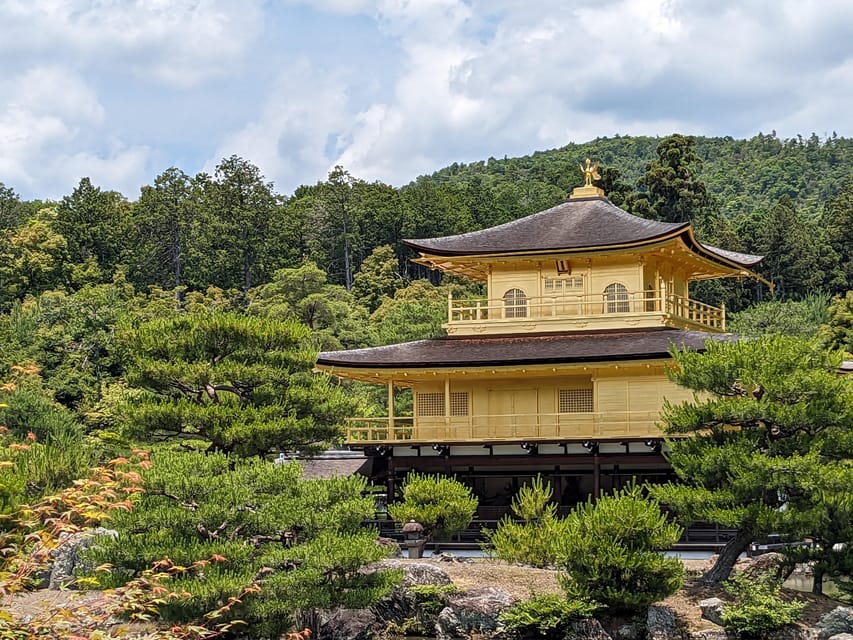
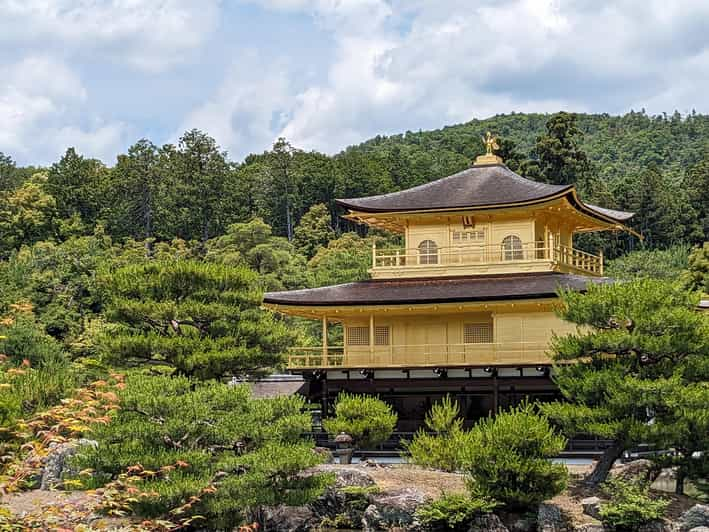
Kinkakuji is one of Kyoto’s most recognizable sights. The pavilion’s gold exterior and its reflection over the pond make it a natural choice for photographs, especially if you want one of Kyoto’s classic images.
A guide adds value here by explaining what you are seeing instead of leaving you with a quick picture and a moving crowd. The visit is generally about viewing the grounds and following the designated route, so you should not expect a long interior exploration of the pavilion itself. The listing allows about an hour for a guided visit, which is a sensible amount of time for the main grounds.
Kinkakuji pairs well with a nearby temple or a quieter local stop. It is less suited to a leisurely meal and long conversation unless you build that into the rest of the day. If this is one of your top priorities, tell the guide that photography and the pavilion itself matter more to you than checking off many additional districts.
A few more Kyoto experiences worth comparing
- Fushimi Inari Hidden Hiking Tour (Private Option Available)
★ 5.0 · 1,750 reviews - Private Kyoto Tour with a Local, Highlights & Hidden Gems, Personalised
★ 5.0 · 1,543 reviews - Kyoto 6hr Private Tour with Government-Licensed Guide
★ 5.0 · 1,369 reviews - 10 Must-see Spots in Kyoto One Day Private Tour (up to 7 people)
★ 5.0 · 1,108 reviews
Kiyomizu-dera and Kyoto’s hillside streets
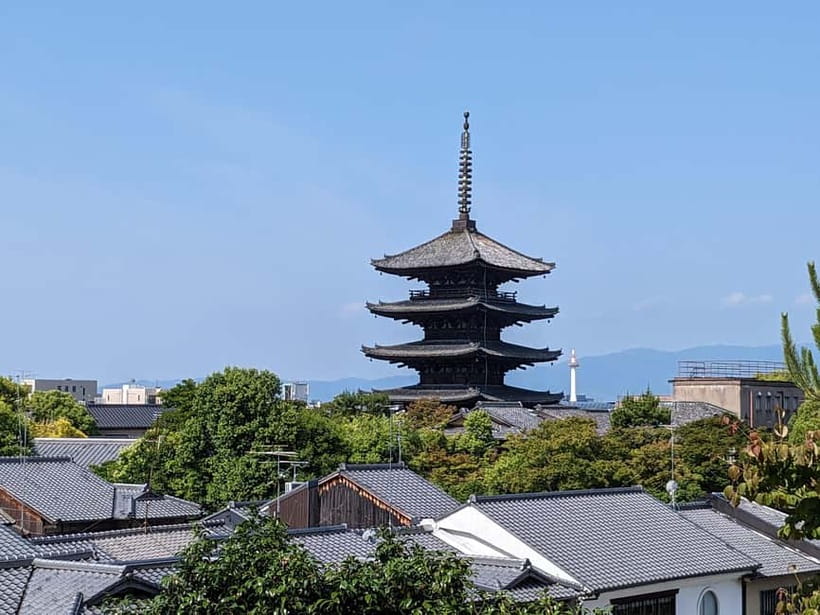
Kiyomizu-dera is another major Kyoto sight, famous for its elevated wooden stage and broad views. The approach involves streets that rise toward the temple, and the grounds require walking, so this stop can feel more demanding than its name on a schedule suggests.
The advantage of having a private guide here is context. The guide can explain temple customs and help you understand the area rather than treating Kiyomizu-dera as only a viewpoint. The tour also mentions small shrines and temples with distinctive local practices, so you can ask to include those if that fits your interests.
The drawback is physical effort. The tour is not suitable for people with mobility impairments, wheelchair users, or people with a low level of fitness. Even able walkers should avoid packing Kiyomizu-dera, Arashiyama, and Fushimi Inari into a short booking.
Nijo Castle and Honmaru-goten Palace
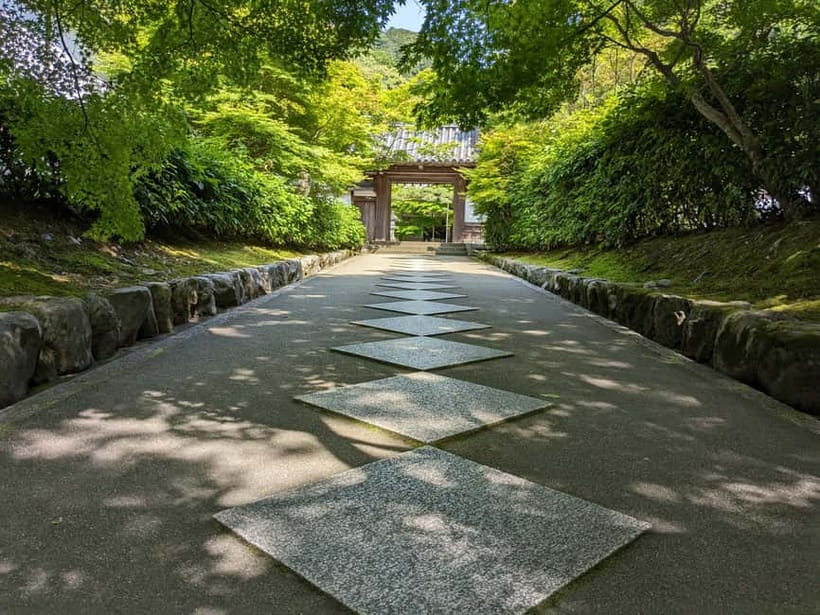
Nijo Castle gives the day a different tone. Instead of temple grounds and shrine gates, you get a castle setting connected with Japan’s political past. The itinerary lists both Nijo Castle and Honmaru-goten Palace, allowing the guide to build a more history-focused section if that is what you want.
These stops make sense for you if you prefer architecture, power, and historical explanation over repeated scenic viewpoints. Ask how much time is needed for each area and which admission fees apply. Entry costs vary with the custom itinerary and are not included in the tour price.
The palace and castle also show why customization matters. A four-hour plan that includes several other districts may allow only a brief visit. An eight-hour plan gives you a better chance to slow down, listen, and ask questions, though transportation and entry costs will add to the bill.
Fushimi Inari’s thousands of torii gates
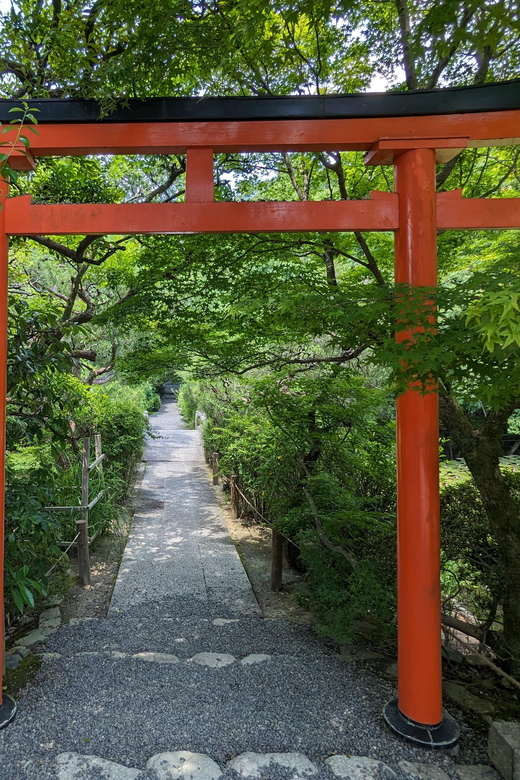
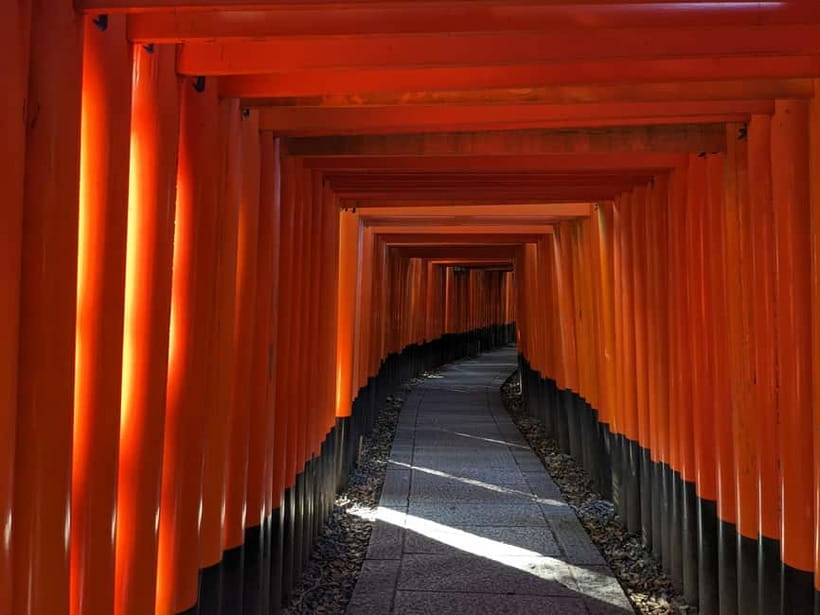
Fushimi Inari Taisha is one of Kyoto’s most memorable walks. Its hillside path runs beneath thousands of vermilion torii gates, creating a strong visual experience and a chance to see a major Shinto shrine in motion.
You do not need to walk the entire mountain to appreciate the place. Ask your guide to match the route to your fitness, time, and interest in photography. The itinerary allows about an hour for a guided visit, which may suit a focused introduction, but a longer visit is better if you want to walk farther up the slope.
Fushimi Inari works well early in the day or as a clear priority on a shorter tour. It is not a simple flat stroll, and the combination of steps, hills, and crowds can use more energy than expected. Bring water and wear shoes with good support, even though the formal list only asks for comfortable shoes and clothes.
Nishiki Market and local food
Nishiki Market is the natural choice for a food-centered Kyoto plan. It gives you a chance to ask about local ingredients, snacks, customs, and the way people shop and eat in the city.
Food is not included, but the guide can help select cuisine to suit your requirements. The pre-tour consultation includes dietary needs, so be clear about allergies, dislikes, and preferences before the day. You should also bring cash, as the tour specifically recommends it.
I like this part of the offer because food is often where a private guide can make the day feel personal. You can ask questions as you go, stop for items that interest you, and avoid paying for a meal that does not suit your group. Still, do not assume every tasting is covered in the $187 price. Meals and drinks are separate.
Nishiki Market can be busy, and its narrow passages are better for a flexible walk than a rigid schedule. If you have limited time, ask the guide to use it as a food stop rather than adding it as one more box to tick.
Geisha districts, shrines, and local customs
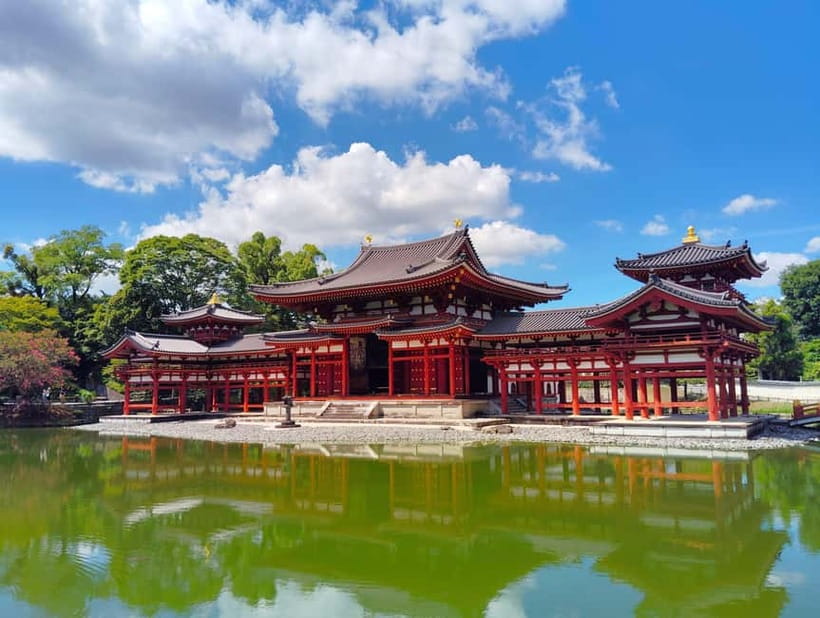
The tour can include a refreshing walk through Kyoto’s geisha districts, along with distinctive shrines and temples. This is the part I would use to move beyond the best-known sights.
The description does not name a specific geisha district or promise a particular shrine, so ask for details during the planning call. That is not a weakness in itself. The route is meant to change according to your interests, and a guide can select an area that fits your preferred pace and the rest of your schedule.
You should approach these neighborhoods respectfully. A private guide can help you understand local customs and avoid treating residential streets as a stage set. If you mainly want atmospheric photographs, say so. If you want cultural explanation, say that too.
Transport, pickup, and the real cost
Pickup and drop-off can be arranged in Kyoto, and the guide will carry a bright yellow DeepExperience logo sign. You are asked to consult with the company about the exact pickup and return locations, which is useful when your hotel or meeting point is not obvious.
The tour does not include public transportation or private transportation. That distinction matters because the listed sights sit in different parts of Kyoto. You may need trains, buses, taxis, or another paid option depending on the route you select.
Admission fees also vary by itinerary and are extra. Meals and drinks are extra as well. At $187 per person, the tour can offer good value when several people share a private guide and make full use of the planning service. For one person or a pair on a tight budget, the cost may feel high once transport, entrances, and food are added.
The reserve-now, pay-later option and free cancellation up to 24 hours before the tour provide useful flexibility. The more important protection, though, is the pre-tour consultation. Use it to confirm what is included in your actual route and what you will pay separately.
Guide quality matters more than the perfect route
The strongest part of the experience can be the guide. Kina received praise for adapting the route, reducing time in crowded areas where possible, and even helping with dinner reservations after the tour ended. Akino was described as courteous, helpful, and professional.
Those details point to the value of a private guide: the day can respond to your needs rather than ending at the final scheduled stop. Help with food planning can be especially useful if you have dietary restrictions or want a particular type of meal.
But I would not ignore the negative account. One booking described a guide who could not answer basic historical questions and was unsure about which train to take. That is a serious concern for a tour whose main selling point is local guidance.
You can reduce the risk by sending a clear list of questions and priorities before the tour. Ask who will guide your group, how much historical explanation you can expect, and how transport between your chosen stops will be handled. No answer can guarantee a perfect day, but a careful pre-tour exchange gives you a better sense of fit.
Who should book this Kyoto experience?
I would consider this tour if you have only one day in Kyoto, want help with planning, or are visiting with a group that has different interests. It also suits you if you want to combine a major sight with food, photography, local customs, and less obvious stops.
Families with babies under one year old should note that the tour is not suitable for infants under that age. People with mobility limitations or low fitness should choose a different format. The amount of walking, stairs, hills, and temple grounds can be substantial.
Independent visitors who enjoy building their own route may find the price unnecessary. You can visit Kyoto’s main sights without a private guide, but you will give up the convenience of custom pickup, personal planning, and direct help with local food and customs.
Should you book it?
Book this tour if flexibility is worth more to you than a low fixed price. A well-planned eight-hour route could give you a meaningful mix of Fushimi Inari, Kinkakuji, a historic site, Nishiki Market, and a local neighborhood without forcing you into a standard group schedule.
For a four-hour booking, keep your ambitions modest. Choose one area or two closely linked priorities. For eight hours, still resist trying to see everything listed.
I would book only after confirming the guide, route, transport plan, and expected entry costs. Kina and Akino suggest the personal service can be excellent, while the poor guide account shows why the human element matters. If the company matches you with a strong English-speaking guide and you want a day built around your own interests, this can be a useful and enjoyable way to see Kyoto.
FAQ
How long is the private Kyoto tour?
You can choose a duration of four to eight hours. Starting times can be adjusted to your preference after the booking is confirmed.
Is the tour private?
Yes. The tour is for a private group and includes an English-speaking local guide.
Can I customize the itinerary?
Yes. The itinerary is customized after booking. You can discuss your preferred sights, pace, travel style, food needs, pickup location, and other conditions with the company.
Which Kyoto sights can the tour include?
Possible stops include Arashiyama, Kinkakuji, Kiyomizu-dera, Nijo Castle, Honmaru-goten Palace, Fushimi Inari Taisha, Nishiki Market, and the Arashiyama Bamboo Forest. The final route depends on your custom plan.
Is hotel pickup available?
Pickup in Kyoto can be arranged. You should consult with the company about the exact pickup and drop-off location.
How will I find the guide?
Your guide will hold a bright yellow DeepExperience logo sign. You should contact the company by phone if you cannot find the guide or your circumstances change.
Are transportation costs included?
No. Public transportation fees and private transportation fees, if needed, are not included.
Are meals and drinks included?
No. Meals and drinks are separate. You can discuss dietary requirements during the itinerary consultation.
Are entrance fees included?
No. Entrance fees are not included and vary according to the places selected for your custom itinerary.
What should I bring?
Bring comfortable shoes, comfortable clothes, and cash. The tour involves walking, and cash may be useful for food and other expenses.
Is the tour suitable for wheelchair users?
No. The experience is not suitable for wheelchair users, people with mobility impairments, or people with a low level of fitness.
Can I cancel the booking?
Yes. You can cancel up to 24 hours in advance for a full refund. You can also reserve now and pay later.
Recently added around Kyoto
- Higashiyama | Kyoto: Sakura Season Private Rickshaw Tour★ 5.0 · 3 reviews
- Kyoto Kimono Rental CHAMATSU|Kimono/Yukata Rental FamilyPlan★ 5.0 · 3 reviews
- Kyoto: Half-Day Private Guided Tour to the Old Town of Gion★ 4.4 · 3 reviews
- Nara Private Customizable Half Day Tour★ 5.0 · 3 reviews
- Kansai Region Hiking Adventure in Nara Kobe Kyoto and More★ 5.0 · 3 reviews
- Full Day Nara Deer, Temple, Shrine, Activities & Tea Ceremony★ 5.0 · 3 reviews
- Nara: Essential Private Tour with Deer Park and Temples★ 5.0 · 3 reviews
- Hiking Tour for Sacred Sites in Kyoto with a Guide★ 5.0 · 3 reviews
Walking Tours, compared.

Kyoto Geisha Walking Tour: Gion District & Hidden Gems
Read our review →
Gion Magical Night Walking Tour with Geisha Trivia
Read our review →
Gion Geisha District Walking Tour – Stories of Geisha
Read our review →

Kyoto Gion Geisha District Walking Tour – The Stories of Geisha
Read our review →
Kyoto Arashiyama Walking Tour: Bamboo, Monkeys, Gardens & Secrets
Read our review →
Kyoto Gion: 2-Hour Geisha Culture & History Walking Tour
Read our review →
Nara Half Day Trip Walking Tour (Private Option Available)
Read our review →Browse the lists this tour appears in