
REVIEW · KYOTO
Kyoto|10 miso & soup tastings, miso balls & light meal
Miso is far more varied than the salty brown paste beside the tofu at a Japanese restaurant. In this 90-minute Kyoto workshop, you taste 10 kinds side by side, then turn your favorite into soup and a simple meal. It is a useful lesson in how fermentation, ingredients, and regional habits shape everyday Japanese cooking.
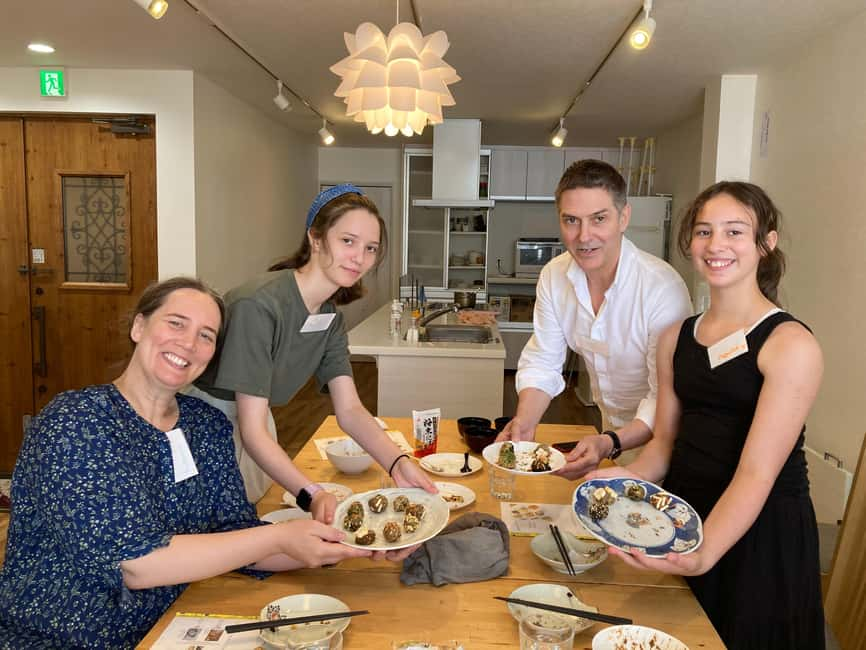
I like the small group of up to five, which leaves room for questions and hands-on work. I also like the practical finish: you make miso balls, or ready-to-use soup portions, rather than simply hearing a talk and walking away hungry. The main consideration is language. Hasumi is warm and attentive, but one English-speaking participant found some explanations difficult to follow.
In This Review
- Key points at a glance
- Why ten misos change the way you taste Japan
- The central Kyoto meeting point
- A friendly introduction with useful context
- Tasting ten pastes before making soup
- Making miso balls to take the lesson home
- A light shared meal using several miso styles
- What the small group changes
- Who will get the most from this workshop
- Is $56 a fair price?
- Practical advice before you book
- Should you book it?
- FAQ
- How long does the miso workshop last?
- How many kinds of miso will I taste?
- Do I need cooking experience?
- Can I make my own miso soup pack?
- Where is the meeting point?
- Is the workshop available in English?
- Can dietary restrictions be accommodated?
Key points at a glance
- Ten miso styles in one sitting: Compare pastes and soups from different Japanese regions and notice changes in color, aroma, saltiness, and depth.
- A useful beginner lesson: Visual tools, a short quiz, and clear demonstrations explain fermentation without assuming cooking experience.
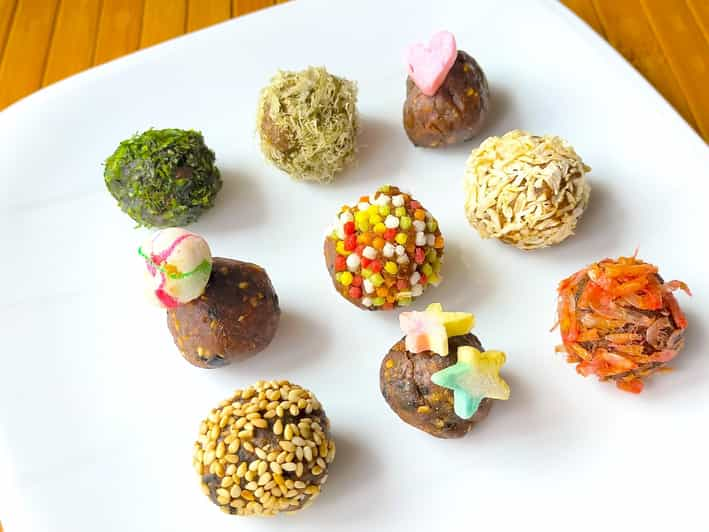
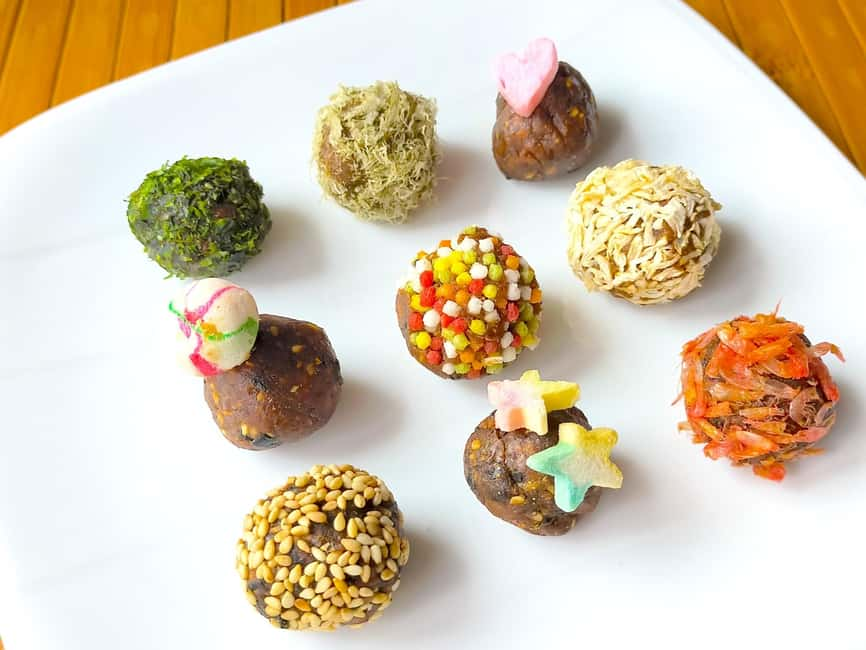
- Make your own miso balls: Pick a preferred miso and toppings, then prepare a portable soup pack that only needs hot water.
- A meal that shows miso’s range: Use several miso styles in simple preparations and eat together before the session ends.
- Easy central Kyoto location: Walk there in about 10 minutes from Shijo, Karasuma, or Omiya stations, or about 15 minutes from Nishiki Market.
- Good dietary flexibility: Vegan, vegetarian, gluten-free, halal-friendly, and allergy-conscious ingredients can be prepared with advance notice.
Why ten misos change the way you taste Japan
Most first-time visitors meet miso in a bowl of soup. That is only the beginning. Miso can be pale and mild, dark and assertive, sweet, salty, smooth, or full of a heavier fermented flavor. The differences can be hard to understand from labels alone, especially when you are standing in a Japanese supermarket trying to choose between unfamiliar packages.
This workshop gives you a direct comparison. Ten misos and miso soups arrive as a tasting lesson, allowing you to move from guesswork to preference. I find this especially useful because it connects a common food to place and method. You are not simply told that regional styles differ. You taste those differences in a short sequence.
The session also explains how miso is fermented, why colors vary, and how regional traditions influence the finished paste. The goal is not to turn you into a fermentation expert in an hour and a half. It is to give you enough grounding to understand what you are tasting and make better choices at home or in a Japanese food shop.
A short quiz and visual material begin the class. This is a good choice for beginners because the information arrives in small pieces before the tasting starts. You can ask questions as you go, and the small group means the lesson should feel more like a kitchen conversation than a formal lecture.
More miso and tofu making:
- Making Fresh To-fu from soybeans in Kyoto
★ 5.0 · 8 reviews - Kyoto: White Miso Cooking Class & Fermented Food Course Lunch
★ 5.0 · 5 reviews - Strengthen the immunity!! Making miso in Japanese old house.
★ 5.0 · 4 reviews
The central Kyoto meeting point
The activity takes place in an apartment-style venue in central Kyoto. You use the elevator to reach the third floor and press the doorbell for room 302. A Japanese restaurant is on the first floor, which is a useful visual clue when you are finding the building.
The location is practical for a day in the city. It is within about a 10-minute walk of Shijo Station on the Kyoto Municipal Subway Karasuma Line, Karasuma Station, and Omiya Station on the Hankyu Kyoto Line. Nishiki Market is about a 15-minute walk away, so you can pair this food class with a market visit.
From Kyoto Station, allow roughly 30 minutes by train or bus. That travel time matters if you are booking a morning or afternoon session around temple visits, train connections, or a dinner reservation. I would save the map link and leave a few extra minutes for finding the correct entrance. The meeting point is not described as a large storefront, so the floor and room instructions are important.
Transportation to the venue is not included. The price covers the workshop itself, tastings, the miso activity, and the shared light meal, but you need to arrange and pay for your own transport.
A friendly introduction with useful context
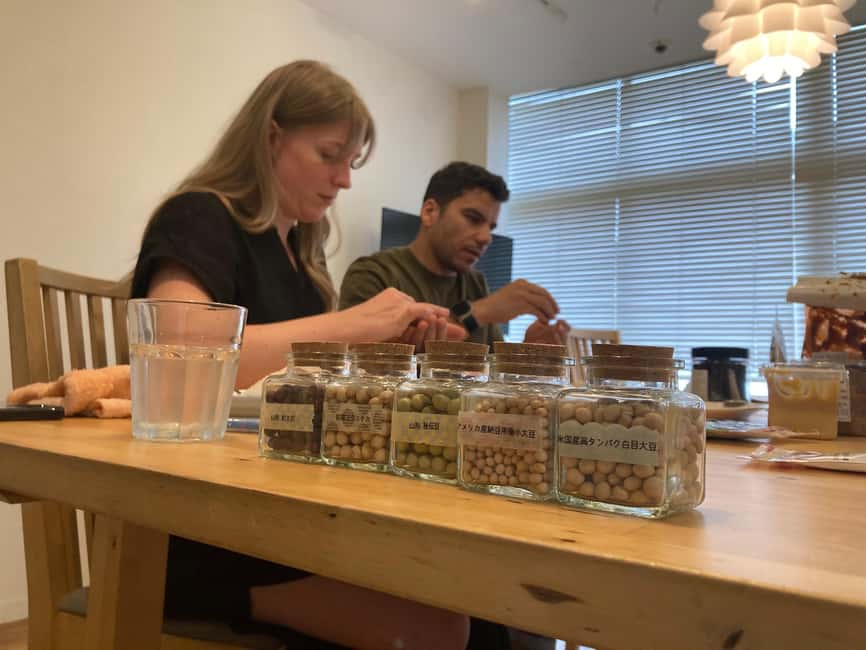
The opening lesson covers miso’s history, regional varieties, color differences, fermentation, health benefits, and cultural importance. The visual approach is helpful if you have never thought about how miso reaches the table.
The health discussion should be treated as background rather than a medical lesson. The useful point for a visitor is cultural: miso is a basic part of Japanese home cooking, not an occasional specialty food. It appears in soup, sauces, seasonings, and simple meals, and its character changes depending on how it is combined with other ingredients.
Hasumi teaches in English and Japanese. She is described as kind and willing to answer questions, and the session is designed for people without cooking experience. Still, spoken English may be a consideration for anyone who wants a highly technical explanation of fermentation. If that is important to you, use the tasting itself to ask short, specific questions and pay close attention to the visual demonstrations.
You do not need to bring cooking skills. Comfortable clothes are sensible, along with water. The class is active enough that you will handle ingredients and prepare food, but it is not presented as strenuous or physically demanding.
Tasting ten pastes before making soup
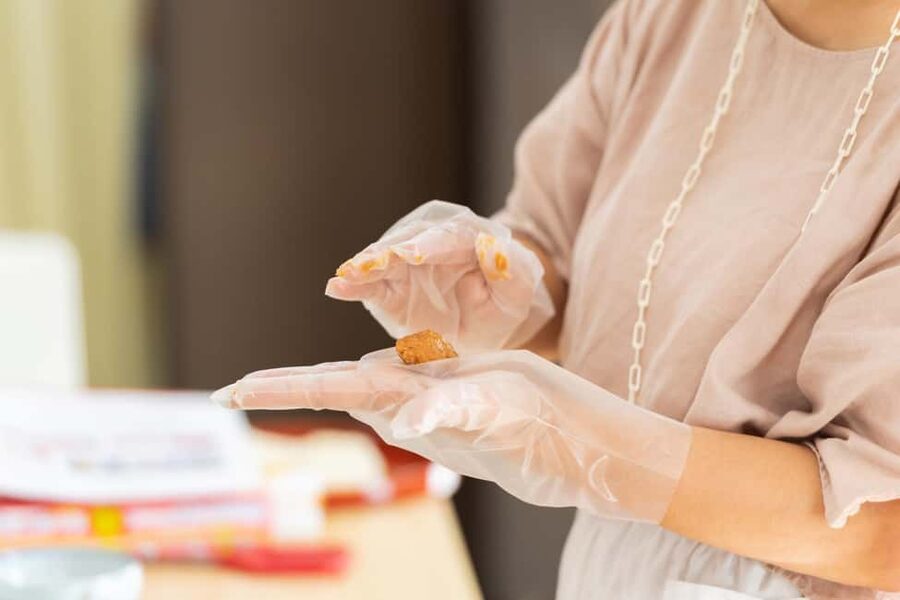
The heart of the experience is the side-by-side tasting. You first compare 10 miso pastes, then taste those styles as miso soup. This two-part format is more useful than tasting only the raw paste, since hot water changes aroma, texture, and balance.
As you work through the samples, pay attention to the questions the class is meant to answer:
- Does the miso taste sweet, salty, mild, or strong?
- Is the aroma light or pronounced?
- Does it feel smooth or more substantial?
- How does it change once prepared as soup?
- Which style would you want for a simple breakfast, and which would you use more sparingly?
The supplied details do not specify the exact names or ingredients of all 10 misos, so you should not expect a fixed menu of named regional products in advance. The important feature is the comparison itself. You can taste the differences directly rather than relying on a guide’s description.
One participant found it surprising how different the regional pastes tasted. That is the lesson many people need. Miso is not one flavor, and a soup you love in one restaurant may owe as much to the chosen miso as to the stock or toppings.
The soup stage also helps you identify your own preference. A paste that tastes powerful on its own may become your favorite once diluted with hot water. Another that seems gentle may work better when you want a soft, balanced bowl. I would take mental notes, and if the class identifies the types clearly, write down the ones you prefer for later shopping.
A completely different side of Kyoto:
- PERFECT KYOTO 1-Day Bus Tour
★ 5.0 · 13,518 reviews - Kyoto: Fushimi Inari, Kinkakuji, Bamboo Grove 1 Day Bus Tour
★ 4.8 · 4,316 reviews - Kyoto: Tea Ceremony in a Traditional Tea House in Kiyomizu
★ 4.9 · 3,519 reviews - Kyoto Geisha Walking Tour: Gion District & Hidden Gems
★ 4.7 · 3,273 reviews
Making miso balls to take the lesson home
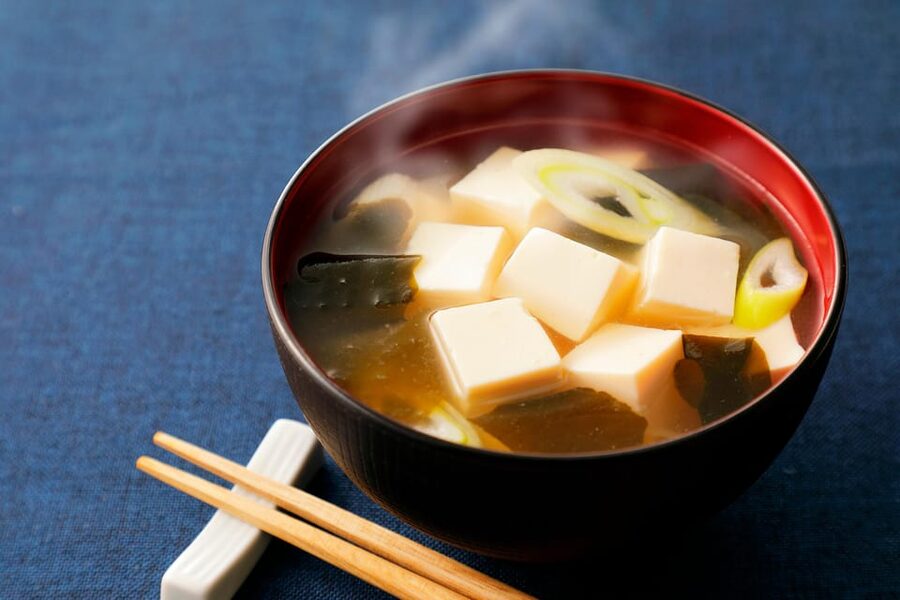
After the tasting, you choose your favorite miso and make a miso soup pack, commonly called a miso ball. This is a simple portion of miso and selected toppings that can be stored and turned into soup by adding hot water.
It is a small activity, but it gives the workshop a practical edge. You are not just tasting something in Kyoto and forgetting it after lunch. You are learning a method you can repeat at home, especially when you want a quick soup without preparing a full pot.
You can choose your own toppings for the miso balls. The exact topping selection is not specified, so people with allergies or strict dietary needs should provide details when booking rather than waiting until arrival. Vegan, vegetarian, gluten-free, halal-friendly, and allergy-conscious arrangements are available with advance notice.
The activity is beginner-friendly. The appeal is not complicated technique. It is the satisfying act of choosing a flavor, building a portion around it, and seeing how a familiar Japanese staple can be made in a very simple form.
A light shared meal using several miso styles
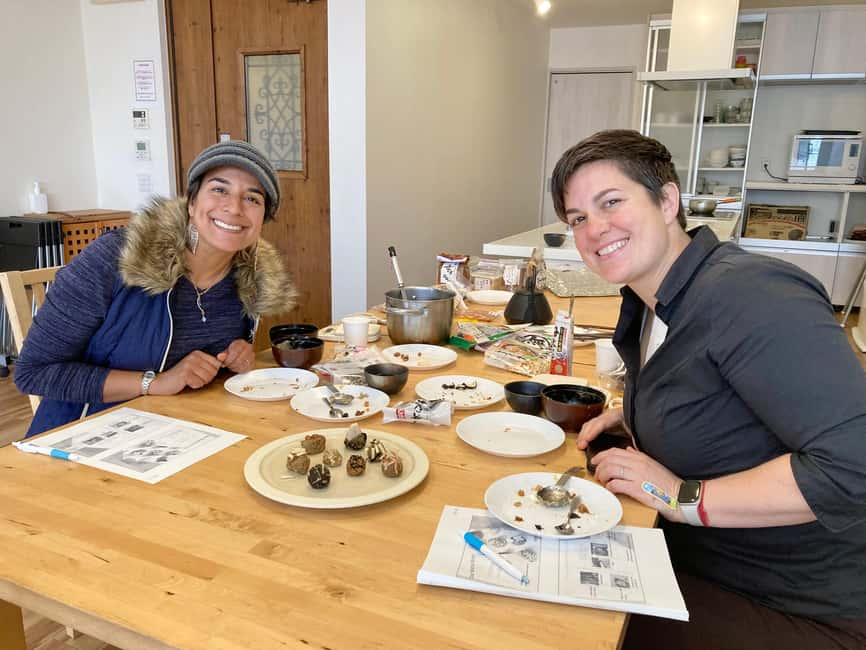
The final part moves from tasting to eating. You prepare and enjoy a light meal together, using miso in several simple forms. This lets you see how the same basic ingredient behaves when paired with different foods and prepared in different ways.
That final meal gives the class a sense of purpose. You are no longer judging miso only as a tasting sample. You are considering how it works in an everyday kitchen. A strong miso may add depth to one preparation, while a milder type may be better when you want its flavor to remain in the background.
The meal is described as light, so do not book this as a substitute for a large lunch or dinner. The included food centers on the workshop and miso tasting. Other meals and drinks are not included, so I would plan another meal if you have a big appetite or a full evening ahead.
Still, the light meal is enough to make the experience feel complete. You taste, prepare, and eat. That rhythm works well in a 90-minute class and keeps the session from becoming either a lecture or a rushed cooking demonstration.
What the small group changes
With a maximum of five participants, the class has a personal scale. You should have a better chance to ask about a flavor, compare your favorite with someone else’s, and get guidance while making the miso ball.
Small groups also matter for language. If a phrase is unclear, you can ask for it to be repeated without interrupting a large class. That does not remove the English-language limitation entirely, but it can make the session easier to follow.
The reported rating is 4.7 from six reviews, with strong praise for the information, variety, and enjoyment of the tasting. One three-star experience focused on difficulty understanding the spoken English, not on the host’s friendliness or the food activity. I would take that as a fair warning for visitors who want detailed English instruction, while recognizing that the workshop remains accessible to many beginners.
The atmosphere appears calm rather than hurried. That suits the subject. Miso rewards comparison, and you need a little time between samples to notice how one differs from another.
Who will get the most from this workshop
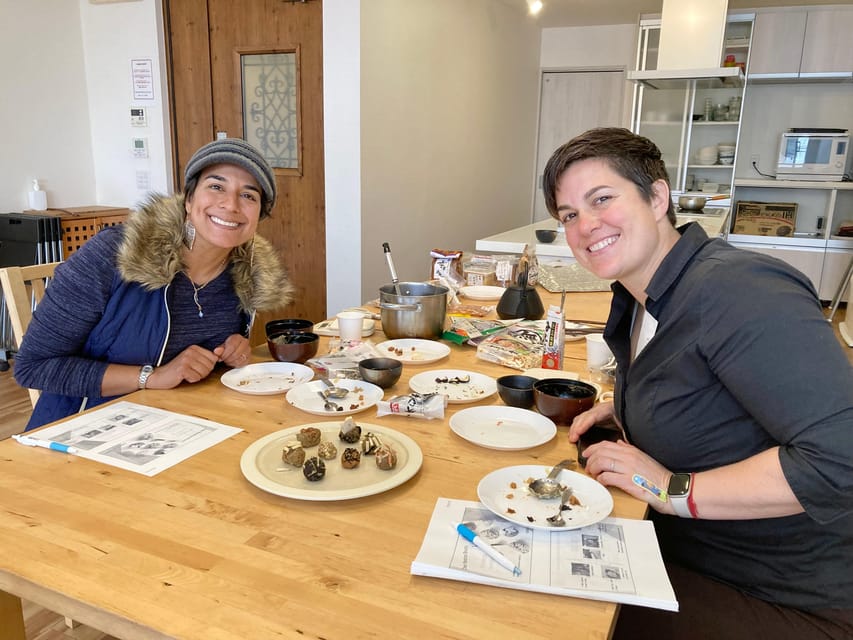
I would recommend this for food-focused visitors who have already eaten miso soup and want to understand what they are tasting. It is also a good fit if you are curious about Japanese home cooking but do not want a demanding cooking class.
The experience works particularly well for:
- First-time visitors who want a food activity near central Kyoto
- People interested in fermentation and regional Japanese ingredients
- Couples or small groups who prefer a quieter class
- Vegetarians, vegans, and visitors with dietary restrictions who arrange options ahead of time
- Anyone hoping to bring home a simple cooking idea rather than only a photograph
It may be less suitable if you dislike tasting several versions of one ingredient, need a full meal, or want a long, technical course taught entirely in fluent English. The 90-minute format is compact. You receive a clear introduction, a broad tasting, a hands-on task, and a meal, but not an advanced culinary education.
Is $56 a fair price?
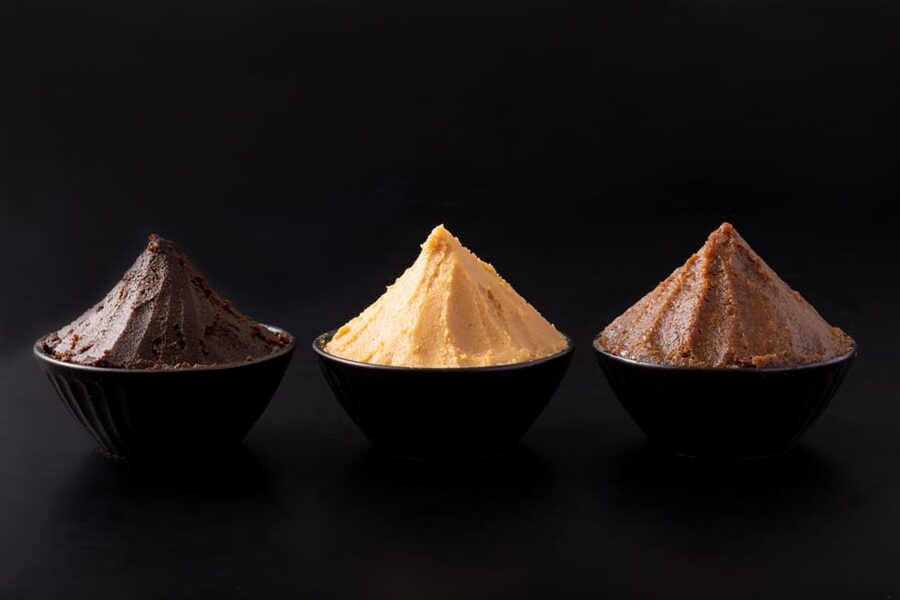
At $56 per person, this is not a cheap bowl of soup. You are paying for a small-group lesson, 10 miso and soup samples, instruction, the miso ball activity, and a light meal in central Kyoto.
The value depends on how much you care about food context. If you only want to eat miso soup, a restaurant will cost less. If you want to understand why two bowls taste different, sample a wide range in one sitting, and learn a useful preparation method, the price is easier to justify.
I especially like that the class turns tasting into a decision. You identify the miso you prefer and use it in your own soup pack and final meal. That makes the session more personal than a standard food sampling.
Flexible booking also helps. You can cancel up to 24 hours before the activity for a full refund, and the reserve-now, pay-later option may suit a Kyoto schedule that is still shifting. Check the available start times before planning around it, since the duration is fixed at 90 minutes but the start time varies by availability.
Practical advice before you book
Wear comfortable clothes and bring water. You do not need prior cooking knowledge, but you should mention dietary restrictions at the time of reservation so the ingredients can be prepared properly.
Plan the route before the day of the class. From Nishiki Market, the walk is about 15 minutes. From Kyoto Station, allow about 30 minutes by train or bus, then include the walk to the building and the time needed to find the third-floor room.
If you are especially interested in the technical side of fermentation, tell Hasumi what you want to learn and ask questions early. The workshop is taught in English and Japanese, and the small group should give you opportunities to clarify points.
I would also avoid scheduling a large meal immediately before the activity. Ten miso tastings followed by a light meal is a fair amount of food for a short class, and arriving hungry will help you notice the flavors.
Should you book it?
Book this workshop if you want an approachable food lesson with real tasting, a small group, and a useful take-home idea. The strongest reasons are the ten-way comparison and the chance to make miso soup portions with the flavor you choose.
Skip it if you are seeking a full cooking course, a substantial meal, or highly technical English instruction. For most curious food lovers, though, $56 buys more than soup. It gives you a better sense of one of Japan’s most ordinary and varied ingredients, plus a practical way to use it after Kyoto.
FAQ
How long does the miso workshop last?
The activity lasts 90 minutes.
How many kinds of miso will I taste?
You will taste 10 kinds of miso and miso soup.
Do I need cooking experience?
No. The session is beginner-friendly and does not require prior cooking knowledge.
Can I make my own miso soup pack?
Yes. You choose a preferred miso and toppings, then make a miso ball, or miso soup pack, that can be prepared with hot water.
Where is the meeting point?
The venue is in central Kyoto. It is within about a 10-minute walk of Shijo Station, Karasuma Station, or Omiya Station. Take the elevator to the third floor and press the doorbell for room 302.
Is the workshop available in English?
Yes. The instructor teaches in English and Japanese.
Can dietary restrictions be accommodated?
Yes, with advance notice. Vegan, vegetarian, gluten-free, halal-friendly, and allergy-conscious options are available.
Recently added around Kyoto
- Higashiyama | Kyoto: Sakura Season Private Rickshaw Tour★ 5.0 · 3 reviews
- Kyoto Kimono Rental CHAMATSU|Kimono/Yukata Rental FamilyPlan★ 5.0 · 3 reviews
- Kyoto: Half-Day Private Guided Tour to the Old Town of Gion★ 4.4 · 3 reviews
- Nara Private Customizable Half Day Tour★ 5.0 · 3 reviews
- Nara: Essential Private Tour with Deer Park and Temples★ 5.0 · 3 reviews
- Kansai Region Hiking Adventure in Nara Kobe Kyoto and More★ 5.0 · 3 reviews
- Full Day Nara Deer, Temple, Shrine, Activities & Tea Ceremony★ 5.0 · 3 reviews
- Hiking Tour for Sacred Sites in Kyoto with a Guide★ 5.0 · 3 reviews