
REVIEW · KYOTO
Strengthen the immunity!! Making miso in Japanese old house.
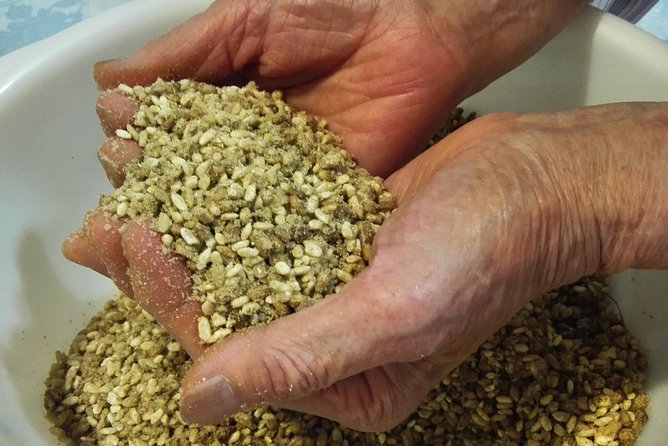
The clever idea here is okara miso, made with soybean pulp instead of whole soybeans. You mix your own batch under Naomi’s direction, taste several miso-based foods, and take home about 500 grams to ferment for more than three months.
I like the hands-on pace and the setting in a Japanese old residence. I also like that the class connects food with practical wellness, gluten-free cooking, vegan options, and the reuse of okara, a nutritious byproduct often thrown away. The main consideration is that this is a short, focused class, not a full cooking tour, and your miso will not be ready to eat on the day.
In This Review
- Key points at a glance
- Making miso in a Kyoto old house
- Why okara changes the usual miso process
- Naomi’s wellness approach
- What happens during the one-hour class
- The tasting is more than a sample
- What you take home, and what patience requires
- Is $46.15 a fair price?
- Who will enjoy this class most
- A few practical points before you book
- Should you book Strengthen the Immunity, Making Miso in a Japanese Old House?
- FAQ
- Where does the miso-making class take place?
- How long does the experience last?
- How much miso can I take home?
- Is the miso ready to eat after the class?
- What food will I taste during the class?
- Is the food suitable for special diets?
- What happens if bad weather cancels the class?
Key points at a glance
- Okara replaces whole soybeans: You avoid the long soaking, boiling, and mashing process used in traditional miso making.
- Naomi leads the class: Her background includes 20 years as a massage therapist, plus work as a Japanese tea and cooking instructor.
- A 500-gram takeaway: You make your own miso and bring it home, though fermentation takes more than three months.
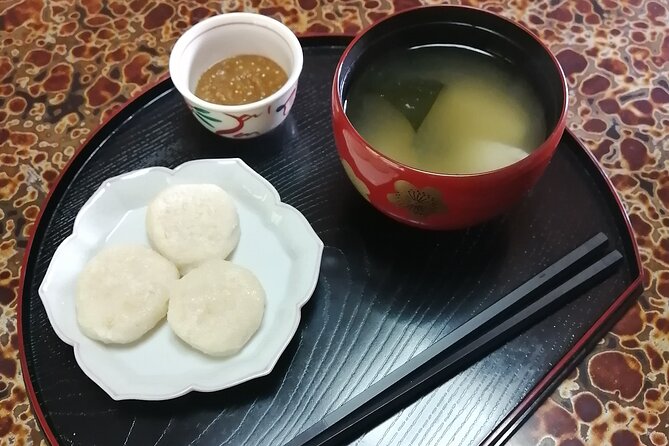
- Three tasting stops: Try miso soup, miso paste, and okara mochi during the session.
- Small-group format: The class accepts no more than six people, which suits a guided, hands-on activity.
- Wellness with an eco angle: You learn about intestinal health while using okara that might otherwise become industrial waste.
Making miso in a Kyoto old house
This experience takes place at Kaze no Waon, at 14 Utanokitanoinchō in Kyoto’s Ukyo Ward. The class ends where it begins, so you do not need to arrange a separate pickup or navigate to a second location afterward.
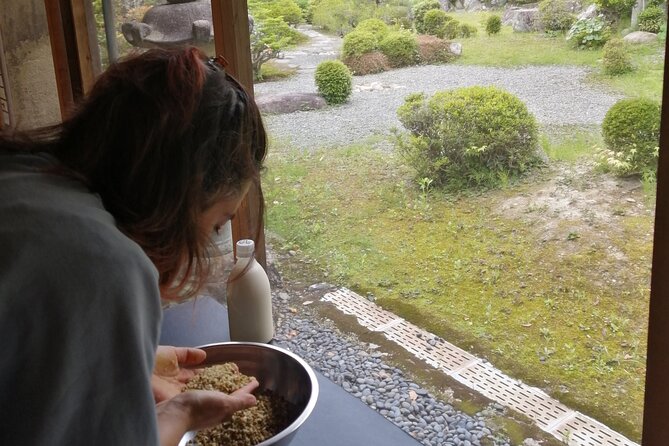
The setting matters. You are not simply standing at a modern cooking counter, following a recipe, and leaving with a packet of seasoning. The activity takes place in a Japanese old residence, giving the food lesson a more local frame. The house is part of the experience, even though the main focus remains the miso itself.
You should arrive at your reserved time. The class lasts about one hour, so this fits neatly into a Kyoto day. It can work before another sightseeing stop, after exploring the area, or as a quiet break from temples and crowded streets.
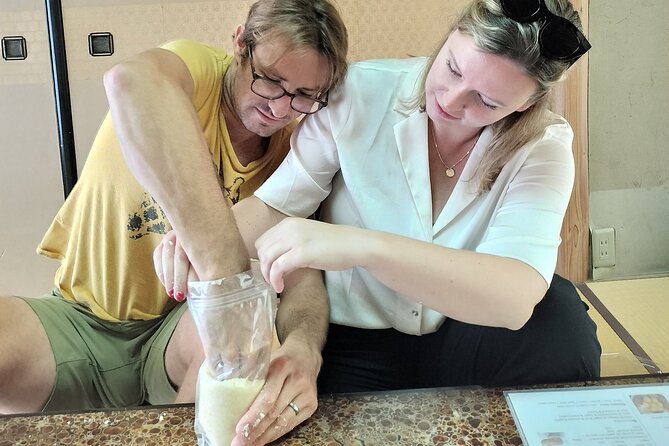
The group size is capped at six people. That is useful here because you are expected to mix your own ingredients under direction. With a small group, the instructor can keep the process moving while still giving you room to take part.
More miso and tofu making:
- Making Fresh To-fu from soybeans in Kyoto
★ 5.0 · 8 reviews - Kyoto|10 miso & soup tastings, miso balls & light meal
★ 4.7 · 6 reviews - Kyoto: White Miso Cooking Class & Fermented Food Course Lunch
★ 5.0 · 5 reviews
Why okara changes the usual miso process
Traditional miso takes patience and preparation. Dried soybeans are soaked in water for a day, boiled until soft, and mashed before they are combined with koji and other ingredients. That method has value, but it is not a quick activity for a visitor with a full sightseeing schedule.
This class uses okara instead. Okara is soybean pulp left after processing soybeans. It contains useful nutrients, but it is often discarded as industrial waste. Using it for miso gives the ingredient another purpose and makes the class faster and easier to manage.
That is the practical appeal. You get to make a fermented Japanese seasoning without spending the day preparing whole soybeans. The method also gives the class a clear environmental point, not as a lecture detached from the food, but as part of the recipe in front of you.
The finished product is not an instant dip or sauce. Your 500 grams of miso still needs more than three months to ferment. That delay is part of the fun, but you need to understand it before booking. You take home a work in progress, not a ready-made jar for tonight’s dinner.
Naomi’s wellness approach
Naomi brings several strands of Japanese food and wellness together. She has worked as a massage therapist for 20 years and is also a Japanese tea instructor and cooking instructor. Her approach links physical well-being, mental well-being, food, and daily habits.
The class includes an explanation of miso’s benefits and a discussion of ways to improve your intestinal environment. Keep the health claims in perspective. This is an educational food activity, not medical care, and making miso does not replace advice from a doctor or nutrition professional.
Still, the subject is useful for anyone who wants more understanding of fermented food. Miso is a traditional Japanese seasoning with many kitchen uses. You can learn why it matters in Japanese cooking, how fermentation fits into the process, and how a small batch can become part of your own meals later.
The wellness theme also gives the class a calmer feel. One participant described the activity as peaceful and fun, and that matches the format: you listen, mix, taste, and talk rather than rush between several cooking stations. If you prefer a lively, multi-dish cooking lesson, this may feel restrained. If you enjoy a quiet food lesson with room for explanation, it should suit you better.
What happens during the one-hour class
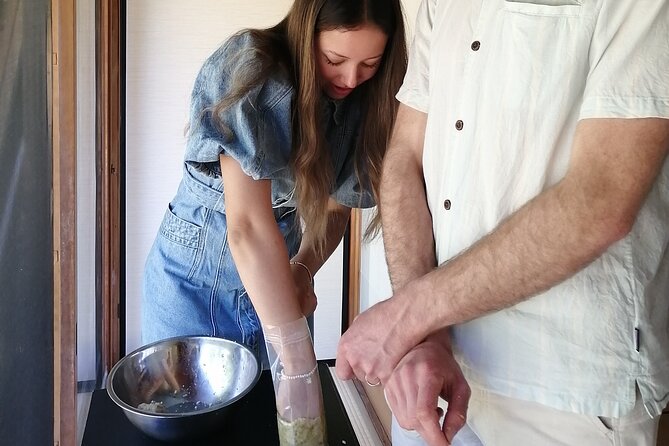
The session follows a clear sequence. First, Naomi explains the benefits of miso and the method used to make it. You get the basic context before handling the ingredients, which helps you understand why okara is being used and how it differs from a traditional soybean base.
Next comes the conversation about intestinal health. This section connects the recipe to the broader wellness theme. It is not just a demonstration of a Japanese pantry staple. You are also shown how food choices and fermentation can fit into a wellness-focused routine.
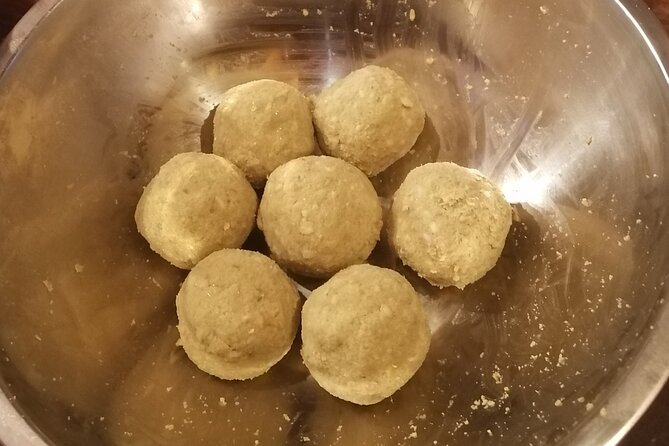
Then you make the okara miso yourself. This is the central part of the activity. You mix your own ingredients under Naomi’s guidance, rather than simply watching her prepare a batch. That hands-on step is important because it leaves you with a direct connection to the food you take home.
The recipe is designed to be easy and fast. That does not mean the finished miso is instant. The preparation is quick, while the fermentation is slow. You should see the class as the start of the process.
The tasting comes after the preparation. You try miso soup, miso paste, and okara mochi. These samples show different ways miso and okara can appear in Japanese food. The mochi is a particularly nice touch because it gives the session a sweet or snack-like element alongside the savory miso.
Finally, you take home about 500 grams of the miso you made. The activity returns to the meeting point, so the takeaway is easy to collect and carry onward.
A completely different side of Kyoto:
- PERFECT KYOTO 1-Day Bus Tour
★ 5.0 · 13,518 reviews - Kyoto: Fushimi Inari, Kinkakuji, Bamboo Grove 1 Day Bus Tour
★ 4.8 · 4,316 reviews - Kyoto: Tea Ceremony in a Traditional Tea House in Kiyomizu
★ 4.9 · 3,519 reviews - Kyoto Geisha Walking Tour: Gion District & Hidden Gems
★ 4.7 · 3,273 reviews
The tasting is more than a sample
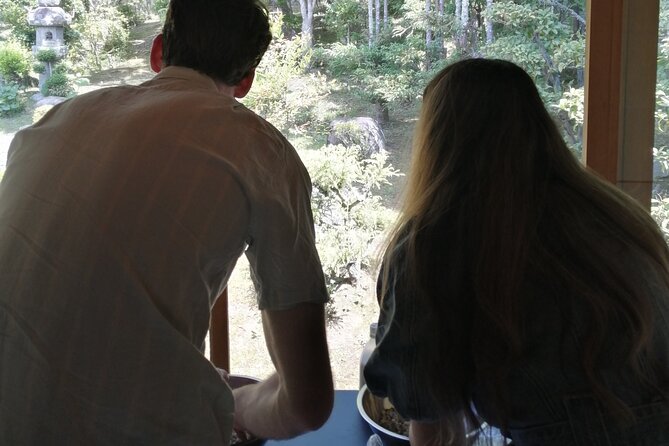
The tasting helps explain why miso is such a useful ingredient. Miso soup gives you the familiar liquid form, while tasting the paste lets you focus on its concentrated flavor and texture. The okara mochi shows how the soybean byproduct can be used beyond the miso jar.
That range makes the short class feel more complete. You are not just mixing ingredients and receiving a container at the end. You also get examples of how the main ingredients can be served.
The food is described as gluten-free and MSG-free, with vegan options available. If dietary needs matter to you, it is wise to confirm the exact meal details when booking or before the class, since the provided information does not specify every ingredient used in every tasting item.
One participant especially enjoyed the handmade mochi and was encouraged to try making it independently later. That detail points to one of the experience’s strengths: the food is not presented as something mysterious or reserved for experts. The aim is to give you ideas you can carry into your own kitchen.
What you take home, and what patience requires
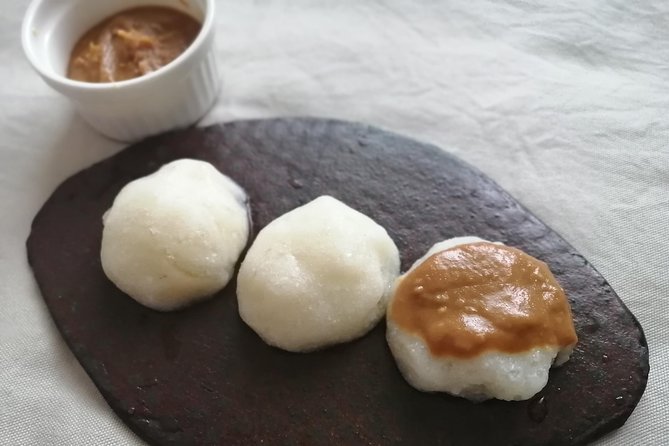
Your takeaway is approximately 500 grams of handmade miso. That is a useful amount for personal cooking, and it gives the $46.15 price more substance than a simple demonstration with no product to keep.
But do not expect to open the container that evening. The miso needs more than three months to ferment. The exact progress will depend on the fermentation process, and the information provided does not give a guaranteed ready date or detailed home-storage instructions.
That waiting period is a small lesson in contrast. Kyoto sightseeing often rewards quick stops: see a temple, take a photo, move on. Here, your experience continues after you leave. The batch becomes a reminder of the class and a future ingredient waiting in your kitchen.
You should be comfortable with that delayed result. If you want food you can prepare and eat immediately, the tasting is the part that meets that need. The takeaway asks for patience.
Is $46.15 a fair price?
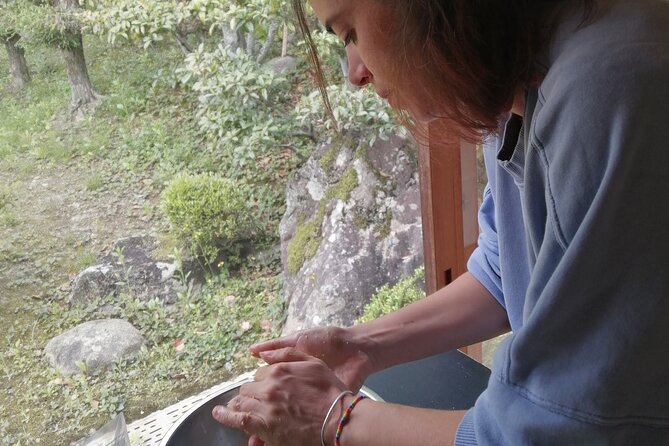
At $46.15 per person, this is not the cheapest one-hour activity in Kyoto. The value depends on what you want from a food experience.
You are paying for more than a talk about miso. The price includes a guided, hands-on session, tastings of miso soup, miso paste, and okara mochi, the use of a Japanese old residence, and about 500 grams of miso to take home. You also get a small-group setting with a maximum of six people.
That makes the cost easier to justify if you care about Japanese food, fermentation, low-waste cooking, or wellness. The class also gives you a method to remember, rather than only a prepared product.
On the other hand, the one-hour length keeps the experience limited. You will not prepare a full Japanese meal, visit several food locations, or receive an extended cooking course. If your main goal is a large lunch or a long culinary workshop, this is not the best value for you.
For the right audience, the price is reasonable because the experience combines instruction, participation, tasting, and a substantial takeaway. Think of it as a compact cultural food lesson, not a meal replacement.
Who will enjoy this class most
I would recommend it to you if you like learning how everyday Japanese ingredients are made. It is also a good fit if you are interested in fermentation, plant-based food, reducing waste, or simple wellness habits.
The class suits solo visitors, couples, and small groups. A maximum of six people keeps the format personal without making it feel like a private lesson. Since a mobile ticket is available and the meeting point is near public transportation, it is also fairly easy to add to a Kyoto itinerary.
Families and mixed-interest groups may want to think about the one-hour focus. The activity requires listening and mixing, and the health discussion may appeal more to adults than to very young children. The provided information does not set an age range, so confirm that point if it affects your plans.
You should also choose this if you enjoy calm activities. The class is not built around speed, noise, or a long list of dishes. Its pleasure comes from doing one thing carefully and understanding why it matters.
A few practical points before you book
Confirmation is sent within 48 hours of booking, subject to availability. The activity is generally booked about eight days ahead, so leaving it until the last minute may not work, especially if your Kyoto schedule is tight.
The experience requires good weather. If poor weather causes cancellation, you are offered another date or a full refund. For every other cancellation or amendment, the booking is non-refundable and cannot be changed. This is worth checking before you commit, particularly because Kyoto plans can shift quickly.
The meeting point is Kaze no Waon14 Utanokitanoinchō, Ukyo Ward, Kyoto, 616-8201, Japan. The information gives the address as near public transportation, but it does not provide a specific train or bus route. Allow enough time to find the old residence and arrive at the reserved hour.
Because the class ends at the same place, you can plan the next part of your day without arranging a return transfer. Bring your mobile ticket and be ready to take part, since the main activity is mixing your own ingredients rather than sitting back for a demonstration.
Should you book Strengthen the Immunity, Making Miso in a Japanese Old House?
Book this class if you want a small, practical Kyoto experience with a strong connection to food and daily life. The okara method is unusual, the tasting menu adds variety, and the 500-gram takeaway gives the lesson a life beyond the hour.
I would be more cautious if you are looking for a full meal, a long cooking workshop, or a finished food product you can use immediately. The miso must ferment for more than three months, and the activity moves quickly because it lasts only about an hour.
For someone curious about Japanese fermentation, low-waste cooking, and wellness, the combination is appealing. You leave with a batch you made yourself, a clearer idea of how miso works, and several ways to taste the ingredients before the long wait begins.
FAQ
Where does the miso-making class take place?
The class takes place at Kaze no Waon14 Utanokitanoinchō, Ukyo Ward, Kyoto, 616-8201, Japan. It is held in a Japanese old residence and is near public transportation.
How long does the experience last?
The activity lasts approximately one hour.
How much miso can I take home?
You can take home about 500 grams of the miso you make during the class.
Is the miso ready to eat after the class?
No. The miso takes more than three months to ferment.
What food will I taste during the class?
The tasting includes miso soup, miso paste, and okara mochi.
Is the food suitable for special diets?
The dishes are gluten-free and MSG-free, and vegan options are available.
What happens if bad weather cancels the class?
If the activity is canceled because of poor weather, you are offered a different date or a full refund.
Recently added around Kyoto
- Higashiyama | Kyoto: Sakura Season Private Rickshaw Tour★ 5.0 · 3 reviews
- Kyoto Kimono Rental CHAMATSU|Kimono/Yukata Rental FamilyPlan★ 5.0 · 3 reviews
- Kyoto: Half-Day Private Guided Tour to the Old Town of Gion★ 4.4 · 3 reviews
- Nara Private Customizable Half Day Tour★ 5.0 · 3 reviews
- Kansai Region Hiking Adventure in Nara Kobe Kyoto and More★ 5.0 · 3 reviews
- Full Day Nara Deer, Temple, Shrine, Activities & Tea Ceremony★ 5.0 · 3 reviews
- Nara: Essential Private Tour with Deer Park and Temples★ 5.0 · 3 reviews
- Photo Shoot with a Private Vacation Photographer in KYOTO, JAPAN★ 5.0 · 3 reviews