
REVIEW · FUSHIMI INARI SHRINE TOURS
Japanese Sake Breweries Tour in Fushimi Kyoto
Fushimi is one of Japan’s best places to understand sake because the drink begins with the area’s water, not just its rice. This three-hour walk takes you through old brewery buildings, a former Gekkeikan shop, a canal once used for freight, and several tasting stops where you can compare sake with your own palate.
I like the small group size of up to 15 and the way the tour mixes museum displays with working sake culture. I also like the practical value: your fee includes six sake samples, a Kyoto beer, sake ice cream, snacks, and a commemorative cup.
The main drawback is that you walk outdoors in the afternoon, and Kyoto can be brutally hot in August. The optional Jikkokubune boat ride costs an extra ¥1,500, and food or additional drinks are not included.
In This Review
- Key points to know before you book
- Why Fushimi makes such a good sake day
- Gekkeikan Okura Sake Museum and the well of Fushimizu
- Jikkokubune canals and an optional ¥1,500 boat ride
- Fushimi Yume Hyakushu and sake ice cream
- Kizakura Kappa Gallery and Kyoto beer
- Fushimi Sake Village and the wider brewing community
- ABURACYO and the final three-sake comparison
- What the $109.46 price really includes
- Walking, weather, timing, and group size
- Who will get the most from this sake walk
- Should you book the Fushimi sake breweries tour?
- FAQ
- Where does the Japanese Sake Breweries Tour begin?
- What time does the tour start?
- How long does the tour last?
- Where does the tour end?
- How many sake samples are included?
- Is the Jikkokubune boat ride included?
- Is food included?
- How large can the group be?
- Can I cancel for a full refund?
Key points to know before you book
- Taste six kinds of sake through two three-sake tasting sets, plus Kyoto beer and sake ice cream.
- See Fushimi’s old brewing quarter around Chushojima Station, including canals, wooden buildings, and former brewery sites.
- Learn from guides with brewery experience, including Bob, who previously worked in a sake brewery.
- Visit the Gekkeikan Okura Sake Museum, where you can see an approximately 200-year-old wooden brewery and drink Fushimizu well water.
- Finish on Fushimi Otesuji Shopping Street, with time to browse more than 100 sake choices at ABURACYO.
- Plan for an optional boat fare, as the Jikkokubune ride is not included in the tour price.
Why Fushimi makes such a good sake day
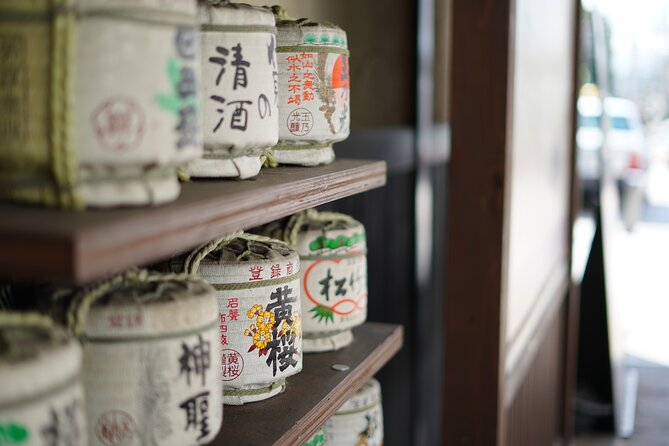
I find Fushimi easier to appreciate after learning one basic fact: sake depends heavily on water. The district is known for Fushimizu, a soft water used in brewing, and one of the first stops gives you a chance to see the well that supplies it.
The setting also helps. Fushimi is not simply a tasting room tucked into a modern shopping area. You walk through an old brewing district with canals, timber buildings, shopfronts, and traces of the transport network that once linked Fushimi with Osaka.
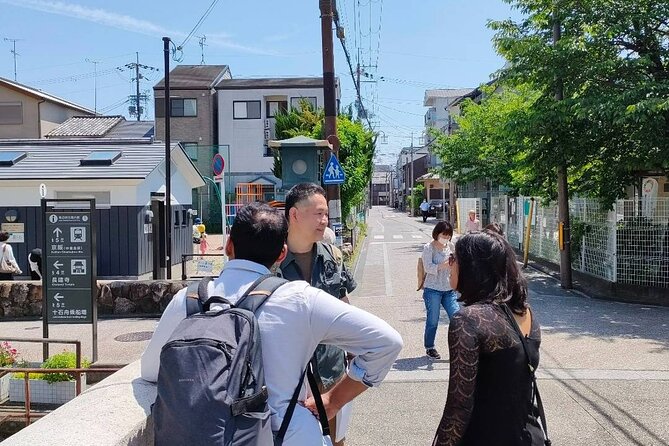
The experience begins at 1 p.m. at Chushojima Station. That is useful if you are staying in central Kyoto and want a half-day activity rather than a full-day commitment. The tour ends on Fushimi Otesuji Shopping Street, so you can continue shopping or get help finding the nearest station.
The guide makes a real difference here. The tour has used guides including Bob, Marin, and Nakai, and the guide may vary by date. Bob is described as a former brewery worker who can explain both the production method and the differences between sake varieties. Marin has guided in English and added local insight about customs, while Nakai has led smaller, personal visits around Kizakura and another brewery.
I would not book this only for alcohol. The best part is learning how the drink is made, how styles differ, and why Fushimi became a brewing center. The tastings then give you a way to test the explanation.
More ways to walk Fushimi Inari:
- Kyoto: Fushimi Inari, Kinkakuji, Bamboo Grove 1 Day Bus Tour
★ 4.8 · 4,316 reviews - Fushimi Inari Hidden Hiking Tour (Private Option Available)
★ 5.0 · 1,750 reviews - Kyoto/Osaka: Nara, Fushimi Inari Taisha, Arashiyama Bus Tour
★ 4.7 · 1,275 reviews
Gekkeikan Okura Sake Museum and the well of Fushimizu
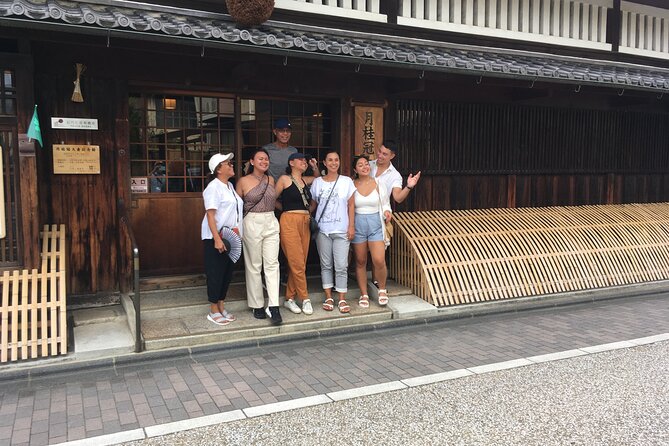
The first major stop is the Gekkeikan Okura Sake Museum, with about 45 minutes inside. Gekkeikan traces its brewing history in Fushimi to 1637, giving this visit a useful sense of time and continuity.
The building itself is one of the main attractions. It retains an original wooden brewery structure built roughly 200 years ago. That makes the museum feel tied to the district rather than like a generic display about Japanese alcohol.
You can expect exhibits connected with traditional brewing, along with an explanation of the tools and methods used in earlier production. The exact presentation may depend on the guide and museum conditions, but this is where the technical side of the tour begins to make sense.
In the courtyard, you can drink Fushimizu from the well used for sake production. I like this detail because it connects the tasting to the place. You are not just told that local water matters. You can taste the water associated with the district before comparing the sake.
The tour includes admission and a three-sake tasting at Gekkeikan. It also includes a commemorative sake cup, which is a small but useful souvenir rather than another disposable tasting glass.
Give yourself room to listen here. If you are mainly interested in drinking, the museum portion may feel slower than the later stops. If you want to understand the craft, it provides the foundation for everything that follows.
Jikkokubune canals and an optional ¥1,500 boat ride
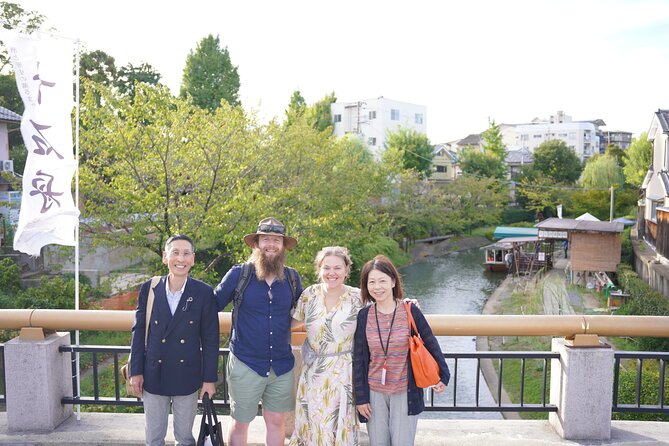
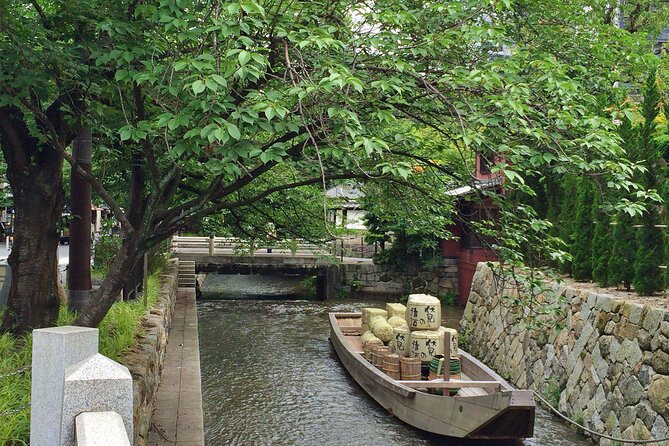
After the museum, the walk continues to the Jikkokubune boarding area for about 15 minutes. The boats once carried goods between Fushimi and Osaka from the Edo period through the end of the Meiji period.
This stop adds welcome variety. You leave the museum and see the waterways that helped move sake and other goods through the district. The canals also offer one of the most scenic parts of the afternoon, especially for anyone who enjoys old transport routes and quiet water views.
The boat boarding fee is not included. The stated price is ¥1,500 per person, so bring that cost into your decision before you arrive. The tour information identifies the boarding point, but it does not promise that every group will take the ride as part of the included program.
I would treat the boat as an optional extra, not the central reason to book. If the weather is pleasant and you like slow sightseeing, it can add a calm break to the walking route. If you are watching your budget or prefer to spend more time tasting, you can focus on the included stops.
Fushimi Yume Hyakushu and sake ice cream
The next stop lasts about 20 minutes at Fushimi Yume Hyakushu Cafe. The building was once Gekkeikan’s main store, constructed more than 100 years ago, and is now used as a shop and cafe.
This is a good place to see how sake culture extends beyond the brewery itself. You can find Kyoto liquor and souvenirs, while the tour includes snacks and sake ice cream. The ice cream is a light change of pace after the museum and before more tastings.
Do not expect a long meal here. Food and drinks beyond the listed snack are not covered, and the stop is short. I would use it as a chance to browse, ask the guide about bottles you might want to take home, and enjoy the included treat.
The building’s former role as Gekkeikan’s main store also helps connect commercial sake with the older district. You see how brewing companies operated, sold their products, and became part of Fushimi’s streets.
More Fushimi sake breweries:
- 3-Hour Kyoto Insider Sake Brewery Tour with Tastings & Pairings
★ 5.0 · 917 reviews - Arashiyama Bamboo, Temple, Monkeys, or Secret Sake Brewery
★ 4.8 · 886 reviews - Kyoto: Insider Sake Brewery Tour with Sake and Food Pairing
★ 5.0 · 704 reviews - Kyoto Sake Brewery & Tasting Walking Tour
★ 5.0 · 623 reviews
Kizakura Kappa Gallery and Kyoto beer
The Kappa Gallery is a roughly 30-minute stop connected with Kizakura. Kizakura is known for its sake advertising featuring kappa, the playful water creatures from Japanese folklore. The gallery offers a lighter, more visual counterpoint to the equipment and production details at Gekkeikan.
Kizakura was also the first company in Kyoto to produce local beer. At Fushimizugura, you can learn about beer production alongside sake brewing, and the tour includes one glass of Kyoto Beer.
I like this stop for its contrast. Sake is the main subject, but the beer gives you a different grain-based drink to compare. It also helps prevent the afternoon from feeling like one long sequence of similar tastings.
The name Kappa Gallery may sound like a full museum, but the provided schedule allows only half an hour. Expect a focused visit, not an exhaustive look at every part of the brewery. Your guide can help explain what you are seeing and how beer production differs from sake production.
Fushimi Sake Village and the wider brewing community
Fushimi Sake Village is a sake theme park that opened in 2016. It brings together local Fushimi sake and food from different parts of Japan, with support from 17 breweries in the Fushimi Sake Brewers Association.
The scheduled visit is about 15 minutes and admission is free. That short timing matters. You can get a feel for the space and its role in promoting local sake, but you should not plan on a long meal or extended drinking session here unless you pay for it separately.
This stop gives you a broader view of the district. Gekkeikan and Kizakura are individual producers, while Sake Village presents Fushimi as a group of breweries with different labels and styles.
Eating and drinking at the breweries and restaurants is not included in the tour price. If you see something you want to try, ask your guide about the cost before ordering. The included tastings already give you a solid introduction, so you do not need to spend extra to make the tour worthwhile.
ABURACYO and the final three-sake comparison
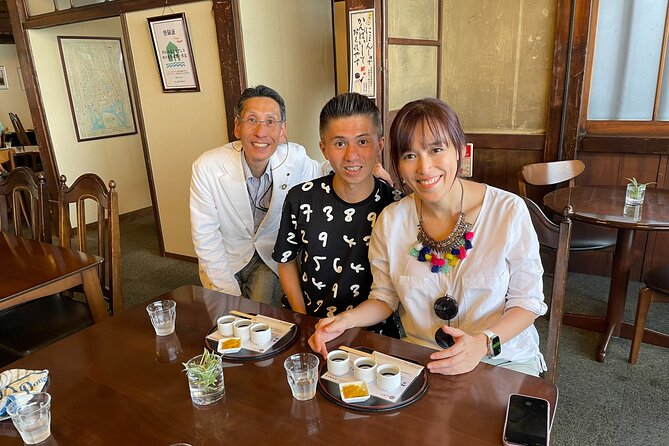
The final major stop is ABURACYO on Fushimi Otesuji Shopping Street, with about 30 minutes set aside. This is where the tour finishes its tasting work with a set of three Japanese sakes.
ABURACYO carries more than 100 types of sake, focusing on ginjo and daiginjo bottles from all 18 Fushimi breweries. That selection makes it a practical last stop because you can connect what you learned with bottles you may want to buy.
Ginjo and daiginjo are not simply labels meaning good or bad. They refer to more carefully polished rice and particular brewing approaches, and they can produce lighter, fragrant styles. Your guide can explain the differences in plain terms while you taste.
The tasting set is included, but additional bottles or drinks cost extra. I would save a little energy for this stop. By the end of three hours, your palate may be tired, so small sips and water matter.
The ending is convenient. You can shop on the street after the tour, or follow the guide toward the nearest station. This gives you flexibility that a tour ending at a distant museum would not.
What the $109.46 price really includes
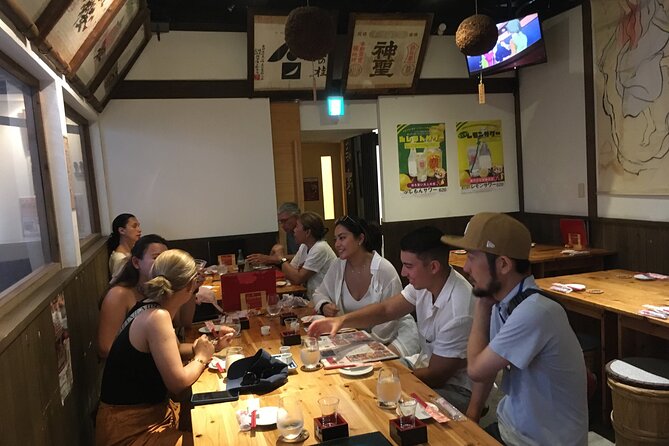
At $109.46 per person, this is not a bargain-basement tasting. The value comes from combining a guide, museum admission, several cultural stops, and a substantial set of included samples.
Your price covers:
- Gekkeikan Sake Brewery Museum admission
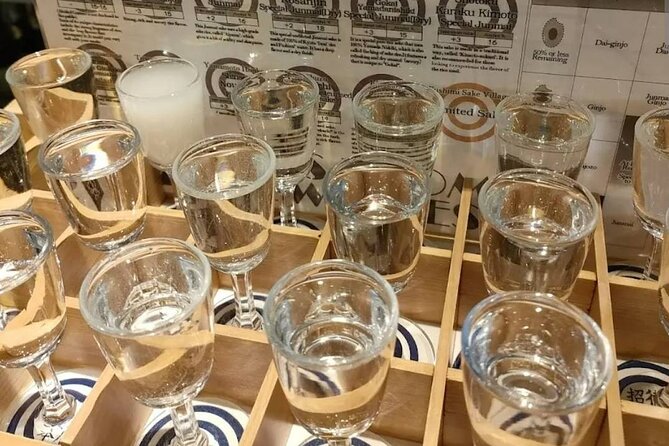
- Three sake samples at Gekkeikan
- Three sake samples at ABURACYO
- One glass of Kyoto Beer at Kizakura
- A commemorative Gekkeikan sake cup
- Snacks and sake ice cream at Yume Hyakushu
- A guided walk through Fushimi’s brewing district
You still need to budget for the ¥1,500 Jikkokubune fare if you choose to board. Additional food and drinks at the breweries, cafes, and restaurants are also separate.
I consider the price fair for someone who wants instruction and context, not just a bar crawl. Paying for each museum entry, guided explanation, and tasting separately could become awkward, and you would not necessarily find the same route or understand the connections between the stops.
The value is less convincing if you already know sake well and only want rare bottles. In that case, a shop visit and independent tasting may suit you better. For a first or second sake experience, the combination of education and samples makes more sense.
Walking, weather, timing, and group size
The tour lasts about three hours and begins at 1 p.m. You will spend much of the afternoon walking between stops, with time indoors at museums, galleries, shops, and tasting venues.
The maximum group size is 15. That is large enough to create a social atmosphere but small enough for a guide to answer questions. If your group is paired with a particularly engaging guide such as Bob, the former brewery worker, the discussion can become a major part of the experience.
Wear comfortable shoes. The route includes streets, shopping areas, canal-side views, and brewery buildings. The schedule is active, but it is not presented as a strenuous hike.
Summer deserves careful planning. Kyoto can pass 35 degrees Celsius in August, and the tour spends time outside. Carry water, use sun protection, and consider a parasol for shade. Hot weather can make alcohol feel stronger, so pace yourself and drink water between samples.
The tour requires good weather. If poor conditions cancel it, you are offered another date or a full refund. Confirmation is sent within 48 hours of booking, subject to availability, and the activity requires a minimum number of participants.
The meeting point is Chushojima Station in Fushimi. The end point is Fushimi Otesuji Shopping Street, not the original station, so plan your afternoon around the finish rather than assuming you will return to where you started.
Who will get the most from this sake walk
I would choose this tour if you want a clear introduction to sake without spending a full day at a formal class. The guide-led format helps you notice differences in aroma and taste that can be hard to identify on your own.
It also suits couples and small groups who want a relaxed afternoon with local history, old buildings, canals, and shopping. The published feedback repeatedly highlights guides who were friendly, easy to talk with, and able to answer questions in English. That matters when the subject includes unfamiliar brewing terms.
The tour is a good fit for beer drinkers, too. The Kyoto Beer stop gives you a break from sake and lets you compare two Japanese brewing traditions.
I would be cautious if you dislike walking outdoors, have little tolerance for heat, or want a quiet private tasting. The group can contain up to 15 people, and the route includes several short stops rather than one long, seated tasting.
It is also not a good idea to drive afterward. The experience includes multiple sake samples and beer, and the tour itself advises against driving after the tasting.
Should you book the Fushimi sake breweries tour?
Book it if you want to understand why Fushimi matters, taste several styles in a guided setting, and finish with access to one of the district’s largest sake selections. The strongest reasons are the former brewery-worker guides, the old Gekkeikan building, the Fushimizu well, and the six included sake samples.
Think twice if you are seeking a deep technical brewing course, a full meal, or a private tour. You will pay extra for the boat and any food or drinks beyond the included items, and August heat can make the outdoor walking uncomfortable.
For most first-time sake drinkers in Kyoto, I see this as a well-balanced half-day choice. It gives you enough history to make the tastings meaningful, enough samples to compare styles, and a useful ending in the shopping district where you can continue at your own pace.
FAQ
Where does the Japanese Sake Breweries Tour begin?
The tour begins at Chushojima Station, at Yoshijima Yaguracho in Fushimi Ward, Kyoto.
What time does the tour start?
The scheduled start time is 1 p.m.
How long does the tour last?
The tour lasts approximately three hours.
Where does the tour end?
The tour ends at Fushimi Otesuji Shopping Street. The guide can direct you to the nearest station, and you can also continue shopping there.
How many sake samples are included?
The tour includes two tasting sets of three Japanese sakes each, one at Gekkeikan and one at ABURACYO, for six sake samples in total.
Is the Jikkokubune boat ride included?
No. The boarding fee is separate and is listed as ¥1,500 per person.
Is food included?
Snacks and sake ice cream at Fushimi Yume Hyakushu Cafe are included. Additional food and drinks at breweries, cafes, and restaurants are not included.
How large can the group be?
The tour has a maximum of 15 participants.
Can I cancel for a full refund?
Yes. You can cancel at least 24 hours before the local start time for a full refund. Changes or cancellations made less than 24 hours before the start are not accepted for a refund.
More Breweries in Kyoto
- Kyoto: Fushimi Sake Brewery Tour – 18 Tastings in 2.5 Hours
★ 4.7 · 36 reviews - KYOTO Sake Tasting Tour at Local Breweries(tasting fee included)
★ 5.0 · 16 reviews - Japanese Sake Breweries Tour in Kyoto Fushimi
★ 4.3 · 13 reviews - Kyoto Sake Brewery Tour with Lunch
★ 4.5 · 12 reviews
More Drinking Tours in Kyoto
- Kyoto Night Foodie Tour in Gion (9+ dishes + 6 Sake tastings)
★ 5.0 · 1,762 reviews - Kyoto: Izakaya Bars Guided Walking Tour
★ 4.9 · 815 reviews - Kyoto Bar Hopping Night Tour
★ 5.0 · 613 reviews - Kyoto Local Bar Crawl in Kawaramachi Area
★ 5.0 · 378 reviews
Recently added around Kyoto
- Higashiyama | Kyoto: Sakura Season Private Rickshaw Tour★ 5.0 · 3 reviews
- Kyoto Kimono Rental CHAMATSU|Kimono/Yukata Rental FamilyPlan★ 5.0 · 3 reviews
- Kyoto: Half-Day Private Guided Tour to the Old Town of Gion★ 4.4 · 3 reviews
- Nara Private Customizable Half Day Tour★ 5.0 · 3 reviews
- Kansai Region Hiking Adventure in Nara Kobe Kyoto and More★ 5.0 · 3 reviews
- Full Day Nara Deer, Temple, Shrine, Activities & Tea Ceremony★ 5.0 · 3 reviews
- Nara: Essential Private Tour with Deer Park and Temples★ 5.0 · 3 reviews
- Hiking Tour for Sacred Sites in Kyoto with a Guide★ 5.0 · 3 reviews
Fushimi Inari Shrine Tours, compared.
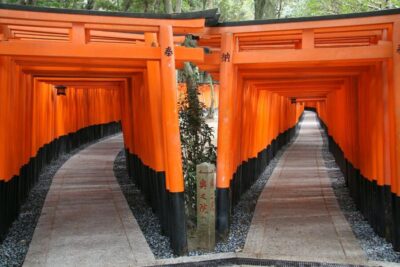
Fushimi Inari, Kinkakuji, Bamboo Grove 1 Day Bus Tour
Read our review →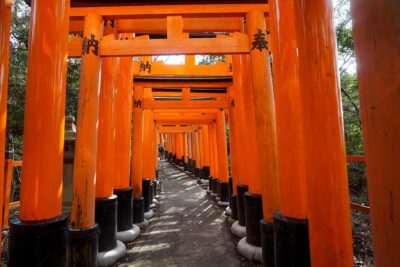
Fushimi Inari Hidden Hiking Tour (Private Option Available)
Read our review →
Kyoto/Osaka: Nara, Fushimi Inari Taisha, Arashiyama Bus Tour
Read our review →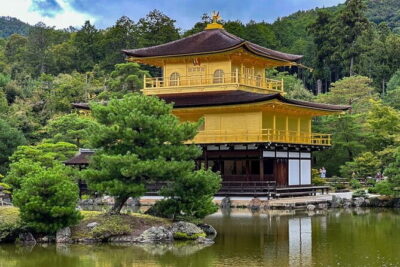
Nijo, Kinkaku-ji, Arashiyama, Kiyomizu & Fushimi Inari
Read our review →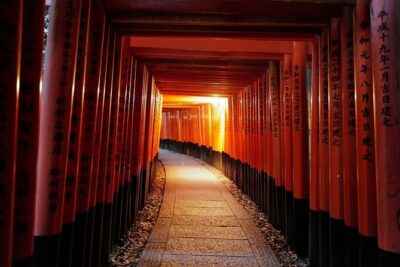
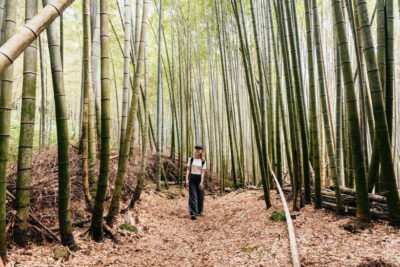
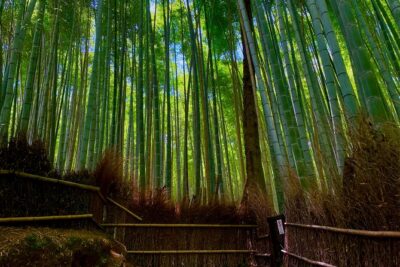
Kyoto Early Bird English Tour: Fushimi-Inari and Arashiyama
Read our review →
Fushimi, Arashiyama – Bamboo, Monkey, Torii & Secrets
Read our review →Browse the lists this tour appears in