
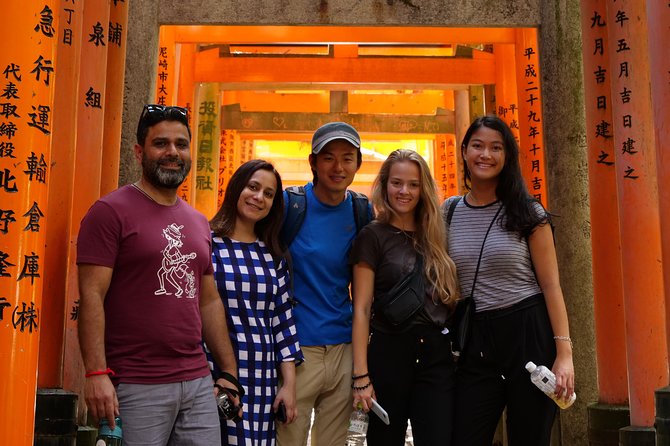
REVIEW · FUSHIMI INARI SHRINE TOURS
Inside of Fushimi Inari – exploring and lunch with locals
Fushimi Inari is famous for its thousands of orange-red torii gates, but the best part of this four-hour outing comes after the first big photo stop. Your guide leads you into quieter cedar and bamboo paths, past worship stones, a waterfall, a torii-making factory, and up to a summit shrine at 233 meters. You see the shrine as a living place, not just a backdrop for vacation pictures.
I like the quieter route and the way the guides explain Shinto customs as you walk. I also like the pause at a mountain hut for hot tea and a salted boiled egg, followed by soba and inari sushi at a local restaurant. The main consideration is simple: this is a hike, with stairs and uphill sections, so comfortable shoes matter.
In This Review
- Key points to know before you book
- Why this Fushimi Inari walk feels different
- Starting at the Great Torii near JR Inari Station
- Torii gates, worship stones, and the meaning behind the route
- The forest route to the 233-meter summit
- Photo stops away from the thickest crowds
- Tea, a salted egg, and a Kyoto city panorama
- Soba and inari sushi at a local restaurant
- What the $67 price really covers
- Who will enjoy this experience most
- Practical details that affect your day
- Should you book this Fushimi Inari tour?
- FAQ
- Where does the tour meet?
- How do I reach the meeting point?
- How long does the experience last?
- How much walking is involved?
- How high is the summit?
- Is the walking pace difficult?
- What food is included?
- Can vegan or allergy-friendly food be arranged?
- Are lunch drinks included?
- What language is the tour conducted in?
- How large is the group?
- What should I bring?
- Where does the tour finish?
- Can I cancel for a full refund?
Key points to know before you book
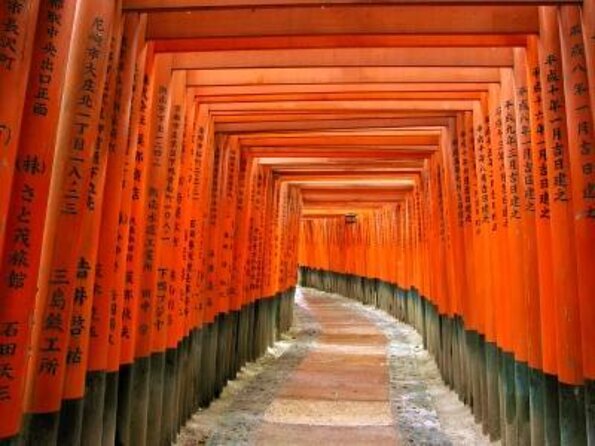
- The quiet side of Fushimi Inari: Bamboo, cedar forest, worship stones, a waterfall, and less crowded photo spots sit beyond the main gate route.
- A 233-meter summit: The walk to the summit shrine takes about 20 minutes along a forest route, with the full hiking portion lasting around three hours.
- Guides who add local color: Ko, Go, Kenji, Taishi, and Yuya are among the guides named in guest feedback, with English explanations and an easygoing pace.
- Tea and a salted egg on the mountain: A small refreshment stop gives your legs a break and includes a scenic Kyoto city view.
- Local soba lunch: The meal includes Japanese soba noodles and fried sweet inari sushi. Vegan and allergy-friendly choices are available with advance notice.
- A small group of up to 10: This is a more personal alternative to a large bus tour, though the exact walking pace depends on the group.
Why this Fushimi Inari walk feels different
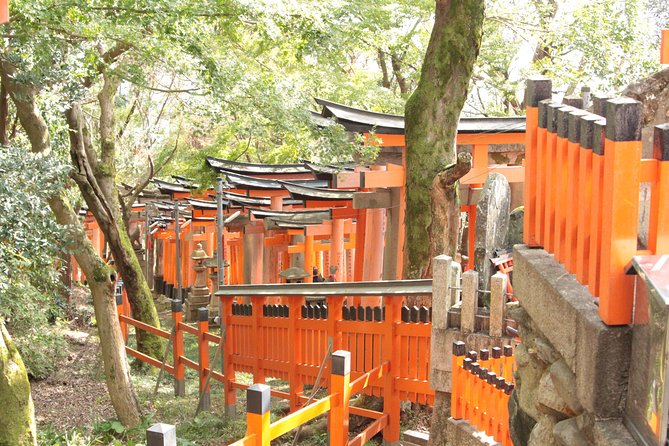
Most first-time visitors enter through the Great Torii, take pictures beneath the first rows of gates, and turn back once the crowd thickens. That gives you the headline attraction, but not the whole mountain.
This tour uses the famous gate path as an introduction, then takes you toward the quieter parts of the shrine complex. You learn why people donate torii gates, how worship stones fit into local practice, and why Inari worship is linked with prosperity, food, and fox messengers.
I find that useful because Fushimi Inari can otherwise feel like a long orange tunnel. The explanations give the place shape. You begin to notice the small shrines, stone markers, offerings, and changes in the forest instead of simply counting gates.
The group is limited to 10 people, and the guides let you walk at a relaxed pace. That does not make the route flat or effortless, but it does allow time for questions, pictures, and short rests. Guides named in the feedback include Ko, Go, Kenji, Taishi, and Yuya. The exact guide depends on the date, but the experience is designed around live English guidance.
More ways to walk Fushimi Inari:
- Kyoto: Fushimi Inari, Kinkakuji, Bamboo Grove 1 Day Bus Tour
★ 4.8 · 4,316 reviews - Fushimi Inari Hidden Hiking Tour (Private Option Available)
★ 5.0 · 1,750 reviews - Kyoto/Osaka: Nara, Fushimi Inari Taisha, Arashiyama Bus Tour
★ 4.7 · 1,275 reviews
Starting at the Great Torii near JR Inari Station
The meeting point is the stone pillar at the first Great Torii, across from the exit of JR Inari Station. You can also reach it by walking about 10 minutes from Fushimi-Inari Station on the Keihan Line.
This is a sensible meeting place, but look carefully for the correct gate. Fushimi Inari is a busy area, and the shrine has several entrances and nearby streets. Save the supplied Google Maps point before leaving your hotel, especially if you are arriving early or meeting your guide in a crowd.
Wear comfortable walking shoes and clothing that works for stairs. A hands-free backpack is better than a shoulder bag because you will be going uphill and downhill, stopping for pictures, and using your hands for balance on steps.
The path is organized and suitable for ordinary walking ability, but it is not a flat sightseeing stroll. Your walking speed shapes the schedule, so avoid booking this too close to another fixed appointment.
Torii gates, worship stones, and the meaning behind the route
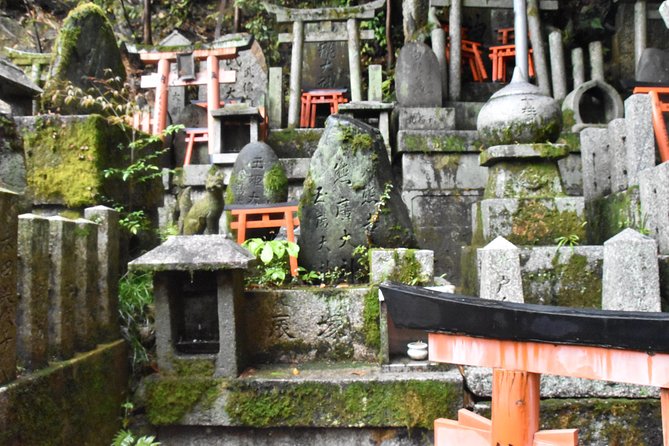
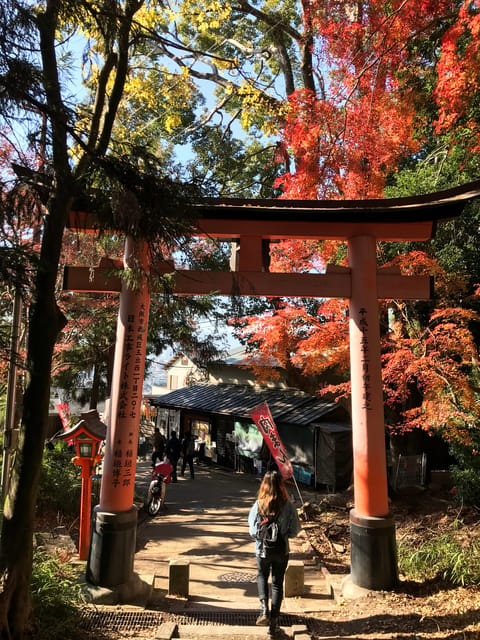
The first section covers the main shrine and the best-known rows of torii gates. Your guide explains their cultural background and the history of their use at Inari Shrine.
The gates are more than decoration. They are connected with offerings and devotion, and each one adds to the passage through the shrine grounds. With an explanation, the repeating forms make more sense. Without one, you could easily walk past details that tell you how the shrine works.
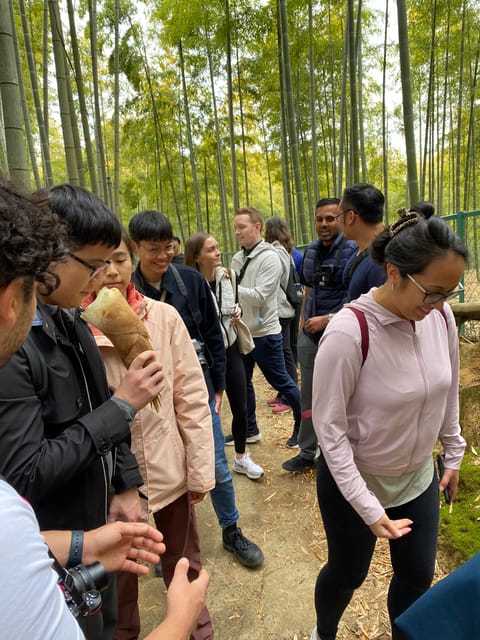
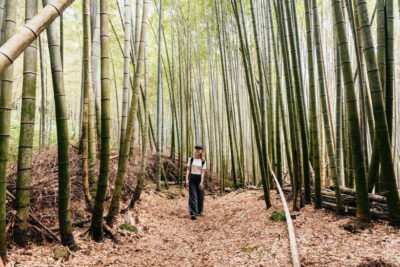
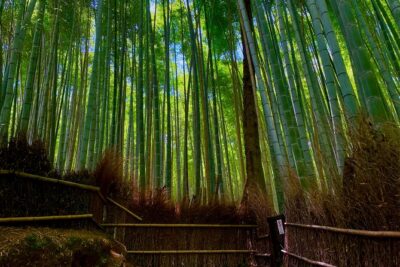
The walk then moves into a quieter forest of bamboo and cedar. This change is one of the strongest reasons to choose a guide. You get away from the tightest crowds and visit holy places that many people miss, including worship stones and a waterfall.
The route also includes a factory connected with torii production. One of the memorable details reported from the experience is the chance to watch a master carve torii columns. That is a rare kind of stop at a major shrine because it connects the polished tourist view with the people who help maintain its visual identity.
The pace is described as easy to moderate, with breaks. Still, you should expect a sustained outing rather than a short temple visit. The listed hiking time is about three hours, and the lunch stop adds another 30 minutes.
The forest route to the 233-meter summit
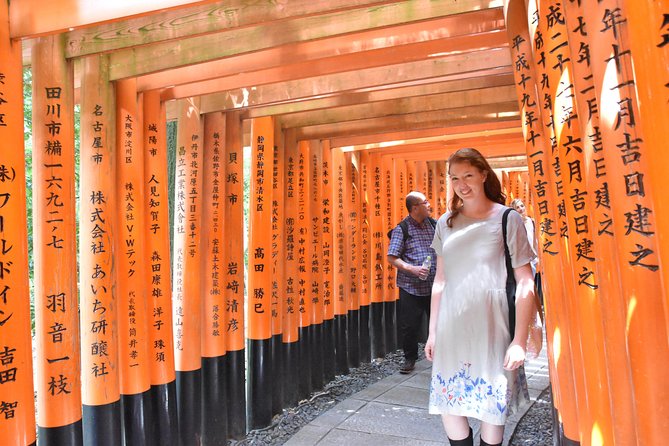
The summit shrine sits at 233 meters, and the climb from the lower paths takes about 20 minutes by forest route. The number sounds modest, but stairs always feel different after you have already walked through the shrine grounds.
Your guide shows you around the summit shrine and explains what you are seeing. This is where the tour rewards people who want more than a quick visit to the first gate corridor. You get a sense of Fushimi Inari as a mountain shrine, with the forest and smaller sacred places forming part of the experience.
The summit section is also a useful test of fitness. You do not need to treat it like a serious mountain trek, but you should be comfortable with uphill and downhill walking. The guides adjust the pace, yet they cannot remove the stairs.
Bring water if you prefer to carry your own, and keep your bag light. A hands-free pack is specifically recommended. The included tea and boiled egg provide a pleasant break, but they are not a replacement for sensible hiking preparation.
More Kyoto tours that include lunch:
- Bike Tour Exploring North Kyoto plus Lunch
★ 5.0 · 1,087 reviews - Kyoto Zen Meditation & Garden Tour at a Zen Temple with Lunch
★ 5.0 · 441 reviews - 4.5-Hour Kyoto Bike Tour with Lunch and UNESCO Zen Temples
★ 5.0 · 122 reviews - From Kyoto: Nara History Guided Half Day Bus Tour with Lunch
★ 4.8 · 114 reviews
Photo stops away from the thickest crowds
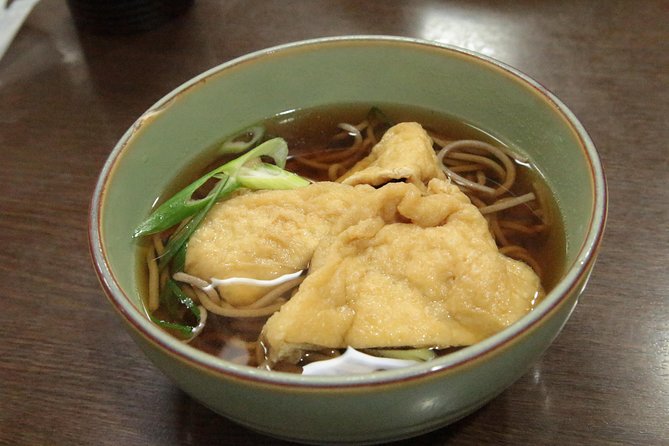
Fushimi Inari is one of Kyoto’s most photographed sights, and the main gate corridors can become packed. A guide cannot guarantee solitude, but this route includes less crowded paths and photo spots on the way down.
That timing helps. After the uphill section, you are already beyond the most concentrated entrance crowds, and the descent lets you pause in places selected for their framing and atmosphere. You can take pictures without blocking the path or waiting as long for a clear view.
The guides also help you look beyond the obvious gate rows. Bamboo, cedar trunks, stone markers, forest paths, and small shrine details give your photos more variety. If your goal is a perfect empty tunnel of torii gates, conditions will depend on the day. If your goal is a broader set of images with fewer people in the frame, the route is better suited.
The photo portion does not feel like a separate studio session. It is built into the descent, so the walk keeps moving while you stop at useful viewpoints.
Tea, a salted egg, and a Kyoto city panorama
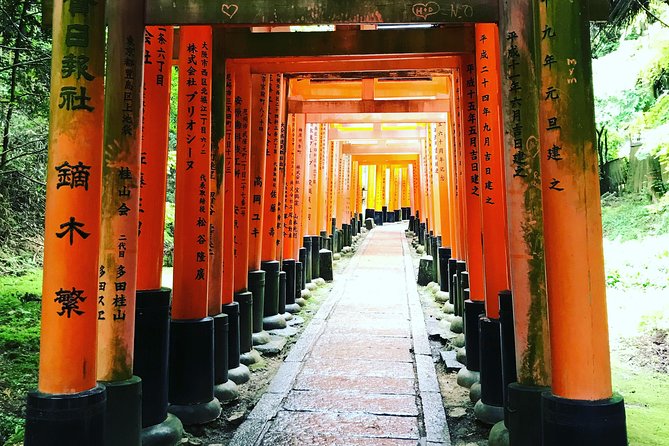
At a mountain hut, you receive Japanese hot tea and a boiled egg with salt. It is an uncomplicated snack, but it fits the setting well. After stairs and forest paths, a warm drink and a short rest can make the second half of the route much more comfortable.
The stop also includes a view across Kyoto city. This is a welcome contrast to the enclosed forest. You move from red gates and dark cedar shade to a wider outlook, giving you a clearer sense of the shrine’s position above the city.
This is one of the small details that makes the experience feel local rather than rushed. A standard sightseeing visit often focuses on reaching the famous gate rows, taking a picture, and leaving. Here, the refreshment stop gives you time to sit, look out, and ask questions.
The information says vegan options are available for the refreshment stop, and dietary restrictions can be accommodated. Tell the provider in advance rather than waiting until the day of the tour.
Soba and inari sushi at a local restaurant
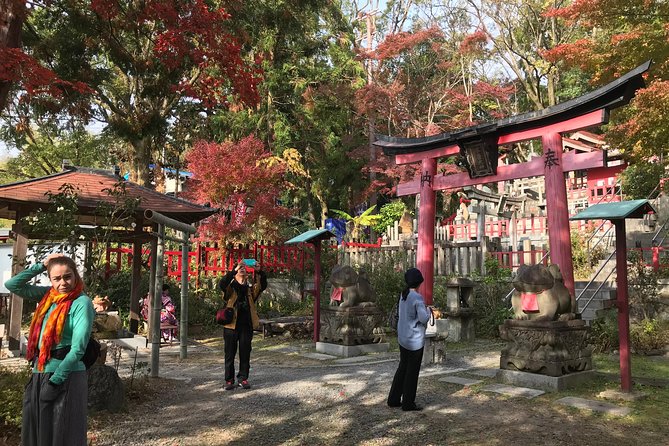
Lunch includes Japanese soba noodles and fried sweet inari sushi, with about 30 minutes set aside for the meal. The restaurant is described as a highly regarded local soba place, and the meal gives the tour a useful finish: after learning about the shrine’s traditions, you sit down to eat familiar Japanese dishes in a traditional setting.
Soba is a practical meal after a walk. It is filling without being overly heavy, and it gives you a chance to try a Japanese staple in a focused way. Inari sushi, made with sweet fried tofu around seasoned rice, also has a direct connection to Fushimi Inari’s name and food traditions.
Drinks at the lunch restaurant are not included, so plan to pay separately if you want one. The listed included food covers the lunch itself, while the mountain stop includes tea and the boiled egg.
Vegan choices and options for allergies or other dietary restrictions are available, but you must give advance notice. This is especially important for the soba lunch, since restaurant substitutions cannot always be arranged at the last minute.
What the $67 price really covers
At $67 per person, this is not simply an entrance ticket and a short walk. The value comes from combining an English-speaking guide, a three-hour shrine hike, local cultural explanations, a mountain refreshment stop, photo guidance, and lunch.
If you visited Fushimi Inari independently, you could walk the gates for free and choose your own restaurant afterward. That will be cheaper, and independent visitors can also take as little or as much time as they like. The tradeoff is that you would need to find the quieter paths, understand the shrine customs on your own, and arrange lunch separately.
I think the price makes the most sense for a first visit, especially if you want context and prefer not to plan every turn. It is also useful if you have limited time in Kyoto and want the shrine, forest route, city view, and meal handled in one four-hour block.
The value is weaker for someone who already knows Fushimi Inari well, dislikes group schedules, or only wants to photograph the first rows of torii gates. The group can include up to 10 people, so this is small-group travel, not a private tour.
Who will enjoy this experience most
This outing suits you if you want to understand Fushimi Inari as a religious site and not just a famous Kyoto photo stop. It also suits people who like walking with a local guide, asking questions, and finding quieter corners without spending time researching routes.
Food-focused visitors get a clear benefit from the soba lunch and inari sushi. The tea and salted egg are another plus if you enjoy small, ordinary details that connect a place with daily Japanese habits.
Photographers should like the mix of torii gates, bamboo, cedar forest, worship stones, waterfall, summit shrine, and Kyoto panorama. The guide points out less crowded picture spots, though no busy Kyoto attraction can promise empty paths.
Families and casual walkers may find the pace manageable because the route includes breaks. Even so, the stairs and three-hour hiking section mean you should judge your own comfort honestly. This is not the right choice if you want a seated cultural tour.
Practical details that affect your day
The tour lasts four hours and finishes back at the Great Torii. The schedule can shift according to the group’s walking speed, so keep your afternoon flexible.
English is the listed tour language. The group size is limited to 10 people, which should make it easier to hear explanations and speak with the guide than on a large coach outing.
Free cancellation is available up to 24 hours before the start time for a full refund. You can also reserve and pay later, which is useful when your Kyoto plans may change.
Bring comfortable clothes, walking shoes, and a hands-free backpack. Advance notice is needed for vegan meals and other dietary restrictions. Drinks at the lunch restaurant cost extra.
One small practical tip: arrive with the meeting map already open. JR Inari Station is close to the gate, but the area has several shrine entrances and a steady flow of people.
Should you book this Fushimi Inari tour?
Book it if you want the famous torii gates plus the parts most rushed visits skip: the bamboo and cedar paths, worship stones, waterfall, torii-making work, summit shrine, mountain tea stop, and a local soba lunch.
Skip it if you want a quick, self-guided visit or if several hours of stairs will make the day unpleasant. At $67, the tour earns its price through the guide, route planning, food, and access to a quieter side of Fushimi Inari. For a first visit to Kyoto, that combination makes it a strong choice.
FAQ
Where does the tour meet?
It meets at the Great Torii Gate, at the stone pillar by the first gate across from the JR Inari Station exit.
How do I reach the meeting point?
JR Inari Station is directly by the meeting area. You can also walk about 10 minutes from Fushimi-Inari Station on the Keihan Line.
How long does the experience last?
The experience lasts four hours, including the shrine walk, refreshment break, photo stops, and lunch.
How much walking is involved?
The hiking portion takes about three hours. You will walk through forest paths and go up and down stairs, including a route to the summit shrine.
How high is the summit?
The summit shrine is 233 meters high. The forest route to the summit takes about 20 minutes.
Is the walking pace difficult?
The path is organized and the pace is casual, with breaks, but the route is easy to moderate rather than completely flat. Your schedule may change according to the group’s walking speed.
What food is included?
Lunch includes Japanese soba noodles and fried sweet inari sushi. The mountain hut stop includes Japanese hot tea and a boiled egg with salt.
Can vegan or allergy-friendly food be arranged?
Yes. Vegan options and choices for allergies or other dietary restrictions are available, but you need to tell the provider in advance.
Are lunch drinks included?
No. Drinks at the lunch restaurant are not included in the price.
What language is the tour conducted in?
The live tour guide speaks English.
How large is the group?
The group is limited to 10 participants.
What should I bring?
Wear comfortable clothes and shoes, and bring a hands-free backpack for the hike.
Where does the tour finish?
It finishes back at the Great Torii, the same area as the starting point.
Can I cancel for a full refund?
You can cancel up to 24 hours in advance for a full refund. You can also reserve now and pay later.
Recently added around Kyoto
- Higashiyama | Kyoto: Sakura Season Private Rickshaw Tour★ 5.0 · 3 reviews
- Kyoto Kimono Rental CHAMATSU|Kimono/Yukata Rental FamilyPlan★ 5.0 · 3 reviews
- Kyoto: Half-Day Private Guided Tour to the Old Town of Gion★ 4.4 · 3 reviews
- Nara Private Customizable Half Day Tour★ 5.0 · 3 reviews
- Kansai Region Hiking Adventure in Nara Kobe Kyoto and More★ 5.0 · 3 reviews
- Full Day Nara Deer, Temple, Shrine, Activities & Tea Ceremony★ 5.0 · 3 reviews
- Nara: Essential Private Tour with Deer Park and Temples★ 5.0 · 3 reviews
- Photo Shoot with a Private Vacation Photographer in KYOTO, JAPAN★ 5.0 · 3 reviews
Fushimi Inari Shrine Tours, compared.
Fushimi Inari, Kinkakuji, Bamboo Grove 1 Day Bus Tour
Read our review →
Fushimi Inari Hidden Hiking Tour (Private Option Available)
Read our review →
Kyoto/Osaka: Nara, Fushimi Inari Taisha, Arashiyama Bus Tour
Read our review →
Nijo, Kinkaku-ji, Arashiyama, Kiyomizu & Fushimi Inari
Read our review →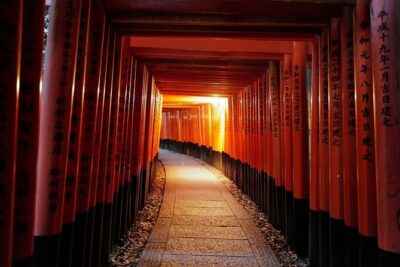
Kyoto Early Bird English Tour: Fushimi-Inari and Arashiyama
Read our review →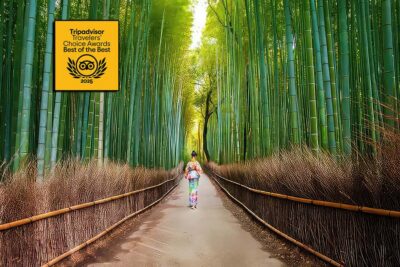
Fushimi, Arashiyama – Bamboo, Monkey, Torii & Secrets
Read our review →Browse the lists this tour appears in