
REVIEW · KYOTO
The right way to know Kyoto
Kyoto is easier to enjoy when someone else handles the route. This private tour lets you shape the day around places such as Fushimi Inari, the Bamboo Forest, Kinkaku-ji, and Ginkaku-ji, rather than joining a fixed group with a fixed script.
I like the one-to-one attention and the chance to ask real questions about Shinto customs, Buddhist practice, Japanese history, and daily life. I also like the practical help with trains and buses, which can turn Kyoto from a puzzle into a city you can use. The catch is simple: six hours is not enough for every suggested stop, especially when the day includes long walks and several districts.
In This Review
- Key points to know before booking
- A private way to make sense of Kyoto
- Fushimi Inari and its orange torii path
- The Bamboo Forest and the wider Arashiyama area
- Kinkaku-ji, the Golden Pavilion
- Ginkaku-ji and Kyoto’s quieter garden style
- The art of choosing a realistic route
- What the guide adds beyond directions
- Is $371.41 good value for six people?
- Who will get the most from this Kyoto tour?
- Should you book it?
- FAQ
- How long is the tour?
- How many people can join the private tour?
- Where does the tour start?
- Where does the tour finish?
- Is hotel pickup available?
- Are entrance tickets included?
- Is transportation included?
- Are meals included?
- Which sights are suggested?
- Can I cancel for a full refund?
Key points to know before booking
- Private group of up to six: You get the guide to yourself, with no strangers shaping the pace or route.
- Four major sights suggested: Fushimi Inari, the Bamboo Forest, Kinkaku-ji, and Ginkaku-ji form the core plan, but the route can change.
- Guides vary: Past guides include Paco, Tom, Jose, Laura, Esteban, Peter, Cristobal, Adrian, Brian, and Kyoto native Maki.
- Public transportation is part of the day: Expect walking, trains, buses, and possibly taxis, with fares paid separately.
- Entrance fees are extra: Kinkaku-ji and Ginkaku-ji require admission payments.
- Best for a first Kyoto day: You can see major sights while learning how to get around for the rest of your stay.
A private way to make sense of Kyoto
Kyoto spreads its famous sights across several areas. Fushimi Inari is in the south, Arashiyama and its Bamboo Forest lie to the west, and the Golden and Silver Pavilions sit elsewhere in the city. On a map, the stops can look easy. On foot and by public transportation, they make for a full day.
That is where this experience earns its keep. Your guide does not simply point at a temple and move on. The better guides explain what you are seeing, how to behave at a shrine or temple, and why a gate, garden, offering box, or ritual matters.
The tour is private for your group, up to six people. That matters more than it might seem. You can slow down for a question, skip a place you have already seen, stop for photos, or change the plan when the weather or your energy changes.
The guide roster is varied. Paco, Tom, Jose, Laura, Esteban, Peter, Cristobal, Adrian, Brian, and Kyoto native Maki are among the guides associated with this experience. Some guides have a strong academic interest in Japanese culture and history. Maki brings the perspective of a Kyoto native, while several other guides are international residents with experience explaining Japan to English-speaking visitors.
You cannot assume which person will lead your tour, so send your interests in advance. If you care most about religion, gardens, food, architecture, manga, or Japanese history, say so clearly. A short note can help shape a much better day.
Other Kyoto mornings people book alongside this one:
- PERFECT KYOTO 1-Day Bus Tour
★ 5.0 · 13,518 reviews - Kyoto: Fushimi Inari, Kinkakuji, Bamboo Grove 1 Day Bus Tour
★ 4.8 · 4,316 reviews - Kyoto: Tea Ceremony in a Traditional Tea House in Kiyomizu
★ 4.9 · 3,519 reviews
Fushimi Inari and its orange torii path
Fushimi Inari-taisha is often the most instantly recognizable stop. Its long path of orange torii gates climbs through wooded hills, creating a memorable sequence of color, shadow, and repetition.
The suggested one-hour visit gives you enough time to experience the lower part of the shrine and walk beneath the gates. It does not allow a leisurely exploration of every path. If your group includes older family members or anyone who dislikes hills, tell the guide at the start so the route can match your abilities.
This is also a useful place for cultural explanation. A guide can show you how to approach a Shinto shrine, where offerings are made, and what people are doing as they pray. One guide, Esteban, was especially attentive to these details and even helped a group take part in the offering process.
Fushimi Inari is free to enter, which helps keep the day’s extra costs down. Its popularity can make the lower paths crowded, so your guide’s timing and route choices matter. Do not expect a quiet walk at every point, but you should gain more from the shrine with context than you would by taking photographs alone.
The Bamboo Forest and the wider Arashiyama area
The Bamboo Forest Trail is listed as a 45-minute stop. That is enough for a walk through the famous grove, but not enough for a relaxed day in Arashiyama.
The bamboo itself is the draw, with tall green stalks rising on both sides of the path. The walk is scenic, but the most famous section is compact. If you arrive expecting hours of solitude, you may be disappointed, especially during busy periods.
The private format helps you decide what matters most. One group used the Arashiyama portion to see the Nomomiya Shrine, Okochi Sanso Garden, Togetsukyo Bridge, Horin-ji Buddhist Temple, and Monkey Park. Okochi Sanso has a small admission fee, but the garden was considered worth the extra cost, particularly with its tea and memorial connected to the actor who established it.
Monkey Park involves a hike, so it is not a casual add-on for everyone. The group that visited enjoyed the monkeys and the view, but you should be honest about your fitness before adding it to a packed day.
Arashiyama can easily fill the whole tour. If the Bamboo Forest is your main goal, ask for an Arashiyama-focused plan rather than trying to combine it with every eastern and northern Kyoto highlight.
Kinkaku-ji, the Golden Pavilion
Kinkaku-ji is Kyoto’s famous Golden Pavilion, reflected in a pond and surrounded by landscaped grounds. The building is striking, but the visit is more controlled than a casual stroll. You follow a set path through the grounds and stop at viewing points.
The suggested time is one hour. That works well if you want the classic view, a walk through the garden, and a short explanation from your guide. It will feel brief if you want to linger over every detail or take your time with photographs.
Admission is not included. You should also remember that the tour price does not cover transportation or meals. Those added costs are not unusual in Kyoto, but they matter when comparing this private experience with a group tour or a self-guided day.
Kinkaku-ji is one of the places where a guide can add useful context. The building is easy to photograph, but harder to understand without a little background about the temple, its setting, and the contrast between its showy exterior and the quieter garden paths around it.
A completely different side of Kyoto:
- Kyoto Geisha Walking Tour: Gion District & Hidden Gems
★ 4.7 · 3,273 reviews - Kyoto: Tea Ceremony Ju-An at Jotokuji Temple
★ 4.9 · 3,207 reviews - Kyoto: Gion Magical Night Walking Tour with Geisha Trivia
★ 4.9 · 2,393 reviews - Kyoto: 45-Minute Tea Ceremony Lesson Experience
★ 4.3 · 2,378 reviews
Ginkaku-ji and Kyoto’s quieter garden style
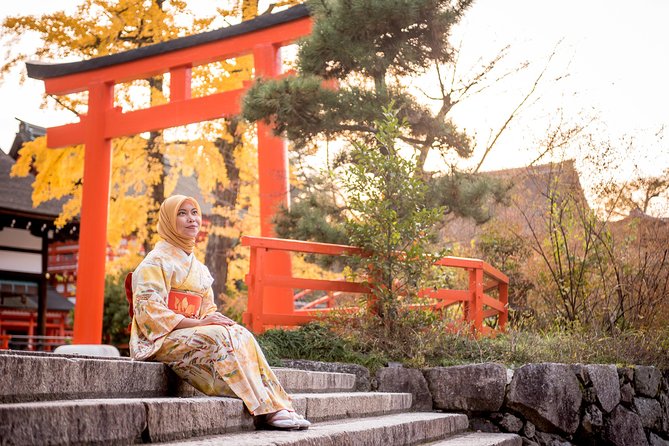
Ginkaku-ji, the Silver Pavilion, offers a different mood. Despite its name, it is not a silver-covered counterpart to Kinkaku-ji. Its appeal comes from restrained design, moss, clipped plants, pathways, and carefully arranged garden spaces.
The suggested one-hour stop gives you time to see the pavilion and walk through the grounds. This is a good place to ask your guide about Japanese ideas of simplicity and imperfection, often associated with wabi-sabi. The visit rewards a slower pace, so do not rush through it simply to collect another landmark.
Ginkaku-ji works especially well for people who prefer gardens and atmosphere to grand architecture. Several experiences with this company placed particular value on quieter temple grounds and gardens away from the biggest crowds. If that sounds like your kind of Kyoto, tell your guide before the tour begins.
As with Kinkaku-ji, admission is extra. The combination of two paid temples, transit, and meals can add noticeably to the headline price.
The art of choosing a realistic route
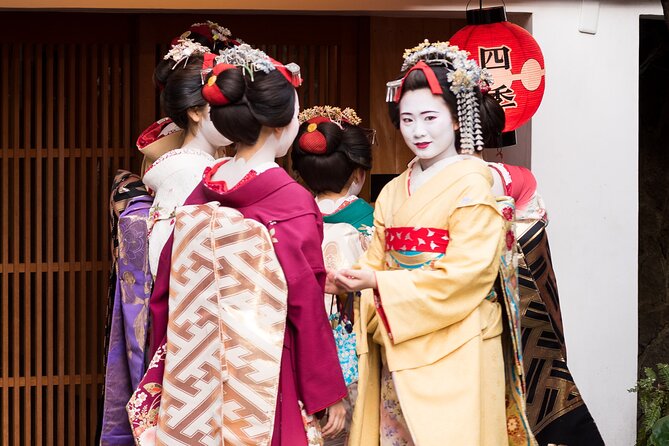
The tour is advertised at about six hours, with the main operating window listed from 9 a.m. to 3 p.m. Four major stops are suggested, but the day also includes travel between districts. You should not expect a deep visit to Fushimi Inari, Arashiyama, Kinkaku-ji, and Ginkaku-ji in one short outing.
A stronger plan usually gives priority to two areas. You might choose Fushimi Inari with Ginkaku-ji and nearby eastern Kyoto sights, or focus on Arashiyama with the Bamboo Forest, temples, gardens, and bridge. If you want the Golden Pavilion too, ask the guide what should be removed.
The private format makes this possible. Jose David, Esteban, Jose, Peter, Laura, and others are praised for adjusting plans around personal interests and tight schedules. One group traveling from Tokyo by Shinkansen used the guide to fit a full Kyoto day between trains. Another group with teenagers covered many sights by using public transportation and walking nearly 28,000 steps.
That last detail is a useful warning. This is not a gentle sightseeing ride. You can use trains, buses, and taxis, but you will still be on your feet for much of the day. Wear comfortable shoes and consider the needs of children, older relatives, or anyone who tires easily.
What the guide adds beyond directions
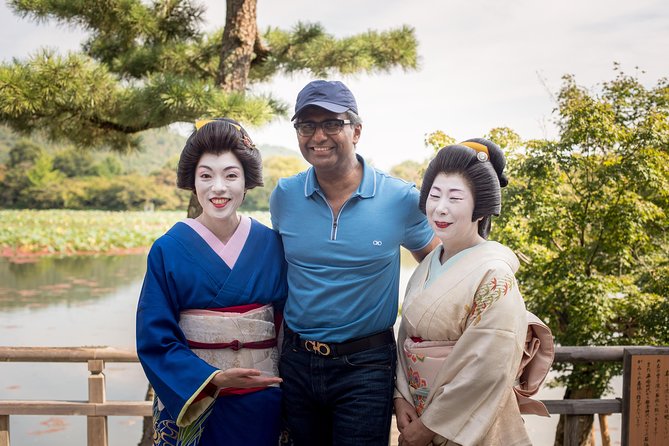
The best part of a private Kyoto tour is not simply avoiding a wrong turn. It is the conversation.
Guides such as Tom have explained Japanese and Kyoto history in detail while adjusting the pace for a 77-year-old participant. Tom has also kept teenagers interested by connecting the tour to their interests, including manga. Jose has helped people gain confidence using public transportation, while Cristobal has handled trains efficiently and taken photographs for the group.
This practical help is valuable on your first day. You learn how to move around, how to enter a shrine or temple respectfully, and what small details to notice later on your own. A family with children appreciated learning the transit system as part of the tour rather than being carried from one sight to another without explanation.
There is one qualification. The quality of the day depends heavily on the individual guide. Most of the supplied feedback is highly favorable, with a 5 out of 5 rating from 257 ratings and 99 percent recommending the experience. Still, one participant found the commentary too light and had difficulty understanding a strong accent on a rainy day.
That does not make the tour a poor choice, but it does make advance communication worthwhile. Ask for a guide suited to your interests and language needs if the operator allows it. Also explain whether you want detailed history, casual company, food suggestions, photography help, or an efficient route through the highlights.
Is $371.41 good value for six people?
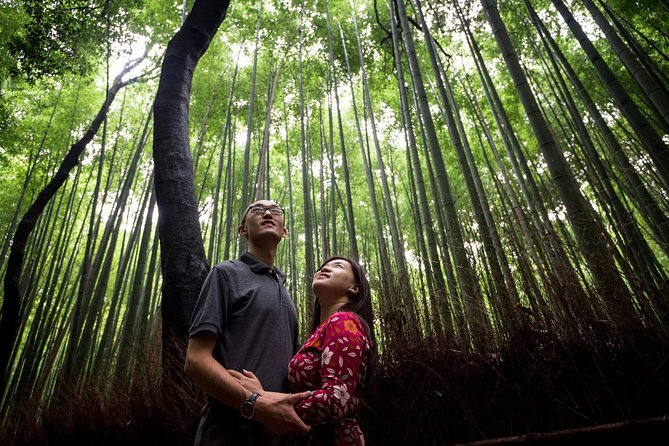
The listed price is $371.41 per group of up to six, not per person. For a full private day, that can be good value, especially if six people share the cost. It buys an expert guide and a flexible route rather than a standard group outing.
For two people, the per-person cost is much higher. You are paying for privacy, planning, and the ability to change the day, not just admission to temples. If you are comfortable arranging trains, buses, and temple visits yourself, a private guide may feel expensive.
Remember the exclusions. You pay separately for Kinkaku-ji and Ginkaku-ji admission, transportation, and meals. Pickup is offered, but the stated meeting point is Kyoto Station, and the tour ends back there. Confirm the pickup arrangement before booking so you know exactly where the day starts.
The activity is often booked well ahead, with an average booking lead time of 59 days. That suggests you should reserve early if your dates are fixed, especially during popular seasons.
Free cancellation is available up to 24 hours before the start time. Cancellations or changes inside that window are not accepted for a refund.
Who will get the most from this Kyoto tour?
I would recommend it most strongly to first-time visitors with limited time, families, and anyone who wants cultural explanation without spending hours planning routes.
It is also a good match for a group with mixed interests. One person can ask about gardens, another about religion, and a teenager about manga or modern Japan. A guide can adjust the balance better than a fixed group schedule.
This tour is less suitable if you want a slow, meditative visit to every temple. It is also a poor fit if long walks and packed public transportation sound unpleasant. The tour can be adapted, but Kyoto’s distances cannot be erased.
Should you book it?
Book this private experience if you want a flexible first look at Kyoto, practical help with local transportation, and conversation about Japanese culture at the sights themselves. It is particularly worthwhile for six people sharing the price, families, and visitors with only one day in the city.
Before you commit, send a clear wish list and ask for a realistic route. Choose two main areas rather than demanding every famous stop. If you do that, the tour can give you both the headline sights and the confidence to explore Kyoto on your own afterward.
FAQ
How long is the tour?
The activity lasts approximately six hours. The listed operating hours are 9 a.m. to 3 p.m., Monday through Sunday.
How many people can join the private tour?
The price covers one private group of up to six people. Only your group participates in the activity.
Where does the tour start?
The stated meeting point is Kyoto Station, at Higashishiokoji Kamadonocho in Kyoto.
Where does the tour finish?
The activity ends back at the meeting point.
Is hotel pickup available?
Pickup is offered, but the stated meeting point is Kyoto Station. Confirm the exact pickup arrangement when booking.
Are entrance tickets included?
No. Entrance tickets are not included. Admission is specifically listed as extra for Kinkaku-ji and Ginkaku-ji.
Is transportation included?
No. Transportation is not included. The tour may involve public transportation and, depending on the plan, local taxis.
Are meals included?
No. Meals are not included in the tour price.
Which sights are suggested?
The suggested stops are Fushimi Inari-taisha Shrine, the Bamboo Forest Trail, Kinkaku-ji Temple, and Ginkaku-ji Temple. The route is customizable.
Can I cancel for a full refund?
Yes, if you cancel at least 24 hours before the experience start time. Cancellations and changes made less than 24 hours before the start are not accepted for a refund.
Recently added around Kyoto
- Higashiyama | Kyoto: Sakura Season Private Rickshaw Tour★ 5.0 · 3 reviews
- Kyoto Kimono Rental CHAMATSU|Kimono/Yukata Rental FamilyPlan★ 5.0 · 3 reviews
- Kyoto: Half-Day Private Guided Tour to the Old Town of Gion★ 4.4 · 3 reviews
- Nara Private Customizable Half Day Tour★ 5.0 · 3 reviews
- Kansai Region Hiking Adventure in Nara Kobe Kyoto and More★ 5.0 · 3 reviews
- Full Day Nara Deer, Temple, Shrine, Activities & Tea Ceremony★ 5.0 · 3 reviews
- Nara: Essential Private Tour with Deer Park and Temples★ 5.0 · 3 reviews
- Hiking Tour for Sacred Sites in Kyoto with a Guide★ 5.0 · 3 reviews