
REVIEW · SAKE TASTING
Private Sake Tasting in Central Kyoto with Sake Sommelier
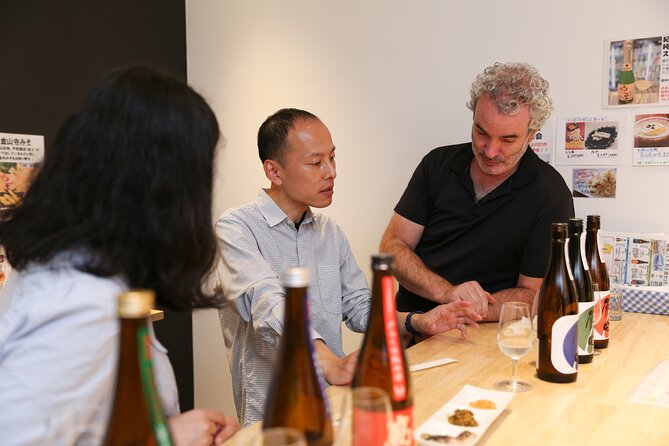
Kyoto has plenty of places to drink sake, but this experience gives you something more useful than a few random pours: a way to understand what you are tasting. Kenji, a certified international sake sommelier with years in the sake industry, guides a private tasting of eight sakes at a standing bar in central Kyoto.
I like the small group size, limited to one to four people, and the personal approach. Kenji adjusts the selection to your preferences, explains the labels and production methods in clear English, and can help you order sake with more confidence later. The main drawback is the setting: there are no seats, so comfortable shoes and a willingness to stand for two hours matter.
In This Review
- Key points at a glance
- Why this Kyoto sake tasting is different
- Meeting Kenji near Shijo and Karasuma
- Inside the standing sake bar
- Eight pours from across Japan
- What Kenji explains about sake
- A private format that encourages questions
- The value of $83 for two hours
- How the tasting may unfold
- Who will enjoy this most
- Practical tips before you book
- Should you book this Kyoto sake experience?
- FAQ
- How long does the sake tasting last?
- How many sakes are included?
- Where does the experience meet?
- How far is the sake bar from the meeting point?
- Is the tasting seated?
- Who can join the sake tasting?
Key points at a glance
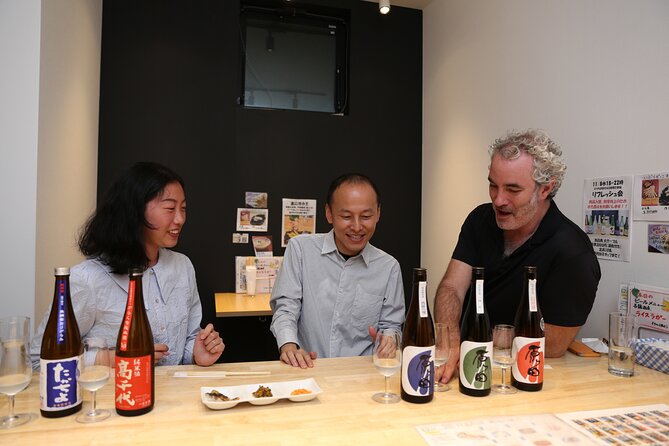
- Eight sakes from across Japan: Taste a broad selection rather than just one familiar style.
- Kenji’s industry background: His professional experience helps connect brewing methods, ingredients, regions, and flavor.
- A private group of up to four: The small format leaves room for questions and personal recommendations.
- A real standing sake bar: This is a casual Japanese drinking setting, not a formal seated tasting room.
- A ten-minute walk from Shijo and Karasuma: The meeting point is central, but you will need to walk to the bar.
- Sake and traditional snacks included: The food gives you something to nibble while tasting and helps keep the session relaxed.
Why this Kyoto sake tasting is different
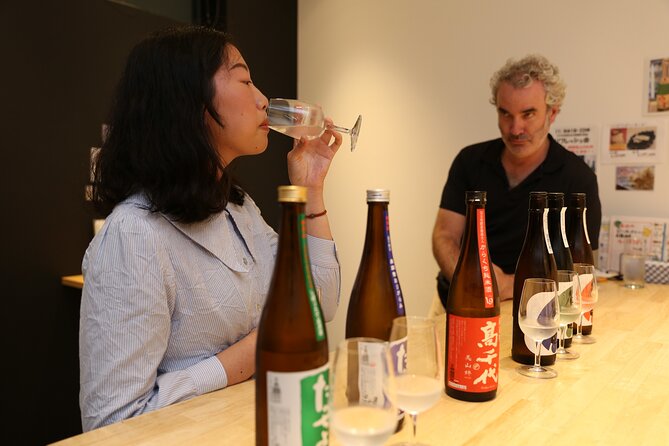
The most useful part of this experience is not simply the number of glasses. It is the chance to learn how to make sense of sake once you leave the bar.
Sake can be confusing at first. Labels may list polishing rates, rice varieties, brewing terms, serving suggestions, and place names that mean little if you do not know what to look for. Kenji breaks down the basics of nihonshu, the Japanese term for sake, and shows you how production choices affect the drink in your glass.
That matters when you order at a restaurant. Instead of pointing at the most expensive bottle or choosing a name you cannot pronounce, you can tell a server what you prefer. You may discover that you like something dry, fragrant, unpasteurized, full-bodied, or light and easy to drink.
The tone appears to be relaxed rather than stiff. The experience is designed around conversation, questions, snacks, and a series of tastings. One useful feature is Kenji’s willingness to discuss more than sake itself. He has helped people with basic Japanese language questions, local food ideas, and restaurant recommendations, all within the natural flow of the meeting.
More bars and sake stops in Kyoto:
- Kyoto Night Foodie Tour in Gion (9+ dishes + 6 Sake tastings)
★ 5.0 · 1,762 reviews - 3-Hour Kyoto Insider Sake Brewery Tour with Tastings & Pairings
★ 5.0 · 917 reviews - Arashiyama Bamboo, Temple, Monkeys, or Secret Sake Brewery
★ 4.8 · 886 reviews
Meeting Kenji near Shijo and Karasuma
Your starting point is at 18 Naginatabokochō, near the intersection of Shijo and Karasuma streets. Look for the imposing Mitsui Building on the northeast corner. Kenji identifies himself with a LINNELL’S backpack, which gives you a clear visual marker in a busy central Kyoto area.
This arrangement is practical, but read the directions before you set out. The meeting point is not the tasting bar itself. After meeting Kenji, you walk for about ten minutes to the sake location.
That short walk is part of the transition from major commercial streets to a smaller local drinking setting. Still, it is worth allowing a little extra time, especially if you are unfamiliar with Kyoto’s street layout. You do not get hotel pickup, transportation, or a ride between stops, so plan to reach the Shijo and Karasuma area on your own.
Comfortable shoes are a sensible choice. You will stand during the tasting, and you will also walk to the bar before the session begins.
Inside the standing sake bar
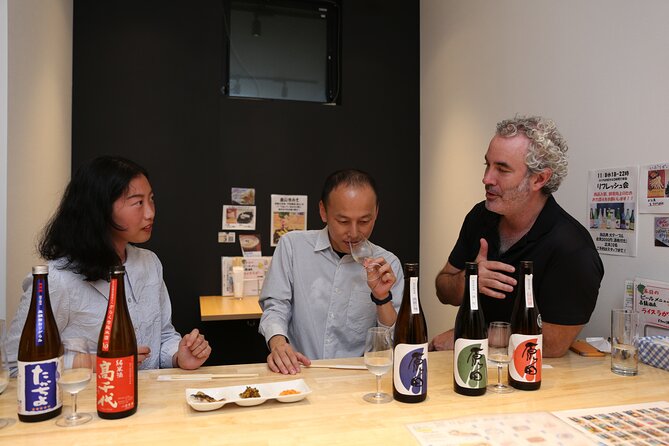
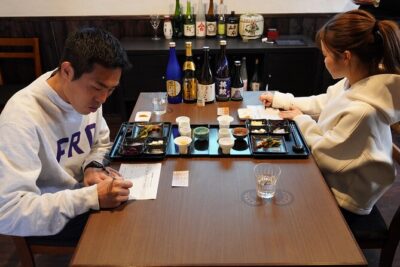
The bar is a standing venue, with no seats. That detail shapes the whole experience.
A standing bar can feel more casual and immediate than a formal tasting room. You are not settling in for a long lecture with a printed flight sheet. Instead, you are sharing a drink in a compact Japanese bar while Kenji talks you through the choices.
The tradeoff is comfort. Two hours on your feet will not suit everyone, especially after a full day of temples, markets, and hillside walks. If you have mobility concerns or simply prefer a seated meal, this may not be the right sake experience for you. The activity information does not promise seating, so you should treat the no-seat format as a firm part of the plan.
For many people, though, the setting is a major reason to book. It offers a more everyday drinking atmosphere than a polished tourist presentation. You get to learn in the kind of place where sake is actually ordered and enjoyed, not just displayed.
Eight pours from across Japan
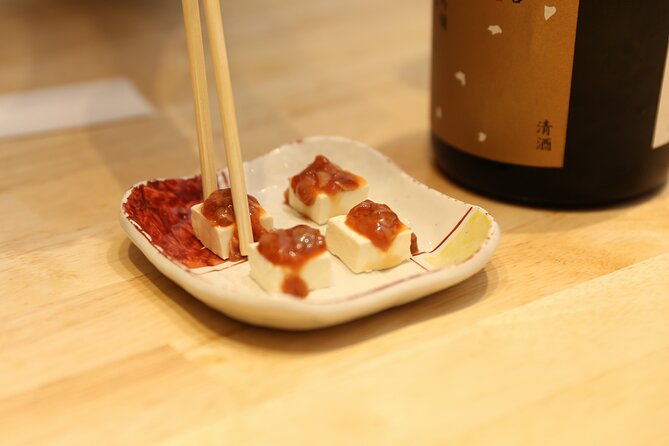
The tasting includes eight different sakes from across Japan, along with traditional Japanese snacks. That range lets you compare styles instead of trying to form an opinion from a single bottle.
Kenji chooses the pours around your preferences. If you already know that you like crisp drinks, floral aromas, rich flavors, or something less familiar, tell him early. If you have no idea what you like, that is fine too. The point is to use the tasting to find out.
The selection may include different brewing approaches and serving profiles. You can expect discussion of ingredients, production, regional origin, and the way sake changes from one pour to the next. One tasting account described trying unpasteurized sake, which can be a useful discovery if you want to move beyond the standard options found on many restaurant menus.
The published format says eight sakes, though the exact pours can vary with the selection. One account described six different pours, so I would focus less on counting glasses and more on the range and quality of the comparison. Ask Kenji what is being poured, where it comes from, and why it was selected for you.
Traditional snacks are included. They are not presented as a full meal, so do not arrive expecting lunch or dinner. Think of them as a useful match for the sake and a pleasant part of the tasting rhythm.
More food tours in Kyoto:
- Kyoto: Insider Sake Brewery Tour with Sake and Food Pairing
★ 5.0 · 704 reviews - Kyoto Sake Brewery & Tasting Walking Tour
★ 5.0 · 623 reviews - Kyoto Nishiki Market Food and Culture Walking Tour
★ 5.0 · 412 reviews - Kyoto: Gion Food Tour 13 Dishes at 4 Eateries
★ 5.0 · 408 reviews
What Kenji explains about sake
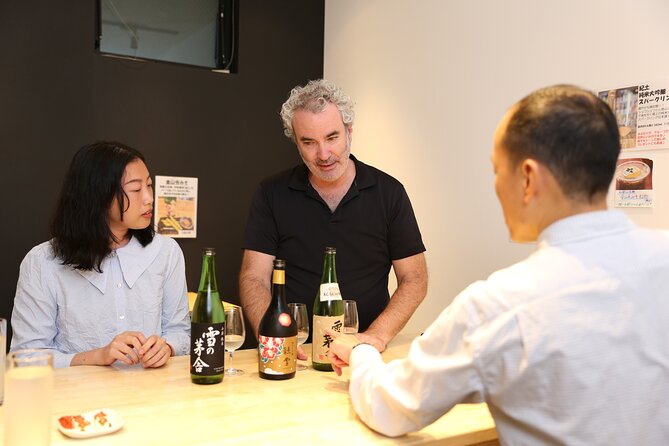
Kenji’s strongest role is teacher and guide. He explains how sake is made and gives you the vocabulary to understand what appears on a bottle.
The session covers the basics of production, including the ingredients and process behind the drink. Historical references can also enter the conversation, which helps place sake in Japanese food culture rather than treating it as just another alcoholic beverage.
A good tasting should leave you with a few practical questions to ask when buying or ordering:
- What style is this sake?
- Where was it made?
- What kind of flavor should I expect?
- Is it best served chilled or at another temperature?
- Is it dry, sweet, fragrant, light, or full-bodied?
- What food would work well with it?
You may not become a sake expert in two hours, and you do not need to. The real gain is confidence. You learn how to compare drinks and describe your own taste without relying on vague guesses.
Kenji also speaks English and Japanese. His English has been described as very good, and the activity is specifically guided in English, with Japanese also available. That makes the tasting accessible if you want detailed explanations rather than a silent flight of drinks.
A private format that encourages questions
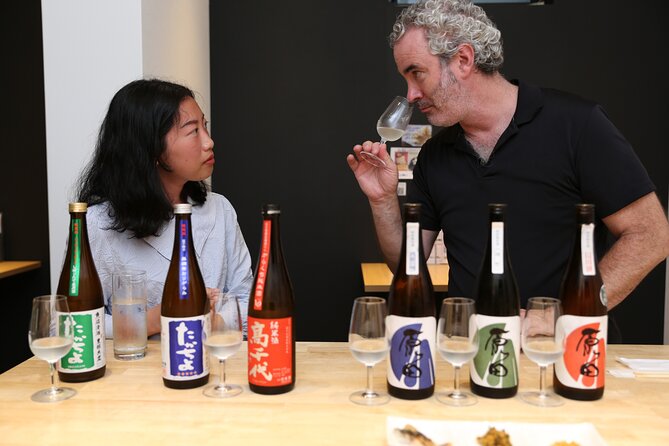
The group size is one to four people. For a sake lesson, that is a strong arrangement.
In a large group, a tasting can turn into a one-way talk. Here, you can ask why one sake tastes different from another, request a recommendation, or explain that a particular pour is not for you. Kenji can then adjust the conversation and selection to match your palate.
The private format also works well for couples and small groups of friends. You can compare your reactions without losing the guide’s attention. Solo participants are welcome as well, since the minimum group size is one person.
The experience is not designed for anyone under 20. Japan’s legal drinking age is 20, and pregnant women should not join. Everyone else should be comfortable with alcohol and with standing for the duration.
The value of $83 for two hours
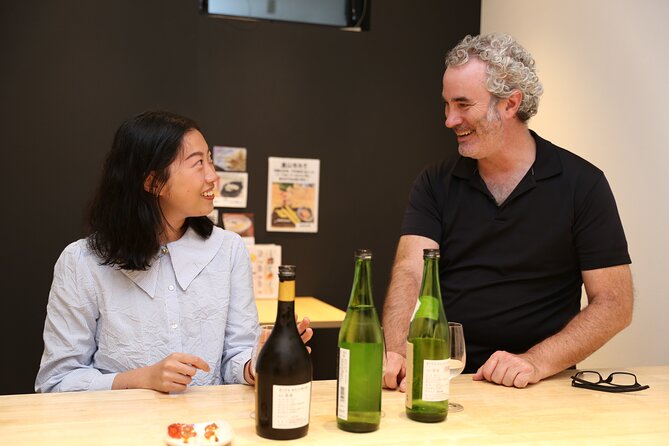
At $83 per person, this is not the cheapest way to have a drink in Kyoto. You could order sake on your own for far less, especially if you choose one bottle or a small pour at a casual restaurant.
The value here comes from the structure. You receive eight tastings, traditional snacks, a private group, and two hours with a certified international sake sommelier. You also get a lesson that can improve the rest of your food and drink choices in Japan.
I think the price makes the most sense for someone who is genuinely curious about sake, not someone looking only for a quick alcoholic sample. If you are likely to ask questions, compare styles, and use Kenji’s advice at later meals, the cost buys practical travel knowledge as well as drinks.
It is also a good choice early in a Kyoto visit. After the tasting, you should have a clearer idea of what to order at an izakaya, sushi restaurant, or Japanese meal. You can also ask Kenji for local food suggestions. In one especially helpful instance, he assisted with a Japanese barbecue reservation and guided the pair through Nishiki Market toward the restaurant.
That extra local conversation is not the formal promise of the activity, so I would not book solely for restaurant planning. Still, it shows how the private format can become more useful than a fixed script.
How the tasting may unfold
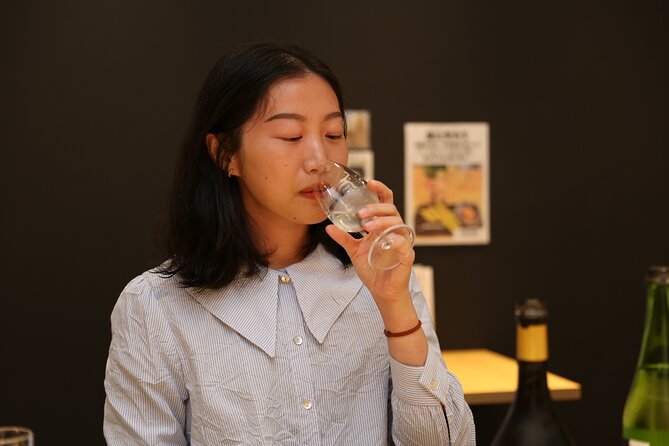
The experience begins at the central meeting point, where Kenji gathers the group and confirms the walk to the bar. From there, expect roughly ten minutes on foot.
At the bar, the session begins with an introduction to sake and its production. Kenji then brings out the selected pours, explaining what you are drinking and why each one fits into the sequence.
The tasting itself is not just eight separate samples. The benefit comes from comparison. A familiar style may be followed by something with a different aroma, texture, brewing method, or regional identity. As your preferences become clearer, Kenji can guide the next choice.
Snacks are served during the tasting. They give you a traditional bite between pours and help turn the lesson into a social evening rather than a classroom.
The final part is a chance to ask practical questions. You can talk about ordering sake, Japanese food pairings, local cuisine, or basic language. The two-hour schedule is long enough for a serious introduction without taking up an entire day.
Who will enjoy this most
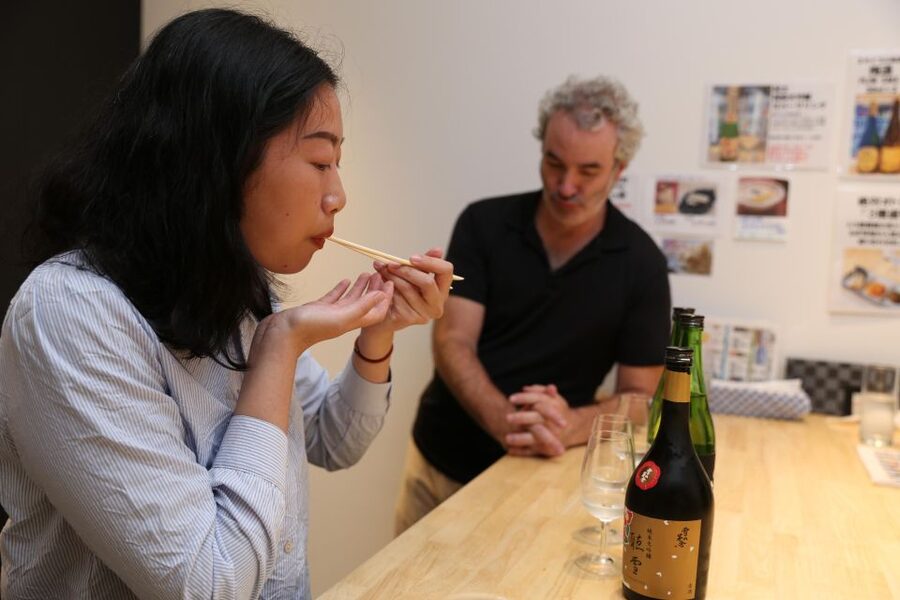
I would recommend this experience to you if:
- You are new to sake and want a clear introduction.
- You already drink sake and want to try less familiar styles.
- You prefer a small, private group over a large scheduled tour.
- You want to ask questions in English.
- You enjoy casual local bars more than formal tasting rooms.
- You want help choosing sake at later meals.
- You are happy to stand for two hours.
It may not suit you if you want a seated event, a full meal, or a broad tour of several venues. It is also not appropriate for anyone under 20 or for pregnant women.
The experience is especially useful for people who feel lost when looking at a sake menu. Kenji can help turn a long list of Japanese names into choices based on taste.
Practical tips before you book
Arrive at the Shijo and Karasuma meeting point with enough time to identify the Mitsui Building. Look for Kenji’s LINNELL’S backpack, then expect a ten-minute walk.
Wear comfortable shoes. This is the one physical detail you should take seriously, since the bar has no seats.
Eat something light beforehand if you need more than snacks. Sake and traditional nibbles are included, but the activity is not described as a complete meal.
Tell Kenji what you usually drink, even if your answer is simply that you do not know. The more he understands your preferences, the more useful the recommendations can be.
Finally, keep your schedule flexible after the tasting if you enjoy food planning. Kenji may have helpful ideas about local cuisine, but there is no hotel drop-off or transportation included.
Should you book this Kyoto sake experience?
Book it if you want to learn how to choose sake, not just taste it. Kenji’s professional background, clear English, and personal approach make this a strong fit for curious drinkers who want a private and relaxed introduction.
The best reasons to go are the small group, eight-sake comparison, central location, and advice tailored to your palate. The main caution is simple: you will stand, and the included snacks are not a replacement for dinner.
At $83, the experience is good value when you treat it as both a tasting and a practical lesson. If you are 20 or older, comfortable on your feet, and interested in Japanese food and drink, I would book it early in your Kyoto stay so you can use what you learn at the rest of your meals.
FAQ
How long does the sake tasting last?
The experience lasts two hours.
How many sakes are included?
The activity includes tastings of eight sakes from across Japan. The exact selection may vary, and one described tasting included six pours.
Where does the experience meet?
Meet at 18 Naginatabokochō, near the intersection of Shijo and Karasuma streets. Look for the Mitsui Building on the northeast corner and Kenji’s LINNELL’S backpack.
How far is the sake bar from the meeting point?
The walk from the meeting point to the sake bar takes about ten minutes.
Is the tasting seated?
No. The bar is a standing sake bar with no seats, so comfortable shoes are recommended.
Who can join the sake tasting?
Participants must be at least 20 years old. The activity is not suitable for people under 20 or pregnant women.
More Sake Tasting in Kyoto
- 1.5-Hour Kyoto Insider Sake Experience with 7 Tastings & Pairings
★ 5.0 · 297 reviews - Kyoto: Insider Sake Experience with 7 Tastings and Snacks
★ 5.0 · 266 reviews - Private Tea Ceremony and Sake Tasting in Kyoto Samurai House
★ 5.0 · 163 reviews - Advanced Kyoto Insider Sake Tasting Experience
★ 5.0 · 44 reviews
Recently added around Kyoto
- Higashiyama | Kyoto: Sakura Season Private Rickshaw Tour★ 5.0 · 3 reviews
- Kyoto Kimono Rental CHAMATSU|Kimono/Yukata Rental FamilyPlan★ 5.0 · 3 reviews
- Kyoto: Half-Day Private Guided Tour to the Old Town of Gion★ 4.4 · 3 reviews
- Nara Private Customizable Half Day Tour★ 5.0 · 3 reviews
- Kansai Region Hiking Adventure in Nara Kobe Kyoto and More★ 5.0 · 3 reviews
- Full Day Nara Deer, Temple, Shrine, Activities & Tea Ceremony★ 5.0 · 3 reviews
- Nara: Essential Private Tour with Deer Park and Temples★ 5.0 · 3 reviews
- Hiking Tour for Sacred Sites in Kyoto with a Guide★ 5.0 · 3 reviews
Sake Tasting, compared.

Kyoto Night Foodie Tour in Gion (9+ dishes + 6 Sake tastings)
Read our review →
3-Hour Kyoto Insider Sake Brewery Tour with Tastings & Pairings
Read our review →
Arashiyama Bamboo, Temple, Monkeys, or Secret Sake Brewery
Read our review →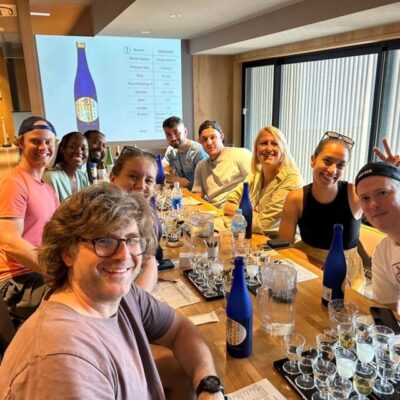
Insider Sake Brewery Tour with Sake and Food Pairing
Read our review →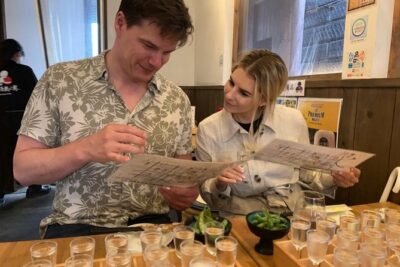
1.5-Hour Kyoto Insider Sake Experience with 7 Tastings & Pairings
Read our review →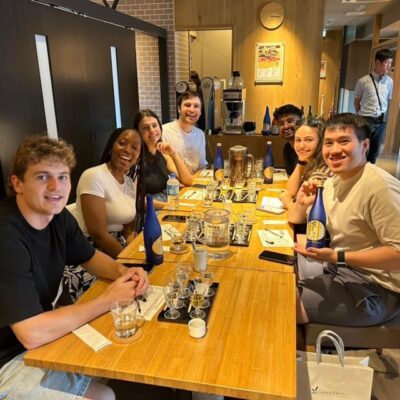
Insider Sake Experience with 7 Tastings and Snacks
Read our review →
Private Tea Ceremony and Sake Tasting in Kyoto Samurai House
Read our review →Browse the lists this tour appears in