
REVIEW · KYOTO
Kyoto Ume Liqueur Experience with CHOYA – Make Your Souvenir
Kyoto’s CHOYA workshop turns a small bottle into a hands-on lesson in Japanese food culture. You taste different ume fruits and sugars, choose from 100 combinations, then make your own syrup or umeshu with a simple kit. Guide Takatori-san has led guests through the process in clear English, and the shop itself adds a polished setting.
I especially like the tasting stage, since it lets you compare ume and sweeteners before committing to a recipe. I also like the practical souvenir: syrup is ready in about a week, while umeshu matures for roughly a month and is packed with a leak-proof cap for air travel. The main catch is that umeshu making is limited to people aged 20 and older, and groups wanting both products must book the activities separately.
In This Review
- Key points at a glance
- What happens during the one-hour CHOYA workshop
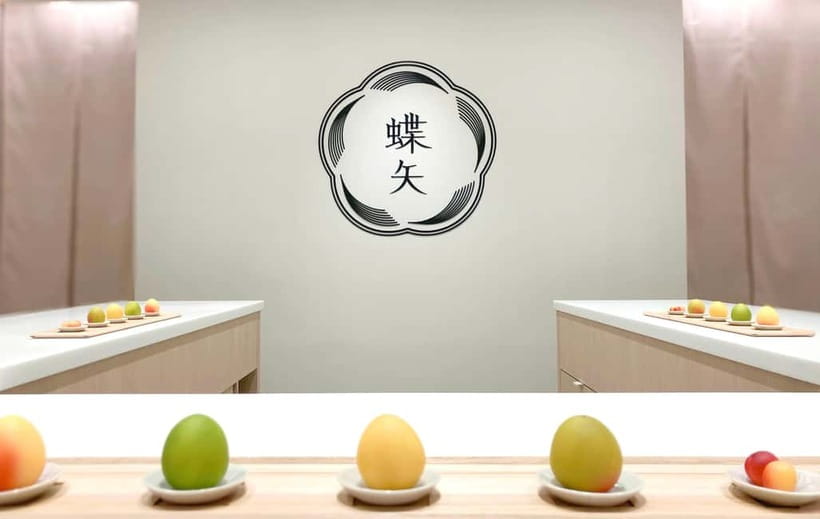
- Tasting ume and sugar before making a choice
- Making your own ume syrup or umeshu
- Why the souvenir is better than an ordinary bottle
- The shop setting and the pace of the session
- Who should choose syrup, and who should choose umeshu?
- English guidance and the hands-on details
- Planning the bottle for your flight home
- Booking, cancellation, and practical limits
- Should you book the CHOYA ume experience?
- FAQ
- How long does the CHOYA ume-making experience last?
- Is the experience available in English?
- Can children participate?
- Can one booking include both ume syrup and umeshu?
- When can I drink or use my creation?
- Can I take the bottle on an airplane?
- Is the activity wheelchair accessible?
Key points at a glance
- Taste before you choose: Compare ume varieties and sugars before making your personal combination.
- A genuine Kyoto food activity: Learn about a Japanese tradition said to stretch back 1,000 years.
- English support: An English-speaking CHOYA Ume Concierge leads the workshop, with booklets in English, Chinese, and Japanese.
- A useful souvenir: Ume syrup is ready in one week, while umeshu needs about one month.
- Small and accessible: Sessions last one hour, hold up to 10 people, and are wheelchair accessible.
- Age rules matter: Anyone can make syrup, but umeshu requires participants to be at least 20.
What happens during the one-hour CHOYA workshop
This is a compact activity, not a long factory tour or a full-day cooking class. You spend about an hour learning the basics, tasting ingredients, making your drink, and packing it for the journey home.
The session begins with an introduction to ume culture and umeshu. Ume is often translated as Japanese plum, though the fruit has a sharper, more tart character than a typical Western plum. Here, you learn how ume, sugar, and alcohol or water-based syrup work together.
The explanation matters because the finished drink depends on small choices. A sweeter sugar can soften the fruit’s sour edge, while a different ume variety can change the aroma and taste. You are not simply pouring ingredients into a bottle from a fixed recipe. You are deciding what kind of souvenir you want.
The English-speaking guide keeps the process open to international visitors. Takatori-san is one guide associated with the workshop, and clear instructions are supported by printed booklets in English, Chinese, and Japanese. That combination should help you follow along even if food vocabulary or drink-making terms are new to you.
Other Kyoto mornings people book alongside this one:
- PERFECT KYOTO 1-Day Bus Tour
★ 5.0 · 13,518 reviews - Kyoto: Fushimi Inari, Kinkakuji, Bamboo Grove 1 Day Bus Tour
★ 4.8 · 4,316 reviews - Kyoto: Tea Ceremony in a Traditional Tea House in Kiyomizu
★ 4.9 · 3,519 reviews
Tasting ume and sugar before making a choice
The tasting is the strongest part of the activity for me. You sample different ume syrups and compare the fruit and sugar options before selecting your combination.
This gives the workshop a useful sense of purpose. You may arrive knowing only that you like umeshu, but the tasting helps you work out what you actually prefer. You can notice how the same tart fruit changes when paired with different sweeteners, then use that information to build your bottle.
CHOYA offers up to 100 possible combinations. That does not mean you need to study a huge menu or make the process difficult. It means you have room to make a choice that feels personal, instead of receiving an identical souvenir to everyone else in the room.
I would pay attention to this stage rather than rushing toward the bottle. Once you have selected your ume and sugar, you place the order for your chosen combination. For anyone interested in Japanese food, whisky, sake, or liqueur, this comparison is more valuable than a simple tasting flight because it connects flavor to the making process.
There is also a social side to the tasting. In a small group of no more than 10 people, you can see how other participants approach their choices, while still having enough space to focus on your own bottle. The workshop does not require specialist knowledge. You can simply choose the flavor pairing you enjoy most.
Making your own ume syrup or umeshu
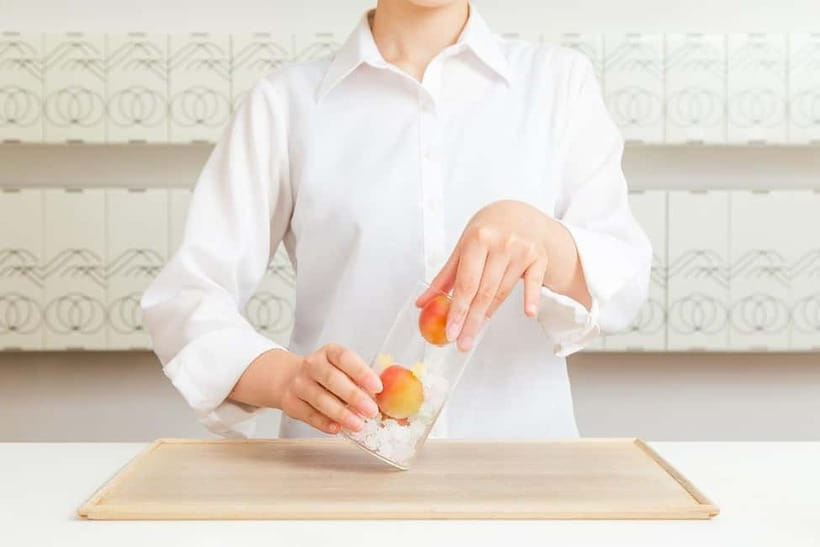
After choosing the ingredients, you use CHOYA’s special kit to make your drink by hand. The kit keeps the activity approachable, so you are not expected to arrive with cooking skills or equipment.
For ume syrup, the finished product is ready in about one week. That makes it the better choice if you want to taste your souvenir soon after returning home. It also makes syrup suitable for younger participants, since guests aged 19 and under can join the activity if they make ume syrup.
Umeshu is the alcohol-based option. You must be at least 20 years old to make it, and the bottle needs about one month before it is ready to enjoy. That waiting period is part of the appeal, but you should plan for it. You will not leave the shop with a drink that is ready for dinner that night.
The workshop lets you capture the making process with photos. Photography is allowed at any time, which is useful if you want a record of the ingredient choices or the final bottle. The activity feels especially well suited to couples, friends, and families who want a small souvenir with a story behind it.
Once the ingredients are in place, the container is sealed with a leak-proof cap and put into a durable box. Keep the silicone cap in place and leave the bottle packed in the box for air travel. Do not remove the cap before the journey.
Why the souvenir is better than an ordinary bottle
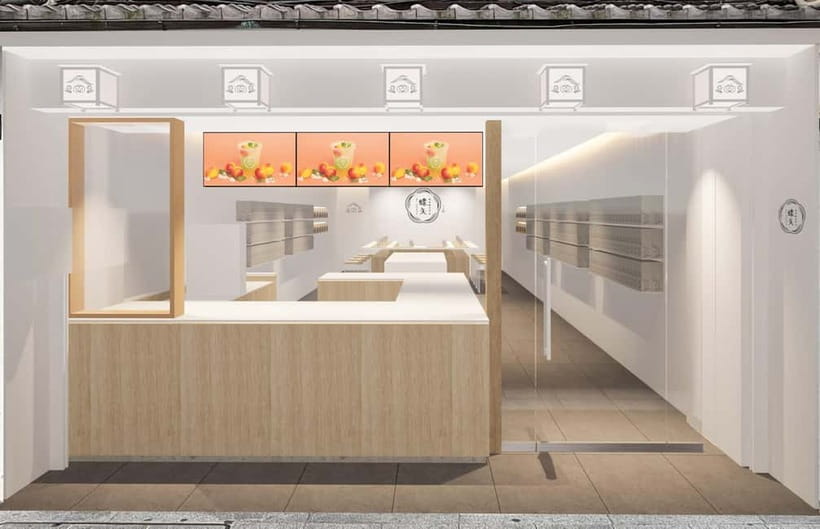
Kyoto has no shortage of packaged food and drink gifts. A store-bought bottle is easy, but it does not show how the flavor was made. This workshop gives you a souvenir tied to a choice you made in the shop.
That personal element is the main reason to pay for the activity. At $31 per person, the price is higher than simply buying a bottle of prepared syrup or umeshu. You are paying for the guided tasting, ingredient selection, hands-on kit, English assistance, and secure packaging, not just for the liquid.
For someone who already loves CHOYA or Japanese liqueurs, that is a fair exchange. You get a short cultural lesson and a product that changes over time at home. The one-month wait for umeshu can even become part of the memory of your Kyoto trip.
The value is less convincing if you only want the cheapest edible souvenir. You can also find the workshop unnecessary if you already know exactly which CHOYA bottle you want. But if you like making food choices, tasting unfamiliar ingredients, or bringing home something nobody else in your group has made, the cost makes more sense.
You can pay for a second bottle or additional bottles on the day. The supplied details do not state the extra-bottle price, so ask at the shop if you think you may want more than one creation.
A completely different side of Kyoto:
- Kyoto Geisha Walking Tour: Gion District & Hidden Gems
★ 4.7 · 3,273 reviews - Kyoto: Tea Ceremony Ju-An at Jotokuji Temple
★ 4.9 · 3,207 reviews - Kyoto: Gion Magical Night Walking Tour with Geisha Trivia
★ 4.9 · 2,393 reviews - Kyoto: 45-Minute Tea Ceremony Lesson Experience
★ 4.3 · 2,378 reviews
The shop setting and the pace of the session
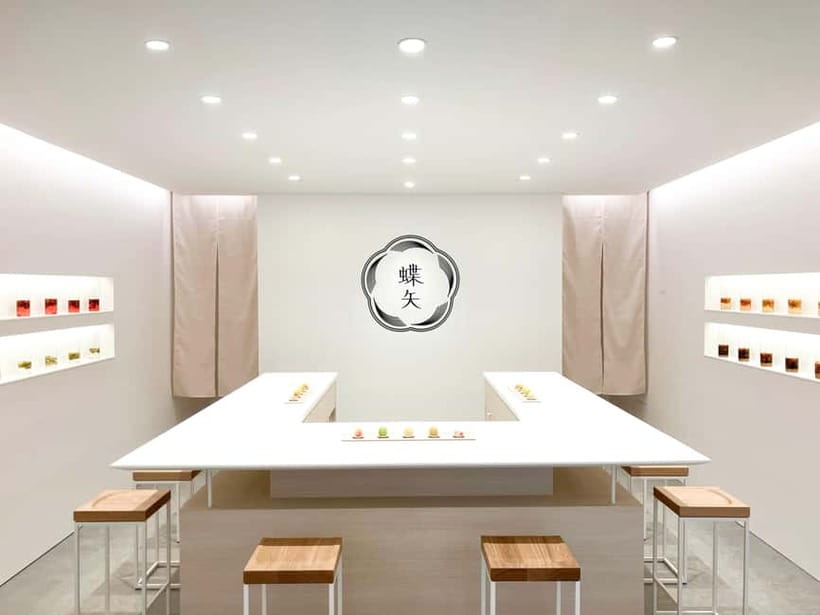
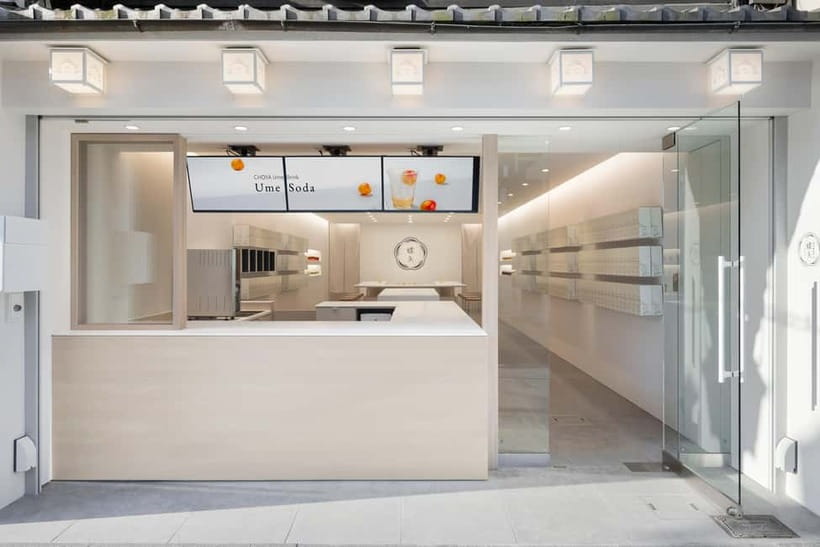
The CHOYA shop is described as a beautiful setting, and that matters during a short indoor activity. The surroundings give the workshop a more finished feel than a basic demonstration room.
The pace is prompt. Sessions begin with the rest of the group, so arriving late can mean missing part or all of the program. If you are delayed, contact the shop by email, but do not count on being able to join every step after the start.
I would place this activity carefully in your Kyoto schedule. A one-hour session is easy to fit between sightseeing stops, but you still need time to reach the shop and settle in before the start. Hotel pickup and drop-off are not included, so you arrange your own way there.
The small-group format is a good match for the hands-on work. With a limit of 10 people, the guide can explain the choices without the room feeling like a large tasting lecture. It also helps if you have questions about the ingredients or the packaging.
The activity is wheelchair accessible. Food and drinks from outside are not allowed, and you cannot participate while intoxicated or under the influence of alcohol or drugs. Bare feet and audio recording are also not permitted.
Who should choose syrup, and who should choose umeshu?
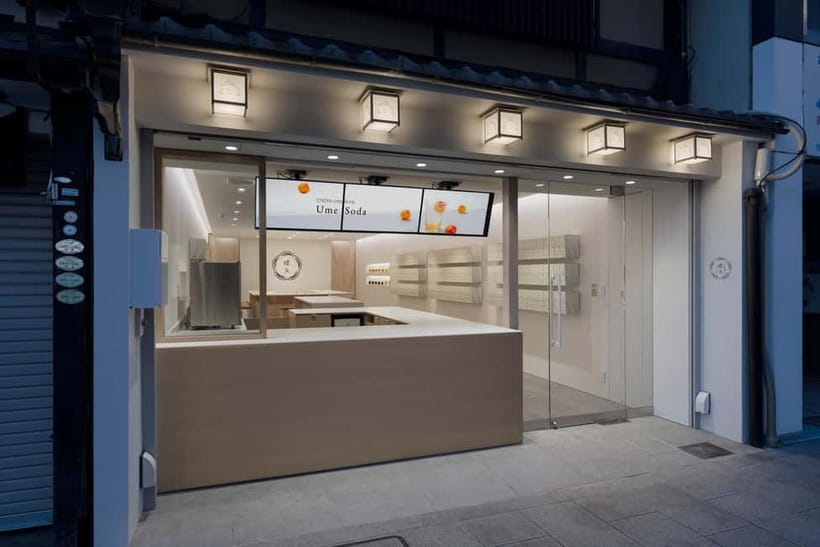
Choose ume syrup if you are under 20, do not drink alcohol, or want a souvenir that is ready quickly. Syrup takes about one week to mature, so you can enjoy it soon after your return.
Choose umeshu if you are at least 20 and like the idea of waiting for a drink you made in Kyoto. The month-long preparation time makes it a slower souvenir, but also a more memorable one. The activity suits people interested in Japanese drinks who want to understand the balance of fruit, sugar, and alcohol.
If your group includes adults and younger participants, make sure everyone books the correct activity. Umeshu and syrup making are not automatically combined. Groups that want both must book separately.
This age rule is easy to miss if you are planning a family outing. Younger participants can still take part in the workshop by making syrup, so the experience does not need to be limited to adults. Just do not assume one booking covers both products for the whole group.
English guidance and the hands-on details
The English-speaking Ume Concierge is a major reason this activity works well for visitors from overseas. You are not left to read instructions on your own and guess which ingredient does what.
The guide explains the tradition, leads the tasting, helps you decide on a combination, and walks you through the kit. The workshop has also been praised for its friendly help and clear English. That is important because the fun comes from making a choice, not from trying to decode a process in an unfamiliar language.
Printed material is available in English, Chinese, and Japanese. The stated live guide language is English, so you should expect the spoken instruction to be in English, with the other languages available through booklets.
This is not a technical alcohol-making course. You will learn the basic role of the ingredients and make a bottle under guidance. If you want a long lecture on fermentation or a behind-the-scenes production tour, this one-hour format may feel light. If you want an easy, well-organized introduction with a finished souvenir, it fits nicely.
Planning the bottle for your flight home
The air-travel packaging is one of the most practical features. After you make the drink, it is sealed with a leak-proof cap and placed in a durable box.
Keep the bottle in that box and do not remove the silicone cap. CHOYA provides product specification sheets for customs clearance on its website, which may help when you are checking import requirements for your destination.
You remain responsible for checking the rules that apply to your own country. The activity provides packaging and product information, but it does not include shipping. If you do not want to carry the bottle, sending it home is not part of the service either.
The maturity time also affects how you plan the souvenir. Syrup should be ready in around a week, while umeshu takes about a month. Follow the instructions you receive and resist the temptation to open the bottle early.
Booking, cancellation, and practical limits
You can reserve up to two months ahead through the website. The activity offers reserve now and pay later, which is useful if you are still arranging a Kyoto itinerary. Cancellation is free up to 24 hours before the start for a full refund.
The one-hour duration makes this an easy addition to a sightseeing day, but the start time is fixed and late arrivals can lose part or all of the session. Give yourself enough time to reach the shop, especially if you are crossing Kyoto from another part of the city.
At $31, the experience is priced as a workshop rather than a quick shop visit. I would book it for the tasting and the chance to make a personal bottle, not simply for the amount of drink you take home.
The activity has received a perfect five-star rating from six recorded bookings, with particularly strong praise for the range of ume and sugar choices, the friendly instruction, the attractive shop, and the simple process. Those are also the parts most likely to determine your satisfaction.
Should you book the CHOYA ume experience?
I would book this if you want a short Kyoto activity that combines tasting, Japanese food culture, and a take-home project. It is a strong choice for CHOYA fans, adults curious about umeshu, and families who can have younger participants make syrup.
I would skip it if you want a ready-to-drink bottle immediately, a long brewery tour, or the lowest-cost souvenir. Also check the age rule before booking and reserve separate sessions if your group wants both syrup and umeshu.
For most people who enjoy trying local flavors, the best part is the decision-making. You taste first, make your own combination, then carry home a bottle that needs a little patience. That is a small but satisfying way to keep Kyoto in your kitchen after the trip.
FAQ
How long does the CHOYA ume-making experience last?
The activity lasts one hour. Check the available starting times when booking, and arrive on time because the session begins promptly with the group.
Is the experience available in English?
Yes. An English-speaking CHOYA Ume Concierge leads the activity. Booklets are also available in English, Chinese, and Japanese.
Can children participate?
Participants aged 19 and under can join by making ume syrup. Umeshu making is limited to people aged 20 or older.
Can one booking include both ume syrup and umeshu?
No. Please book separately if your group wants to make both ume syrup and umeshu.
When can I drink or use my creation?
Ume syrup is ready in about one week. Umeshu is ready in about one month.
Can I take the bottle on an airplane?
The bottle is sealed with a leak-proof cap and packed in a durable box for air travel. Keep the silicone cap in place and leave the bottle packed in the box. Product specification sheets for customs clearance are available on the CHOYA website.
Is the activity wheelchair accessible?
Yes. Wheelchair access is available. Hotel pickup and drop-off are not included.
Recently added around Kyoto
- Higashiyama | Kyoto: Sakura Season Private Rickshaw Tour★ 5.0 · 3 reviews
- Kyoto Kimono Rental CHAMATSU|Kimono/Yukata Rental FamilyPlan★ 5.0 · 3 reviews
- Kyoto: Half-Day Private Guided Tour to the Old Town of Gion★ 4.4 · 3 reviews
- Nara Private Customizable Half Day Tour★ 5.0 · 3 reviews
- Kansai Region Hiking Adventure in Nara Kobe Kyoto and More★ 5.0 · 3 reviews
- Full Day Nara Deer, Temple, Shrine, Activities & Tea Ceremony★ 5.0 · 3 reviews
- Nara: Essential Private Tour with Deer Park and Temples★ 5.0 · 3 reviews
- Hiking Tour for Sacred Sites in Kyoto with a Guide★ 5.0 · 3 reviews