
REVIEW · KYOTO RICKSHAW TOURS
Kyoto Rickshaw Tour
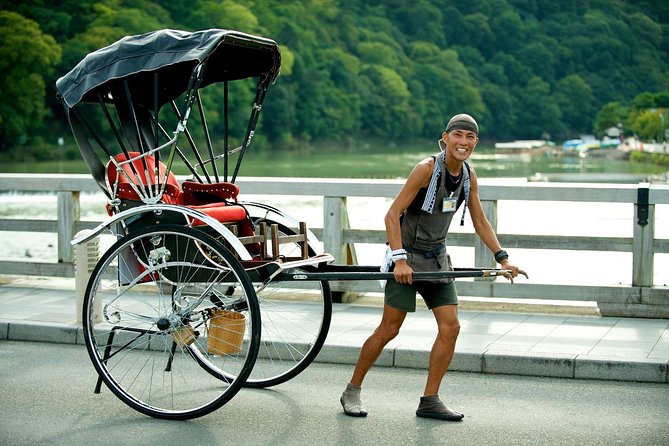
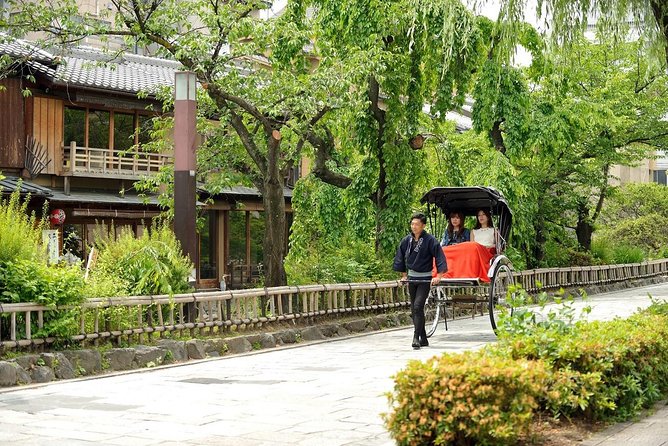
Kyoto’s old districts are made for a slow ride. From an authentic rickshaw, you glide along stone lanes and past dark wooden houses while your guide points out shrines, temples, customs, and bits of local life. It is a pleasant way to see Gion and Higashiyama without spending every minute watching your feet.
I like two things here. First, your guide is also the person pulling the rickshaw, so the tour feels personal rather than mechanical. Guides such as Fumi, Yoshi, Kai, Kanta, Hina, and Kota are praised for clear English, local stories, good humor, and surprisingly strong legs. Second, the route can be adjusted to suit your interests, and the guides are often happy to stop for photos.
The main caution is the seat. A rickshaw is only 29.1 inches, or 74 centimeters, wide, and two adults may find it tight. Short tours also cannot cover every sight, so decide in advance whether you want a quick taste of Gion or a longer ride with temple stops.
In This Review
- Key points to know before booking
- Why a rickshaw works so well in old Kyoto
- Starting at the Ebisuya Higashiyama stand
- Rolling through Gion’s wooden streets
- Temples, gardens, and the slower Higashiyama view
- Yasaka Shrine and Kyoto’s living traditions
- What your guide adds to the ride
- Picking between 30 minutes and 3 hours
- Price, comfort, and who gets the best value
- Weather, timing, and practical limits
- Should you book the Kyoto rickshaw tour?
- FAQ
- Where does the Kyoto rickshaw tour start?
- Where does the tour end?
- How long does the rickshaw ride last?
- How much does the tour cost?
- Is the tour private?
- How many adults fit in one rickshaw?
- Can young children ride?
- Does the tour visit Arashiyama Bamboo Forest?
- Is an English-speaking guide included?
- Can I cancel for a full refund?
Key points to know before booking
- Choose your pace: Tours run from about 30 minutes to 3 hours, with longer options covering more streets and landmarks.
- Expect a private ride: Only your own party participates, though each rickshaw holds no more than two adults.
- Gion and Higashiyama are the focus: You pass old stone streets, wooden town houses, shrines, temples, and a geisha district.
- Your guide takes photos: Several guides are praised for finding attractive spots and taking photos and short videos.
- Check the rickshaw width: Two adults fit in principle, but separate rickshaws may be more comfortable.
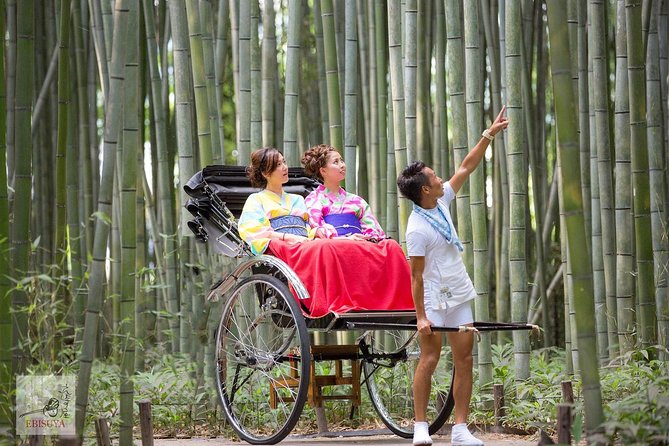
- Do not book this for Arashiyama: The voucher is valid only at the Higashiyama branch and does not include the Bamboo Forest.
Why a rickshaw works so well in old Kyoto
Kyoto can be tiring to explore on foot. Higashiyama has slopes, uneven paving, crowds around major sights, and many narrow lanes where a taxi is no help. A rickshaw gives you a seat, a moving view, and a local escort who can explain what you are seeing as the city passes by.
The pace is the real attraction. You are not rushing from one entrance to another. You have time to notice roof tiles, wooden facades, stone walls, small gardens, and the changing feel of each lane. Your guide can pause for a photo or explain a custom before moving on.
This is also a useful first activity in Kyoto. A 70-minute or two-hour ride can help you understand how Gion, Higashiyama, Yasaka Shrine, Kodaiji, and the surrounding streets fit together. Afterward, you can return to the places that caught your eye and explore them on foot.
The tour is private for your group, which matters. You can ask questions without holding up a busload of people, and a guide may adjust the route around your interests. If you want shrines, say so. If you care more about wooden houses and geisha culture, say that instead.
More rickshaw rides:
- Kyoto: Arashiyama Customized Rickshaw Tour & Bamboo Forest
★ 5.0 · 432 reviews - Kyoto Arashiyama Rickshaw Tour with Bamboo Forest
★ 5.0 · 354 reviews - Kyoto: Private Rickshaw Tour of Gion and Higashiyama Area
★ 5.0 · 144 reviews
Starting at the Ebisuya Higashiyama stand
The meeting point is Ebisuya Higashiyama Rickshaw at 483 Shimokawaracho, in Kyoto’s Higashiyama Ward. The area is near public transportation, but give yourself plenty of time to arrive. A late start comes directly out of your tour time, and a delay of 10 minutes or more results in automatic cancellation.
The ride ends back at the same stand unless you arrange another finishing point. A different drop-off may cost extra, paid on the day, so it is worth asking before departure if you want to finish near a restaurant, hotel, or another sight.
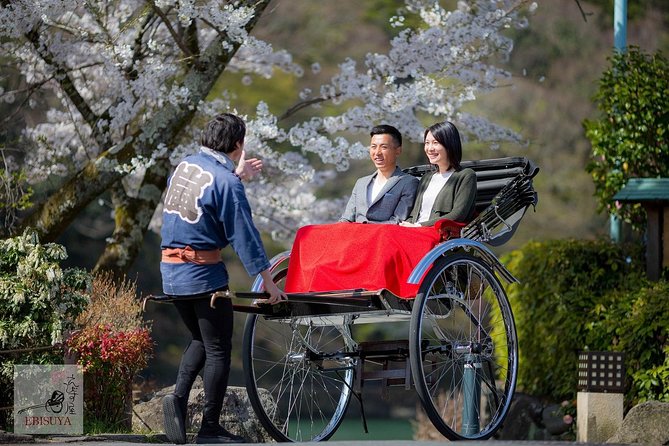
At the stand, you will be paired with your rickshaw driver. The vehicle looks simple, but the seating arrangement deserves attention. Two adults can ride in one rickshaw, and children age 5 or younger may sit on an adult’s lap, with one child per adult. A maximum of two adults fits in each vehicle, and up to two young children can ride with two adults.
Adult pricing applies from age 6. If a child age 5 or younger will use one of the two seats rather than sit on a lap, that child must be booked as an adult.
Rolling through Gion’s wooden streets
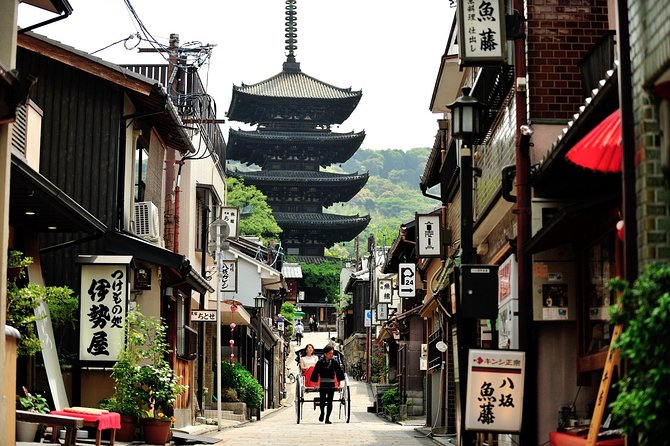
The route begins in one of Kyoto’s most atmospheric districts. Gion is known for its traditional wooden town houses, narrow lanes, tea-house culture, and connections to geisha arts. A rickshaw lets you pass through these streets at a calm speed, with your guide explaining what is appropriate to photograph and how the district developed.
Do not book this expecting a guaranteed geisha sighting. You might spot a geisha or maiko, but it depends on timing and chance. The real value is seeing the district itself, including the understated wooden buildings and lanes that are easy to miss when you are focused only on major temples.
One small bridge in the traditional district may be included, depending on your chosen length and route. These short crossings make good photo stops and give you a sense of how the older quarters connect. The ride is especially appealing in the daytime if you have already taken a night walk nearby. The same streets can feel quite different when you can see the woodwork, gardens, and stone paving clearly.
Guides such as Kanta and Shuhei have been praised for taking guests through lovely Gion streets and explaining the sights in clear English. That personal narration is important because the scenery alone does not tell you how the district works.
Temples, gardens, and the slower Higashiyama view
The route can include a beautiful temple with a garden and a larger, more imposing temple. Kodaiji and Kenninji are examples associated with the longer rides, though the precise stops depend on the tour length and your discussion with the guide.
Kodaiji is a good match for visitors who want gardens and quieter visual details. Kenninji gives the ride a stronger temple focus, and one two-hour tour included an extra stop there for an additional fee. If a particular temple matters to you, ask about admission and route details before setting off. Not every temple visit is included in every time option.
This is where the longer rides earn their price. A 30-minute outing gives you a taste of the old district. A 70-minute ride allows a more relaxed loop through Gion and nearby streets. Two or three hours can include more stops, more explanation, and time to walk briefly at selected places.
A guide may also take you along quieter lanes away from the most crowded paths. That does not mean you will have Kyoto to yourself, especially near major sights, but it can make the ride feel less like a checklist. Several guides are praised for finding good photo locations, including less crowded paths.
A completely different side of Kyoto:
- PERFECT KYOTO 1-Day Bus Tour
★ 5.0 · 13,518 reviews - Kyoto: Fushimi Inari, Kinkakuji, Bamboo Grove 1 Day Bus Tour
★ 4.8 · 4,316 reviews - Kyoto: Tea Ceremony in a Traditional Tea House in Kiyomizu
★ 4.9 · 3,519 reviews - Kyoto Geisha Walking Tour: Gion District & Hidden Gems
★ 4.7 · 3,273 reviews
Yasaka Shrine and Kyoto’s living traditions
Yasaka Shrine, a large Shinto shrine in the Gion area, is one of the most useful landmarks on this route. It helps you connect the narrow lanes of Gion with a major religious and festival site.
The shrine is particularly appealing around New Year. If you are visiting then, you could stop before or after the rickshaw ride, depending on your plans and the route available that day. The tour itself does not replace time inside the shrine complex, so consider it a way to get oriented rather than a full shrine visit.
Some guides walk with you briefly and explain customs, history, and how to behave at a shrine. That extra few minutes on foot can be valuable. You are not simply being pulled past a gate. You get a little context for what you see and a chance to ask questions.
The same applies to temples. Kyoto’s religious sites can seem similar when you are seeing several in one day. A good guide can point out the differences between Buddhist temples and Shinto shrines, explain simple customs, and help you notice details you might otherwise pass by.
What your guide adds to the ride
The driver is the heart of this experience. The strongest part of the tour is not the vehicle itself, but the combination of physical effort, local knowledge, conversation, and photo help.
Fumi is praised for vivid stories and a lively manner. Yoshi is noted for strong English, useful explanations, and excellent photographs. Kai has handled tall adults while keeping up a running commentary, and Kanta is praised for his explanations in Gion. Hina is described as patient and attentive, while Kota is noted for his friendliness, local knowledge, and photography.
These details matter because the ride is active work for the guide. A rickshaw driver is pulling two adults, sometimes uphill, while steering, watching traffic, timing stops, and speaking in a second language. The experience works best when you treat the driver as a guide and host, not simply as transport.
You can make the ride better by asking questions early. Tell the guide if you prefer temples, old houses, photography, geisha culture, gardens, or a simple scenic ride. Since the experience is customizable, your priorities can shape the route, within the limits of the time you book.
Picking between 30 minutes and 3 hours
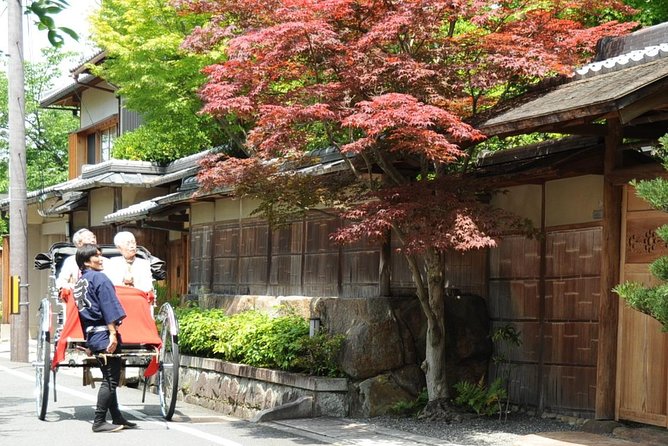
The shortest option is a sampler. A 30-minute ride suits you if your schedule is tight, you want a fun introduction, or you are already spending the day visiting temples on foot. It will not cover every listed landmark, but it can give you a pleasant look at Gion or Higashiyama.
A 70-minute tour is a better middle choice for many people. It gives the guide time to show you several streets, explain the district, stop for photos, and include some temple or shrine views. It is long enough to feel like a real outing without taking over your day.
Two hours makes sense if you want a fuller route and more conversation. You may have time for several religious sites, the geisha district, old lanes, and a short stop at a temple such as Kenninji, if arranged and available.
The three-hour option is for people who want the rickshaw ride to be a major part of their Kyoto day. Groups have even added more time after enjoying the route, but you should not assume extra time will be available. Book the length you truly want from the start.
Remember that changing the route does not create more time. A short ride cannot reasonably cover Gion, several temples, Yasaka Shrine, scenic lanes, and every stop listed. Discuss your priorities before departure.
Price, comfort, and who gets the best value
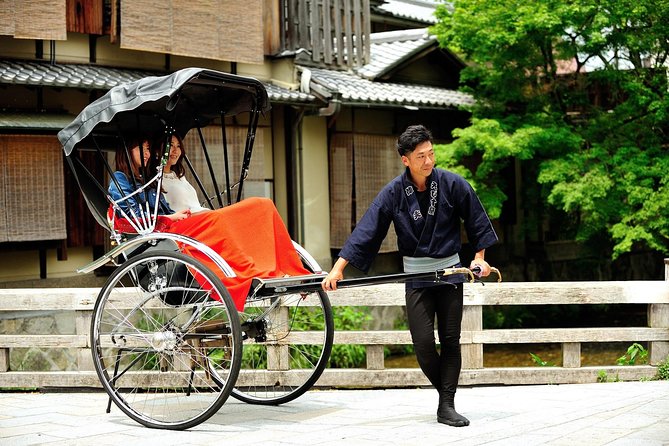
At about $39.79 per person, the shortest ride is an accessible way to try something unusual. The longer tours cost more, but the value improves if you want a private guide, custom routing, photos, and a gentle introduction to several districts in one outing.
The cost is easiest to justify for first-time visitors, couples, families, and anyone who finds a full day of walking difficult. One person who unexpectedly needed a wheelchair found the ride a useful way to continue seeing Kyoto, though the supplied details do not establish that the service is designed for every wheelchair need. Ask the operator directly about transfers, storage, and access if those points apply to you.
For a family, the private format is useful. Children can ride on an adult’s lap if they are 5 or younger, while older children pay the adult rate. Teenagers who are unsure about the idea may enjoy the humor, movement, and photo stops more than a standard temple tour.
For two adults, comfort deserves more thought. The 74-centimeter seat width can feel snug, especially on a long ride. The operator recommends one rickshaw per passenger for people of size or anyone who wants more room. If two people will not fit comfortably, book the extra rickshaw ahead of time. Availability with an English-speaking guide may not exist on the day.
Weather, timing, and practical limits
The tour operates rain or shine, but the cancellation terms also state that poor weather can lead to a cancellation with a choice of a new date or full refund. Bring suitable clothing and be ready for the possibility of a weather-related change.
Time changes or rescheduling requests made after 5 p.m. on the day before the tour cannot be accommodated. The general cancellation deadline is 24 hours before the start time for a full refund. Later cancellations and changes are not refunded or accepted.
The ride is a poor match if you dislike open-air weather exposure, need a very wide seat, or want to visit Arashiyama Bamboo Forest. Arashiyama is not part of this Kyoto Higashiyama experience, and the voucher cannot be used at the operator’s Arashiyama branch.
The tour is also not a substitute for a full temple pass or a detailed walking tour. You are seeing many places from the road, with selected stops depending on the time booked. Think of it as a moving introduction with local commentary and photo opportunities.
Should you book the Kyoto rickshaw tour?
I would book this for a first Kyoto visit, especially as a first-day activity in Gion or Higashiyama. It helps you understand the old districts quickly, gives your feet a break, and introduces customs and landmarks through a personal guide.
Choose at least 70 minutes if you want more than a quick ride. Pick two hours if temples, photos, and local stories are central to your plans. Before paying, check the seat arrangement, confirm your preferred sights, and make sure you are booking the Higashiyama branch rather than Arashiyama.
Skip it if you are seeking a low-cost way to enter every temple, if you specifically want the Bamboo Forest, or if the narrow seat will make the ride uncomfortable. For most people who can fit the vehicle and enjoy a slower look at Kyoto’s old streets, this is a memorable and practical use of part of a day.
FAQ
Where does the Kyoto rickshaw tour start?
It starts at Ebisuya Higashiyama Rickshaw, 483 Shimokawaracho, Higashiyama Ward, Kyoto, 605-0825, Japan.
Where does the tour end?
The activity ends back at the Higashiyama meeting point. A different finishing location may be possible for an extra fee paid on the day.
How long does the rickshaw ride last?
Available tour lengths range from about 30 minutes to 3 hours.
How much does the tour cost?
The listed price is $39.79 per person. Group discounts may be available.
Is the tour private?
Yes. Only your own group participates in the activity.
How many adults fit in one rickshaw?
A maximum of two adults can ride in one rickshaw. Each vehicle is 29.1 inches, or 74 centimeters, wide.
Can young children ride?
Children age 5 and younger may sit on an adult’s lap, with one child per adult. Up to two young children can ride with two adults. Children age 6 and over are charged the adult price.
Does the tour visit Arashiyama Bamboo Forest?
No. The Bamboo Forest is not included, and the voucher is valid only at the Kyoto Higashiyama branch.
Is an English-speaking guide included?
Yes. A local English-speaking guide and the rickshaw ride are included.
Can I cancel for a full refund?
Yes, if you cancel at least 24 hours before the experience start time. Cancellations made less than 24 hours before the start are not refunded. If poor weather causes the operator to cancel, you will be offered another date or a full refund.
Recently added around Kyoto
- Higashiyama | Kyoto: Sakura Season Private Rickshaw Tour★ 5.0 · 3 reviews
- Kyoto Kimono Rental CHAMATSU|Kimono/Yukata Rental FamilyPlan★ 5.0 · 3 reviews
- Nara Private Customizable Half Day Tour★ 5.0 · 3 reviews
- Kyoto: Half-Day Private Guided Tour to the Old Town of Gion★ 4.4 · 3 reviews
- Kansai Region Hiking Adventure in Nara Kobe Kyoto and More★ 5.0 · 3 reviews
- Full Day Nara Deer, Temple, Shrine, Activities & Tea Ceremony★ 5.0 · 3 reviews
- Nara: Essential Private Tour with Deer Park and Temples★ 5.0 · 3 reviews
- Hiking Tour for Sacred Sites in Kyoto with a Guide★ 5.0 · 3 reviews
Kyoto Rickshaw Tours, compared.
Arashiyama Customized Rickshaw Tour & Bamboo Forest
Read our review →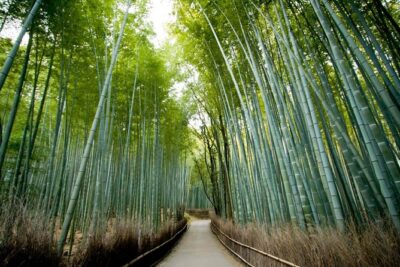
Kyoto Arashiyama Rickshaw Tour with Bamboo Forest
Read our review →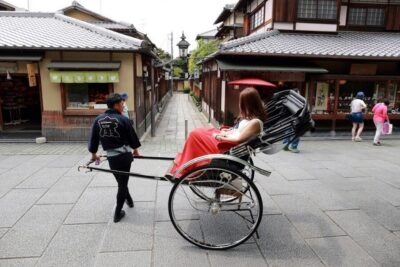
Private Rickshaw Tour of Gion and Higashiyama Area
Read our review →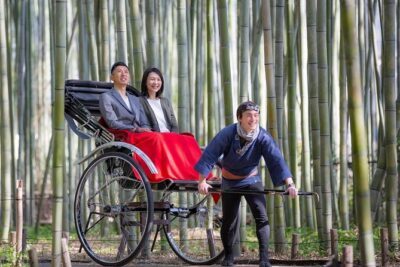
Kyoto Sagano Insider: Rickshaw and Walking Tour
Read our review →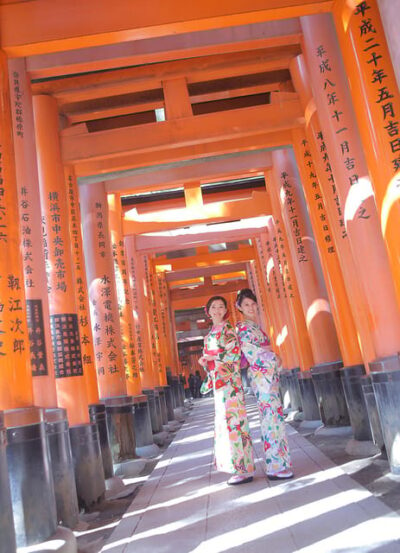
Kiyomizu-dera Temple Rent a kimono and ride a rickshaw
Read our review →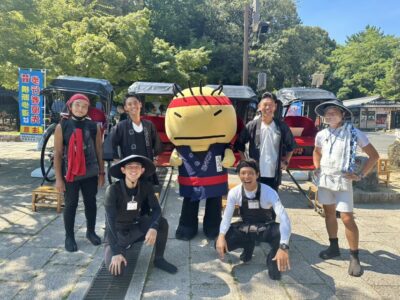
Browse the lists this tour appears in