
REVIEW · MUSEUMS
Kyoto Railway Museum Admission Ticket
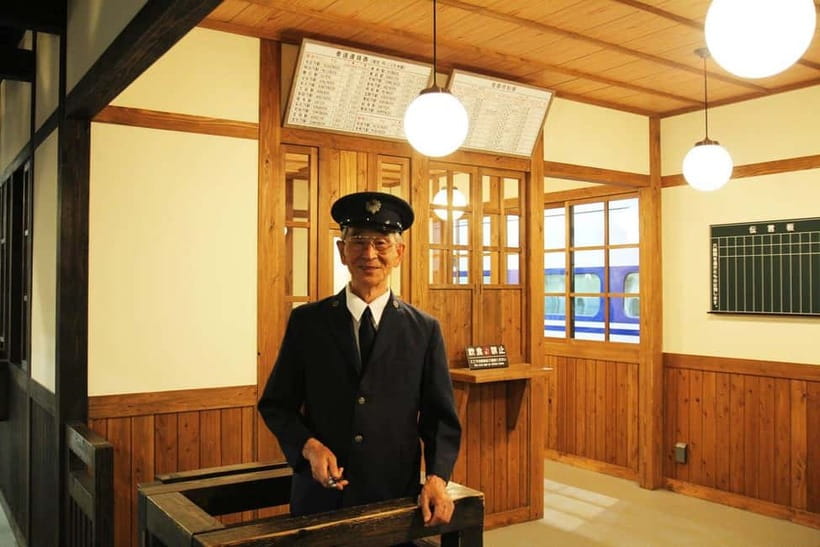
Kyoto Railway Museum puts 53 real trains in front of you, from old steam locomotives to the sleek Shinkansen. I like the way it lets you step inside the machines rather than simply view them behind glass, and I like the mix of serious railway history with hands-on fun for children.
The working steam locomotive ride is the biggest draw, while the roundhouse turntable gives you a memorable piece of railway theater. The main drawback is that the museum is closed every Wednesday, and opening hours can change, so you need to check the official website before setting out.
In This Review
- Key Points
- Why Kyoto’s Railway Museum Works So Well
- Entering the Collection of 53 Real Trains
- Steam Power and the Roundhouse Turntable
- Hands-On Simulators and Railway Dioramas
- Sky Terrace Views and a Useful Pause
- How Much Time Should You Allow?
- Is the $9 Admission Good Value?
- A Practical Visit Plan
- Who Will Enjoy This Museum Most?
- Should You Book the Kyoto Railway Museum?
- FAQ
- Where is the Kyoto Railway Museum located?
- How much does admission cost?
- How long is the ticket valid?
- Is the museum open every day?
- Are young children admitted free?
- Can I leave and re-enter the museum?
- Is the museum wheelchair accessible?
- Is the admission ticket refundable?
Key Points

- 53 full-size trains: See steam locomotives, historic railway cars, and Japan’s famous bullet trains up close.
- Working steam locomotive: Ride a real steam train for a short, nostalgic look at old railway travel.
- Roundhouse turntable: Watch locomotives rotate on the historic turntable, one of the museum’s most striking sights.
- Hands-on learning: Try train-driving simulators, interactive displays, and detailed railway dioramas.
- Sky Terrace views: Take a break above the exhibits and watch the railway world around Kyoto.
- Strong value at $9: The one-day admission gives you access to a large museum with enough variety for several hours.
Why Kyoto’s Railway Museum Works So Well
Japan’s trains are more than a way to get from one city to another. They are part of daily life, engineering, design, and national identity. This museum gives you a clear look at that story without requiring specialist railway knowledge.
You can begin with the basic workings of rail travel, then move toward more specific examples. The displays explain how trains and the systems around them function, while the full-size collection gives those ideas real weight. A diagram can show how a locomotive works, but standing beside one makes the lesson easier to grasp.
I especially like the balance between old and new. Steam engines bring the noise, machinery, and romance of an earlier age. The Shinkansen represents Japan’s modern image of speed and precision. Seeing both in one visit helps you understand how far Japanese railways have come.
The museum also has a family-friendly rhythm. Children can climb into trains, press controls, and try the simulators. Adults have plenty to study in the engineering details and railway displays. One useful feature is that the museum does not depend only on written panels. The physical trains and interactive exhibits keep the visit moving.
A few more Kyoto experiences worth comparing
- Full Day Hiroshima and Miyajima Tour by Bullet Train from Kyoto
★ 4.5 · 120 reviews - Kyoto: Arashiyama Day Tour with Train, Boat, and Onsen
★ 4.9 · 48 reviews - Kyoto Bus Tour: Sagano Railway & Hozugawa River Boat Ride
★ 4.0 · 21 reviews
Entering the Collection of 53 Real Trains
The train collection is the heart of the museum. You will see a wide range of rolling stock, with steam locomotives at one end of the story and Shinkansen trains at the other.
The scale matters. Full-size trains make the railway past feel immediate. You can look at wheels, bodywork, windows, controls, and passenger spaces from close range. Stepping inside an iconic train is more memorable than looking at a photograph, especially if you have used Japan’s railways during your trip.
The variety also makes this more than a single-theme display. A dedicated train fan can focus on technical details and different designs. You can simply move from one carriage to the next, noticing how travel changed over time.
The Shinkansen is likely to be a highlight for many first-time visitors. Japan’s bullet train is famous around the world, but seeing the nose, cabin, and interior at close range gives you a better sense of its design. It also provides a useful contrast with the older locomotives nearby.
Plan to spend real time here rather than treating the collection as a quick photo stop. The museum is valid for one day, and the large number of full-size exhibits rewards a slower pace. If you rush straight through, you will miss many of the small details that give the collection its appeal.
Steam Power and the Roundhouse Turntable
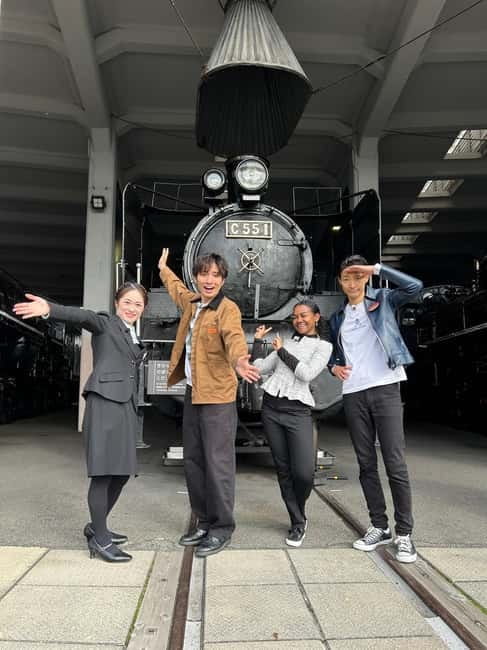
The working steam locomotive ride adds something the static displays cannot. You are not just looking at an old train. You are taking a short ride on one, with the sound and movement of a functioning steam engine.
This is the museum’s most nostalgic feature. It connects the polished museum displays to the practical experience of railway travel from an earlier period. For children, it turns history into an event. For adults, it offers a simple reminder that trains once felt very different from today’s fast, quiet services.
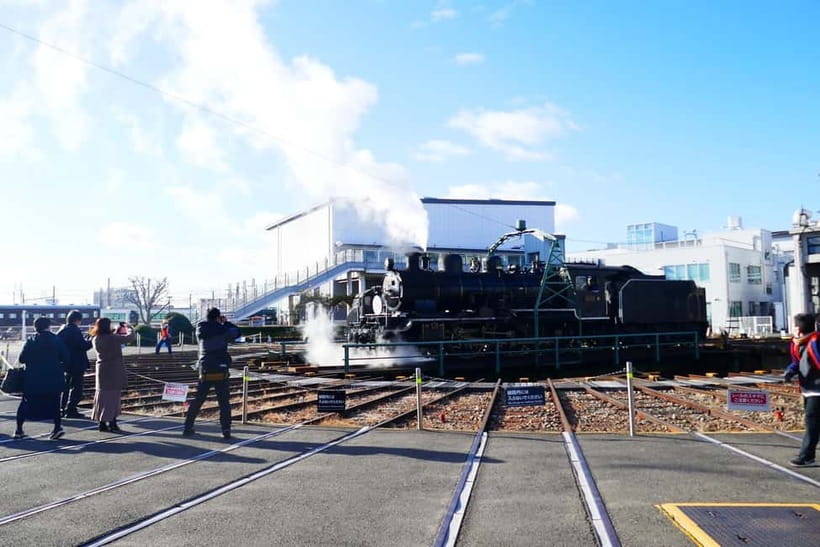
The historic roundhouse is another major stop. A roundhouse stores locomotives around a central turntable, and the rotation is worth watching when it takes place. The movement is slow and deliberate, but that is part of its charm. You can see how a locomotive is positioned and handled in a way that modern railway stations rarely reveal.
This section may appeal most to people who enjoy machinery and working systems. You do not need to know railway engineering to appreciate it. The turntable gives you a clear, physical sense of how rail workers managed large steam engines before modern train yards took over.
The timing of the steam ride and turntable activity is not provided here, so check the museum’s current information when planning your visit. Do not assume every feature runs continuously throughout the day.
Hands-On Simulators and Railway Dioramas
The train-driving simulators add a playful layer to the museum. You can try operating a train in a more active way than simply sitting in a carriage. The realistic controls help show how much attention and precision train driving requires.
For families, these displays may become the main attraction. Children often connect with a museum faster when they can make choices and see a result. Adults may find the simulators useful for understanding the practical side of railway operation.
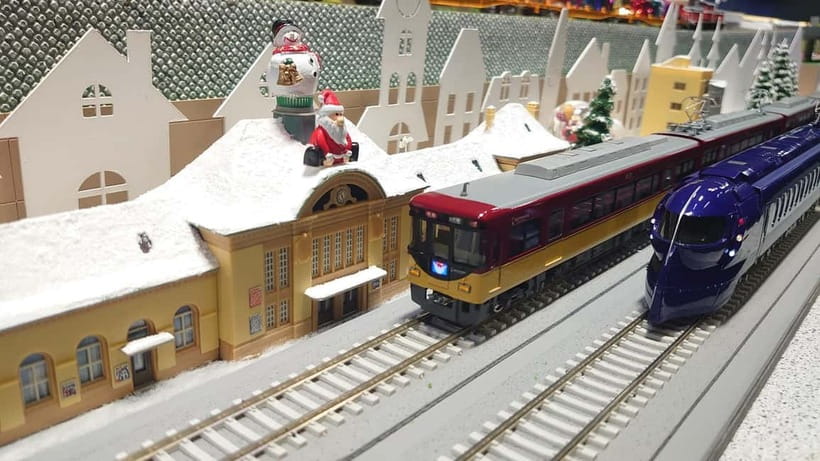
The museum also includes detailed railway dioramas. These small-scale scenes show the movement and organization of rail travel in a compact form. They help you see how trains, stations, tracks, and surrounding activity fit together.
I would give the dioramas time instead of passing them quickly. Full-size trains grab your attention first, but a model railway can explain the wider system more clearly. It turns a single locomotive into part of a much larger network.
The interactive displays also help if your group has different interests. One person can focus on technical information, another can explore a train carriage, and a child can try a control panel. That flexibility makes the museum easier to enjoy together.
More museums in Kyoto:
- Kyoto: Tea Museum Tickets and Matcha Grinding Experience
★ 4.9 · 739 reviews - Skip the lines Basic Ticket at SAMURAI NINJA MUSEUM KYOTO
★ 4.5 · 632 reviews - Kyoto : Geiko Maiko Dance of Kyoto & Visits of Gion Museum
★ 4.6 · 415 reviews - Kyoto Sword Experience – includes Museum Ticket/Ninja Experience
★ 4.5 · 149 reviews
Sky Terrace Views and a Useful Pause
The Sky Terrace offers a break from the indoor exhibits and a chance to look out over the railway setting. It gives the visit a change of pace after several rooms of trains, controls, and explanatory displays.
The view also connects the museum to the real railway world beyond its walls. You are not only looking at preserved machines. You can pause and think about how rail travel continues to shape Japan.
Since the available information does not specify exactly what can be seen from the terrace on a given day, treat it as a viewing and rest area rather than planning your visit around a particular landmark. Its main value is the open-air pause and the wider perspective.
This is especially useful if you are visiting with children. A museum with many exhibits can become tiring even when it is fun. The Sky Terrace lets you reset before returning to the trains.
How Much Time Should You Allow?
The ticket is valid for one day, not for a fixed guided time slot. That gives you flexibility, but it also means you should decide how much of the museum you want to see before arrival.
You can make a short visit by focusing on the Shinkansen, steam locomotive, roundhouse, and simulators. That approach works if you have a packed Kyoto schedule. However, the collection is large enough that a rushed hour would give you only a taste.
I would allow several hours if trains are a real interest, or if you are visiting with children who want to use the interactive exhibits. The full day validity is valuable because you can take your time and return after a break if needed.
Re-entry is allowed, but you must show your admission ticket to museum staff when you return. Keep it safe rather than assuming a digital record alone will be enough.
The museum is closed every Wednesday. Opening hours may also vary, so check the official website before you travel. These are simple details, but a Wednesday closure can disrupt a Kyoto plan if you have not checked ahead.
Is the $9 Admission Good Value?
At $9 per person, the ticket is inexpensive for a large museum with 53 real trains, interactive displays, simulators, a steam locomotive ride, a roundhouse, and a Sky Terrace. The value is strongest if you spend several hours there rather than making a brief visit.
The admission includes standard museum entry. The supplied information does not state whether every optional activity has a separate charge, so check current museum details if a particular simulator or ride is essential to your plans.
For families, the price can work well because the museum offers several types of activity in one place. Adults can read and inspect the collection while children move between hands-on stations and trains. You do not need to build a separate entertainment plan around the visit.
For dedicated train fans, the value comes from access to full-size equipment and the working steam locomotive. For general visitors, the price is easier to justify if you already enjoy engineering, transport, Japanese technology, or unusual museums.
The main value limit is interest. If you have little patience for machines, technical displays, or transport history, the museum may feel too specialized after the first few rooms. The interactive features help, but this is still a railway museum first.
A Practical Visit Plan
Start by checking the opening hours and Wednesday closure on the official website. Then proceed directly to the Kyoto Railway Museum for ticket redemption at the stated location, at coordinates 34.9870986, 135.7422732.
If the entrance queue is long, follow the instruction to wait in line at the entrance marked Early Bird Advance Ticket. Keep your admission ticket with you during the visit, particularly if you plan to leave and come back.
Once inside, begin with the large train collection. This gives you an immediate sense of the museum’s scale. Move through the steam engines and historic cars before spending time with the Shinkansen and interior exhibits.
Next, look for the hands-on displays and train-driving simulators. These can be especially popular with children, so allow time rather than assuming you can walk straight up to every activity.
Fit in the working steam locomotive ride and the roundhouse turntable when their operating times suit your visit. Since exact schedules are not provided, confirm current details at the museum or on its official website.
Finish with the railway dioramas and the Sky Terrace. The dioramas give you a smaller, more orderly view of the railway system, while the terrace provides a calm pause before you leave.
Who Will Enjoy This Museum Most?
This experience suits train enthusiasts best, particularly anyone who wants to see Japanese railway equipment at close range. The 53-train collection gives you plenty to examine, and the steam locomotive ride adds a working piece of railway history.
Families should also consider it. Children can step inside trains, use interactive equipment, and try simulators, while adults can enjoy the engineering and historical displays. The range of activities helps prevent the visit from becoming a long series of display panels.
It also works for visitors who have no special railway background but want a different Kyoto activity. The museum explains how trains and railway systems work, so you can learn as you go.
It may be less suitable if your Kyoto schedule is already packed with temples and traditional neighborhoods and you have only a short window. In that case, the museum’s one-day validity will not help unless you can spare several hours.
The museum is wheelchair accessible, which makes it a practical option for visitors who need accessible facilities. Infants under three enter free. Children aged three to seven can buy tickets on-site for 200 yen, according to the provided information.
Should You Book the Kyoto Railway Museum?
Book it if you want a hands-on museum with real scale, not just photographs and labels. The combination of 53 trains, the Shinkansen, steam locomotive ride, roundhouse turntable, simulators, and dioramas gives you a full afternoon of varied entertainment for $9.
I would especially recommend it to families and anyone curious about Japan’s railway culture. The strongest parts are the full-size trains and working steam experience, while the main cautions are the Wednesday closure, changing opening hours, and the need to check details before arrival.
If trains leave you cold, spend your limited Kyoto time elsewhere. If you enjoy machines, transport, or the practical side of Japanese life, this is a small-priced visit with enough substance to earn a place in your itinerary.
FAQ
Where is the Kyoto Railway Museum located?
The museum is in Kyoto on Honshu, Japan. The listed coordinates are 34.9870986, 135.7422732. Proceed directly to the museum for ticket redemption.
How much does admission cost?
The listed price is $9 per person for standard museum admission.
How long is the ticket valid?
The ticket is valid for one day. Check availability for the available starting times.
Is the museum open every day?
No. The museum is closed every Wednesday. Opening hours may change, so check the official website for current details.
Are young children admitted free?
Infants under three years old enter free of charge. Children between three and seven years old can purchase tickets on-site for 200 yen.
Can I leave and re-enter the museum?
Yes. You must present your admission ticket to staff when you re-enter.
Is the museum wheelchair accessible?
Yes. The activity information states that the museum is wheelchair accessible.
Is the admission ticket refundable?
No. This activity is non-refundable.
Recently added around Kyoto
- Higashiyama | Kyoto: Sakura Season Private Rickshaw Tour★ 5.0 · 3 reviews
- Kyoto Kimono Rental CHAMATSU|Kimono/Yukata Rental FamilyPlan★ 5.0 · 3 reviews
- Kyoto: Half-Day Private Guided Tour to the Old Town of Gion★ 4.4 · 3 reviews
- Nara Private Customizable Half Day Tour★ 5.0 · 3 reviews
- Kansai Region Hiking Adventure in Nara Kobe Kyoto and More★ 5.0 · 3 reviews
- Full Day Nara Deer, Temple, Shrine, Activities & Tea Ceremony★ 5.0 · 3 reviews
- Nara: Essential Private Tour with Deer Park and Temples★ 5.0 · 3 reviews
- Photo Shoot with a Private Vacation Photographer in KYOTO, JAPAN★ 5.0 · 3 reviews
Museums, compared.

Tea Museum Tickets and Matcha Grinding Experience
Read our review →
Skip the lines Basic Ticket at SAMURAI NINJA MUSEUM KYOTO
Read our review →
Geiko Maiko Dance of Kyoto & Visits of Gion Museum
Read our review →
Kyoto Sword Experience – includes Museum Ticket/Ninja Experience
Read our review →

Ninja Experience (Family Friendly) at Samurai Ninja Museum KYOTO
Read our review →
Kyomai Dance by Maiko Geiko and Visits of Gion Art Museum Kyoto
Read our review →
Samurai Sword Experience (Family Friendly)at SAMURAI MUSEUM KYOTO
Read our review →Browse the lists this tour appears in