
REVIEW · 1-DAY TOURS
Kyoto Private Tour: One Day Highlights and Cultural Gems
Kyoto’s best-known sights come together in one private seven-hour tour, from the red torii gates of Fushimi Inari to the tea houses of Gion. I like the personal format and the use of public transportation, which keeps the day closer to ordinary Kyoto life than a sealed-off bus tour. I also like the mix of temples, food culture, shopping, and old streets.
The main catch is pace. Five major stops in seven hours leave limited time at each one, and food and drinks are not included despite lunch being part of the day’s description. Confirm the meal plan and any must-see priorities with your guide before setting out.
In This Review
- Key points at a glance
- A full day of Kyoto in a small private setting
- Starting at Kyoto Station
- Gion, where old Kyoto still feels close
- Yasaka Shrine and the Gion Festival
- Kennin-ji, Kyoto’s oldest Zen temple
- Nishiki Market and Kyoto’s food culture
- Fushimi Inari’s red torii gates
- Why the public transportation matters
- Who will get the most from this tour
- Making sense of the price
- Booking flexibility and small practical details
- Should you book this Kyoto day tour?
- FAQ
- How long does the Kyoto private tour last?
- Where does the tour start and end?
- Is this a private tour?
- Which places are included in the tour?
- Is an English-speaking guide included?
- Is transportation included?
- Is lunch included in the price?
- Can the tour accommodate dietary requests?
- Can I cancel for a full refund?
Key points at a glance
- Private attention: Only your group takes part, so you can ask questions and request some changes to the plan.
- Five distinct Kyoto stops: Gion, Yasaka Shrine, Kennin-ji Temple, Nishiki Market, and Fushimi Inari offer very different sides of the city.
- Public transport included: The tour uses Kyoto’s local transportation rather than a private car, taxi, or bus.
- A flexible food stop: Japanese cuisine is part of the experience, but food and drinks are not included in the price.
- Useful cultural range: You get Zen architecture, Shinto worship, geisha tradition, local shopping, and seasonal food in one day.
- A practical meeting point: The tour begins and ends at Kyoto Station, with pickup and drop-off available at Kyoto City hotels.
A full day of Kyoto in a small private setting
This experience costs $145.35 per person and lasts about seven hours. For a private tour, that price can make sense if you want a guide focused only on your party, especially if you are visiting Kyoto for a short time or prefer not to sort out every train, bus, and shrine detail yourself.
The value is less clear for a solo visitor or a couple who already knows Kyoto well. Admission is free at most stops, and public transportation is included, but you still pay separately for meals and drinks. The real purchase here is organization, local explanation, and flexibility, not expensive entry tickets.
Only your group participates. That matters at places such as Gion, where a guide can help explain the difference between a traditional tea house street and a simple tourist photo stop. It also lets you ask for some changes to the day. Do not expect unlimited flexibility, though. Five stops, lunch, and local transportation create a fairly full schedule.
One guide named in a past experience is Aki. She was described as accommodating and helpful with questions, and she made advance effort to locate a halal and vegetarian restaurant. If dietary needs matter to you, tell the operator before the tour rather than waiting until lunchtime.
A few more Kyoto experiences worth comparing
- PERFECT KYOTO 1-Day Bus Tour
★ 5.0 · 13,518 reviews - Kyoto: Fushimi Inari, Kinkakuji, Bamboo Grove 1 Day Bus Tour
★ 4.8 · 4,316 reviews - 10 Must-see Spots in Kyoto One Day Private Tour (up to 7 people)
★ 5.0 · 1,108 reviews
Starting at Kyoto Station
The meeting point is Kyoto Station, at Higashishiokoji Kamadonocho in Shimogyo Ward. The activity ends back at the meeting point, although hotel pickup and drop-off are offered within Kyoto City.
Starting and ending at the station is practical. Kyoto Station is a major transport hub, so you can connect to another part of the city or continue your own plans afterward. If you use hotel pickup, confirm that your accommodation is within Kyoto City, since the included pickup area is limited.
Because the tour uses public transportation, wear shoes that handle a lot of walking and standing. The route includes temple grounds, market streets, shrine paths, and station connections. The day is not presented as a private-car tour, and private taxis, cars, and buses are specifically not included.
Gion, where old Kyoto still feels close
The Gion portion lasts about 35 minutes and is listed as a free stop. This district extends around the area west of Yasaka Shrine, with traditional streets, tea houses, cafes, and paths known for cherry blossoms.
Gion is one of the best places in Kyoto to discuss the city’s older social customs. Its appeal is not one single monument. It comes from the narrow streets, wooden facades, tea-house tradition, and the possibility of seeing a working historic district rather than a museum display.
Thirty-five minutes is enough for an introduction and a careful walk, but not a leisurely exploration of every lane. I would treat this as a guided orientation. Listen closely, take a few photographs where appropriate, and save independent wandering for another part of your trip.
Be respectful with photography. The description connects Gion with geisha culture and tradition, but that does not mean every person in traditional clothing is available for a close-up photograph. A private guide can help you understand what you are seeing without turning the neighborhood into a stage set.
Yasaka Shrine and the Gion Festival
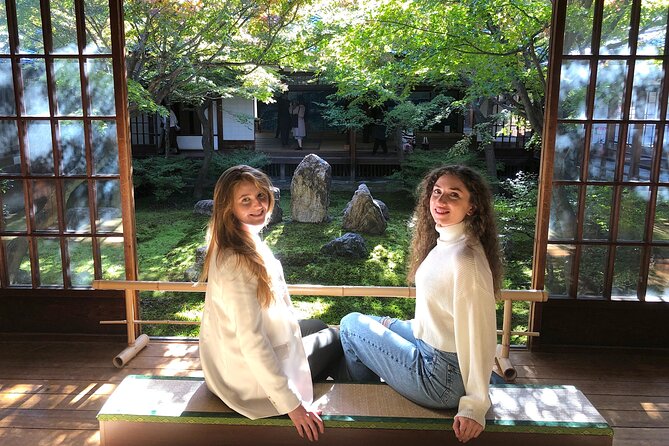
Yasaka Shrine receives about 50 minutes. Admission is free, and the shrine is known for the Gion Festival, one of Japan’s three major festivals. Local people also call it Gion San.
This stop gives the day a clear Shinto focus after Gion’s streets. You can look at the shrine grounds, observe worshippers, and ask your guide about the festival traditions connected to the site. The shrine is also a useful place to see how religious practice remains part of daily city life.
The timing is more generous than at Gion, but 50 minutes still encourages a focused visit rather than a complete study of every structure. If a particular ritual, festival detail, or architectural feature matters to you, mention it early.
The combination of Gion and Yasaka Shrine works well because the two places are closely connected in character and setting. You get the social world of traditional streets followed by a major religious site, without spending the whole morning inside temple grounds.
A completely different side of Kyoto:
- Kyoto: Tea Ceremony in a Traditional Tea House in Kiyomizu
★ 4.9 · 3,519 reviews - Kyoto Geisha Walking Tour: Gion District & Hidden Gems
★ 4.7 · 3,273 reviews - Kyoto: Tea Ceremony Ju-An at Jotokuji Temple
★ 4.9 · 3,207 reviews - Kyoto: Gion Magical Night Walking Tour with Geisha Trivia
★ 4.9 · 2,393 reviews
Kennin-ji, Kyoto’s oldest Zen temple
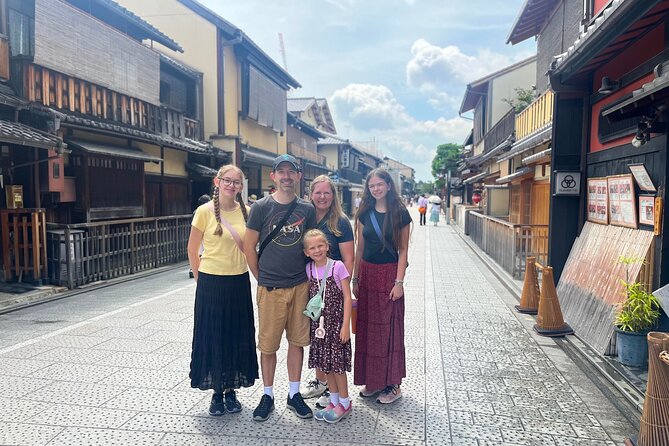
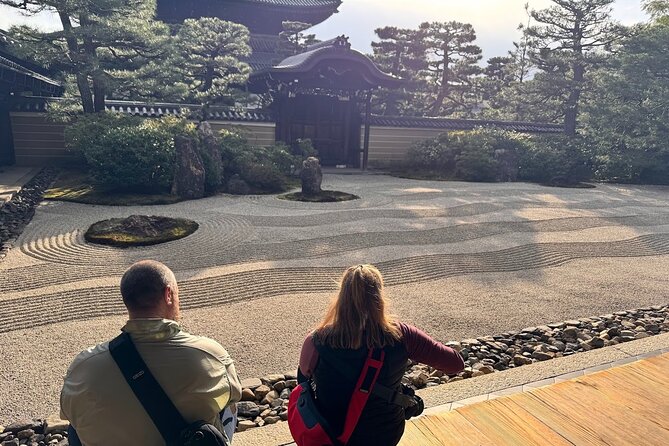
Kennin-ji receives one hour, with admission included. The temple is described as the oldest Zen temple in Kyoto and is linked with Eisai, the founder of the Rinzai school. It is also associated with Kyoto’s Gozan, the city’s historic ranking of major Zen temples.
This is likely the most reflective stop of the day. Instead of simply collecting photographs, you can use the hour to notice the relationship between buildings, courtyards, artwork, and quiet spaces. The temple offers a different mood from the movement of Nishiki Market or the crowds often found at major shrines.
The included admission adds real value here. It also makes Kennin-ji one of the more substantial stops in the program, since the schedule gives it a full hour rather than a quick exterior visit.
Still, an hour passes quickly. If you want a slow meditation-style visit, this schedule may feel tight. The tour is designed to introduce several Kyoto traditions in one day, not to let you spend half a day at a single temple.
Nishiki Market and Kyoto’s food culture
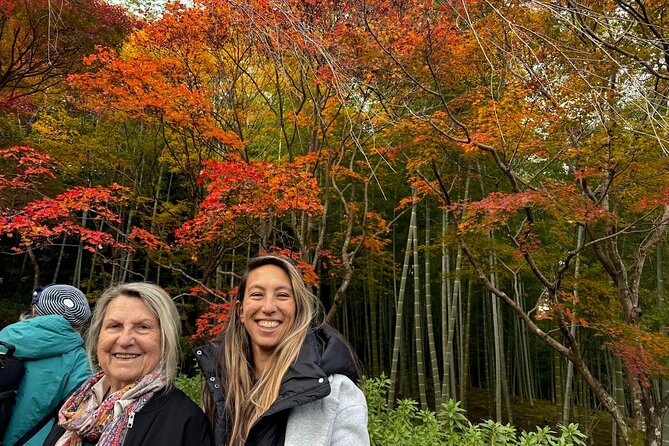
Nishiki Market receives about 40 minutes. It is a shopping district used by Kyoto locals, with seasonal fish, fruit, traditional craft items, and other goods tied to the city.
This is where the tour turns from religious sites to everyday food and commerce. The market helps explain Kyoto through ingredients, cooking, and local specialties rather than through buildings alone. You can browse, ask questions, and get a sense of how seasonal products shape Japanese cuisine.
The 40-minute stop is best for a first look. It may be enough to sample or purchase something, but your choices depend on the pace of the group and the meal arrangement. Food and drinks are not included, so bring a payment method for anything you want to eat or buy.
The lunch wording deserves attention. The experience includes a delicious lunch in its description, yet the inclusions list says food and drinks are not included. Treat this as a meal opportunity rather than a prepaid meal. Ask in advance where lunch will happen, what dietary requests can be handled, and what you should budget.
Aki’s effort to find halal and vegetarian food is a useful sign for people with dietary restrictions, but it should not be taken as a guarantee for every booking. Share those needs before the tour begins.
Fushimi Inari’s red torii gates
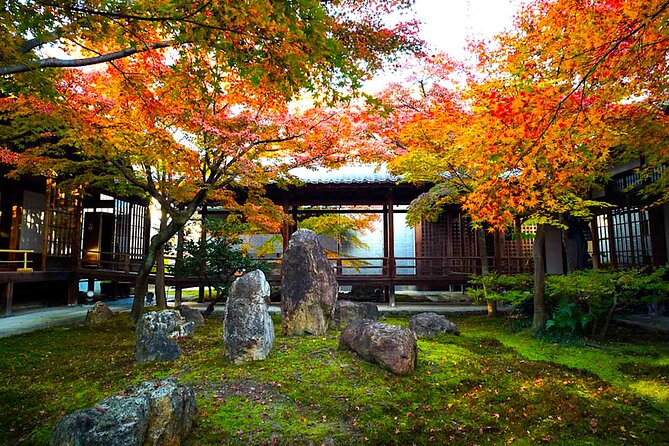
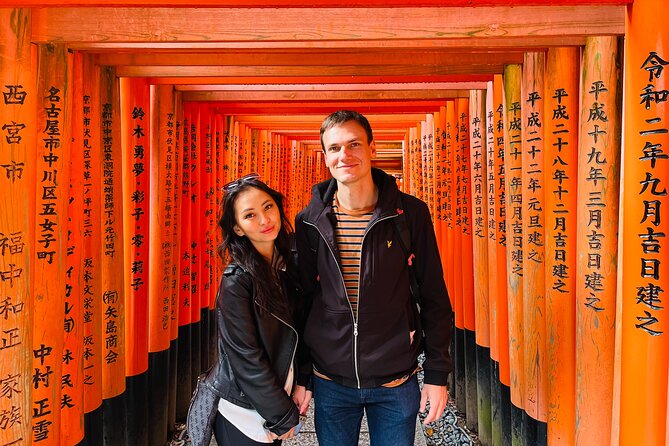
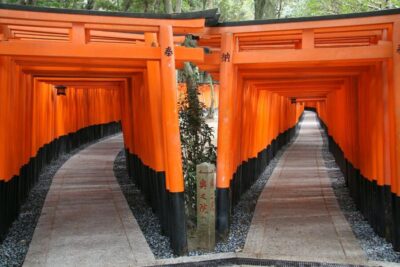
The final major stop is Fushimi Inari Taisha, with about one hour and no admission charge. The shrine is famous for its thousands of red torii gates, which create a series of striking passages up the wooded slopes.
Even with only an hour, Fushimi Inari can leave the strongest visual impression. The torii gates are the main draw, but the site also carries a quiet, sacred feeling as you move away from the busiest entrance areas. The experience is more than a photo stop, provided you take time to notice the small shrines and devotional atmosphere along the route.
One hour does not allow you to cover the full mountain path. Consider this a substantial introduction, not a complete hike. If reaching higher sections is important to you, ask how far the group is likely to walk and adjust expectations before the day starts.
Fushimi Inari is a smart final stop because it gives the tour a strong ending. After older streets, a shrine, a Zen temple, and a market, you finish among one of Kyoto’s most recognizable religious settings.
Why the public transportation matters
Public transportation is included, while private transportation is not. That distinction shapes the whole day.
Using local trains or buses can make the experience feel more connected to Kyoto’s daily rhythm. It also avoids paying for a private vehicle, which can be useful in a city where popular areas have narrow streets and limited road access. Your guide handles the transport side, so you can focus on the sites rather than finding every connection yourself.
The tradeoff is time. Transfers, station walks, waiting, and crowded vehicles can reduce the minutes available at each stop. The seven-hour duration is approximate, and the exact flow can change with transport conditions and the needs of your group.
If you want a relaxed day with long stops, this may feel ambitious. If you want to cover a wide range of Kyoto in one outing, the transport choice helps make that possible.
Who will get the most from this tour
I would recommend this experience to first-time Kyoto visitors who want a broad introduction without joining a large group. It is also a good fit for families, couples, and small groups who value the ability to ask questions or request modest changes.
The private format can be especially useful if your group has dietary needs. The example of Aki searching ahead for halal and vegetarian food shows how a guide may help with planning, although you should provide the details early.
This tour also suits people staying in Kyoto for a short time. In seven hours, you see several of the city’s signature areas and receive context that can make later independent visits easier.
I would be cautious if you dislike walking, crowded public transportation, or a structured day. The schedule covers five stops and includes several types of terrain and movement. It is also not ideal for someone who wants a full, slow visit to only one temple or shrine.
Most people can participate, service animals are allowed, and children must be accompanied by an adult. The activity is near public transportation, but the supplied details do not give a specific accessibility plan for every stop. If mobility is a concern, ask about walking distances and transport changes before booking.
Making sense of the price
At $145.35 per person, the cost is reasonable when divided among a private group that wants a guide and organized transport. You are paying for seven hours of attention, English-language guiding, public transportation, hotel pickup and drop-off within Kyoto City, local taxes, and photos of tour participants.
The value drops if you mainly want admission tickets. Gion, Yasaka Shrine, Nishiki Market, and Fushimi Inari are listed as free, while only Kennin-ji has included admission. Food and drinks are extra, and private cars or taxis are not part of the package.
The strongest value comes from the cultural range. In one day, you move from geisha tradition to Shinto practice, Zen Buddhism, local food shopping, and the torii gates of Fushimi Inari. A careful guide can connect those pieces in a way that a self-guided checklist may not.
The tour is also recommended by all of the submitted ratings, with a 5 out of 5 score from 88 reviews. That is a strong record, but the practical details still matter more than the number. Confirm the lunch arrangement, pickup location, dietary requests, and your priority stops before you pay.
Booking flexibility and small practical details
Confirmation is provided at booking, and free cancellation is available up to 24 hours before the local start time. Changes made within 24 hours are not accepted, so check your plans before that cutoff.
The tour offers a mobile ticket, group discounts, and hotel pickup within Kyoto City. Since the day starts and ends at Kyoto Station, you can also meet there directly if that is easier.
Some itinerary changes can be made to suit your wishes. Keep those requests realistic. The experience is built around five named stops, and major changes could affect the timing of the whole day.
Should you book this Kyoto day tour?
Book it if you want private guidance, broad coverage, and cultural variety in a single day. The mix of Gion, Yasaka Shrine, Kennin-ji, Nishiki Market, and Fushimi Inari gives you a useful first picture of Kyoto, while public transport keeps the cost below what a private car-based day would likely require.
Skip it if you want a slow temple visit, a long Fushimi Inari hike, or a prepaid food tour. The schedule is full, the meal is not included, and the city’s public transport can take time.
Before booking, send your dietary needs, ask where lunch will be arranged, and tell the guide which stop matters most to you. If you are comfortable with a busy seven-hour day, this is a practical and personal way to get oriented in Kyoto.
FAQ
How long does the Kyoto private tour last?
The experience lasts approximately seven hours.
Where does the tour start and end?
It starts at Kyoto Station and ends back at the meeting point. Hotel pickup and drop-off are available within Kyoto City.
Is this a private tour?
Yes. Only your group participates in the activity.
Which places are included in the tour?
The day includes Gion, Yasaka Shrine, Kennin-ji Temple, Nishiki Market, and Fushimi Inari Taisha Shrine.
Is an English-speaking guide included?
Yes. An English-speaking guide is included.
Is transportation included?
Public transportation is included. Private taxis, cars, and buses are not included.
Is lunch included in the price?
Food and drinks are listed as not included. The experience includes a lunch opportunity and Japanese cuisine, so confirm the exact meal arrangement before booking.
Can the tour accommodate dietary requests?
Some dietary requests may be accommodated. One guide, Aki, made an effort to find halal and vegetarian food in advance. Contact the operator with your needs before the tour.
Can I cancel for a full refund?
Yes. You can cancel at least 24 hours before the local start time for a full refund. Cancellations or changes made less than 24 hours before the start are not accepted.
Recently added around Kyoto
- Higashiyama | Kyoto: Sakura Season Private Rickshaw Tour★ 5.0 · 3 reviews
- Kyoto Kimono Rental CHAMATSU|Kimono/Yukata Rental FamilyPlan★ 5.0 · 3 reviews
- Kyoto: Half-Day Private Guided Tour to the Old Town of Gion★ 4.4 · 3 reviews
- Nara Private Customizable Half Day Tour★ 5.0 · 3 reviews
- Kansai Region Hiking Adventure in Nara Kobe Kyoto and More★ 5.0 · 3 reviews
- Full Day Nara Deer, Temple, Shrine, Activities & Tea Ceremony★ 5.0 · 3 reviews
- Nara: Essential Private Tour with Deer Park and Temples★ 5.0 · 3 reviews
- Hiking Tour for Sacred Sites in Kyoto with a Guide★ 5.0 · 3 reviews
1-Day Tours, compared.
Fushimi Inari, Kinkakuji, Bamboo Grove 1 Day Bus Tour
Read our review →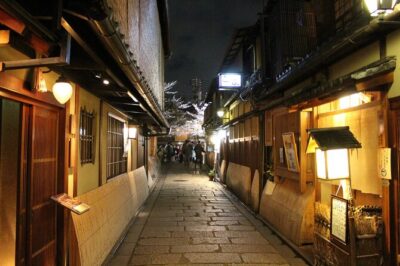
10 Must-see Spots in Kyoto One Day Private Tour (up to 7 people)
Read our review →
Nara Half Day Trip Walking Tour (Private Option Available)
Read our review →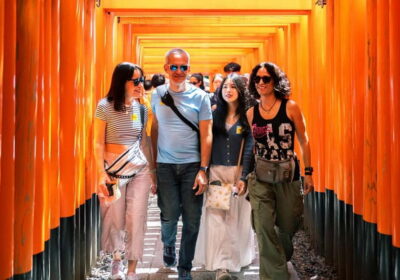
From Kyoto/Osaka: Kyoto Top Highlights 1-Day Guided Bus Tour
Read our review →
Kyoto Customized Private Tour: See Top Attractions in 1 Day
Read our review →Browse the lists this tour appears in