
REVIEW · ARASHIYAMA BAMBOO GROVE TOURS
KYOTO: Golden Pagoda, Bamboo Forest, Arashiyama (Italian)
Kyoto’s famous sights make more sense when you connect them to the people who used them. This half-day outing links Kinkaku-ji, the Golden Pagoda, with the Sagano Bamboo Forest, while an Italian-speaking Kyoto guide explains imperial life, aristocratic retreats, samurai culture, and modern Japanese customs.
I like two things right away: all transport and entrance fees are covered, and the route uses Kyoto’s trains, buses, and subway rather than keeping you inside a tour coach. The guide’s local perspective is another strong point. Omae is praised for polished Italian, cultural curiosity, and a friendly manner.
The main consideration is time. Five hours gives you a useful introduction, but only about an hour at each major stop. Arashiyama can also feel busy, and the bamboo walk is more about atmosphere and photography than a long wilderness hike.
In This Review
- Key points to know before booking
- Why this route works for a first Kyoto visit
- Meeting at Kyoto Station
- The train ride to Sagano
- Walking through Sagano Bamboo Forest
- Moving from Arashiyama to Kinkaku-ji
- Seeing Kinkaku-ji, Kyoto’s Golden Pagoda
- Returning to Kyoto Station by subway
- What the guide adds
- Is $117 a fair price?
- Who should book this Kyoto tour?
- Should you book it?
- FAQ
- Where does the tour begin?
- How can I identify the meeting point?
- Does the tour end at Kyoto Station?
- How long does the experience last?
- Which languages are available?
- Which sights are included?
- Are transportation costs included?
- Are entrance fees included?
- Can I leave the tour early?
- Is the tour wheelchair accessible?
Key points to know before booking
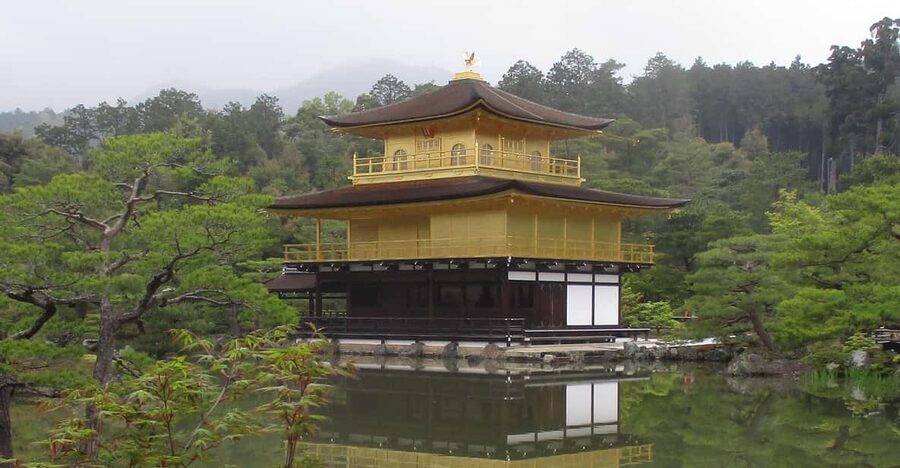
- Two major Kyoto sights in one half-day: Visit Sagano Bamboo Forest and Kinkaku-ji without arranging separate transport.
- An Italian-speaking Kyoto guide: Omae is specifically praised for clear Italian, culture, humor, and unusual historical details.
- Public transport is part of the experience: The route includes train, bus, and subway journeys, with fares included.
- A useful look at old Kyoto: Learn about imperial relatives, aristocrats, literati, samurai, and ordinary Japanese life.
- Flexible finish: The tour returns to Kyoto Station, but you can leave partway through if you prefer to continue exploring.
- Easy central meeting point: Begin and end at Kyoto Station, with Kyoto Tower helping you orient yourself.
Why this route works for a first Kyoto visit
Kyoto can be awkward to plan. The city’s best-known sights are spread out, and a day that looks simple on a map can turn into a string of transfers and ticket lines. This tour solves one practical problem by pairing two northwestern sights with a guide who handles the route.
The two stops also contrast nicely. Sagano offers a walk through a narrow corridor of bamboo and the old retreat area around Arashiyama. Kinkaku-ji gives you a famous temple complex and one of Japan’s most recognizable buildings. One stop is mainly a walking experience, while the other is a carefully framed architectural visit.
I would treat this as a focused introduction, not a complete tour of Kyoto. You will not cover Gion, Fushimi Inari, Kiyomizu-dera, or the Imperial Palace. That is not a flaw, but it matters when you compare this five-hour outing with a longer city tour.
The guide is the heart of the experience. The supplied details identify Omae as a particularly strong guide, with refined Italian and a knack for memorable facts. If you are visiting Japan without much background in its social customs or history, having explanations in Italian can make the sights easier to understand and more enjoyable.
More of Arashiyama and the bamboo grove:
- Kyoto: Fushimi Inari, Kinkakuji, Bamboo Grove 1 Day Bus Tour
★ 4.8 · 4,316 reviews - Kyoto/Osaka: Nara, Fushimi Inari Taisha, Arashiyama Bus Tour
★ 4.7 · 1,275 reviews - Kyoto Arashiyama Walking Tour: Bamboo, Monkeys, Gardens & Secrets
★ 5.0 · 1,216 reviews
Meeting at Kyoto Station
The meeting point is outside the central north entrance of Kyoto Station, at the space between the four escalators in front of the taxi terminal. It is important to use the taxi terminal as your reference, not the bus terminal.
Look toward Kyoto Tower. From the meeting space, the tower should be in front of you and toward the upper left, not the right. That small detail is useful because Kyoto Station is large, and its many entrances can make a simple meeting feel less simple.
You receive a message by the day before with confirmation and more precise meeting instructions. Still, give yourself time to get oriented. Kyoto Station is a transport hub, and arriving early is a better plan than trying to find the meeting space at the last minute.
Beginning and ending at the same station is convenient for a day of sightseeing. You can continue elsewhere in Kyoto after the tour, return to your hotel, or use the station’s rail connections for your next stop. The central location also makes this a practical choice if you are staying in different parts of the city.
The train ride to Sagano
The first journey takes about 20 minutes by train. This is not wasted time. You begin seeing how Kyoto functions as a modern city while moving toward the quieter northwestern suburbs.
Because the train is part of the planned route, you do not have to work out the correct line, platform, or fare on your own. Transport is included, which makes the $117 price easier to assess. You are paying not only for guiding but also for entry fees and the logistics of connecting several sites.
The public transport format does mean that the group follows the pace of the network. Trains and stations are shared with local passengers, and the experience is less private than a car or coach tour. For many visitors, that is a plus: you see a slice of ordinary city movement rather than spending the whole morning behind a vehicle window.
Walking through Sagano Bamboo Forest
The Sagano Bamboo Forest visit lasts about one hour and includes guided sightseeing and some time for shopping. The famous path is the visual star here. Tall bamboo closes in around the walkway, creating a cool, green corridor that feels very different from central Kyoto.
You should keep your expectations sensible. This is a one-hour visit, not a long countryside trek. The value comes from seeing one of Kyoto’s signature settings and hearing how the Sagano area fits into the old capital’s tradition of retreats, leisure, and cultivated nature.
The route also introduces the former vacationing and retirement areas associated with imperial relatives, aristocrats, and literary figures. That context helps explain why this part of Kyoto attracted people seeking distance from court life and the city center.
The walking portion may suit you well if you want a memorable setting without committing to a full day on foot. It is less suitable if your main goal is solitude. The bamboo path is a famous place, and the tour data does not promise a quiet or private visit.
Wear comfortable shoes. The schedule gives you roughly an hour, and you will later make another transfer to Kinkaku-ji. You will get more from the stop if you can walk at an easy pace rather than treating it as a race for photographs.
The mention of shopping is modest, so I would not book this as a shopping tour. Think of it as a chance to browse around the Arashiyama area if time allows, with the bamboo forest as the main attraction.
A completely different side of Kyoto:
- PERFECT KYOTO 1-Day Bus Tour
★ 5.0 · 13,518 reviews - Kyoto: Tea Ceremony in a Traditional Tea House in Kiyomizu
★ 4.9 · 3,519 reviews - Kyoto Geisha Walking Tour: Gion District & Hidden Gems
★ 4.7 · 3,273 reviews - Kyoto: Tea Ceremony Ju-An at Jotokuji Temple
★ 4.9 · 3,207 reviews
Moving from Arashiyama to Kinkaku-ji
After Sagano, you take another train ride of about 20 minutes. Then a bus journey of about 15 minutes brings you toward Kinkaku-ji. This combination shows both the convenience and the effort involved in Kyoto sightseeing.
The route is efficient for a half-day tour, but it is not door-to-door travel. You should expect changes of transport and normal movement through stations and public areas. The guide’s role is especially useful here, since the group stays on schedule while you focus on the sites rather than the map.
This transfer also creates a useful break between two very different visits. Sagano is a walking environment shaped by bamboo, hills, and old retreat culture. Kinkaku-ji is a formal temple setting centered on a single glittering structure beside water.
Seeing Kinkaku-ji, Kyoto’s Golden Pagoda
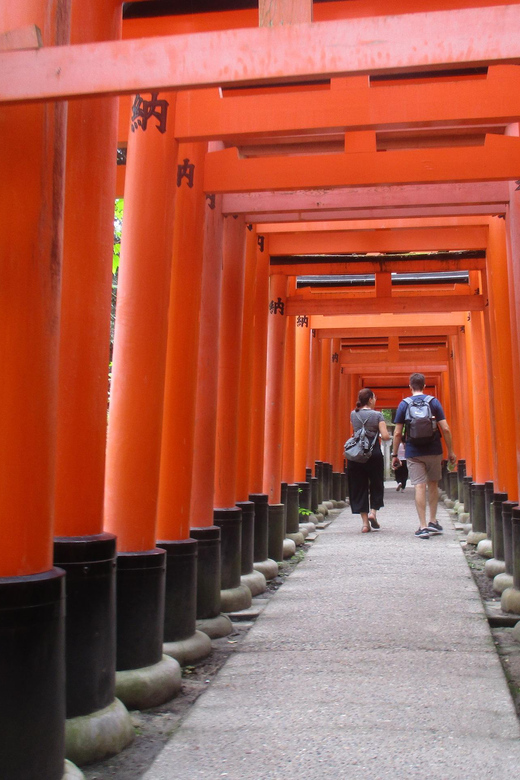
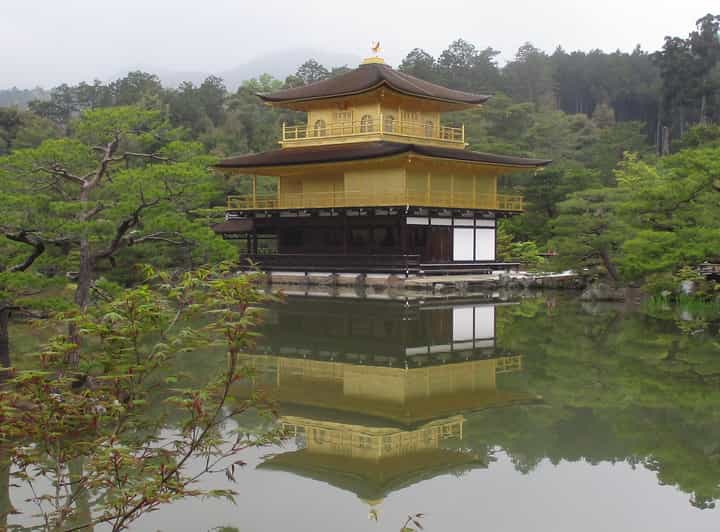
Kinkaku-ji is known around the world for its gold-covered upper levels reflected in the pond. The building is the visual centerpiece, but the visit is more rewarding when you understand the setting and the people connected to Kyoto’s elite past.
The tour allows about one hour for the temple visit and guided explanation. That is enough to see the main view and learn the essential context, though it may feel brief if you want to linger over every garden detail.
Your guide introduces the site within a larger story about the ancient capital. You hear about the lives of imperial relatives, aristocrats, writers, and members of the samurai class. This is where the tour’s cultural angle matters. Rather than treating the Golden Pagoda as a quick photo stop, the guide can connect it to the social world that shaped Kyoto.
Kinkaku-ji is also a place where timing affects your experience. The tour does not promise a private viewing or a quiet temple garden. You should expect a popular attraction with a set route and a limited amount of time. The advantage is that you see it without spending hours organizing the visit yourself.
I like the balance between the bamboo forest and Kinkaku-ji. One stop rewards movement and changing views. The other asks you to pause and look closely at an iconic building, its reflection, and the surrounding grounds.
Returning to Kyoto Station by subway
After Kinkaku-ji, the route includes another 15-minute bus trip followed by about 15 minutes on the subway. You return to Kyoto Station, where the five-hour experience ends.
The final transfer is practical rather than scenic, but it keeps the tour connected to Kyoto’s regular transport system. Since you end at the same place where you began, you can easily continue with your own plans.
The option to leave partway through gives you some flexibility. You might decide to remain in the Arashiyama area after the bamboo visit, or finish at Kinkaku-ji and make your own way elsewhere. If you leave early, check with the guide about the most sensible point to separate, since the scheduled transport and return are designed as one route.
What the guide adds
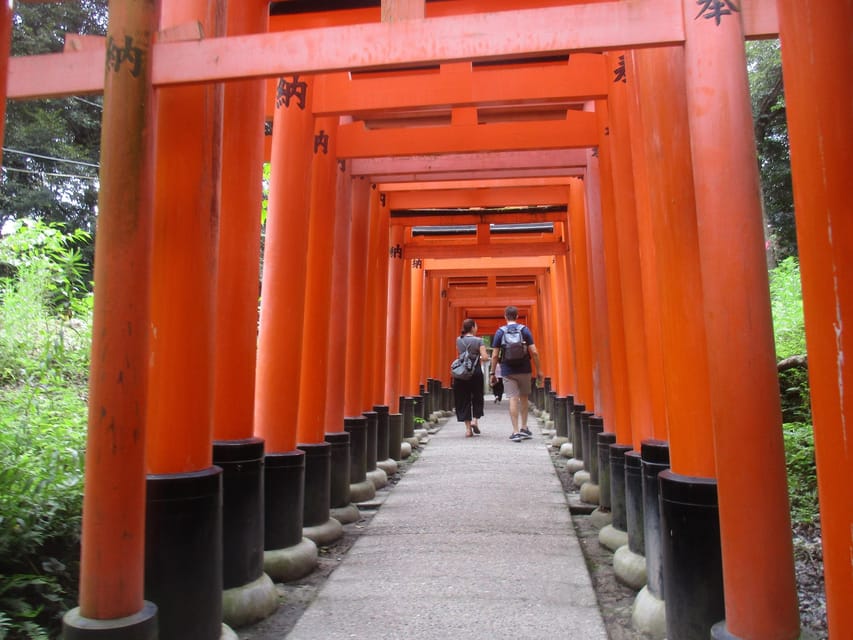
The strongest part of this experience is not simply getting from one famous place to another. It is the conversation along the way.
The guide speaks Italian and is described as a native Kyoto guide. That combination matters. You can ask questions about Kyoto’s past and present in your own language, rather than trying to piece together information from signs or a translated audio guide.
Omae receives special praise for a cultured but friendly presentation. The useful distinction here is that good guiding is not just a pile of dates. You want someone who can explain why a place mattered, how people lived, and how older customs relate to Japan today.
The guide is also positioned to explain daily Japanese life, not only temples and aristocrats. That broader focus makes the tour more useful for visitors who want cultural context instead of a parade of monuments.
The experience is offered as either a group or individual tour. The exact format can affect how much time you have for questions and how quickly the group moves, so check the available option when booking. In either case, the presence of an Italian-speaking guide is the central reason to choose this tour over arranging the same stops alone.
Is $117 a fair price?
At $117 per person, this is not the cheapest way to see the Golden Pagoda and bamboo forest. You can find the sights independently if you are comfortable researching routes, paying separate fares, and handling entrance costs.
The price becomes more reasonable when you value the guide. It includes all listed transportation and entrance fees, plus five hours of assistance in Italian. You are also buying a planned connection between two areas that are not next door to one another.
For a solo visitor or a couple who would otherwise spend time navigating unfamiliar transport, the package can offer good practical value. For a confident Kyoto planner who wants to move at a personal pace, it may feel expensive.
I would compare the cost against your priorities. If the Italian-language explanation and cultural questions are important, the fee is easier to justify. If you mainly want photographs and do not need guidance, independent visits may suit you better.
The high overall rating of 4.9 from five verified bookings points to a strong early record, but the sample is small. I would put more weight on the specific praise for the guide’s cordial manner, Italian, cultural range, and memorable details than on the number alone.
Who should book this Kyoto tour?
This experience fits you well if you:
- Want to visit Kinkaku-ji and Sagano in one organized half-day
- Prefer an Italian-speaking guide
- Like asking questions about history, customs, and daily life
- Want transport and entry fees handled together
- Are comfortable using trains, buses, and the subway
- Have limited time in Kyoto
- Prefer a focused route instead of a broad city overview
It may not be your best choice if you want a slow temple day, a private vehicle, or long unstructured time at each stop. The five-hour schedule is efficient, but it leaves little room for detours.
It is also worth noting that the tour is wheelchair accessible. If accessibility is a key concern, confirm the exact transport arrangements and meeting details when booking, since the route uses several forms of public transport.
Cancellation is free up to 24 hours before the activity for a full refund, and you can reserve now and pay later. Those terms help if your Kyoto schedule is still changing.
Should you book it?
Book this tour if you want a well-organized introduction to two major Kyoto sights and would get real value from explanations in Italian. The strongest reason to choose it is the guide, especially if Omae is leading your departure and you enjoy history presented with warmth, polished language, and plenty of side details.
Skip it if you would rather travel alone, linger for hours, or avoid public transport. The bamboo forest and Kinkaku-ji are easy to recognize, but the route is not designed for leisurely wandering.
For the right visitor, this is a sensible half-day: two famous places, a useful look at old Kyoto society, and a local guide who can answer the questions that signs and guidebooks cannot.
FAQ
Where does the tour begin?
It begins at Kyoto Station’s north entrance, at the space between the four escalators in front of the taxi terminal.
How can I identify the meeting point?
Look for Kyoto Tower in front of the station, toward the upper left from the meeting space. The meeting area is outside the central north entrance.
Does the tour end at Kyoto Station?
Yes. The planned route returns to Kyoto Station.
How long does the experience last?
The tour lasts five hours, including the visits and transport between the stops.
Which languages are available?
The live tour guide speaks Italian, and the activity is presented as an Italian-language experience.
Which sights are included?
The tour includes Sagano Bamboo Forest and Kinkaku-ji, also known as the Golden Pagoda.
Are transportation costs included?
Yes. The scheduled train, bus, and subway transportation is included in the price.
Are entrance fees included?
Yes. Entrance fees for the monuments scheduled during the route are included.
Can I leave the tour early?
Yes. You are free to leave partway through the experience.
Is the tour wheelchair accessible?
Yes. The activity is identified as wheelchair accessible.
Recently added around Kyoto
- Higashiyama | Kyoto: Sakura Season Private Rickshaw Tour★ 5.0 · 3 reviews
- Kyoto Kimono Rental CHAMATSU|Kimono/Yukata Rental FamilyPlan★ 5.0 · 3 reviews
- Kyoto: Half-Day Private Guided Tour to the Old Town of Gion★ 4.4 · 3 reviews
- Nara Private Customizable Half Day Tour★ 5.0 · 3 reviews
- Nara: Essential Private Tour with Deer Park and Temples★ 5.0 · 3 reviews
- Kansai Region Hiking Adventure in Nara Kobe Kyoto and More★ 5.0 · 3 reviews
- Full Day Nara Deer, Temple, Shrine, Activities & Tea Ceremony★ 5.0 · 3 reviews
- Hiking Tour for Sacred Sites in Kyoto with a Guide★ 5.0 · 3 reviews
Arashiyama Bamboo Grove Tours, compared.
Fushimi Inari, Kinkakuji, Bamboo Grove 1 Day Bus Tour
Read our review →
Kyoto/Osaka: Nara, Fushimi Inari Taisha, Arashiyama Bus Tour
Read our review →
Kyoto Arashiyama Walking Tour: Bamboo, Monkeys, Gardens & Secrets
Read our review →
Arashiyama Bamboo, Temple, Monkeys, or Secret Sake Brewery
Read our review →
Arashiyama Bamboo Forest, Monkeys, Matcha & Temple Tour
Read our review →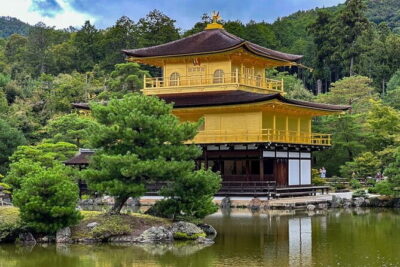
Nijo, Kinkaku-ji, Arashiyama, Kiyomizu & Fushimi Inari
Read our review →
Kyoto Ghost Tour: Dark Tales, Urban Legends, Bamboo Forest Night
Read our review →
Arashiyama Bamboo Forest & Hidden Gems Bike Tour (Early Bird)
Read our review →Browse the lists this tour appears in