
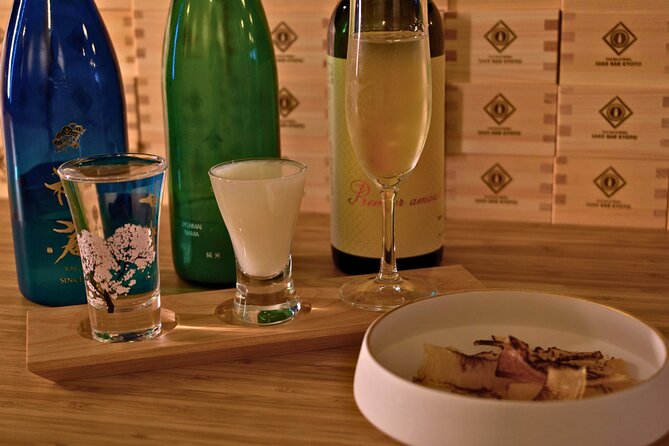
REVIEW · SAKE TASTING
Kyoto Food and Sake Tour Experience
Kyoto nightlife takes an unusual turn at SAKE BAR KYOTO, where a three-sake tasting comes with small Japanese dishes, a warm foot spa option, and a snack counter that includes cup noodles and ice cream. It is part tasting, part casual bar stop, and part place to rest your feet after a long day in the city.
I like the low price of $22.76 and the central location, only about three minutes from Kawaramachi Station. I also like the generous extras: unlimited dagashi snacks, instant cup noodles, ice cream, and a fragrant hinoki sake cup to take home.
The main drawback is that this is a short, roughly 45-minute visit, and the foot bath costs another ¥825 per person. If you expect a formal sake lesson led by a specialist, the experience may feel too casual, since the tasting information is supplied on a menu and the sake may be poured from large service bottles.
In This Review
- Key points at a glance
- A Kyoto sake stop with an unexpected foot bath
- What happens during the 45-minute visit
- The food pairing is small, salty, and distinctly Japanese
- The foot spa costs extra, but changes the mood
- Free dagashi, cup noodles, and ice cream
- The hinoki sake cup makes the low price feel better
- How much sake education should you expect?
- Timing, access, and the feel of the booking
- Who will enjoy this Kyoto bar stop?
- Should you book SAKE BAR KYOTO?
- FAQ
- Where does the Kyoto Food and Sake Tour take place?
- How long does the experience last?
- How many kinds of sake are included?
- What food is included?
- Are the foot bath and shisha included?
- What other items are included?
- Can I cancel for a full refund?
Key points at a glance
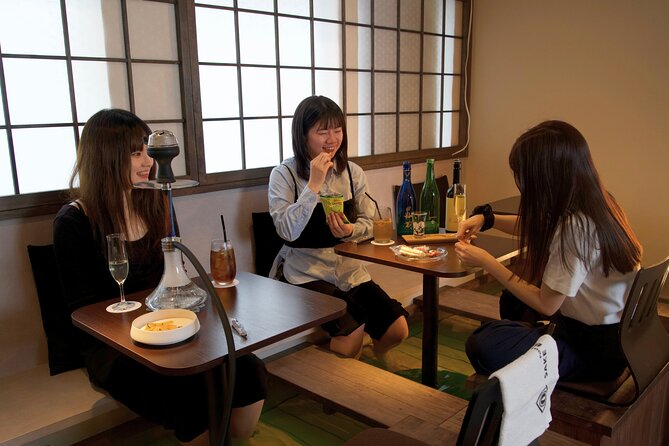
- Three sake styles in one short tasting: Try a flight that includes premium Kyoto and other Japanese brews, with Junmai and Junmai Daiginjo among the possible styles.
- Obanzai adds local flavor: Three assorted Kyoto-style appetizers may include stingray fin, spicy cod roe, pickled jellyfish, salted squid, or wasabi octopus.
- The foot spa is optional: You can soak your feet while tasting, but the bath costs ¥825 per person beyond the tour price.
- Snacks are part of the fun: Dagashi, instant cup noodles, and ice cream are available without an extra charge during the visit.
- You receive a practical souvenir: Each person gets an original cup made from fragrant hinoki wood.
- Best for a quick evening break: The bar is private for your group and close to Kawaramachi Station, but the 45-minute format leaves little room for lingering.
A Kyoto sake stop with an unexpected foot bath
This experience works because it does not try to be a full evening meal or a long brewery visit. Instead, you get a compact introduction to sake in a Japanese-style bar, then settle into a relaxed setting with snacks and, if you pay extra, warm water around your feet.
The location is useful. SAKE BAR KYOTO is in Nakagyo Ward, close to Kawaramachi Station and near public transportation. That makes it easy to fit between dinner, shopping, or an evening walk along the central Kyoto streets.
The activity ends at the same place where it begins. You do not need to follow a guide through several neighborhoods, and you will not spend part of your booking finding a distant meeting point. For a short booking, that simplicity matters.
Because the activity is private, only your group participates. The supplied information does not name a guide, so you should not book this expecting a particular host or a personal sake expert by name. Staff provide the tasting and explain the choices through the menu and service.
More bars and sake stops in Kyoto:
- Kyoto Night Foodie Tour in Gion (9+ dishes + 6 Sake tastings)
★ 5.0 · 1,762 reviews - 3-Hour Kyoto Insider Sake Brewery Tour with Tastings & Pairings
★ 5.0 · 917 reviews - Arashiyama Bamboo, Temple, Monkeys, or Secret Sake Brewery
★ 4.8 · 886 reviews
What happens during the 45-minute visit
The visit begins with three assorted obanzai appetizers. Obanzai refers to home-style Kyoto cooking, usually served in small portions and designed to complement a meal rather than dominate it.
Here, the exact three dishes change. Possible examples include grilled stingray fin, spicy cod roe, pickled jellyfish, salted squid, and wasabi octopus. That list tells you something important about the food: this is a snack-style pairing with salty, chewy, spicy, and preserved flavors, not a plate of mild tourist fare.
The changing selection can be a plus if you enjoy trying unfamiliar Japanese bar foods. It can also be a concern if you have strong food preferences, since the exact assortment is not fixed in advance. The information does not provide allergy or dietary substitutions, so ask the bar directly before booking if you need a particular menu.
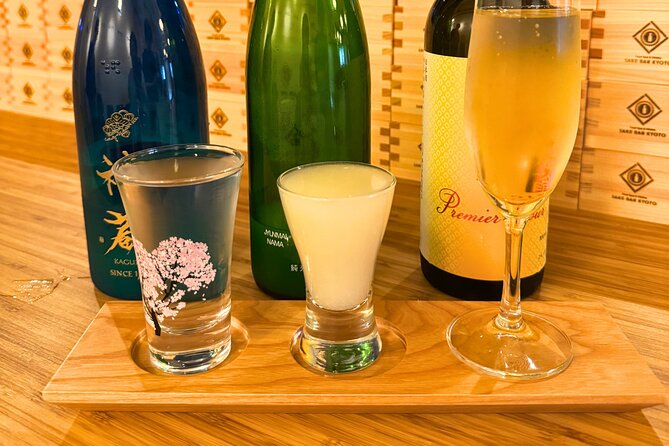
Next comes the sake flight, with three varieties. The selection includes premium Junmai, Junmai Daiginjo, and other brews from Kyoto and beyond. A flight like this gives you a simple way to compare sake styles without ordering three full bottles.
Junmai is made without added distilled alcohol and is often valued for a fuller rice character. Junmai Daiginjo uses highly polished rice and is commonly associated with a more delicate, fragrant style. You should treat those descriptions as a starting point rather than a promise of one exact flavor, since the individual brands and pours can change.
The intended tasting method is straightforward. Look at the menu, note the sake names and descriptions, smell each pour, and take small sips beside the obanzai. Notice which sake feels dry, sweet, fragrant, light, or full. The experience gives you a chance to compare, but it may not provide the detailed teaching you would receive at a specialist sake class.
The food pairing is small, salty, and distinctly Japanese
The three obanzai portions are included in the price, and they give the tasting a better shape than sake alone. Salty foods are common partners for Japanese alcohol, and strong flavors can make the sake taste different from one sip to the next.
Grilled stingray fin, if served, brings a firm, chewy texture. Spicy cod roe can add heat and briny flavor. Pickled jellyfish and salted squid belong to the preserved-snack side of Japanese drinking culture, while wasabi octopus brings a sharp kick.
You may find the food more interesting than familiar. That is part of its appeal, but it is also where personal taste matters most. If you prefer a substantial dinner, this will not replace one. Think of the obanzai as a tasting companion, then plan a proper meal before or after.
The menu selection varies, so avoid building your plans around one particular dish. You can ask what is being served when you arrive, especially if you want to know how adventurous the pairing may be.
The foot spa costs extra, but changes the mood
The foot bath is available on-site for ¥825 per person. It is not included in the $22.76 activity price, so check the total before you settle in.
If you add it, the visit becomes more of a recovery stop. You can sit with your feet in warm water while tasting sake, rather than standing at a counter or moving through a formal class. That sounds especially useful after walking Kyoto’s temples, lanes, and shopping streets.
Still, the foot spa is an optional add-on, not the central purpose of the booking. If you only want the sake and food, you can skip it. If the foot bath is the reason you are interested, remember that the advertised price does not cover it.
Shisha is also available, priced at ¥2,750 per person, but it is not included. That option belongs to the bar’s wider setting rather than the core tasting. You should see the activity as a sake experience first, with foot bathing and shisha offered separately.
More food tours in Kyoto:
- Kyoto: Insider Sake Brewery Tour with Sake and Food Pairing
★ 5.0 · 704 reviews - Kyoto Sake Brewery & Tasting Walking Tour
★ 5.0 · 623 reviews - Kyoto Nishiki Market Food and Culture Walking Tour
★ 5.0 · 412 reviews - Kyoto: Gion Food Tour 13 Dishes at 4 Eateries
★ 5.0 · 408 reviews
Free dagashi, cup noodles, and ice cream
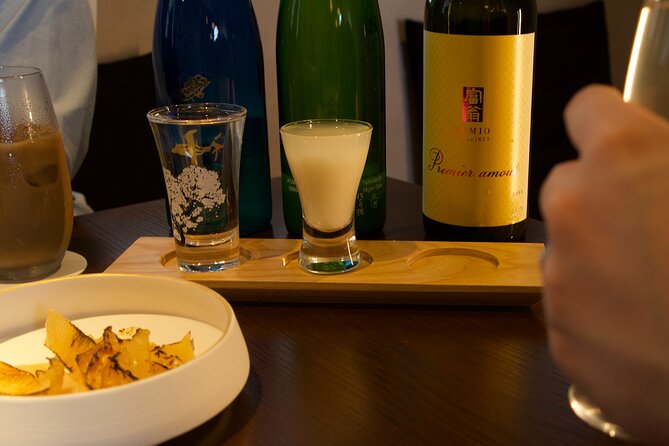
The snack extras are one of the more unusual parts of this stop. During your visit, you receive unlimited access to Japanese dagashi, instant cup noodles, and ice cream.
Dagashi are inexpensive Japanese sweets and snacks, often associated with childhood shops and casual treats. They add a playful note to a sake tasting and let you sample small bites without ordering more dishes.
The cup noodles are an even stranger pairing, in the best possible way. They make the bar feel less like a polished tasting room and more like a relaxed Japanese snack stop. If you are hungry after sightseeing, this inclusion adds real value, though it should not be confused with a full restaurant meal.
Ice cream gives you a sweet finish after salty seafood snacks and sake. The combination may sound odd, but the range of choices means you can shape the visit around your mood. Have a small bowl of noodles, try a few dagashi, or finish with ice cream.
These extras also help explain why the experience is not a traditional sake education. The setting aims for casual enjoyment, novelty, and comfort. You are paying for a short social stop with several small pleasures, not for a formal lecture.
The hinoki sake cup makes the low price feel better
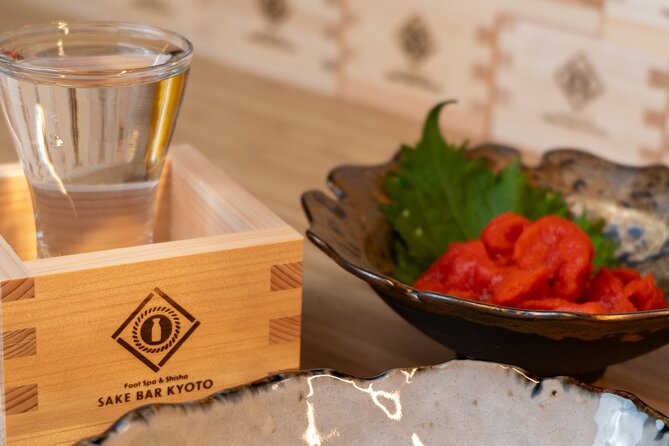
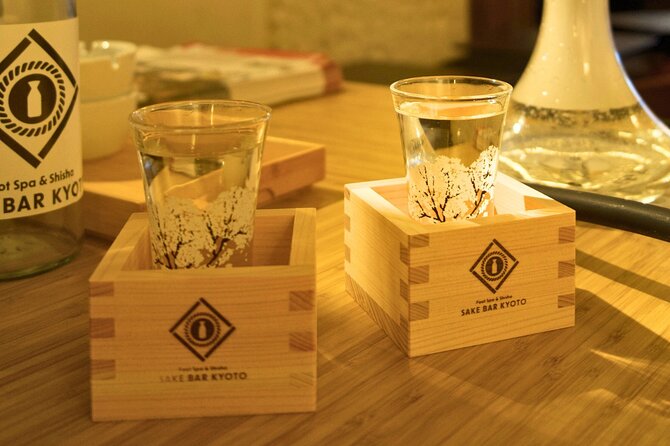
Each person receives an original sake cup made from hinoki wood. Hinoki is fragrant cypress, a wood strongly associated with Japanese baths, buildings, and traditional craft.
The cup is a useful souvenir because it connects directly to the activity. You can use it at home for sake or keep it as a small reminder of Kyoto. It is more personal than a generic printed trinket, although you should not assume it is a high-end handmade vessel unless the bar provides more detail.
At $22.76 per person, the included cup, three sake pours, three appetizers, and unlimited snack access create a fair value for a short visit. The calculation changes if you add the foot bath or shisha. With the foot bath, you pay an additional ¥825 per person, so compare the combined cost with what you want from the stop.
I would consider the base price attractive for someone who wants to sample sake without committing to a full bottle or an expensive dinner. The value is less clear for someone who only wants a detailed explanation of production methods, regional differences, or brewing traditions.
How much sake education should you expect?
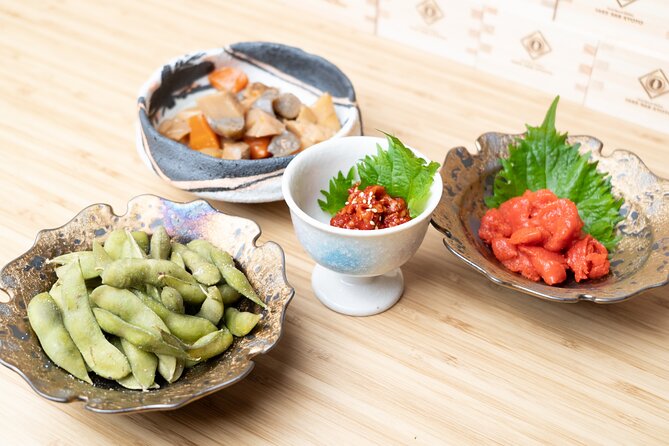
The experience is described as guided, with staff helping you appreciate the aroma, flavor, and character of each sake. You receive a menu with explanations, and the three pours are intended for comparison.
However, you should set your expectations carefully. This is not presented as a brewery tour, and the information does not promise a named sake teacher, a visit to a production site, or a long lesson about rice polishing and fermentation.
One customer felt that no one explained enough and disliked seeing the three samples poured from large bottles. That is a fair concern if presentation matters to you. Large bottles can look less refined than individual labels or a polished tasting setup, even when the liquid itself is good.
If you are new to sake, use the menu actively. Ask which pour is driest, which is most fragrant, and which pairs best with the food. The staff may be able to help, but the format appears designed for a quick self-guided comparison rather than a detailed class.
You can also make the tasting more useful by taking notes on the order. Start with the lightest or most delicate option if suggested, then move toward fuller flavors. Sip water between samples if available, and remember that three pours can still affect you, especially on an empty stomach.
Timing, access, and the feel of the booking
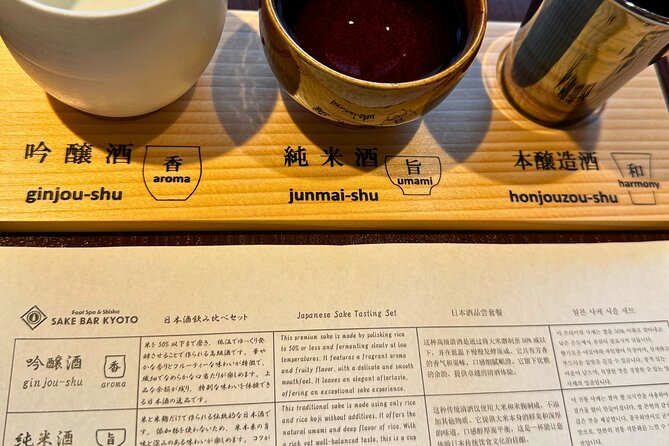
The experience lasts approximately 45 minutes. That is enough time for three sake samples, appetizers, and a few snacks, but not enough for an unhurried night out.
Plan it as a defined stop. You might book it before dinner, after shopping near Kawaramachi, or as a break between evening plans. Arrive with the expectation that the activity ends back at the meeting point rather than continuing into a wider tour.
The bar is on the second floor at 27628 Kitakuruma-yacho, Nakagyo Ward, Kyoto, postal code 604-8021. The supplied address includes a building and floor reference, so keep that information handy when you arrive.
The three-minute walk from Kawaramachi Station is the strongest practical feature. You avoid a long transfer for a short activity, and the nearby public transportation makes it easier to continue your evening afterward.
This is a private activity for your group only. That can make the bar feel more comfortable than a large shared tasting, but the information does not state the maximum group size. Most people can participate, and the experience is near public transportation.
The booking is usually made about 40 days ahead, which suggests that popular evening times may fill early. If your Kyoto schedule is fixed, reserve in advance. The cancellation policy is forgiving up to 24 hours before the start time, with a full refund, but changes or cancellations inside that window are not accepted.
Who will enjoy this Kyoto bar stop?
I would choose this for you if you want:
- A short sake introduction rather than a full evening class
- A central stop near Kawaramachi Station
- A casual Japanese bar atmosphere
- Small portions of unusual obanzai
- A foot bath option after a day of walking
- A quirky mix of dagashi, noodles, and ice cream
- A small Kyoto souvenir included in the price
I would think twice if you want a substantial meal, a polished sake presentation, or detailed instruction from a named expert. You may also want to skip it if seafood and preserved foods are not appealing, since the appetizer examples lean in that direction and the exact selection changes.
Families and mixed groups may find the snack choices entertaining, but the experience includes alcohol and is clearly built around sake. The information does not set a minimum age or describe nonalcoholic substitutes, so confirm those details before booking for children or anyone who does not drink.
Should you book SAKE BAR KYOTO?
Book it if you value convenience, novelty, and a good amount of included food and drink for a modest base price. The three sake pours, obanzai, free snacks, ice cream, and hinoki cup make this more than a simple bar order.
Skip it if your main goal is serious sake study. The short length, menu-based explanations, and casual presentation may leave you wanting more. You should also budget separately for the ¥825 foot bath if soaking your feet is central to the plan.
My practical choice would be to book the base tasting, add the foot bath only if you want a rest stop, and treat the experience as a relaxed Kyoto nightcap rather than a formal lesson. That expectation fits the setting best.
FAQ
Where does the Kyoto Food and Sake Tour take place?
It takes place at SAKE BAR KYOTO, Foot Spa and Shisha, in Nakagyo Ward, Kyoto. The bar is about a three-minute walk from Kawaramachi Station and is located on the second floor.
How long does the experience last?
The activity lasts approximately 45 minutes and ends back at the meeting point.
How many kinds of sake are included?
The base experience includes a tasting flight of three premium Japanese sakes. The selection can include Junmai, Junmai Daiginjo, and other Kyoto or Japanese varieties.
What food is included?
You receive three assorted Kyoto-style obanzai appetizers. Examples include grilled stingray fin, spicy cod roe, pickled jellyfish, salted squid, and wasabi octopus. The selection varies.
Are the foot bath and shisha included?
No. The foot bath is available for ¥825 per person, and shisha is available for ¥2,750 per person. Both cost extra.
What other items are included?
You receive unlimited access to Japanese dagashi snacks, instant cup noodles, and ice cream during the visit. Each person also receives an original hinoki sake cup to take home.
Can I cancel for a full refund?
Yes. You can cancel at least 24 hours before the local start time for a full refund. Cancellations or changes made less than 24 hours before the start time are not accepted for a refund.
More Sake Tasting in Kyoto
- 1.5-Hour Kyoto Insider Sake Experience with 7 Tastings & Pairings
★ 5.0 · 297 reviews - Kyoto: Insider Sake Experience with 7 Tastings and Snacks
★ 5.0 · 266 reviews - Private Tea Ceremony and Sake Tasting in Kyoto Samurai House
★ 5.0 · 163 reviews - Advanced Kyoto Insider Sake Tasting Experience
★ 5.0 · 44 reviews
Recently added around Kyoto
- Higashiyama | Kyoto: Sakura Season Private Rickshaw Tour★ 5.0 · 3 reviews
- Kyoto Kimono Rental CHAMATSU|Kimono/Yukata Rental FamilyPlan★ 5.0 · 3 reviews
- Kyoto: Half-Day Private Guided Tour to the Old Town of Gion★ 4.4 · 3 reviews
- Nara Private Customizable Half Day Tour★ 5.0 · 3 reviews
- Kansai Region Hiking Adventure in Nara Kobe Kyoto and More★ 5.0 · 3 reviews
- Full Day Nara Deer, Temple, Shrine, Activities & Tea Ceremony★ 5.0 · 3 reviews
- Nara: Essential Private Tour with Deer Park and Temples★ 5.0 · 3 reviews
- Hiking Tour for Sacred Sites in Kyoto with a Guide★ 5.0 · 3 reviews
Sake Tasting, compared.

Kyoto Night Foodie Tour in Gion (9+ dishes + 6 Sake tastings)
Read our review →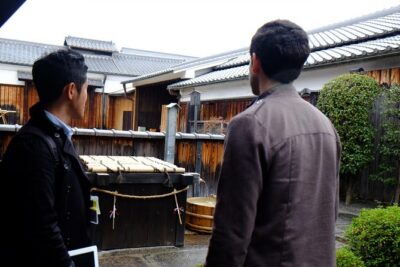
3-Hour Kyoto Insider Sake Brewery Tour with Tastings & Pairings
Read our review →
Arashiyama Bamboo, Temple, Monkeys, or Secret Sake Brewery
Read our review →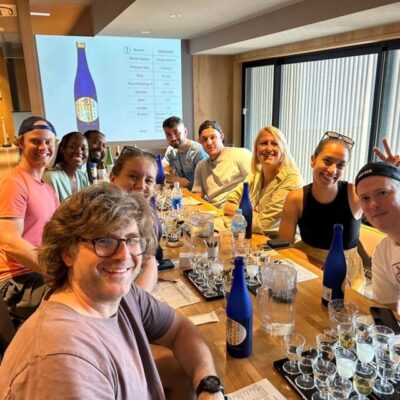
Insider Sake Brewery Tour with Sake and Food Pairing
Read our review →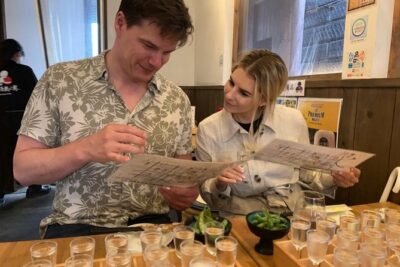
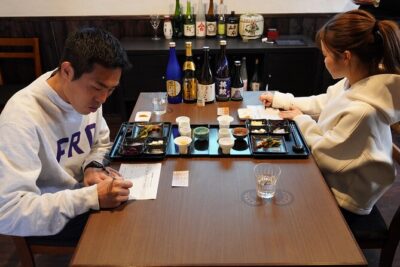
1.5-Hour Kyoto Insider Sake Experience with 7 Tastings & Pairings
Read our review →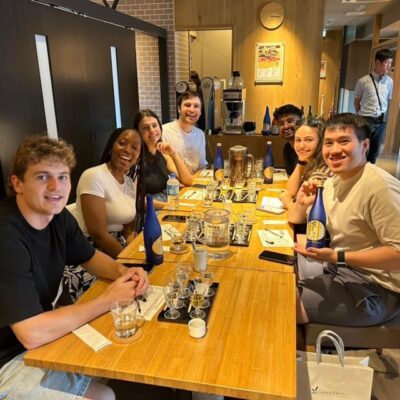
Insider Sake Experience with 7 Tastings and Snacks
Read our review →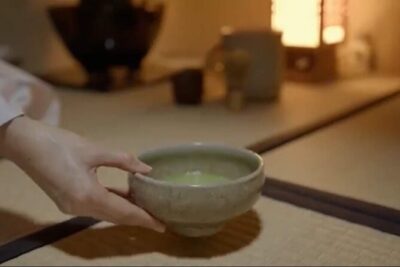
Private Tea Ceremony and Sake Tasting in Kyoto Samurai House
Read our review →Browse the lists this tour appears in