
REVIEW · 1-DAY TOURS
Kyoto Customized Private Tour: See Top Attractions in 1 Day
Kyoto’s biggest challenge is not finding places to see. It is choosing among them. This private tour lets you work with a local guide before the day begins, then build a route around your priorities, from the Golden Pavilion and Fushimi Inari to Gion’s old lanes and the slopes near Kiyomizu-dera. Your guide adjusts the pace and plan, rather than forcing you into a fixed checklist.
I like two things right away: the pre-tour planning helps turn a long wish list into a workable day, and the private format gives you room to stop for questions, food, shopping, or photos. Guides including Kenji, Akiko, Kaori, and Yasuma have been praised for patience, planning, and useful local advice.
The catch is transport. This is a walking tour, not a private-car tour, so public transit or local taxis between districts cost extra. You will also pay temple entrance fees and lunch separately, and a full day covering four or five major sites can still mean plenty of walking.
In This Review
- Key points to know before booking
- Why a private Kyoto day can be worth the price
- Start with a route that matches your interests
- Kinkakuji, Kyoto’s Golden Pavilion
- Arashiyama Bamboo Forest and the western hills
- Fushimi Inari and its thousands of gates
- Gion, Ninenzaka, and Sannenzaka
- Kiyomizu-dera and the eastern hills
- Nijo Castle for a change of pace
- What the walking and transport feel like
- How the guides shape the experience
- Choosing four, six, or eight hours
- Food, shopping, and local stops
- Who should book this private Kyoto tour?
- FAQ
- How long does the Kyoto private tour last?
- Which Kyoto sights can I visit?
- Is transportation included?
- Does the tour include temple entrance fees?
- Is hotel pickup available?
- What should I bring?
- Can wheelchair users join the tour?
- Should you book it?
Key points to know before booking
- Choose your Kyoto priorities before meeting your guide: The route can focus on famous sights, quieter streets, food, shopping, or photo stops.
- Expect a private English-speaking guide: Kenji, Akiko, Kaori, and Yasuma are among the guides named in past bookings.
- Pick the right length: A 4-hour tour usually covers 2 to 3 places, 6 hours covers 3 to 4, and 8 hours covers 4 to 5.
- Plan for walking and local transport: The guide may use public transportation or taxis between districts, but those fares are not included.
- The classic route is ambitious: Kinkakuji, Arashiyama, Fushimi Inari, and Gion can fit into a full day with careful planning, but the pace will not be lazy.
- Bring cash and good shoes: Some shops do not take cards, and the tour runs in rain or shine.
Why a private Kyoto day can be worth the price
At $129 per person, this tour makes the most sense for a small private group that wants help making decisions. You are paying for a guide’s time, local explanations, hotel pickup and drop-off within Kyoto City, and the freedom to change the plan during the day. The price does not cover a vehicle, fares, meals, or entry tickets, so your final cost will be higher.
Still, compare that price with the time you can lose in Kyoto. The city’s main sights sit in separate districts, and a first visit can become a tangle of train lines, buses, queues, and map checks. A private guide can help you decide what to skip, when to move on, and how to link nearby stops.
I see the greatest value for families, first-time visitors, and anyone with only one open day. The tour also suits people who want a particular style of outing. You can ask for famous views, less crowded times, traditional food, shopping, or cultural activities rather than accepting a standard route.
The value is weaker if you already know Kyoto well or prefer to explore alone. You will still need to pay for admissions and transport, and a self-guided day may cost less. The private format is the main advantage, so book it because you want personal help, not simply because you want a list of sights.
A few more Kyoto experiences worth comparing
- PERFECT KYOTO 1-Day Bus Tour
★ 5.0 · 13,518 reviews - Kyoto: Fushimi Inari, Kinkakuji, Bamboo Grove 1 Day Bus Tour
★ 4.8 · 4,316 reviews - 10 Must-see Spots in Kyoto One Day Private Tour (up to 7 people)
★ 5.0 · 1,108 reviews
Start with a route that matches your interests
Contact your guide in advance and be specific. Saying you want to see Kyoto is not enough. Tell the guide if you care most about temples, Shinto shrines, old neighborhoods, photography, food, shopping, or avoiding crowds.
You can also explain your walking limits and how many major sights you hope to see. The stated planning guide is simple:
- A 4-hour tour covers about 2 to 3 spots.
- A 6-hour tour covers about 3 to 4 spots.
- An 8-hour tour covers about 4 to 5 spots.
Those figures matter. Kyoto’s attractions are spread out, and the time between districts can eat into your sightseeing. A short tour should focus on one area or two nearby areas. A full day gives you a better chance of combining eastern Kyoto with a major shrine or western Kyoto with another central stop.
You will meet the guide in your Kyoto City hotel lobby if your hotel qualifies for pickup. The listed pickup locations are limited, so provide the hotel name ahead of time. Hotel drop-off is included, but the tour itself does not include a private vehicle.
Kinkakuji, Kyoto’s Golden Pavilion
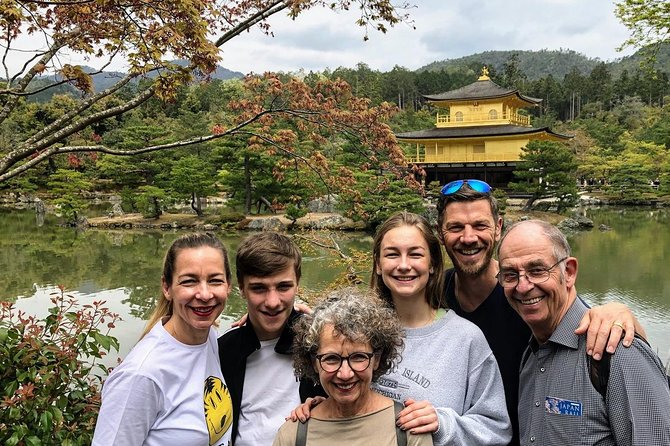
Kinkakuji, also called the Golden Pavilion, is one of Kyoto’s most familiar sights. Its gold-covered upper levels reflect over a pond, making this a strong first choice for a visitor who wants one instantly recognizable Kyoto image.
Your guide can add context to what you are seeing, which helps keep the visit from becoming a quick photo stop. The grounds offer more than the pavilion itself, though the main view is the clear focus.
The drawback is simple: Kinkakuji is popular. If your main goal is quiet, this may not be the best use of a short tour. Tell your guide before the day begins if you would rather spend more time in older streets or at a less crowded site.
Entry is not included, so keep cash available. The tour information specifically advises bringing cash because some shops do not accept credit cards.
Arashiyama Bamboo Forest and the western hills
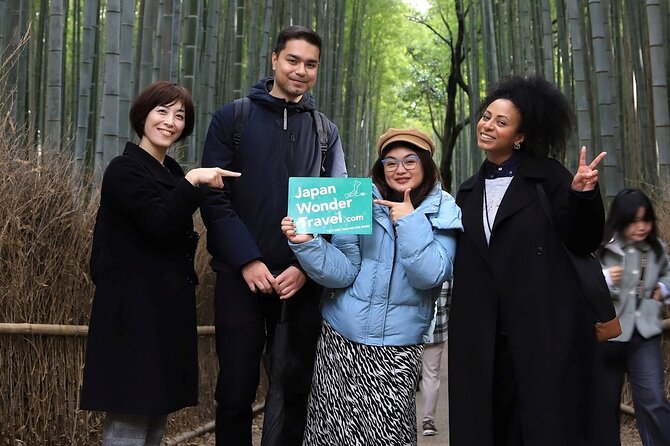
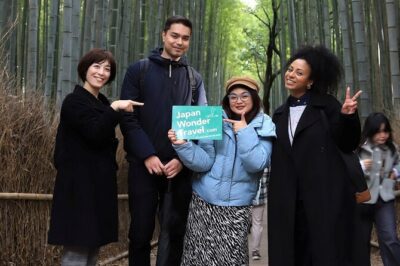
The Arashiyama Bamboo Forest gives you a different kind of Kyoto scene. Tall bamboo rises on both sides of the path, creating one of the city’s most photographed walks. It is easy to understand the appeal, but the experience depends heavily on how much time you have and how crowded the path feels.
I would pair Arashiyama with a full-day booking or with a route focused mainly on western Kyoto. Adding it to several distant sights can turn the day into a race. The private guide can help decide if the forest belongs in your plan or if another site better fits your interests.
The forest is also a good request for photographers. Tell the guide how much time you want for pictures before the route is fixed. A rushed stop may technically check the box but will not feel satisfying.
A completely different side of Kyoto:
- Kyoto: Tea Ceremony in a Traditional Tea House in Kiyomizu
★ 4.9 · 3,519 reviews - Kyoto Geisha Walking Tour: Gion District & Hidden Gems
★ 4.7 · 3,273 reviews - Kyoto: Tea Ceremony Ju-An at Jotokuji Temple
★ 4.9 · 3,207 reviews - Kyoto: Gion Magical Night Walking Tour with Geisha Trivia
★ 4.9 · 2,393 reviews
Fushimi Inari and its thousands of gates
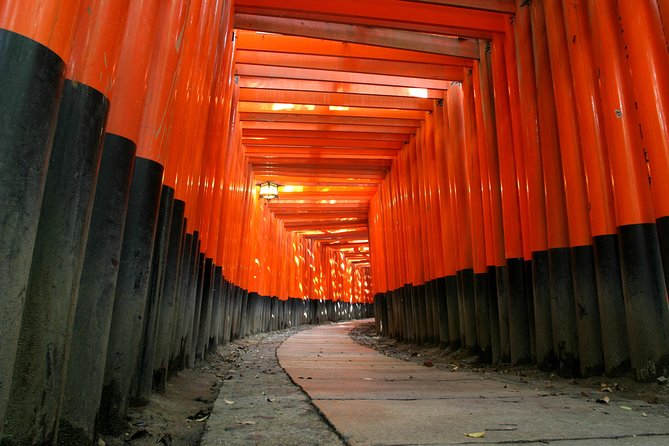
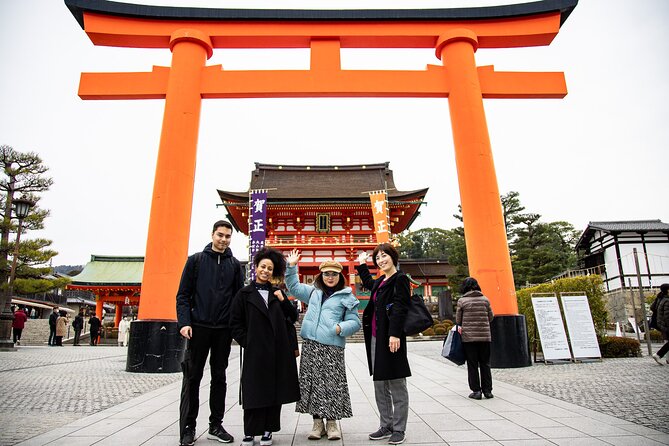
Fushimi Inari Taisha is known for its long rows of orange torii gates climbing into the wooded hills. The section near the entrance is the easiest to reach, while continuing uphill involves more walking and stairs.
The tour lists the Senbontorii area, making this a strong choice if you want the famous gate-lined paths without committing your entire day to the mountain. Ask the guide how far the planned walk will go and be honest about your energy level.
Fushimi Inari works well for visitors interested in Shinto traditions as well as photography. A guide can explain what makes the shrine different from Kyoto’s Buddhist temples. It also pairs naturally with Gion or Kiyomizu-dera if your schedule allows.
Do not underestimate the walking here. Comfortable shoes are not a polite suggestion. They are one of the most useful things to bring.
Gion, Ninenzaka, and Sannenzaka
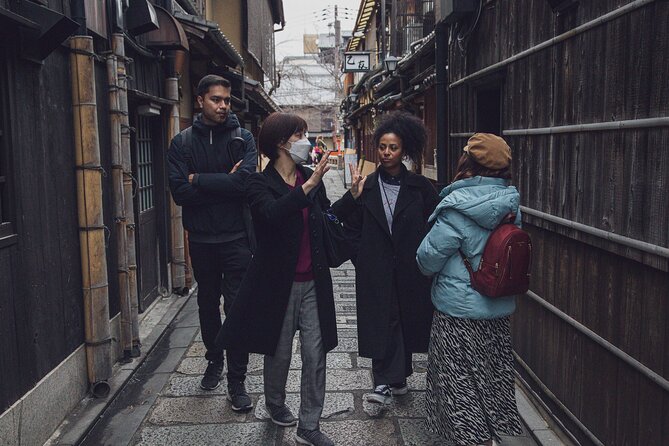
Gion offers the old Kyoto atmosphere many people hope to find: traditional streets, wooden buildings, tea houses, and a chance to see the city’s geiko and maiko culture. One family’s guide, Akiko, showed them around Gion, where they were fortunate to see geiko and maiko. That kind of moment is never guaranteed, but the neighborhood is worthwhile even when you are simply walking its lanes.
The nearby Ninenzaka and Sannenzaka slopes add more traditional streets and connect naturally with Kiyomizu-dera. These lanes are scenic, but the slopes and crowds can make them tiring. You will also find shops and places to stop, so keep some cash handy.
Gion is a good place to ask for explanations about Japanese customs and traditional arts. Kaori, one guide named in past bookings, was praised for adding background on Japanese history and tradition while leading a full-day route. I would allow time here for looking around rather than treating it as a quick pass-through.
Kiyomizu-dera and the eastern hills
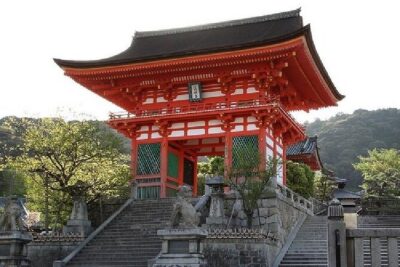
Kiyomizu-dera is one of Kyoto’s major temple visits and a natural companion to Ninenzaka, Sannenzaka, and Gion. Its position in the eastern hills gives the visit a sense of place, while the approach streets make the walk part of the experience.
Because entrance fees are not included, budget separately for the temple. The route around the temple and old streets involves hills and uneven walking, so this is not a good choice for anyone who needs a wheelchair-accessible route. The activity is specifically listed as unsuitable for wheelchair users.
Kiyomizu-dera is especially useful on a 4-hour tour because it can anchor an eastern Kyoto route. Add Gion and the nearby slopes, and you have a focused half-day with less backtracking than a route that crosses the whole city.
Nijo Castle for a change of pace
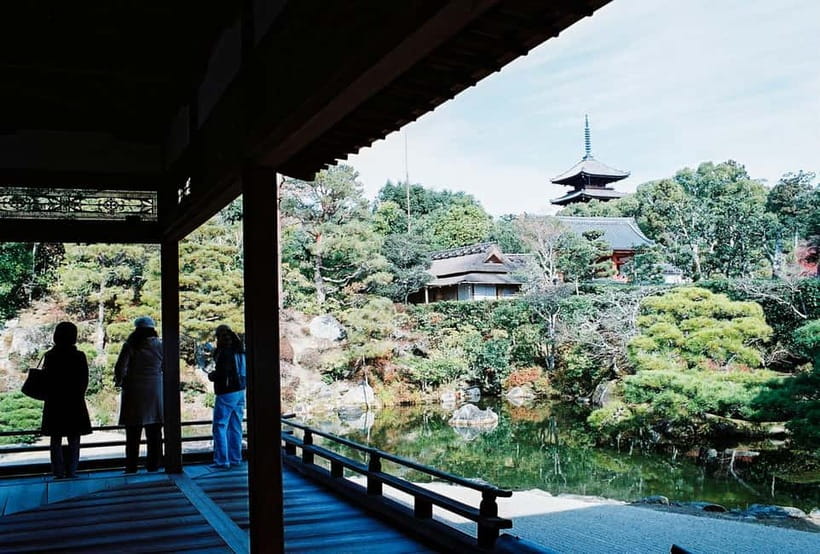
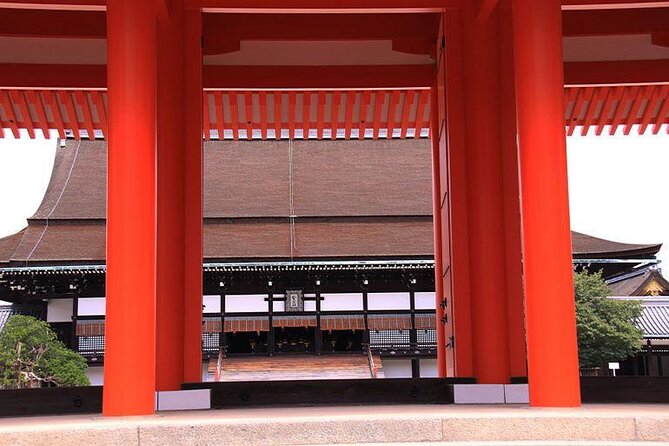
Nijo Castle gives the tour a different subject. Instead of a hillside temple or shrine, you get a major historic castle complex in the city. It can be a smart choice if you have already seen several religious sites or want more variety.
Ask your guide about including it during the pre-tour planning. Since the standard timing allows only a few places on a shorter booking, Nijo Castle may replace another stop rather than fit neatly beside everything else.
Entrance fees are separate here as well. Your guide can provide explanation during the visit, but you should keep the larger route in mind. A castle in central Kyoto may combine more easily with some areas than with Arashiyama and Fushimi Inari on a short schedule.
What the walking and transport feel like
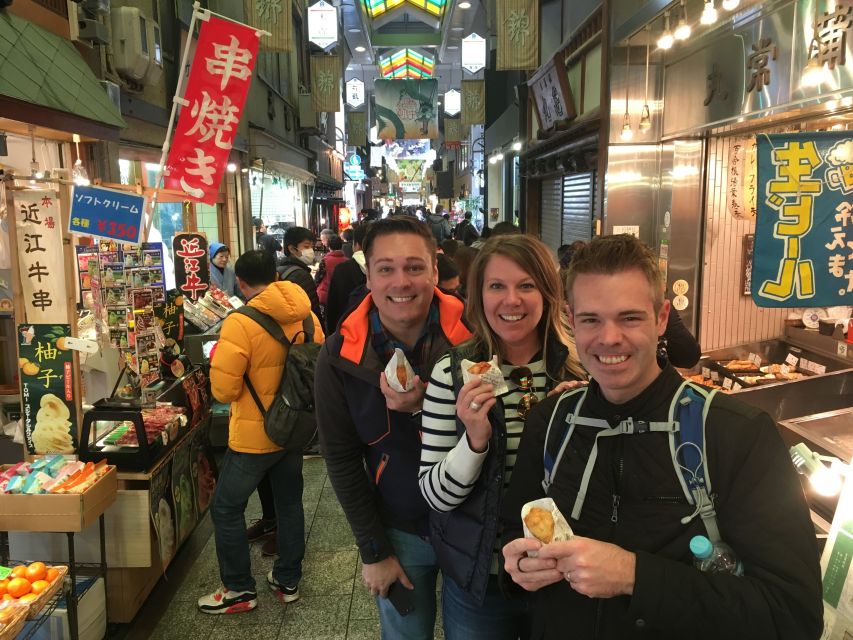
This is a walking tour with a guide, not a chauffeured sightseeing day. Between major districts, you might use public transportation or a local taxi. Those fares are not included, and the private vehicle option is not part of the activity.
That arrangement has both advantages and limits. Using local transport keeps the day closer to ordinary Kyoto life and can be more practical than trying to drive through busy streets. On the other hand, you will need to pay attention to transfers, allow time for movement, and manage your energy.
Wear comfortable shoes and bring only what you need. Large bags and luggage are not allowed. Bring cash for small purchases, food, and places that do not accept cards.
The tour runs rain or shine. Kyoto’s temples, shrines, and old streets can still be enjoyable in wet weather, but you should dress for the forecast and expect the schedule to continue. A private guide can change the itinerary to meet your requests, but bad weather does not automatically cancel the day.
How the guides shape the experience
The strongest pattern in the guide feedback is personal attention. Kenji was praised for taking a group to the places it wanted and adding historical background. He also helped another visitor make the Kyoto day memorable with useful tips and an easygoing manner.
Akiko appears to be a particularly good fit for families or groups that want patience. One family valued her willingness to wait, answer questions, and spend extra time with them. Kaori prepared a program after discussing interests in advance, fit several major sights into a full day without rushing, chose a traditional Japanese restaurant for lunch, and even arranged a taxi afterward.
Yasuma was also praised for an organized and informative day. These details suggest that the guide matters greatly, so use the advance contact well. Share your must-see sites, walking pace, food interests, and any places you have already visited.
The guide’s role is not just to point at buildings. It is to help you understand what you are seeing, move between areas sensibly, and adjust the day when your interests change.
Choosing four, six, or eight hours
A 4-hour booking is best for a narrow plan. Choose two or three stops in the same general part of Kyoto, such as Kiyomizu-dera, Ninenzaka, Sannenzaka, and Gion. You will see less, but the day should feel more relaxed.
Six hours gives you room for three or four places. This is a useful middle choice if you want a few major sights without committing to a long day. You might combine Fushimi Inari with Gion and Kiyomizu-dera, subject to the agreed route and transport time.
Eight hours is the only realistic option for a broad first look at Kyoto. A full day can potentially include Kinkakuji, Arashiyama, Fushimi Inari, and Gion, as one past full-day booking did. Even then, you should expect a busy schedule, and entrance lines, meals, and transport can affect the final pace.
I would not choose the longest option simply to collect the largest number of names. Four well-explained stops can be more rewarding than five rushed arrivals.
Food, shopping, and local stops
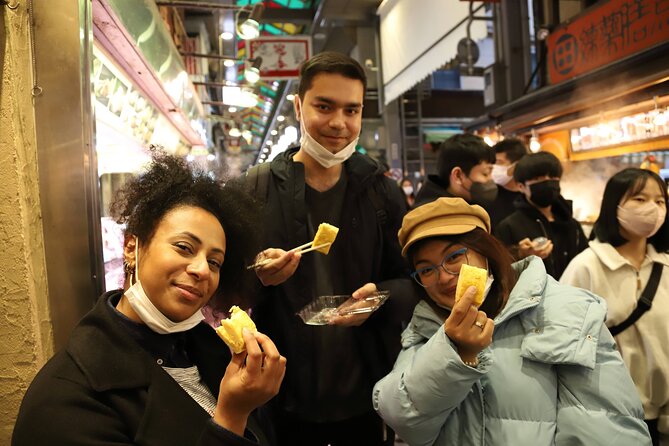
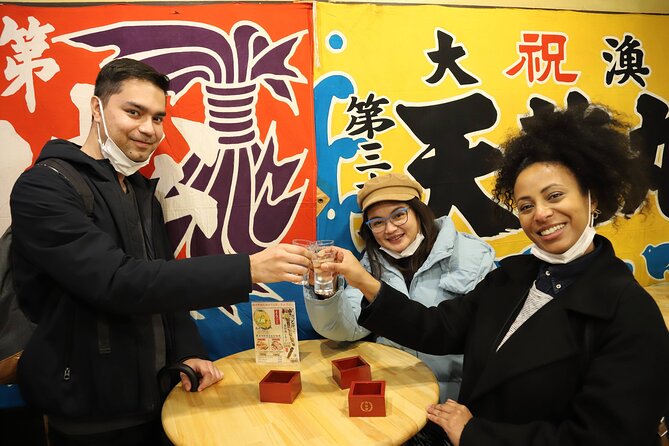
The tour can include local food experiences, shopping, or cultural activities if you request them. Lunch is not included, so you pay for your own meal.
A guide may help you find a traditional restaurant or suggest a stop that fits the route. Kaori chose a traditional Japanese restaurant where one group sat on the floor, making lunch part of the cultural experience rather than a break at an anonymous fast-food counter.
Be clear about food preferences and timing. If you want a long lunch, fewer sightseeing stops will fit. If temples and shrines matter most, keep the meal simple and brief.
Shopping can also be added, especially around Gion and the streets near Kiyomizu-dera. Cash is useful because not every shop accepts credit cards.
Who should book this private Kyoto tour?
I would recommend it to first-time Kyoto visitors who feel overwhelmed by the choices. It is also a strong fit for families, couples, and private groups that want to stop for questions, photos, or food without keeping up with strangers.
It suits you especially well if you have a clear interest, such as traditional neighborhoods, temple architecture, Shinto shrines, photography, or local meals. The guide can shape the route around that interest instead of giving every visitor the same day.
You should think twice if you want a private car, dislike walking, or need wheelchair access. You should also compare the total cost if you are traveling alone, since $129 per person is before admissions, meals, and local transport.
Free cancellation is available up to 8 days in advance for a full refund. The guide speaks English, the group is private, and pickup is limited to hotels in Kyoto City.
FAQ
How long does the Kyoto private tour last?
You can choose a tour lasting 4, 6, or 8 hours. A 4-hour visit generally covers 2 to 3 spots, 6 hours covers 3 to 4, and 8 hours covers 4 to 5.
Which Kyoto sights can I visit?
Possible stops include Kinkakuji, Arashiyama Bamboo Forest, Fushimi Inari Taisha, Gion, Nijo Castle, Kiyomizu-dera, Ninenzaka, and Sannenzaka. The route can change to match your requests.
Is transportation included?
No private vehicle is included. The tour is mainly on foot, and public transportation or local taxis may be used between places. Those fares are not included.
Does the tour include temple entrance fees?
No. Entrance fees to temples and other sites are paid separately.
Is hotel pickup available?
Pickup and drop-off are included for hotels in Kyoto City. The guide meets you in the hotel lobby, and you should provide the hotel name in advance.
What should I bring?
Bring comfortable shoes and cash. Some shops do not accept credit cards, and the tour involves a moderate amount of walking.
Can wheelchair users join the tour?
No. The activity is listed as unsuitable for wheelchair users.
Should you book it?
Book this tour if you want Kyoto’s major sights with a human guide who can reshape the day around you. The advance planning, private group, and flexible route are the real benefits, and guides such as Kenji, Akiko, Kaori, and Yasuma have shown the value of patience, local advice, and careful scheduling.
Choose 4 or 6 hours for a focused visit. Choose 8 hours only if you accept a full day of walking and local transport. If you want a private car or the lowest possible cost, this is not the right choice. For a first Kyoto visit with limited time, though, $129 per person can be a fair price for turning a complicated city into a clear, personal day.
Recently added around Kyoto
- Higashiyama | Kyoto: Sakura Season Private Rickshaw Tour★ 5.0 · 3 reviews
- Kyoto Kimono Rental CHAMATSU|Kimono/Yukata Rental FamilyPlan★ 5.0 · 3 reviews
- Kyoto: Half-Day Private Guided Tour to the Old Town of Gion★ 4.4 · 3 reviews
- Nara Private Customizable Half Day Tour★ 5.0 · 3 reviews
- Kansai Region Hiking Adventure in Nara Kobe Kyoto and More★ 5.0 · 3 reviews
- Full Day Nara Deer, Temple, Shrine, Activities & Tea Ceremony★ 5.0 · 3 reviews
- Nara: Essential Private Tour with Deer Park and Temples★ 5.0 · 3 reviews
- Hiking Tour for Sacred Sites in Kyoto with a Guide★ 5.0 · 3 reviews
1-Day Tours, compared.
Fushimi Inari, Kinkakuji, Bamboo Grove 1 Day Bus Tour
Read our review →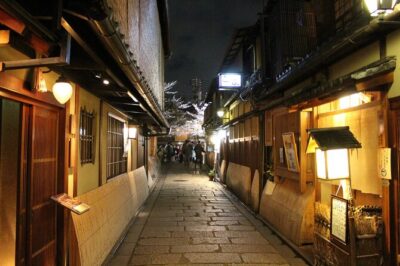
10 Must-see Spots in Kyoto One Day Private Tour (up to 7 people)
Read our review →
Nara Half Day Trip Walking Tour (Private Option Available)
Read our review →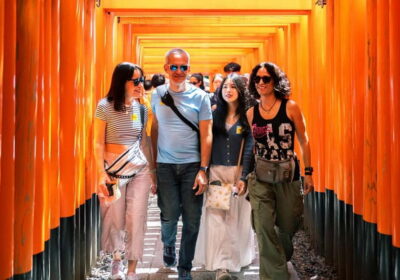
From Kyoto/Osaka: Kyoto Top Highlights 1-Day Guided Bus Tour
Read our review →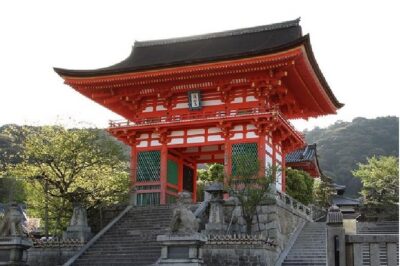
Kyoto Customized Private Tour: See Top Attractions in 1 Day
Read our review →Browse the lists this tour appears in