
REVIEW · SAKE TASTING
Kyoto: Beyond the Insider Sake Tasting Experience
Kyoto’s sake story gets far more interesting once you move past familiar bottles and standard tasting notes. This advanced tasting presents 10 unusual varieties, including sake made with ancient methods, special microorganisms, and local wood that gives the drink a regional character. I like the private tasting room and the certified sommelier guide who explains what is in your glass. I also like that beginners receive the basic production lesson before the unusual bottles appear. The main drawback is simple: there is no food pairing, and the tasting is not a good fit if you cannot drink alcohol.
I especially like this for travelers who have already taken a basic sake tour and want a second look at what Japanese brewers can do. You can also start here with no prior experience, but the more experimental bottles may make better sense after an introductory course. Arrive early, since being more than 10 minutes late cancels the booking without a refund.
In This Review
- Key points to know before booking
- Why this Kyoto tasting goes beyond standard sake
- Entering the private tasting room in Kyoto
- The opening lesson: rice, water, yeast, and categories
- Ten unusual pours and what they reveal
- What the sommelier adds to the experience
- Is $66 good value for Kyoto?
- Who should book this experience?
- How it compares with a beginner sake course
- Timing, transport, and drinking rules
- Should you book the Beyond the Insider Sake Tasting?
- FAQ
- How many kinds of sake are included?
- Do I need prior sake knowledge?
- Is food included?
- Is transportation included?
- What happens if I arrive more than 10 minutes late?
- Can people under 20 drink sake during the experience?
Key points to know before booking
- Ten rare sake varieties: The tasting focuses on bottles that are rarely found outside Japan.
- Ancient and modern ideas: You will compare traditional brewing methods with new approaches involving microorganisms.
- Local wood character: One style uses regional wood to shape its flavor.
- Certified English-speaking sommelier: The guide covers both sake production and the major categories.
- Private tasting room: The setting keeps the lesson focused and makes it easier to ask questions.
- No food pairing or transport: You must reach the meeting point yourself, and the experience centers on sake alone.
Why this Kyoto tasting goes beyond standard sake

Many first sake tastings stay with the basics: rice, water, yeast, polishing, sweetness, dryness, and a few broad categories. Those foundations matter, but this experience takes you to the more unusual side of the drink.
You will taste 10 kinds selected by a certified sake sommelier. The point is not simply to count samples. The selection is meant to show how different brewing choices can change aroma, texture, and flavor.
I like that approach because sake can seem mysterious when you only see the finished bottle. Once you learn what happens during production, the differences become easier to notice. A sake made with an older method may feel very different from one built around a newer understanding of microorganisms. A bottle influenced by local wood may connect the drink to its place in a way that a standard international brand cannot.
The tasting is called a beyond-the-basics experience, but it still covers the groundwork. You do not need to arrive as a sake expert. The guide explains the essential production steps and sake categories, then uses the samples to show those ideas in practice.
That makes the experience useful for two very different groups. If you are new to sake, you get a guided introduction with more unusual examples than a typical beginner session. If you already enjoy sake, you get a chance to taste styles that may not appear on restaurant menus outside Japan.
More bars and sake stops in Kyoto:
- Kyoto Night Foodie Tour in Gion (9+ dishes + 6 Sake tastings)
★ 5.0 · 1,762 reviews - 3-Hour Kyoto Insider Sake Brewery Tour with Tastings & Pairings
★ 5.0 · 917 reviews - Arashiyama Bamboo, Temple, Monkeys, or Secret Sake Brewery
★ 4.8 · 886 reviews
Entering the private tasting room in Kyoto
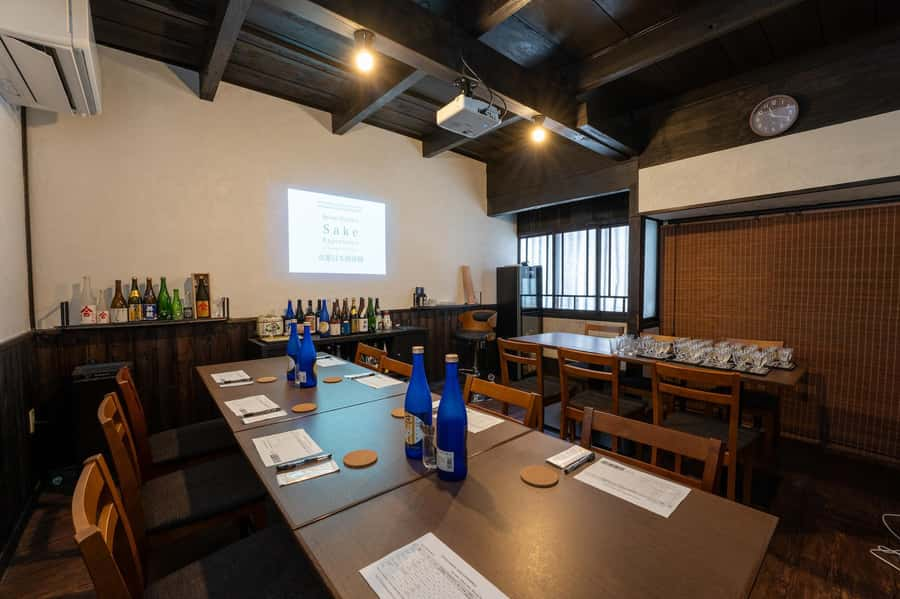
The experience begins and ends at the Kyoto Insider Sake Experience meeting point. There is no sightseeing transfer, brewery visit, or hotel pickup. You need to arrange your own way there, and the activity returns to the same location when the tasting is finished.
The private room is an important part of the format. Sake is easier to understand when you can concentrate on the guide rather than a noisy bar or a crowded restaurant. You can pay attention to the explanations, compare one sample with another, and ask about a flavor that puzzles you.
The setting also suits people who are shy about asking basic questions. You might want to know the difference between two categories, why rice polishing matters, or how a wood-based method changes the drink. A dedicated room gives those questions space.
There is one practical rule to take seriously: arrive more than 10 minutes late and the reservation is canceled. Since alcohol tastings depend on a fixed start, this is not an activity to squeeze between two distant Kyoto sights. Build in extra time for finding the meeting point.
The opening lesson: rice, water, yeast, and categories
The first stage covers the basics of sake production. You will learn about the key ingredients and the broad categories used to describe sake. The guide then gives you a way to connect those terms with the samples in front of you.
This part is especially useful for beginners. Sake labels can be hard to read, and words such as dry, fragrant, polished, or aged do not always tell the full story. A clear explanation at the start helps you listen for more than sweetness.
The lesson also gives experienced drinkers a common starting point. You may already know the main categories, but the guide can place the less familiar bottles into context. That matters here because the tasting is not built around the most common overseas examples.
I would keep your tasting note nearby from the start. It is included with the experience and gives you a place to record what you smell, taste, and prefer. You may not agree with every description, and that is fine. The note is most useful as a personal record, especially if one of the rare styles becomes a favorite.
Ten unusual pours and what they reveal
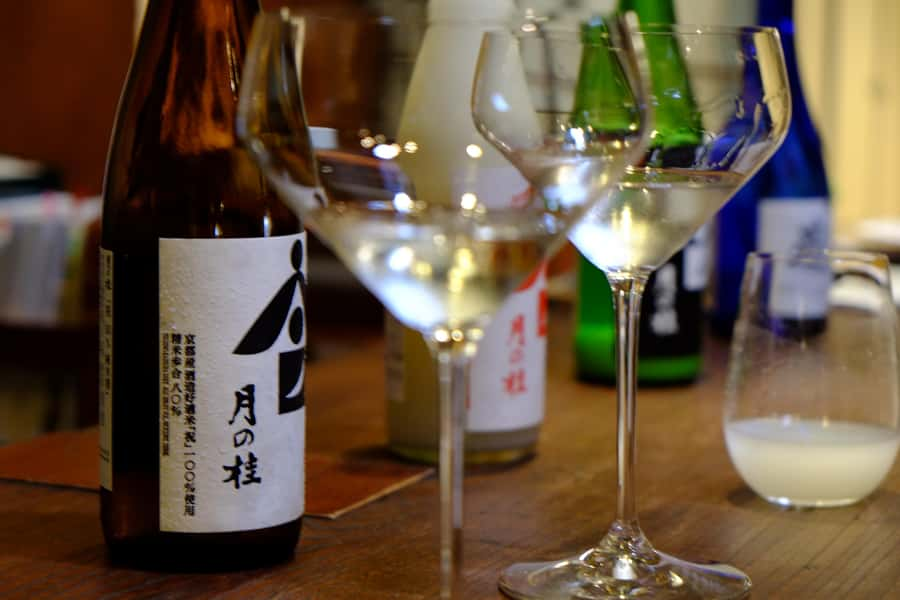
The main event is a flight of 10 sake varieties chosen to show the range of the brewing process. The exact brands are not specified, so you should not book expecting a particular label. The strength of the experience is the selection of styles and ideas rather than a fixed bottle list.
Some samples use ancient brewing methods that differ from modern practice. This gives you a direct comparison between older techniques and the more standardized approaches many people first encounter.
Other samples represent newer experiments with microorganisms. That may sound technical, but the value is practical: you taste how small changes in the brewing process can create different results in the glass. The guide helps connect the production method to the final character.
Another style uses local wood. This is one of the most distinctive details in the tasting because it links the flavor to a regional material. You may notice a character that feels quite unlike sake made through more familiar methods.
I like tastings that use contrast instead of simply presenting 10 similar pours. Here, the samples are chosen to show possibilities. You are not just deciding if you like one sake more than another. You are learning why they can taste so different in the first place.
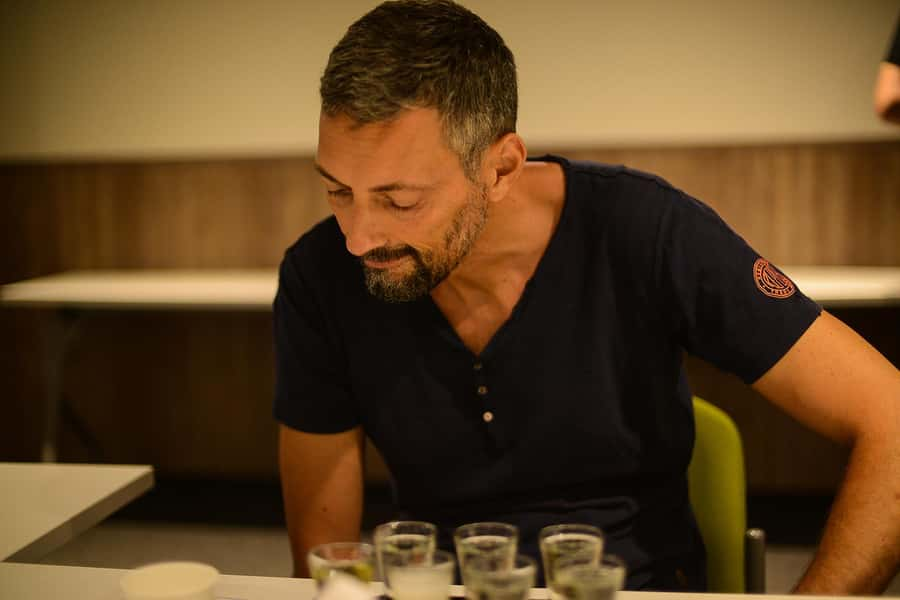
The tasting note should help you slow down. Instead of rushing through the pours, look at each one as a small lesson. Note the smell, the texture, the balance, and your own reaction. Sake does not have to be treated like an exam. You are allowed to like the bottle with the least complicated explanation.
More food tours in Kyoto:
- Kyoto: Insider Sake Brewery Tour with Sake and Food Pairing
★ 5.0 · 704 reviews - Kyoto Sake Brewery & Tasting Walking Tour
★ 5.0 · 623 reviews - Kyoto Nishiki Market Food and Culture Walking Tour
★ 5.0 · 412 reviews - Kyoto: Gion Food Tour 13 Dishes at 4 Eateries
★ 5.0 · 408 reviews
What the sommelier adds to the experience
The guide is a certified sake sommelier and leads the experience in English. That certification matters here because the tasting depends on explanation. Without context, ancient methods, microorganisms, and wood-based brewing could sound like a list of unusual claims.
The guide also helps you bridge the gap between technical details and enjoyment. You do not need to memorize every brewing term. What matters is understanding the choices behind each sample and recognizing how those choices affect the drink.
The strongest praise for this experience centers on the presentation, explanations, and broad selection. That matches what I would want from an expert-led tasting: clear teaching without making beginners feel behind, and enough unusual material to keep experienced drinkers interested.
The guide’s role is particularly important because there is no food pairing. In a restaurant, food can soften, sharpen, or change your impression of sake. Here, the focus stays on the drink and the production process. That gives you a cleaner comparison, though some people may miss having a snack between samples.
Is $66 good value for Kyoto?
At $66 per person, this is not the cheapest way to drink sake in Kyoto. You can find individual pours at bars and restaurants for less, especially if you already know what you want. Those casual stops, however, do not give you a structured lesson or ten carefully selected examples.
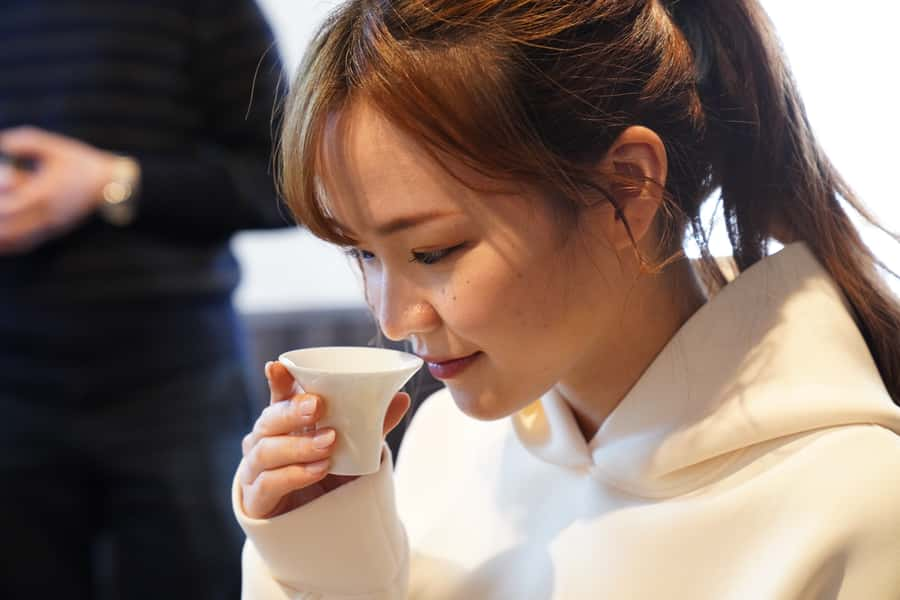
I see the price as reasonable if you value guidance and variety. You are paying for 10 tastings, an English-speaking certified sommelier, a private room, and a tasting note. The value improves for anyone who wants to understand sake rather than simply consume it.
The price is less attractive if you mainly want a relaxed night out with food. Pairing is not included, and transportation is also your responsibility. You should budget for your own meal before or after the activity, especially since the tasting itself is not presented as a food-focused event.
For a sake enthusiast, the unusual styles may justify the cost on their own. Bottles made with older methods, special microorganisms, or local wood can be difficult to find overseas. For a beginner, the price buys a guided introduction with a clear path into more advanced material.
Who should book this experience?

I would recommend it to several types of people:
- Sake newcomers who want a proper introduction rather than random bar orders.
- Experienced sake drinkers looking for styles that rarely appear outside Japan.
- Food and drink enthusiasts who enjoy learning how ingredients and methods shape flavor.
- Repeat visitors to Kyoto who want a focused cultural activity beyond temples and shopping.
- Couples or small groups who prefer a private room and a guided discussion.
I would be more cautious if you dislike technical explanations. The experience is built around how sake is made, so it is not simply a social drinking session.
It is also a poor choice for anyone who cannot drink alcohol. Non-alcoholic drinks are available, but there is no refund if you arrive by car or bicycle and cannot take part in the sake tasting. People under 20 are served only non-alcoholic drinks, and the activity is listed as unsuitable for people under 19, children under 3, and pregnant women.
Everyone in your party needs a reservation, including children and non-drinkers. You cannot add an unbooked person at the meeting point.
How it compares with a beginner sake course
The experience includes basic production information, so you can book it without previous sake knowledge. Still, its main appeal is the unusual material.
If this is your first ever sake tasting, you will likely understand the session, but a basic course may offer a gentler introduction. One useful plan is to take the beginner experience first and return for this more advanced tasting later. That order lets you recognize the familiar categories before exploring the stranger methods.
If you already know the basics, this is the more suitable choice. You will spend less time on standard examples and more time considering how brewing traditions and new techniques produce different flavors.
I would not treat the word advanced as a barrier. Think of it as a sign that the tasting goes beyond common sake styles, not as a requirement for specialist knowledge.
Timing, transport, and drinking rules
No transportation to or from attractions is included, and there is no hotel pickup or drop-off. The start and finish point is the Kyoto Insider Sake Experience location, so plan your route before the day of the tasting.
The late-arrival rule deserves another reminder. More than 10 minutes late means cancellation. Kyoto is easy to explore, but stations, buses, and busy sightseeing areas can take longer than expected. I would avoid booking this immediately after an attraction on the other side of the city.
For safety and legal reasons, alcohol is not served to anyone who arrives by car or bicycle. Non-alcoholic drinks are available, but you do not receive a refund if that rule prevents you from tasting.
Japan’s legal drinking age is 20. Anyone under 20 receives non-alcoholic drinks only. The activity is offered in English, which makes the production lesson accessible to international visitors.
Cancellation is allowed up to seven days in advance for a full refund. That is useful if your Kyoto plans are still shifting, but it does not soften the strict same-day late-arrival rule.
Should you book the Beyond the Insider Sake Tasting?
Book this experience if you want a serious look at sake’s range, especially if you have already tried a basic tasting. The 10 samples, private room, tasting note, and certified sommelier create a focused lesson rather than a quick drink stop.
Beginners can book too, as the basics are included. Just know that the unusual styles are the point, and the experience may be more rewarding if you enjoy learning as you taste.
Skip it if you want food, sightseeing, transportation, or a casual evening at a bar. For the right visitor, though, $66 buys a rare chance to taste sake made through old methods, experimental techniques, and local wood, all in one guided Kyoto session.
FAQ
How many kinds of sake are included?
The experience includes 10 sake varieties selected by a certified sake sommelier.
Do I need prior sake knowledge?
No. The guide covers the basics of sake production and the main sake categories, so beginners can take part.
Is food included?
No. Food pairing is not included.
Is transportation included?
No. Transportation to and from attractions, as well as hotel pickup and drop-off, is not included.
What happens if I arrive more than 10 minutes late?
Your booking will be canceled if you are more than 10 minutes late.
Can people under 20 drink sake during the experience?
No. The legal drinking age in Japan is 20. People under 20 are served non-alcoholic drinks only.
More Sake Tasting in Kyoto
- 1.5-Hour Kyoto Insider Sake Experience with 7 Tastings & Pairings
★ 5.0 · 297 reviews - Kyoto: Insider Sake Experience with 7 Tastings and Snacks
★ 5.0 · 266 reviews - Private Tea Ceremony and Sake Tasting in Kyoto Samurai House
★ 5.0 · 163 reviews - Advanced Kyoto Insider Sake Tasting Experience
★ 5.0 · 44 reviews
Recently added around Kyoto
- Higashiyama | Kyoto: Sakura Season Private Rickshaw Tour★ 5.0 · 3 reviews
- Kyoto Kimono Rental CHAMATSU|Kimono/Yukata Rental FamilyPlan★ 5.0 · 3 reviews
- Kyoto: Half-Day Private Guided Tour to the Old Town of Gion★ 4.4 · 3 reviews
- Nara Private Customizable Half Day Tour★ 5.0 · 3 reviews
- Nara: Essential Private Tour with Deer Park and Temples★ 5.0 · 3 reviews
- Kansai Region Hiking Adventure in Nara Kobe Kyoto and More★ 5.0 · 3 reviews
- Full Day Nara Deer, Temple, Shrine, Activities & Tea Ceremony★ 5.0 · 3 reviews
- Hiking Tour for Sacred Sites in Kyoto with a Guide★ 5.0 · 3 reviews
Sake Tasting, compared.

Kyoto Night Foodie Tour in Gion (9+ dishes + 6 Sake tastings)
Read our review →
3-Hour Kyoto Insider Sake Brewery Tour with Tastings & Pairings
Read our review →
Arashiyama Bamboo, Temple, Monkeys, or Secret Sake Brewery
Read our review →
Insider Sake Brewery Tour with Sake and Food Pairing
Read our review →
1.5-Hour Kyoto Insider Sake Experience with 7 Tastings & Pairings
Read our review →
Insider Sake Experience with 7 Tastings and Snacks
Read our review →
Private Tea Ceremony and Sake Tasting in Kyoto Samurai House
Read our review →Browse the lists this tour appears in