
REVIEW · ARASHIYAMA BAMBOO GROVE TOURS
Kyoto: Avoid the Crowds at the Hidden Gems of Arashiyama
Arashiyama is famous for its bamboo, but the best part of this tour comes after you leave the main photo stop behind. You walk from the river and bamboo forest into older Saga streets, two unusual Buddhist temples, and a preserved lane lined with traditional houses. I especially like the 1,200 whimsical figures at Otagi Nenbutsuji and the quiet, solemn field of stone memorials at Adashino Nenbutsuji.
I also like the way the route mixes famous sights with places many first-time visitors miss, and how a guide can explain Buddhist ideas, local customs, and the story of Okusaga as you walk. The main drawback is simple: this is a four-hour walking tour with hills and uneven temple paths, so it is not suitable for wheelchair users or people with mobility impairments.
In This Review
- Key points to know before booking
- Why this Arashiyama walk feels different
- Starting at Saga Arashiyama Station
- Togetsu Bridge and Arashiyama Park views
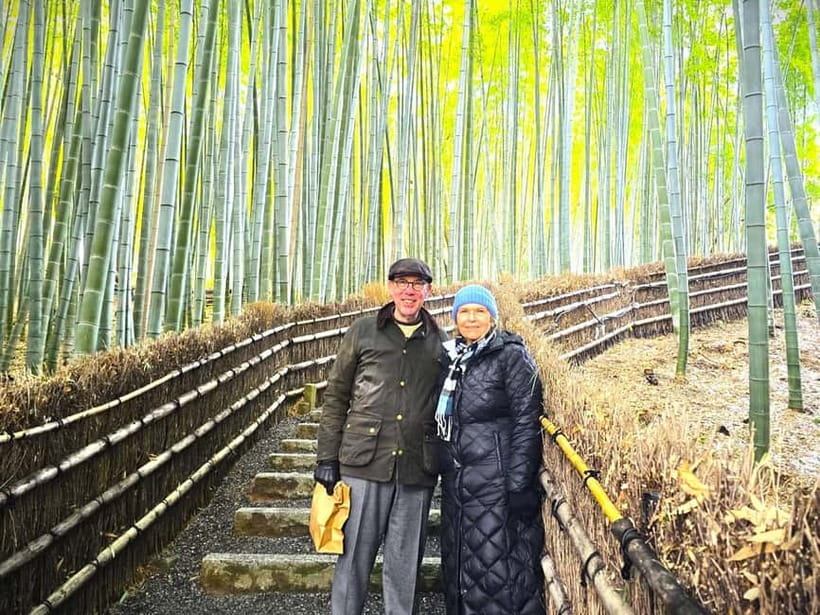
- The bamboo forest photo stop
- Otagi Nenbutsuji and its 1,200 stone figures
- Adashino Nenbutsuji and the field of stone memorials
- Saga Toriimoto, old houses, and small craft shops
- Seiryoji Temple and the return to the station
- What the guides add
- Walking level, timing, and what to bring
- Is the $83 price fair?
- Who should book this walk?
- Final verdict: a smart way to see quieter Arashiyama
- FAQ
- How long does the Arashiyama tour last?
- Where does the tour begin?
- Where does the tour finish?
- Which languages are available?
- Is this a private tour or a group tour?
- Are temple admissions included?
- Is food included in the price?
- What should I bring?
- Is the tour suitable for wheelchair users?
Key points to know before booking
- The route goes beyond central Arashiyama: You see the major sights, then continue into quieter Saga Toriimoto and Okusaga.
- Two very different temples are included: Otagi Nenbutsuji is playful and full of expressive stone figures, while Adashino Nenbutsuji is more solemn, with about 8,000 stone images and pagodas.
- You still get the classic Arashiyama photographs: The tour includes Togetsu Bridge, Arashiyama Park views, and a bamboo forest photo stop.
- The walking is moderate but real: Bring comfortable shoes and water. This is a walking experience, not a stop-and-go sightseeing ride.
- Guides add cultural context: English and Japanese tours are offered, with past guide names including Megumi, Yoshi, Kana, Juraj, and Juliette.
- The $83 price includes two temple admissions: Food, drinks, and purchases at local shops cost extra.
Why this Arashiyama walk feels different
Arashiyama can be crowded around Togetsu Bridge and the main bamboo path. This tour does not pretend those famous places are empty. Instead, it handles them quickly, then takes you farther west into the old Saga area, where the pace changes.
That is the smart idea behind the route. You still see the sights you came for, but you do not spend the whole afternoon in the busiest part of the district. The walking route gives you time to look at old homes, ask questions, and notice details that are easy to miss when you are moving with a large crowd.
The tour costs $83 per person and lasts about four hours. That is not the cheapest way to see Arashiyama, especially if you only want a photo at the bamboo forest. The value comes from the guide, the two included temple admissions, and the explanation of places that can feel mysterious without context.
You can book a private or small-group version. A smaller group matters here because the route includes narrow streets, temple grounds, and stops where you may want to ask about Buddhist symbols or local traditions. The activity is offered in English and Japanese.
More of Arashiyama and the bamboo grove:
- Kyoto: Fushimi Inari, Kinkakuji, Bamboo Grove 1 Day Bus Tour
★ 4.8 · 4,316 reviews - Kyoto/Osaka: Nara, Fushimi Inari Taisha, Arashiyama Bus Tour
★ 4.7 · 1,275 reviews - Kyoto Arashiyama Walking Tour: Bamboo, Monkeys, Gardens & Secrets
★ 5.0 · 1,216 reviews
Starting at Saga Arashiyama Station
You meet your guide in front of the ticket gate at Saga Arashiyama Station. Look for a yellow sign with the DeepExperience logo. This is a useful meeting point because it gives you a clear place to begin, but be sure you arrive at the correct station. The tour finishes here too, so you do not need to work out a new return point at the end.
The first part of the walk heads toward Togetsu Bridge. The schedule allows only about five minutes at the bridge, followed by roughly ten minutes of scenic walking in Arashiyama. That timing tells you what kind of tour this is: you will see the highlights, but the guide is not giving you a long free period at each one.
Togetsu Bridge and Arashiyama Park views
Togetsu Bridge is the classic starting picture for Arashiyama. It crosses the Katsura River and frames the wooded hills that make this area so recognizable. The bridge itself is not a long visit, but it gives you an immediate sense of place.
From there, the walk continues toward the observatory area of Arashiyama Park. The raised viewpoint offers a broader look over the river and surrounding hills. You may appreciate this stop more than another close-up temple view because it lets you understand how the river, wooded slopes, and residential streets fit together.
The short timing can feel rushed if you want several photographs. I would use the bridge stop for a quick composition, then save your attention for the park viewpoint and the quieter streets later on.
The bamboo forest photo stop
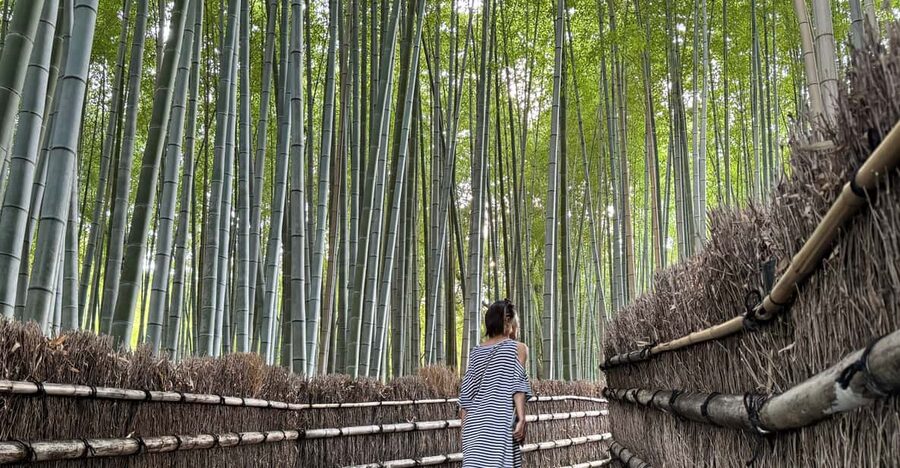
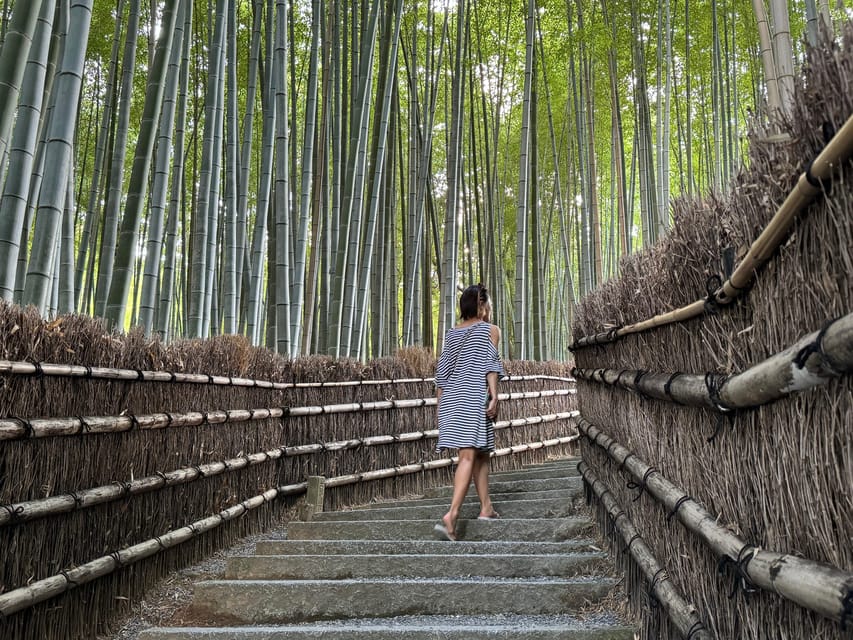
The bamboo forest is included, but the tour treats it as a photo stop of about five minutes. That is enough to take the expected picture and see the tall green stalks, but not enough for a slow, solitary walk through the entire area.
This is an important point when you compare the tour with a self-guided visit. If the bamboo is your only priority, you may want extra time before or after the tour. The guided walk is better suited to someone who wants the bamboo as one part of a wider Arashiyama day.
Your guide can also help with timing and photos. The information provided does not promise a private section of the forest or an empty path, so you should expect other people there. The advantage is that you move on to places where the atmosphere is generally less focused on taking the same famous photograph.
A completely different side of Kyoto:
- PERFECT KYOTO 1-Day Bus Tour
★ 5.0 · 13,518 reviews - Kyoto: Tea Ceremony in a Traditional Tea House in Kiyomizu
★ 4.9 · 3,519 reviews - Kyoto Geisha Walking Tour: Gion District & Hidden Gems
★ 4.7 · 3,273 reviews - Kyoto: Tea Ceremony Ju-An at Jotokuji Temple
★ 4.9 · 3,207 reviews
Otagi Nenbutsuji and its 1,200 stone figures
Otagi Nenbutsuji is one of the most memorable stops on the route. Its grounds contain about 1,200 stone figures, each with a different expression and character. Some look cheerful, some thoughtful, and some downright comic.
This temple gives the tour a welcome change of mood. After the polished fame of Togetsu Bridge and the ordered rows of bamboo, you get a place where the details reward close looking. I would take time to examine the faces rather than photograph the whole collection from a distance.
The temple admission is included in the $83 price, and the planned visit lasts about 30 minutes. That is enough for an introduction and a good look around, though anyone interested in sculpture or Buddhist temple art may wish for more time.
The figures are not just random decoration. Your guide can help explain their religious setting and why this temple feels so different from the grander, more formal sites in Kyoto. Past bookings have included guides such as Megumi, Yoshi, Kana, and Juraj, with particularly strong praise for guides who explained Japanese culture, Buddhist philosophy, and temple traditions in clear English. Guide assignments can vary by date.
Adashino Nenbutsuji and the field of stone memorials
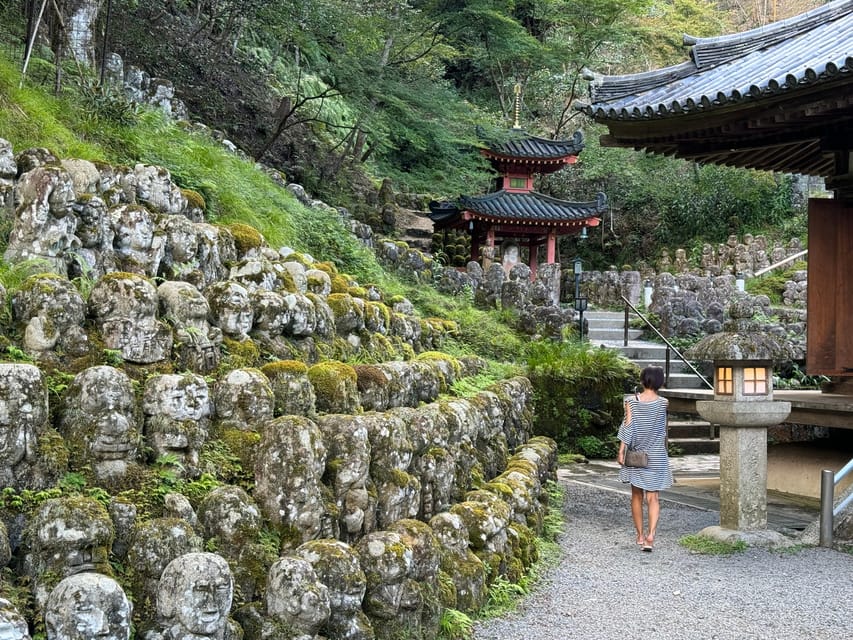
The next major temple is Adashino Nenbutsuji, a much more reflective place. Its grounds contain roughly 8,000 stone images and pagodas connected with memorial practices. The sheer number of stones changes the feeling of the visit. Instead of focusing on one statue or building, you take in a broad field of small forms marking remembrance.
This stop gives the walk emotional weight. Otagi Nenbutsuji is playful, while Adashino Nenbutsuji asks you to slow down and consider the meaning of memorials in Japanese Buddhism. The two temples work well together because they show very different sides of religious art and practice.
The visit is scheduled for about 30 minutes, and admission is included. The exact itinerary does not list a separate stop title for this temple, but it follows Otagi Nenbutsuji before the group continues through Saga Toriimoto toward Seiryoji.
You should be prepared for outdoor paths and walking between sites. The tour is not suited to wheelchair users or people with mobility impairments, and the advice to wear comfortable shoes is worth taking seriously.
Saga Toriimoto, old houses, and small craft shops
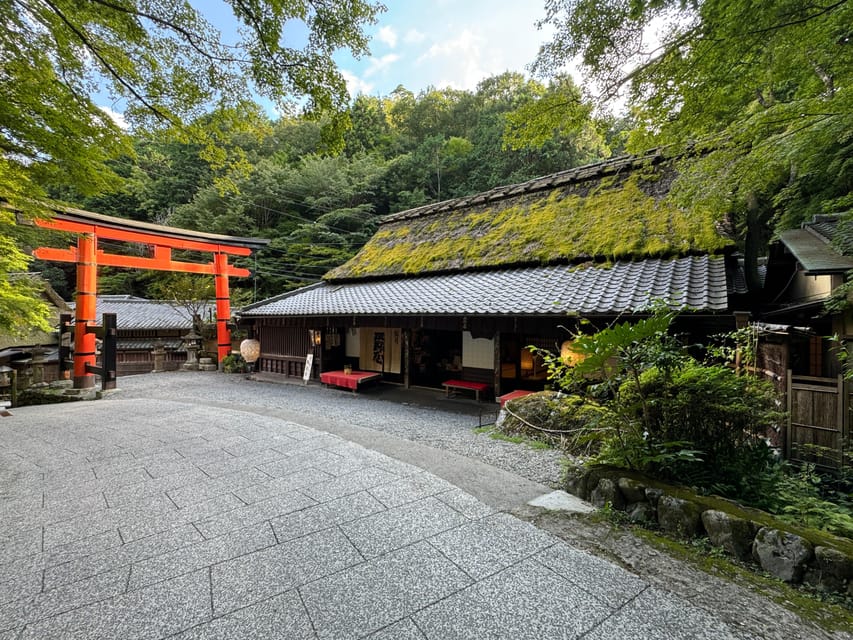
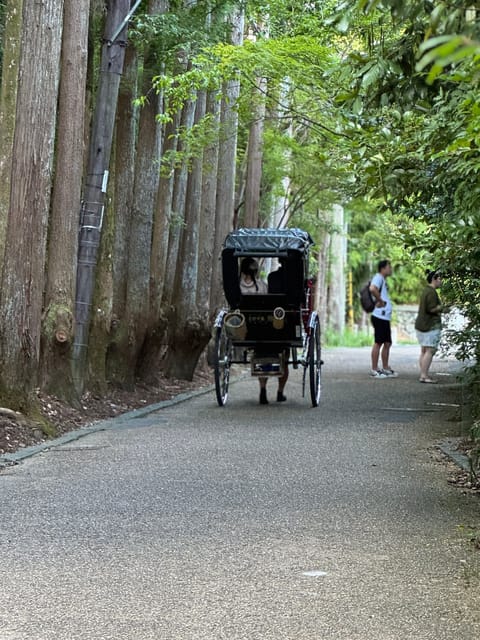
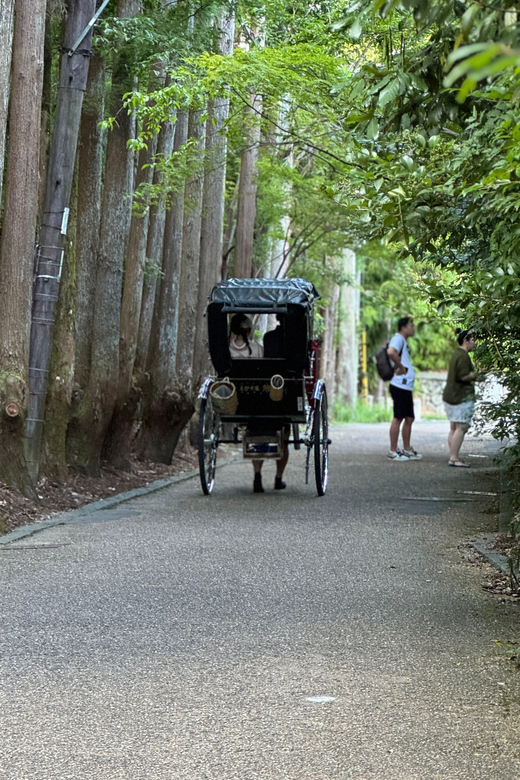
Saga Toriimoto Preserved Street is where the tour moves from temple grounds into a traditional residential setting. The street is known for its old Japanese houses, and the guided walk lasts about 30 minutes.
This section is valuable because it gives you a closer look at the built environment of the area. Instead of seeing Kyoto only through famous temple gates, you pass houses and shopfronts that show how the older district developed. The route may include local shops such as a cocoon doll shop and a Washi paper shop.
These are not just souvenir stops in the usual sense. Cocoon dolls and Washi paper connect to Japanese craft traditions, and a guide can explain what you are looking at before you decide if you want to buy anything. Souvenirs are not included, so you can browse without treating the shopping as part of the tour cost.
The old street is also a good place to keep the walking pace steady. You can look at rooflines, wooden façades, and shop displays while learning about Okusaga and Arashiyama. If you prefer a tour made entirely of major monuments, this section may feel less exciting. If you enjoy ordinary streets and local crafts, it may be one of the strongest parts.
Seiryoji Temple and the return to the station
The route continues to Seiryoji Temple, also known as Saga Shakado, for a visit of about 15 minutes. The stop is shorter than the two Nenbutsuji temples, so expect a brief introduction rather than a long, unhurried examination of every building.
By this stage, the guide has connected the major sights with the surrounding district. You have seen the river, bridge, park, bamboo, two very different temples, and the preserved street. Seiryoji provides a final temple setting before the walk returns to Saga Arashiyama Station.
The tour ends back at the station, which is practical if you plan to continue elsewhere in Kyoto. You can also use the end of the tour to ask your guide for help with the next part of your day. One booking included a guide helping with a taxi and recommending a curry restaurant, while also offering further help with the route to Gion. That kind of personal assistance depends on your guide and schedule, but it shows the benefit of having a local person with you at the end of the walk.
What the guides add
The guide is the main reason to choose this experience instead of simply visiting the same places on your own. The sights are attractive without explanation, but the contrast between the temples becomes more meaningful when someone explains Buddhist philosophy, religious sects, local customs, and the background of Okusaga.
The strongest guide comments center on warmth and conversation. Megumi was described as cheerful and funny, while Yoshi was praised for explaining Japanese culture and history and for helping with practical arrangements after the tour. Kana was noted for making the walk comfortable for a family with two teenage and young adult sons.
Juraj brought fluent Japanese as well as English, which was useful for communication and guidance. Juliette led an English tour and also spoke French. If French support matters to you, ask when booking, since the available guide is not guaranteed.
The experience is offered in English and Japanese. Do not expect every guide to have the same style. Some may focus more on religion, some on daily customs, and some on local history. A private or small-group format gives you the best chance to shape the conversation around your interests.
Walking level, timing, and what to bring
Four hours sounds manageable, but the route covers several districts and temple grounds on foot. You will want shoes with good support, water, and a camera. There is a moderate amount of walking, and the tour is not suitable for people with mobility impairments or wheelchair users.
Smoking is not allowed. Food and drinks are not included, so bring water and plan meals separately. The schedule does not list a meal stop, and the short temple and viewpoint visits leave little room for a long break.
The tour is available at different starting times, depending on the date. That flexibility can help you fit it around a Kyoto itinerary, but check the available time before you pay. You may also reserve now and pay later, and cancellation is free up to 24 hours in advance for a full refund.
Is the $83 price fair?
At $83 per person, this is a mid-priced walking tour rather than a bargain sightseeing stroll. The cost includes a local guide and admission to Otagi Nenbutsuji and Adashino Nenbutsuji. You pay separately for drinks, food, and anything bought at the craft shops.
I think the price is fair if you value interpretation and want to see more than the bamboo forest. A self-guided route can cover the bridge, bamboo, and temples for less, but you would need to plan the order, understand the religious setting, and find your way through the older streets yourself.
The value is also better for a private or small group than for someone who simply wants a quick introduction. If you are curious about Buddhism, Japanese customs, temple art, or traditional homes, you get several hours of useful conversation along with the walk.
Who should book this walk?
I would recommend it to first-time Kyoto visitors who want the famous Arashiyama sights but do not want to stop there. It also suits people who enjoy walking, photography, local crafts, and cultural questions more than a rapid list of monuments.
Families with older children and teenagers should find the changing scenery helpful. The playful figures at Otagi Nenbutsuji give younger visitors something concrete to look at, while the old street and temple explanations add substance for adults.
You may want a different plan if you have limited mobility, dislike walking, or mainly want a long, quiet session in the bamboo forest. The five-minute bamboo stop is brief, and the route includes several temple areas rather than one extended stay at a single attraction.
Final verdict: a smart way to see quieter Arashiyama
Book this tour if you want Arashiyama in layers: river and bridge, bamboo, playful stone figures, solemn memorial stones, old houses, and local craft shops. The route is well chosen, and the guides can turn a pleasant walk into a clearer lesson in Japanese culture and religion.
Skip it if the bamboo forest is your only goal or if four hours of moderate walking sounds tiring. For everyone else, the $83 fee buys a useful mix of famous sights and less obvious places, with the added ease of a guide and two included temple admissions.
FAQ
How long does the Arashiyama tour last?
The tour lasts four hours.
Where does the tour begin?
Meet your guide in front of the ticket gate at Saga Arashiyama Station. The guide will hold a yellow sign with the DeepExperience logo.
Where does the tour finish?
The tour finishes back at Saga Arashiyama Station.
Which languages are available?
The tour is offered in English and Japanese.
Is this a private tour or a group tour?
Private and small-group options are available.
Are temple admissions included?
Admission to Otagi Nenbutsuji Temple and Adashino Nenbutsuji Temple is included.
Is food included in the price?
No. Food and drinks are not included.
What should I bring?
Bring comfortable walking shoes, water, and a camera.
Is the tour suitable for wheelchair users?
No. The tour is not suitable for wheelchair users or people with mobility impairments.
Recently added around Kyoto
- Higashiyama | Kyoto: Sakura Season Private Rickshaw Tour★ 5.0 · 3 reviews
- Kyoto Kimono Rental CHAMATSU|Kimono/Yukata Rental FamilyPlan★ 5.0 · 3 reviews
- Kyoto: Half-Day Private Guided Tour to the Old Town of Gion★ 4.4 · 3 reviews
- Nara Private Customizable Half Day Tour★ 5.0 · 3 reviews
- Kansai Region Hiking Adventure in Nara Kobe Kyoto and More★ 5.0 · 3 reviews
- Full Day Nara Deer, Temple, Shrine, Activities & Tea Ceremony★ 5.0 · 3 reviews
- Nara: Essential Private Tour with Deer Park and Temples★ 5.0 · 3 reviews
- Hiking Tour for Sacred Sites in Kyoto with a Guide★ 5.0 · 3 reviews
Arashiyama Bamboo Grove Tours, compared.
Fushimi Inari, Kinkakuji, Bamboo Grove 1 Day Bus Tour
Read our review →
Kyoto/Osaka: Nara, Fushimi Inari Taisha, Arashiyama Bus Tour
Read our review →
Kyoto Arashiyama Walking Tour: Bamboo, Monkeys, Gardens & Secrets
Read our review →
Arashiyama Bamboo, Temple, Monkeys, or Secret Sake Brewery
Read our review →
Arashiyama Bamboo Forest, Monkeys, Matcha & Temple Tour
Read our review →
Nijo, Kinkaku-ji, Arashiyama, Kiyomizu & Fushimi Inari
Read our review →
Kyoto Ghost Tour: Dark Tales, Urban Legends, Bamboo Forest Night
Read our review →
Arashiyama Bamboo Forest & Hidden Gems Bike Tour (Early Bird)
Read our review →Browse the lists this tour appears in